How US fighter jet pilots can change a missile's target after launch

US fighter pilots use secure Two-Way Data Links to rewrite a missile's kill chain mid-flight. This allows them to instantly swap targets, receive third-party guidance from allied stealth jets, or abort a USD 1 million strike at the last second.Untitled Summary
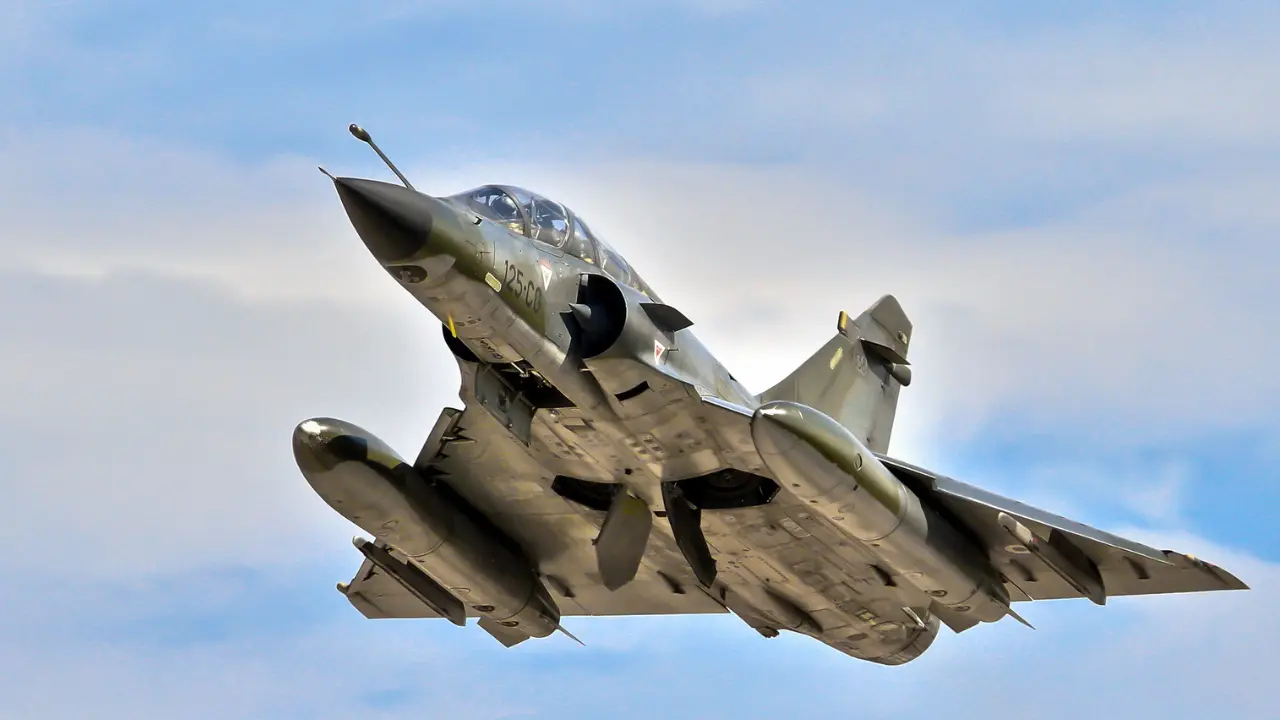
The 'Fire and Forget' Myth
Older missiles were strictly ‘fire and forget’, meaning once they left the rail, the pilot had absolutely zero control. Today, advanced US weapons feature continuous inflight communication, allowing pilots to completely rewrite the weapon's kill chain.
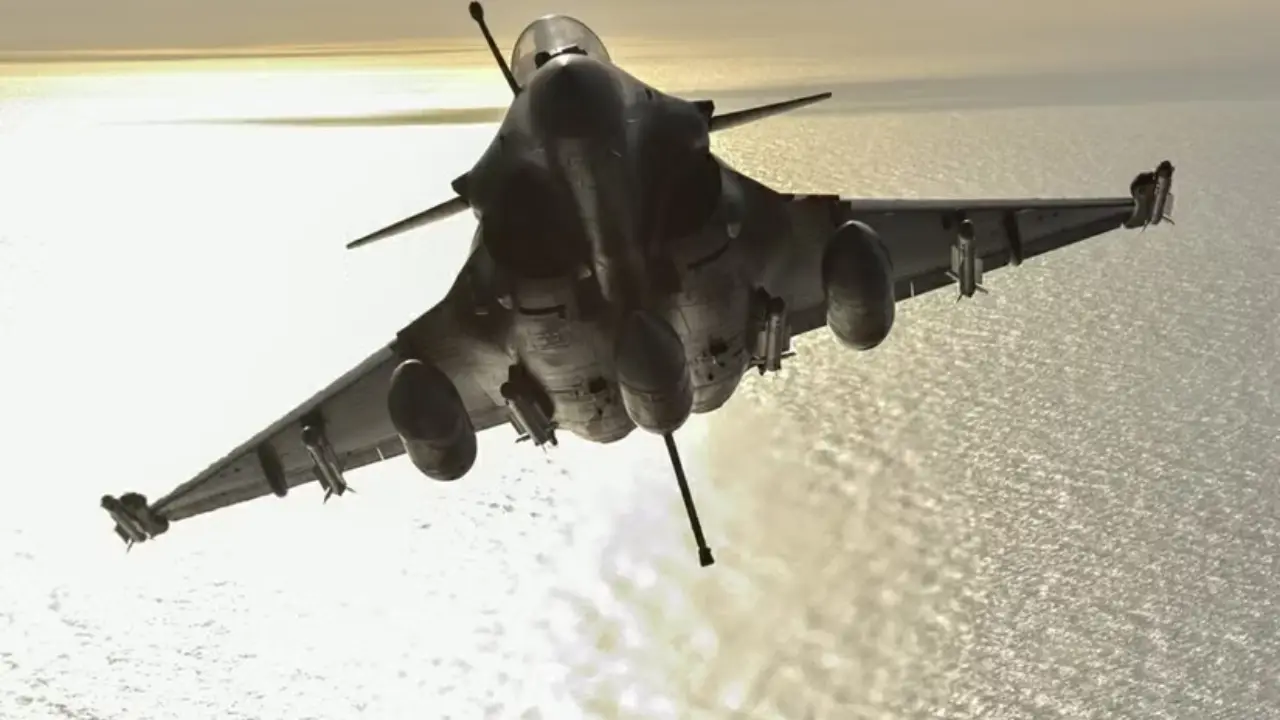
The Two-Way Data Link
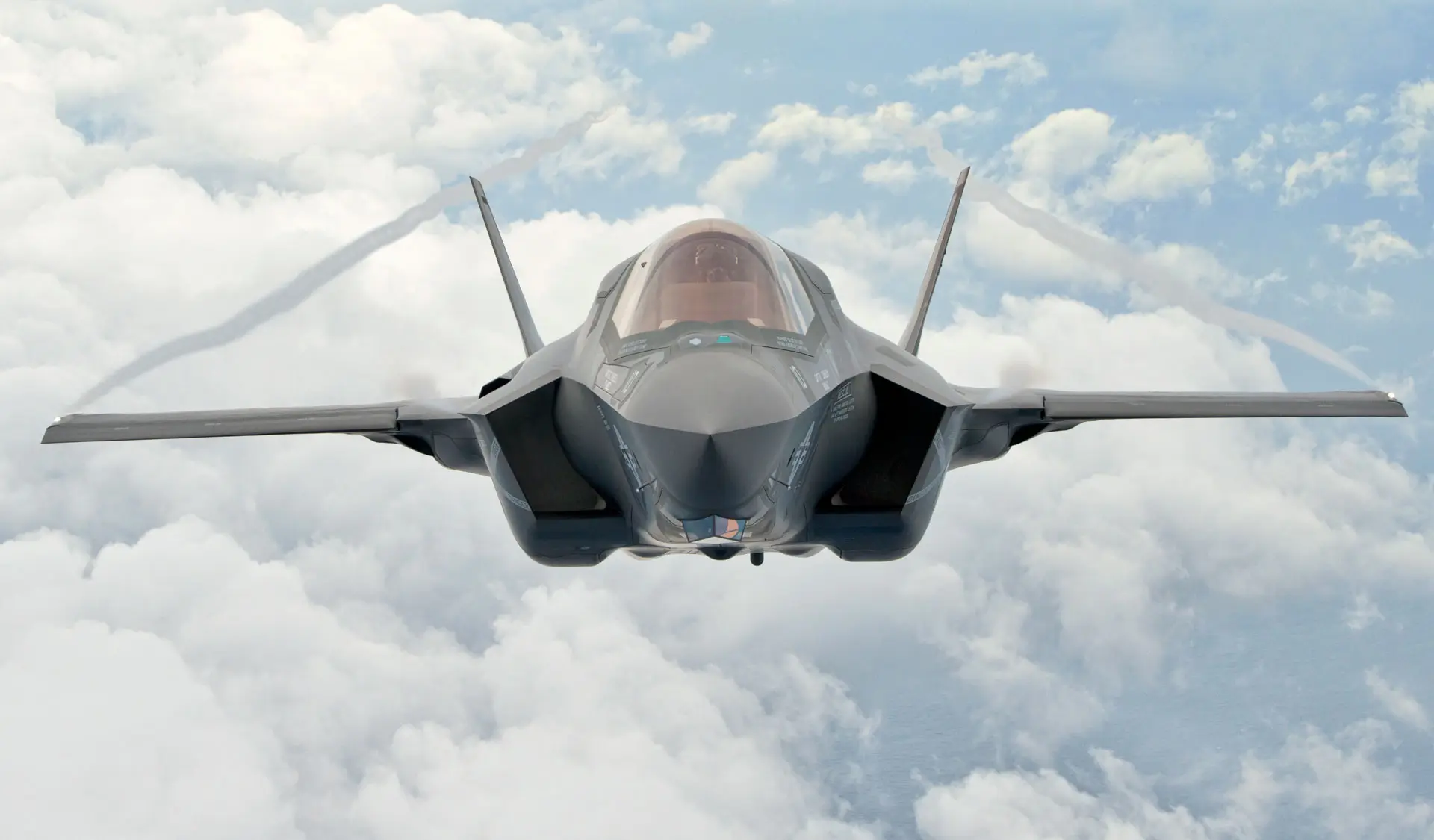
Modern interceptors like the F-35 Lightning II utilise a highly secure Two-Way Data Link (TWDL). This encrypted military network allows the jet's combat computer to stream real-time coordinate updates directly to a missile moving at Mach 4.
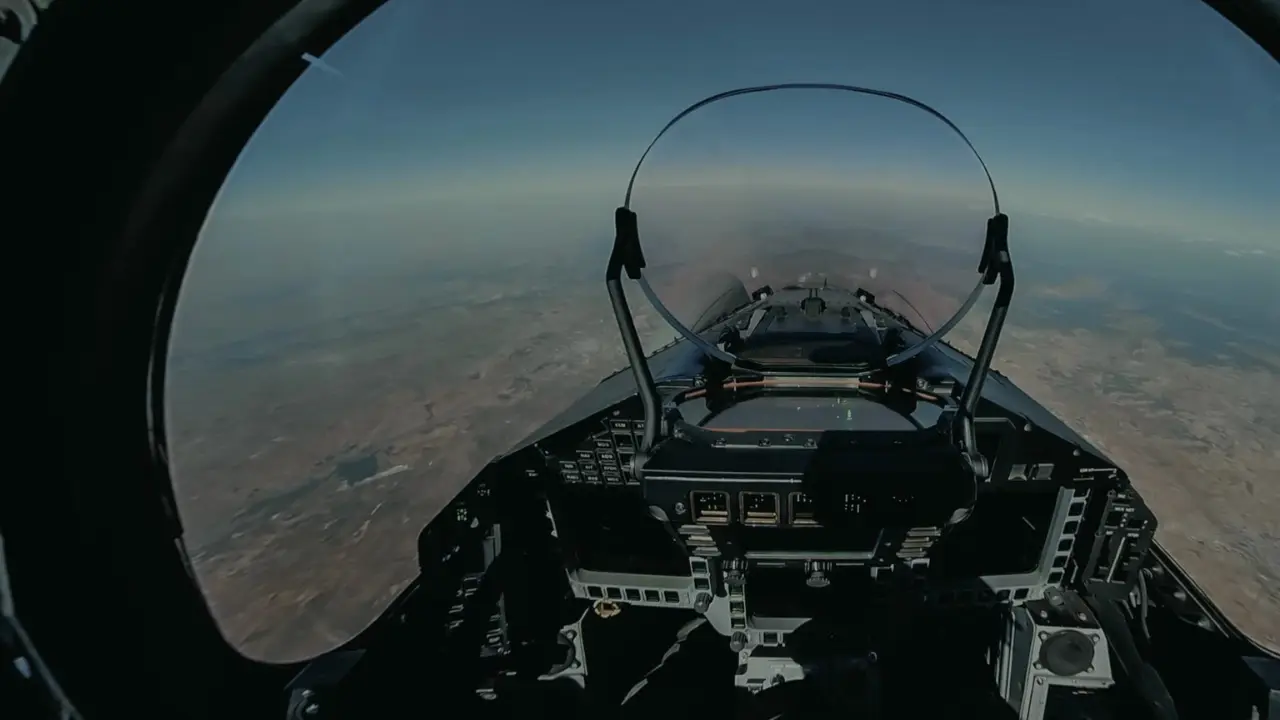
Mid-Course Redirection
When an AIM-120D AMRAAM is fired at a long-range target, its internal radar seeker remains switched off to conserve energy. The pilot uses the data link to quietly guide the USD 1 million missile through the sky via GPS and inertial navigation.
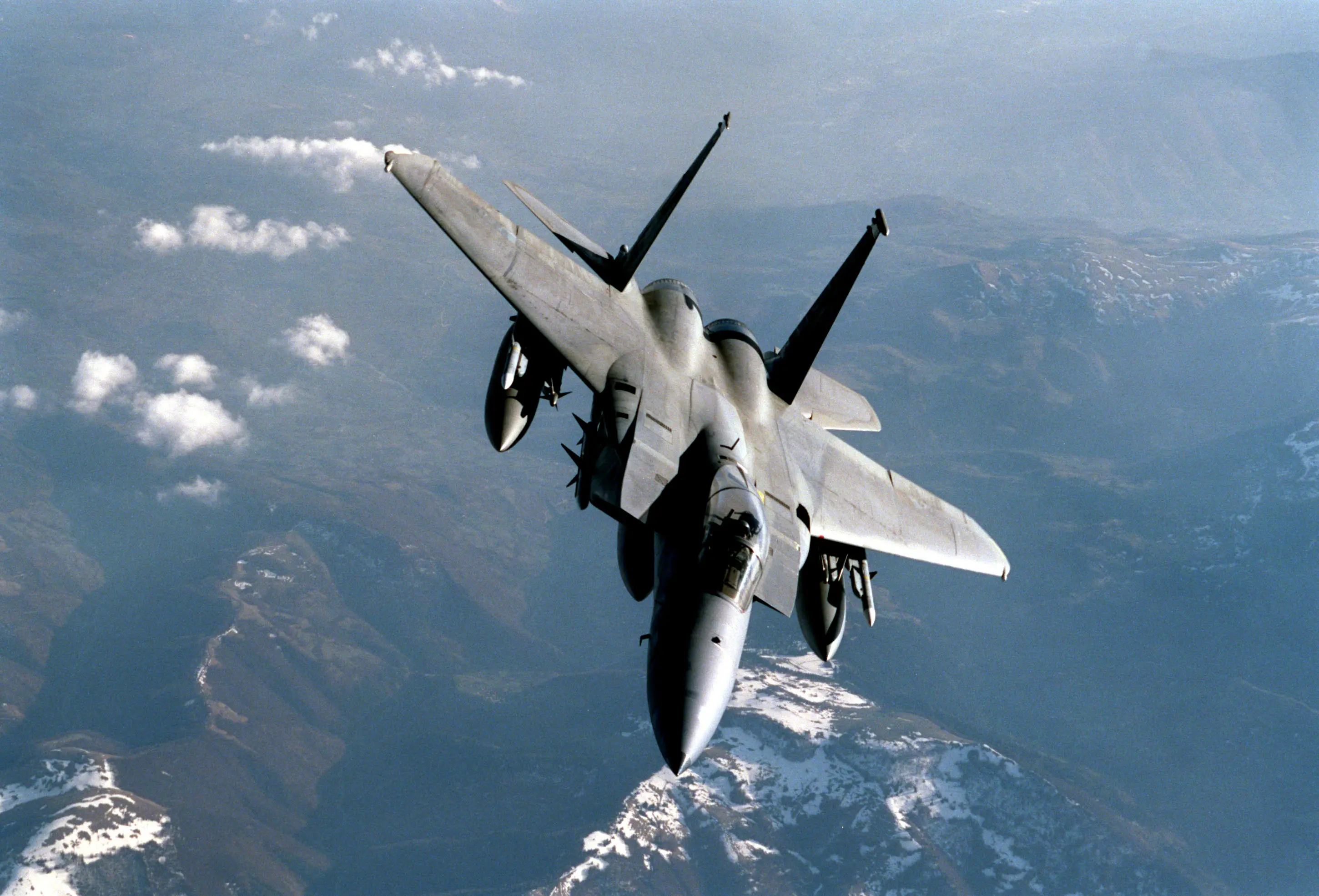
Swapping Targets Mid-Flight
If a higher-priority threat suddenly appears on the battlefield, the pilot does not need to fire a second weapon. They can instantly transmit the new enemy's coordinates to the airborne missile, forcing it to abruptly change course mid-flight.
Third-Party Targeting
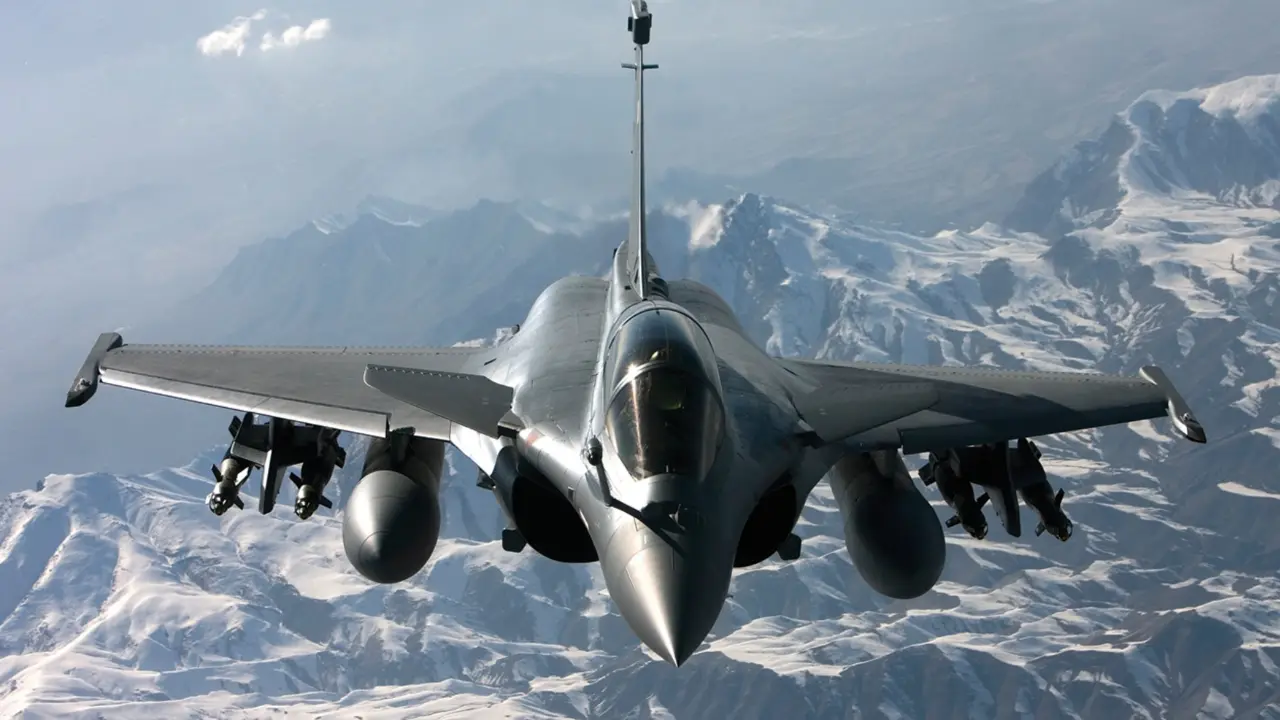
The pilot who fires the missile does not even need to be the one controlling it. A US Navy F/A-18 can launch a weapon blindly, while an invisible F-35 flying 100 miles ahead assumes control and guides the missile to the final target.
The Abort Command
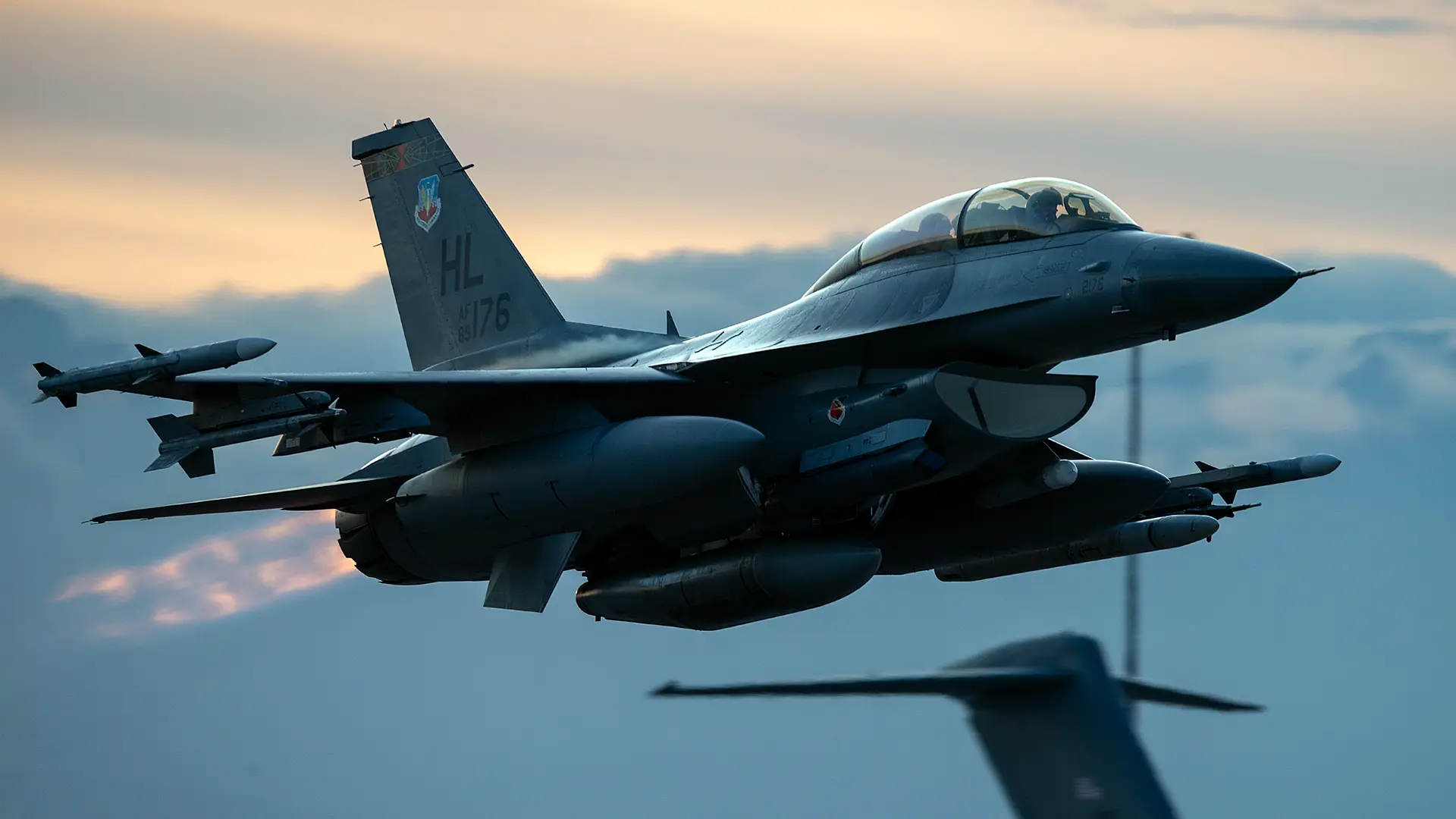
In highly congested combat zones, the risk of hitting civilian aircraft or friendly forces is immense. The two-way link allows a US pilot to instantly send a self-destruct or abort command, safely disabling the warhead seconds before impact.
The Final Terminal Phase
Only in the last few seconds of flight does the missile finally turn on its own active onboard radar. Once this terminal seeker locks onto the enemy aircraft, the data link drops, and the weapon executes an autonomous, inescapable strike.
)
)
)
)
)