How US fighter jet missiles stay accurate even when signals are jammed

When enemies jam GPS and radar, US missiles survive using internal gyroscopes, dual-mode thermal seekers, and secure data links. Advanced weapons even feature ‘Home-on-Jam’ tech, tracking the hostile electronic interference directly to its source.
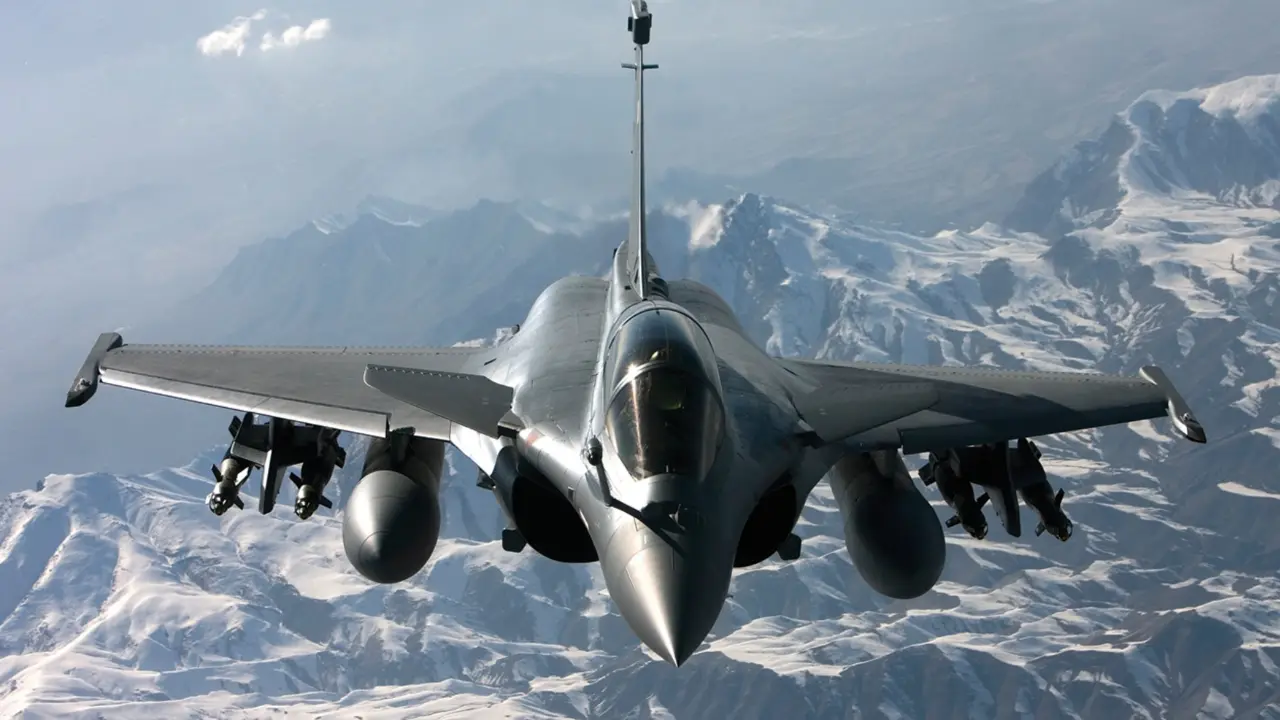
The GPS Blackout
In a modern combat zone, adversaries deploy massive electronic warfare arrays to instantly jam GPS satellites and external radar signals. To survive this digital blackout, US missiles are engineered to navigate completely autonomously without relying on outside communications.

Inertial Navigation Systems
When external signals vanish, weapons like the AIM-120 AMRAAM instantly switch to internal Inertial Navigation Systems (INS). This self-contained technology uses highly sensitive gyroscopes and accelerometers to physically calculate the missile's exact speed, trajectory, and location in a dead-reckoning scenario.
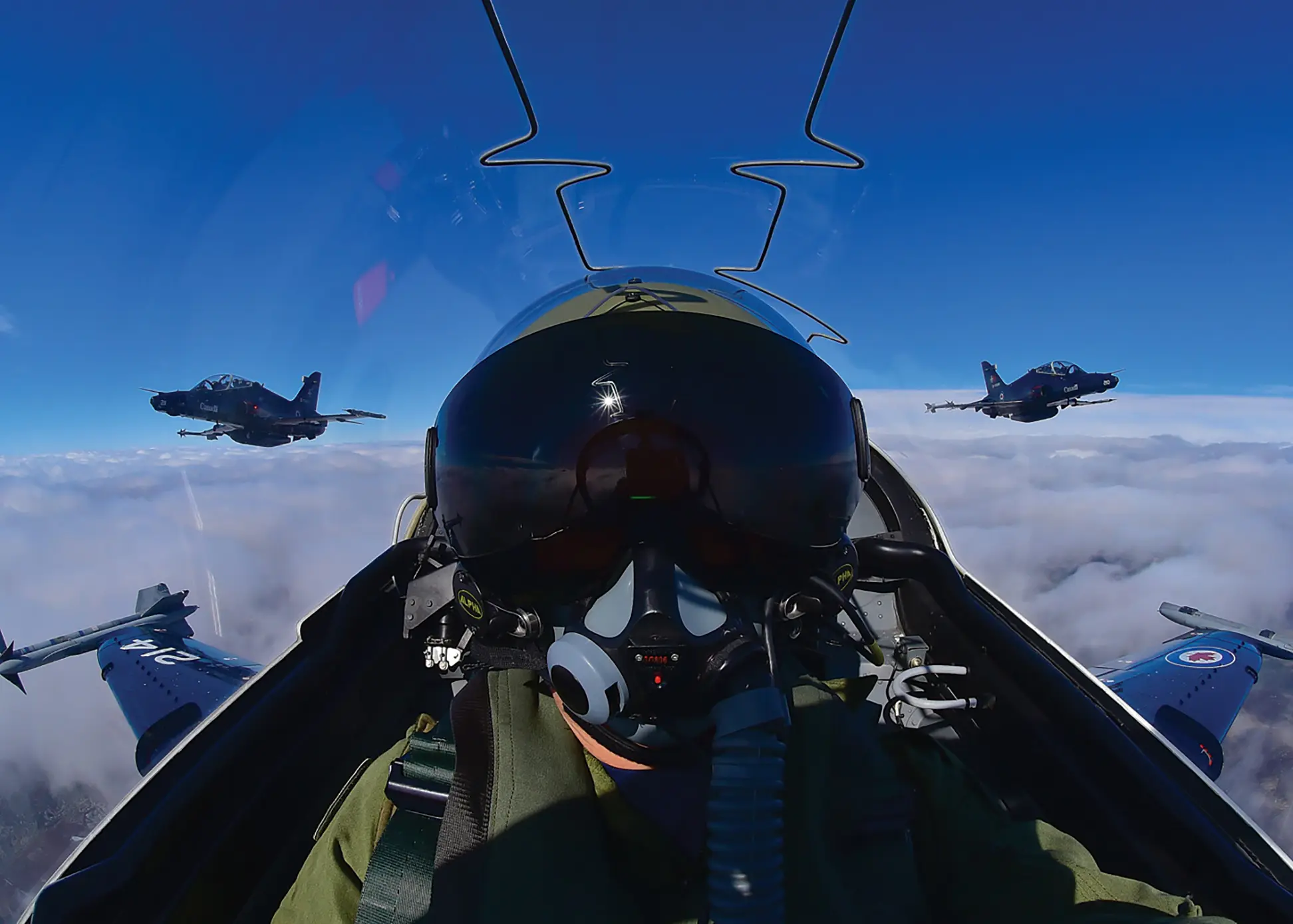
The 'Home-on-Jam' Trap
Attempting to blind an American missile frequently turns the enemy aircraft into a giant, glowing target. Advanced interceptors feature a ‘Home-on-Jam’ capability, allowing the weapon to physically track the hostile jamming frequency to its exact source and destroy the transmitter.
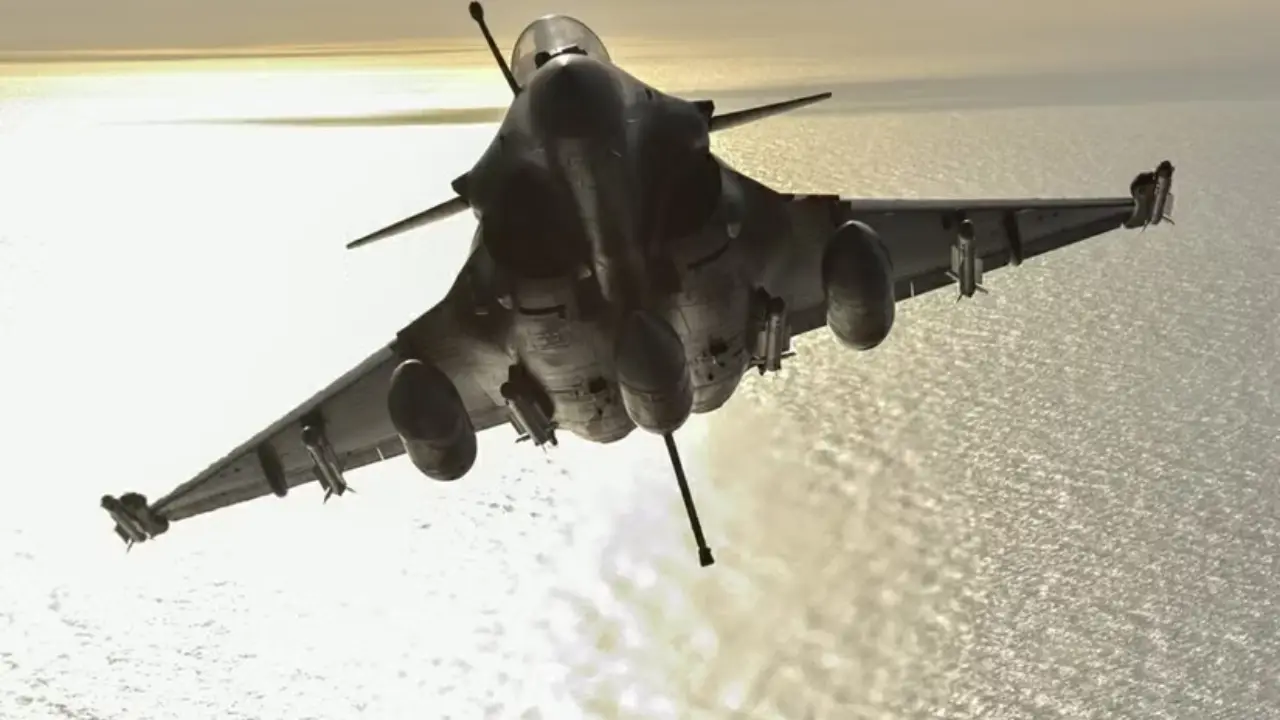
Miniature AESA Radars
If the launch aircraft's main radar is successfully jammed, the missile simply activates its own. The latest USD 1 million weapons pack miniaturised Active Electronically Scanned Array (AESA) radars in their nose cones, generating an independent targeting lock during the final flight phase.
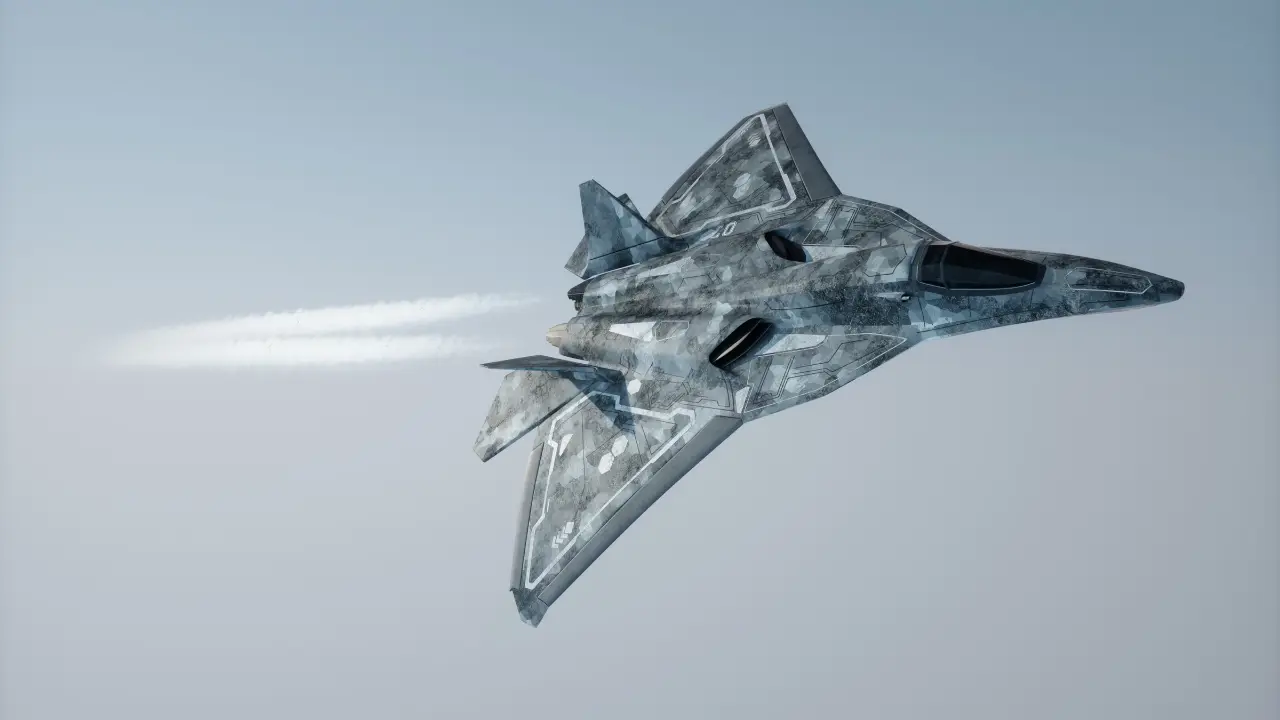
Dual-Mode Seekers
To guarantee a lethal strike in heavy electronic clutter, the Pentagon is equipping advanced missiles with dual-mode seekers. If an enemy completely neutralises the radio frequencies, the weapon seamlessly shifts to infrared optics to track the physical heat of the hostile jet engine.
The Flying Internet
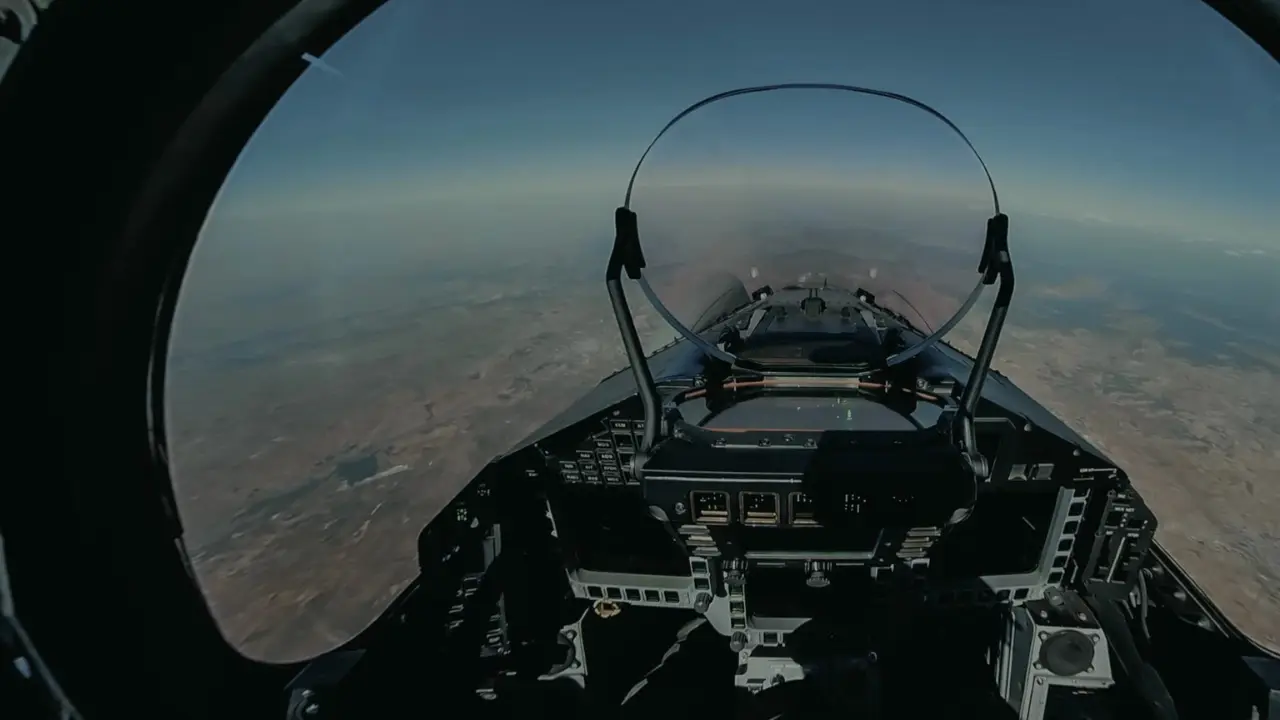
A jammed F-35 fighter jet does not mean its weapons are useless. Through highly secure military data links, a blinded missile can rapidly pull encrypted targeting coordinates from allied AWACS planes or naval destroyers operating safely outside the jamming zone.
Cognitive AI Upgrades
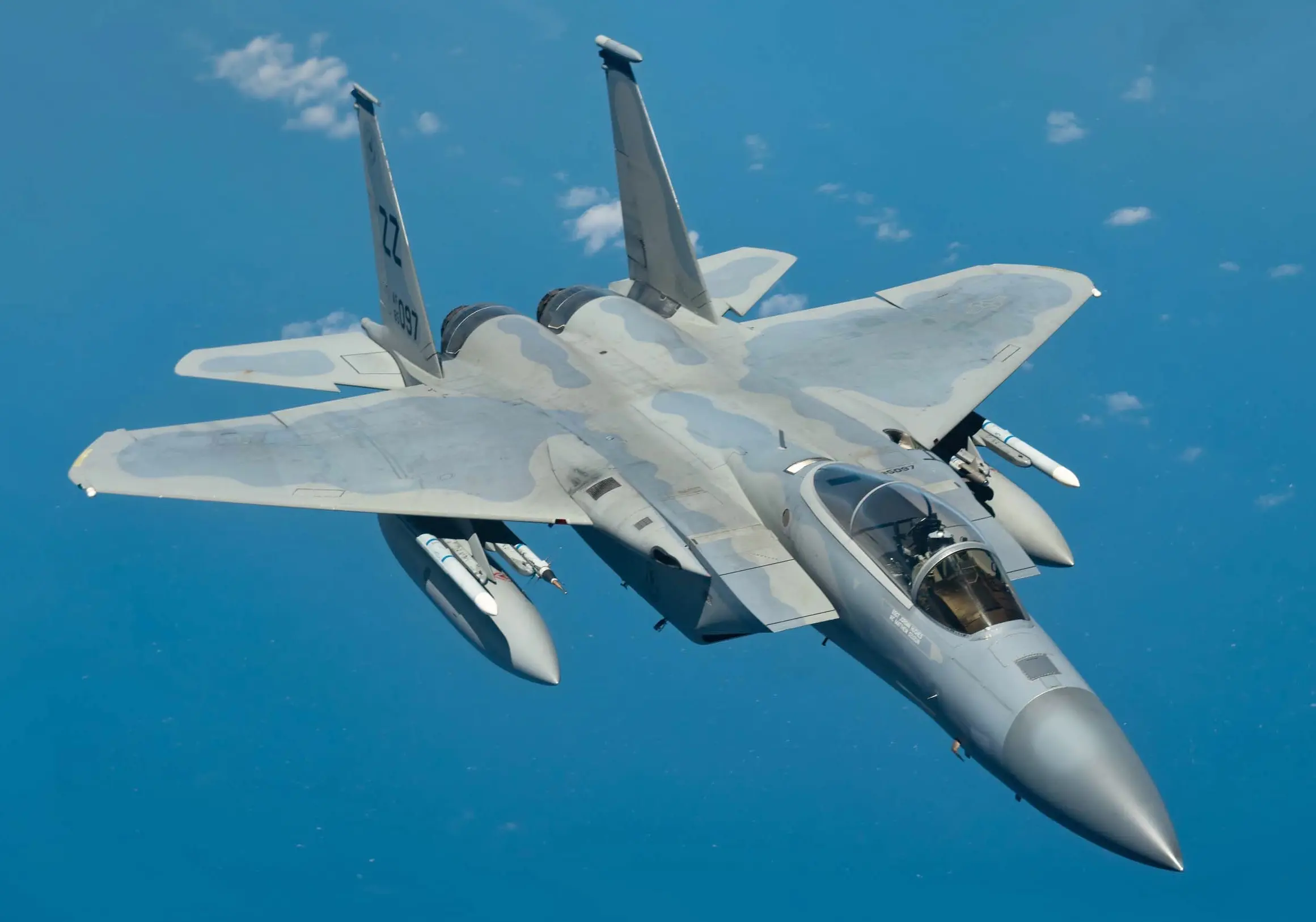
The US military is rapidly deploying cognitive electronic warfare software to its existing missile stockpile. This artificial intelligence analyses unknown jamming frequencies in milliseconds, autonomously rewriting the weapon's flight algorithms to bypass digital interference mid-air.
)
)
)
)
)