How US and Russian fighter pilot helmets differ

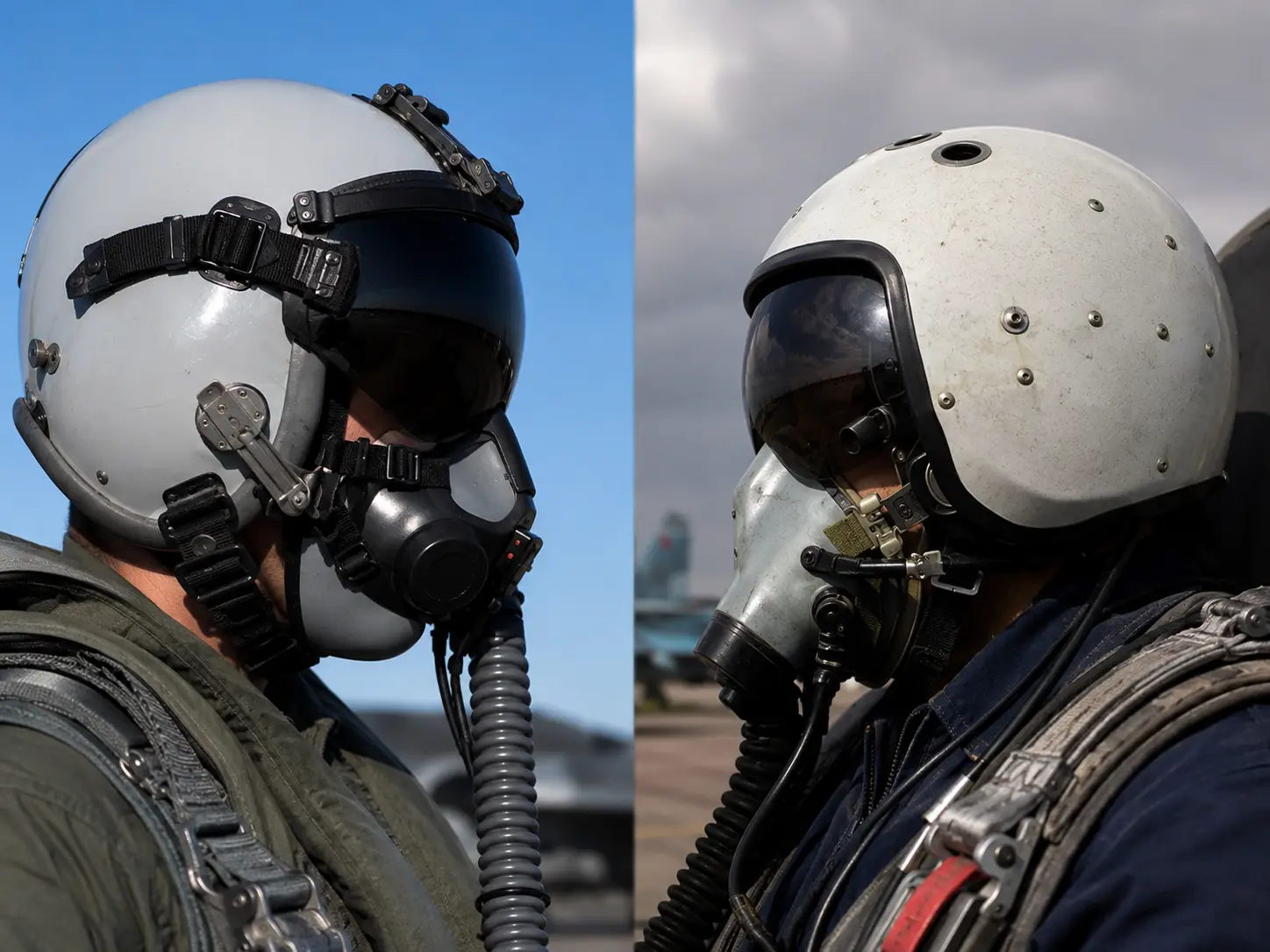
US fighter pilots use 3D-scanned, custom-fitted helmets for advanced data projection. Russian pilots use mass-produced, adjustable helmets designed for rugged reliability and easier field replacement.
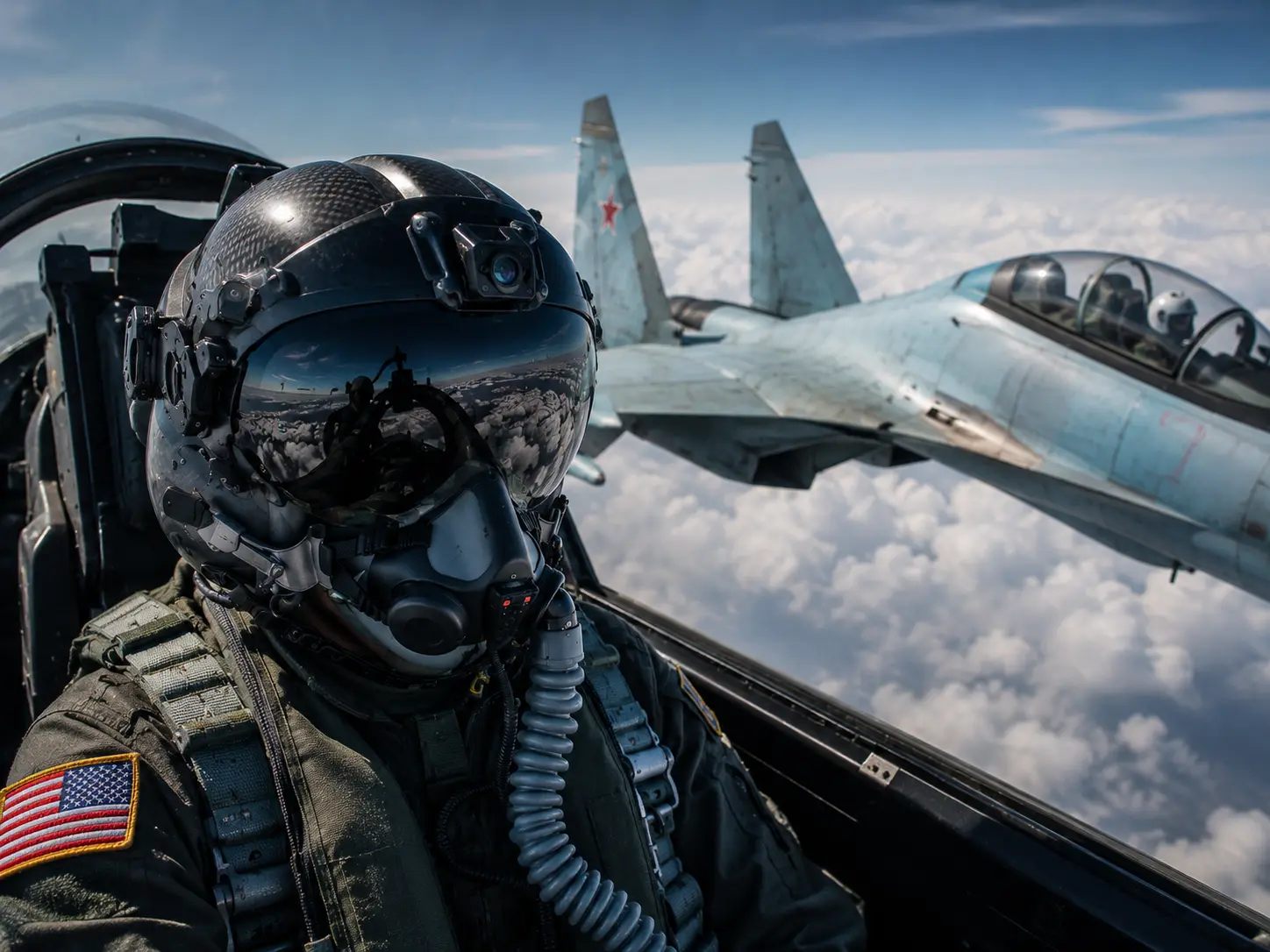
Bespoke F-35 helmets
US fighter pilots, particularly those flying the F-35, use helmets moulded specifically to their skull shape using 3D laser scans. This process ensures the internal optics align perfectly with the pilot’s pupils. The custom fit allows the visor to act as a primary flight display, ensuring data stays locked in the pilot's field of vision during high-g manoeuvres.
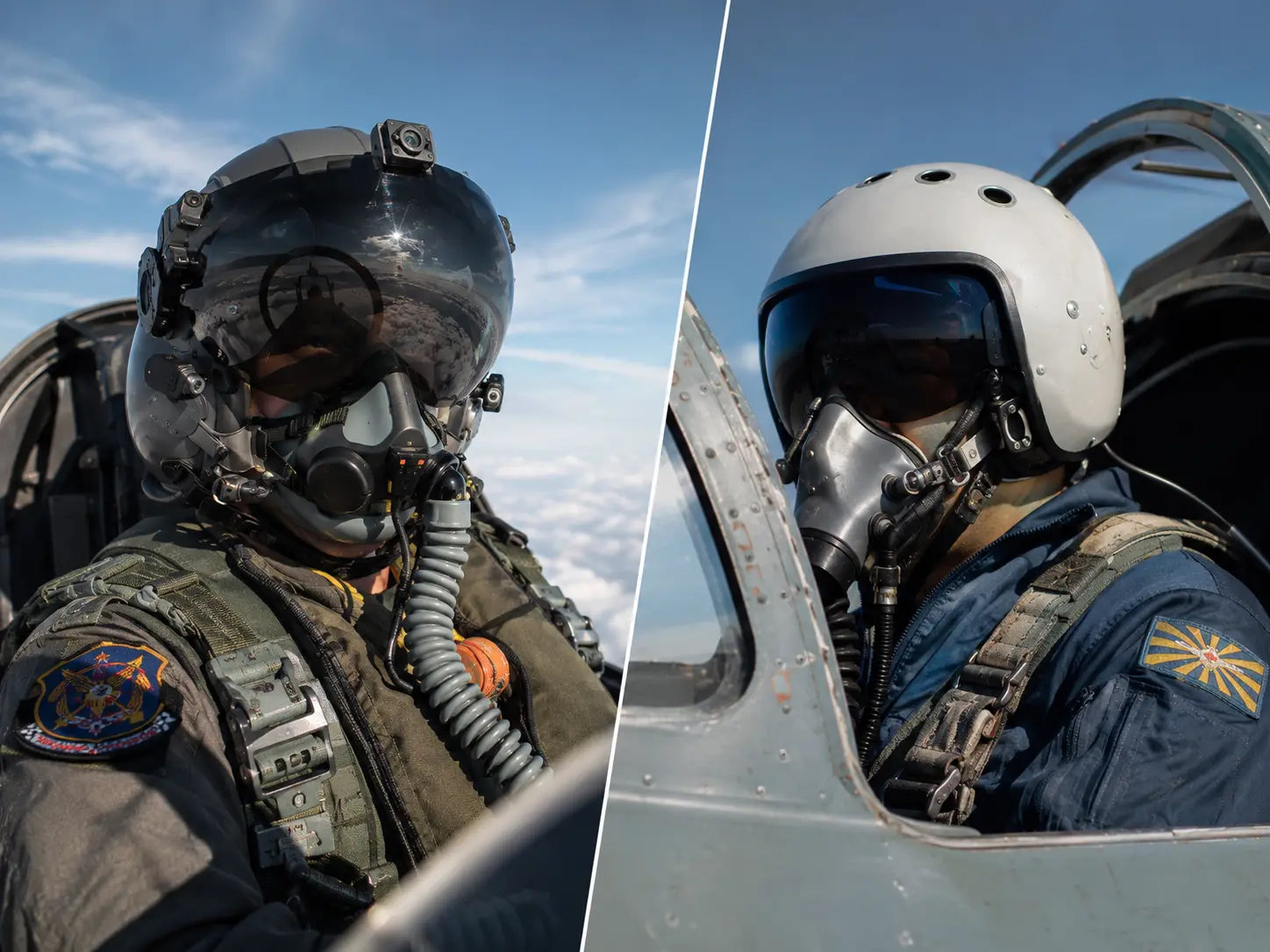
Russian standardised fit
Russian pilots typically wear mass-produced ZSh-series helmets designed for broad compatibility rather than an individualised fit. These helmets utilise adjustable internal suspension straps and movable cheek pads to accommodate various head shapes. This design allows ground crews to replace damaged gear instantly, without needing specialised moulding equipment or 3D-scanning technicians.
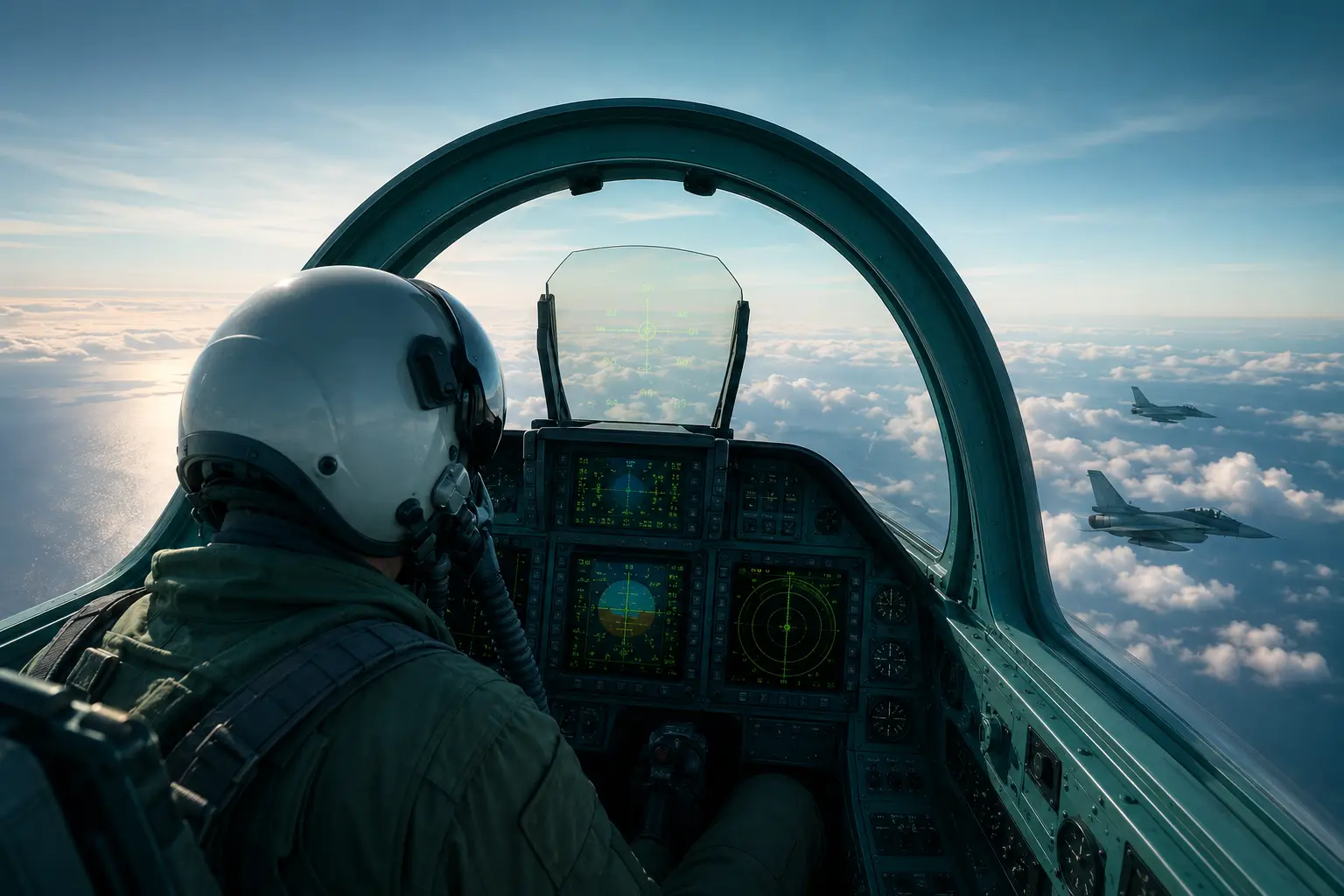
Sensor fusion visors
The American helmet-mounted display projects a 360-degree view, target data, and night vision symbology directly onto the inner visor. This system allows the pilot to see through the airframe by fusing data from external sensors. Russian helmet sights generally provide optical targeting cues for short-range missiles, while relying on the cockpit’s primary head-up display for other flight data.
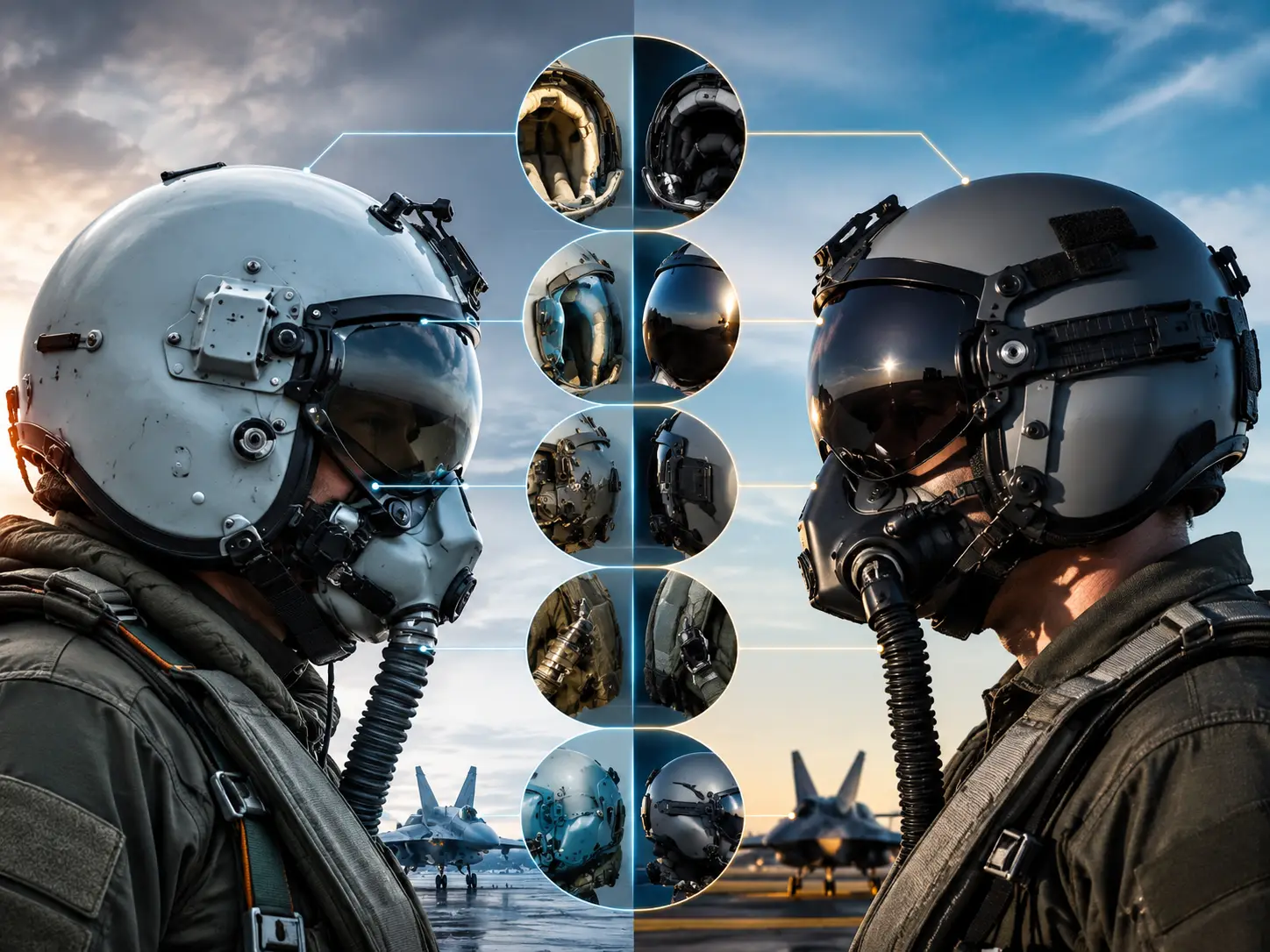
Logistical maintenance cycles
Custom US helmets require a mandatory inspection and refitting process every 120 days to account for subtle changes in the pilot's facial structure. Conversely, Russian design philosophy prioritises combat sustainability in austere locations. By avoiding bespoke moulding, Russian squadrons maintain helmet stocks that fit any pilot, simplifying the supply chain in remote operating bases.
Differing tactical priorities
The disparity between the two systems stems from distinct combat philosophies. The United States invests in high-cost, sensor-fused interfaces to maximise pilot decision-making speed through data. Russia focuses on the reliability of the man-machine interface, ensuring that equipment remains functional across thousands of flight hours in environments where digital infrastructure might be unavailable.
)
)
)
)
)