How upcoming F-47 fighter jet could be the deadliest man-made weapon ever?

The new aircraft will be built under the Next Generation Air Dominance (NGAD) programme, marking the United States’ entry into sixth-generation fighter technology designed to replace the F-22 Raptor.
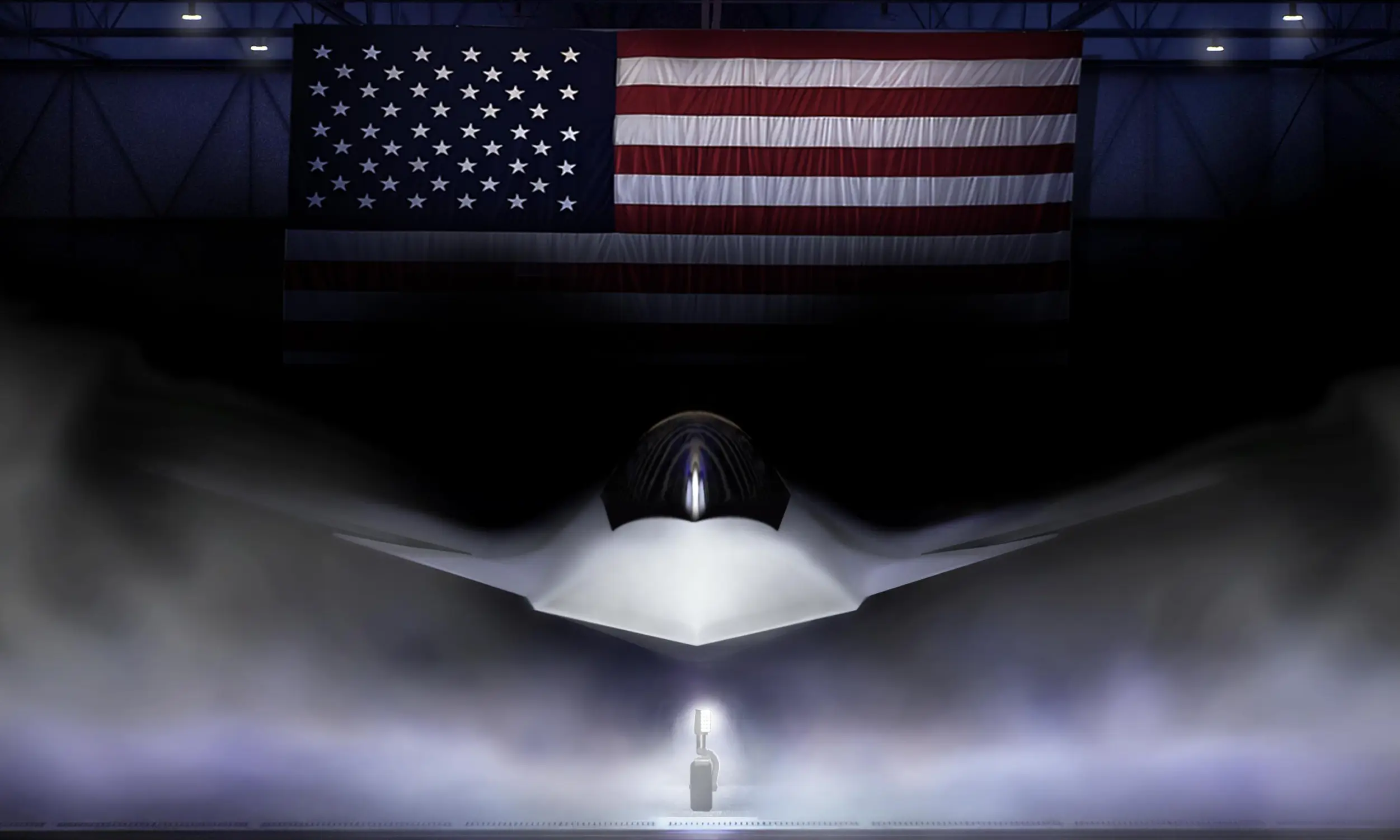
F-47 fighter jet
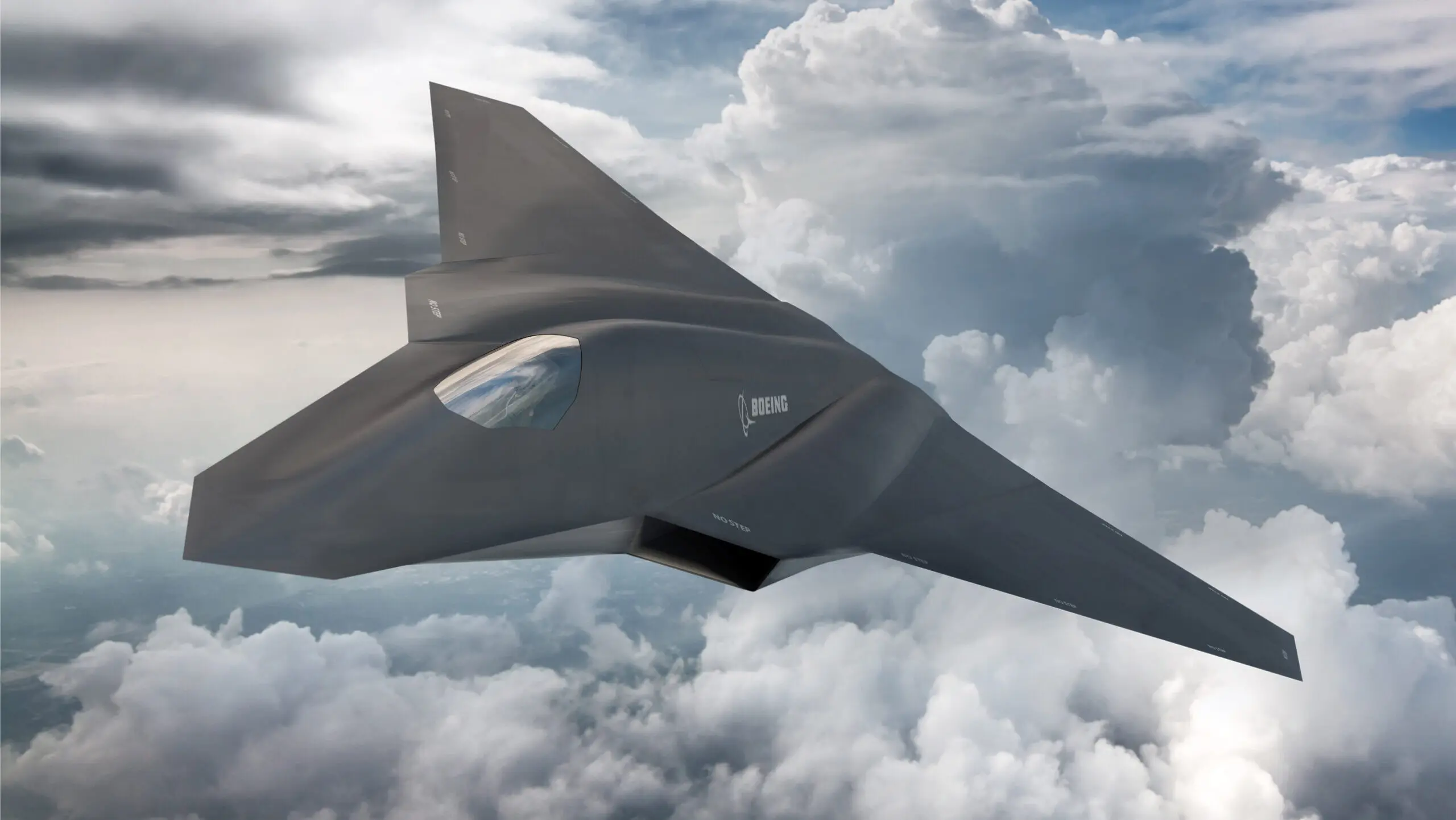
In March, US President Donald Trump announced that Boeing has been awarded the contract to develop the US Air Force’s next-generation fighter jet, designated as the F-47. Speaking from the Oval Office alongside Secretary of Defense Pete Hegseth and Air Force Chief of Staff Gen. David Allvin, Trump declared: “They will have unprecedented power. Nothing in the world comes even close to F-47.” The new aircraft will be built under the Next Generation Air Dominance (NGAD) programme, marking the United States’ entry into sixth-generation fighter technology designed to replace the F-22 Raptor.

Honouring history and legacy
Gen. David Allvin explained on X that the designation F-47 carries layered meaning. It pays tribute to the historic P-47 Thunderbolt of WWII and nods to the founding year of the US Air Force in 1947. It also symbolically acknowledges the 47th President’s support in the fighter’s development.
Stealth and advanced design
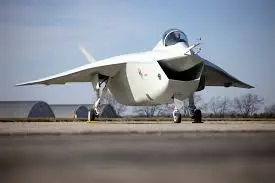
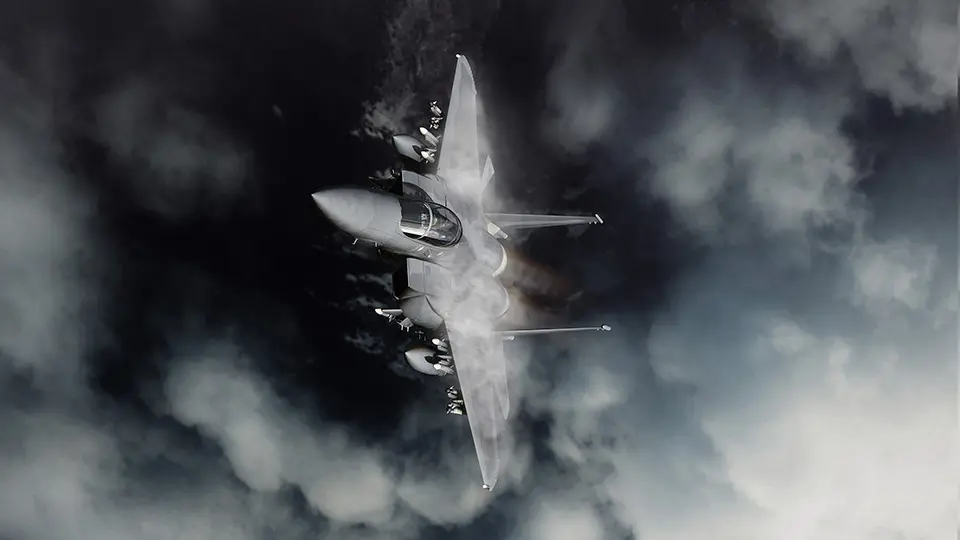
The Boeing F-47 is set to replace the F-22 Raptor. Reports say it will feature next-generation stealth, making it virtually unseeable to radar. Its design includes a canard configuration, placing small forewings near the cockpit to improve agility and control at high speeds. The aircraft will also adopt elements from Boeing’s YF-118G Bird of Prey, such as a shovel-like nose and wing dihedral for greater stability.
Superior combat capability
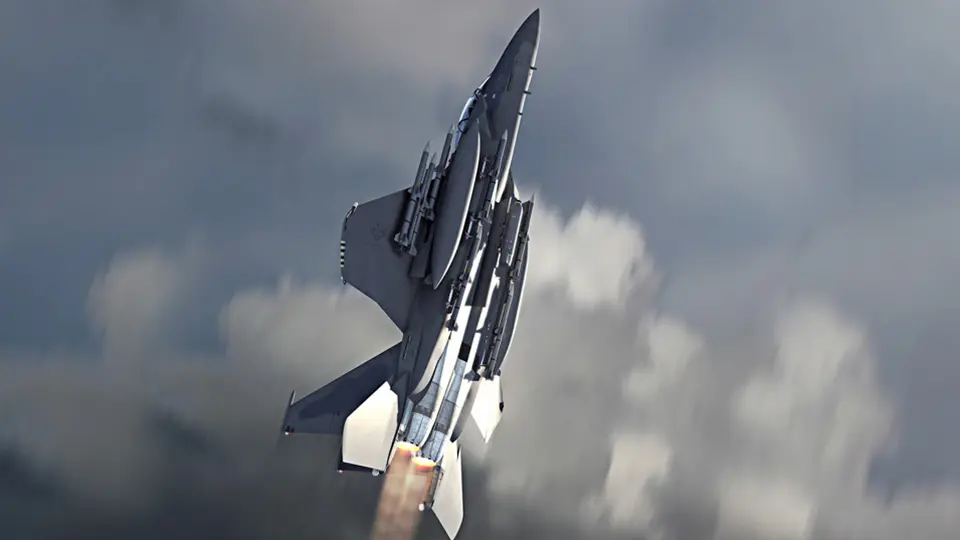
Compared to the F-22 and F-35, the F-47 will have better sensor fusion, longer range, and higher availability. Its design focuses on Beyond Visual Range (BVR) combat with advanced long-range missiles, but exceptional manoeuvrability means it remains effective in close-range dogfights too.
Collaborative combat aircraft
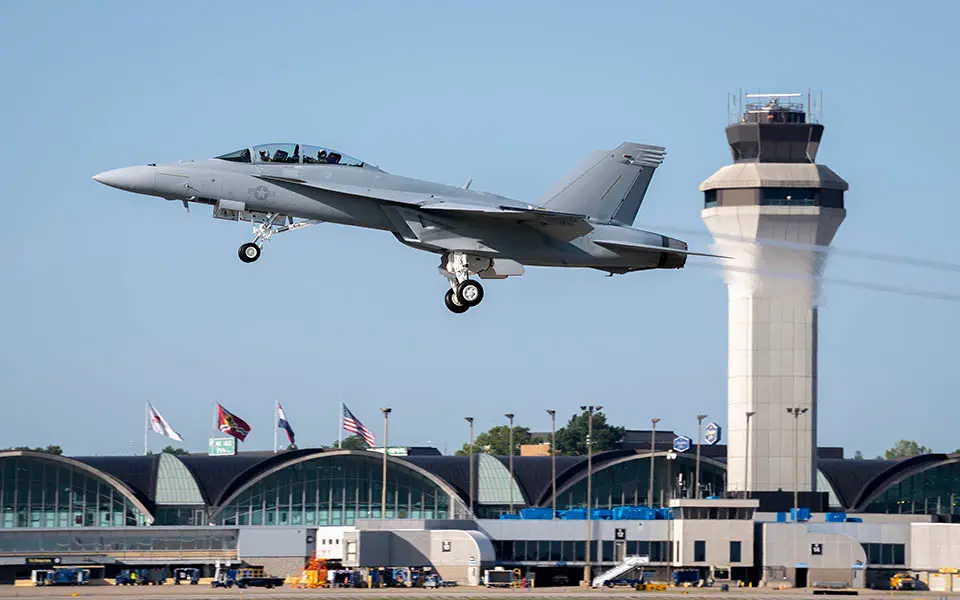
A key innovation is its ability to fly alongside autonomous drone wingmen, known as Collaborative Combat Aircraft. This system will extend strike range, share targeting data, and provide greater battlefield flexibility.
Adaptable and sustainable
The F-47 is described as a made to adapt platform. It is expected to need less infrastructure and manpower to operate, with improved sustainment and lower lifecycle costs compared to current fifth-generation fighters.
Poised to dominate future skies
The F-47 combines stealth, speed, range, and adaptability into what experts describe as the most powerful fighter ever built. Drawing on decades of air superiority experience, including the legacy of the F-22, it is engineered to counter the latest threats in contested airspace and beyond.
)
)
)
)
)