How this American fighter jet used to hide itself from radar, also known as a shadow jet

The F-117, one of America's most iconic fighter jets also known the Shadow Jet, was built to avoid radar detection. Its faceted shape, radar-absorbing coatings, and internal weapons systems know more.
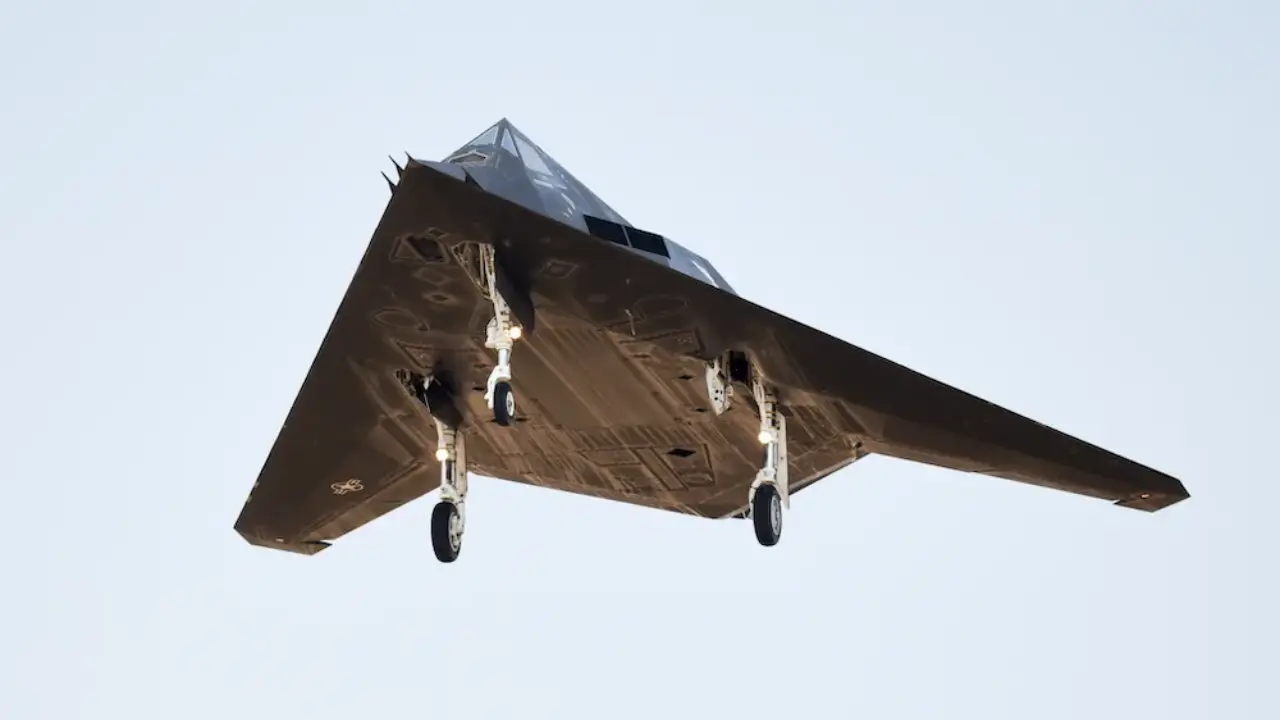
Special, Angular Design
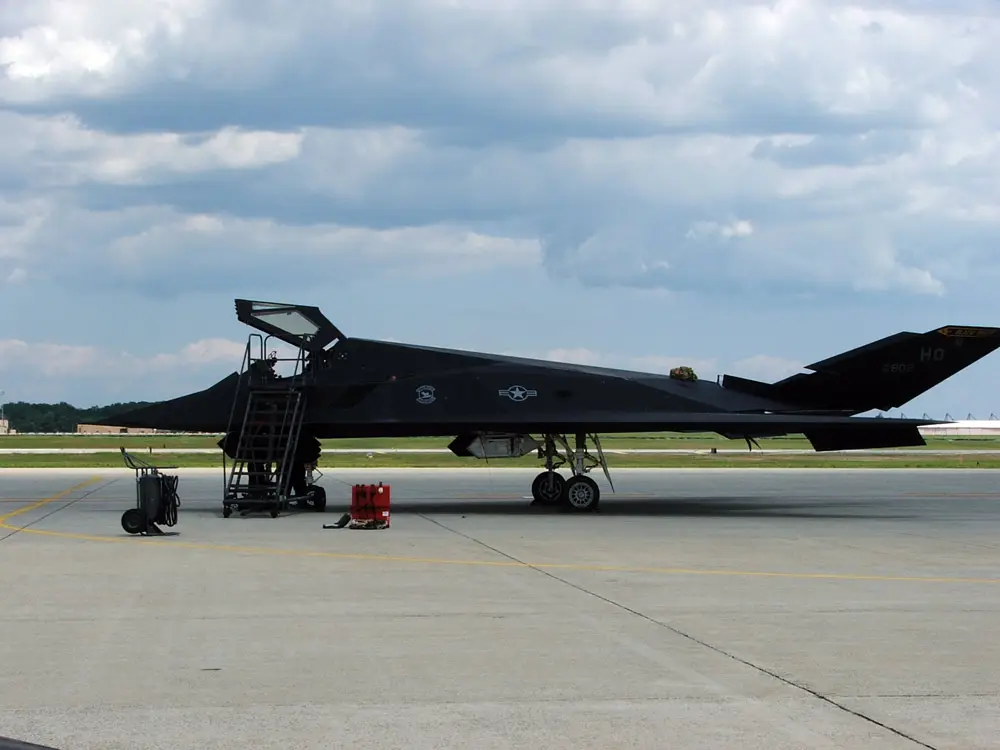
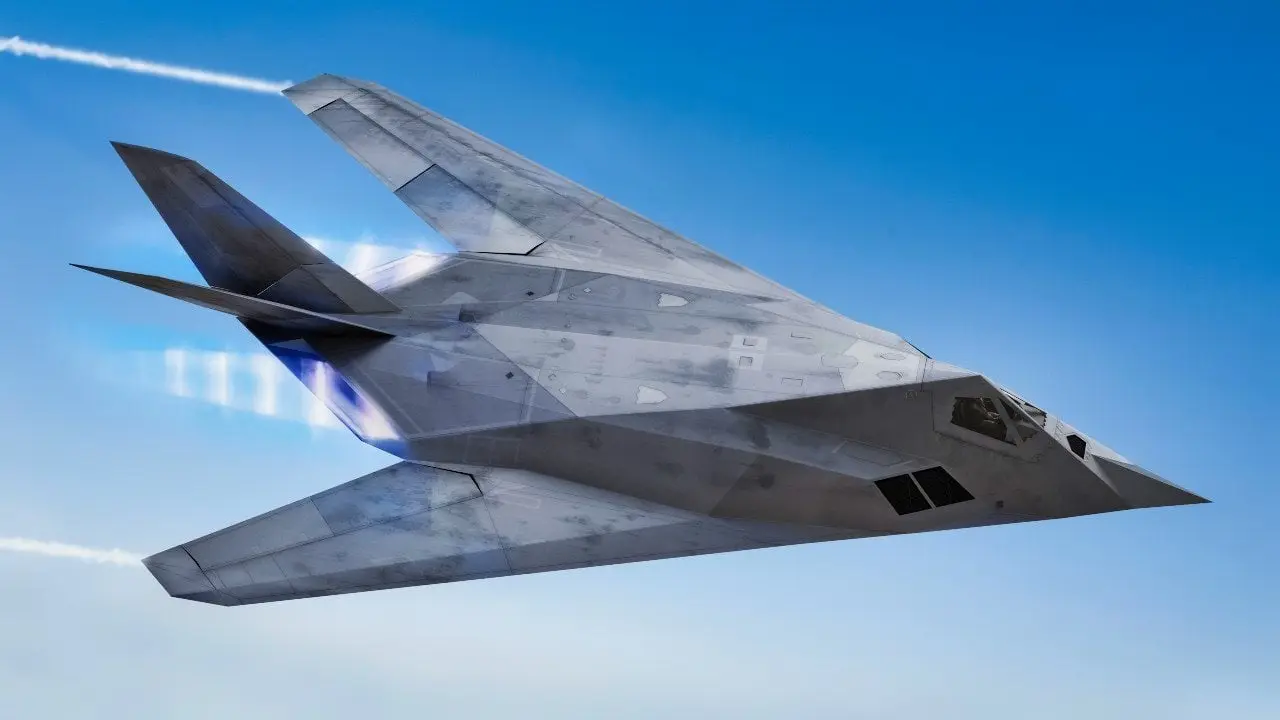
Unlike any other traditional jet, the Lockheed F-117 surface is made up of flat, angular panels. This "faceted" design reflects incoming radar waves away from the source rather than bouncing them directly back, minimising its radar cross-section in some estimates to the size of a small bird.
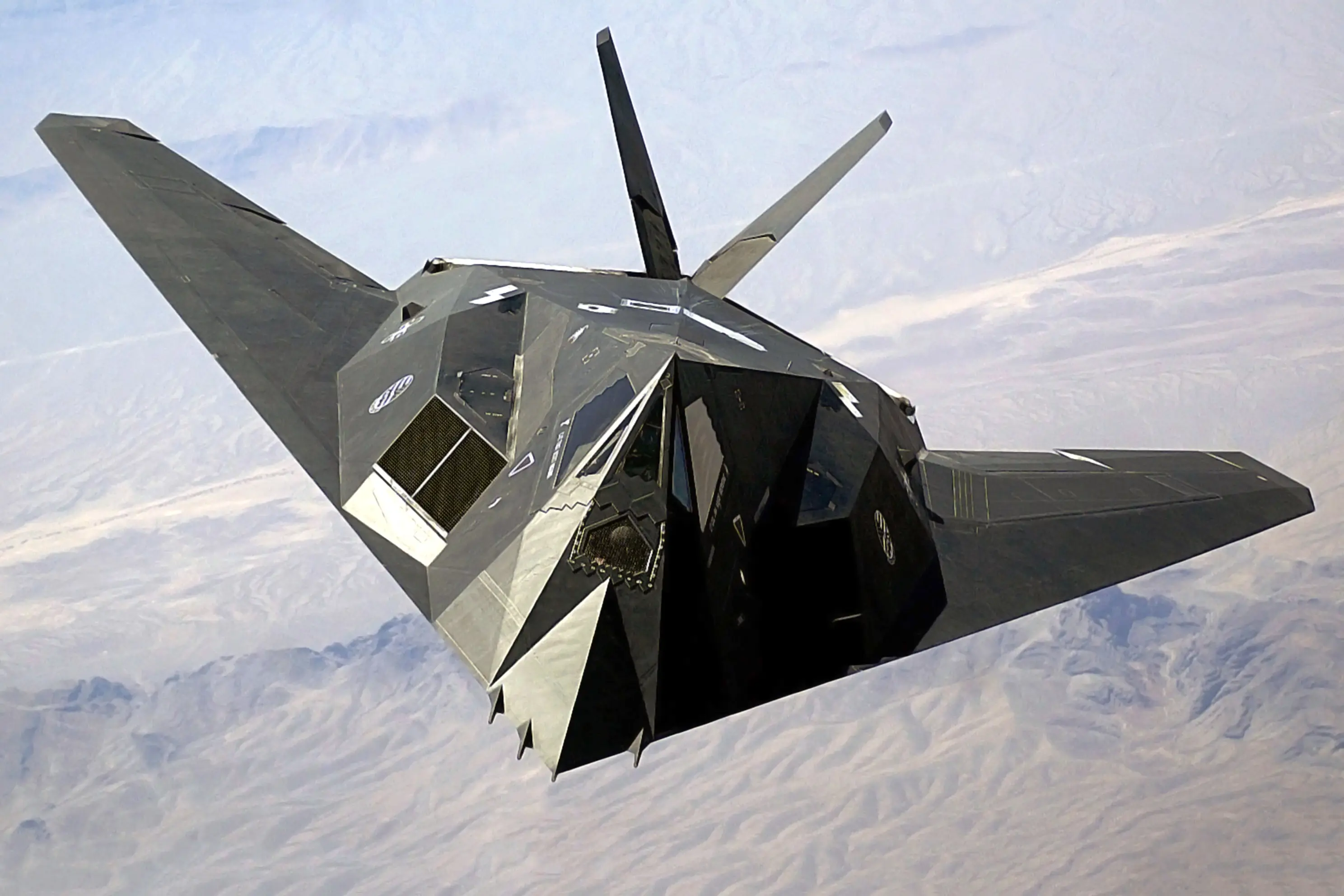
Radar absorbent materials
The jet is coated with special materials that absorb radar energy instead of reflecting it. This reduces the chance of radar detecting the jet.
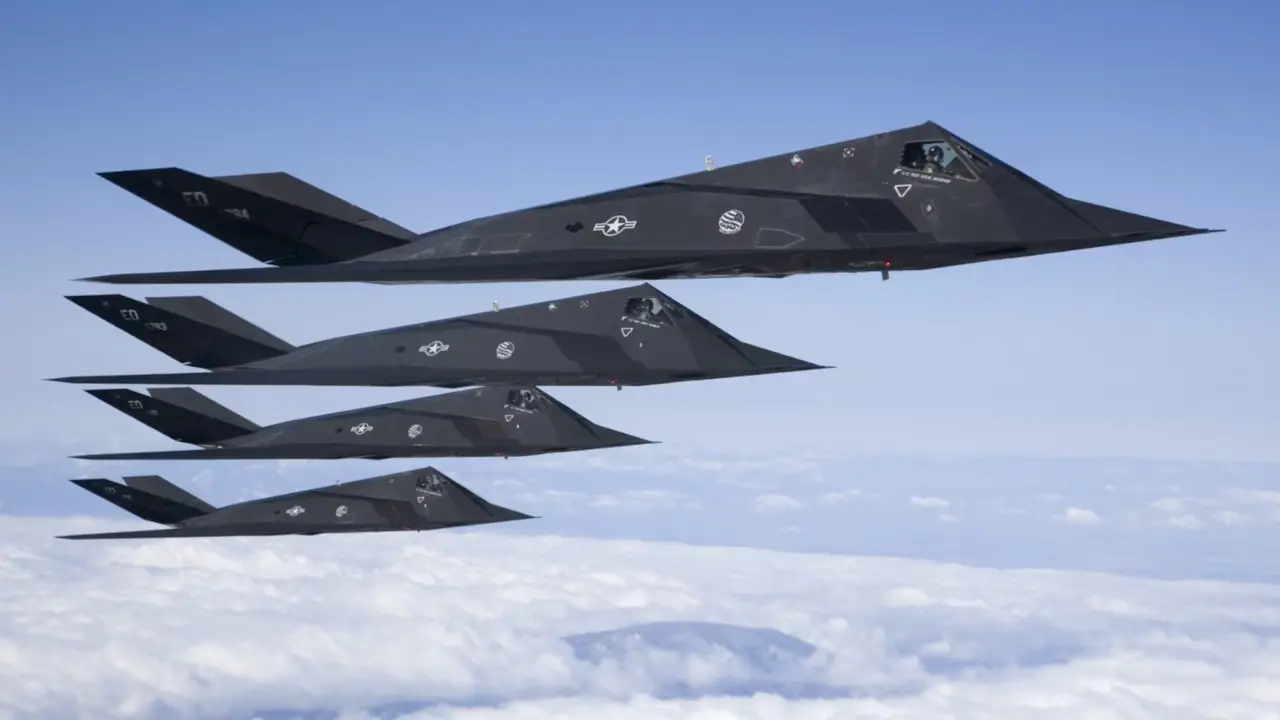
Internal weapons carriage
All bombs and missiles are carried inside the aircraft rather than on the exterior. This avoids creating additional surfaces that could reflect radar signals.
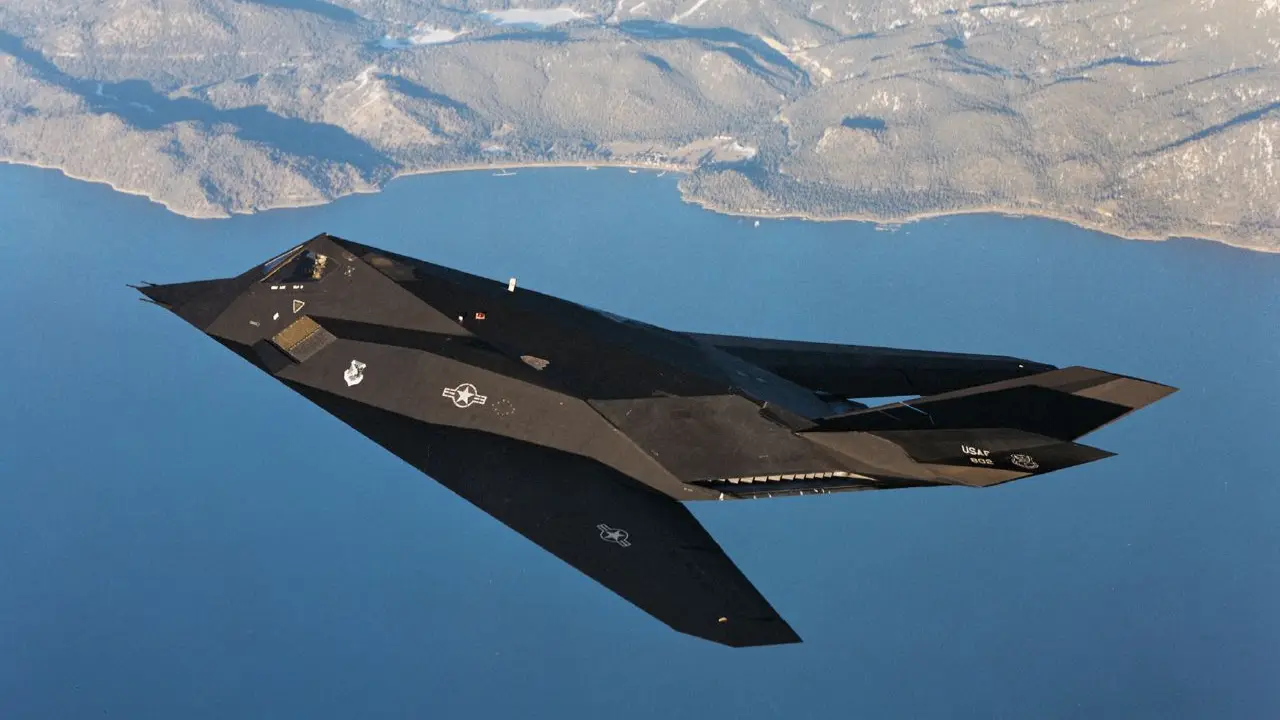
Low-Infrared and no afterburners
Its engines have slit-shaped exhaust outlets that mix hot exhaust with cooler air, which is why the jet lacks afterburners. This combination limits the aircraft’s infrared (heat) signature and avoids drawing attention from heat-seeking sensors and missiles.
No radar emissions
The F-117 does not use onboard radar for navigation, as transmitting active radar signals possibly could reveal its position to enemy detectors. Instead, it relies on GPS, inertial navigation, thermal imaging, and laser targeting for its missions.
Operational tactics
During any missions, the F-117 typically approached radar sites head-on, presenting the smallest possible target to enemy sensors. Pilots would also retract antennas and avoid opening weapons bays until its absolutely necessary.
Drawbacks and limits
While highly stealthy, the F-117 wasn't "invisible". Opening bomb bay doors, banking sharply, or flying near few advanced radars especially multi-static or long-wavelength systems, might increases the chances of detection.
)
)
)
)
)