How the world’s first aircraft carriers were born: 5 fascinating facts about their early evolution

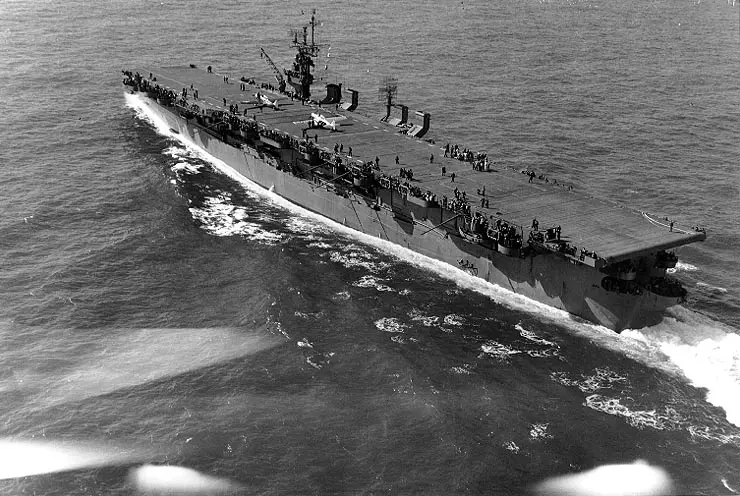
One of the clearest examples of conversion is USS Langley (CV-1). Launched in 1912 as the collier USS Jupiter, she was converted in 1919 into the US Navy’s first aircraft carrier.
A new kind of warship
The aircraft carrier did not appear fully formed. It evolved from experiments and urgent wartime needs at the start of the 20th century. Navies converted existing hulls, colliers, cruisers, battlecruisers and merchant liners, into platforms that could launch and recover aircraft. These improvised ships proved the concept: sea-borne airpower extended reach, altered tactics and, within decades, replaced the battleship as the decisive capital ship.
1. Colliers became carriers
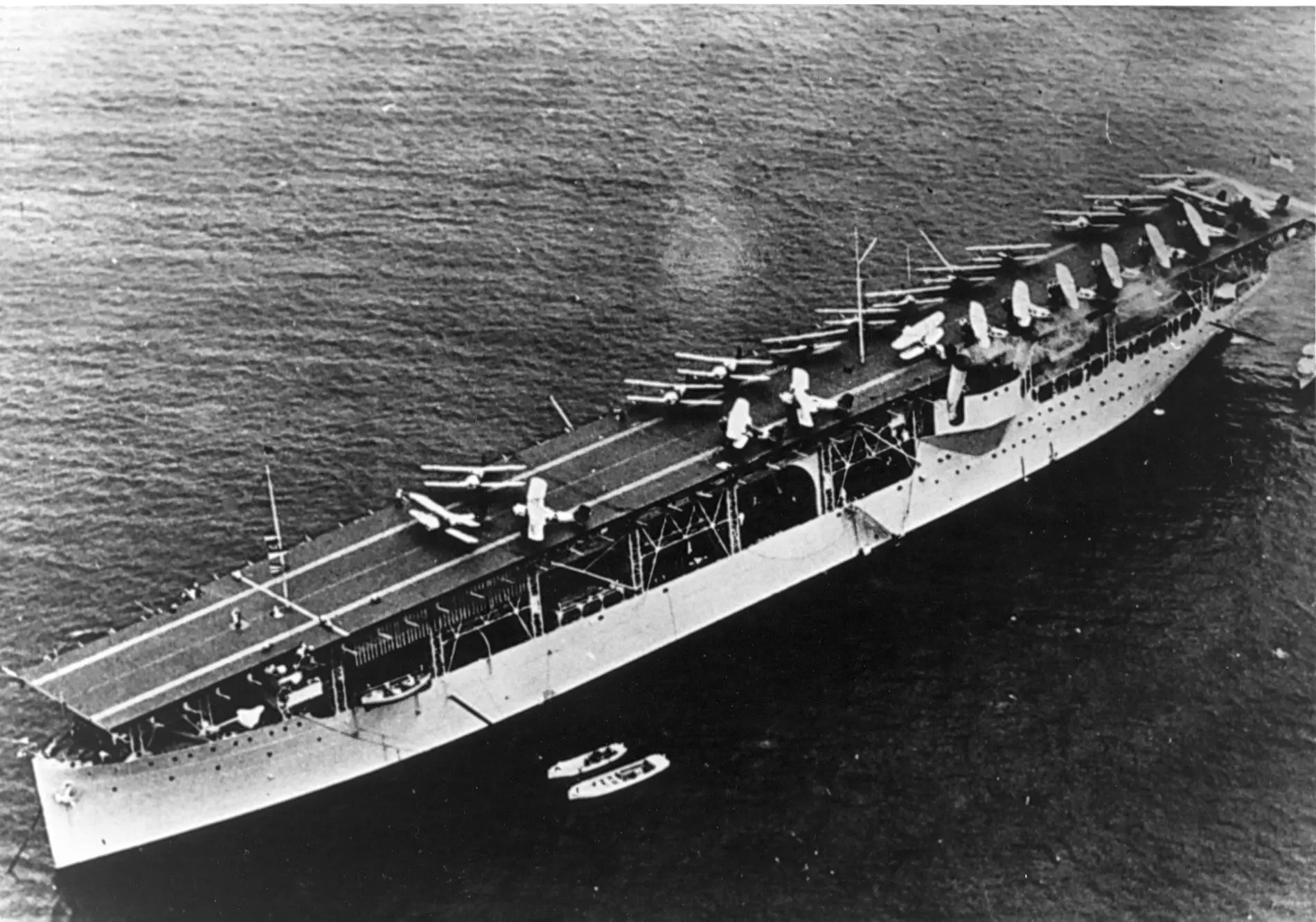
One of the clearest examples of conversion is USS Langley (CV-1). Launched in 1912 as the collier USS Jupiter, she was converted in 1919 into the US Navy’s first aircraft carrier. Colliers were useful conversion candidates because their hulls were robust and offered large cargo holds that could be adapted into hangars. Langley proved the practicality of a flight deck, but also revealed early problems with arresting gear, deck handling and aircraft maintenance at sea.
2. Battleship and battlecruiser conversions under treaty limits
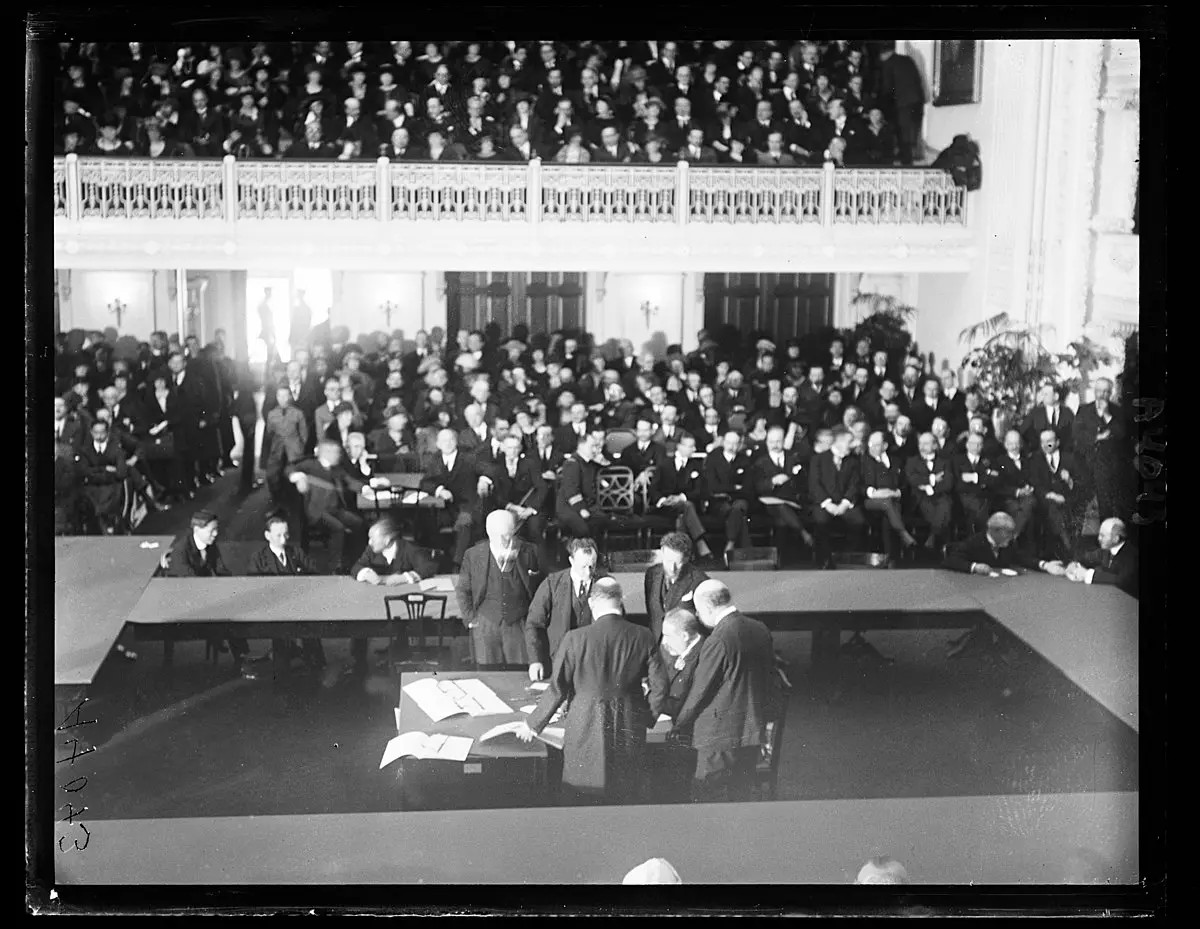
The Washington Naval Treaty of 1922 restricted new battleship construction and created an unexpected growth path for carriers. Several nations repurposed incomplete battlecruiser or battleship hulls as carriers rather than scrap them. Japan’s Akagi and Kaga, and the United States’ planned Lexington-class conversions (which produced Lexington and Saratoga), all began life as capital-ship designs. Their large hulls allowed more fuel, aircraft and ordnance, characteristics that made these early fleet carriers formidable.
3. The first full-length flight deck
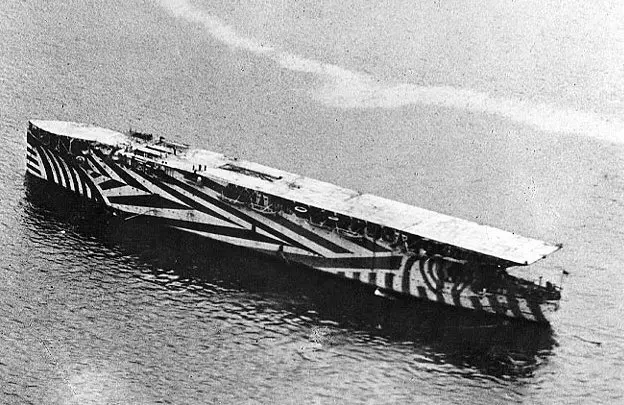
The Royal Navy’s HMS Argus, completed in 1918, is widely credited as the first carrier with an unobstructed, full-length flight deck. Unlike earlier hybrids, which retained superstructures that interfered with flight operations, Argus offered a clear deck from bow to stern. That innovation simplified take-off and recovery and set the template for future carrier design, even as navies continued to experiment with catapults, arrestor wires and island superstructures.
4. Japan built the first purpose-built carrier
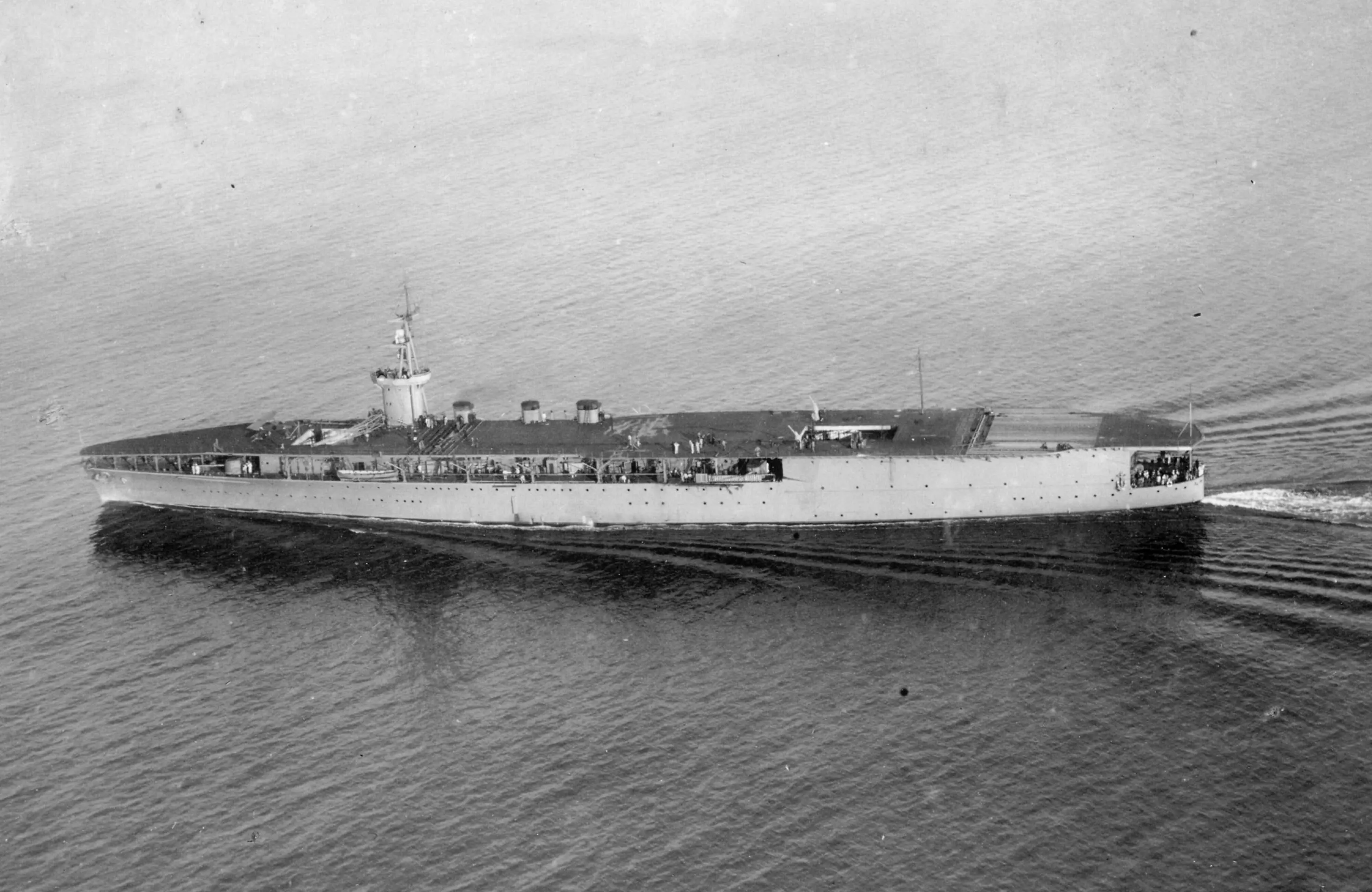
While many of the earliest carriers were conversions, Japan built one of the first purpose-designed carriers, Hōshō, commissioned in 1922. Purpose-built ships could be optimised for aviation: hangar layout, deck length and magazines were designed from the outset to support sustained flight operations. Hōshō showed how doctrine could follow design, and Japan’s rapid carrier development in the interwar period would have clear consequences in the Pacific.
5. Merchant liners and auxiliary conversions
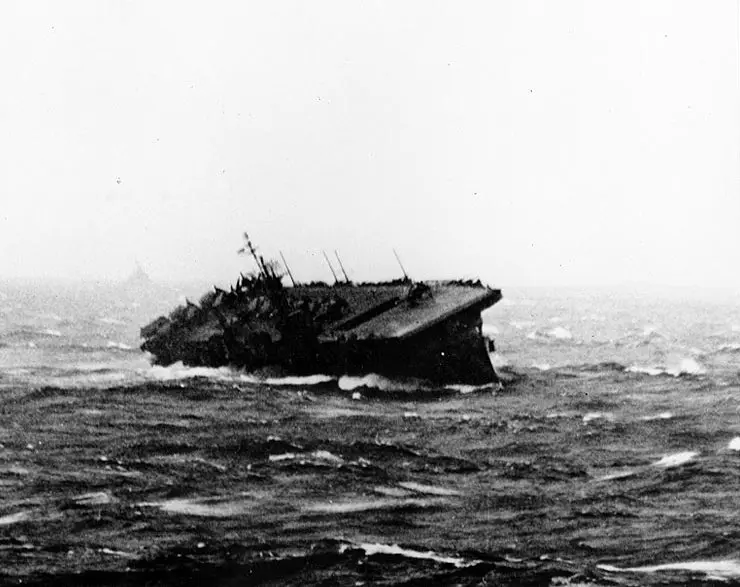
Not all conversions came from warship hulls. Fast merchant ships and ocean liners were attractive because of their speed, range and accommodation. Some early seaplane carriers and escort carriers began life as passenger or cargo vessels; their conversion was quicker and cheaper in wartime, enabling mass production of escort carriers for convoy protection in the Second World War. These smaller carriers proved invaluable for anti-submarine patrols and local air cover.
From improvisation to doctrine
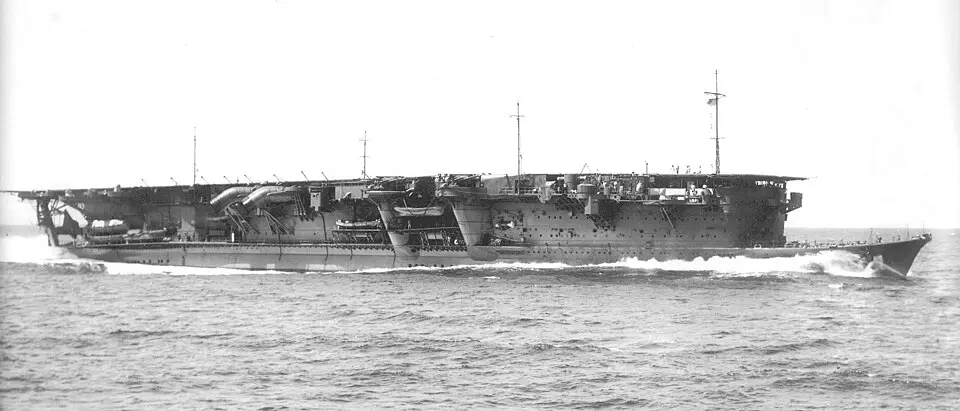
The earliest carriers were pragmatic answers to new tactical questions. Conversions taught navies what worked and what did not: deck length, aircraft handling, fuel capacity, and integrated command systems all emerged from experience. By the 1930s purpose-built fleet carriers had become central to naval doctrine. The improvisation of the 1910s and 1920s thus seeded a revolution: carriers moved from ad-hoc conversions to planned, powerful instruments of state policy and war.
)
)
)
)
)