How the US targets drug-smuggling vessels and what it reveals about narco-terrorism policy

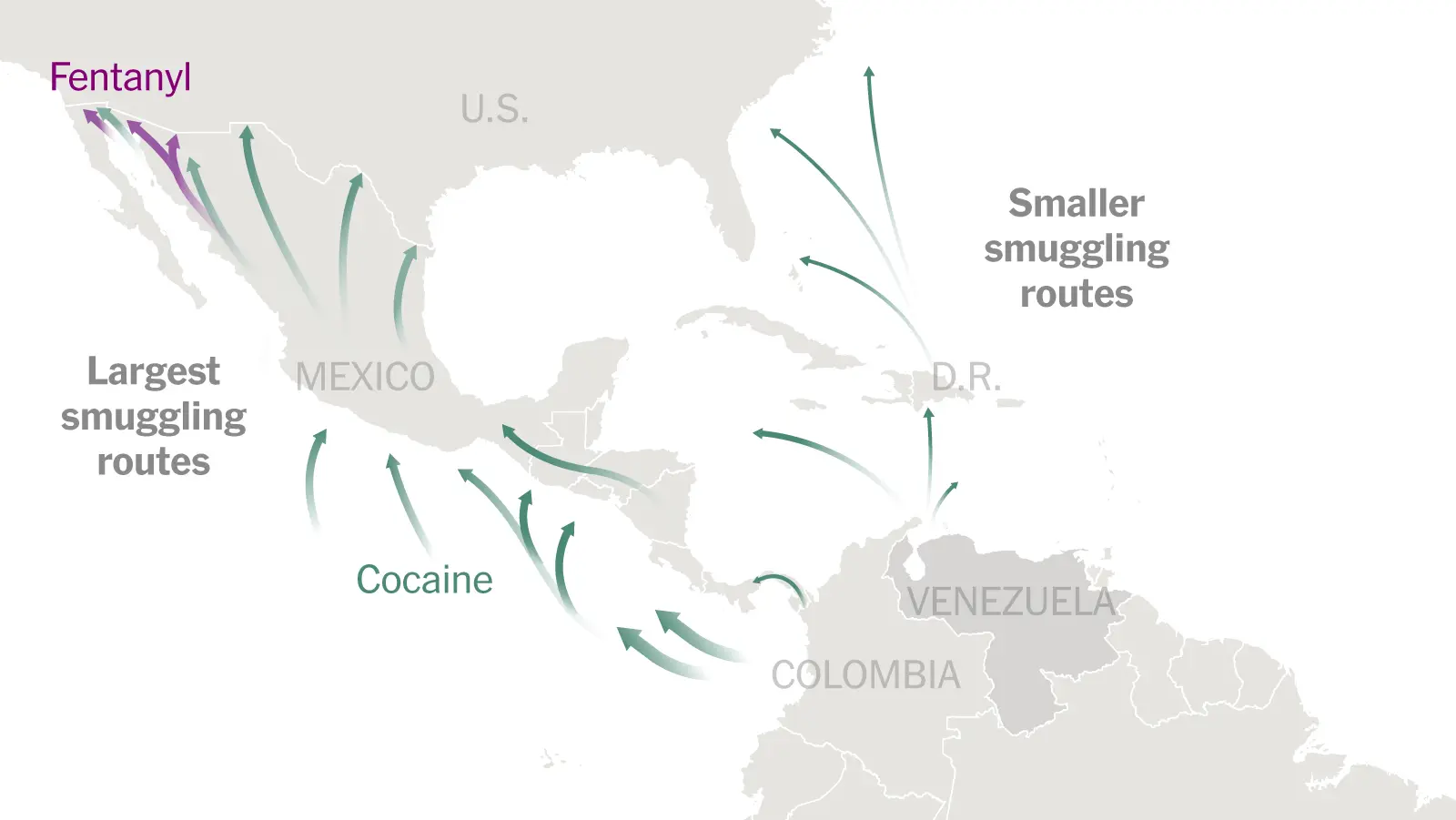
The US is intensifying its fight against drug smuggling by treating cartels as narco-terrorists, using satellites, aircraft and joint task forces to track stealth vessels, seize record cocaine hauls and, in some cases, launching airstrikes signalling a more militarised anti-drug policy.
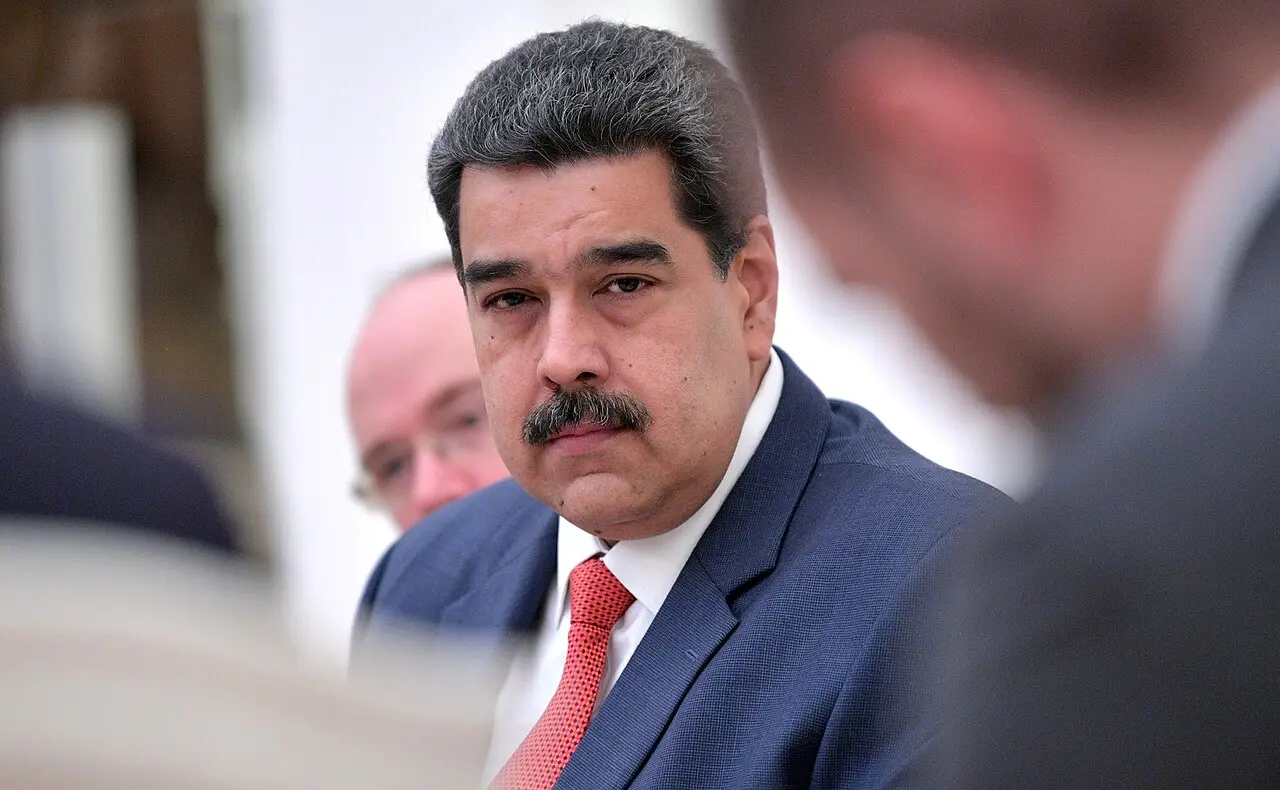
The 'Narco-Terrorist'
US policy has increasingly labelled drug cartels as 'narco-terrorists'. CSIS reports that this designation allows the military to treat traffickers as imminent national security threats, authorising stricter rules of engagement and, in some recent cases, direct neutralisation of vessels.

Record-Breaking Seizures: 510,000 Pounds in One Year
The US Coast Guard seized a historic 510,000 pounds of cocaine in Fiscal Year 2025. According to US Coast Guard News, this haul is valued at over $7.2 billion, disrupting massive funding streams for transnational criminal organisations.
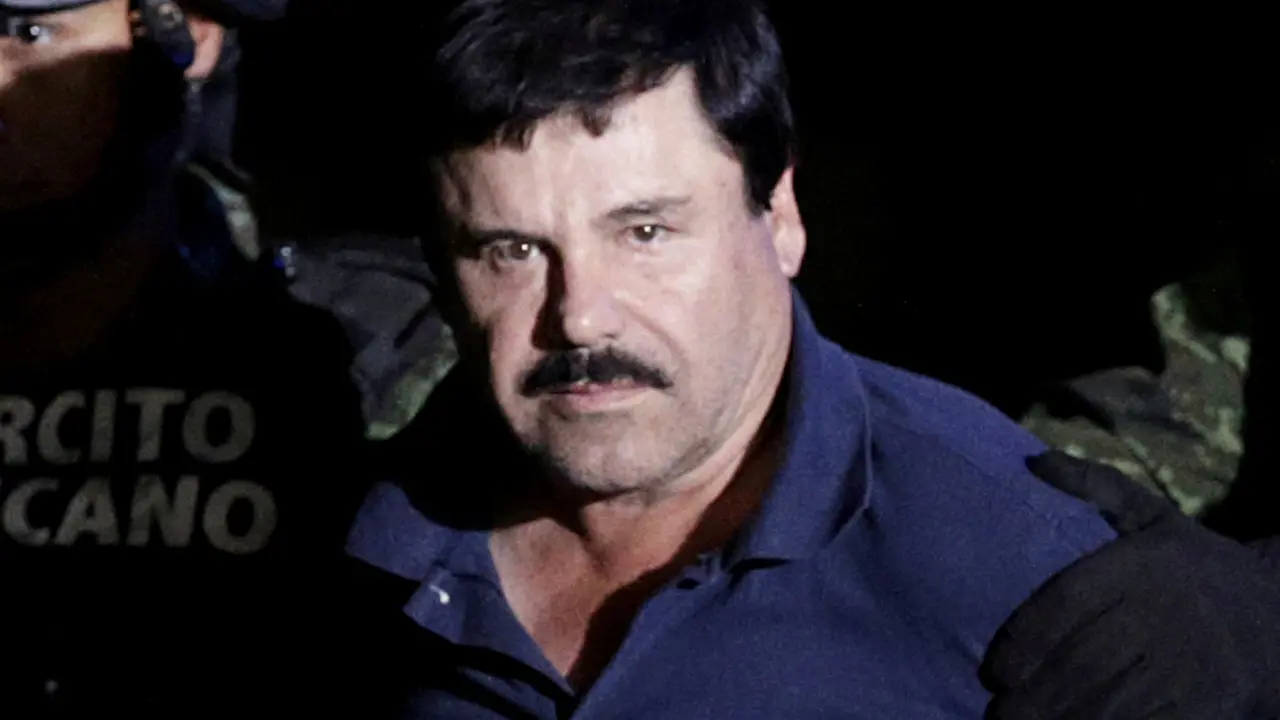
Targeting the 'Narco-Subs' Invisible to Radar
Cartels use low-profile semi-submersible vessels that sit flush with the water line. Homeland Security notes that these 'narco-subs' are nearly invisible to standard radar, forcing US forces to rely on advanced aerial sensors to detect their subtle wakes.
The 'Stateless' Loophole
Smugglers often sink their own boats to destroy drugs when spotted. However, the Drug Trafficking Vessel Interdiction Act allows the US to prosecute crews of 'stateless' vessels (those without a flag) just for operating evasive vessels, even if no contraband is recovered.
High-Tech Surveillance Hunting 'Dark Ships' From Space
To find vessels that turn off their location transponders, agencies now use space-based monitoring. Dark Shipping explains that satellites can use Synthetic Aperture Radar (SAR) to spot the specific 'Kelvin wakes' left by moving boats, pinpointing smugglers even through cloud cover.
The Joint Task Force Hub Coordinating the Hunt
Operations are centrally coordinated by the Joint Interagency Task Force South (JIATF-S) in Key West. US Southern Command states that this hub integrates real-time data from the Navy, Coast Guard, and 20+ partner nations to track threats across 42 million square miles.
Escalation to Airstrikes
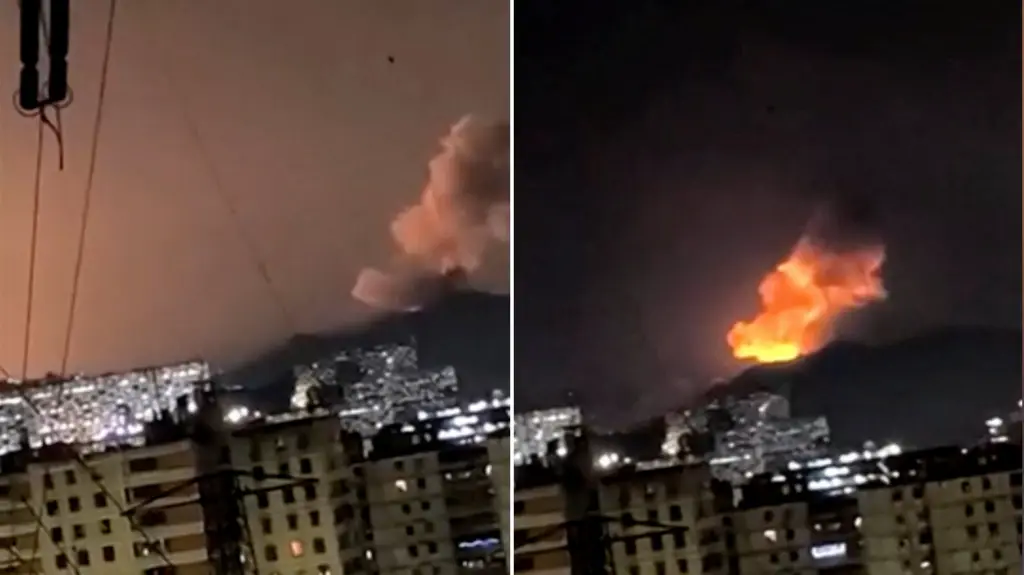
Recent operations indicate a move towards more aggressive interdiction. US military forces conducted airstrikes on designated narco-trafficking vessels in the Pacific, signalling a robust militarisation of the anti-drug effort.
)
)
)
)
)