How the train’s aerodynamic nose prevents tunnel ‘air shock’

High-speed trains create powerful pressure waves in tunnels, but clever nose designs inspired by nature help silence the boom. From drag reduction to advanced airflow control, modern engineering reveals how trains stay fast, quiet and efficient.
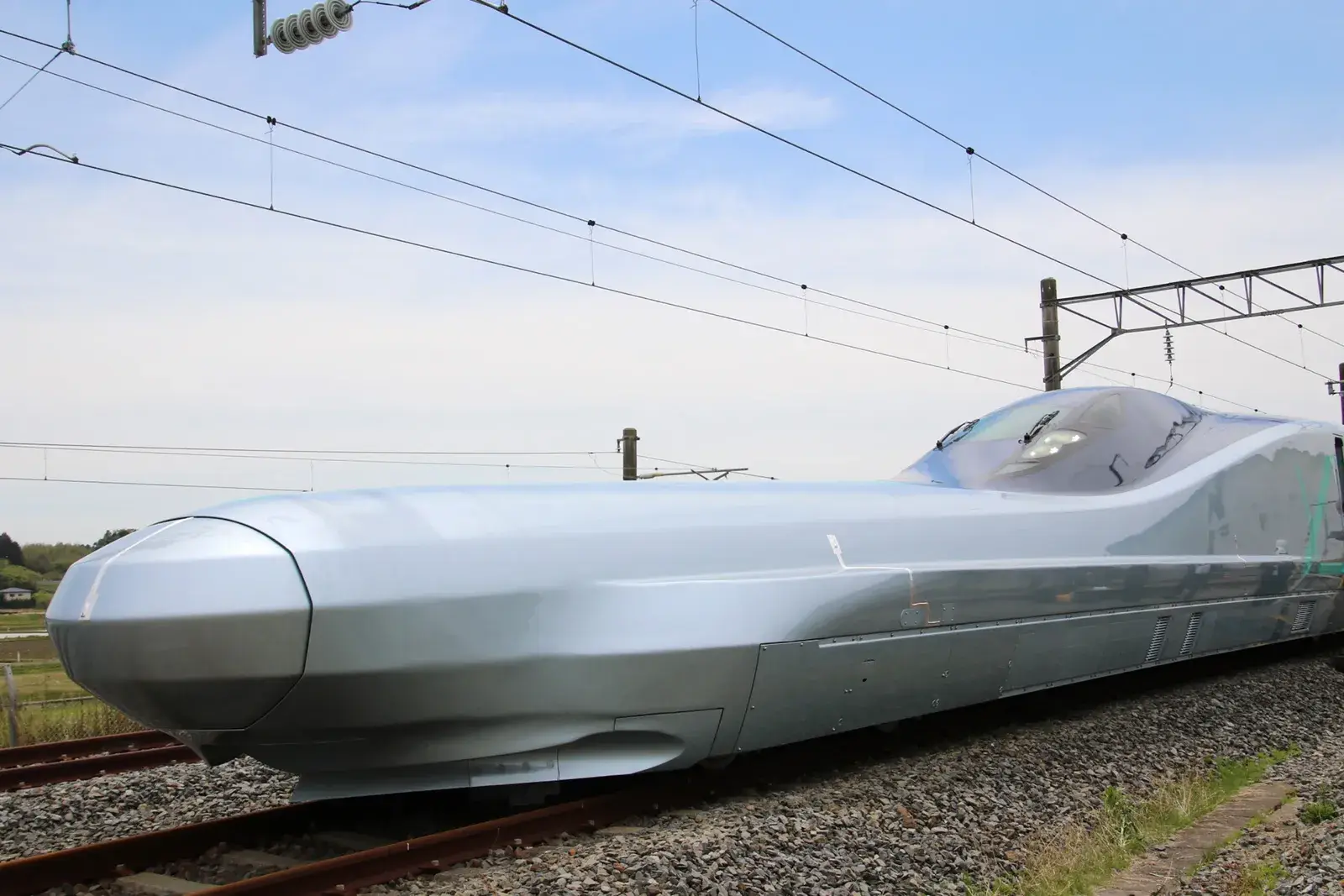
The Piston Effect - Air Gets Compressed Suddenly
When a train enters a tunnel, it acts like a piston, pushing air ahead of it. Without aerodynamic shaping, this compression happens abruptly, creating a powerful shock wave that exits the tunnel as a loud sonic boom.
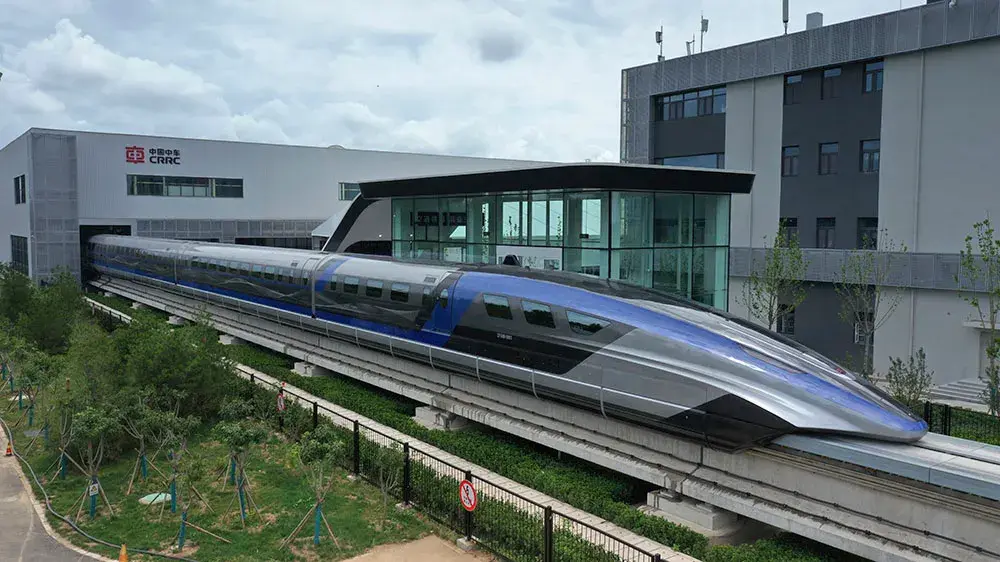
The Kingfisher's Beak Inspired the Solution
Japanese engineers noticed how kingfishers dive into water without creating splashes. Their beaks are long and tapered, gradually compressing water rather than forcing it suddenly. This inspired the bullet train's elongated nose design.
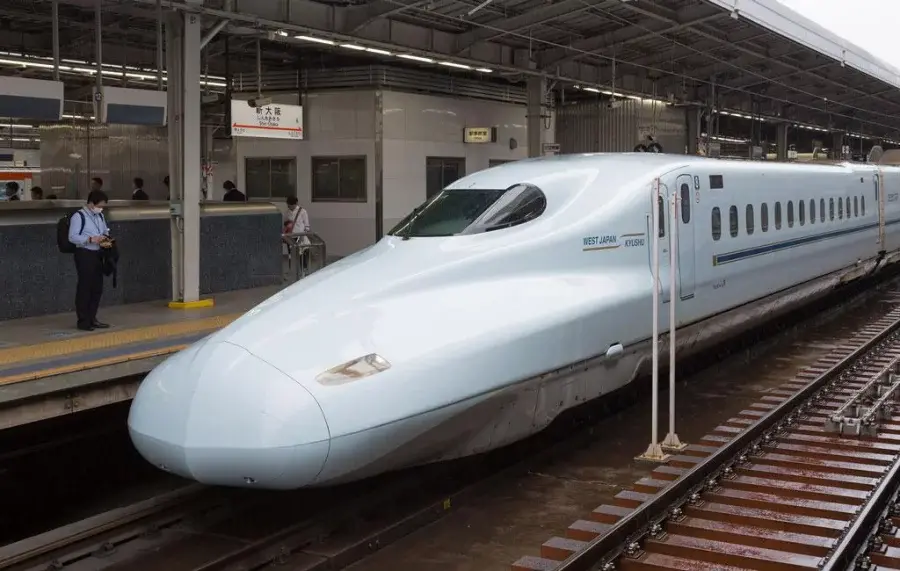
Gradual Compression Spreads Over Distance
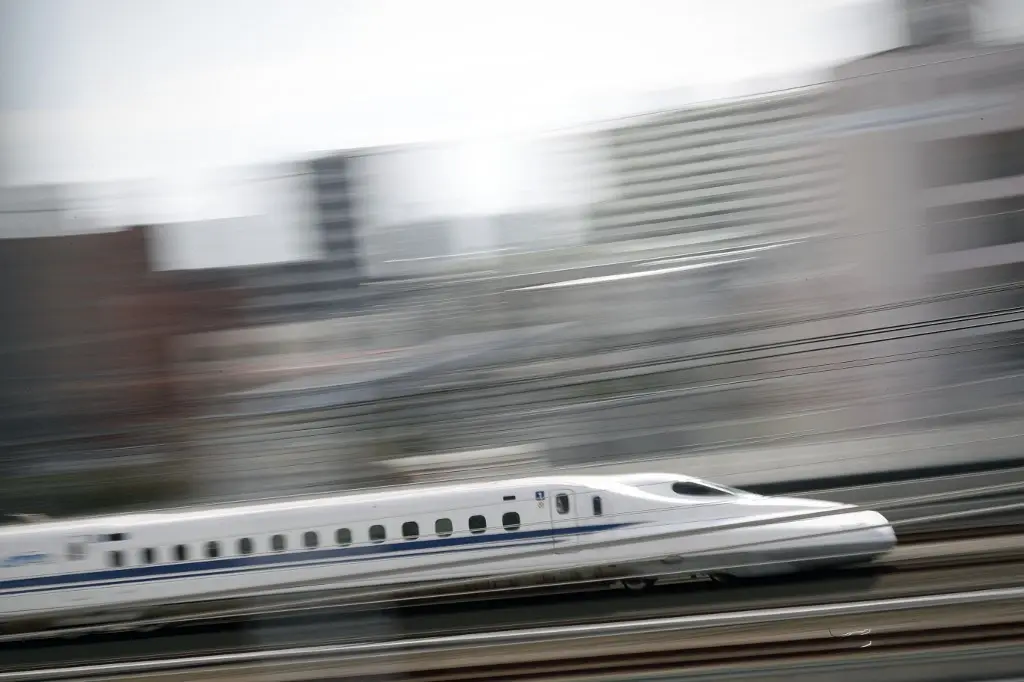
The aerodynamic nose tapers slowly, spreading air compression over a longer distance and time period. This reduces peak pressure and transforms a sudden shock into a gradual, gentler wave that causes far less noise.
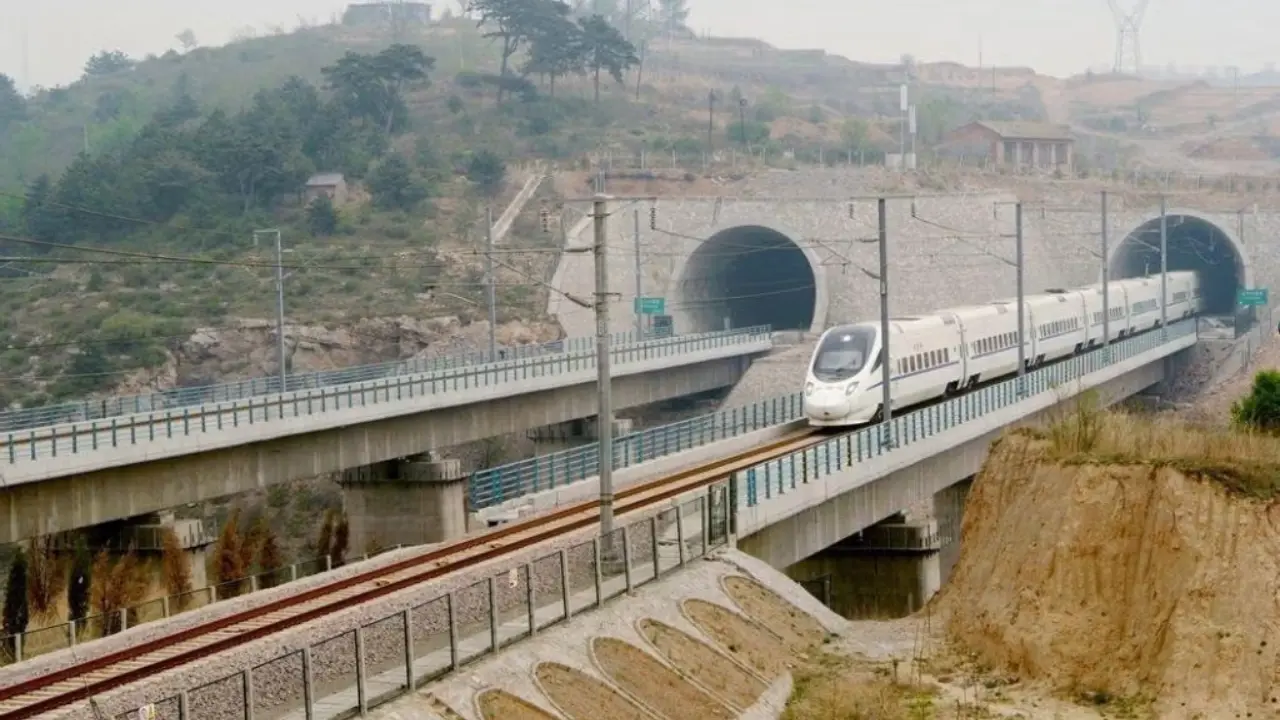
Pressure Wave Steepening in Long Tunnels
Inside tunnels, pressure waves gradually steepen as they travel. Slab-track tunnels experience more steepening than ballasted tracks. Longer tunnels create louder tunnel booms unless specially designed to prevent wave intensification.
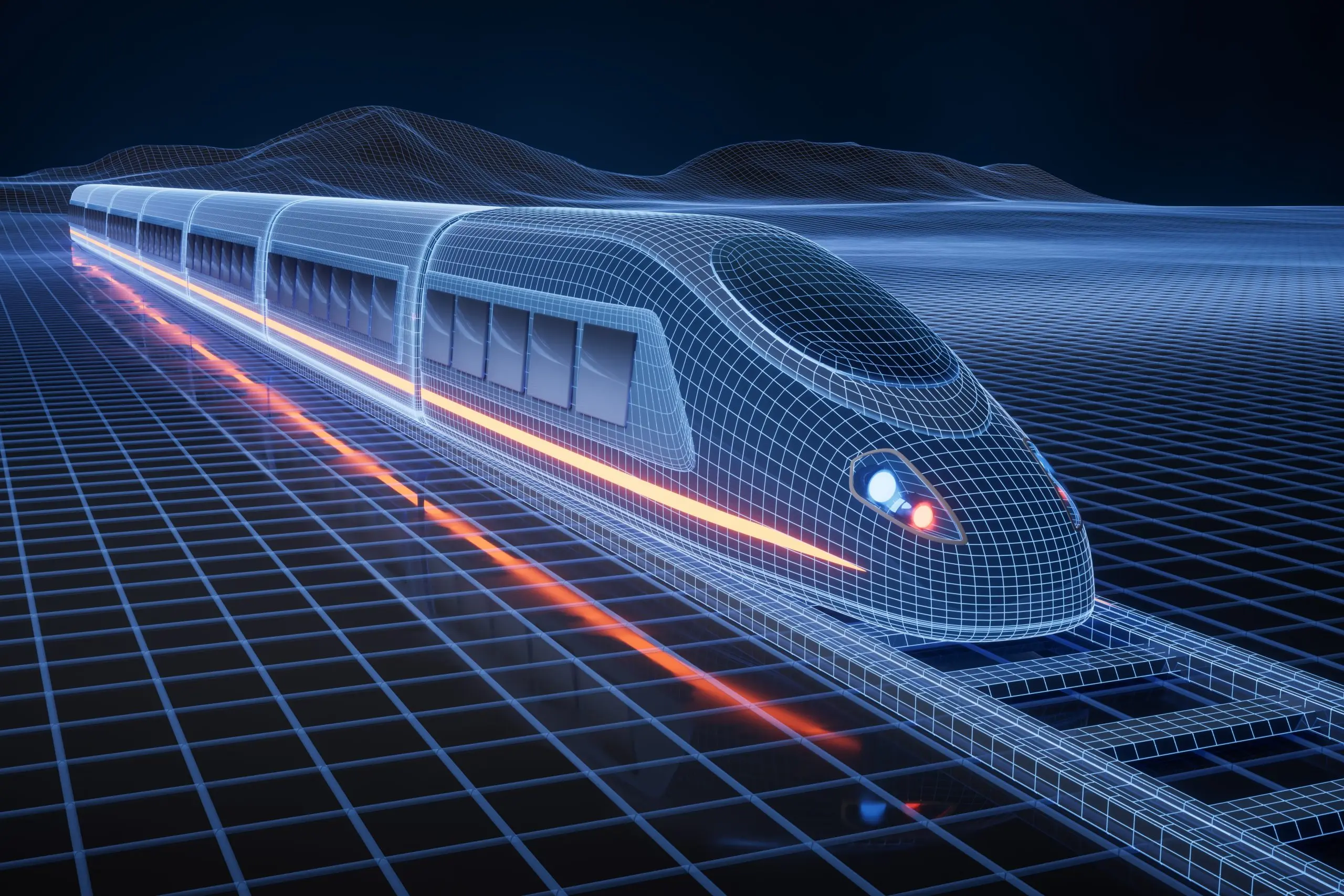
HS2 Reduces Pressure Gradients to 8-15 kPa
Britain's HS2 project designed tunnel hoods and nose shapes limiting pressure gradients to 8-15 kilopascals per second. This is well below the 40 kPa/s threshold where passengers and nearby residents experience discomfort.
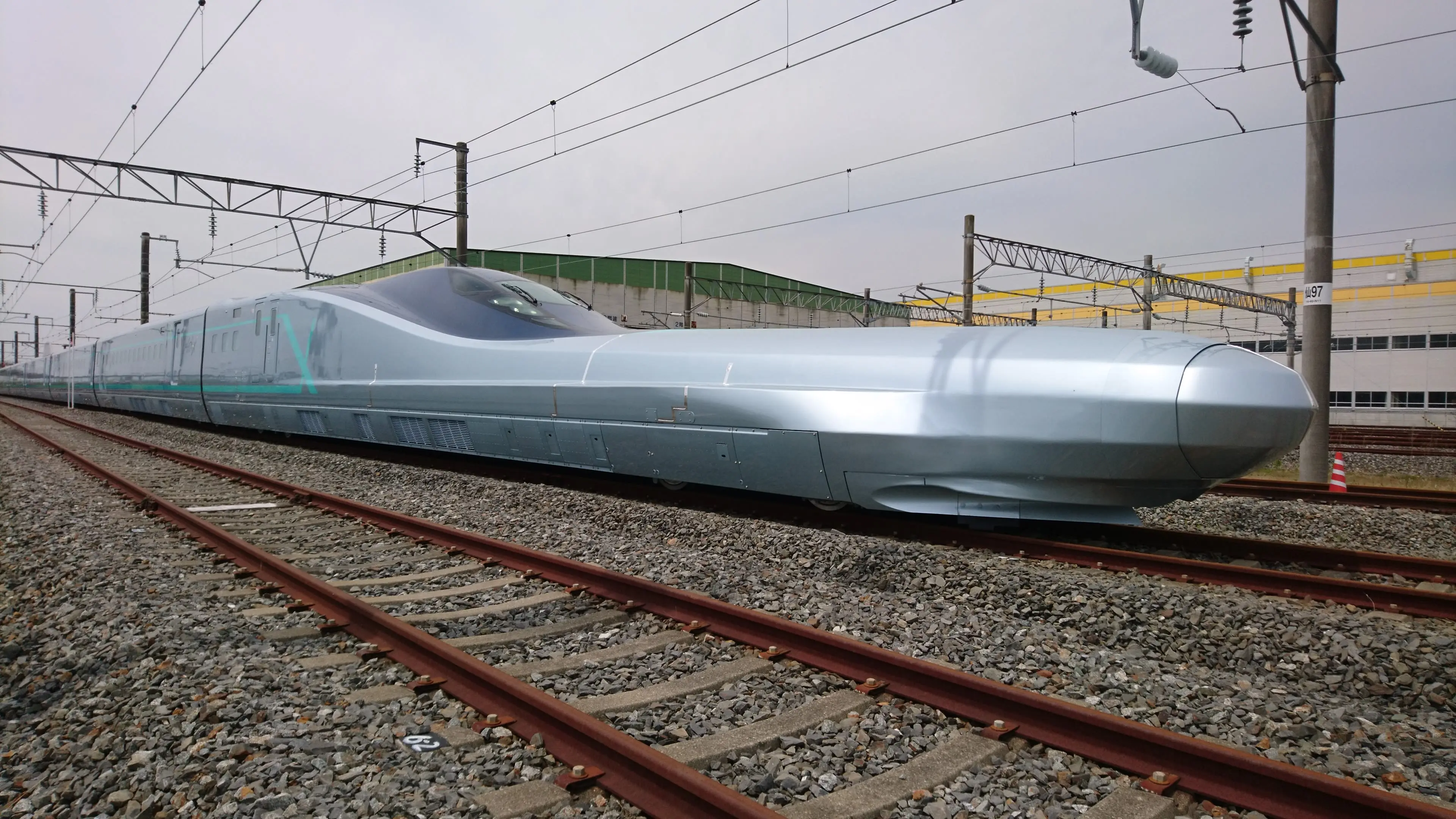
32.5% Drag Reduction From Nose Optimisation
Research using genetic algorithms achieved 32.5 per cent drag reduction by optimising nose shape with 25 design variables. This design change enables higher speeds with less power consumption.
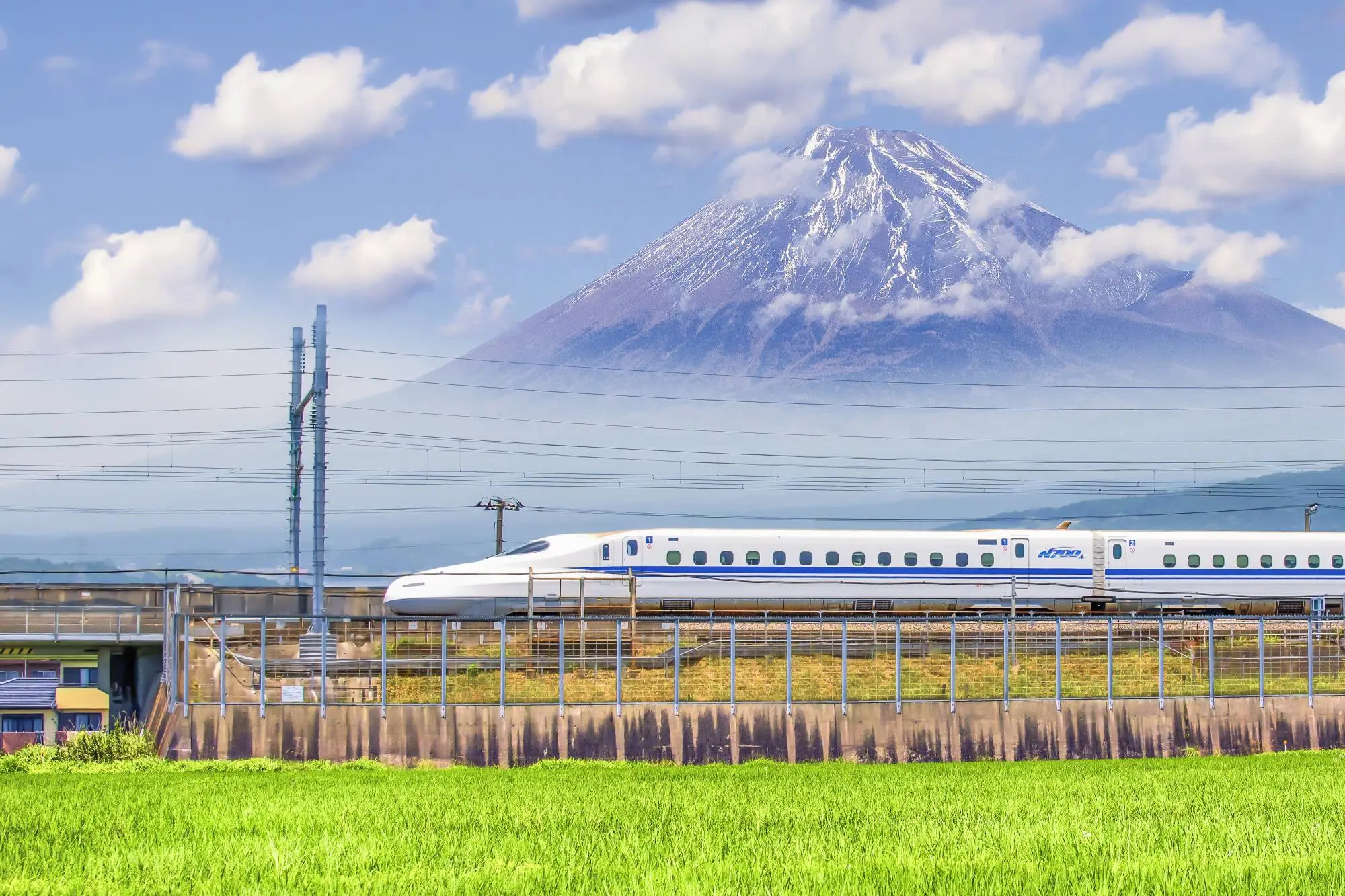
Shinkansen N700S Reduces Tunnel Boom Significantly
Japan's Shinkansen N700S uses an extended nose design substantially reducing tunnel boom through smoother aerodynamic transitions. Officials confirmed the nose shape design directly addresses sonic boom reduction.
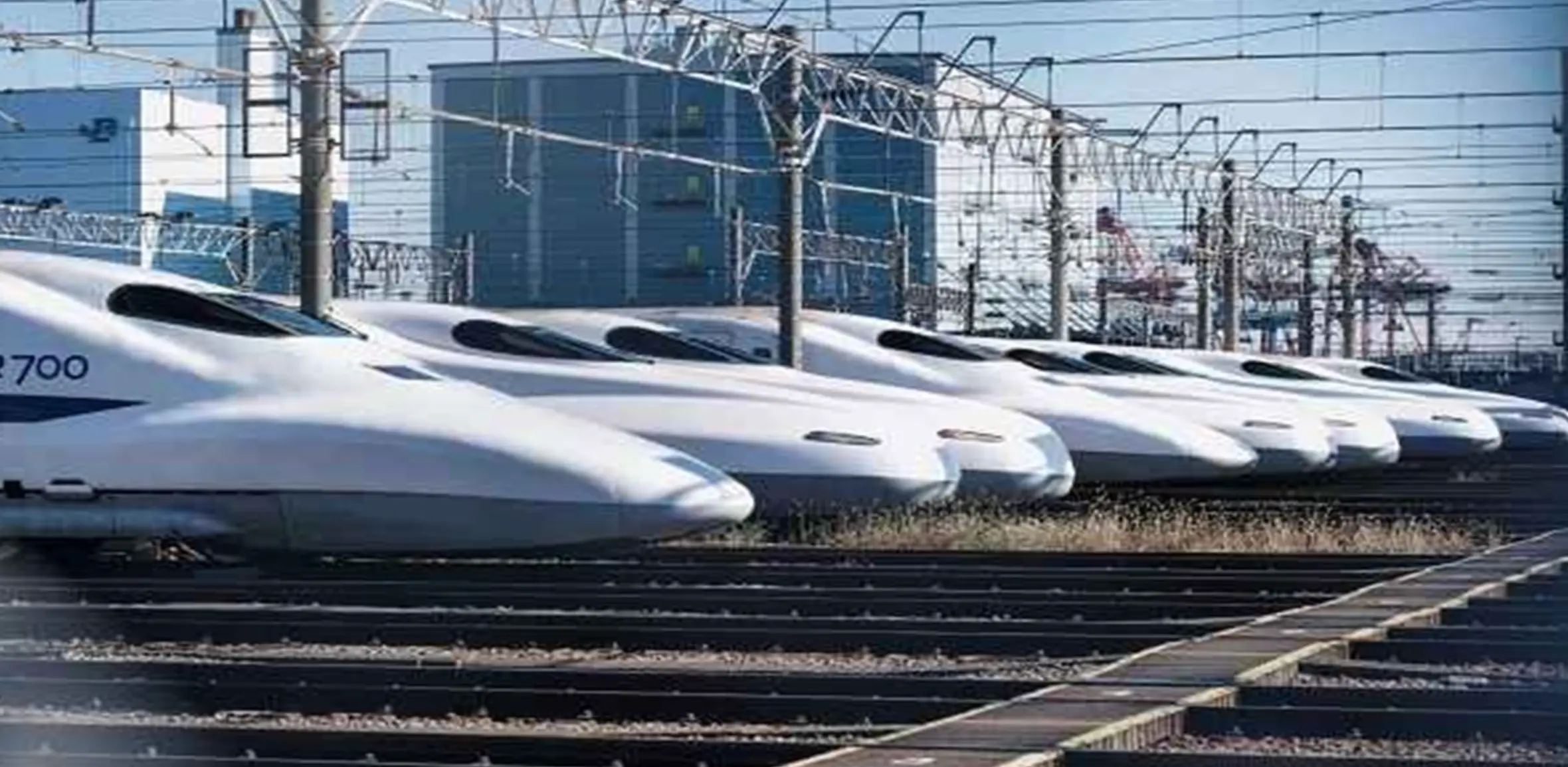
Aerodynamic Drag Accounts for 80% of Train Resistance
At 300 kmph, external aerodynamic drag represents 80 per cent of total resistance. Optimising nose and tail shapes dramatically improves energy efficiency and enables higher speeds.
Active Airflow Control Using Suction and Blowing
Modern research uses suction and blowing slits on train noses to actively control airflow, achieving 17.4 per cent pressure reduction on train surfaces and 16.6 per cent on tunnel walls.
Micro-Pressure Waves Reflect at Tunnel Exit
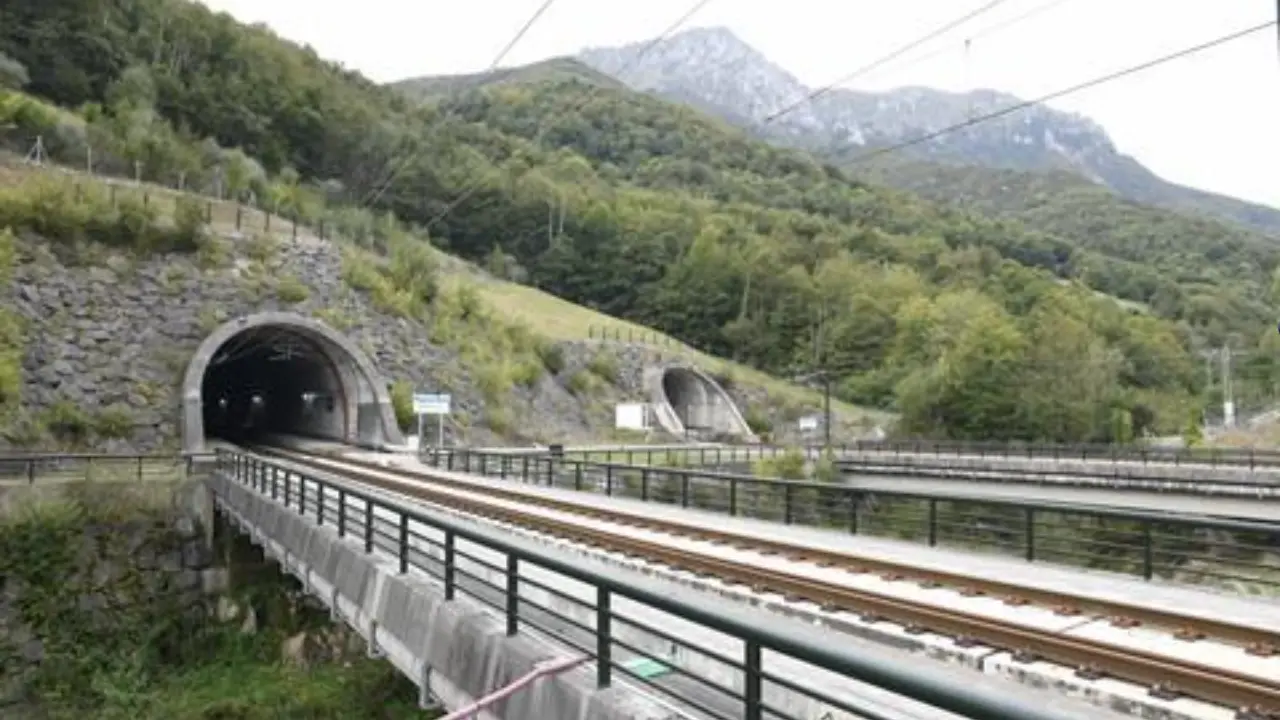
Pressure waves reflecting at tunnel exits create micro-pressure waves that radiate outward as audible noise. Optimised nose designs, tunnel hoods with perforated walls, and vent holes collectively reduce this effect.
)
)
)
)
)