How the Tejas fighter jet stays stable at twice the speed of sound

Tejas uses relaxed static stability design for extreme agility. Digital computers control elevons, canards, and slats 40 times per second at all speeds. Elevons control pitch and roll. Canards provide additional pitch control on Mk2. Rudder manages direction at high speed.
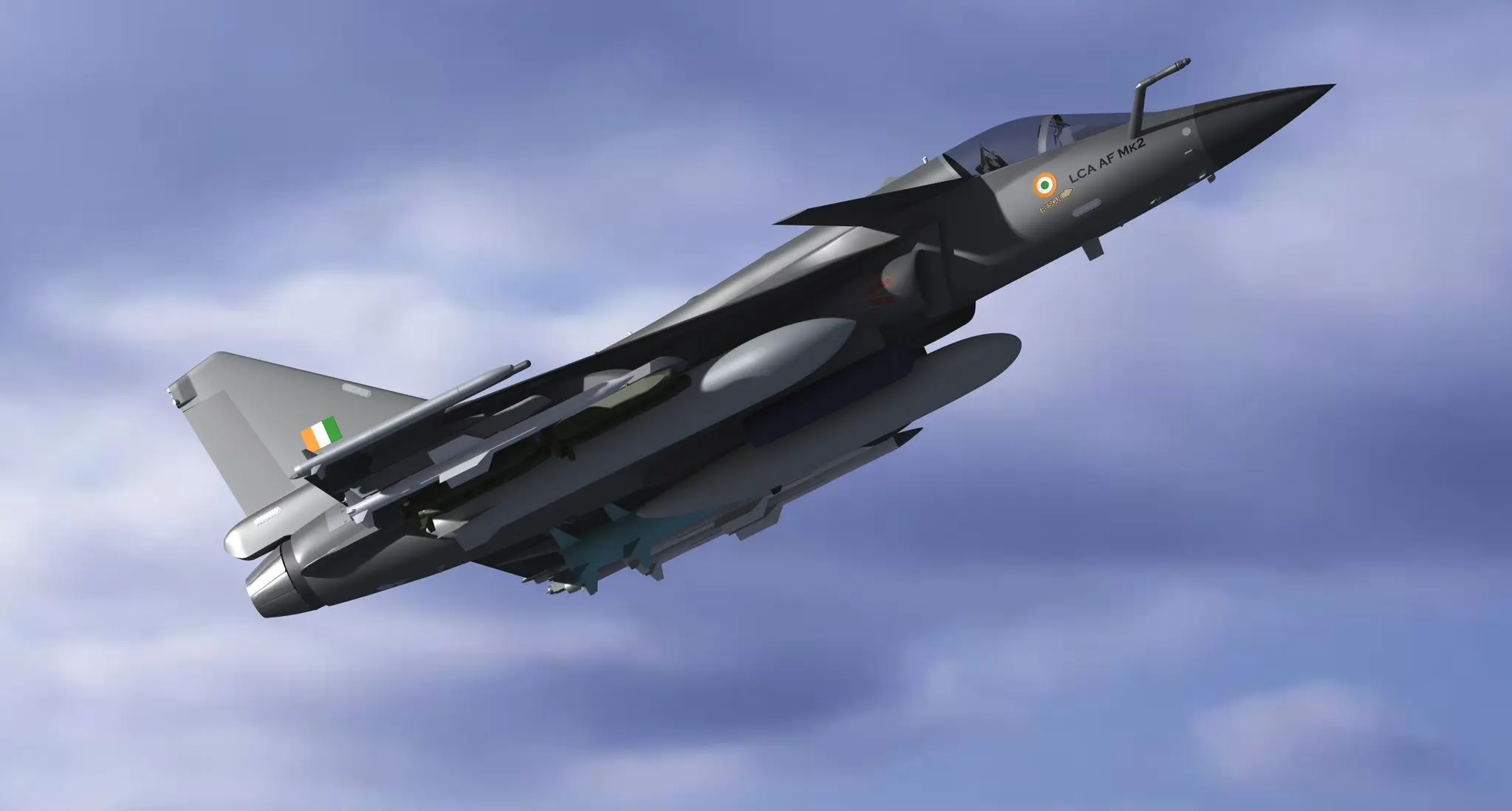
What Does Stability Mean For Fighter Jets?
When a fighter jet flies at normal speeds, the aircraft naturally wants to stay level and stable. This is called natural stability. The Tejas is different. It is deliberately made unstable. This sounds dangerous, but it is not. Instability lets the jet turn faster and manoeuvre sharply. However, at high speeds the instability gets worse. The aircraft must be controlled constantly by the flight computer. Without the computer, the pilot could lose control. This is why the Tejas has a sophisticated digital brain that works 40 times every second.
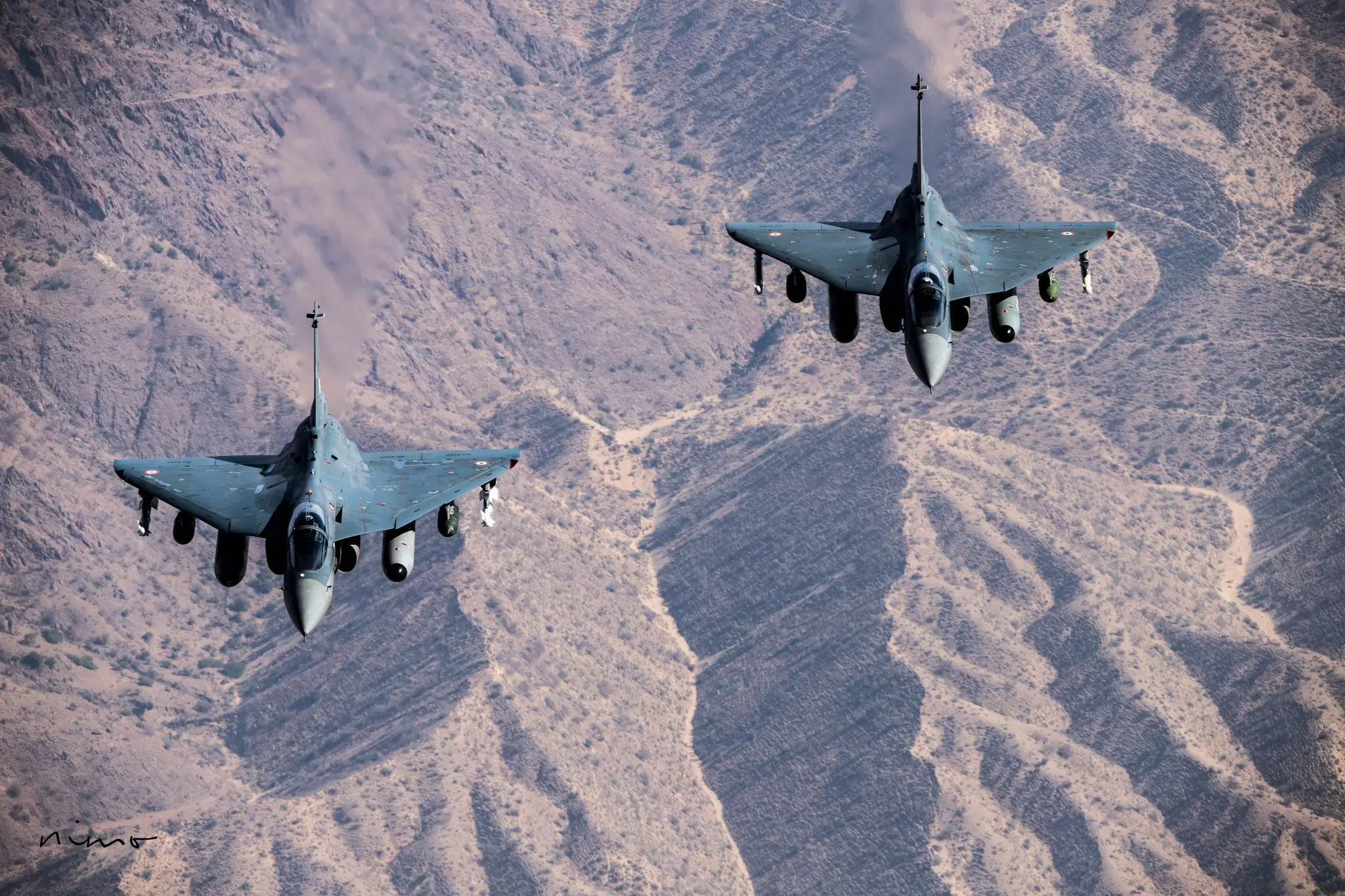
Elevons: The Surfaces That Control Movement
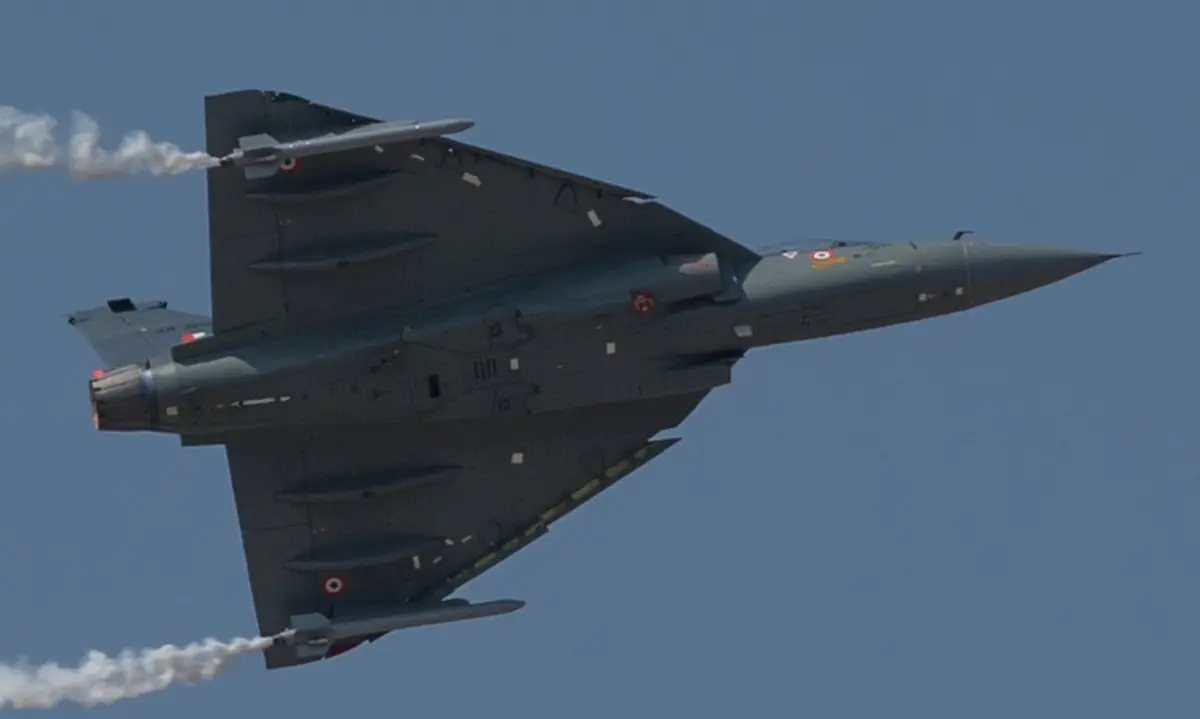
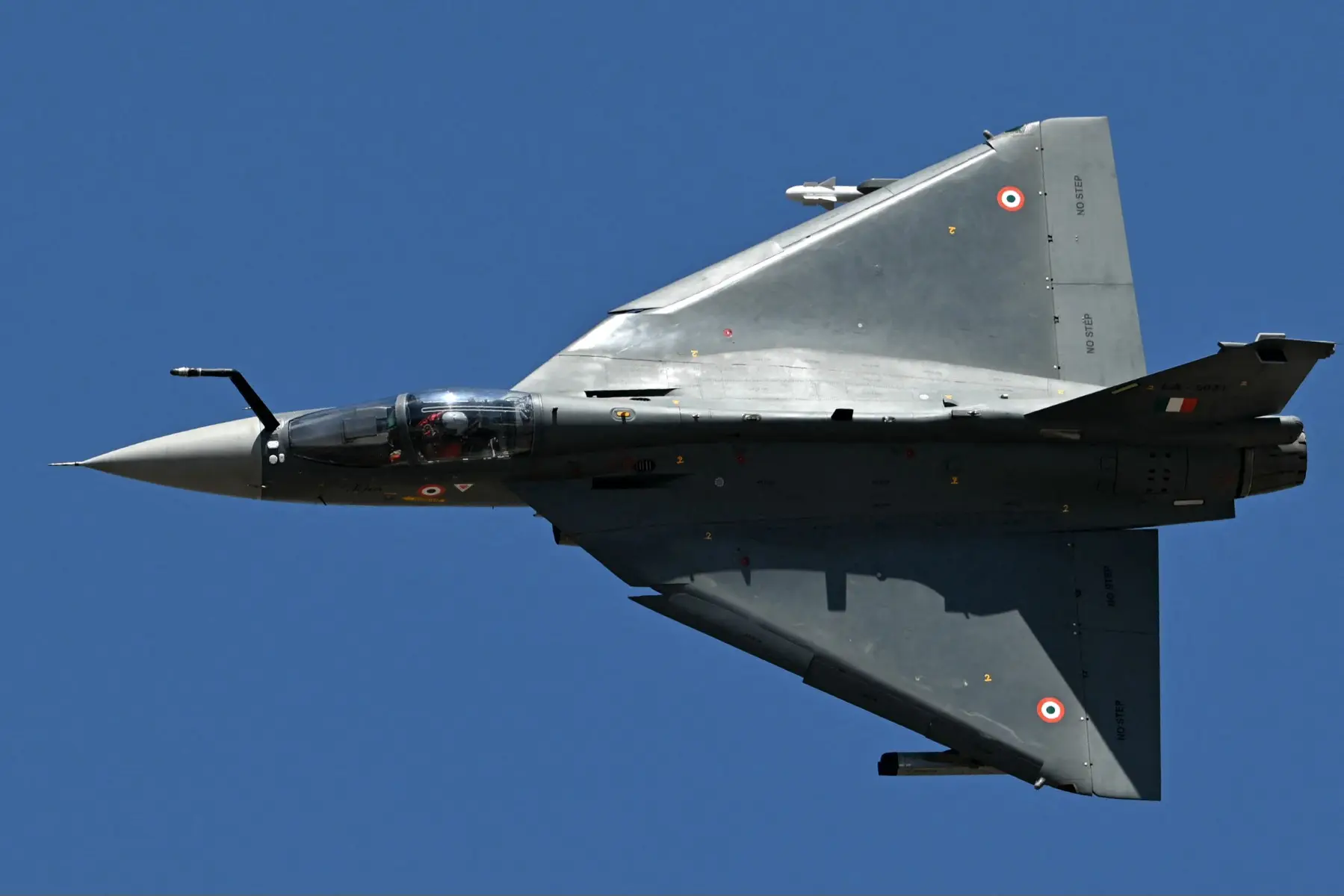
The Tejas has no tail like normal aircraft. Instead, it uses special surfaces called elevons on the trailing edge of the wings. These elevons do two jobs at once. They move up and down to pitch the nose up or down. They also roll the aircraft left and right. By tilting the elevons at different angles, the pilot can make the aircraft do almost any manoeuvre. At high speeds, these elevons must move with extreme precision. The flight computer sends signals to move them exactly. This happens so fast that the pilot feels the aircraft responding perfectly to every command.
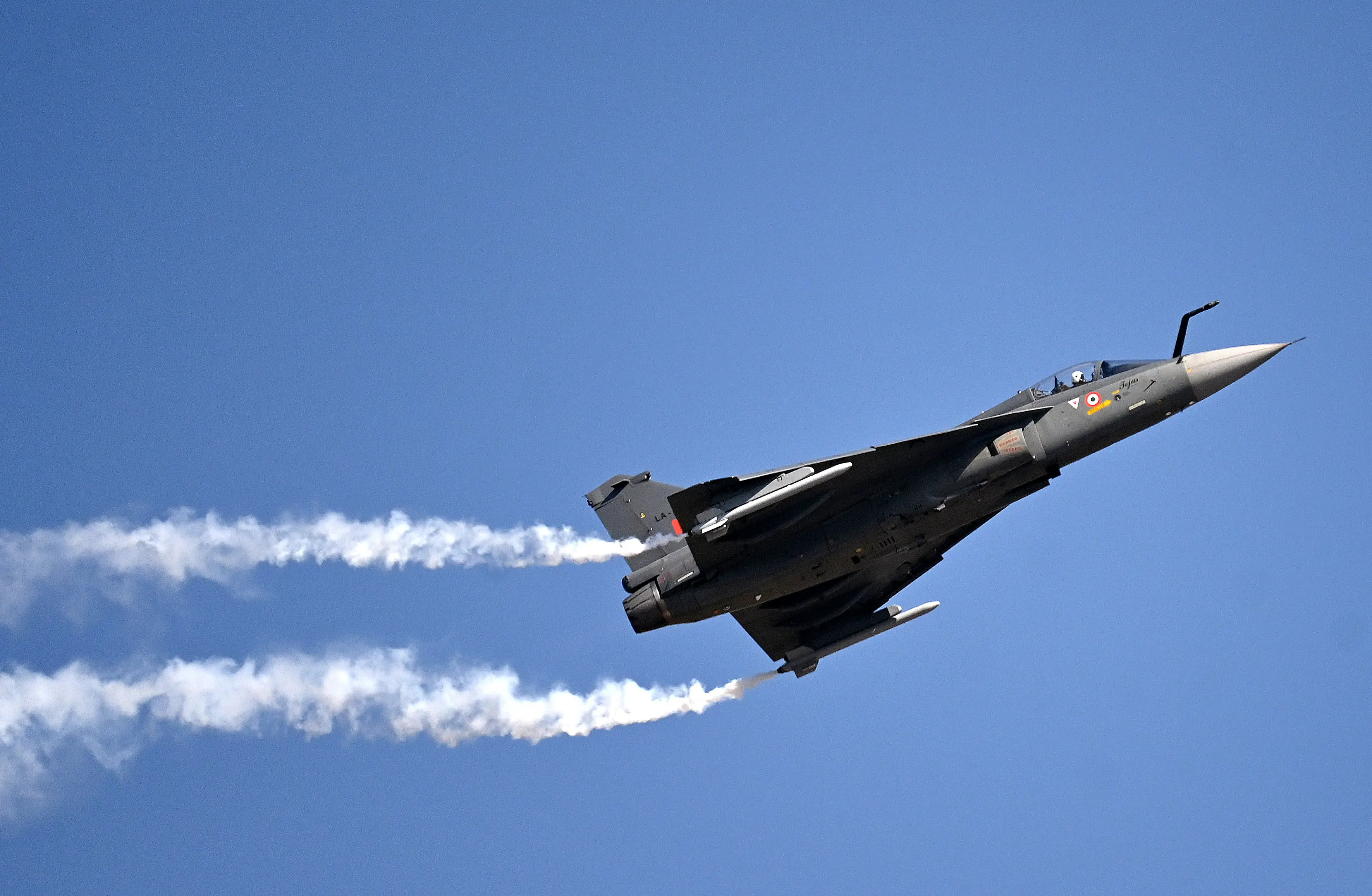
Canards: The Small Wings That Help Control The Jet
The newer Tejas Mk2 has small wings near the cockpit called canards. These are placed ahead of the main wings. They help the aircraft stay stable, especially at high speeds. The canards move up and down to help pitch the aircraft. They also create lift that helps balance the wings. At very high angles of turn, when the main wings produce lots of lift, the canards help manage this. The computer can tilt these canards up to 20 degrees in any direction. This gives more control options. Canards also act as air brakes during landing to stop the aircraft quicker.
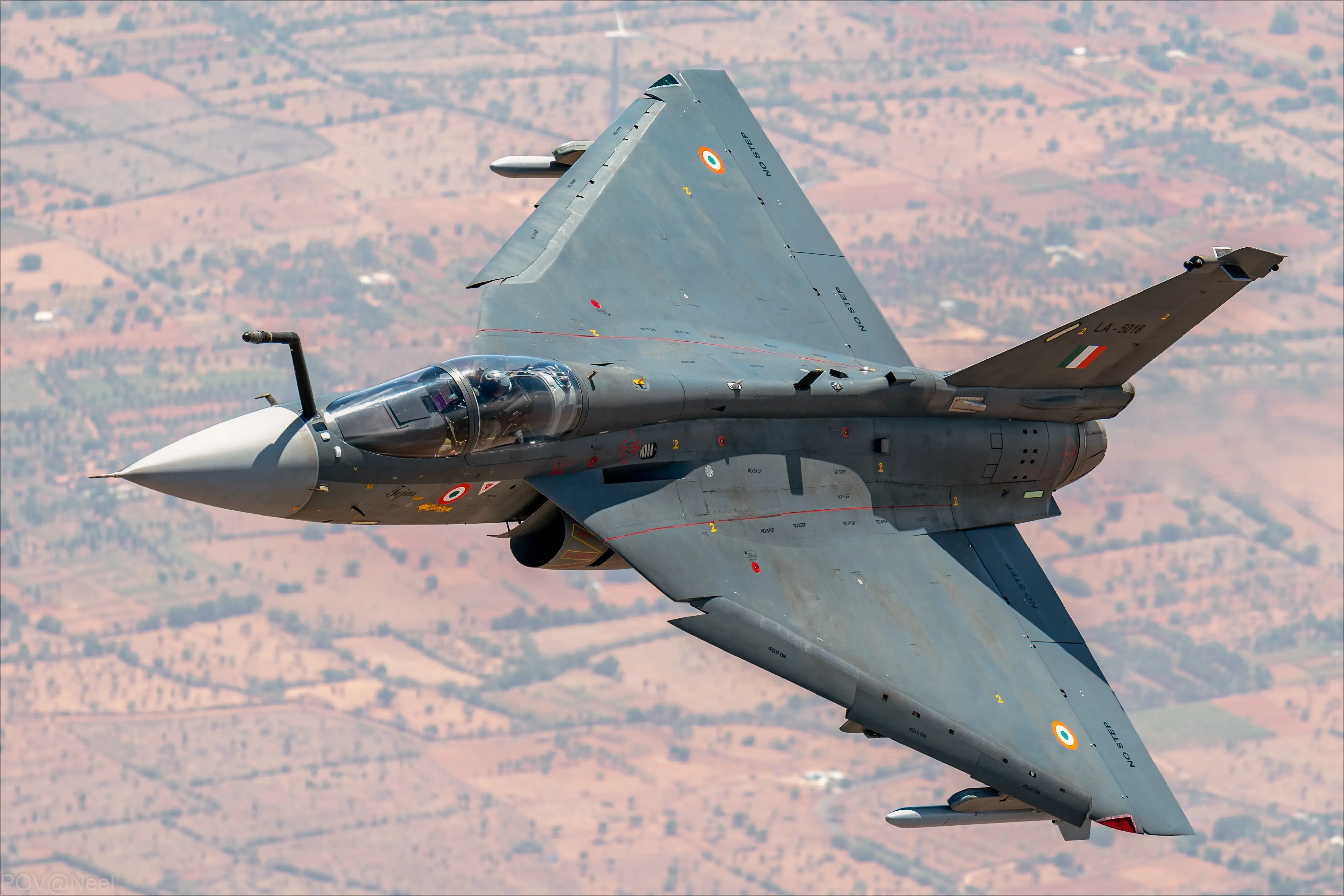
Leading-Edge Slats: Preventing Stalls At Extreme Angles
The Tejas can turn at angles that would cause normal aircraft to stall and crash. It can reach angles of up to 26 degrees on the Mk1 and 30 degrees on the Mk2. At these extreme angles, the wings would normally stop producing lift and the aircraft would drop. The leading-edge slats prevent this. These are small flaps that extend from the front edge of the wing. When the pilot pulls back on the stick, the slats extend automatically. They create a tiny vortex of air that keeps air flowing over the wing. This prevents the wing from stalling. The flight control computer times this perfectly at different speeds.
The Rudder: Yaw Control At Hypersonic Speeds
At supersonic speeds, directional control becomes tricky. The rudder is the vertical fin at the tail that controls yaw, which is turning left or right. As speed increases, the air pressure changes dramatically. The rudder must be moved very carefully. Too much rudder movement at high speed can cause the aircraft to depart from controlled flight. The Tejas flight control computer limits rudder movement based on speed and altitude. At low speeds, the pilot can move the rudder lots. As speed increases, the computer gradually reduces how much the rudder moves. This prevents dangerous situations while still giving the pilot full control when needed.
How The Digital Brain Keeps Everything Balanced
The four flight computers inside the Tejas are constantly working. They receive data from sensors measuring aircraft speed, altitude, pitch, roll, and yaw. Using this information, the computers calculate exactly how much to move each control surface. All of this happens 40 times every second. At Mach 1.8, the aircraft is moving so fast that delays even of fractions of a second could cause problems. The multiple computers make redundant calculations. If one computer starts giving wrong answers, the others detect this immediately and isolate the faulty one. The remaining computers take over seamlessly. This design ensures the aircraft stays stable and under control even if one system fails.
What Makes Tejas Special: Agility Through Design
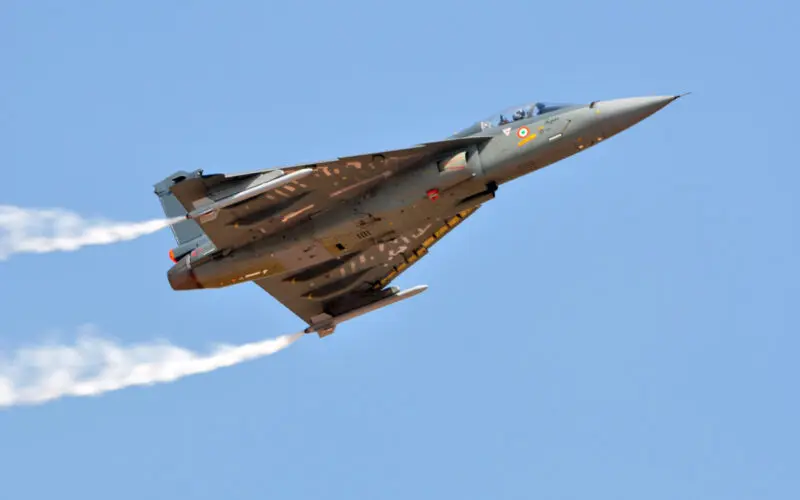
The Tejas turns faster than many competing fighter jets. The sustained turn rate is 18 degrees per second. The instantaneous turn rate, which is the sharpest possible turn, reaches 28 degrees per second. This comes from the deliberate choice to make the aircraft unstable. Stable aircraft want to return to level flight naturally. Unstable aircraft do not, which means they can turn sharply without the aircraft fighting back. This design choice requires the flight computer to work hard. But in combat, this pays huge dividends. A Tejas pilot can turn inside the turn of an opponent and get a clear shot. This agility through design is why the Tejas is considered dangerous in modern air combat. Future improvements will make it even better.
)

)
)
)