How the Su-57 fighter jet handles extreme heat at Mach 2.0

The Su-57 faces brutal heating at Mach 2. From titanium alloys to fuel-cooling systems, every part is engineered to survive temperatures that would melt normal aircraft revealing a hidden world of extreme thermal design.
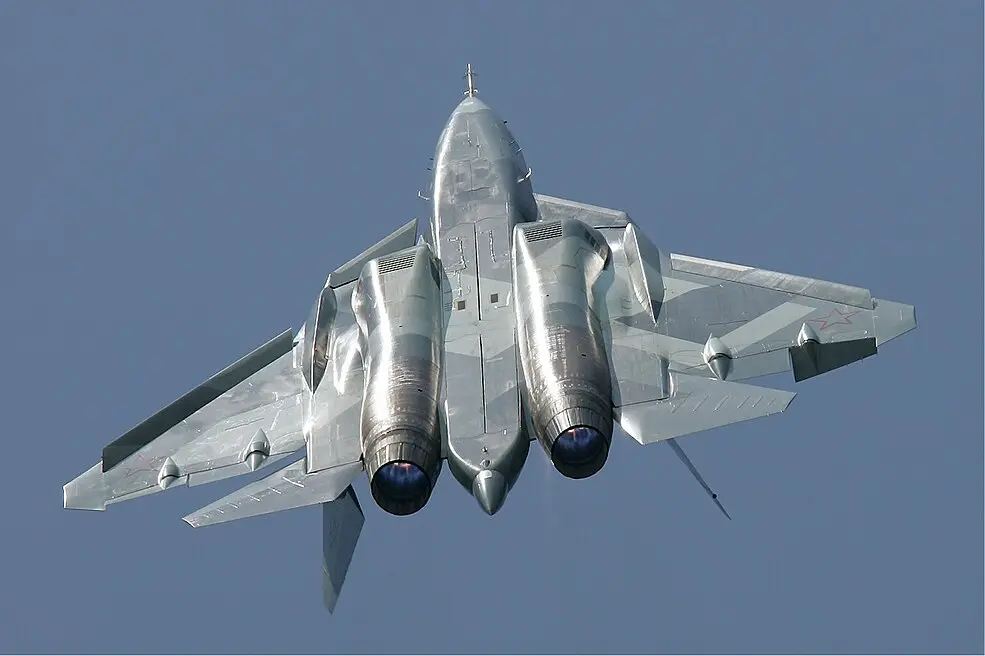
The Kinetic Heating Challenge
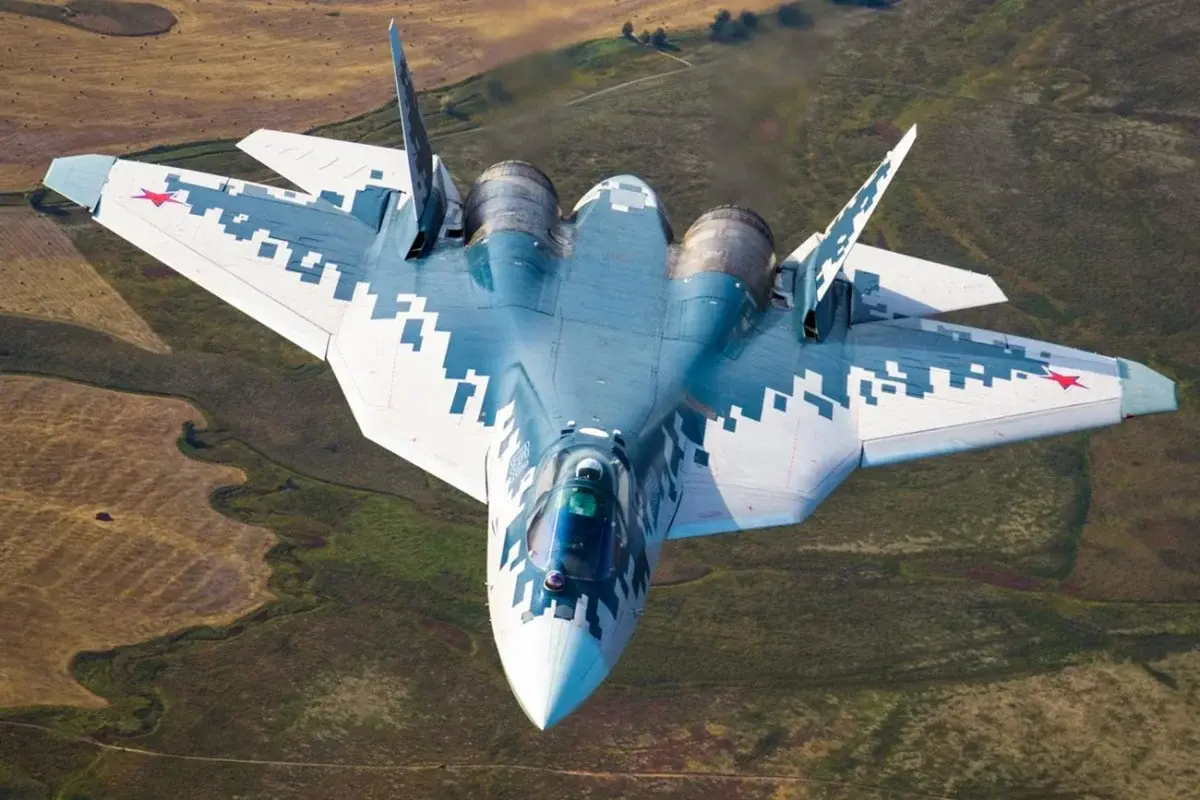
Flying at Mach 2.0 creates tremendous friction between the aircraft skin and atmosphere. Kinetic energy from speed converts directly into heat. The Su-57 nose reaches approximately 300 degrees Celsius during sustained Mach 2.0 flight. This extreme heat would melt most materials. The aircraft skin temperature varies from 80 degrees at the wings to 300 degrees at the nose and inlet regions. Engineers must design structures surviving these extreme temperature variations simultaneously.
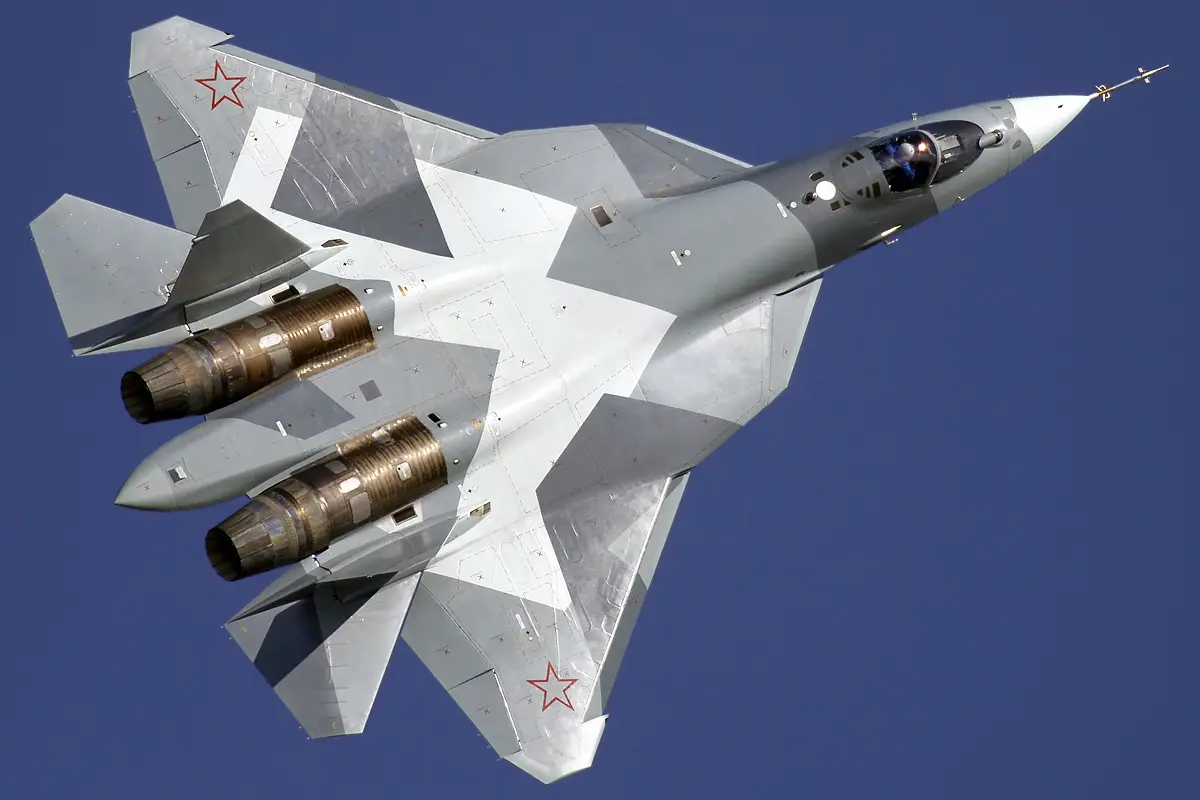
Understanding Stagnation Temperature
At Mach 2.0, the stagnation point temperature (where air stops moving) exceeds 400 degrees Celsius. This is the theoretical maximum heating point on the aircraft. The actual skin temperature remains slightly lower due to heat dissipation. The nose cone experiences closest conditions to stagnation temperature. Understanding this physics guides engineers where to reinforce the structure. The B-58 nose reached 220 degrees Fahrenheit at Mach 2, while Concorde reached 260 Fahrenheit at the same speed.
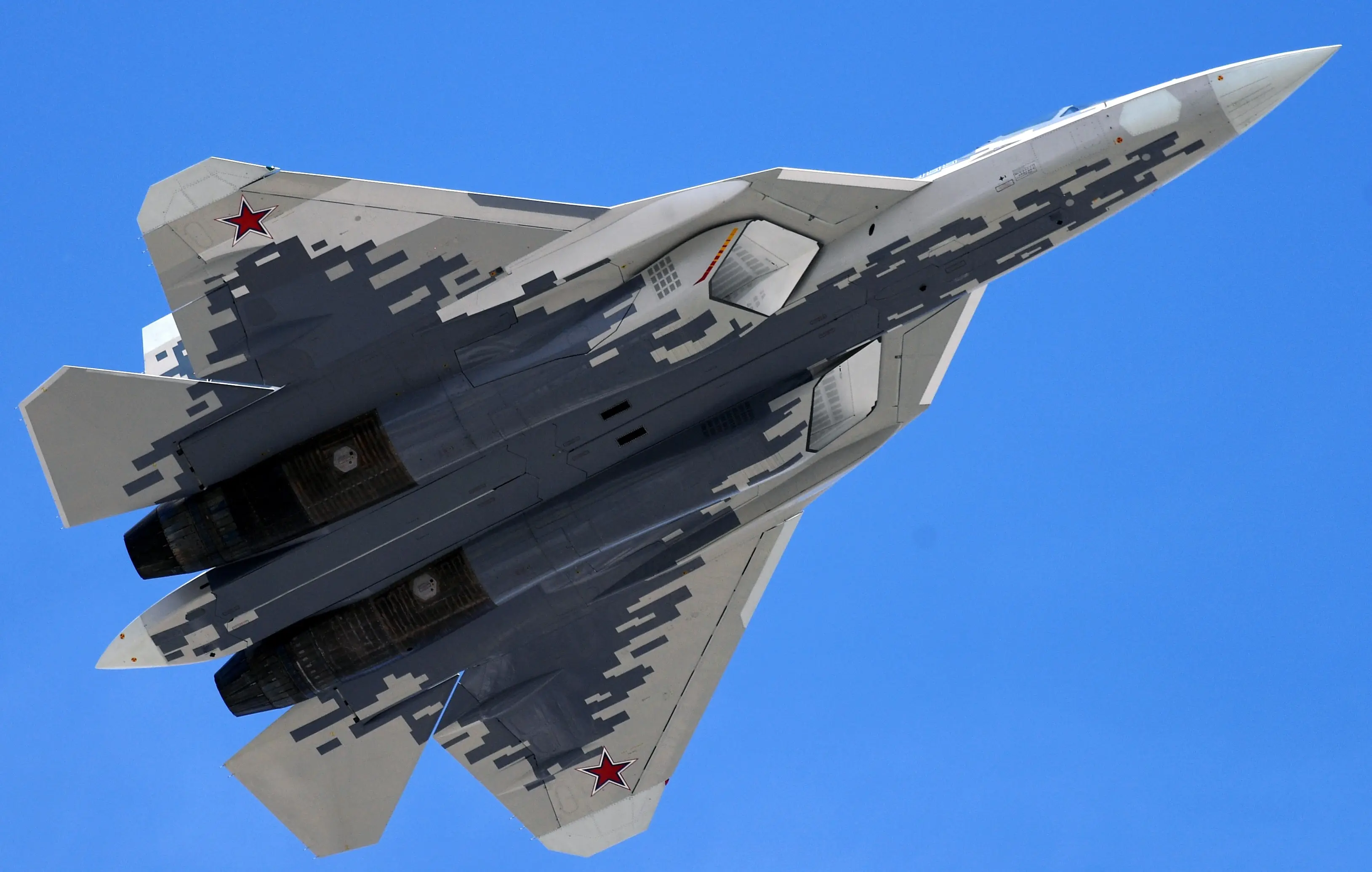
Titanium Alloy Construction
The Su-57 uses titanium alloys for areas experiencing extreme heat. Titanium comprises only 18 per cent of the airframe compared to F-22's 41 per cent. Despite lower per centage, titanium provides heat resistance up to 600 degrees Celsius. Russian engineers optimised titanium use reducing weight whilst maintaining heat tolerance. Titanium's high strength-to-weight ratio makes it ideal for supersonic fighters. The alloy maintains structural integrity even when glowing red from aerodynamic heating.
Advanced Composite Materials
The Su-57 uses advanced composite materials made from polymer and fibre-glass. These materials have excellent thermal insulation properties. Composites absorb and dissipate heat more effectively than metal. Aluminium load-bearing honeycomb fillers within composites provide thermal buffers. The honeycomb structure creates air pockets reducing heat transfer to internal systems. These composite materials also reduce aircraft weight contributing to supercruise capability.
Fuel System Heat Sink
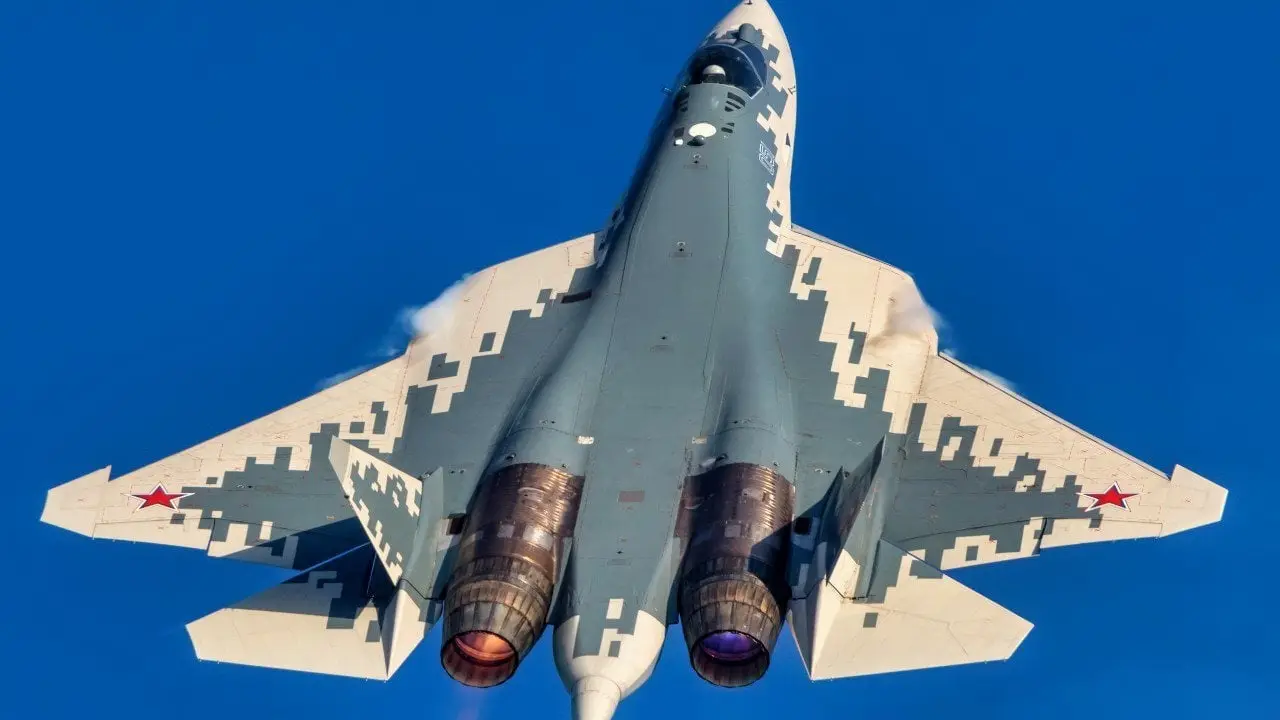
The Su-57 uses its fuel as a heat sink absorbing thermal loads. Cold fuel circulates through aircraft coolers and heat exchangers. The fuel absorbs waste heat from engines and skin friction. Hot fuel then preheats engines reducing engine startup burden. This regenerative cooling approach transfers heat efficiently. The fuel tank acts like a radiator cooling the aircraft. By the time fuel reaches the engines, it has already cooled the airframe significantly.
Engine Inlet Thermal Management
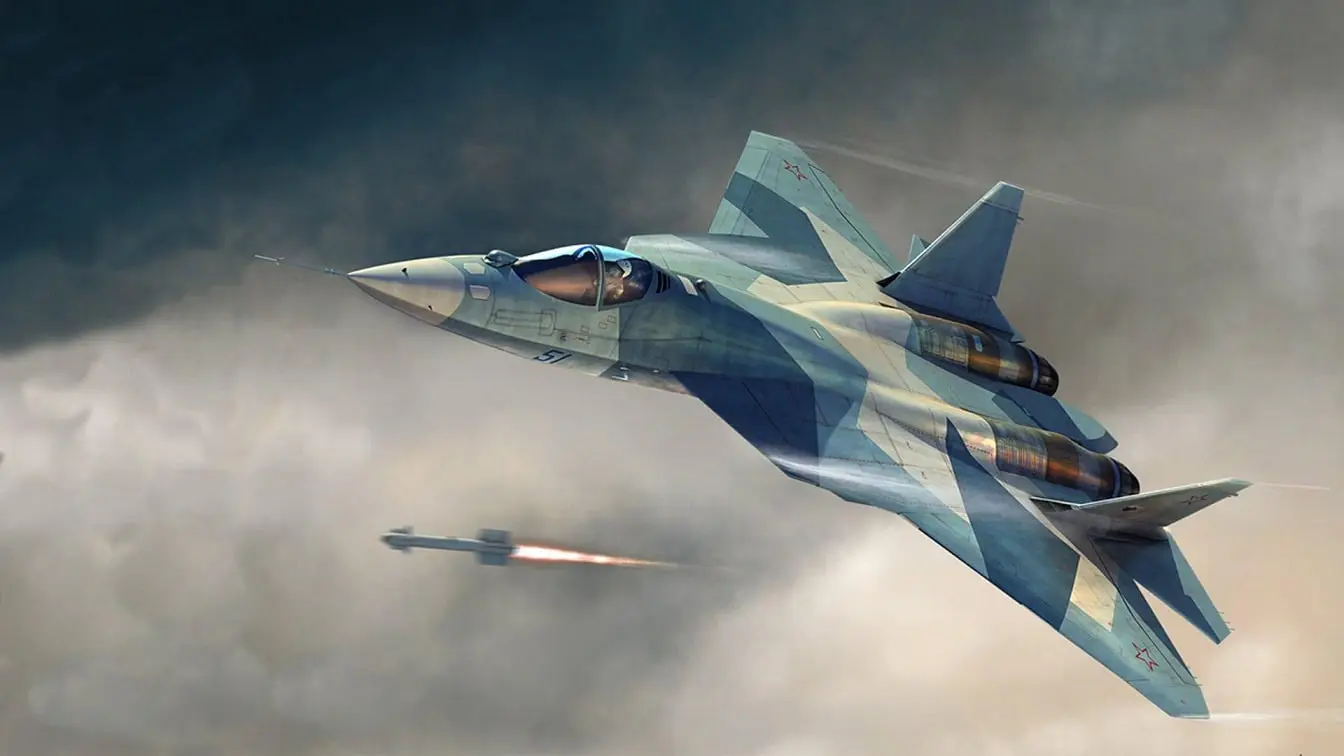
The engine inlet receives air heated to approximately 700 degrees Celsius at Mach 2.0. This heating occurs before any fuel ignition. Sophisticated inlet geometry spreads and cools this air slightly before the compressor. Engine compressor blades are designed handling this extreme inlet temperature. The front compressor stages use special heat-resistant alloys. This management ensures engine reliability despite extreme thermal conditions.
Nose Cone And Leading Edge Protection
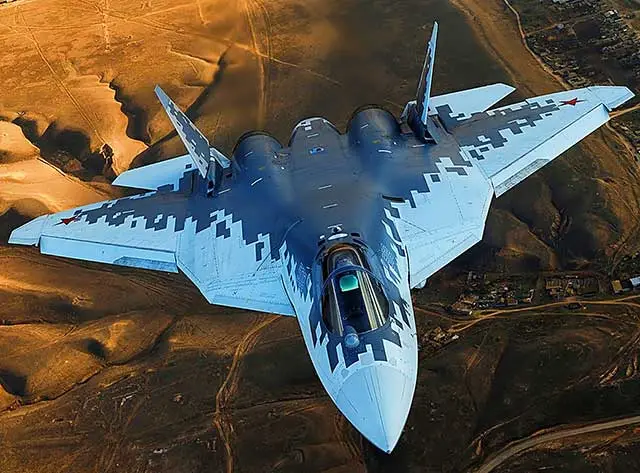
The Su-57's radial leading edges receive maximum aerodynamic heating. The leading edge geometry creates concentrated heat points. Materials here must withstand sustained temperatures near 300 degrees Celsius. Reinforced titanium composites provide the necessary heat resistance. Ceramic matrix composites are used in the most extreme areas. The design channels heat away from critical flight control surfaces. Specially angled surfaces reduce the effective heating on vulnerable points.
Thermal Stress On Flight Controls
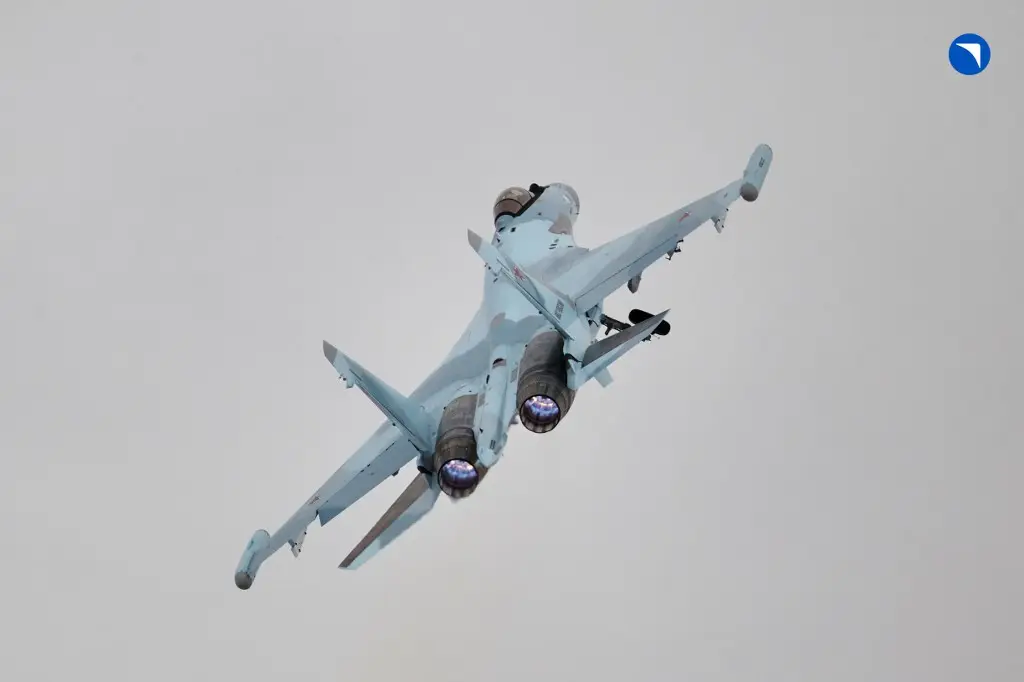
Flight control hydraulic fluids experience thermal stress from skin heating. Pressure in hydraulic lines increases with temperature. The Su-57 includes thermal management systems cooling hydraulic fluids. Heat exchangers remove excess thermal energy from the hydraulic system. Temperature-controlled circulation maintains system reliability. Failure of hydraulic control systems during high-speed flight would be catastrophic. The thermal management system prevents this failure mode.
Supercruise Reduces Thermal Burden
The Su-57 can cruise at Mach 1.3 without afterburner engagement. This supercruise speed generates less kinetic heating than Mach 2.0 with afterburner. Sustained supercruise means the aircraft experiences less thermal stress. Lower engine temperatures extend engine life significantly. The design allows high-speed transit without the thermal damage of continuous Mach 2 operation. Thermal management systems handle Mach 1.3 heating easily allowing extended operations.
Future Thermal Challenges
Future fighters may operate at Mach 3 and beyond requiring hypersonic thermal management. Temperatures at Mach 3 exceed 500 degrees Celsius requiring new materials. Active cooling systems using electronics and pumps will become necessary. Regenerative fuel cooling will expand dramatically. Advanced ceramics and metal matrix composites are under development. The Su-57's thermal management foundation prepares Russia for hypersonic fighter development. Current solutions form the basis for next-generation thermal engineering.
)
)
)
)
)