How the Su-30MKI fighter jets can lock onto targets without even facing them

The Su-30MKI’s powerful radar, helmet-mounted sights, and thrust-vectoring engines make it one of the most agile and deadly fighters. With new radar upgrades and long-range missiles, it stays ahead in modern aerial combat.
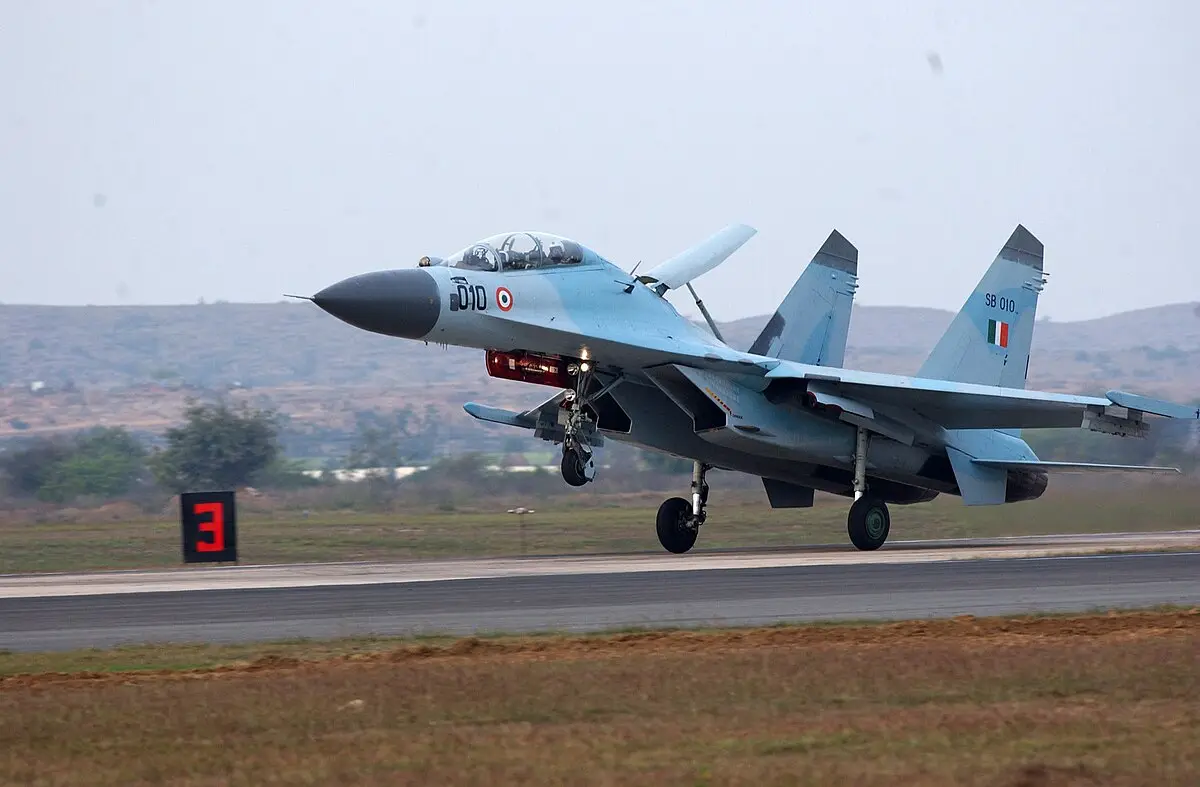
Powerful Radar Sees All Around
The Su-30MKI is equipped with the N011M Bars radar. It scans a wide area, tracking up to 20 targets and engaging the top eight. The radar’s range can go up to 350 km for large objects.
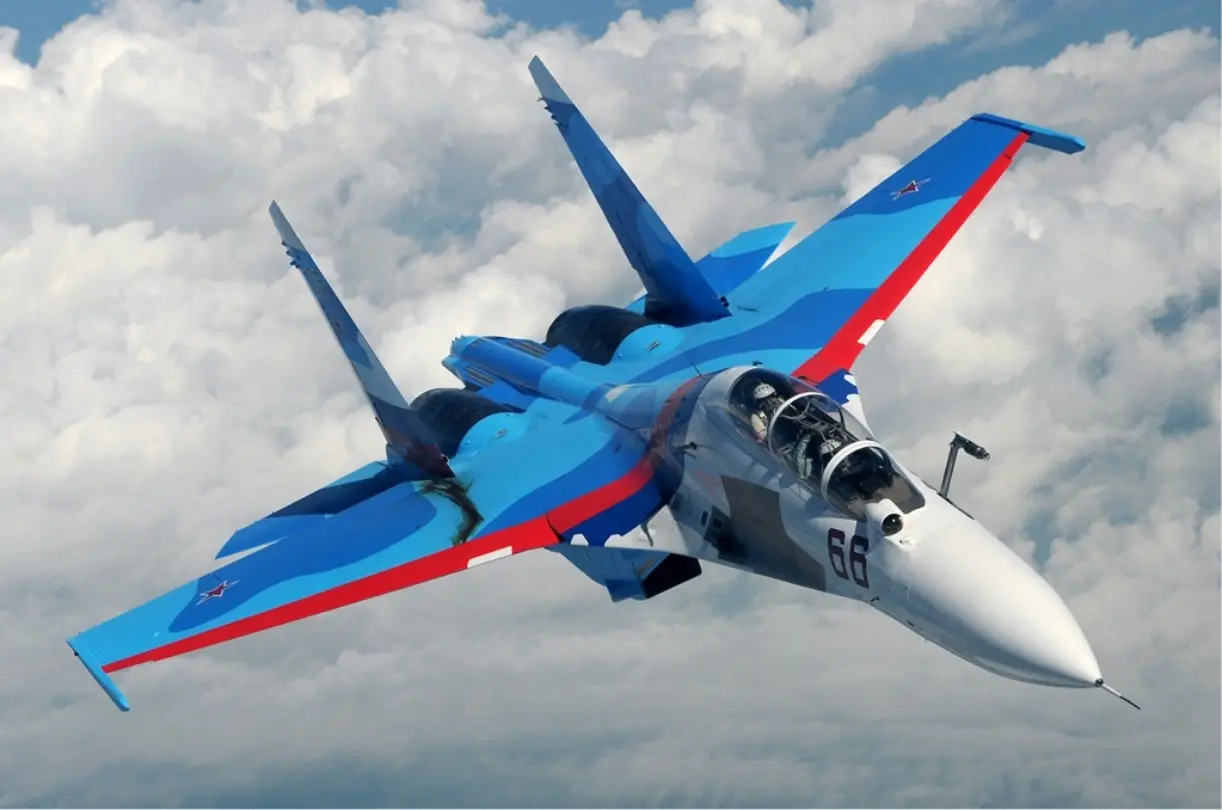
Helmet-Mounted Sight Gives Pilot Eye Power
The pilot wears a special helmet that tracks head movement. This lets the pilot lock missiles onto targets by looking at them. Even if the plane is not pointing directly at the enemy.
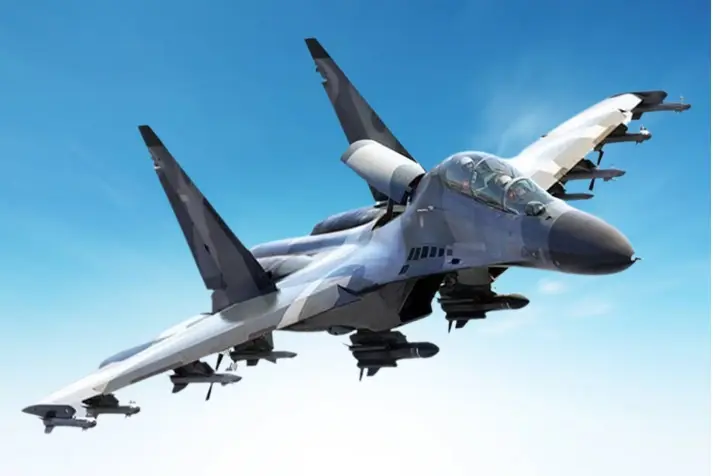
Missiles Capable of Locking on Rear Targets
Su-30MKI carries missiles like the R-73 and Astra that can track targets from the rear hemisphere. This means it can fire missiles at an enemy behind it without turning the plane.
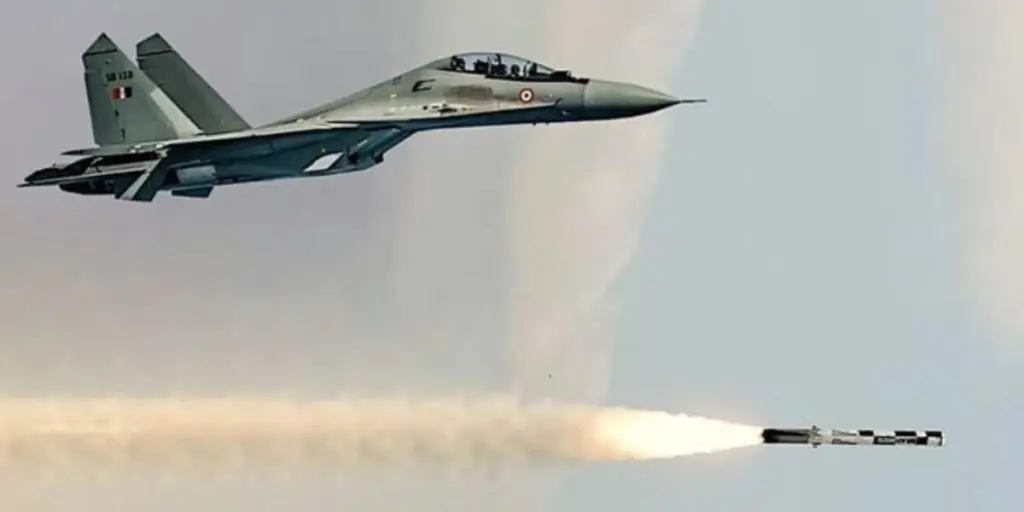
Electronic Warfare and Countermeasures
The aircraft has electronic systems that jam enemy radar and protect it from incoming missiles. These systems help pilots survive even when flying close to enemy defences.
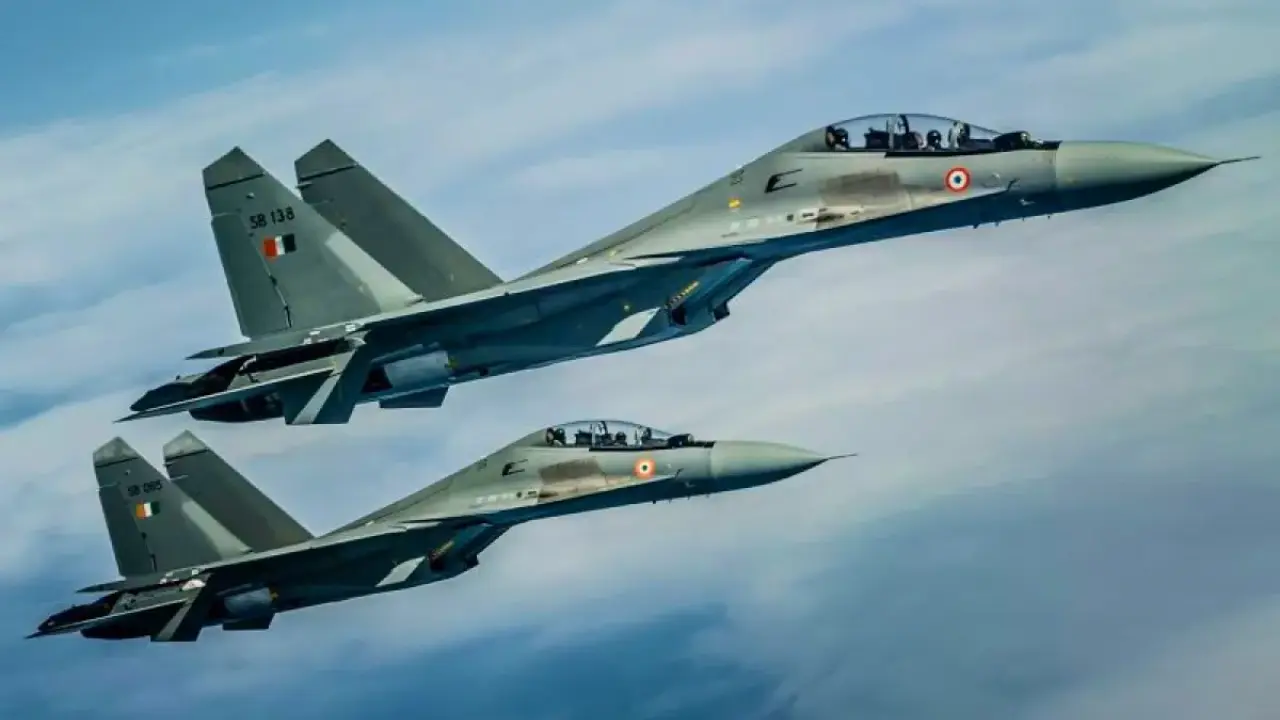
Extreme Agility Helps Position for Attack
Thanks to thrust-vectoring engines, the Su-30MKI can perform extreme manoeuvres. It can twist and turn quickly, helping pilots get behind enemies or escape missile locks.
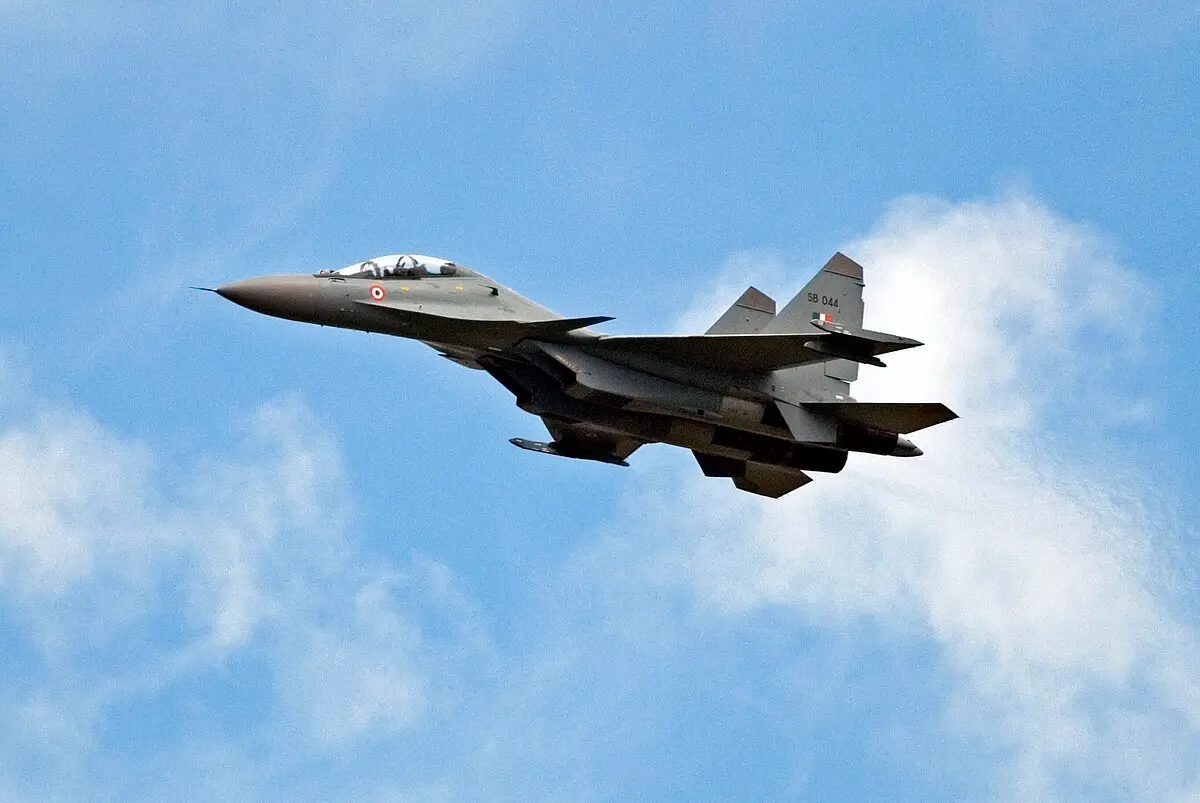
New Radar to Boost Targeting Even More
An upgrade called the Virupaksha AESA radar, developed by DRDO, will offer greater detection range and resistance to jamming. It will make the Su-30MKI even better at locking targets at long distances.
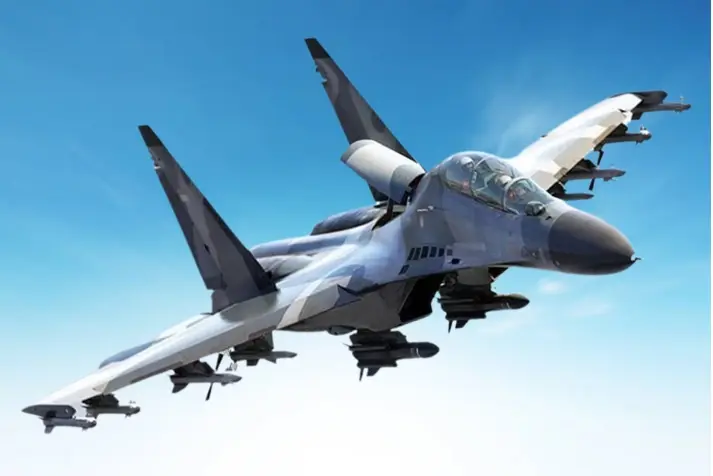
Long-Range Missiles Extend Reach
Su-30MKI now fits newer missiles like Astra Mk-2 and the hypersonic R-37M, which can strike targets over 300 km away. This enhances its ability to defeat foes without close combat.
)
)
)
)
)