How the S-400 uses multiple radar trucks to scan the sky at once

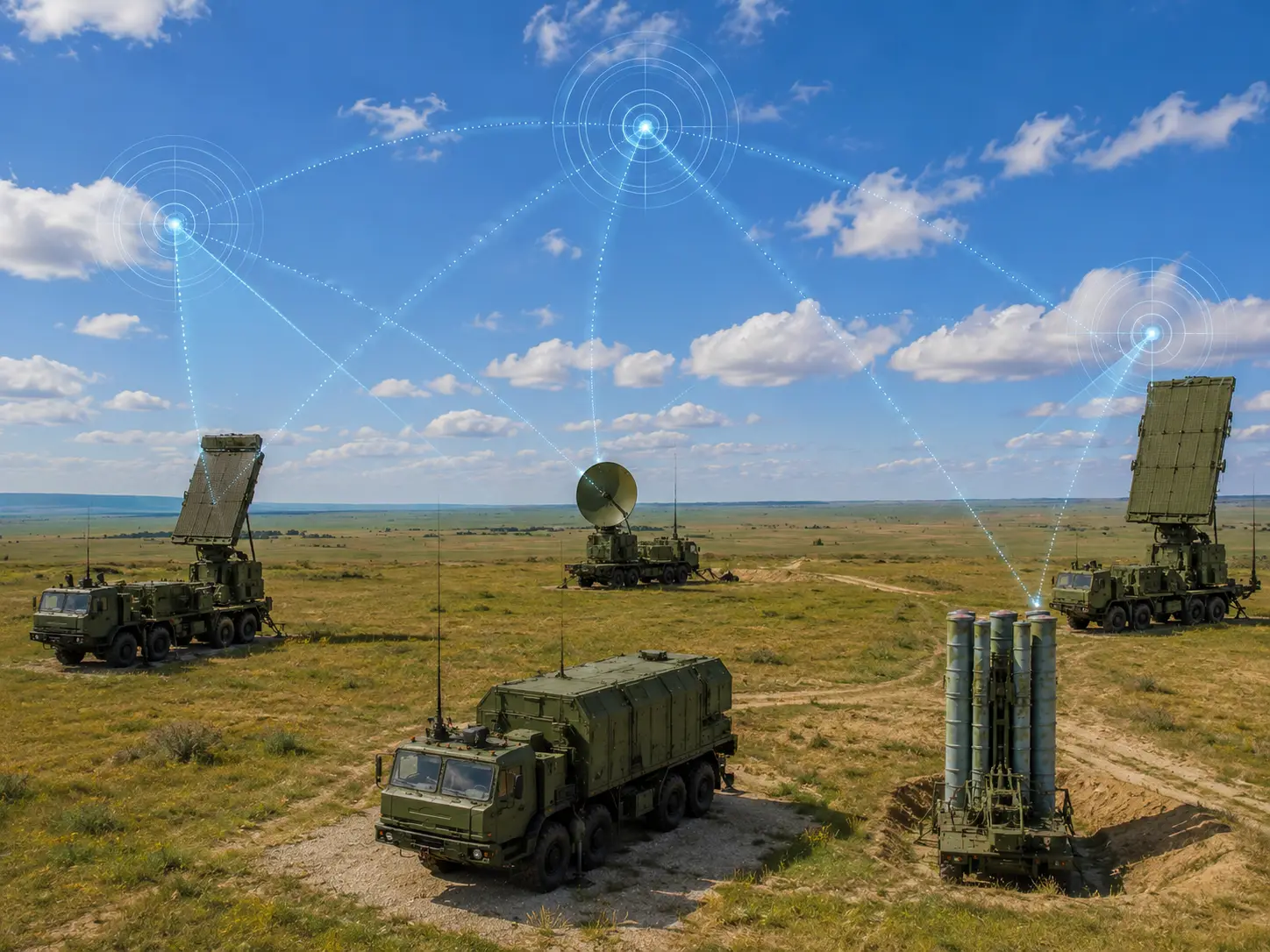
he S-400 system integrates multiple radar trucks for 360-degree surveillance. It tracks 300 targets and engages 36 threats simultaneously using L-band, S-band, and X-band units.
600 Km Wide Scan
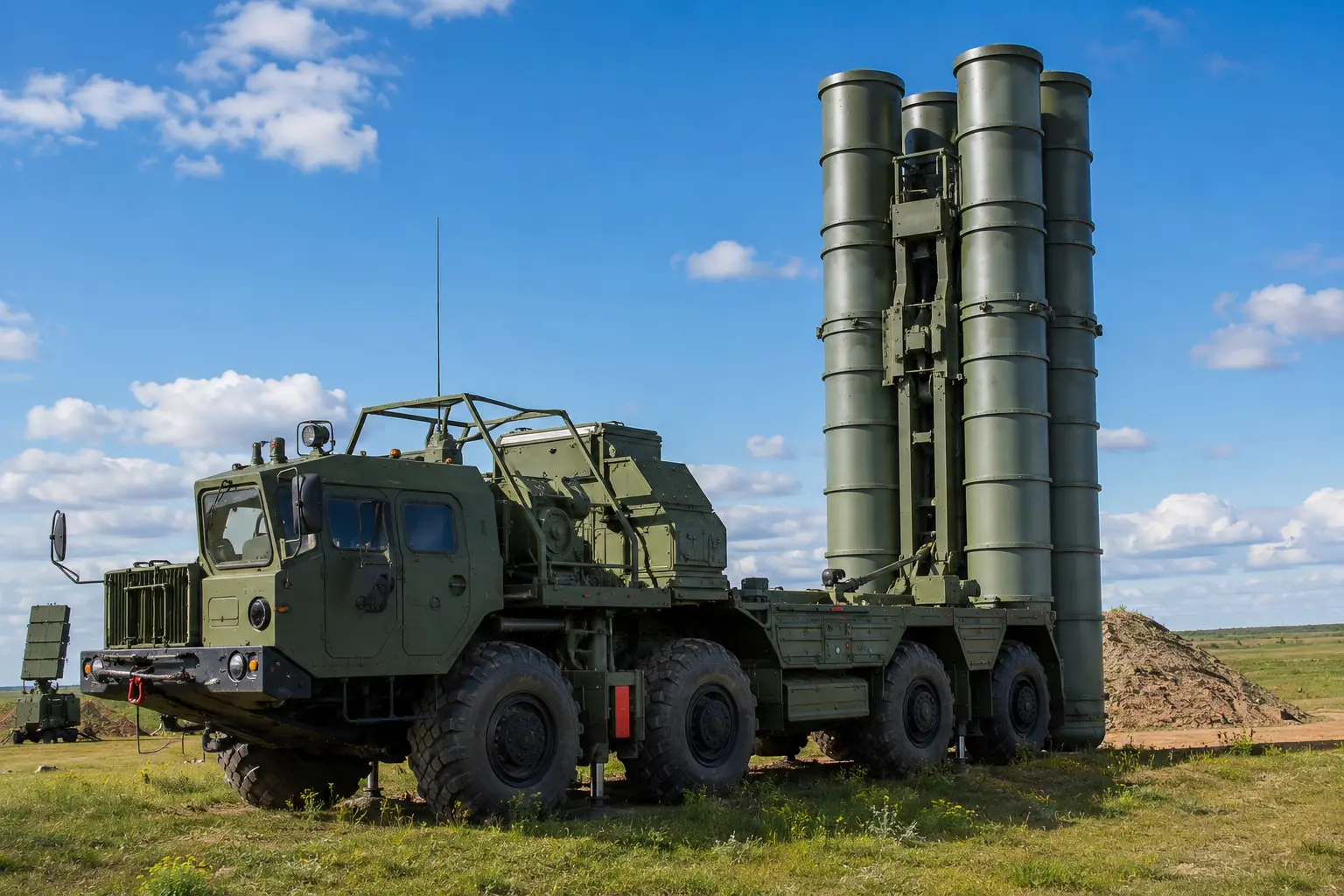
The S-400 relies on the 91N6E panoramic radar as its primary detection unit. Operating in the S-band, this heavy-duty radar scans a 360-degree area to spot large targets. It provides a massive detection range of up to 600 kilometres.
300 Km Low-Altitude Tracking
To eliminate blind spots near the ground, the system deploys the 96L6E radar. This C-band unit searches for cruise missiles and drones at low altitudes. It effectively operates up to 300 kilometres away in dense or mountainous terrain.
400 Km Stealth Detection
The system integrates supplementary units like the Nebo-M VHF mobile radar station. This equipment provides a detection range of 400 kilometres. It enhances the network's early warning capabilities against complex or stealthy aerial threats.
400 Km Target Engagement
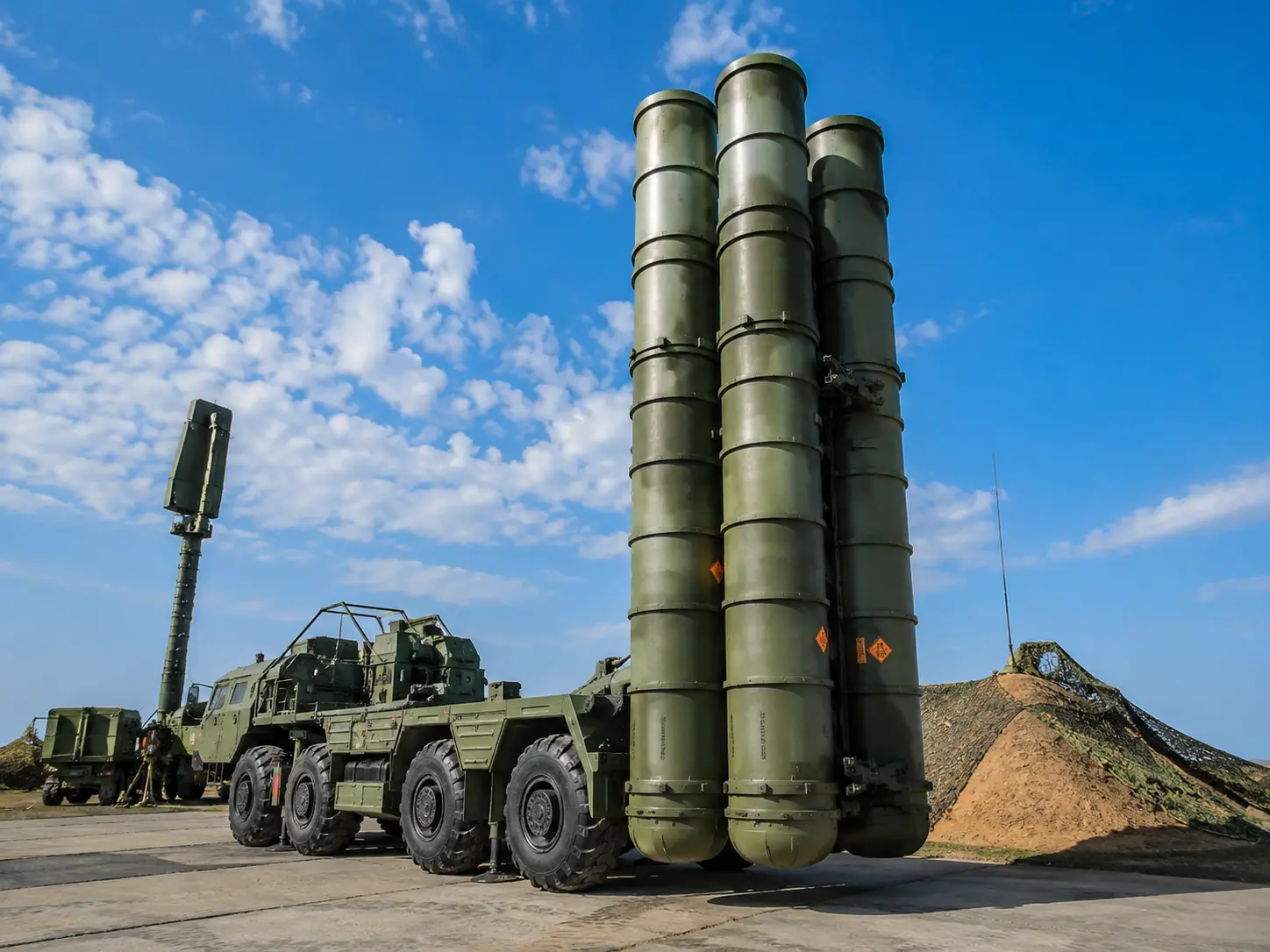
When a threat is confirmed, the 92N6E multi-function radar takes control. Operating in the X-band, this fire control unit locks onto targets up to 400 kilometres away. It uses narrow radar beams to achieve high accuracy for missile guidance.
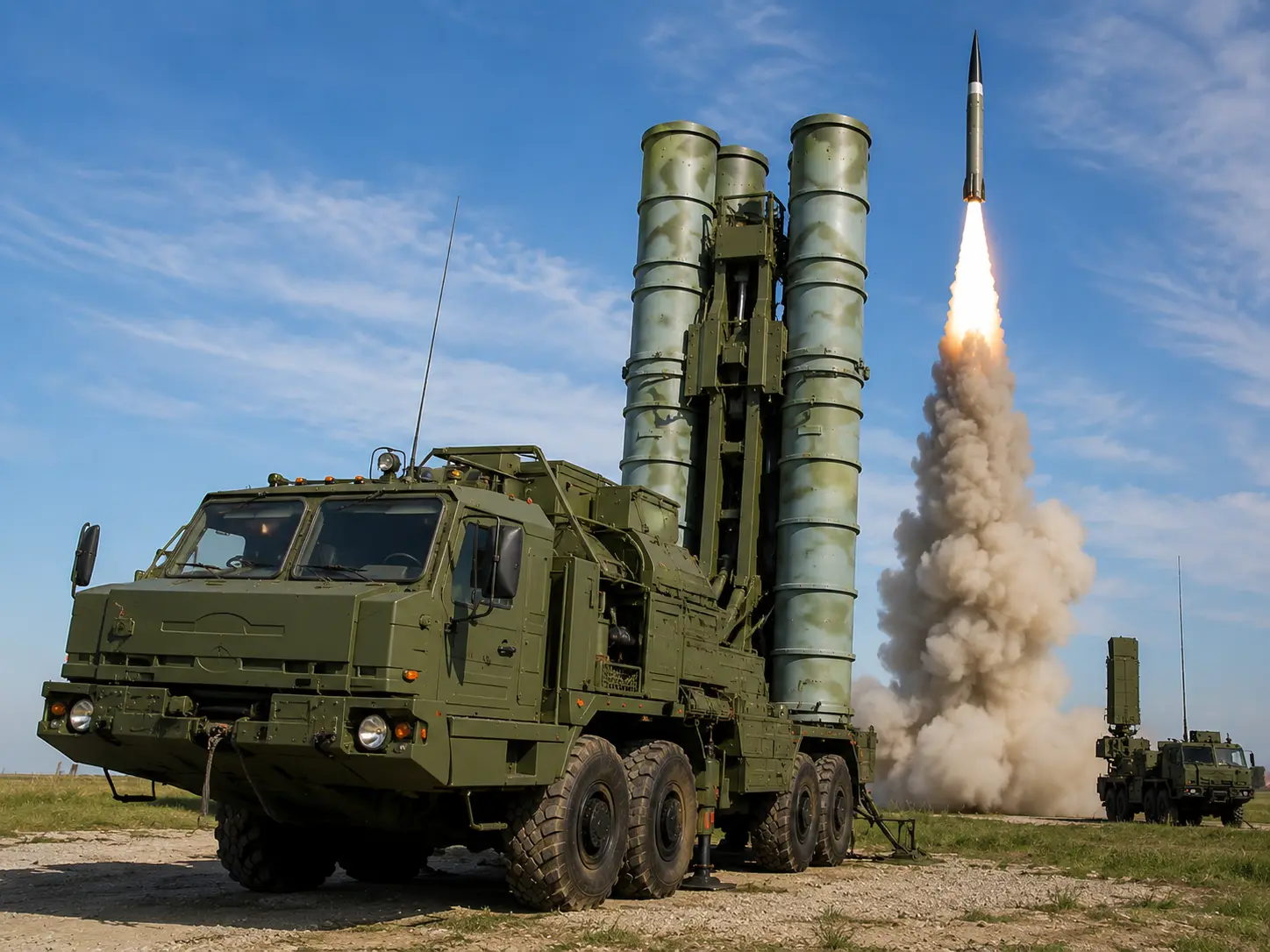
300 Targets Tracked Simultaneously
By networking these various radar units together, the S-400 builds a massive battlefield picture. The combined radar suite maintains a wide area search capability. It tracks up to 300 different aerial targets simultaneously without losing focus.
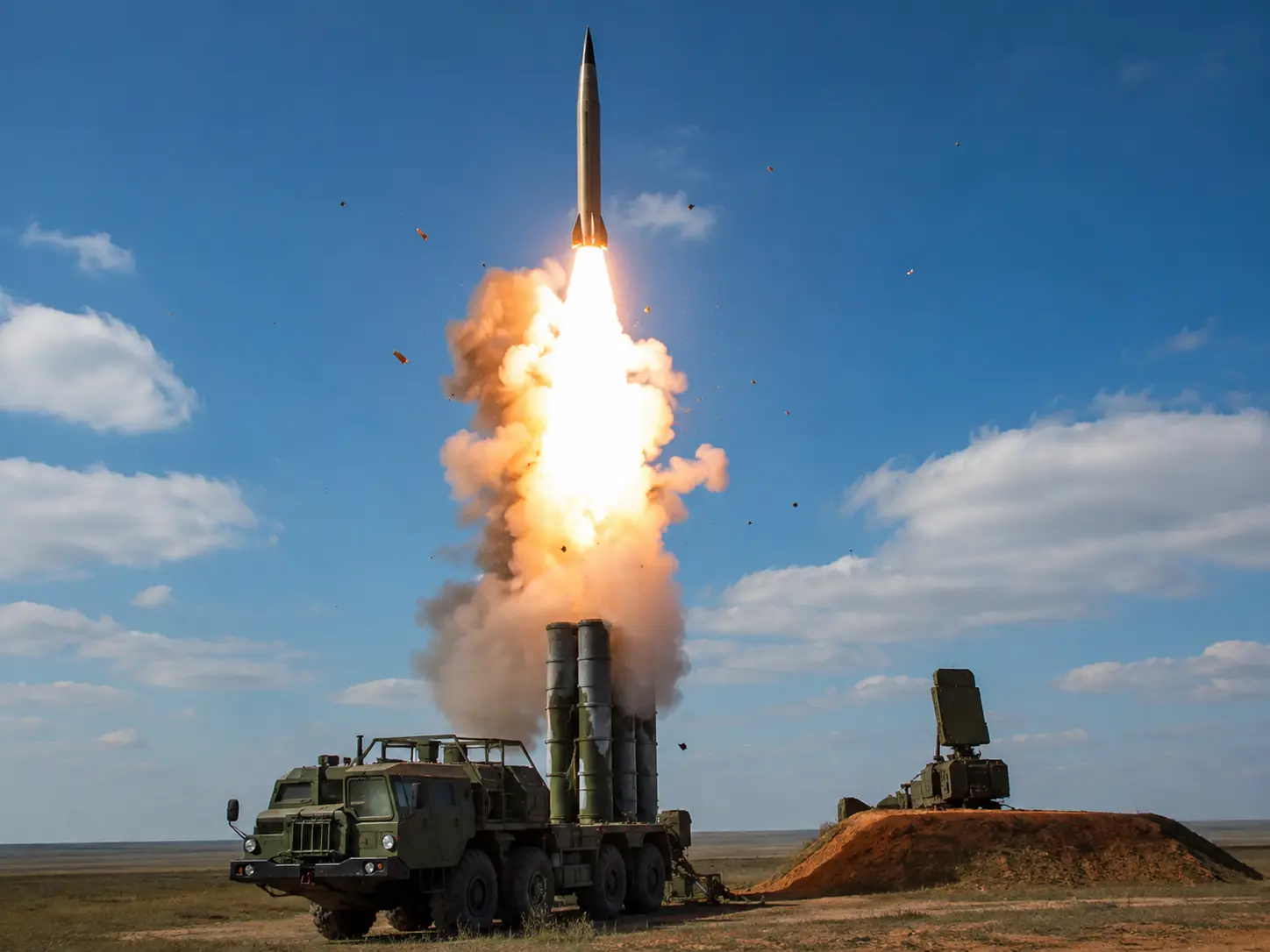
36 Targets Engaged Simultaneously
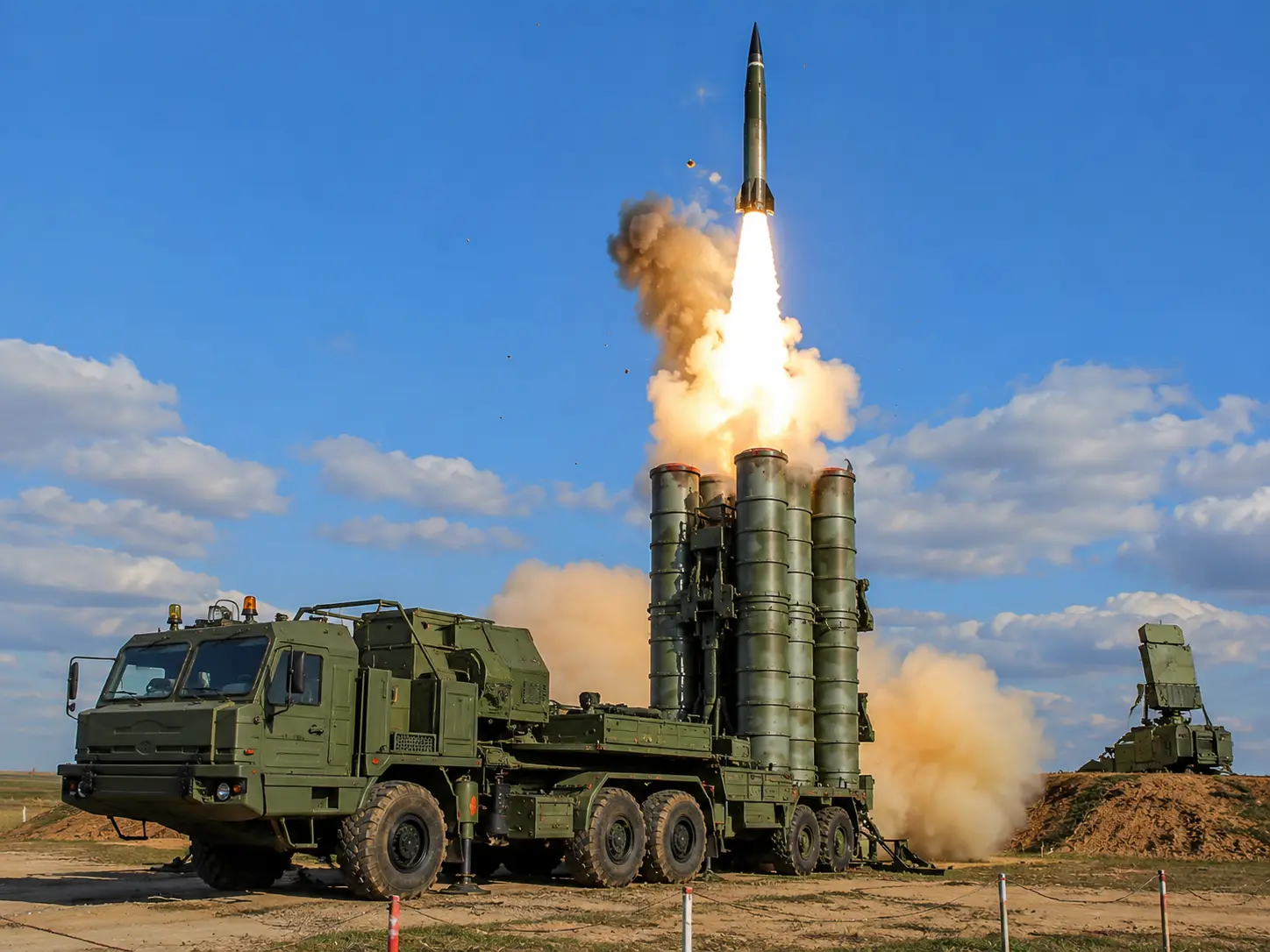
While monitoring the skies, the system automatically prioritises the most dangerous incoming objects. The 92N6E engagement radar can simultaneously track 36 priority targets. It actively guides up to 72 missiles to intercept them at the exact same time.
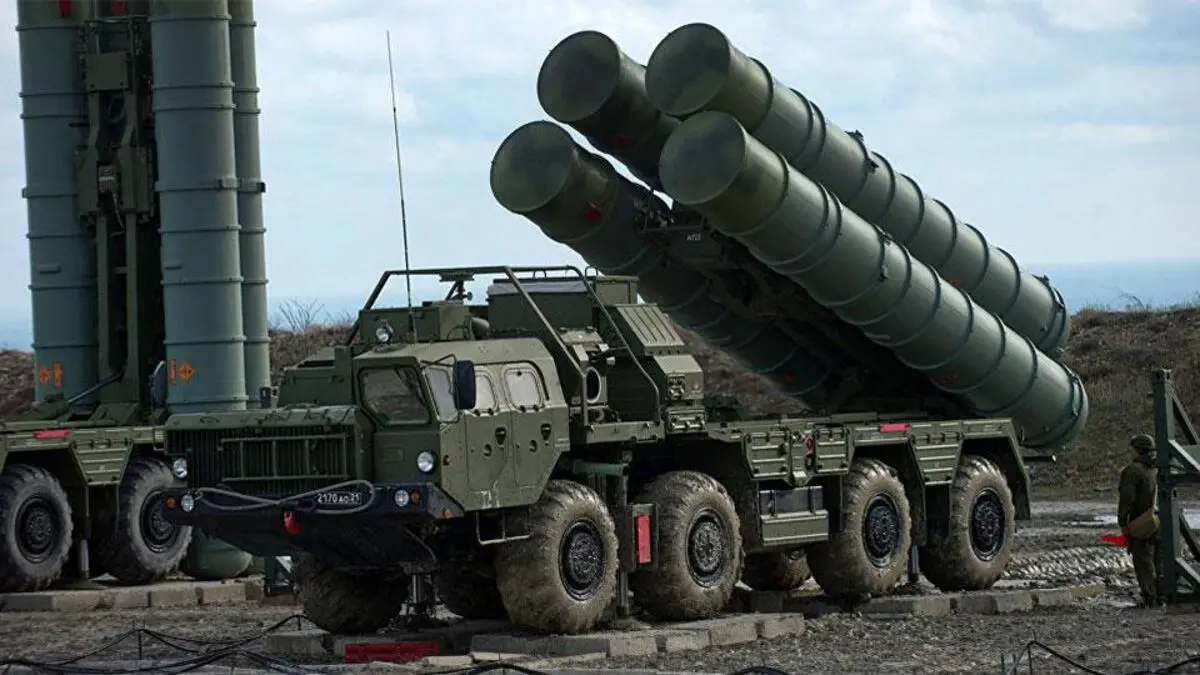
100 Km Remote Command
The entire radar network is managed by the 55K6E command post, which processes the radar information. To ensure maximum survivability, this command unit can be positioned safely. It maintains control even when situated up to 100 kilometres away from the fire units.
)
)
)
)
)