How the F-35 fighter jet sees through clouds, fog and darkness

The F-35 uses infrared sensors, 360° cameras, and advanced radar to see through clouds, fog, and darkness. Sensor fusion gives pilots a complete view of threats in any weather, day or night.
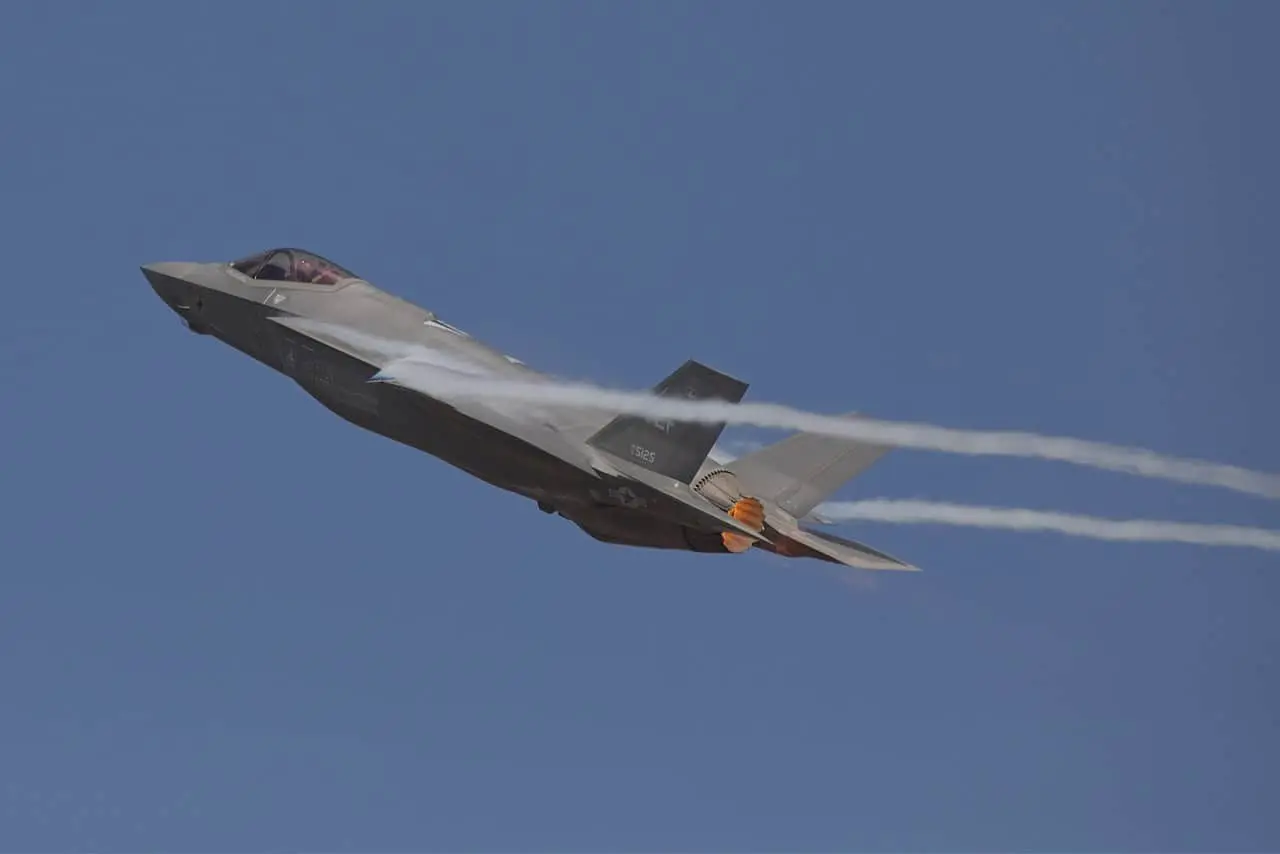
Electro-Optical Targeting System (EOTS)
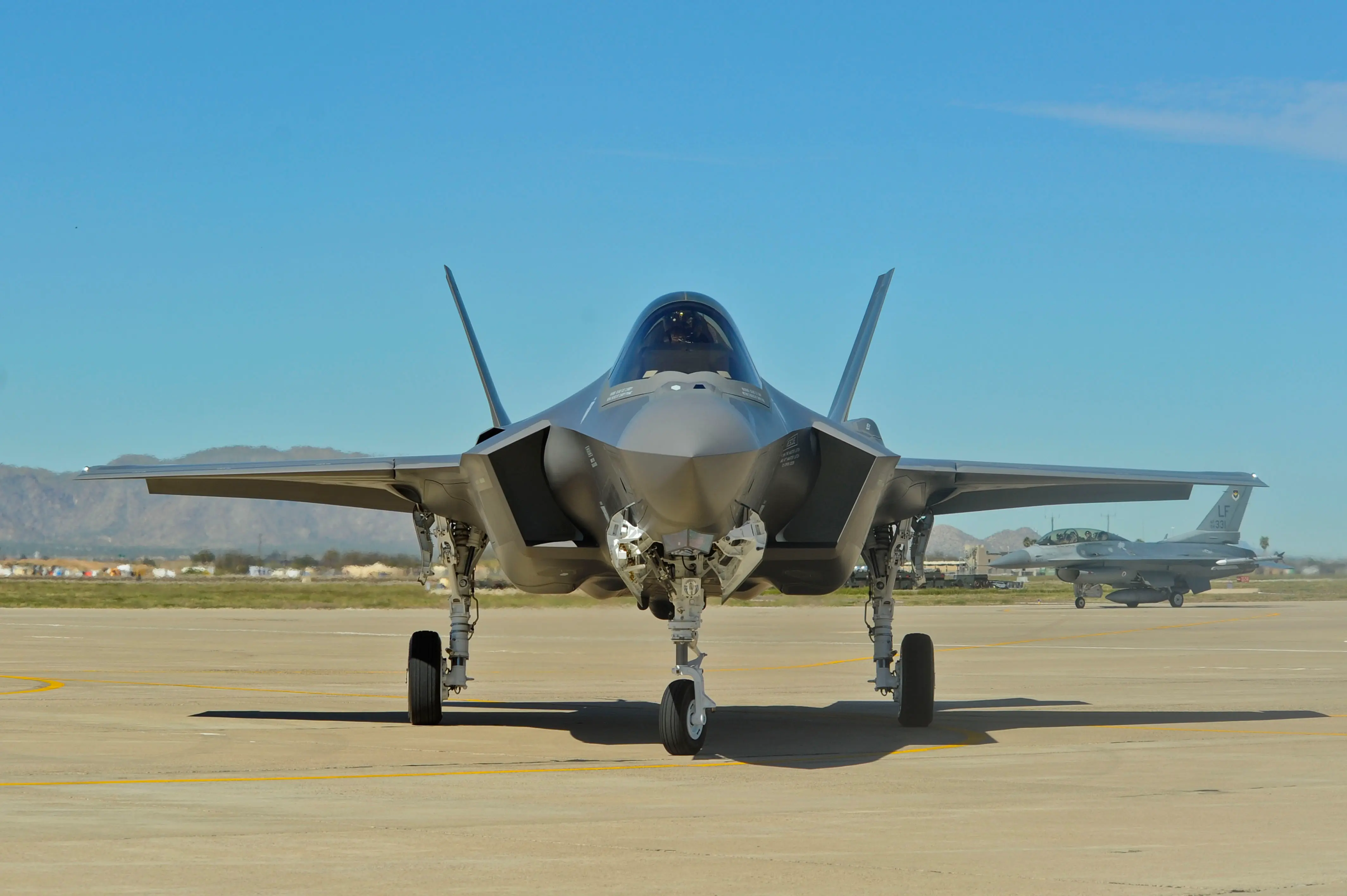
The F-35's EOTS combines forward-looking infrared (FLIR) and infrared search and track (IRST) in a single sensor. It detects heat signatures from aircraft and ground targets, allowing pilots to see and track enemies through clouds, smoke, and darkness.
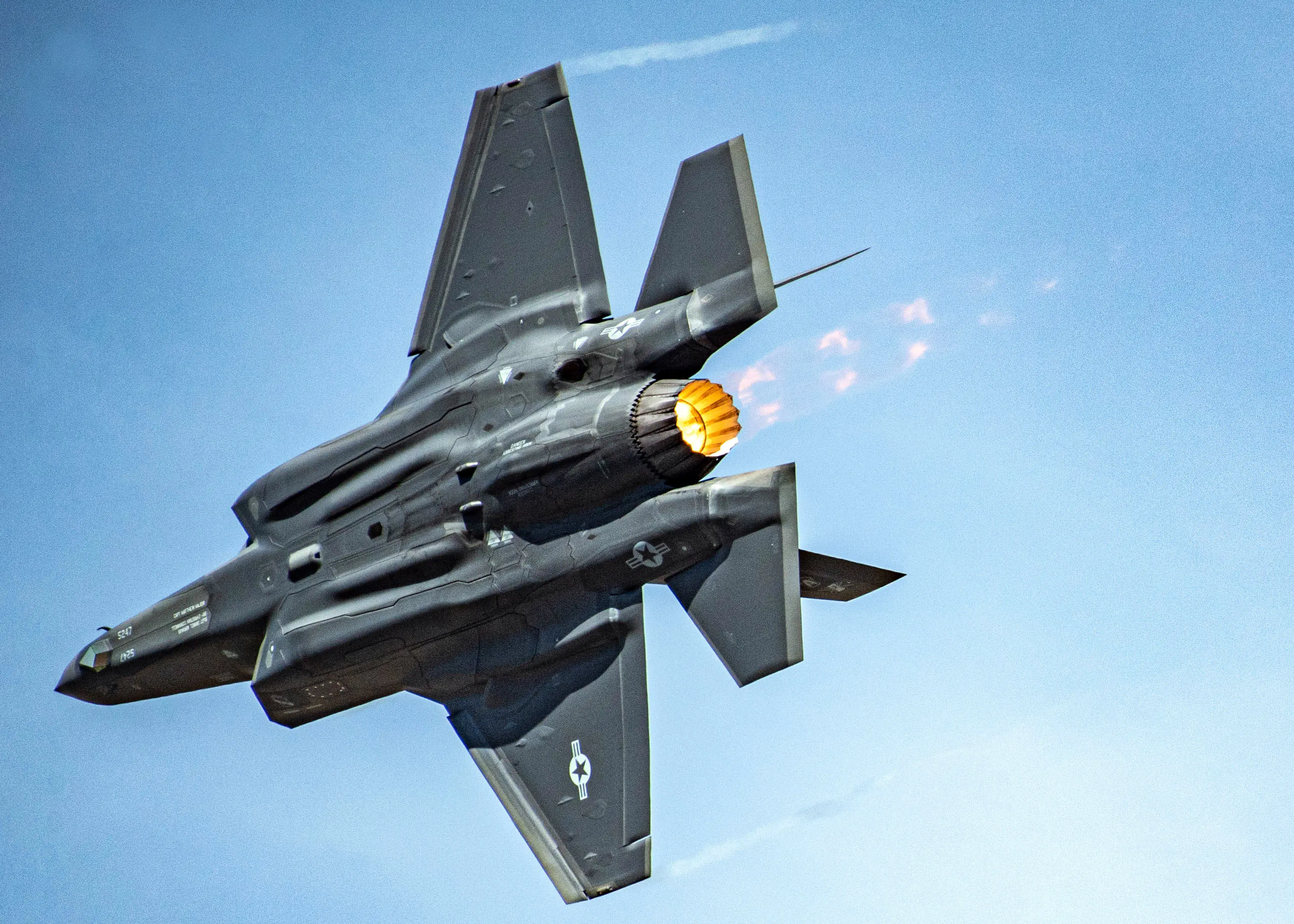
Distributed Aperture System (DAS) Provides 360° Vision
Six infrared cameras positioned around the F-35 give pilots a complete spherical view in all directions. The DAS detects missile launches, incoming threats, and other aircraft day or night, without the pilot needing to look around physically.
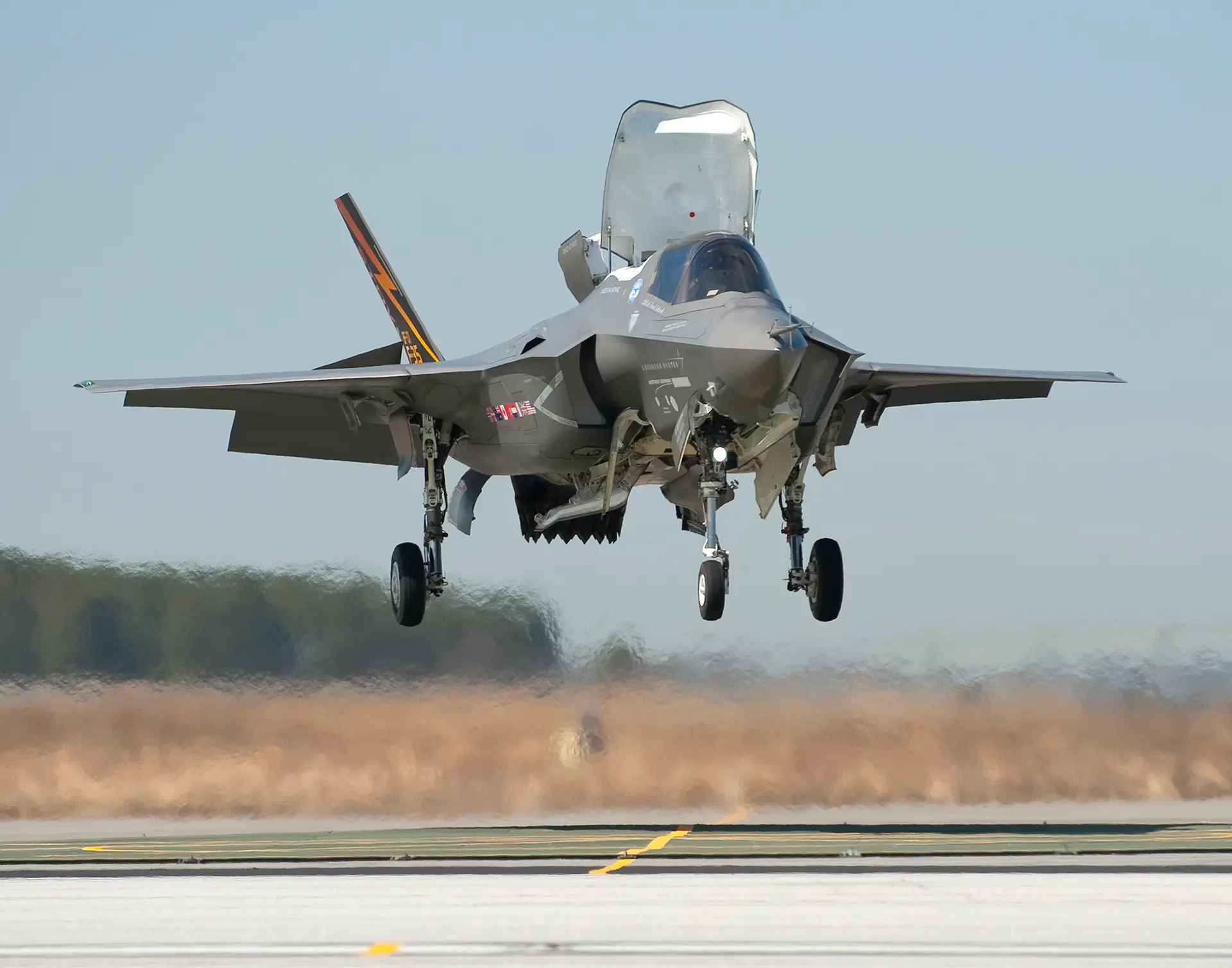
Advanced Night Vision Without Goggles
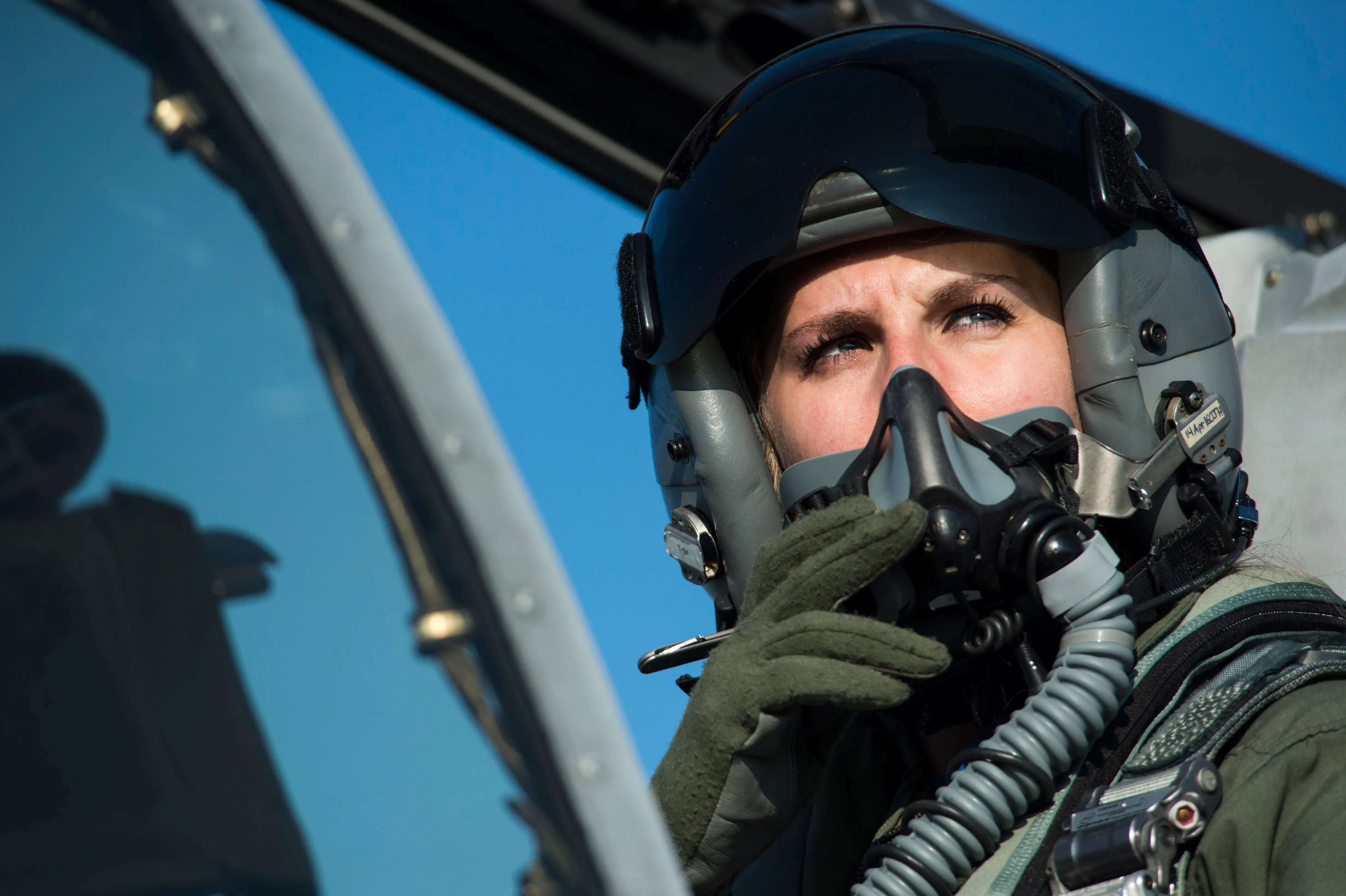
DAS video feeds directly to the pilot's helmet visor, replacing bulky night-vision goggles. Pilots can see clearly in total darkness, fog, or dust, with better visual clarity than traditional systems. Even ocean waves are visible at night during carrier landings.
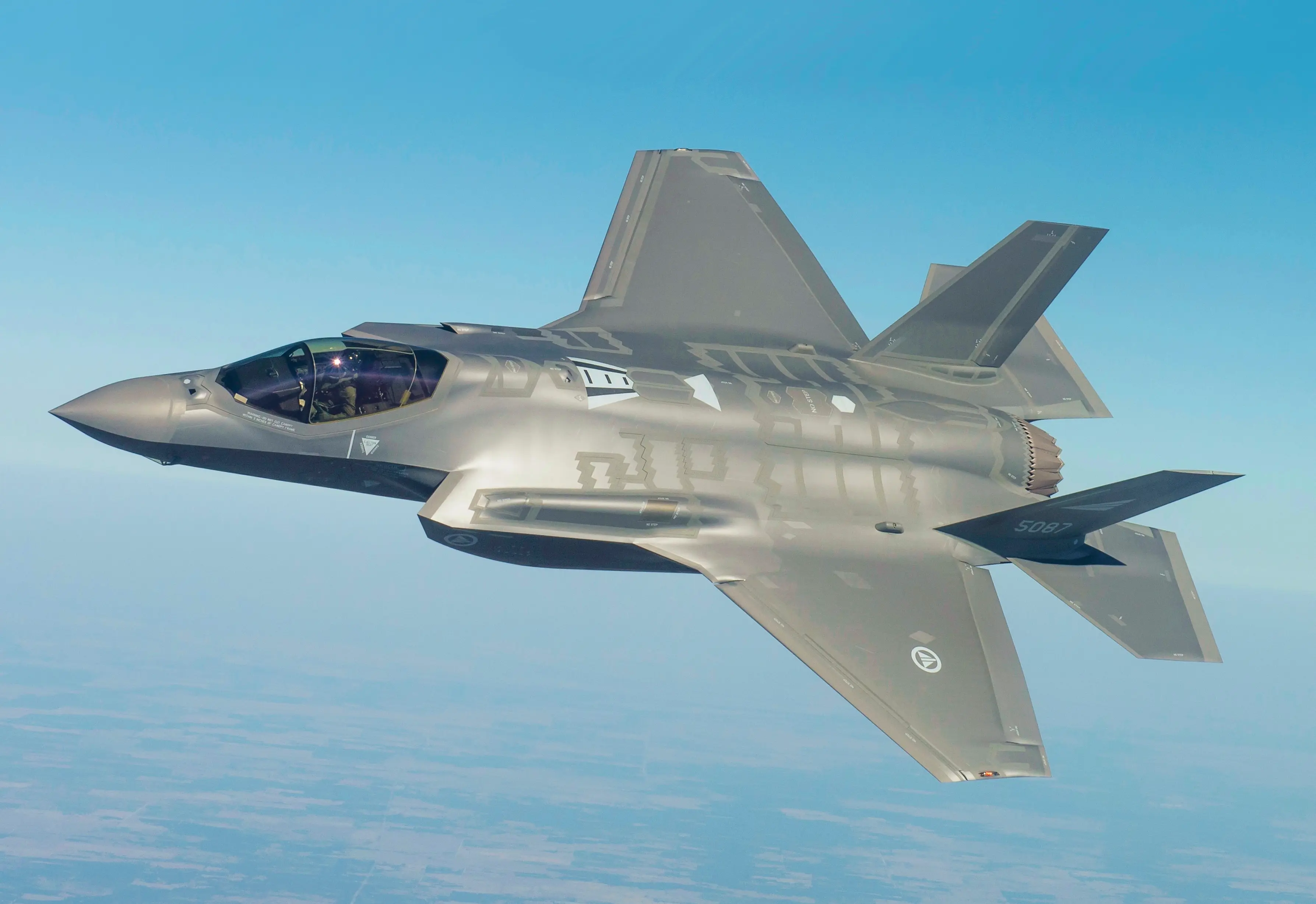
AN/APG-81 AESA Radar Penetrates Weather
The F-35's active electronically scanned array radar works in all weather conditions, detecting and tracking targets at long range. It operates in multiple modes for air-to-air and air-to-ground missions, unaffected by clouds or rain.
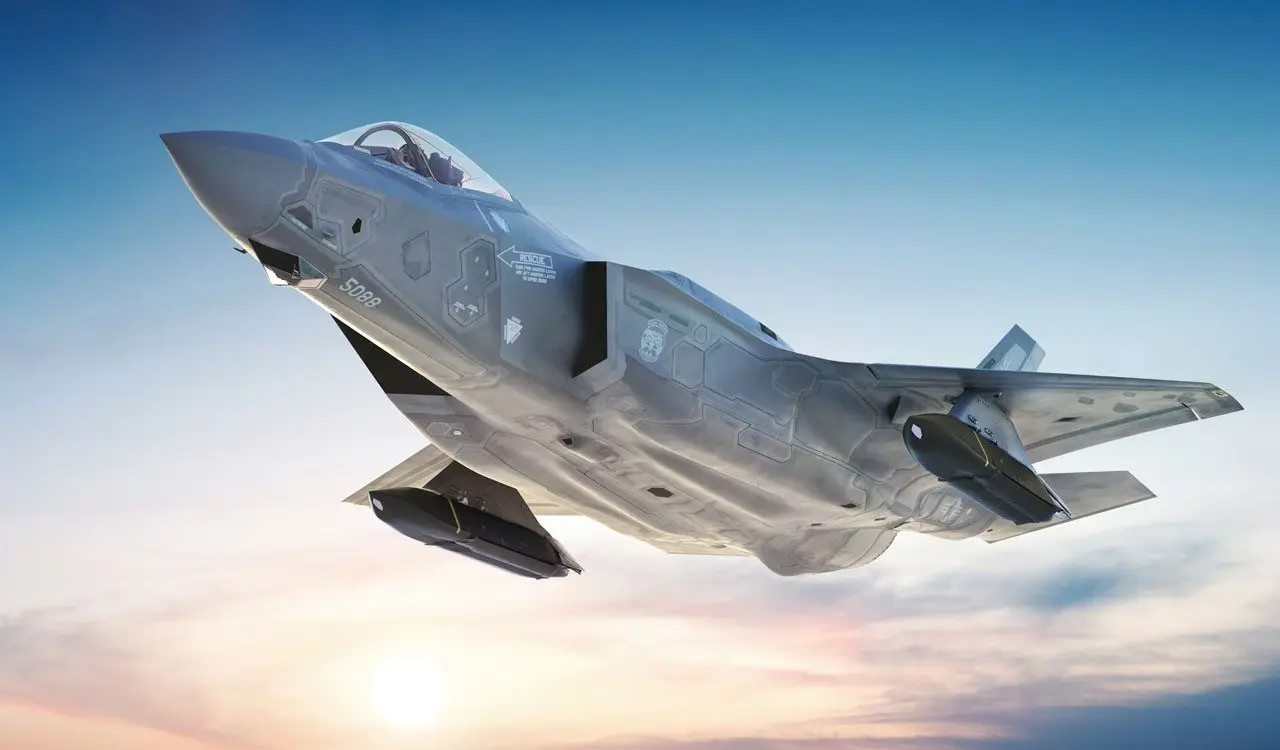
Sensor Fusion Combines All Data
The F-35's onboard computer automatically fuses data from EOTS, DAS, radar, and other sensors into a single, intuitive display. Pilots see a complete picture of the battlespace without manually switching between systems.
Short-Wave Infrared for Cloud Penetration
The upgraded Advanced EOTS includes short-wave infrared (SWIR), which sees through clouds better than traditional infrared. SWIR also detects shadows and reflections, improving depth perception in low-visibility conditions.
Precision Targeting in Any Conditions
With these sensors, F-35 pilots can identify, track, and engage targets accurately regardless of weather or time of day. Laser designation and GPS coordinates are generated automatically, enabling precise strikes without visual confirmation.
)
)
)
)
)