How the F-35 fighter jet chooses which weapon to fire first

The F-35 uses AI-driven threat evaluation to rank targets, fuse sensor data and recommend the best weapon in real time. From AMRAAM missiles to electronic warfare and gun use, pilots get fast, data-backed choices while retaining full firing authority.
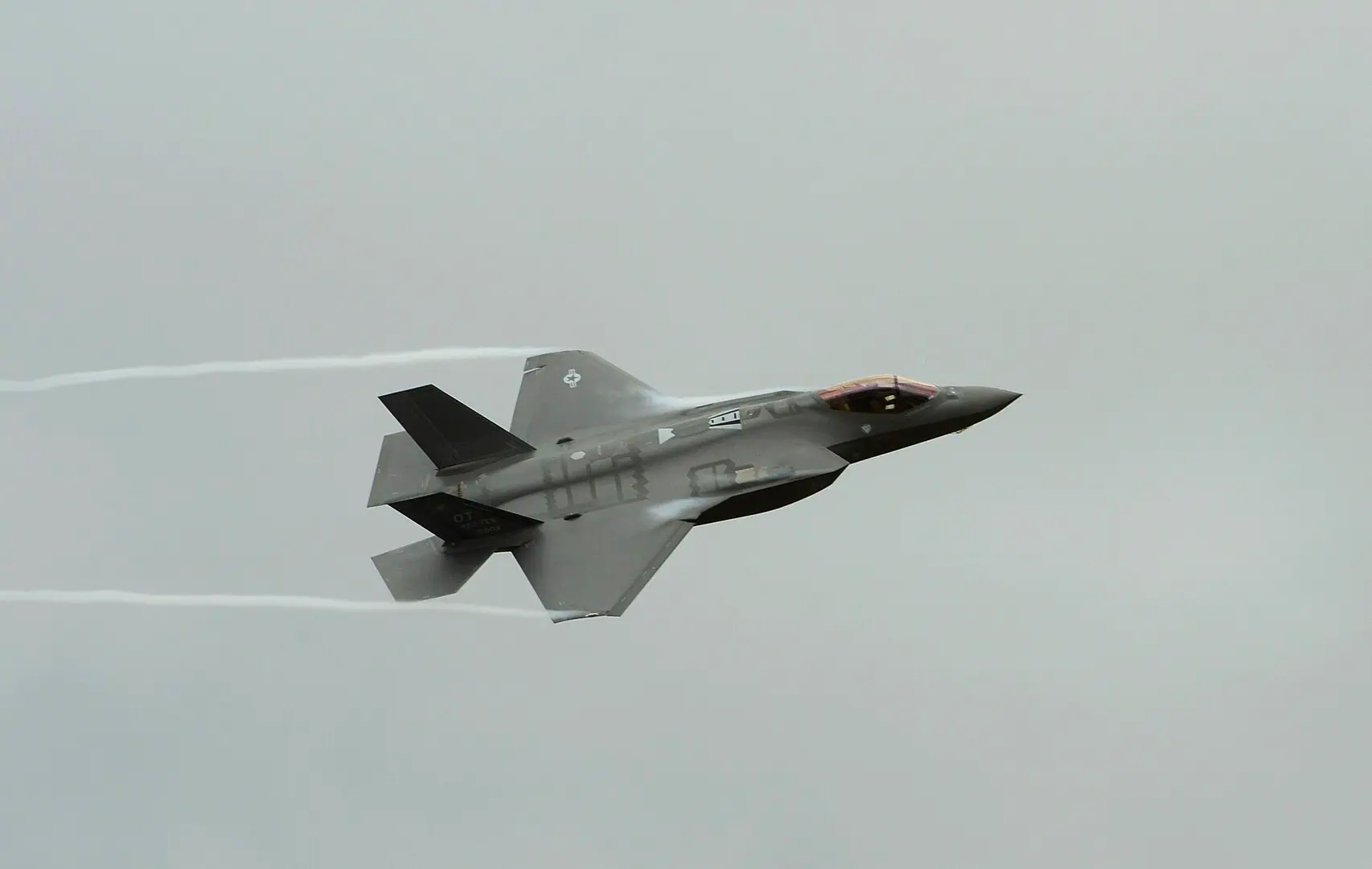
Threat Evaluation System - Automatic Priority Ranking
F-35 uses advanced threat evaluation and weapon allocation systems calculating numerical threat value between 0 and 1 for each detected target. The integrated core processor ranks threats from most dangerous to least dangerous creating prioritised engagement list. Threat assessment factors include target speed, distance, altitude, closing velocity, and electronic warfare capabilities.

Sensor Fusion Integration - Unified Targeting Data
Sensor fusion combines radar, electro-optical, infrared, and electronic warfare data into single comprehensive display enabling rapid threat assessment. The AN/APG-81 AESA radar detects targets whilst distributed aperture system provides infrared tracking. Integrated data presents complete target picture enabling pilots making faster engagement decisions compared to legacy aircraft.
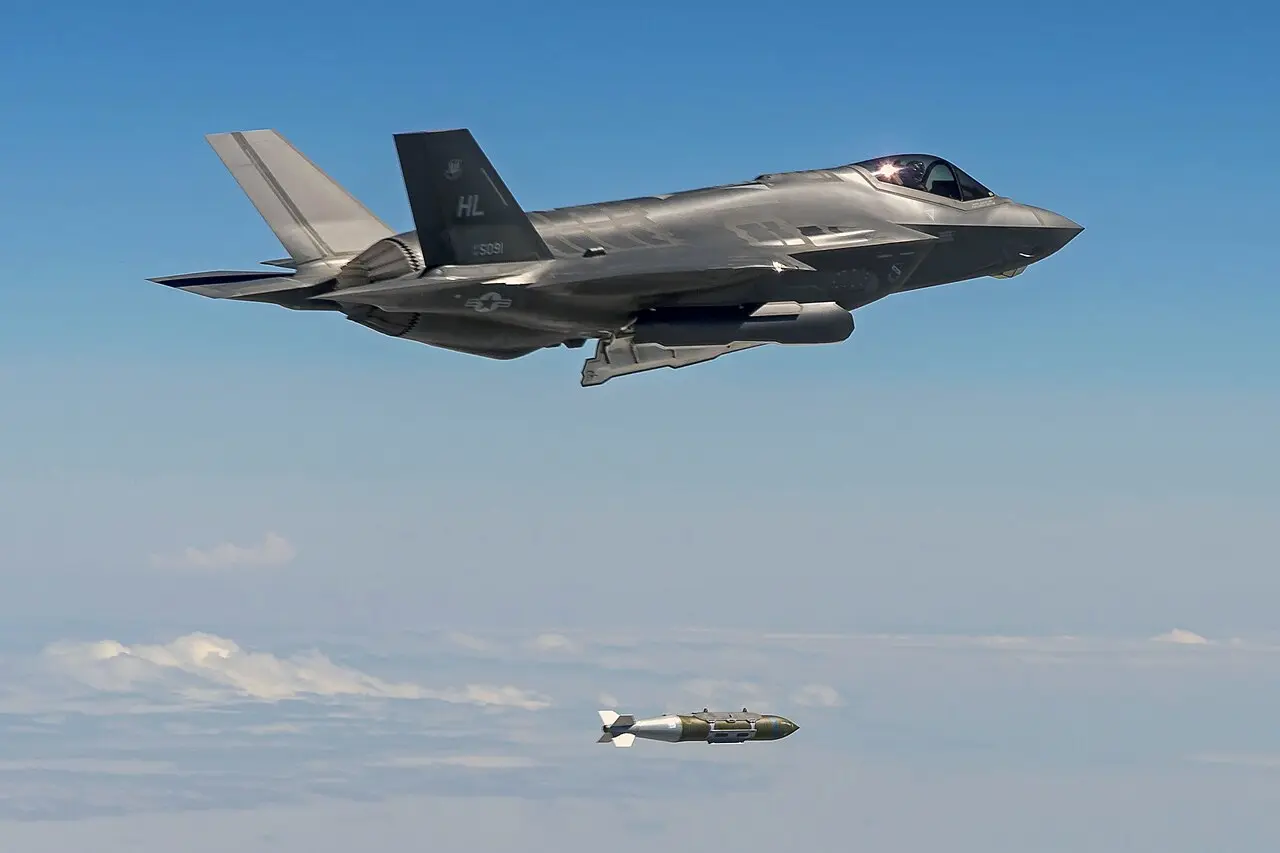
AIM-120 AMRAAM Selection - Beyond-Visual-Range Priority
F-35 preferentially selects AIM-120 AMRAAM radar-guided missiles for beyond-visual-range engagements when targeting distant threats. Aircraft carries four internally mounted AIM-120s achieving detection ranges exceeding 100 miles. Radar guidance enables engagement against high-speed manoeuvring targets whilst pilot maintains evasive tactics.
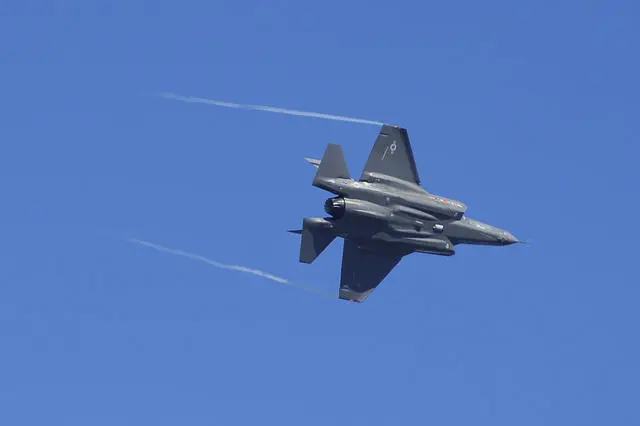
AIM-9X Sidewinder Selection - Close-Range Combat Priority
F-35 selects AIM-9X infrared missiles for within-visual-range close combat situations engaging targets at ranges below 20 miles. Aircraft carries two wing-mounted AIM-9X missiles. Imaging infrared seeker enables target recognition through cloud cover and electronic warfare interference.
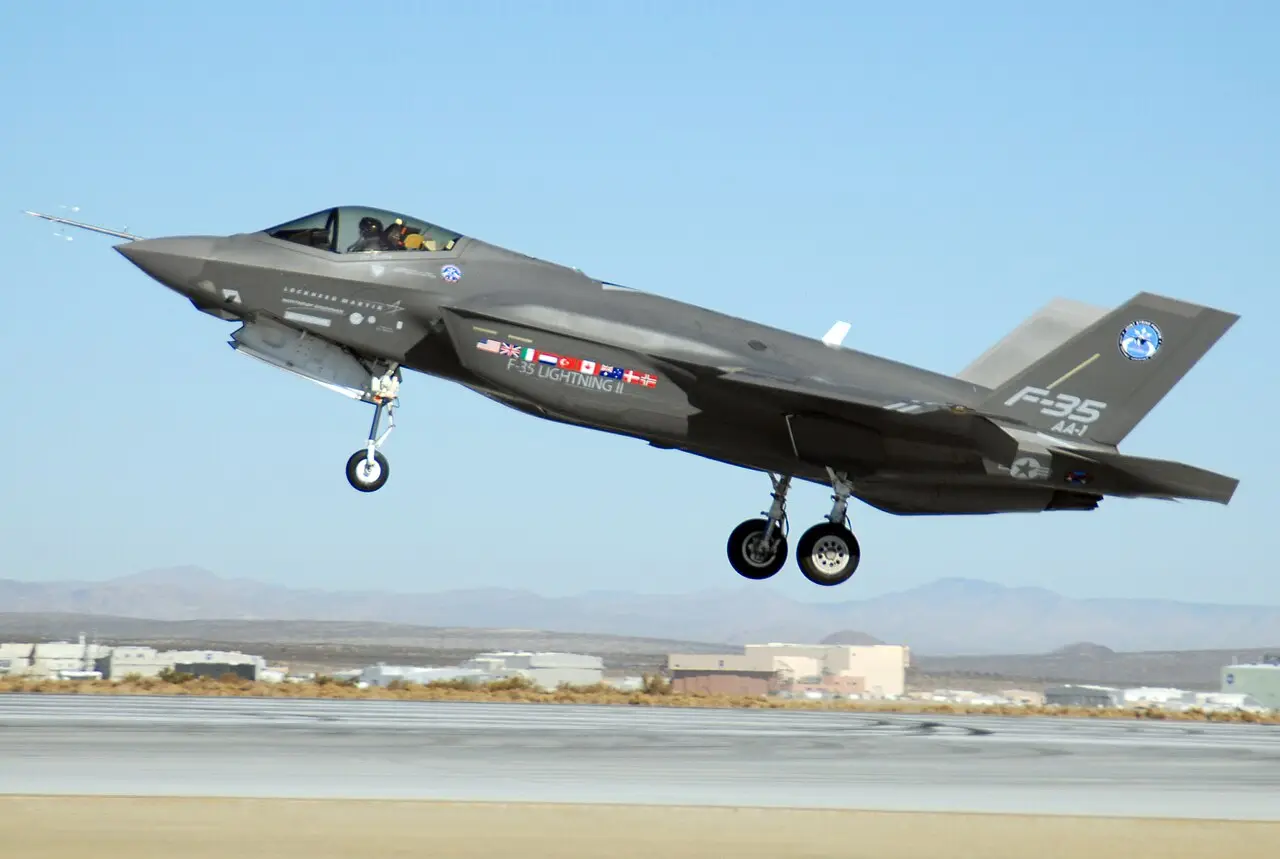
Gun System Employment - Last Resort Close Combat Option
F-35 gun system represents final weapon option reserved for extreme close-range engagements when missile supplies become depleted. General Dynamics 25-millimetre cannon carries 182 rounds providing suppressive fire during dogfighting scenarios. Gun employment remains human-controlled with pilot maintaining firing authority.
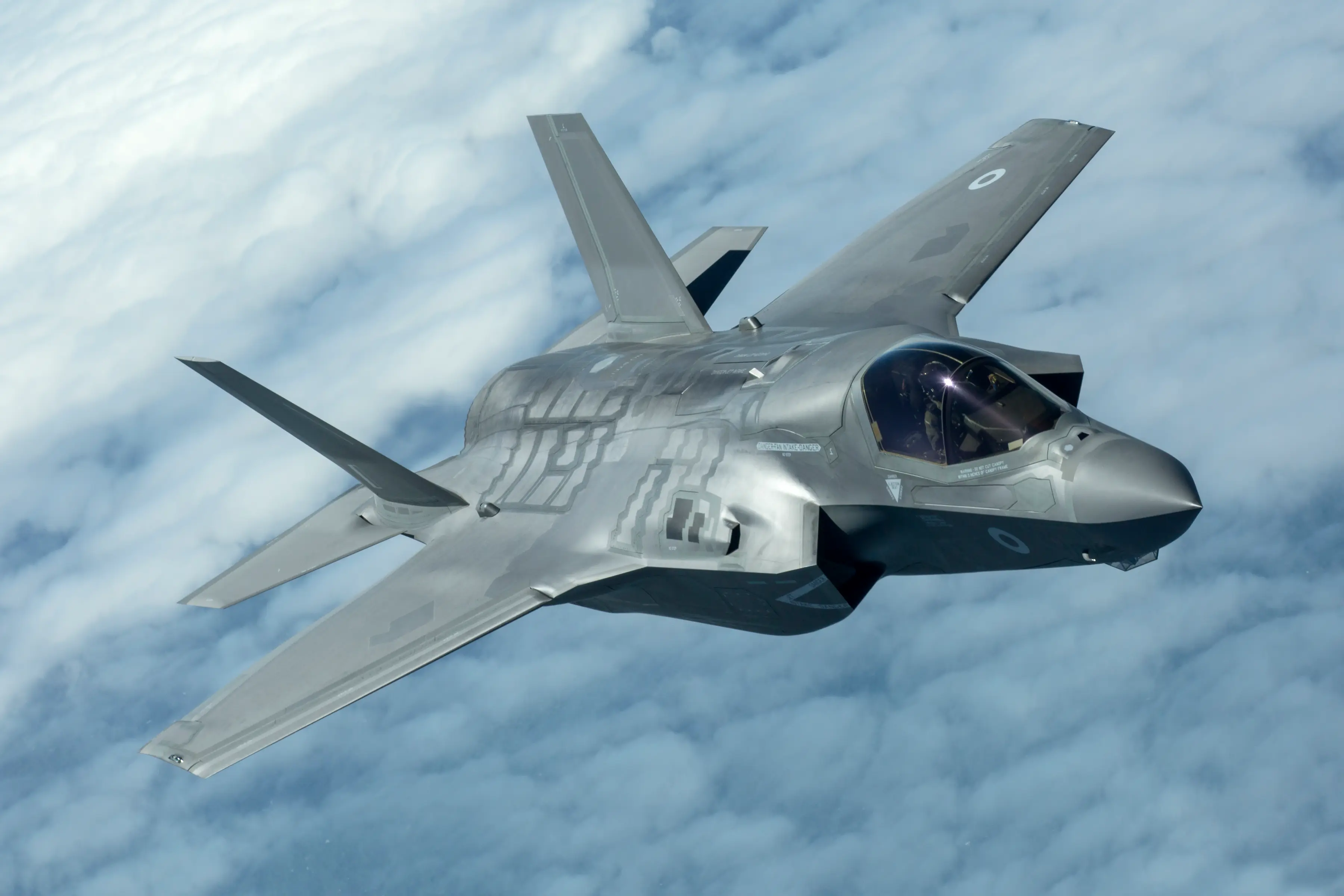
Threat Imminent Assessment
System calculates whether threat exists in no-escape zone requiring immediate defensive action suggesting evasive manoeuvre priority over offensive engagement. If threat assessed as low priority aircraft recommends maintaining current course avoiding unnecessary defensive manoeuvres. Real-time assessment updates continuously throughout engagement.

Electronic Warfare Decision Logic
F-35 Block 4 evaluates whether electronic warfare jamming proves more effective than kinetic weapons against specific threats. Aircraft actively jams radars using AESA radar frequency hopping preventing enemy lock-on. Jamming selection depends upon electronic warfare threat assessment predicting jamming effectiveness probability.

Helmet-Mounted Display Cueing
Pilot receives targeting recommendation through helmet-mounted display with threat ranking and suggested weapon type but retains firing authority. Pilot can override system recommendation selecting alternative weapons based upon tactical situation assessment. Human-on-the-loop architecture maintains pilot control.
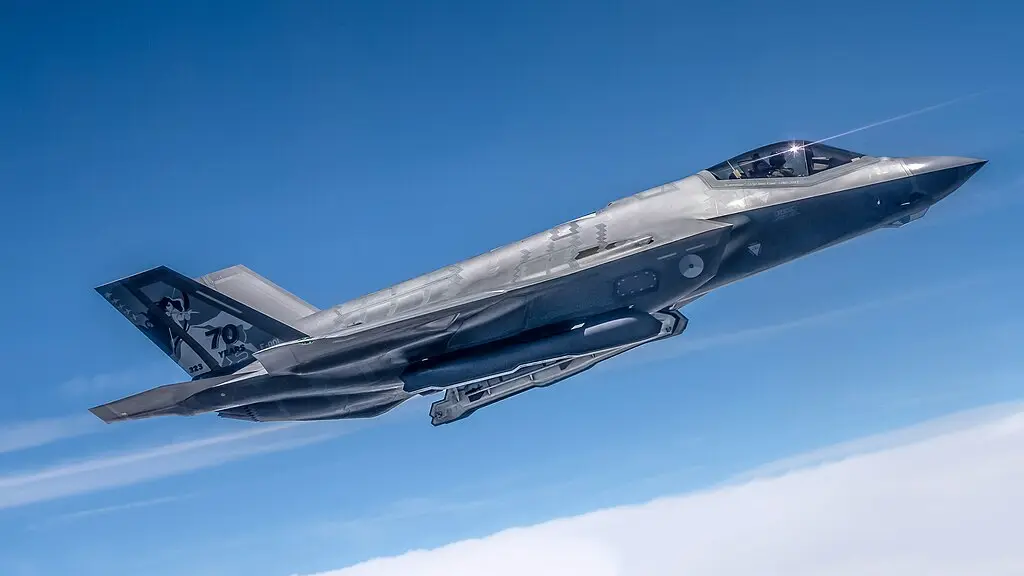
Bayesian Network Algorithm
Threat assessment employs Bayesian network algorithms using multiple parameters including target platform type, flight plan agreement, and defensive systems. Algorithm calculates probability that target represents genuine threat requiring immediate engagement. Parameters continuously update as new sensor data arrives refining threat probability calculations.
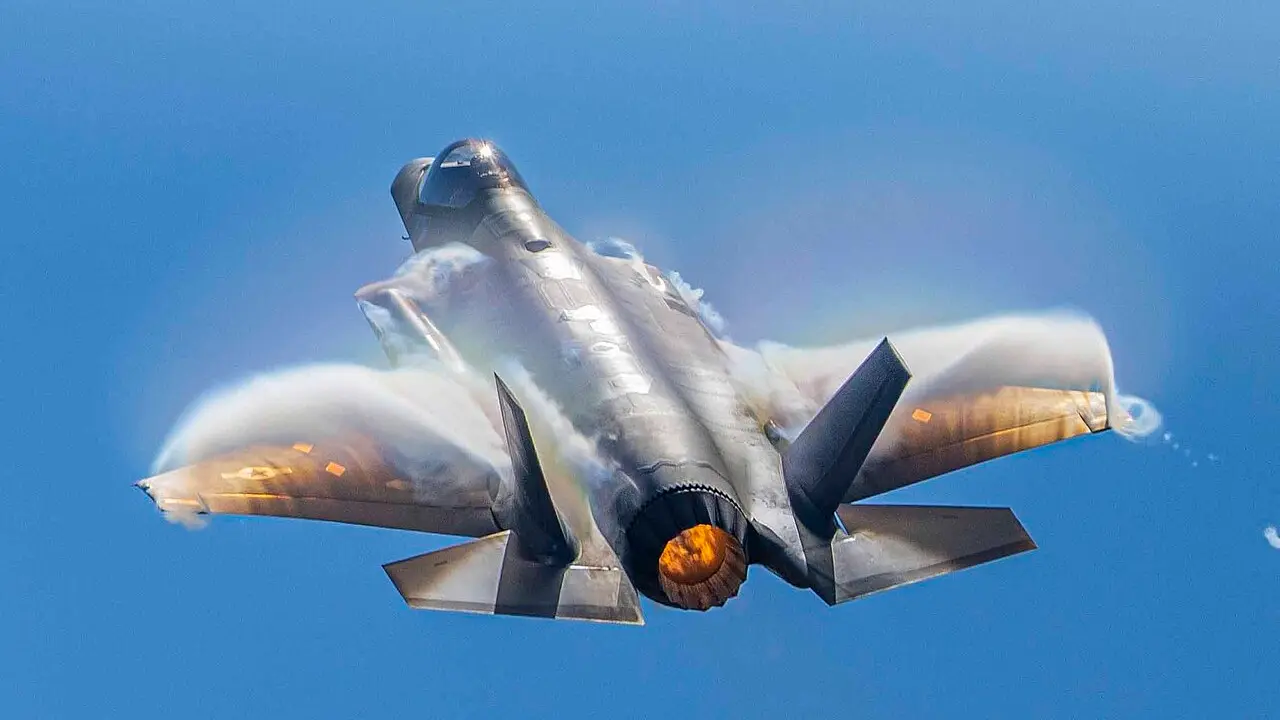
Kill Chain Process
F-35 executes F2T2EA kill chain finding targets fixing locations tracking movement targeting automatically then engaging with selected weapon. Assessment phase confirms weapon effectiveness guiding subsequent target selection. Entire process completes within minutes from initial detection enabling rapid engagement cycles.
)
)
)
)
)