How the F-35 fighter jet can fire at targets it cannot see

The F-35 uses sensor fusion, 360-degree awareness, and beyond visual range missiles to fire at unseen targets. Data links let it share targeting info with allies, acting as a battle manager.
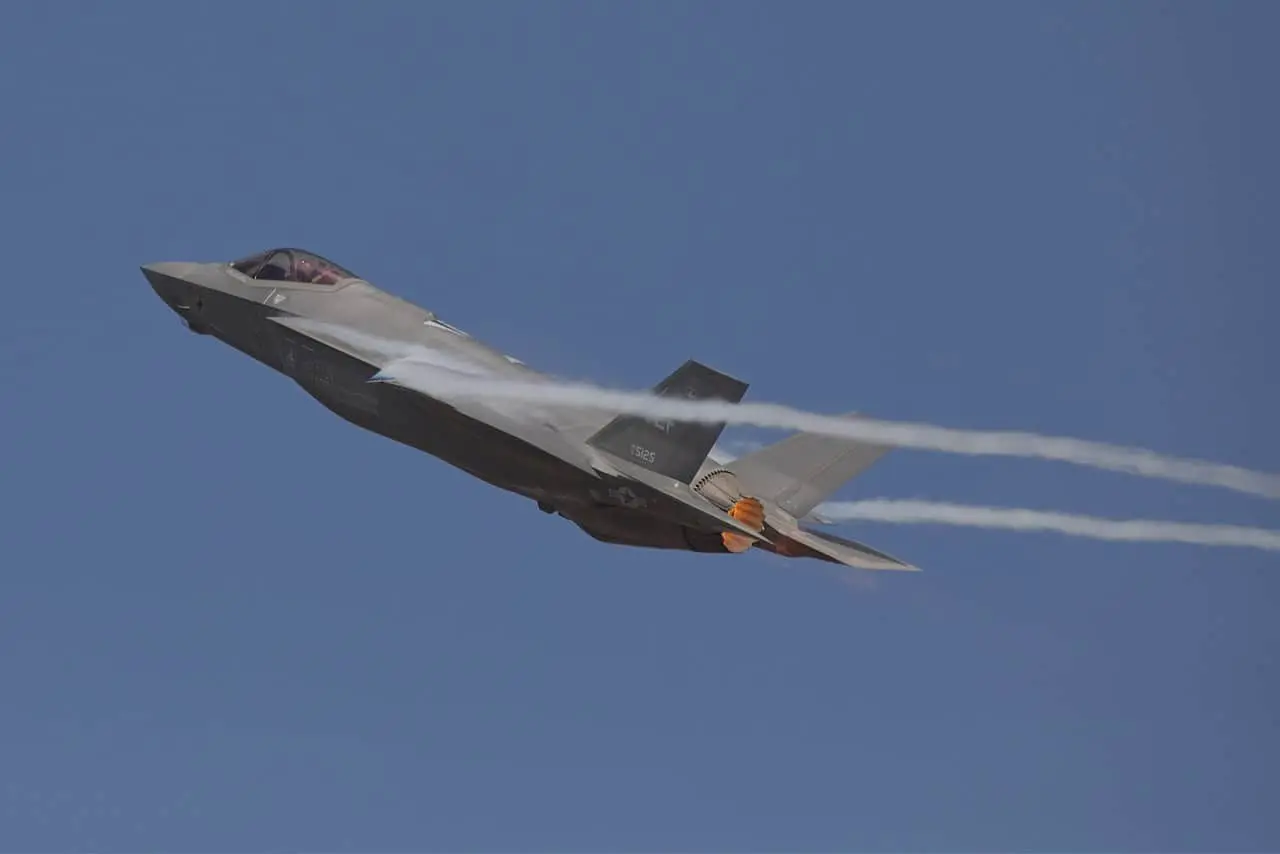
Sensor Fusion Creates a Complete Picture
The F-35 combines data from its AESA radar, six infrared cameras (DAS), and electro-optical targeting system (EOTS) into one display on the pilot's helmet. This gives pilots a 360-degree view of threats, even those behind or above the aircraft.
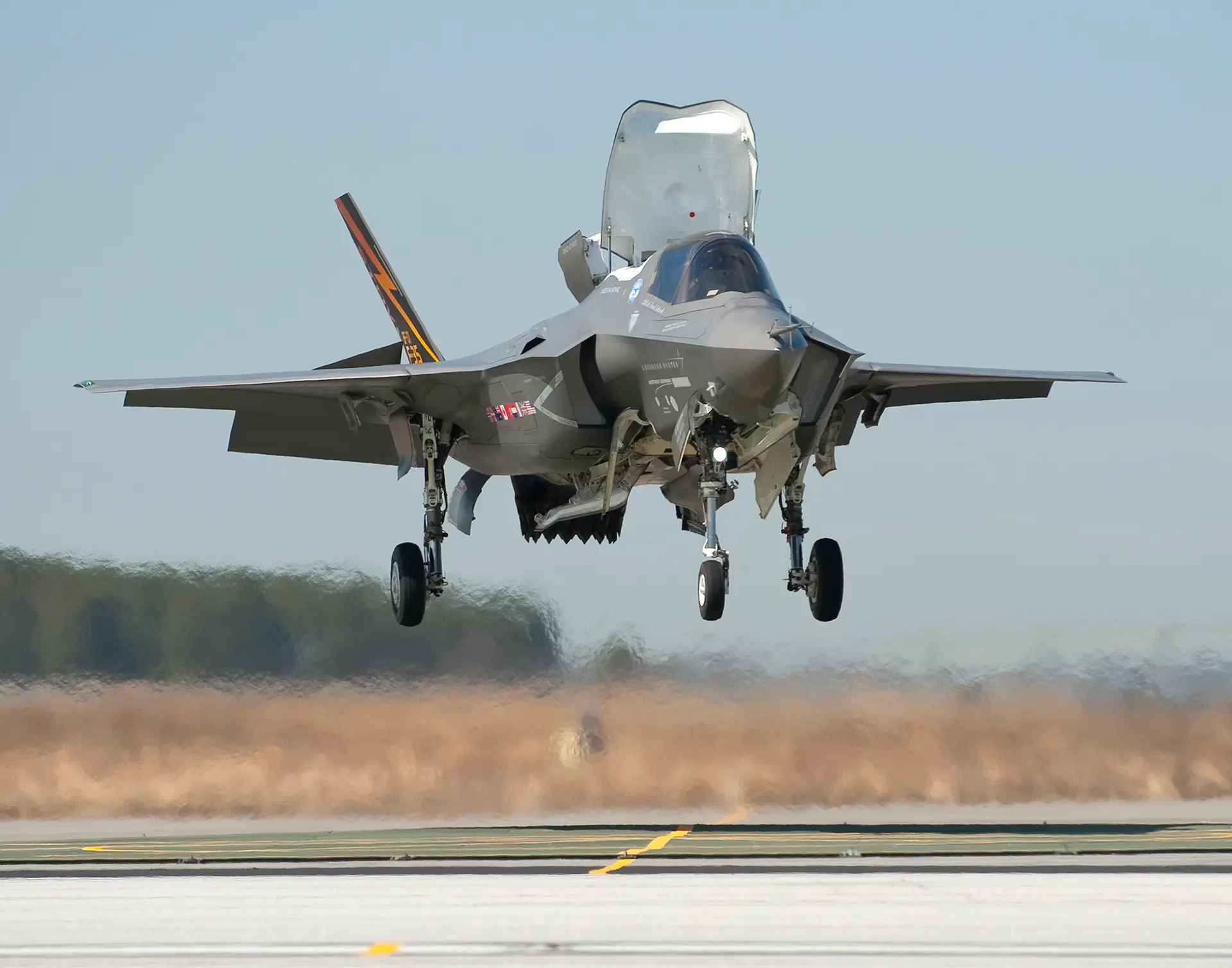
Beyond Visual Range Missiles
The F-35 carries AIM-120 AMRAAM missiles internally, which can hit targets over 100 km away using radar guidance. The jet can also carry AIM-9X Sidewinder missiles on its wings for shorter-range engagements with high off-boresight capability.
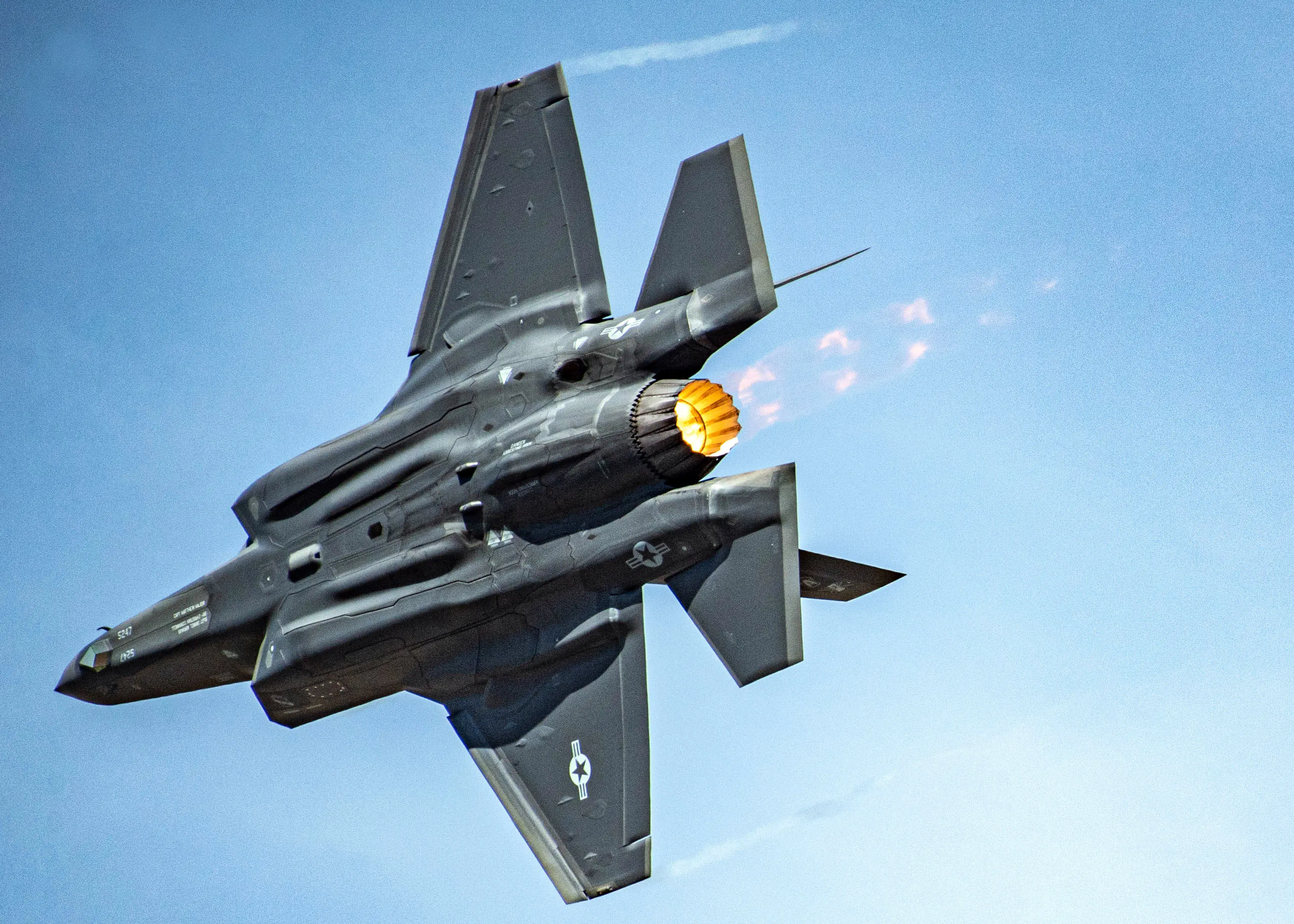
High Off-Boresight Targeting
Modern missiles like the AIM-9X can lock onto and engage targets at extreme angles—even those behind the aircraft. The F-35's sensors detect the threat, and the missile changes course after launch to intercept, removing the need to point the nose at the target.
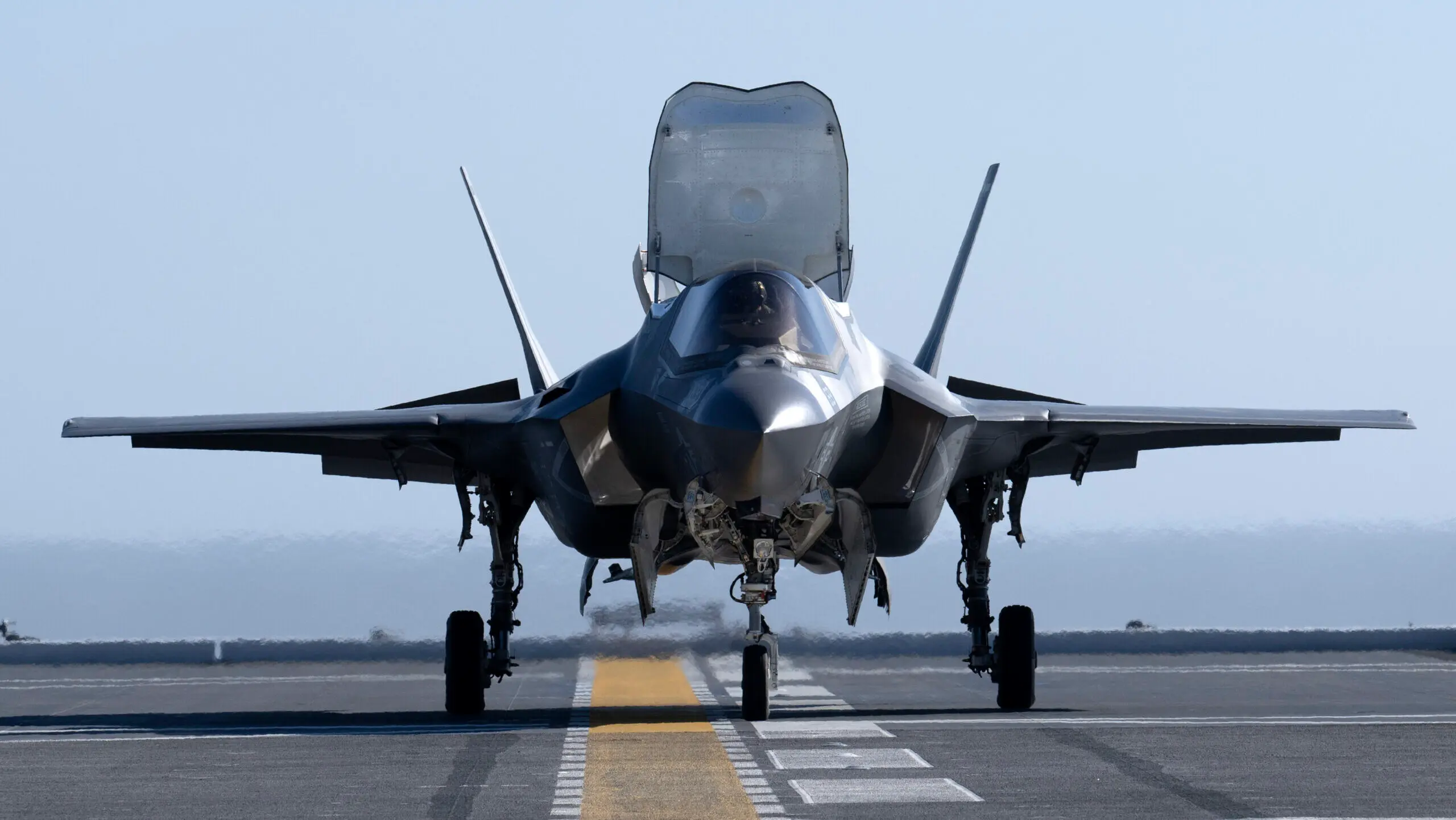
Data Links Enable Cooperative Targeting
Through Multifunction Advanced Data Link (MADL), F-35s share targeting information with other jets, ships, and ground systems. A pilot can fire at a target detected by another platform without ever seeing it themselves.
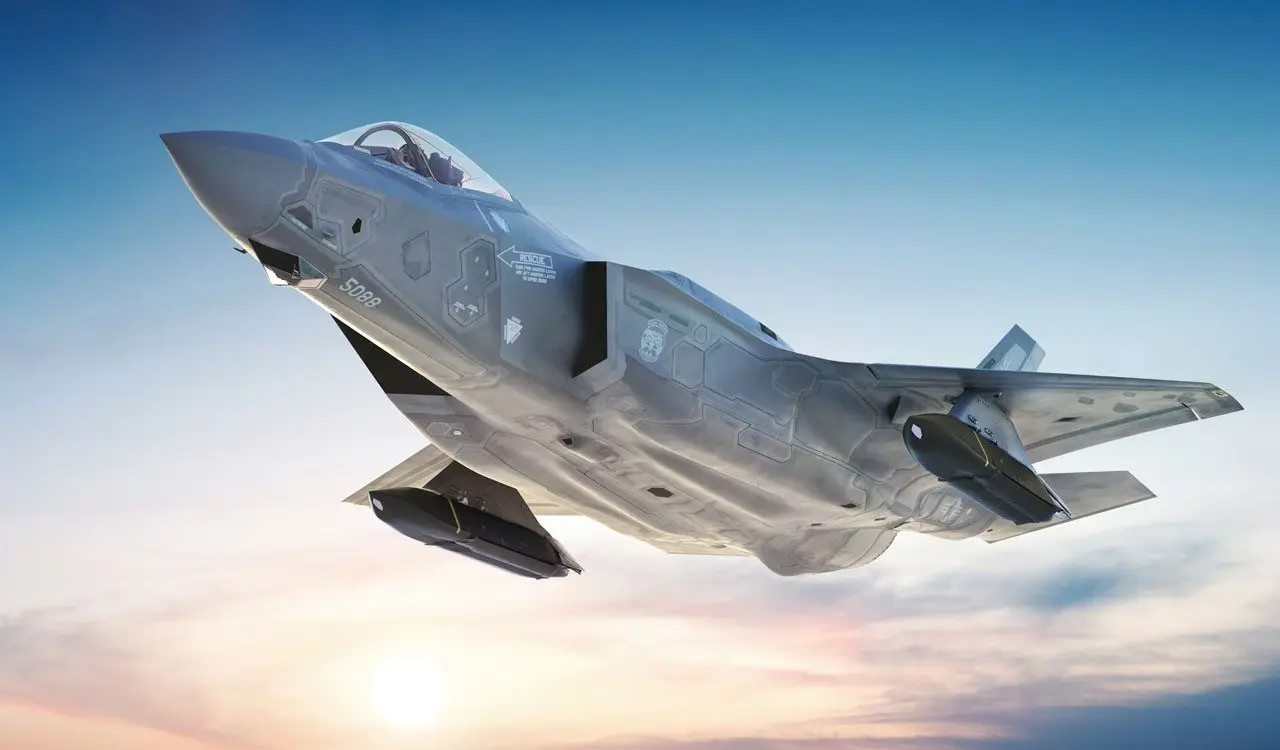
Acting as a Battle Manager
The F-35 can detect threats and pass precise targeting data to allied artillery, ships, or missile defence systems in real time. During exercises, F-35s have cued ground rocket artillery to strike targets identified from the air within minutes.
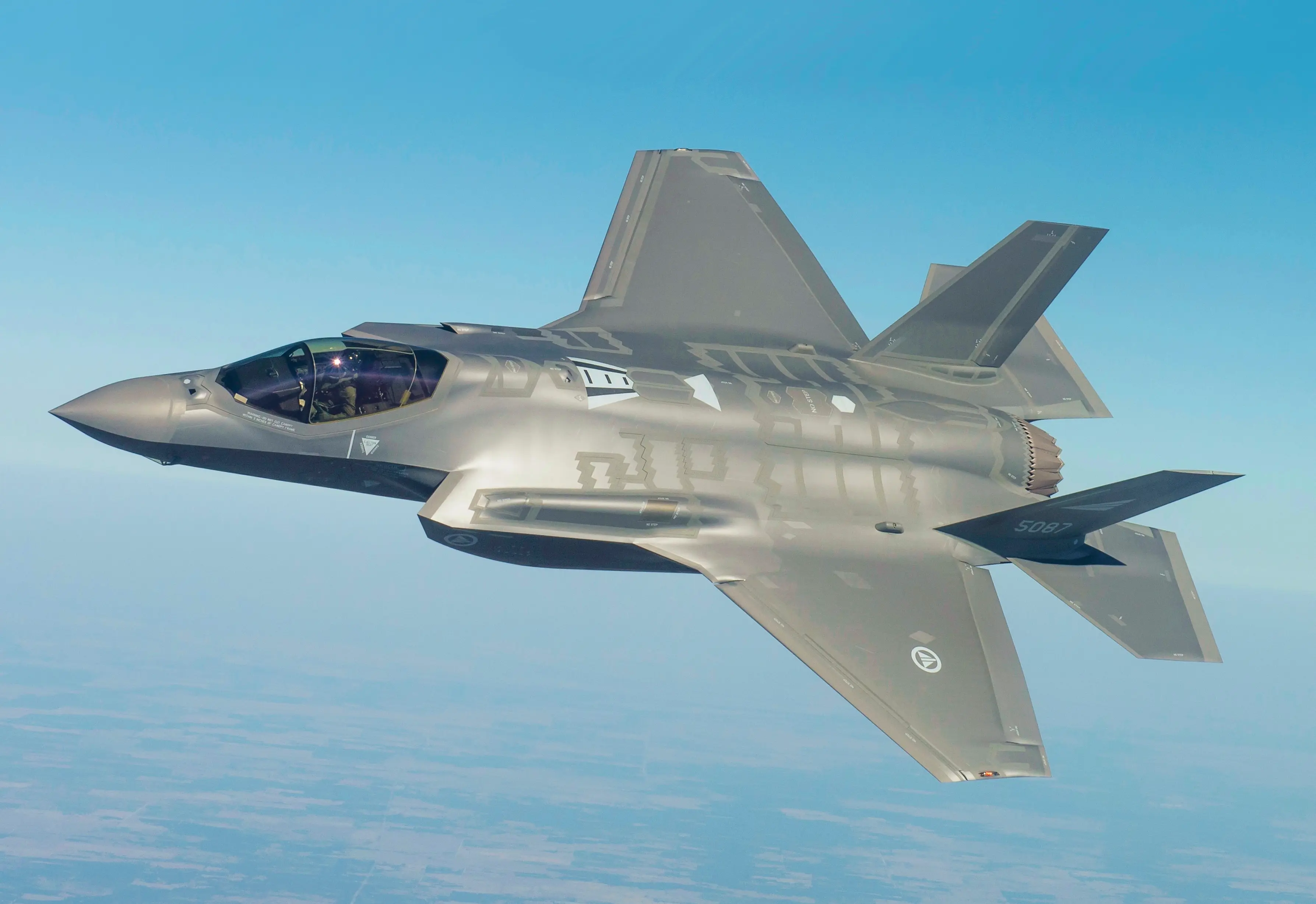
Stealth Provides First Look Advantage
The F-35's low observability means it detects enemy aircraft long before being detected itself. This "first look" capability gives pilots time to assess, target, and fire before adversaries even know an F-35 is nearby.
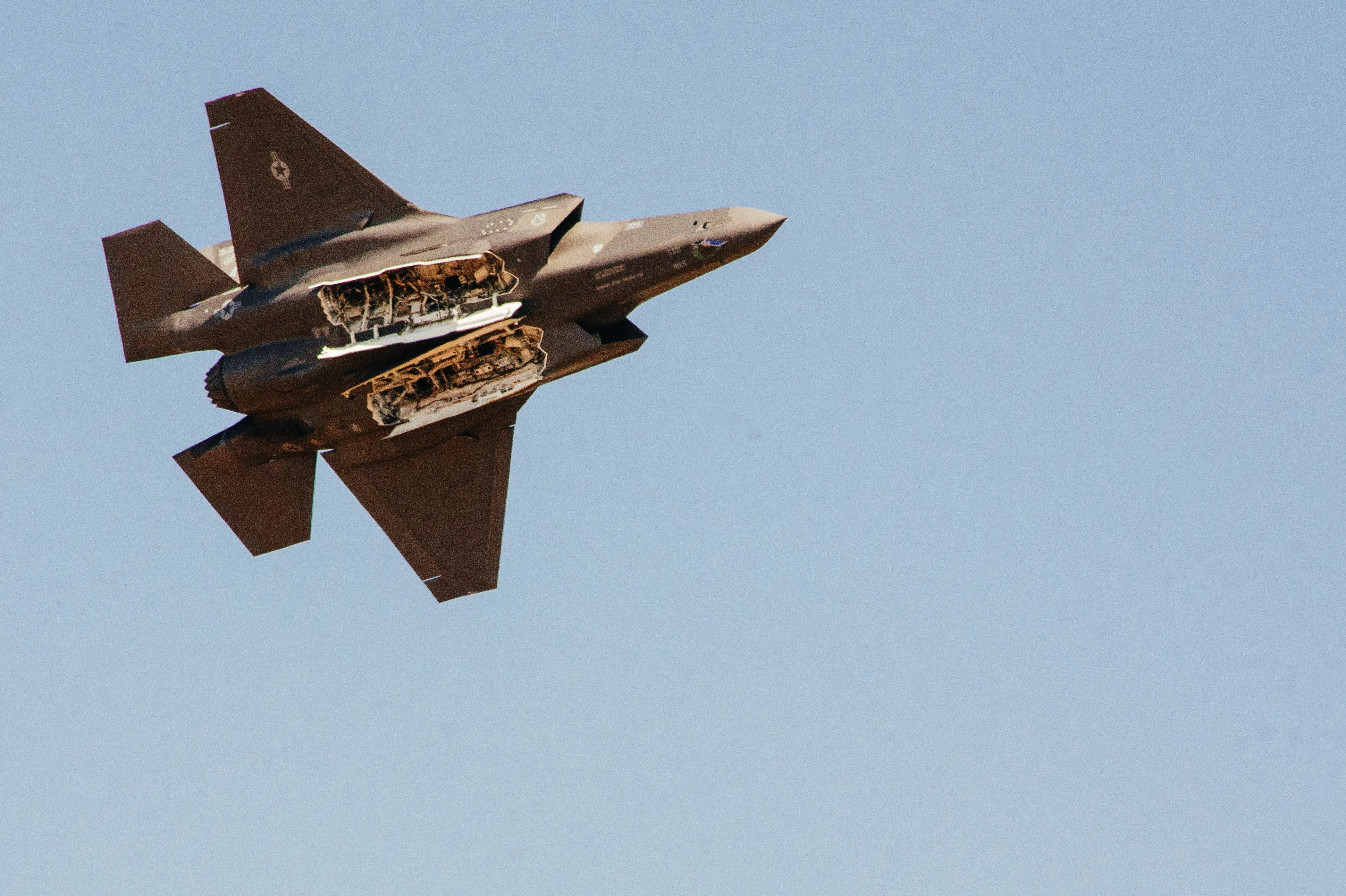
Longer Range Missiles
The F-35B now flies with the Meteor missile, which has a range exceeding 200 km and features a ramjet engine for sustained speed. This extends the jet's ability to engage threats at even greater distances without being seen.
)
)
)
)
)