How the F-22 turns so sharply during a close dogfight

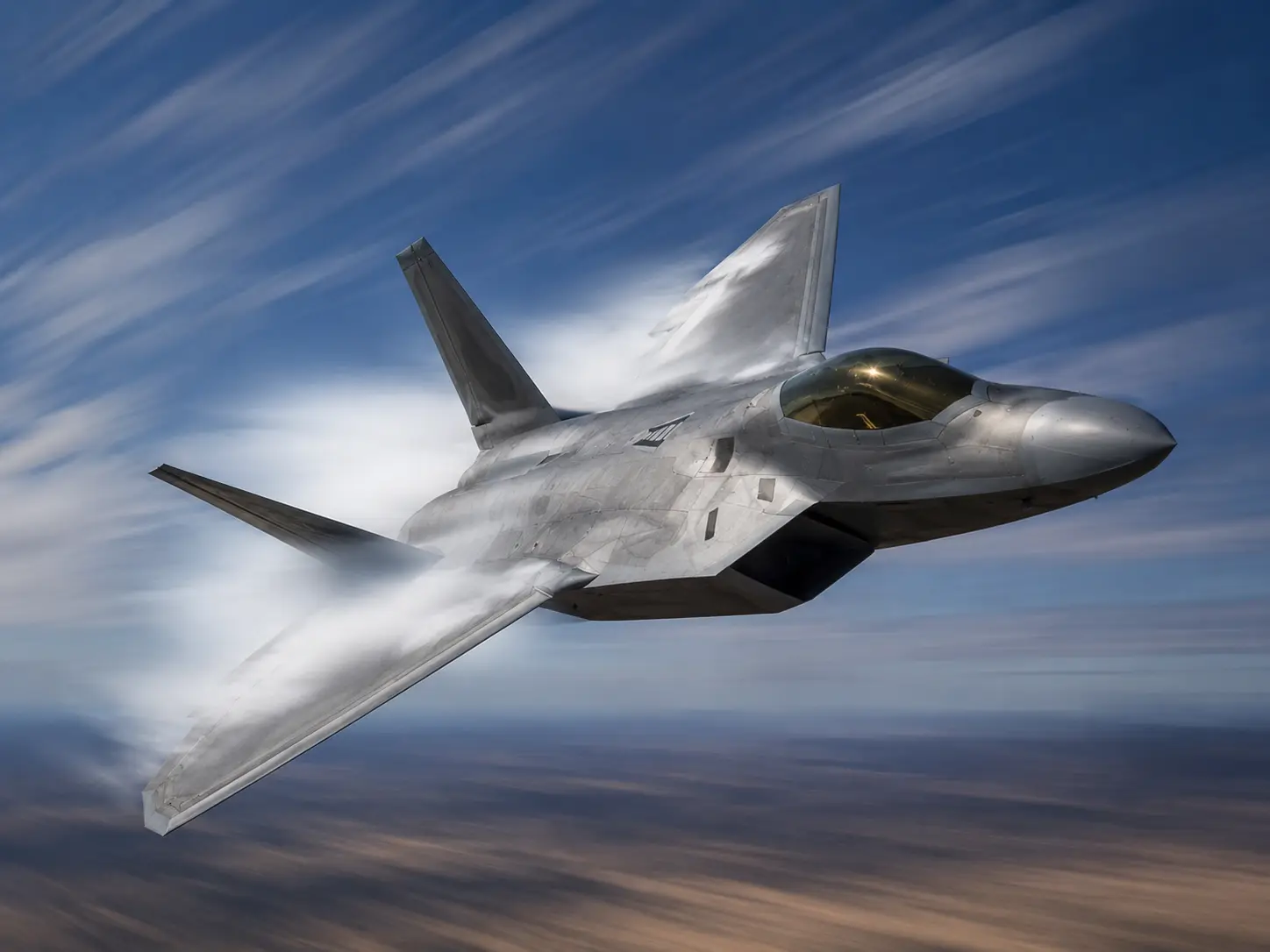
The F-22 Raptor achieves sharp turns in dogfights using 2D thrust vectoring nozzles that tilt 20 degrees. This directs 70,000 pounds of thrust to rapidly pitch the aircraft at high angles.
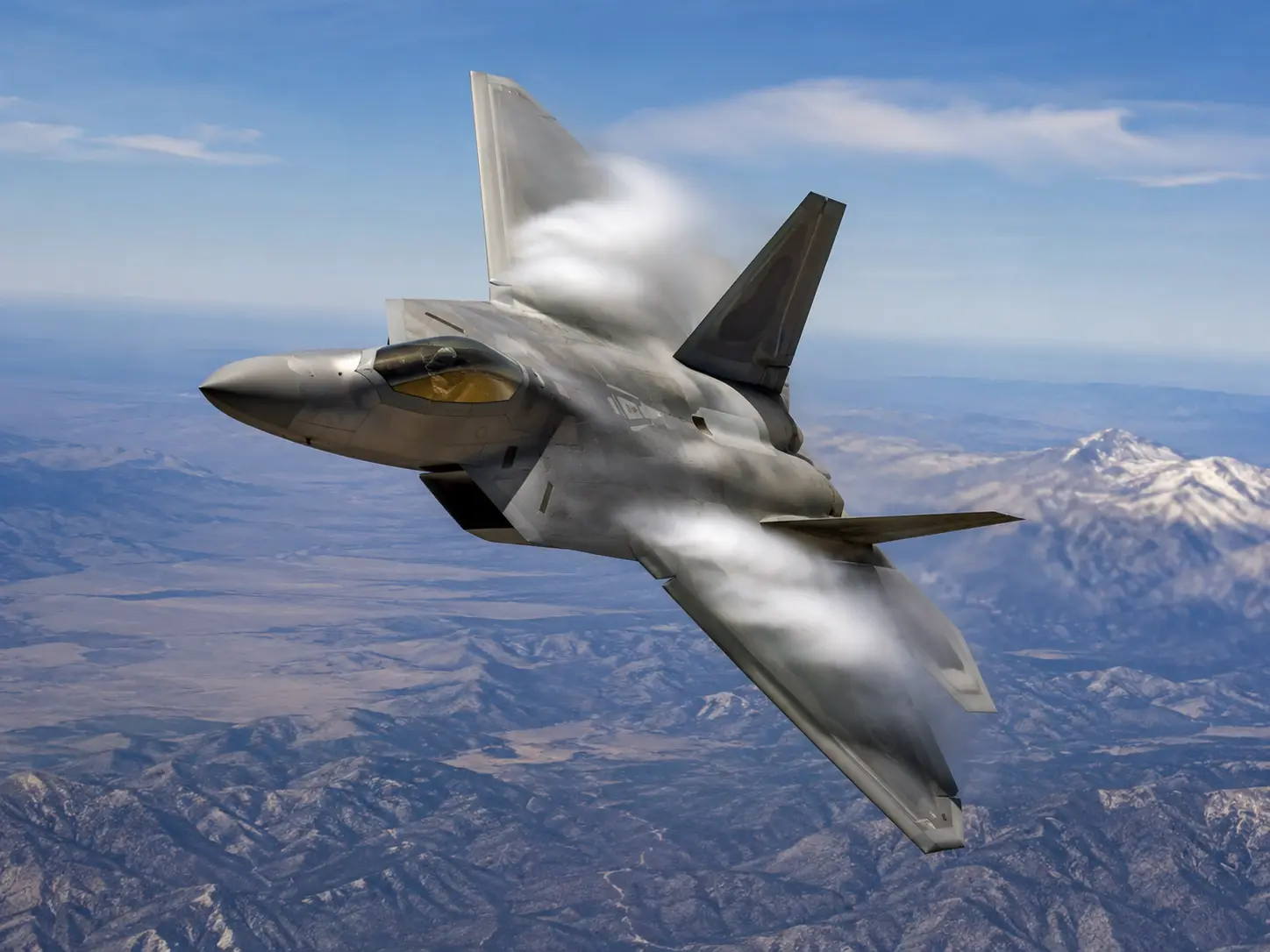
20-Degree Engine Nozzles
The F-22 features two Pratt & Whitney F119 engines with special exhaust nozzles that move 20 degrees up or down. This two-dimensional thrust vectoring pushes the tail in the opposite direction, allowing the nose to pitch up or down rapidly. It gives the pilot an immediate turning advantage in close combat.
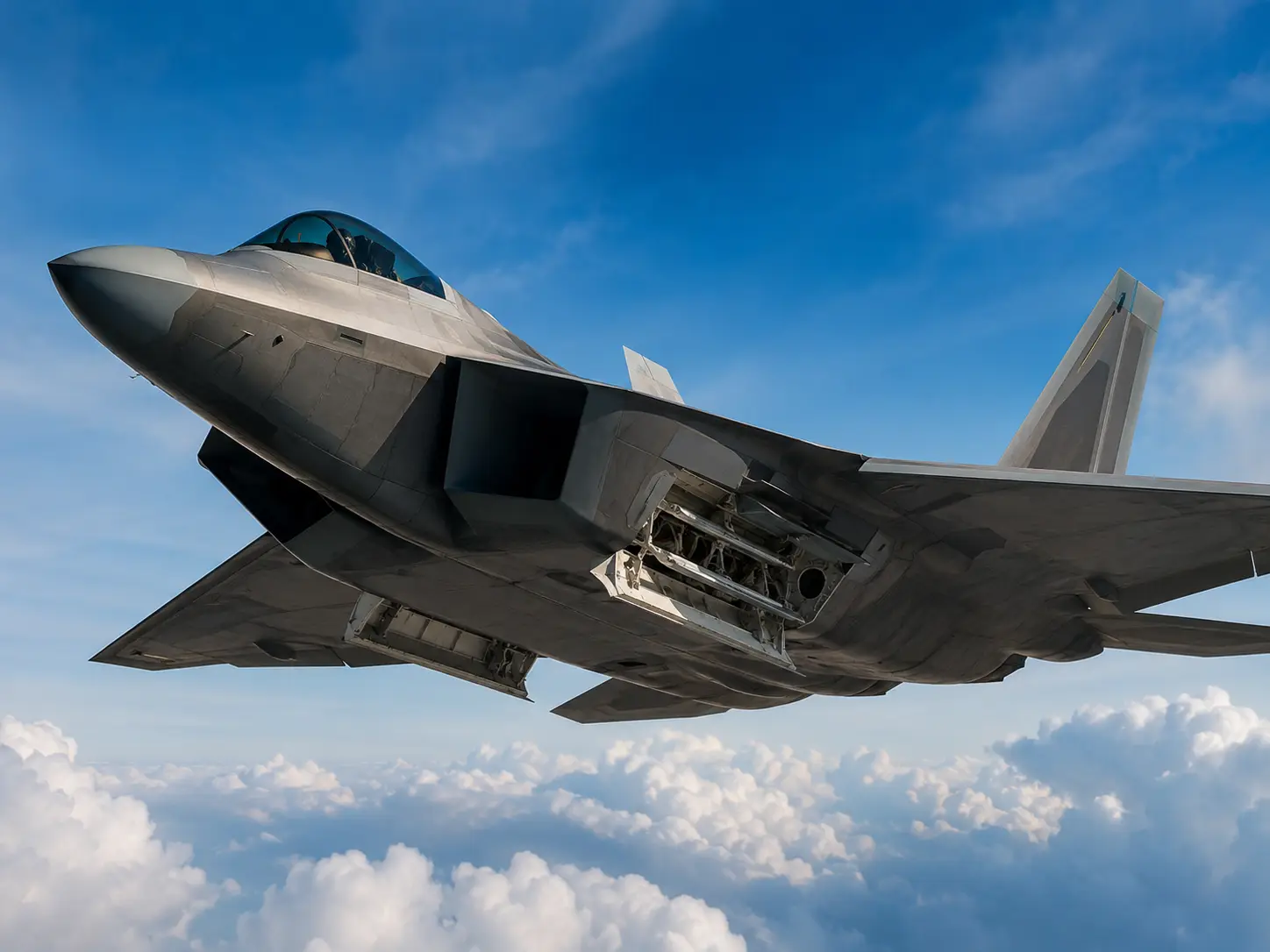
70,000 lbs Total Thrust
The twin turbofan engines produce a combined 70,000 pounds of thrust, providing an exceptional thrust-to-weight ratio. This sheer power allows the fighter to recover airspeed instantly after executing tight, energy-draining manoeuvres. The constant energy supply ensures the aircraft remains agile throughout a sustained dogfight.
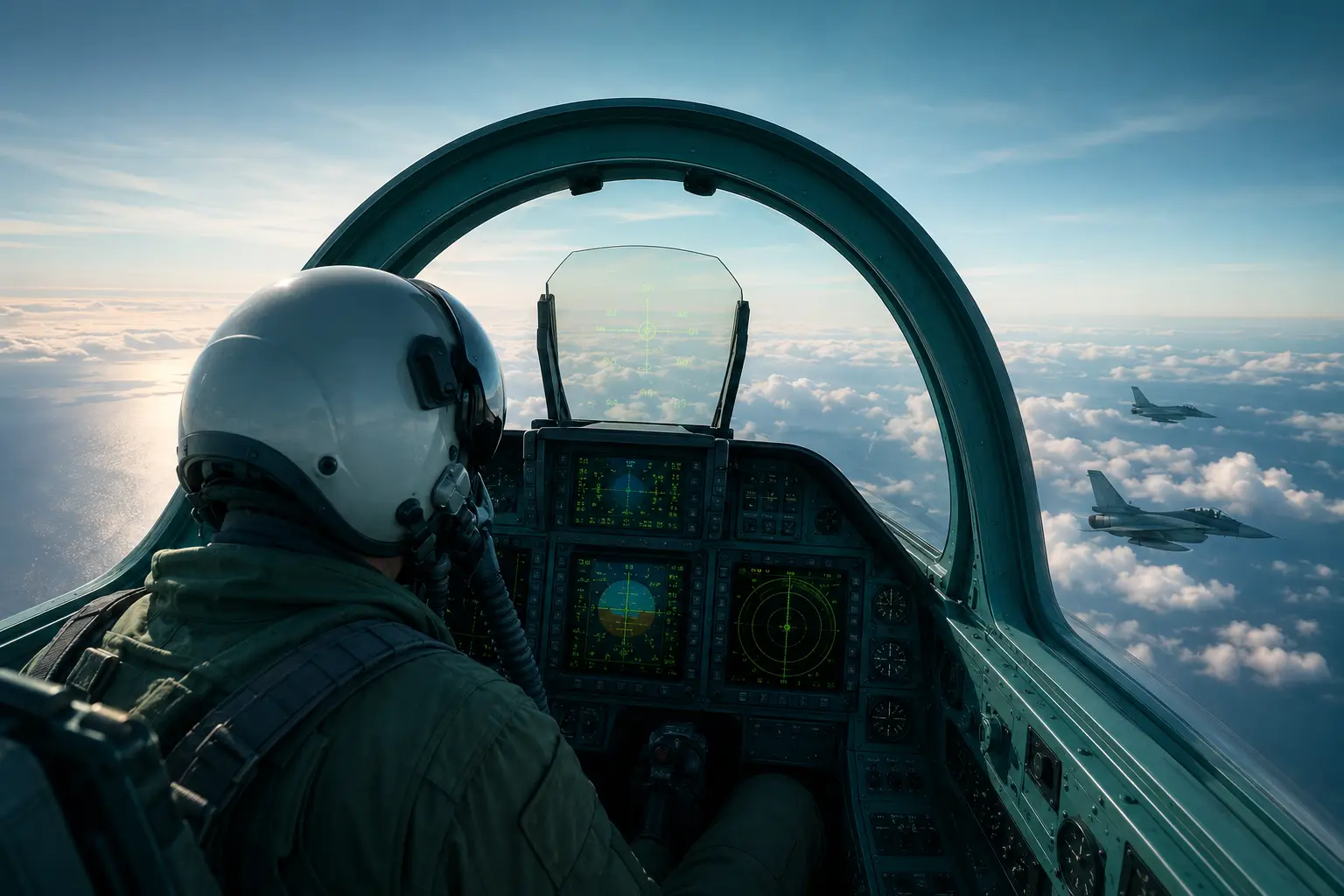
60-Degree Angle Capability
Traditional fighter jets stall when their nose points too far away from their direction of travel. The Raptor can maintain controlled flight at a 60-degree angle of attack, meaning it can point its weapons at an enemy while moving in a different direction. This capability allows for highly unpredictable flight paths.
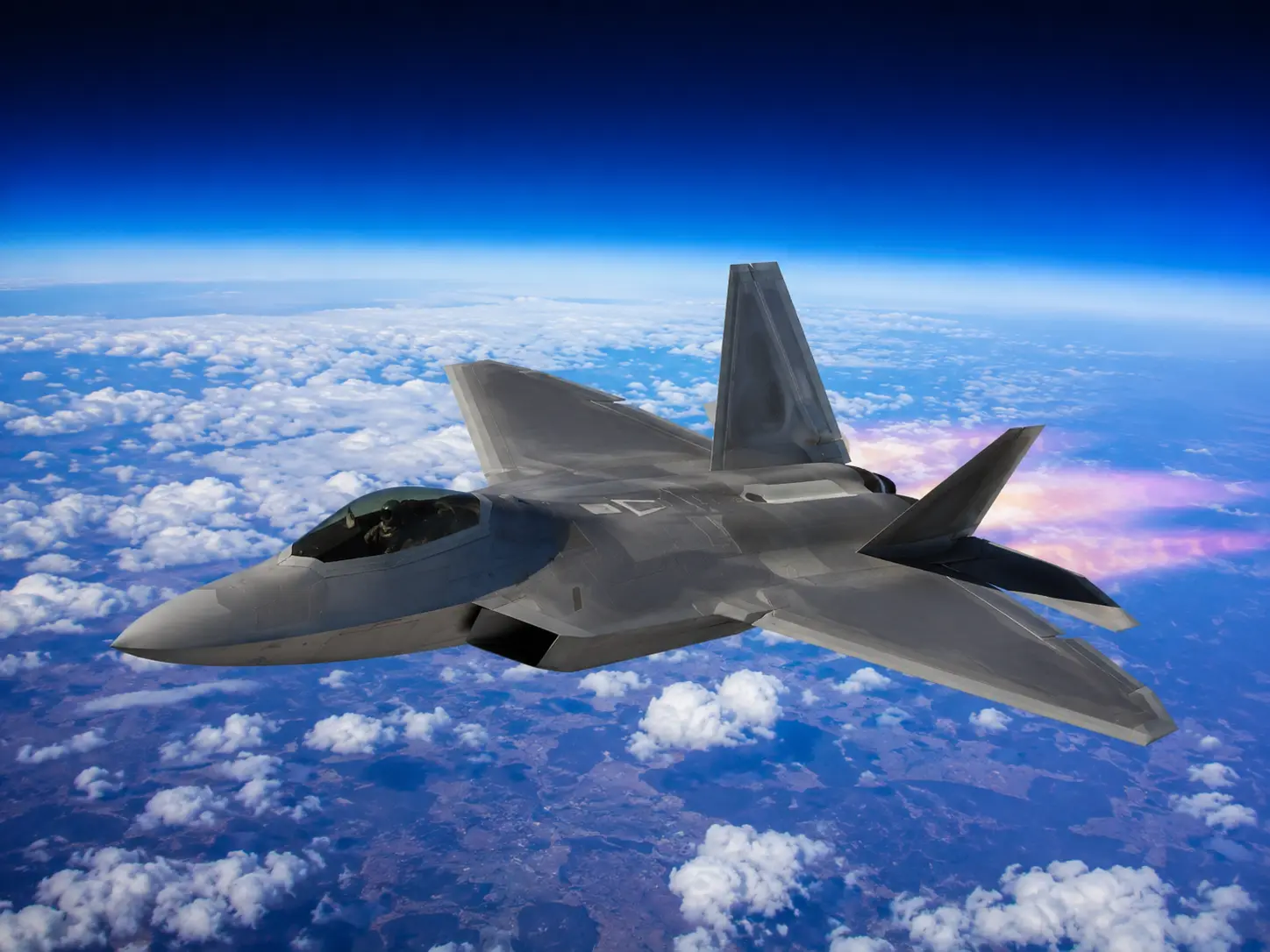
4 Fly-By-Wire Systems
A highly advanced quadruple-redundant fly-by-wire flight control system constantly reads data from multiple sensors to keep the aircraft stable. When the pilot pulls back on the stick for a sharp turn, the computer calculates the exact nozzle angle and flap position required. It prevents the aircraft from spinning out of control during extreme manoeuvres.
100 Per Cent Control
Even when flying at very low speeds where conventional rudders and ailerons lose their effectiveness, the thrust vectoring system maintains full authority. The engines steer the aircraft simply by directing the exhaust flow, rather than relying entirely on airflow over the wings. This guarantees the fighter can turn sharply in almost any situation.
)
)
)
)
)