How the F-22's radar can jam enemy electronics

The F-22 AN/APG-77 radar uses 1,956 modules to steer beams in nanoseconds. It jams enemy systems by shifting frequencies 1,000 times per second and can completely fry hostile sensor electronics.
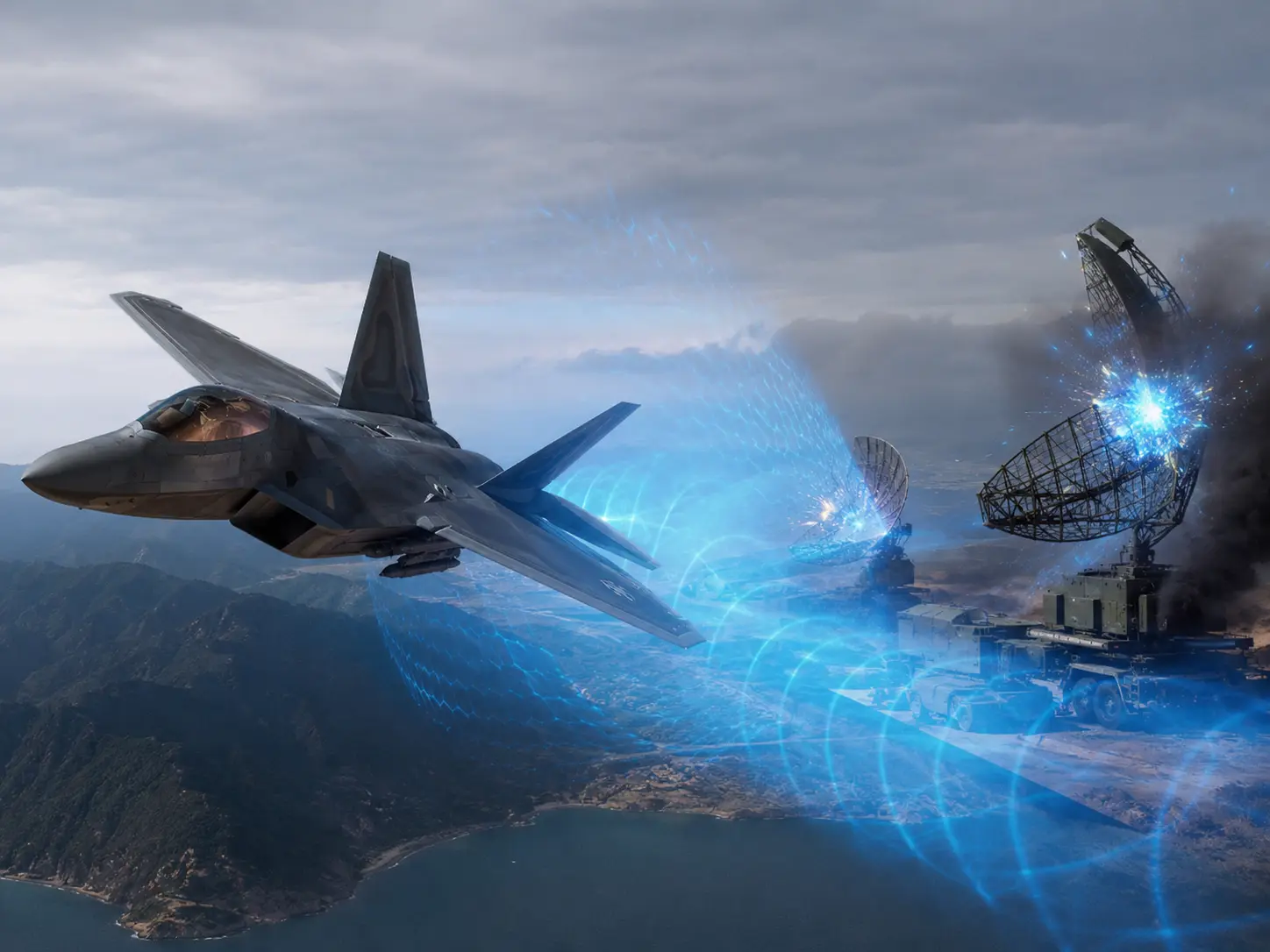
1,956 active array modules
The aircraft is equipped with the AN/APG-77 active electronically scanned array radar system, jointly developed by Northrop Grumman and Raytheon. This advanced hardware incorporates exactly 1,956 individual transmit and receive modules that are connected by high-speed processors. These modules allow the fighter to simultaneously track multiple targets while conducting intense electronic warfare.
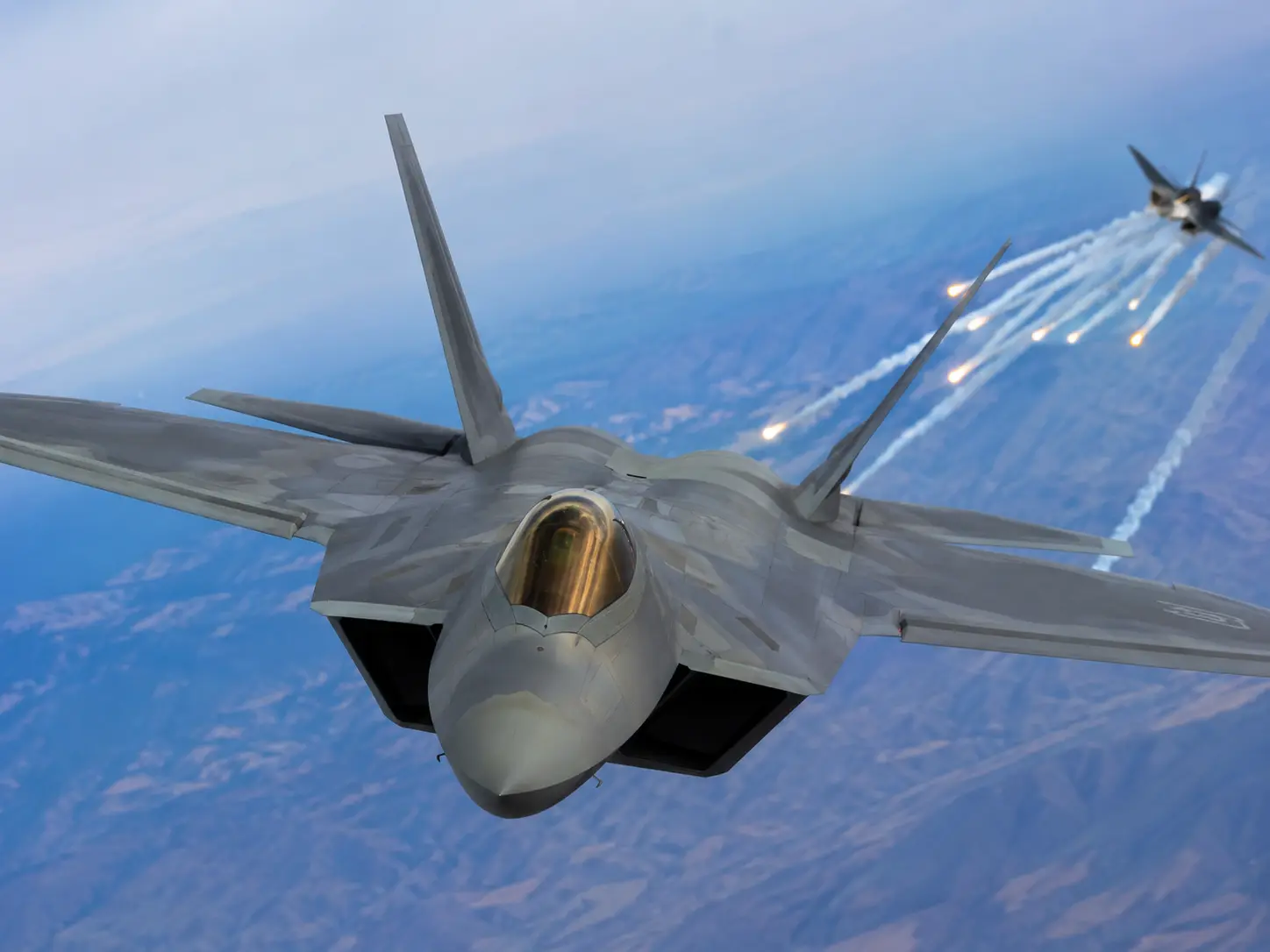
10s of nanoseconds steering
The AN/APG-77 eliminates traditional moving mechanical parts and instead directs its electronic signals in tens of nanoseconds. This incredible processing speed allows the fighter to immediately focus a narrow, high-power beam of energy directly at adversary sensors. To avoid enemy detection, the radar changes frequencies over 1,000 times per second.
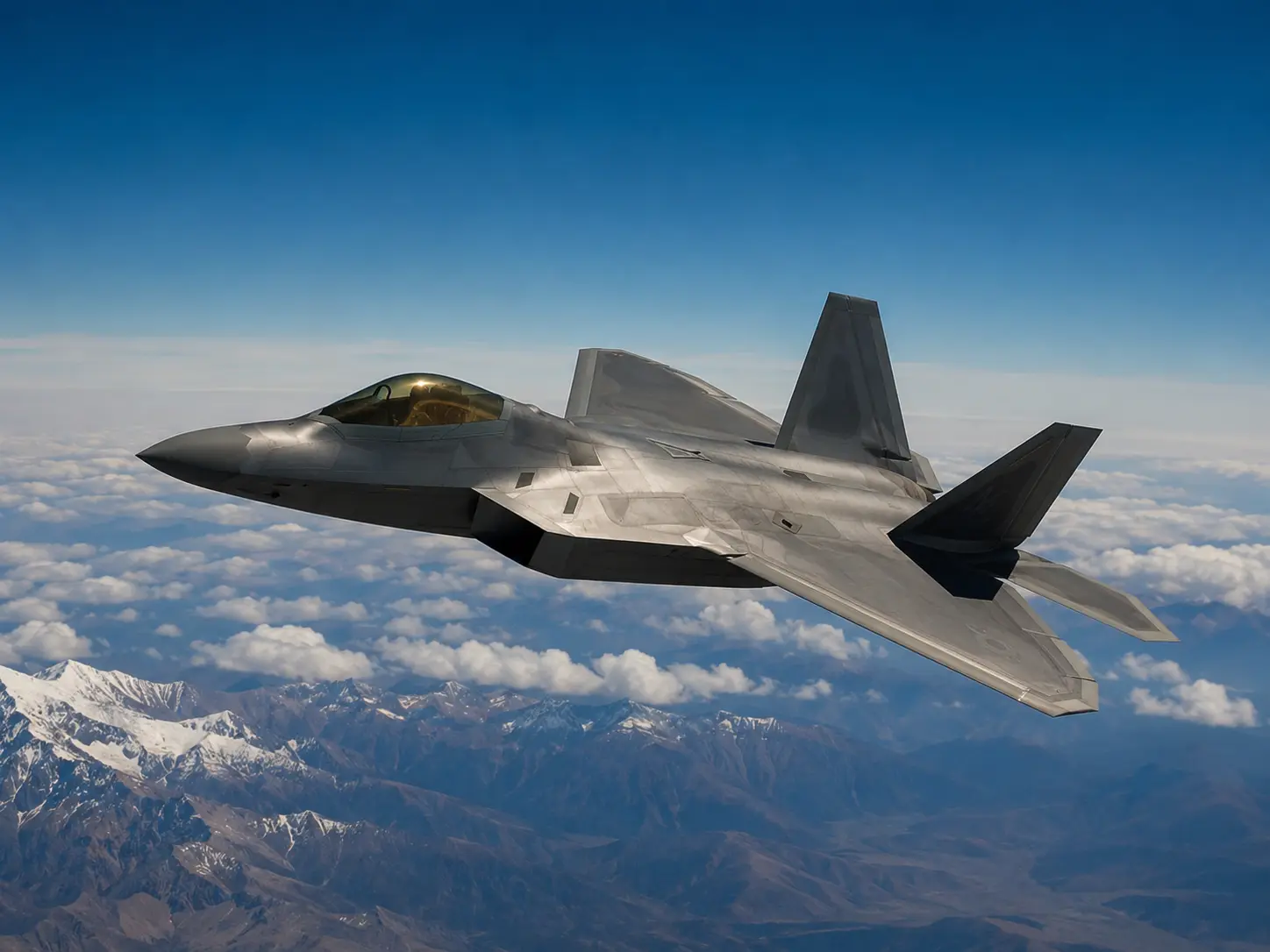
120-degree electronic attack
During combat, the radar system can execute high-gain electronic attacks across a 120-degree field of view in the forward direction. The fighter calculates the exact angle of an incoming threat and blasts a concentrated electronic noise beam back at the source. This targeted energy disrupts adversary early warning networks and surface-to-air missile tracking radars.
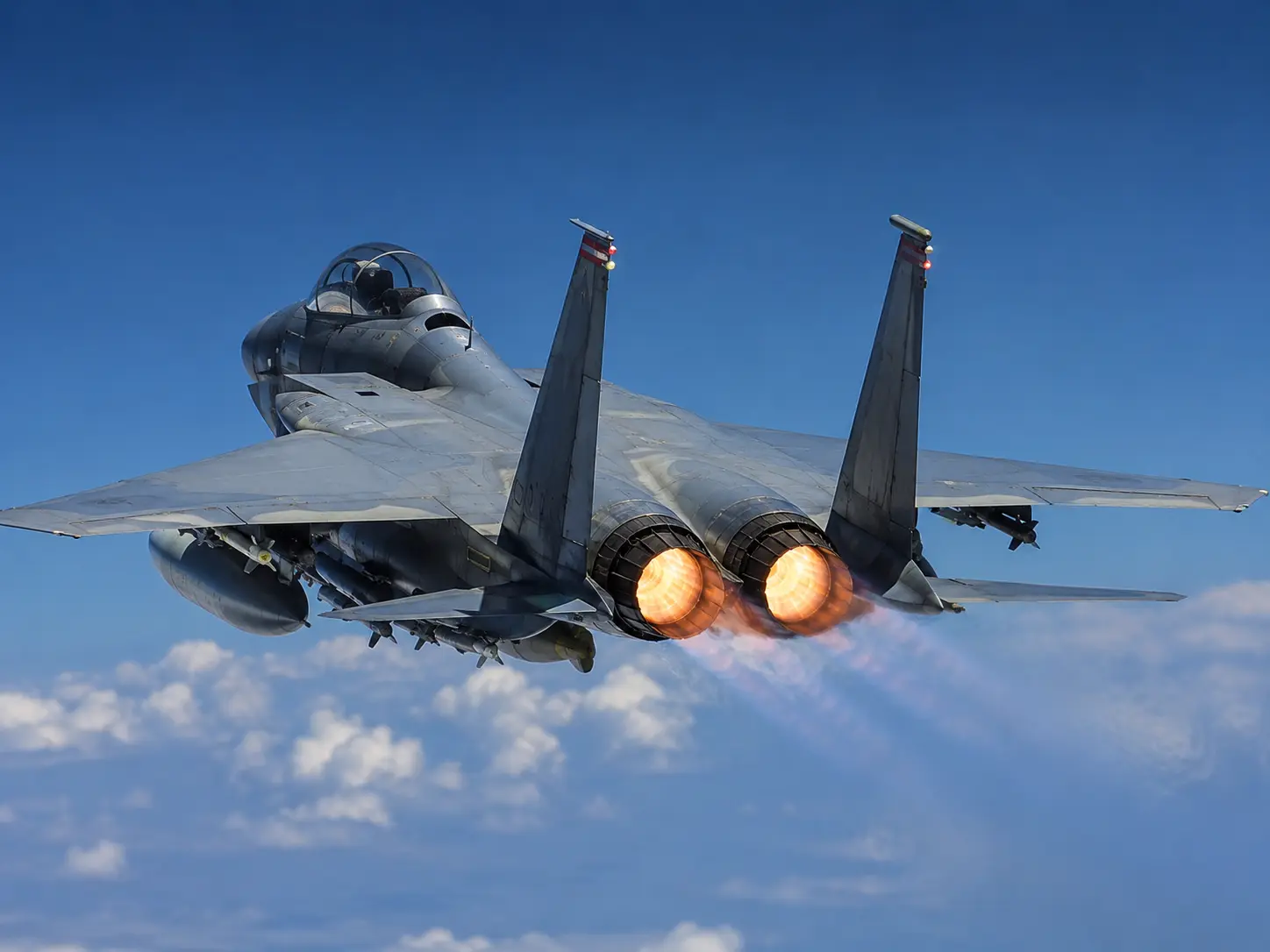
Targeted electronic suppression
The concentrated electronic countermeasures generated by the AN/APG-77 are incredibly powerful and focused. When engaged in electronic attack mode, the radar can deliver high-intensity energy beams to saturate and overload the receivers of enemy sensors. This effectively blinds adversary radar systems, rendering the enemy unable to track or lock onto the aircraft during intense combat scenarios.
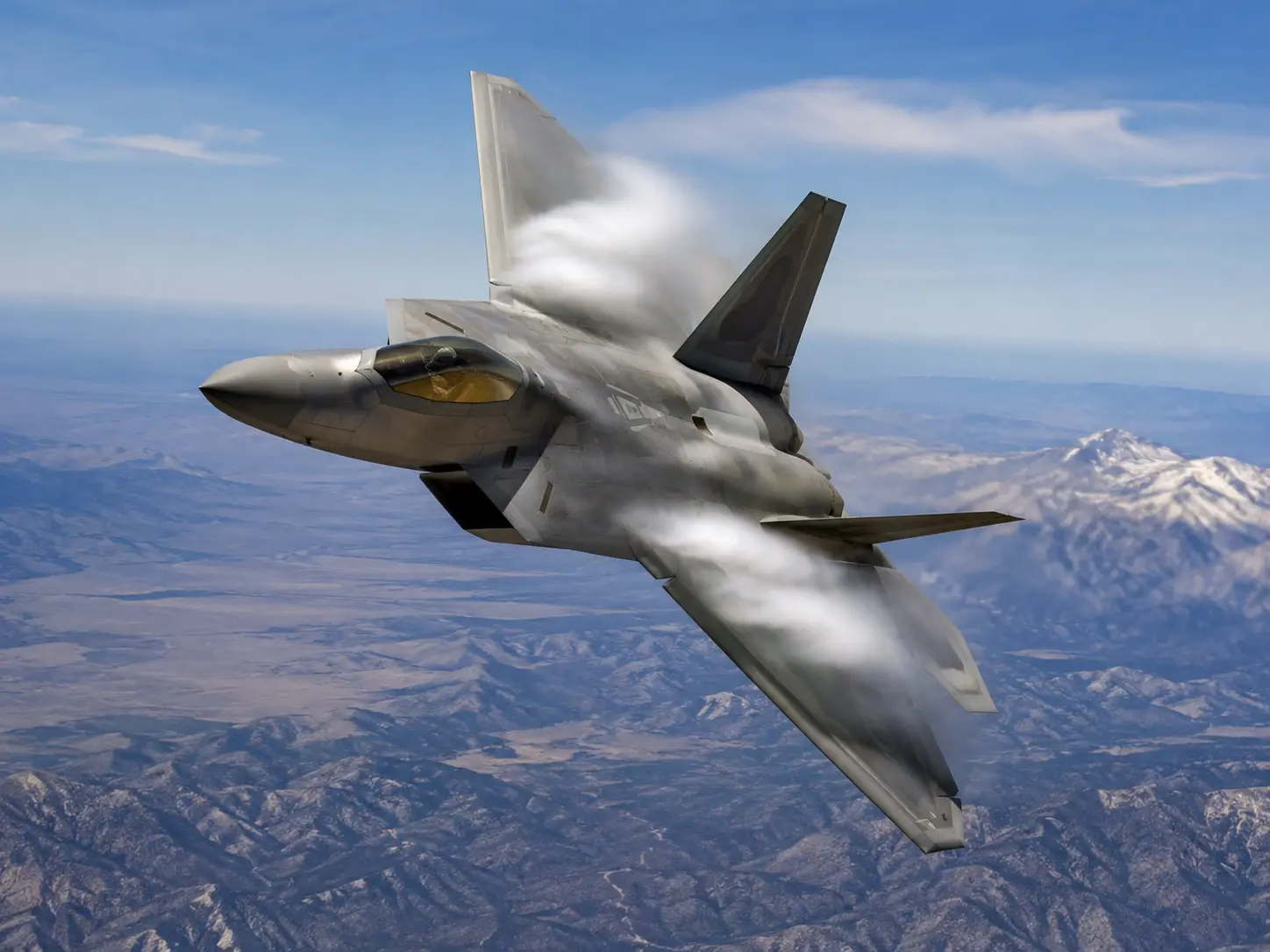
460 kilometres tracking range
Beyond its electronic attack functions, the system can detect hostile aircraft from distances up to 460 kilometres. The radar operates with a very low probability of intercept, ensuring the fighter remains undetected while it actively jams enemy communications. This allows the aircraft to secure air dominance long before adversaries realise they are being targeted.
)
)
)
)
)