Why the F-35 can fly dangerous combat missions without turning on its radar

The F-35 uses passive infrared cameras and sensor fusion to track enemies without emitting radar waves. This allows the $82 million stealth fighter to share intelligence and strike undetected.
Six Infrared Cameras
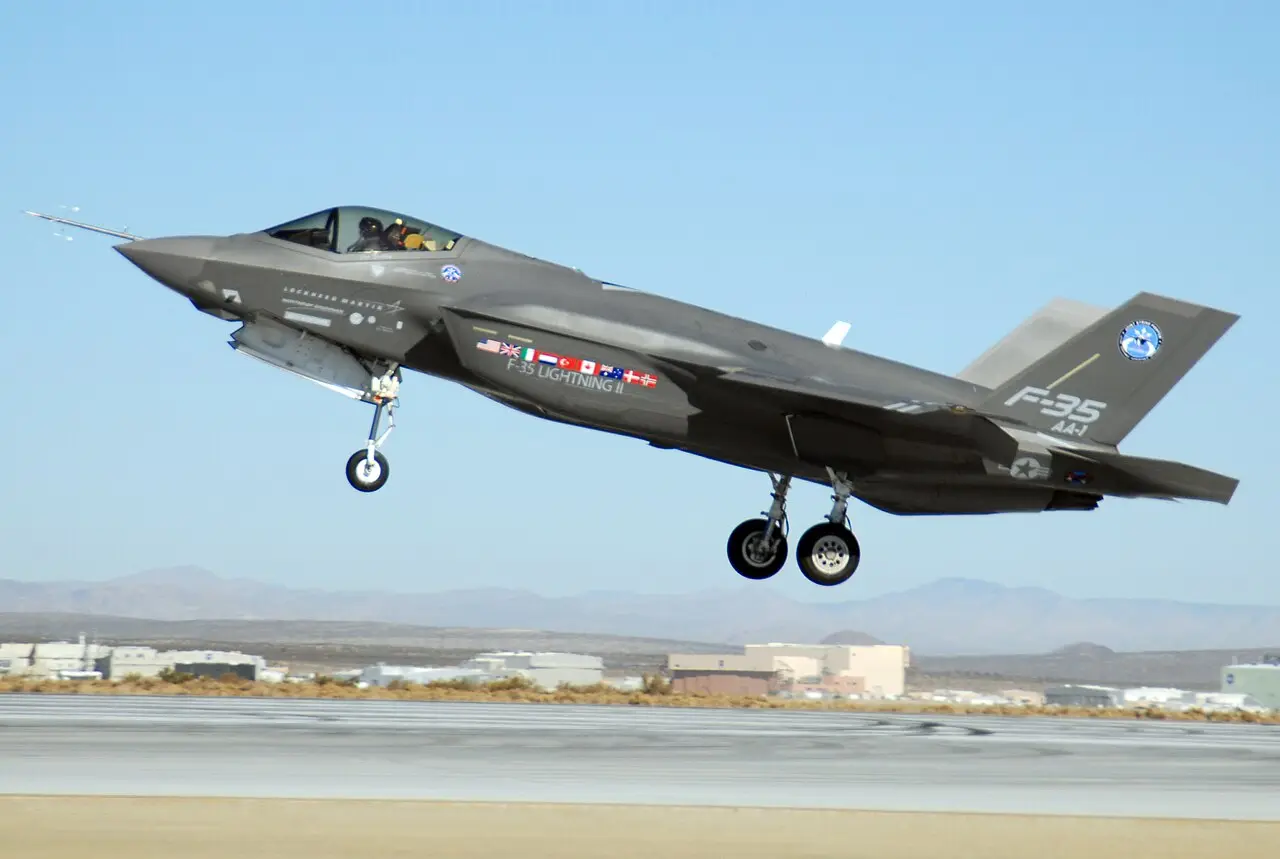
The F-35 operates a Distributed Aperture System equipped with six built-in infrared cameras. This system provides pilots with a continuous 360-degree view of the battlefield without emitting detectable radar waves. It tracks enemy movements passively, keeping the jet completely hidden.
The Silent Data Link
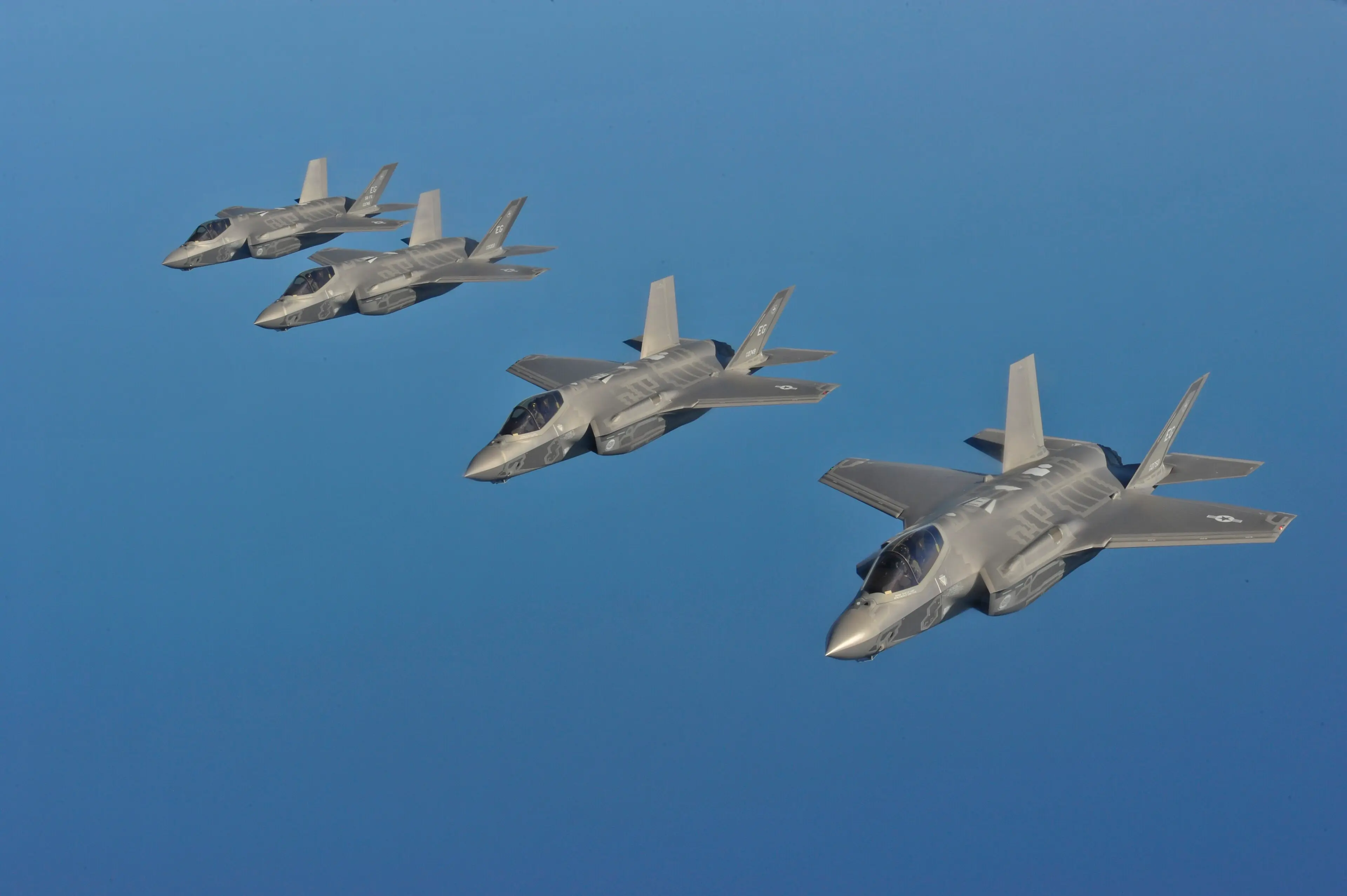
Using the Multifunction Advanced Data Link, the aircraft shares real-time intelligence with friendly forces covertly. The technology allows multiple fighter jets to combine their sensor data seamlessly. This creates a massive tactical advantage without triggering enemy radar warning receivers.
Electro-Optical Targeting
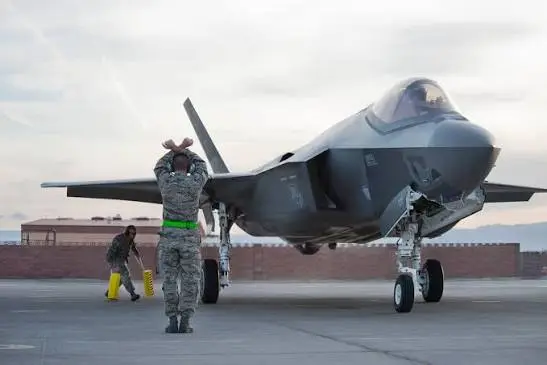
An advanced targeting system mounted under the nose allows the jet to pinpoint adversaries from over 80 kilometres away. It uses laser targeting and forward-looking infrared to track both ground and air threats. Pilots can lock onto targets without broadcasting their actual position.
Ten Embedded Antennas
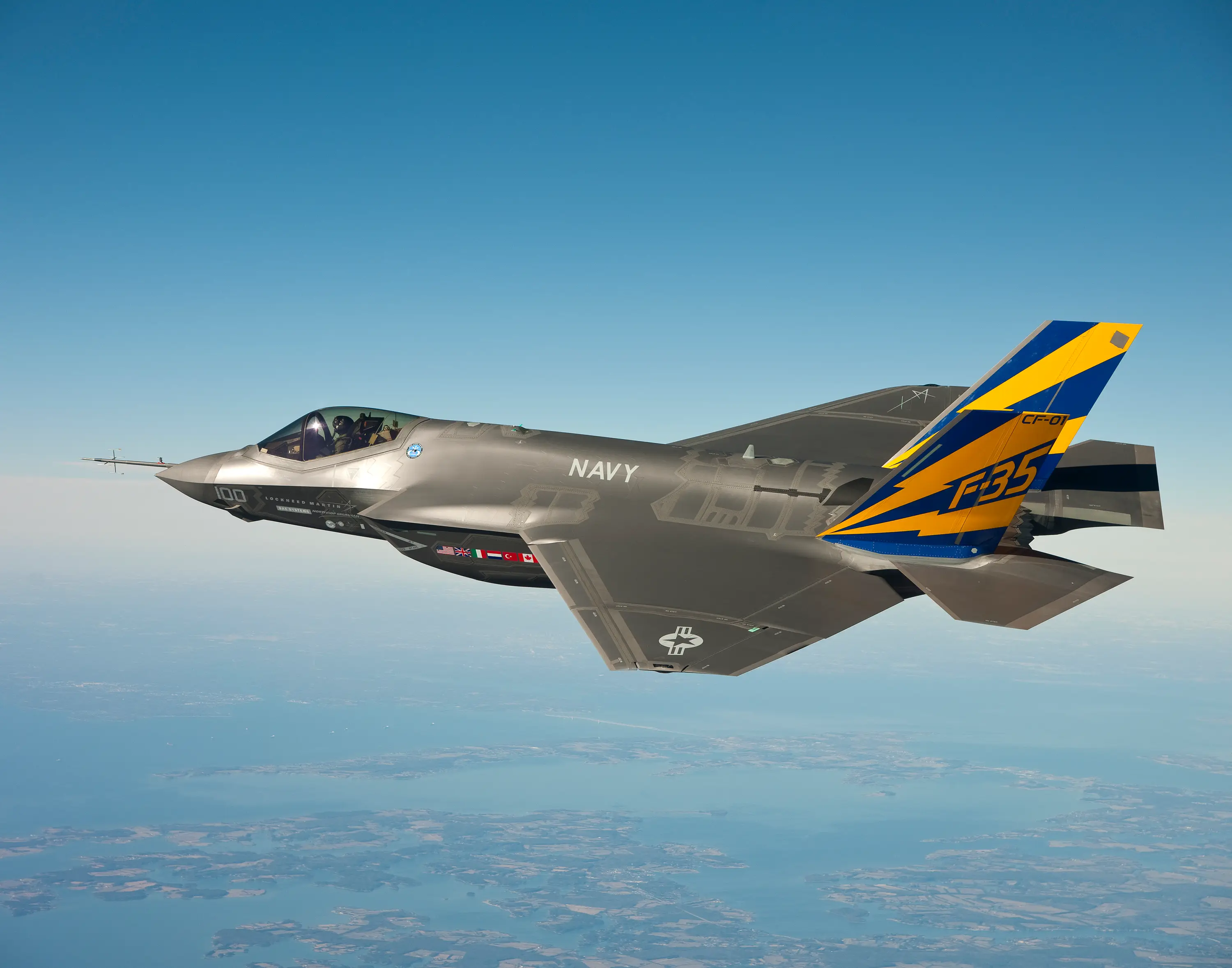
The integrated electronic warfare suite features ten radio frequency antennas embedded along the wings and tail. It detects hostile emissions and automatically geolocates enemy surface-to-air missile batteries. This allows the aircraft to jam frequencies and slip through heavily defended airspace undetected.
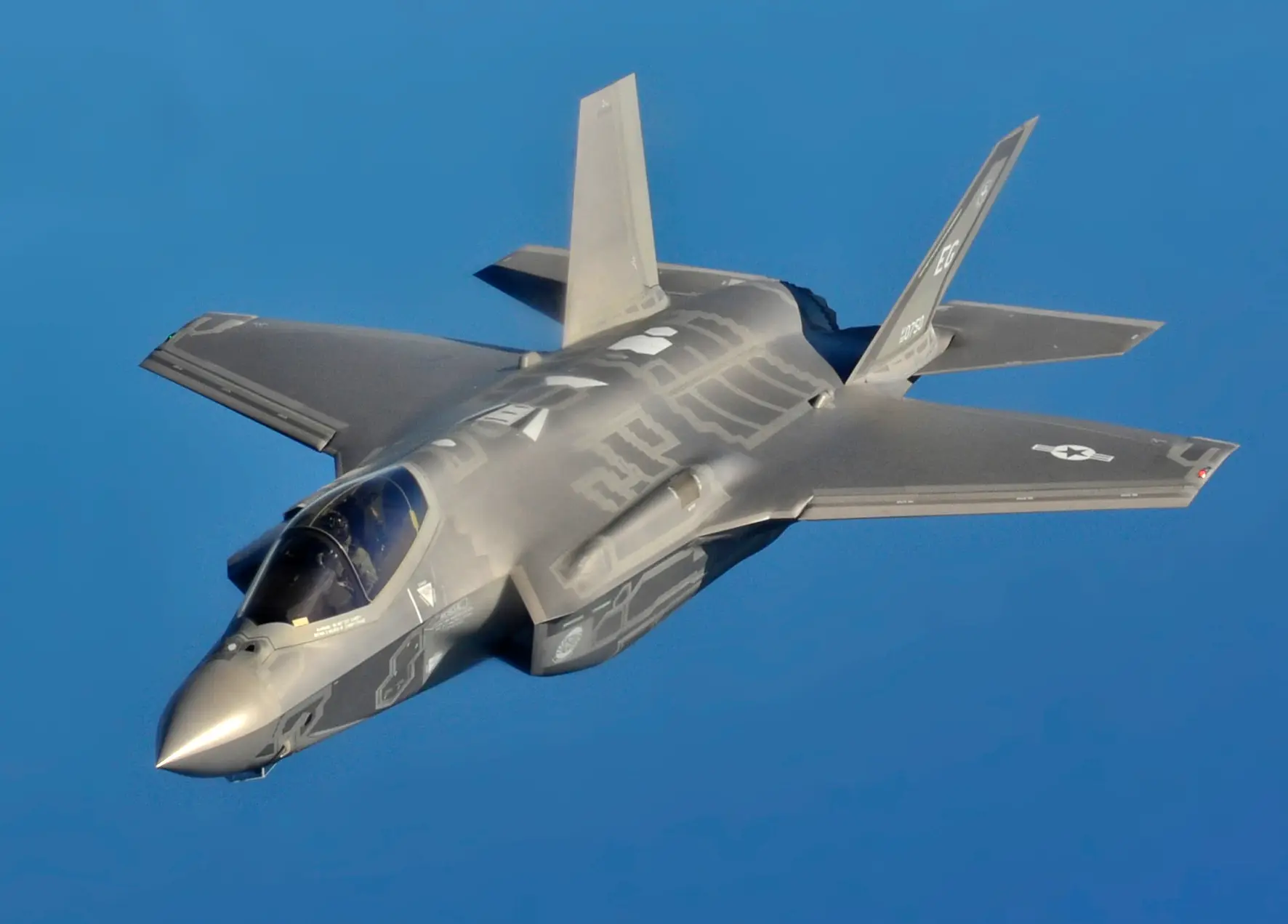
$82 Million Fighter Jet
Onboard computers instantly merge all passive sensor data into one clear tactical picture for the pilot. At a unit cost of roughly $82 million, this system reduces pilot workload significantly. It ensures high survivability in hostile combat zones without ever needing active radar scans.
)
)
)
)
)