How the F-22 Raptor became invisible to every enemy radar ever deployed

Estimates place its radar cross-section at as little as 0.0001 square metres, comparable to a small bird. Even canopies feature coatings to prevent internal reflections.
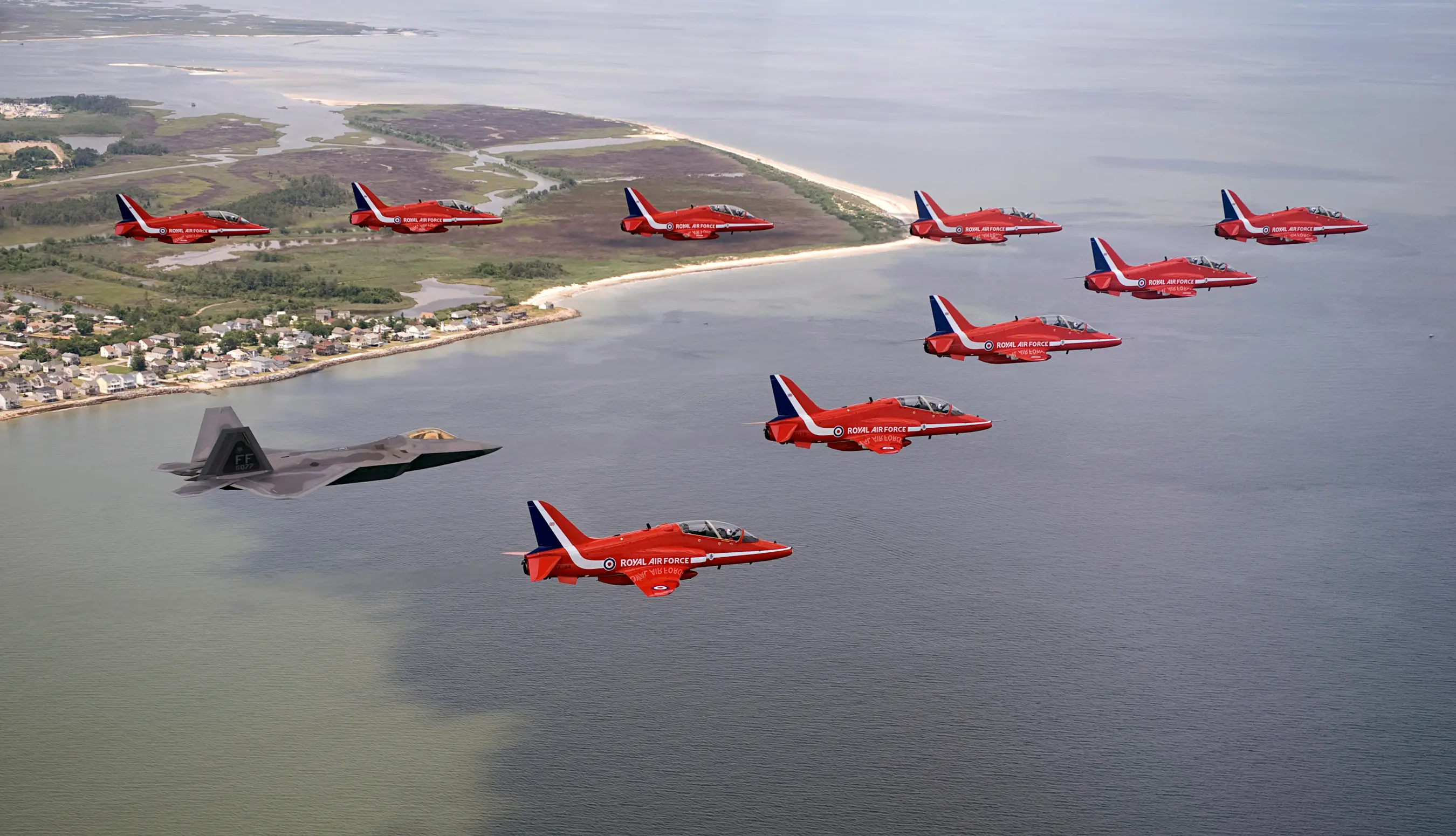
Introduction: An Aircraft That Fights Unseen
The F-22 Raptor was engineered to rule the skies before its adversaries even knew it was there. Since entering service in 2005, no enemy radar has ever locked onto it during combat. What makes this stealth fighter so elusive? Behind its rarity on radar screens lies superior design, cutting-edge sensor fusion, and powerful countermeasures, all combining to make the Raptor effectively invisible in hostile airspace.
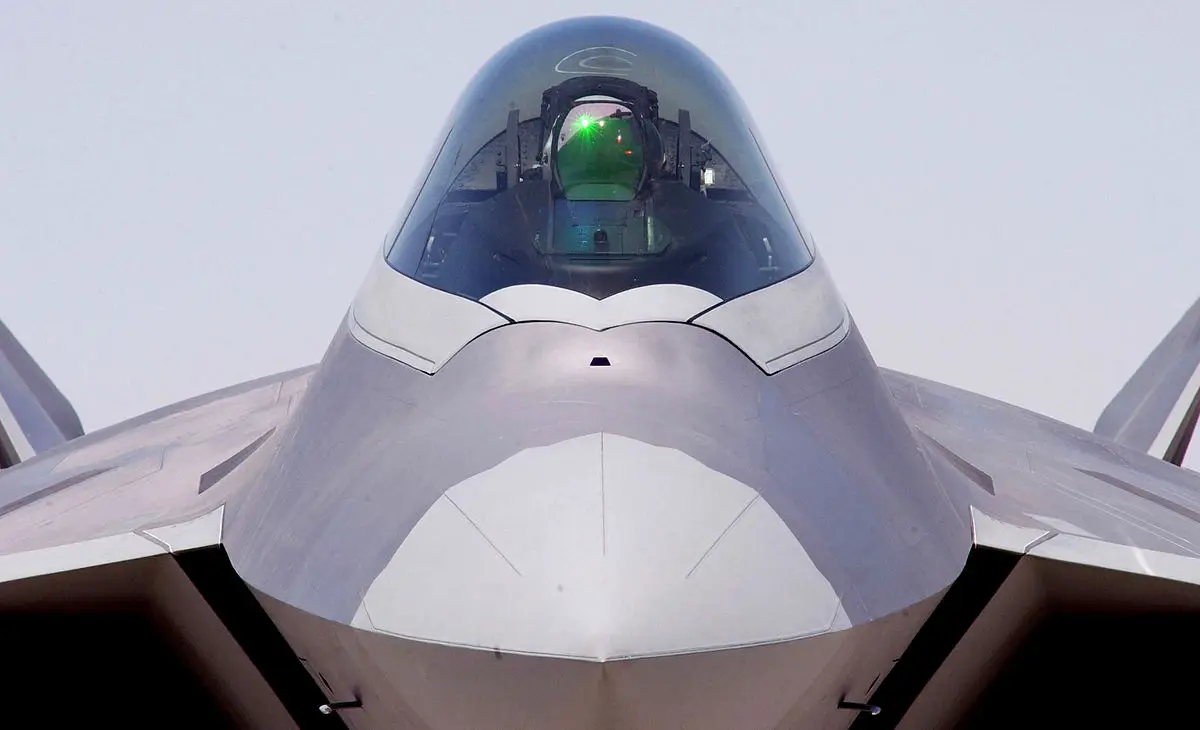
Stealth by Design, Radar Cross-Section Minimised
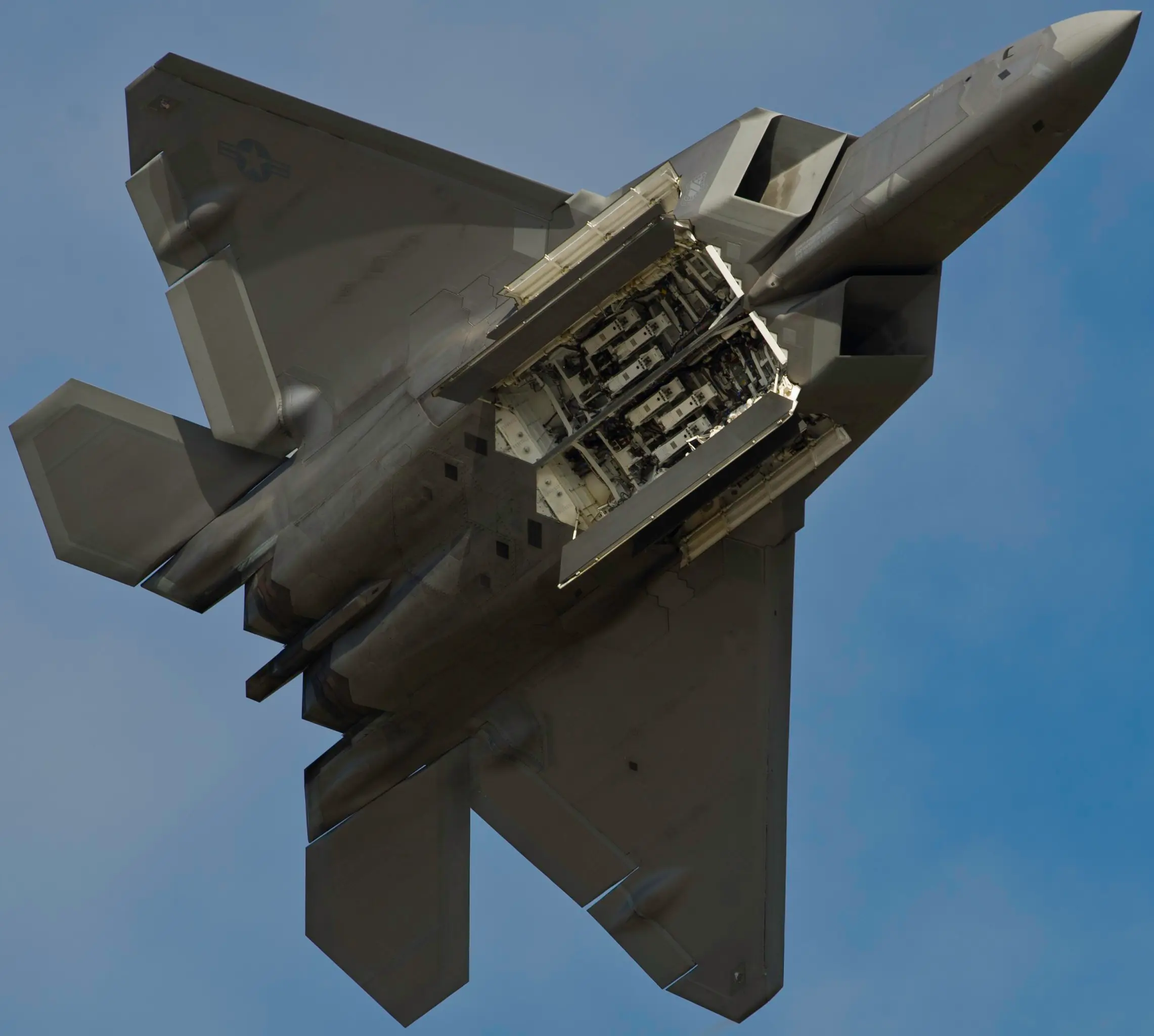
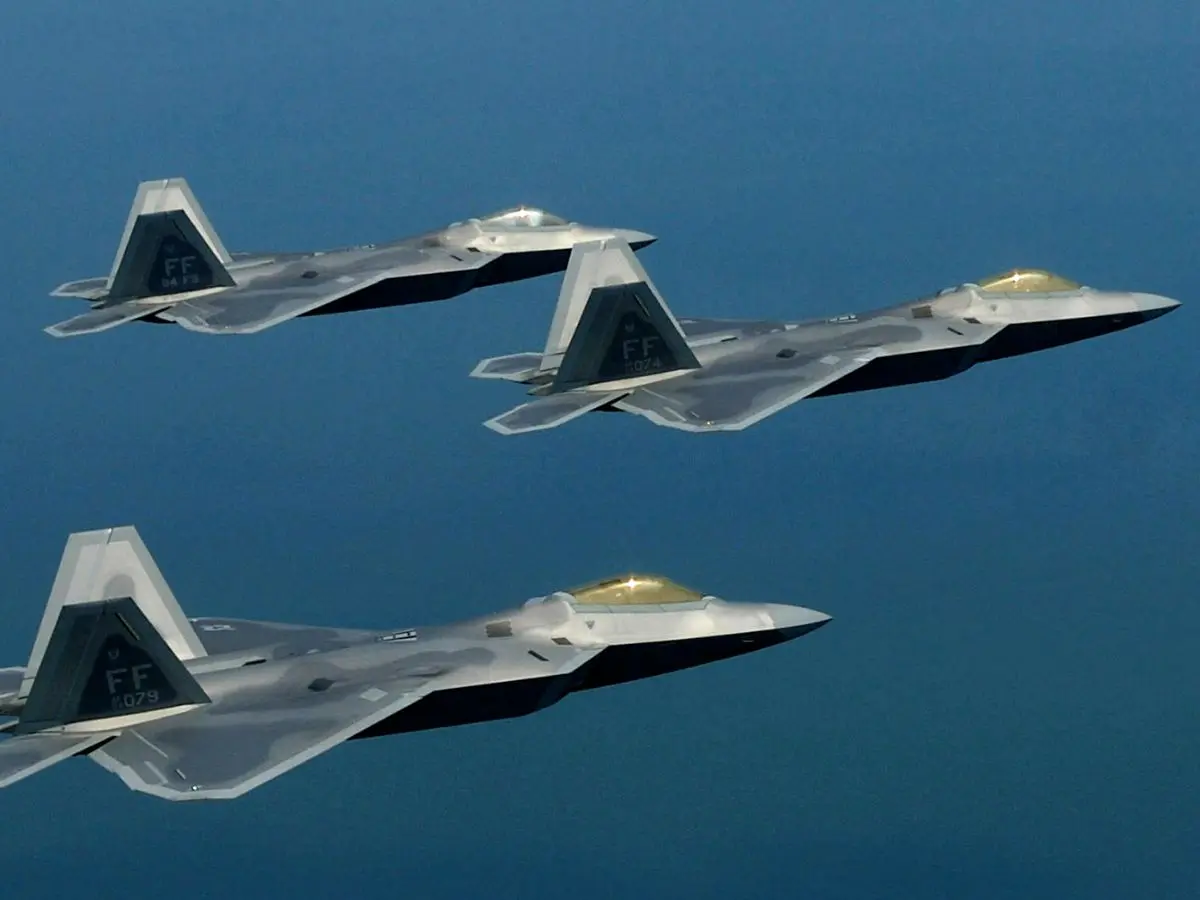
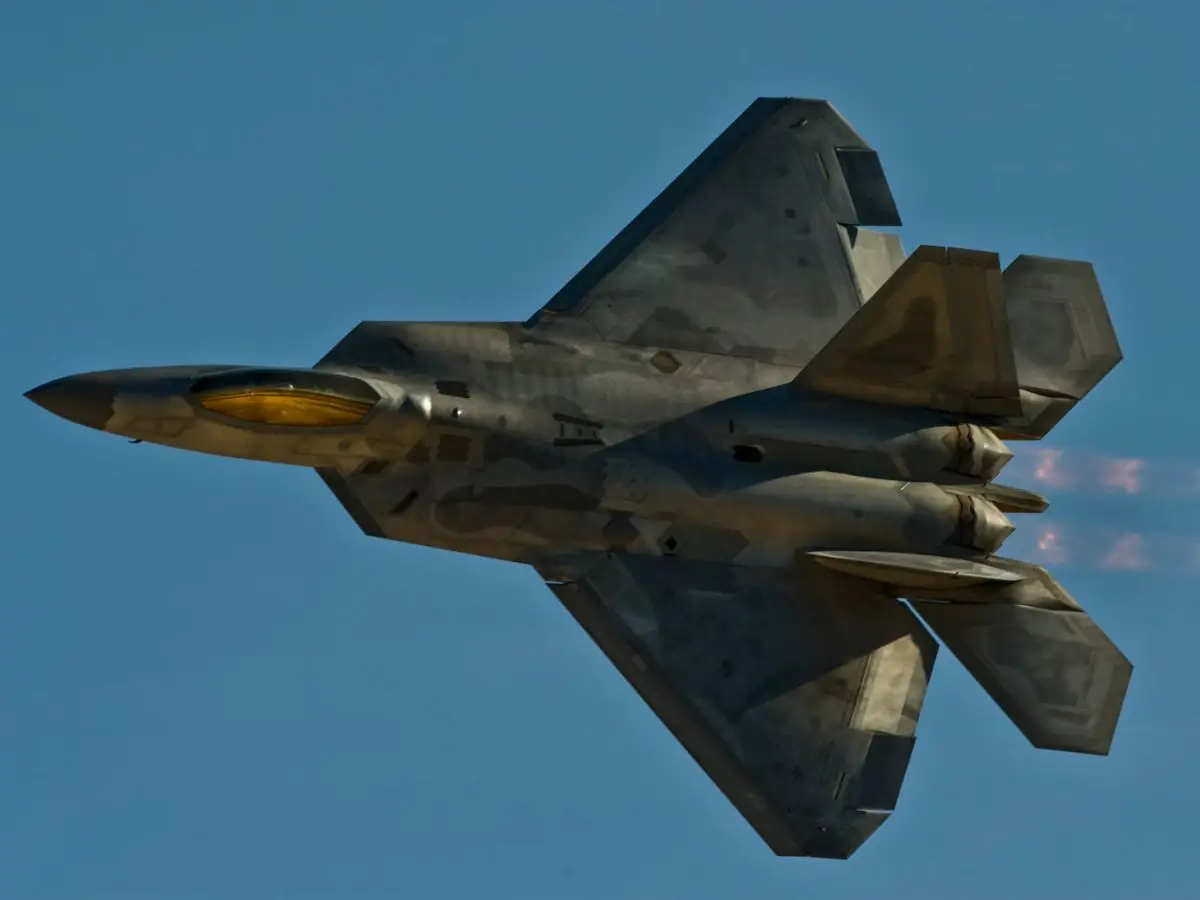
The F-22’s stealth is built into every surface. Its faceted airframe, concealed engine intakes, internal weapons bays, and radar-absorbent materials scatter and absorb radar waves, dramatically reducing detection. Estimates place its radar cross-section at as little as 0.0001 square metres, comparable to a small bird. Even canopies feature coatings to prevent internal reflections. These features make enemy radars perceive the Raptor only faintly, as a distant glitch rather than a genuine threat.
Outsmarting Long-Wave Radar Systems
While the stealth design excels against high-frequency radars, low-frequency VHF and UHF systems are more capable of spotting stealth aircraft. These long wavelengths interact more with the aircraft’s bulk, potentially increasing detection chances. However, such systems provide only coarse, early warning data and lack the precision needed for targeting. Moreover, modern air defences often destroy long-wave radars before stealth aircraft can approach, diminishing their effectiveness.
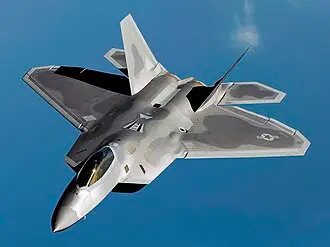
Electronic Warfare, Deception and Disruption
The F-22 carries a sophisticated electronic warfare suite that complements its stealth design. It includes radar warning receivers and jamming systems, capable of confusing enemy radars, masking its true position, or denying them critical targeting data. This electronic cloak ensures the Raptor remains undetected long enough to complete its mission.
Advanced Radar, Stealth-Friendly Detection
The aircraft’s own AN/APG-77 radar strikes a balance between detection and stealth. Operating in very short bursts across multiple frequencies, it tracks threats without alerting adversarial radar warning systems. Combined with internal sensor data, the pilot gains complete battlefield awareness while staying beneath the enemy’s radar umbrella.
Proven Superiority in Exercises and Combat
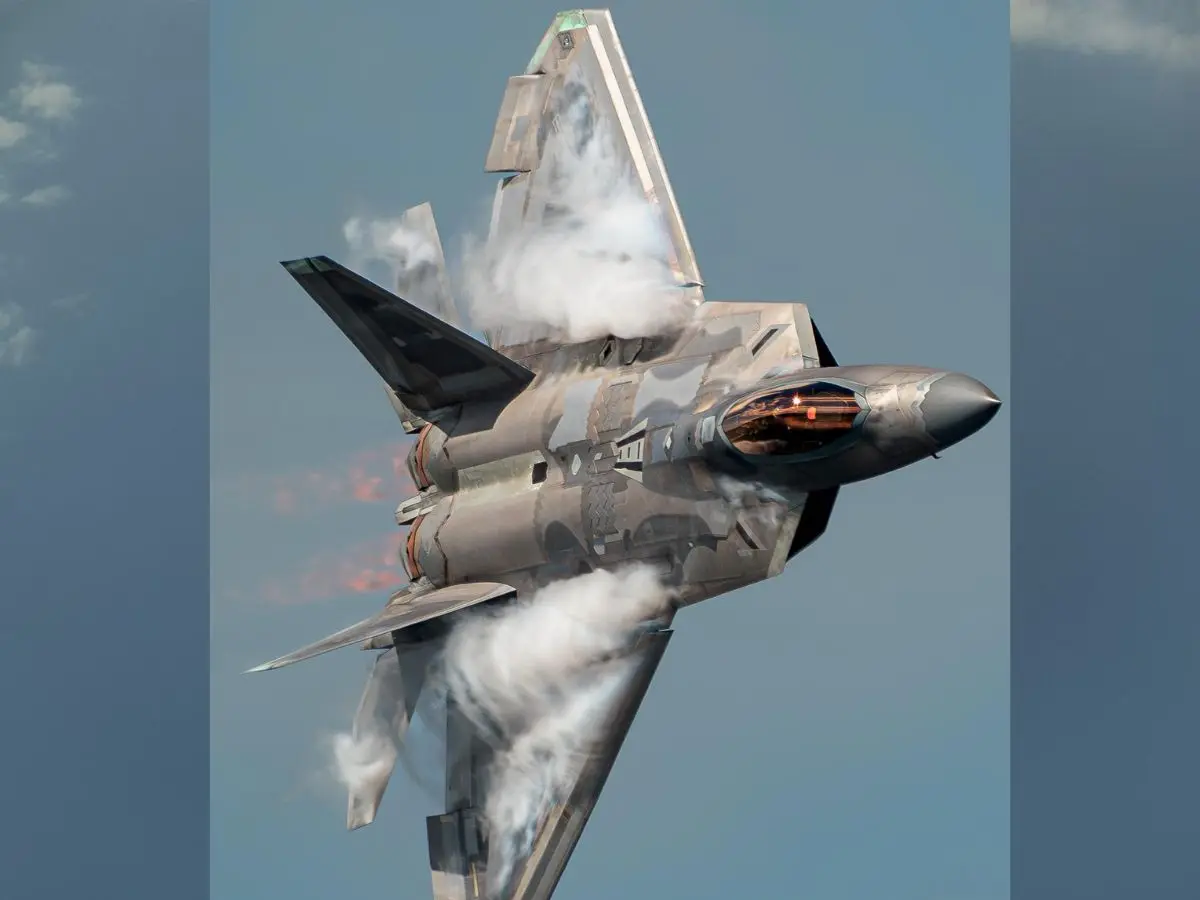
Mock battles featuring F-22s against older fighters such as F-15s, F-16s, and F/A-18s frequently end before the Raptor is even detected. In joint exercises, it acts as a stealth forward-air controller, guiding other aircraft toward unseen targets using its superior sensors. In actual combat, its presence over Syria deterred enemy aircraft, even without active engagement.
Conclusion: A Fighter That Wars Without Warning
The F-22 Raptor remains unseen by enemy radars because it was designed to be unseen. From its ultra-low radar signature and electronic warfare systems to stealth-conscious radar emissions and real-world deception, every element works together to rob adversaries of detection. While stealth never guarantees absolute invisibility, in the case of the Raptor, it comes astonishingly close, making radar lock-ons all but impossible.
)
)
)
)
)