How the F-22 gives pilots an edge in combat situations

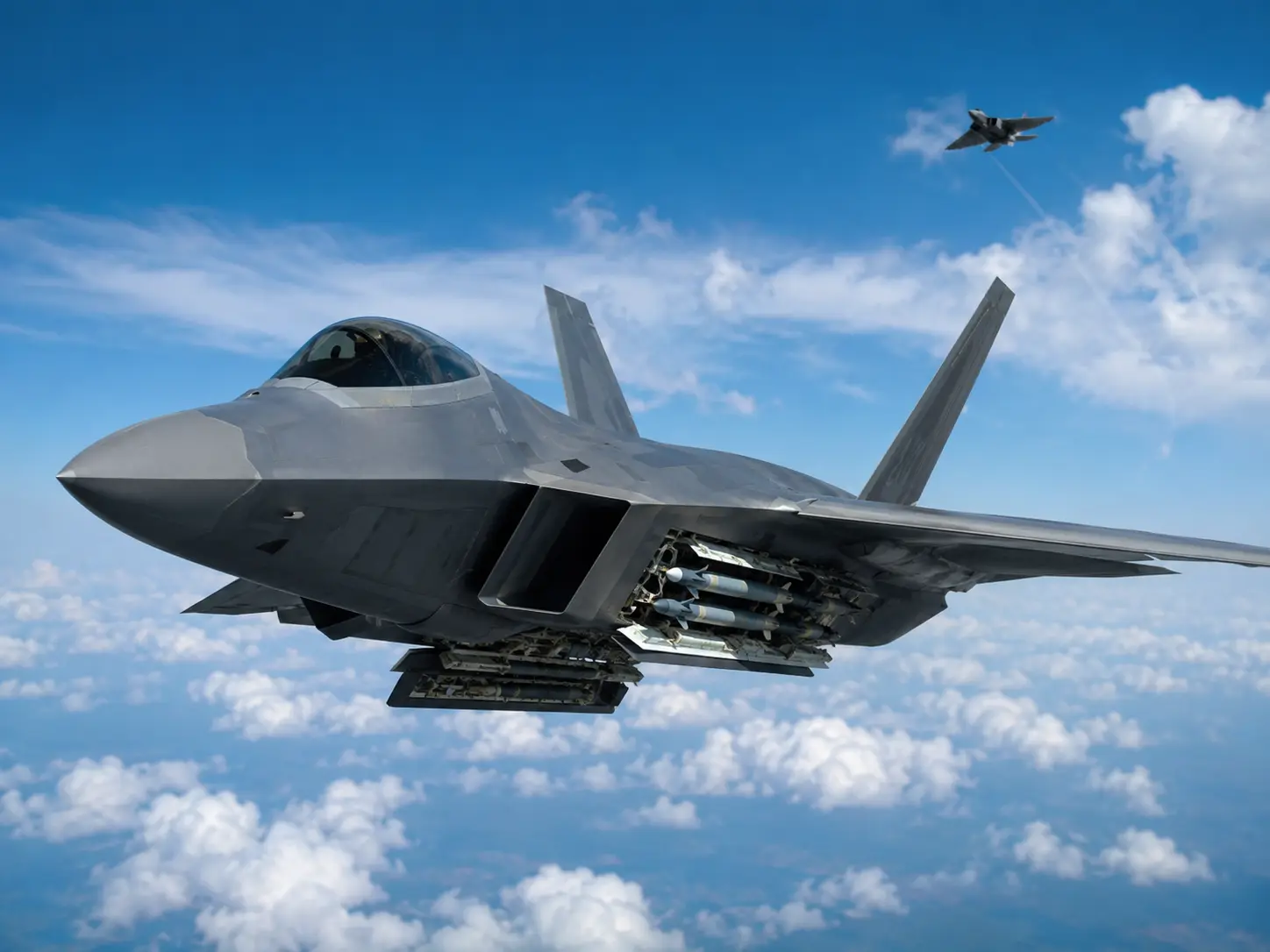
The F-22 Raptor gives pilots a decisive combat edge through a 0.0001 sq m radar signature, Mach 1.5 supercruise, and a 60,000-foot ceiling that increases tactical awareness and strike range.
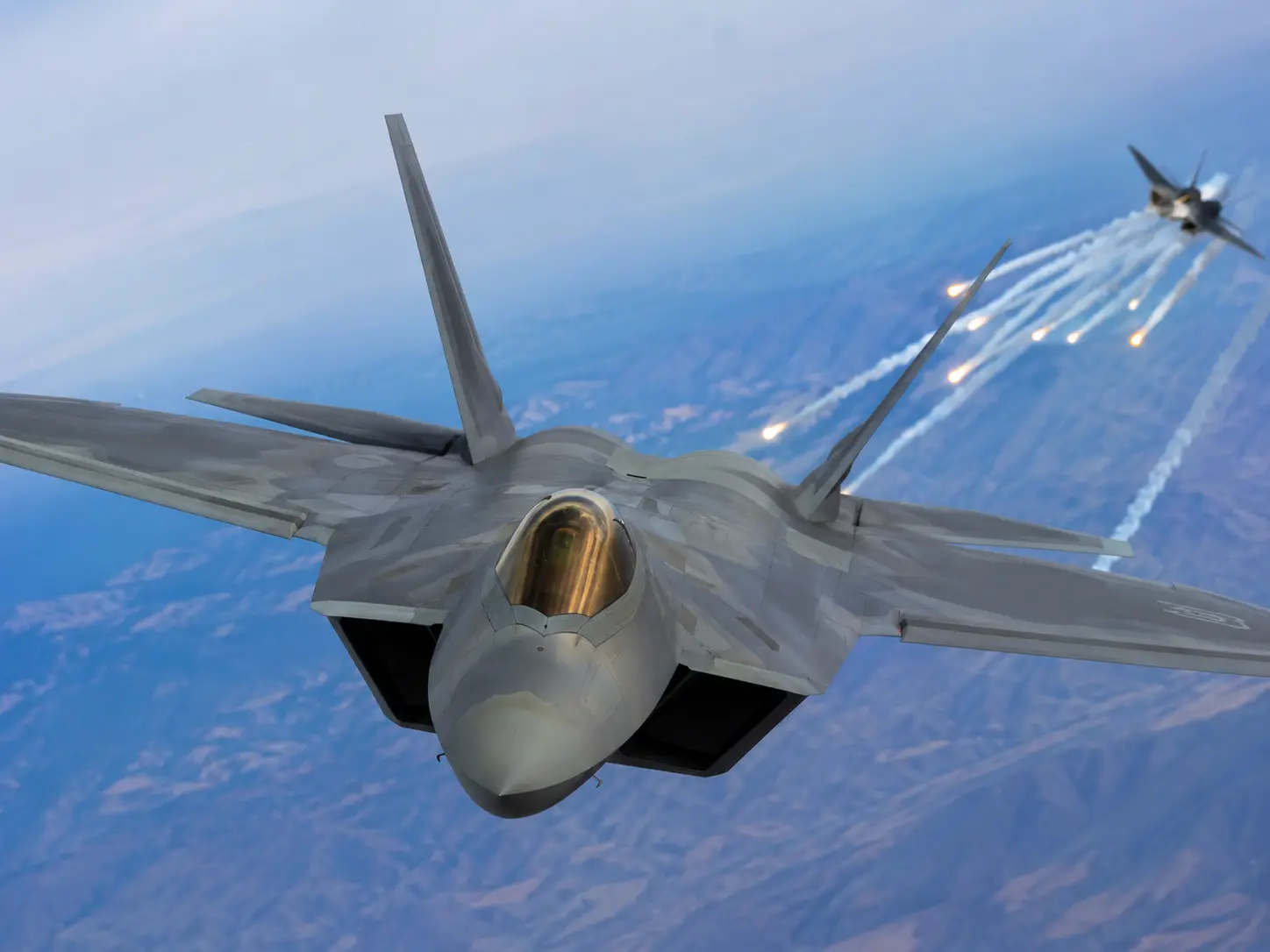
0.0001 sq m radar signature
The F-22 Raptor possesses an exceptionally small radar cross-section of roughly 0.0001 square metres, making it look like a marble to enemy tracking networks. This allows pilots to safely navigate through heavily defended airspaces, tracking hostile threats without alerting adversary air-defence crews.
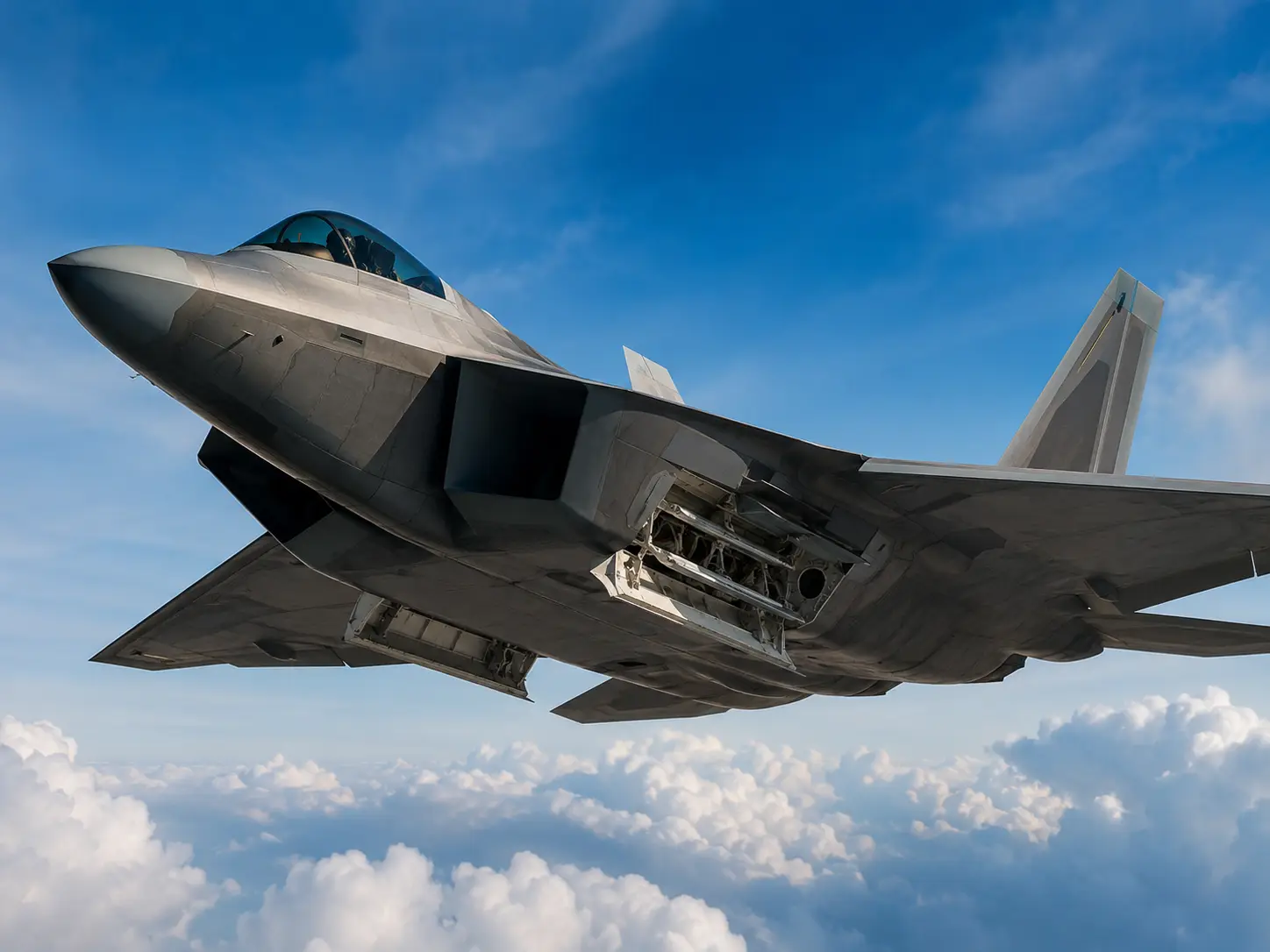
60,000 feet operational ceiling
Operating at a service ceiling of 60,000 feet gives pilots a massive gravitational and kinetic advantage over lower-flying enemy aircraft. Launching air-to-air missiles from this extreme altitude significantly increases the weapons' operational range and impact speed while making return fire difficult.
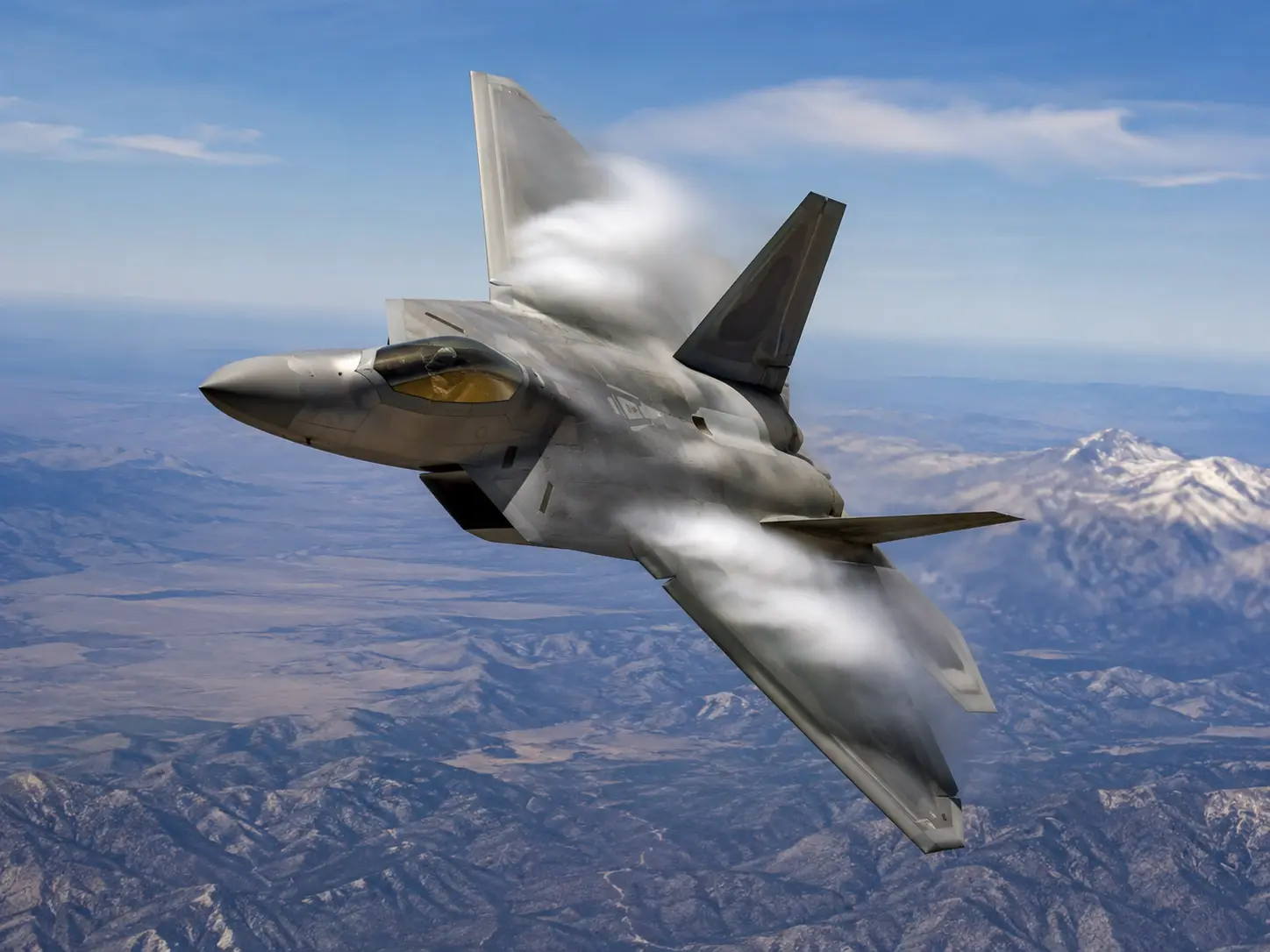
Mach 1.5 continuous supercruise
The twin turbofan engines allow the aircraft to maintain a continuous supercruise speed of Mach 1.5 without using afterburners. This efficient mechanism saves valuable fuel during long patrols, increases overall combat radius, and reduces the infrared heat signature normally picked up by tracking systems.
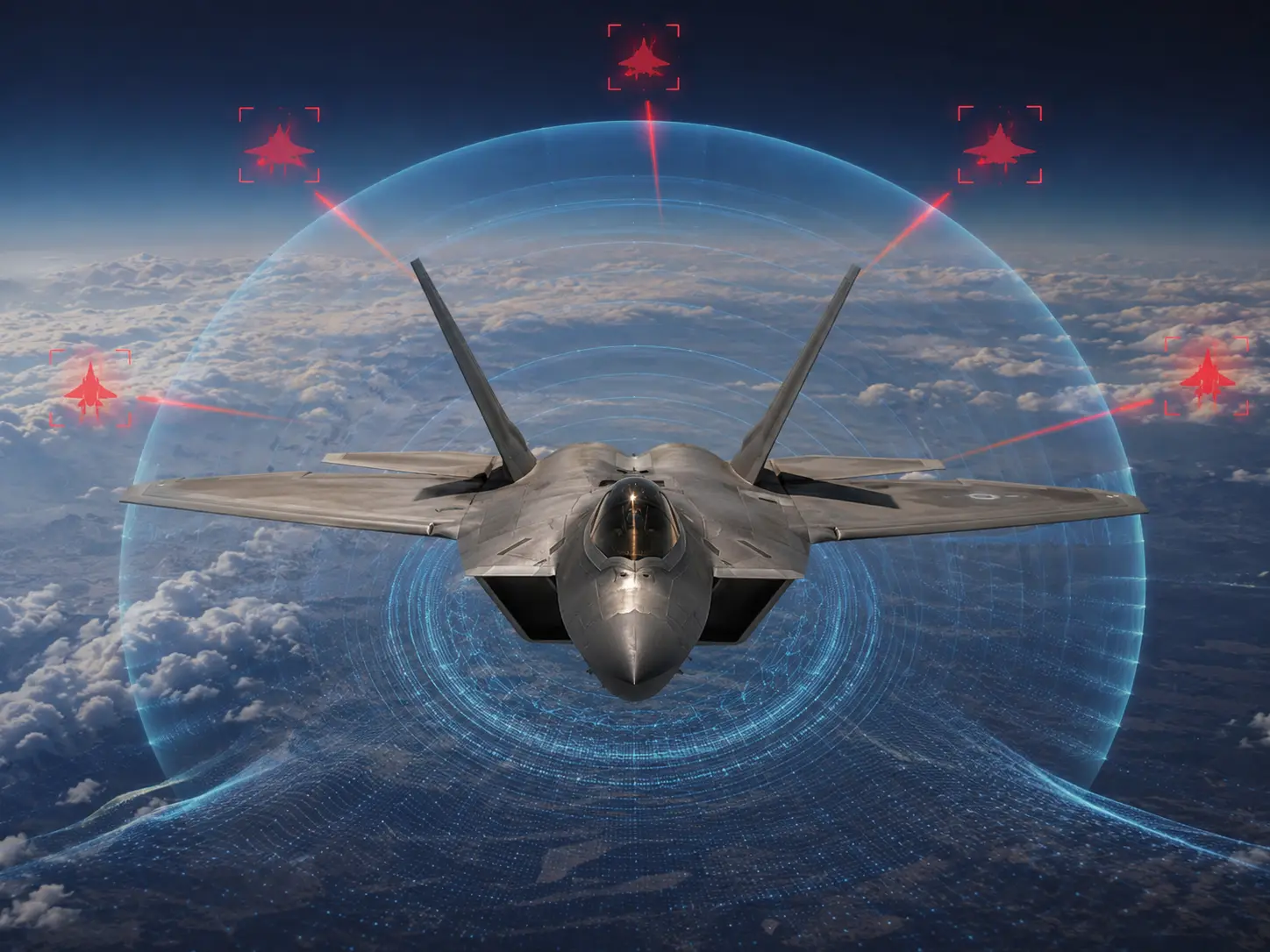
2 integrated data processors
A complex central system completely automates threat prioritisation by fusing radar, missile warning, and electronic signals into a single screen. This high-speed processing drastically cuts down the pilot's mental workload during active combat, allowing for faster decision-making when engaging multiple hostile targets.
20 degree thrust nozzles
The 2D thrust-vectoring engine nozzles move 20 degrees up or down, enabling extreme manoeuvrability in close-range aerial dogfights. Pilots can execute tight, rapid turns and maintain complete flight control even at low speeds where traditional control surfaces lose their aerodynamic authority.
)
)
)
)
)