How the F-22 fighter jet safely dumps hundreds of gallons of fuel in mid-air

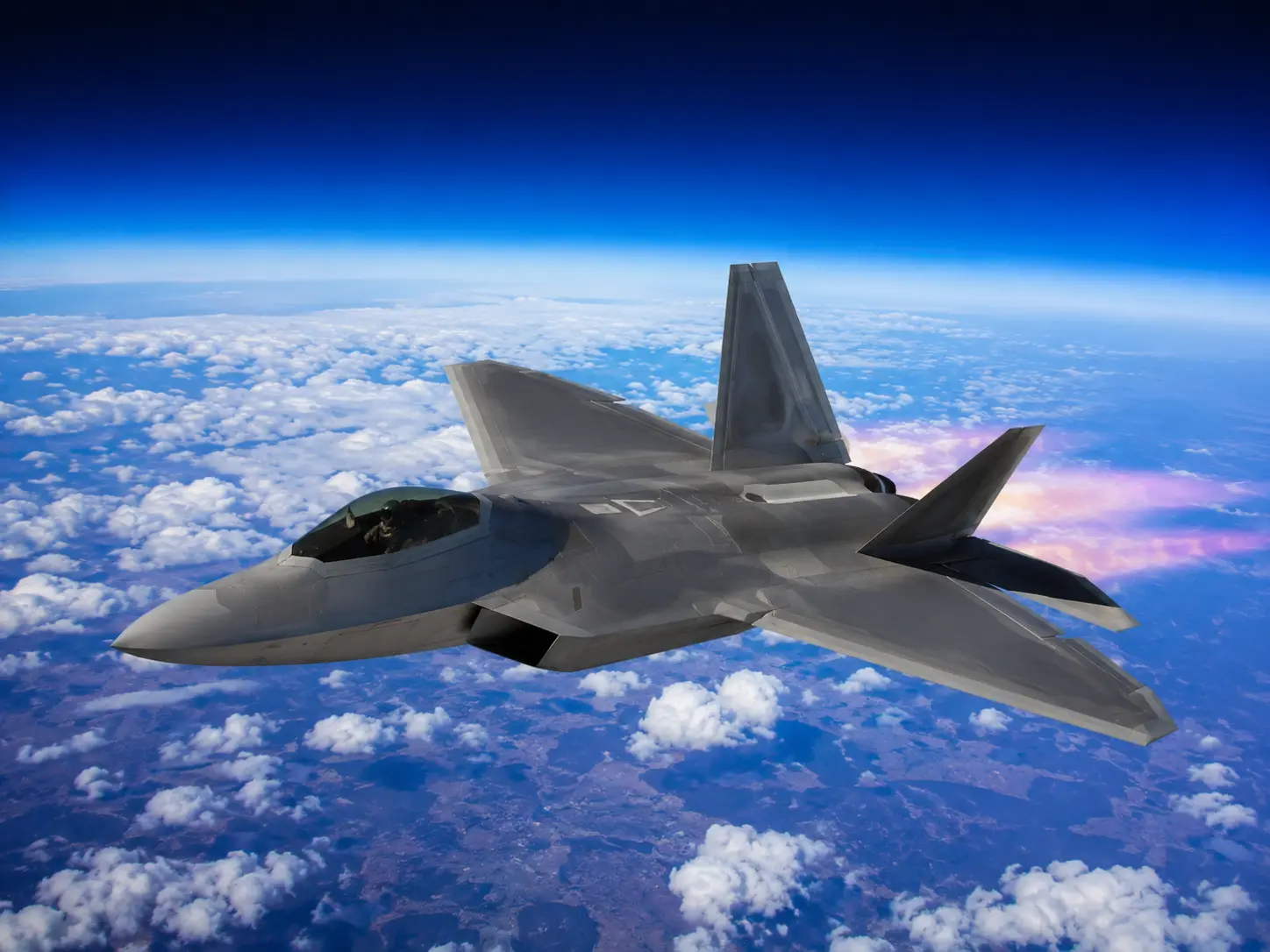
The F-22 Raptor dumps fuel mid-air by jettisoning 600-gallon drop tanks. Detaching the tanks and pylons instantly restores radar stealth and sheds 4,000 pounds.
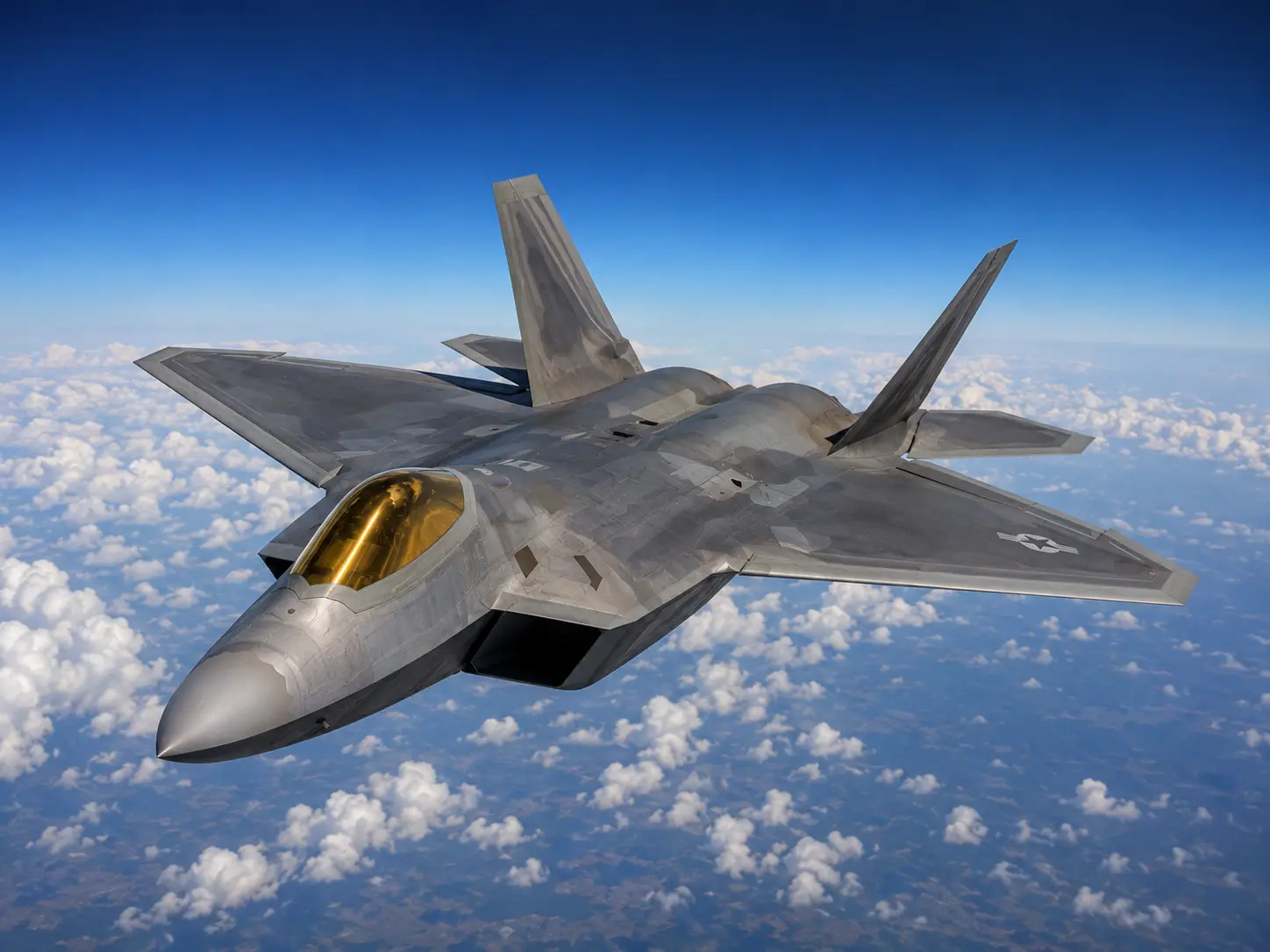
Jettisoning External Fuel Tanks
Unlike heavy commercial airliners that pump liquid fuel through wingtip vents, the F-22 sheds fuel weight by physically dropping its external fuel tanks. The stealth aircraft carries up to four 600-gallon drop tanks under its wings during long ferry flights. When entering combat or managing an in-flight emergency, the pilot presses a cockpit control to release these heavy stores into the air.
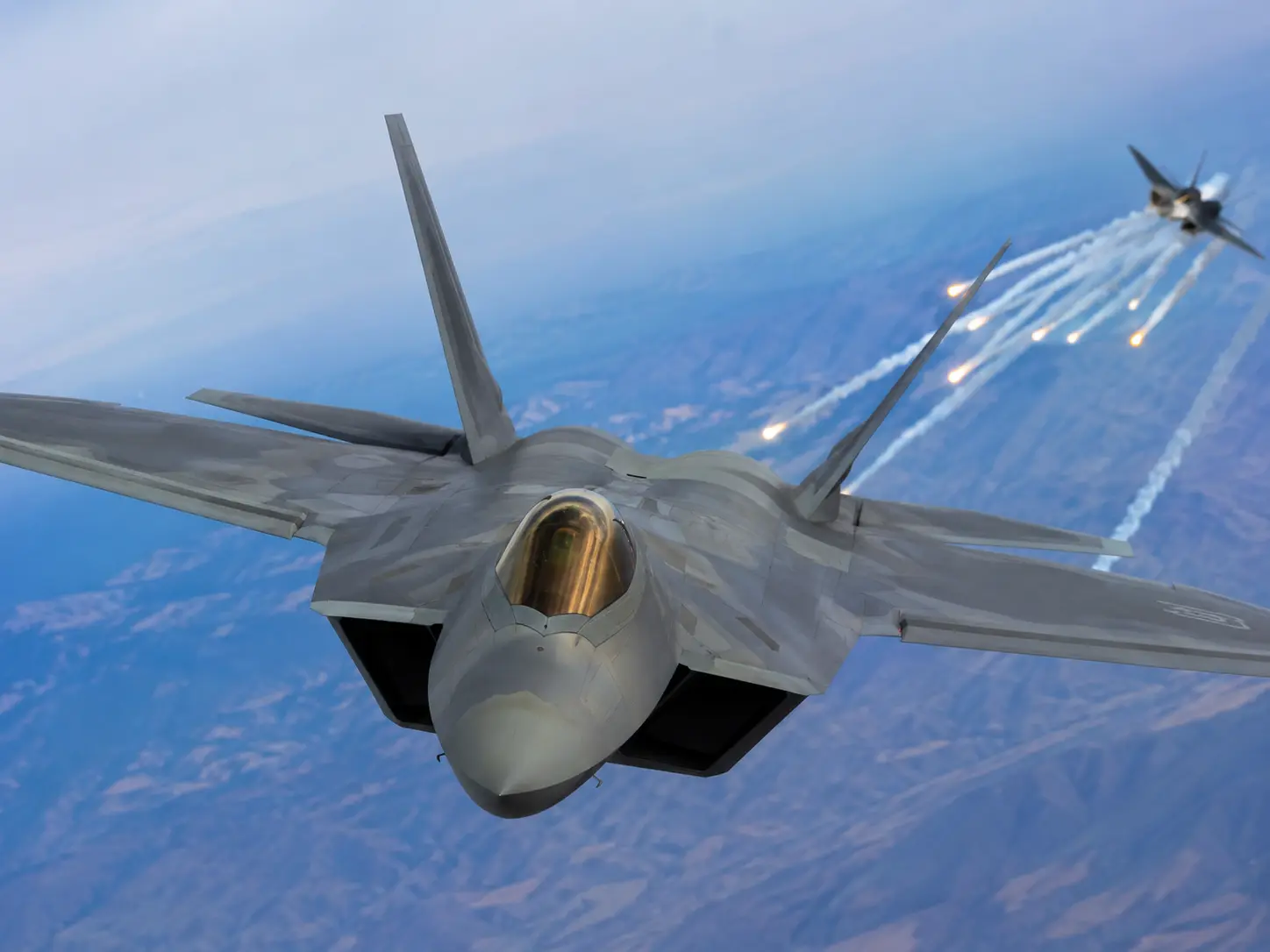
Shedding 4,000 Pounds Instantly
Each external drop tank holds roughly 600 gallons of aviation fuel, adding nearly 4,000 pounds of weight to the aircraft. Carrying this extra load significantly reduces combat manoeuvrability and increases aerodynamic drag. Dropping the tanks allows the fighter jet to shed thousands of pounds instantly, ensuring safe landing weights and restoring maximum engine acceleration.
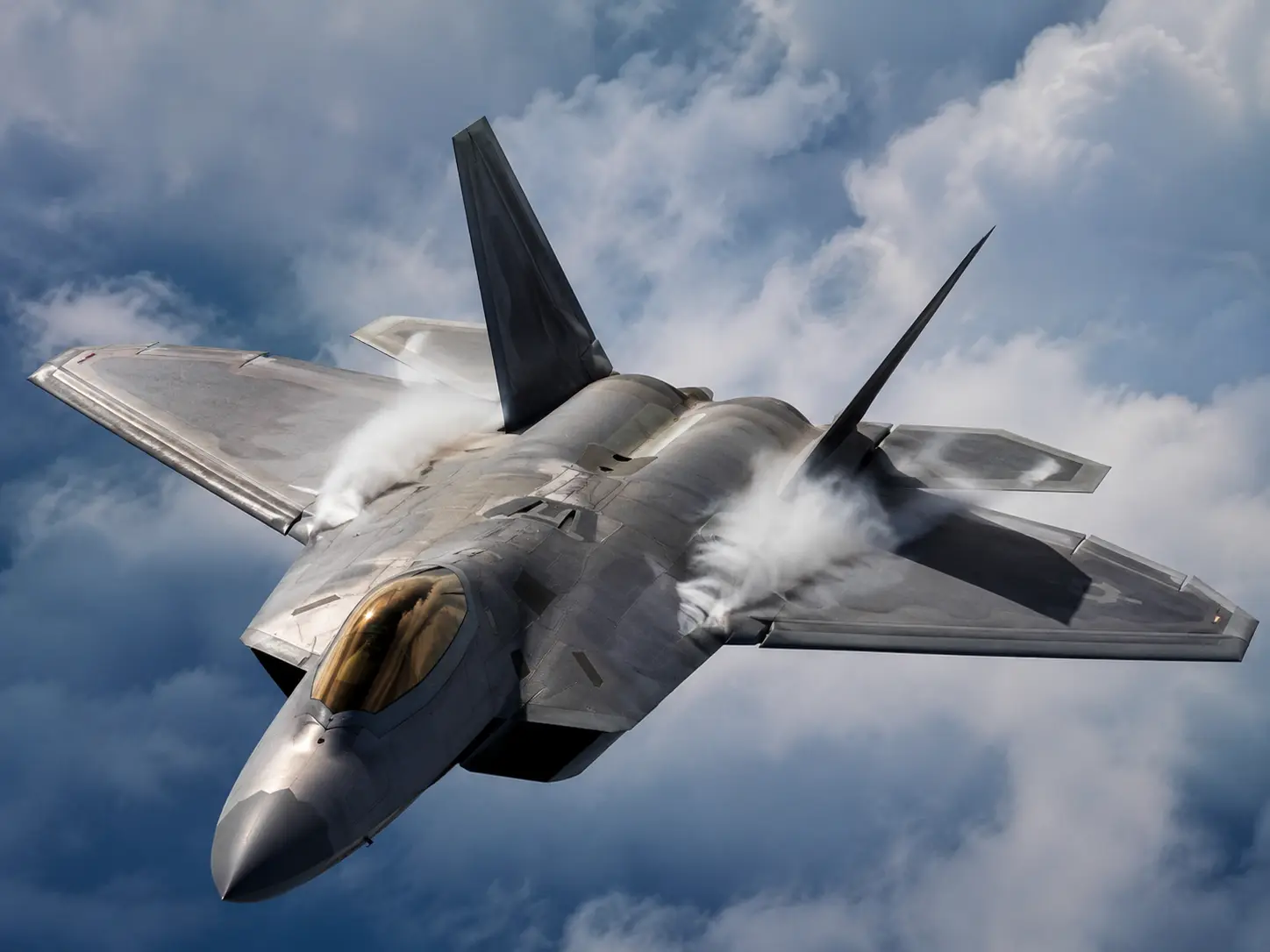
Shedding The Wing Pylons
Conventional fighter jets drop empty fuel tanks but leave the metal mounting pylons bolted to the underside of the wings. Because these hanging structures ruin the aircraft's stealth profile, the F-22 relies on a two-stage release system. Once the tanks are clear, the pilot triggers a dedicated cockpit switch to jettison the empty pylons, leaving a perfectly flush wing surface.
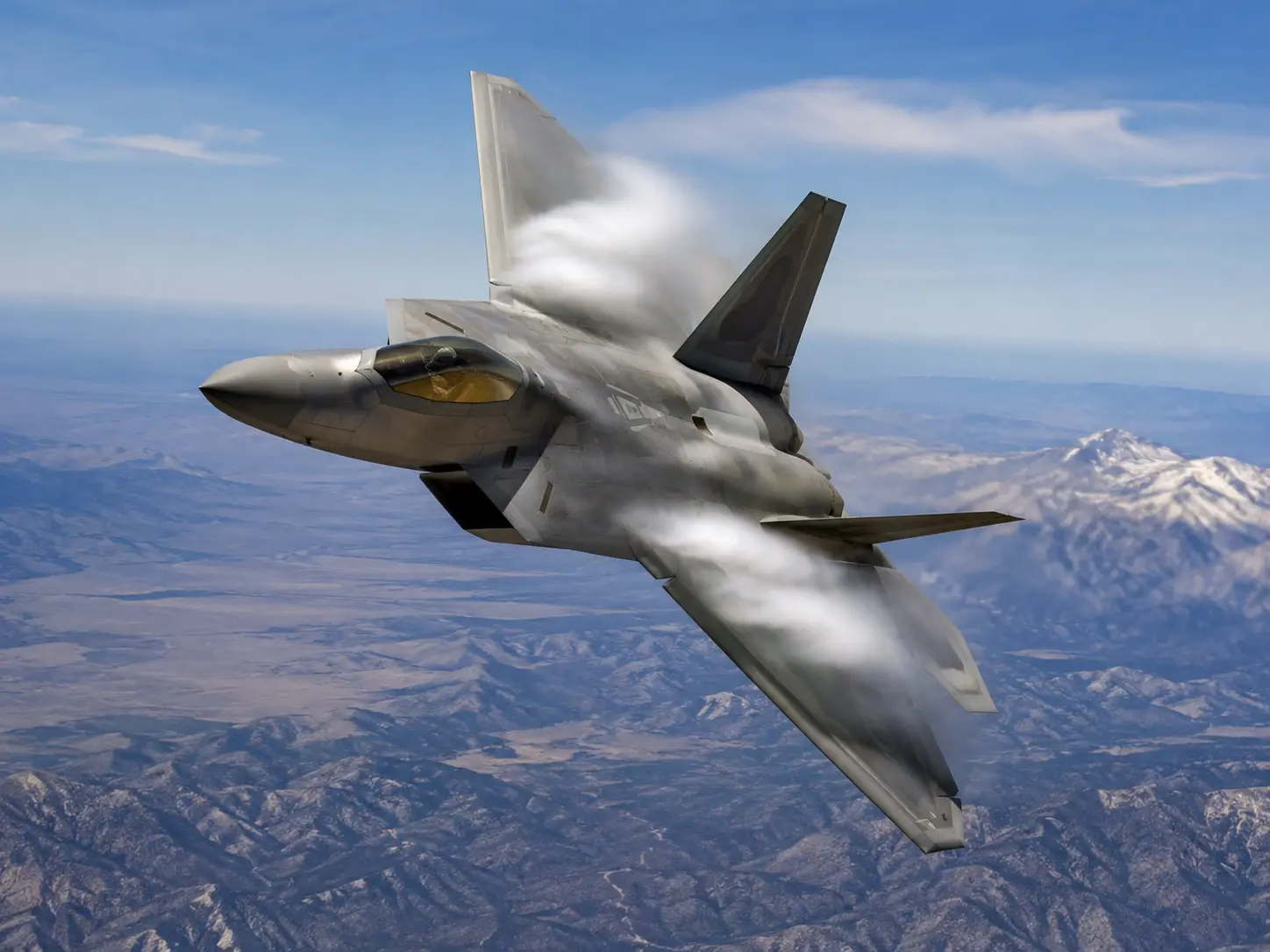
Restoring Invisible Radar Stealth
External fuel tanks and hanging pylons act like giant mirrors that reflect hostile radar waves back to enemy air defence networks. Jettisoning the entire assembly eliminates these exterior radar reflectors in a fraction of a second. This rapid detachment instantly restores the low-observable profile of the combat jet, keeping the aircraft hidden from enemy tracking screens.
Eliminating Internal Dump Valves
United States Air Force land-based fighters like the F-22 and F-16 do not carry internal liquid fuel dumping systems. Installing complex plumbing and pumping valves inside the airframe would add unnecessary weight and take up valuable space needed for internal weaponry. Physically releasing external fuel stores provides a much safer and faster way to shed surplus fuel.
)
)
)
)
)