How the F-22 detects threats before they even get close

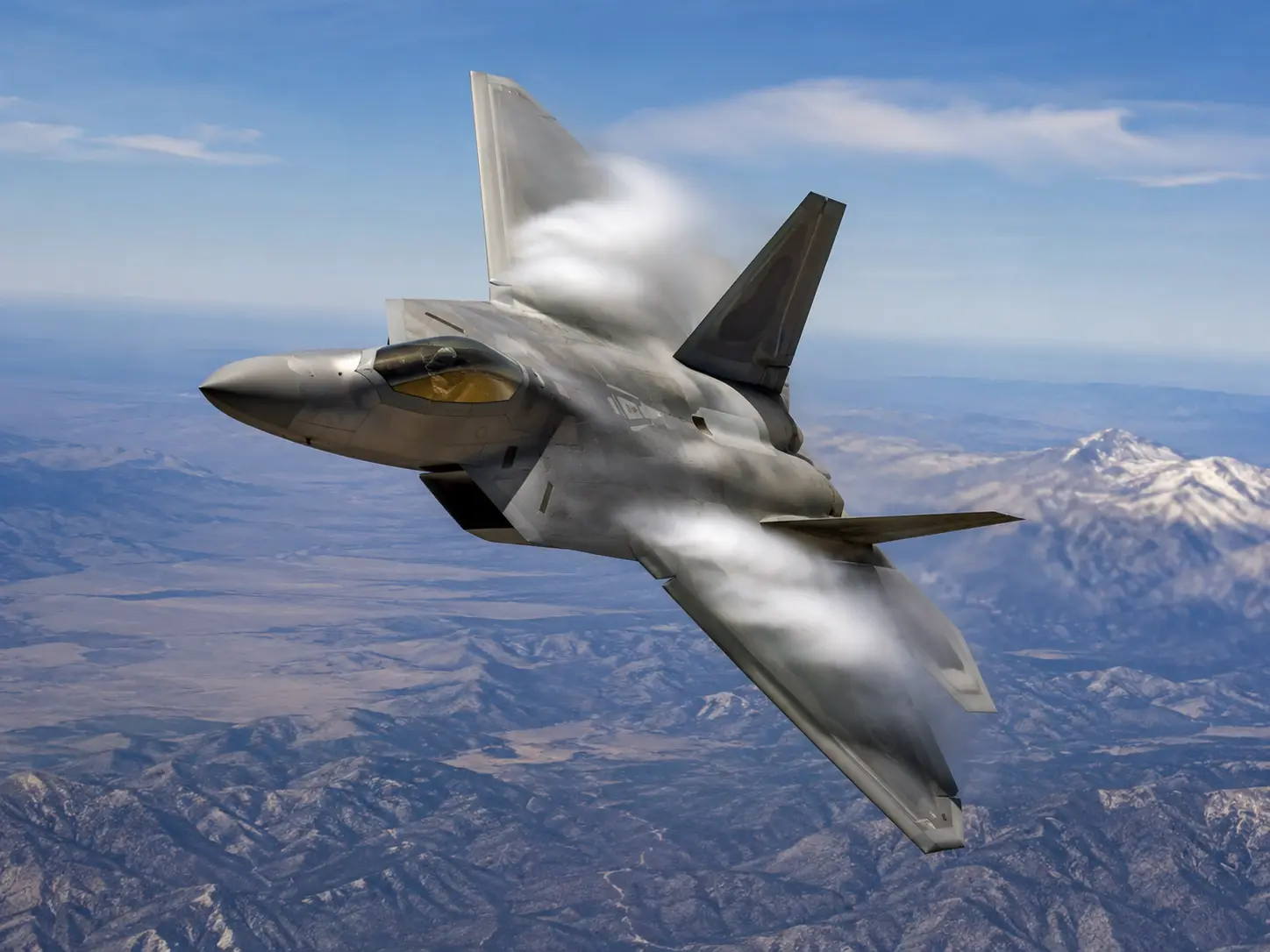
The F-22 Raptor detects long-range threats early using a 240km active radar system combined with passive sensors that track enemy signals from 460km away without revealing its position.
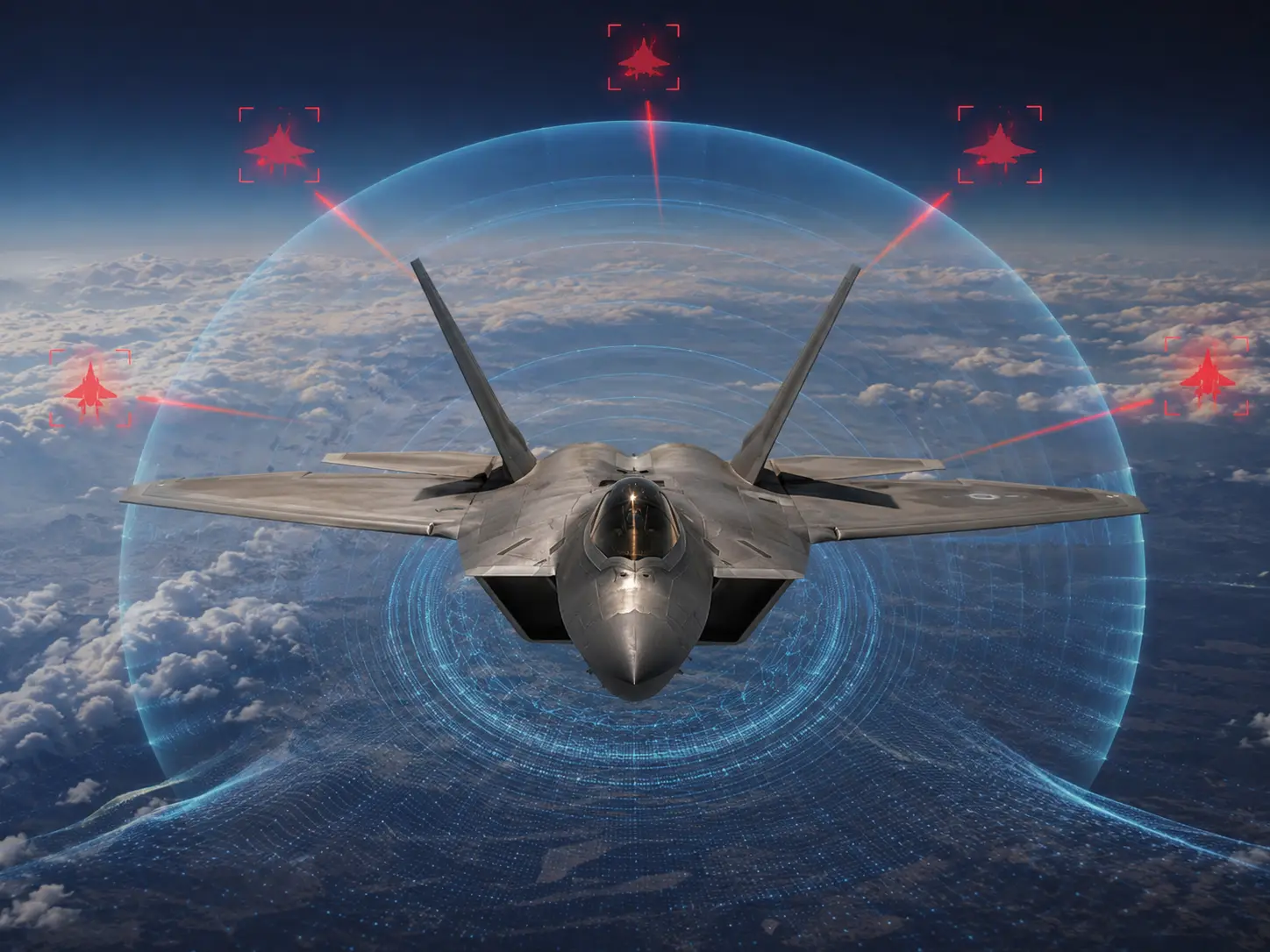
2,000 Active Transmit Modules
The F-22 utilises the advanced AN/APG-77 active electronically scanned array radar system to track multiple aerial targets simultaneously. This main radar array features nearly 2,000 transmitter modules that guide narrow electronic beams across the sky in fractions of a second. The system provides precise target tracking at ranges well exceeding 240 kilometres.
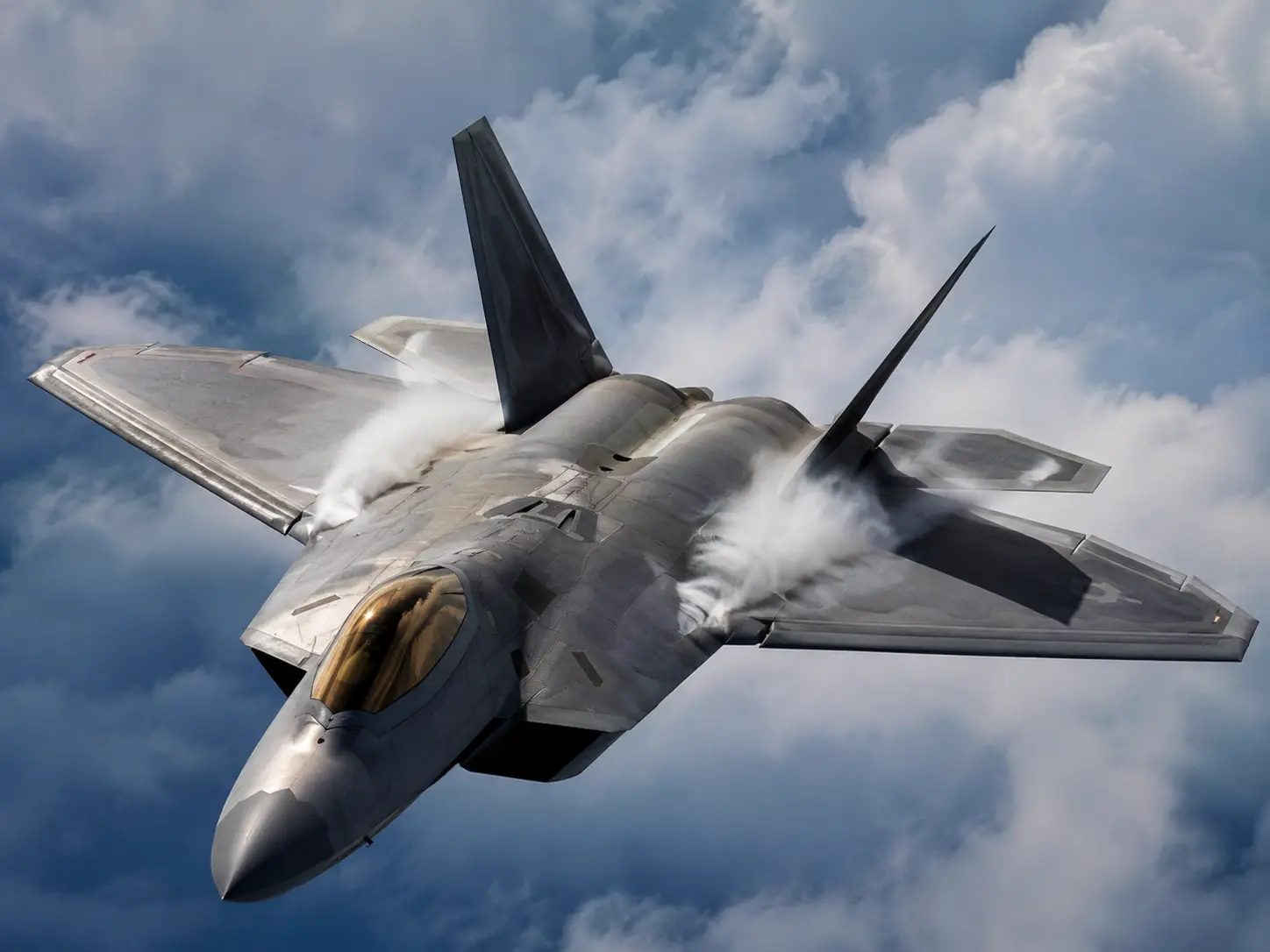
460km Passive Target Tracking
The fighter jet uses the highly sophisticated AN/ALR-94 passive receiver mechanism to detect enemy emissions from over 460 kilometres away. This defensive suite consists of more than 30 individual antennas seamlessly embedded into the wings and fuselage skin. It collects electronic signals passively, tracking adversaries without emitting a single trace signal.
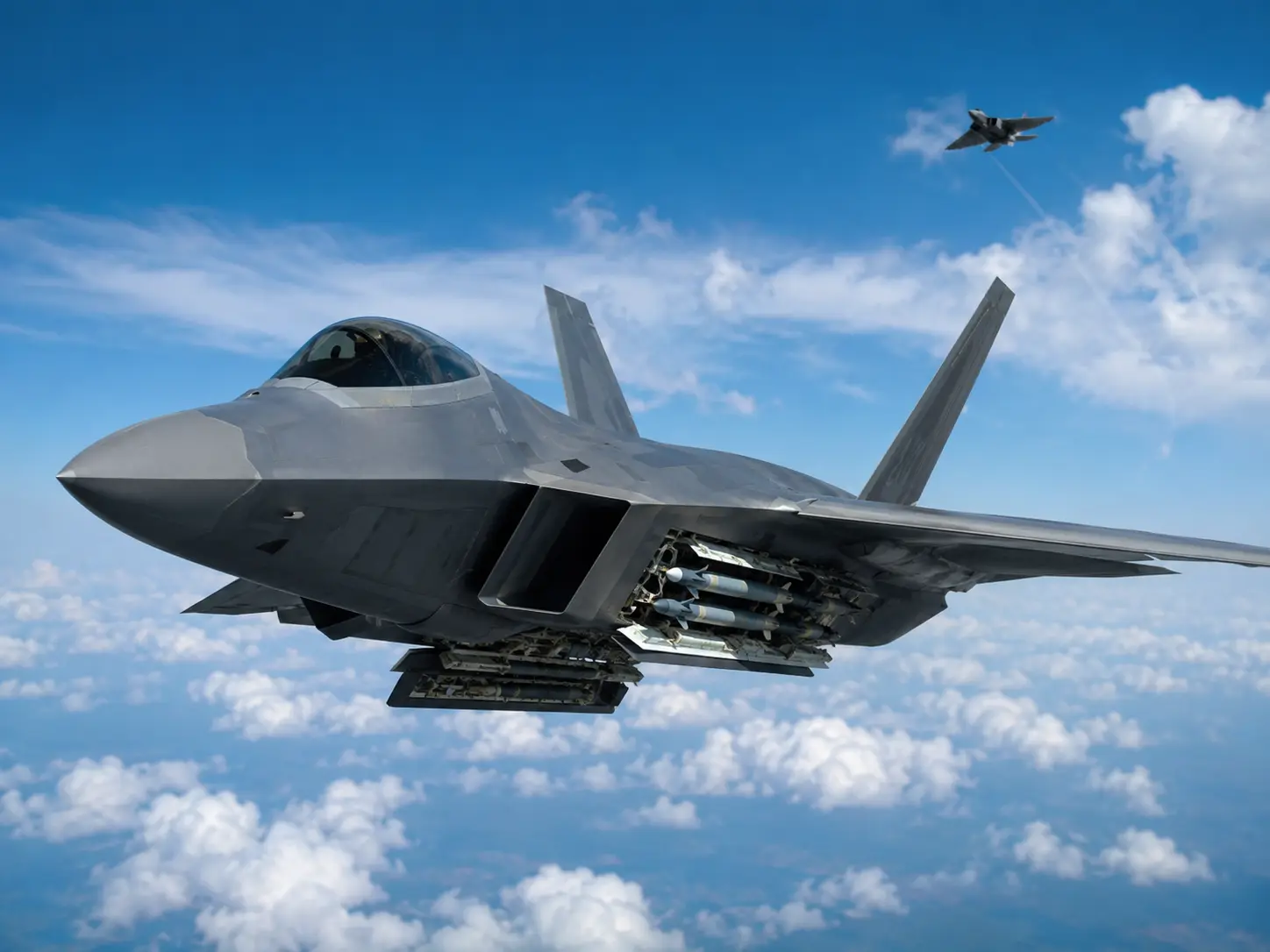
1 Central Processing System
Raw tracking data from the radar, passive warning receivers, and missile alerts are constantly funnelled into a central common integrated processor. This computing core cross-references every piece of incoming signal data to filter out static background noise. It provides the pilot with a single consolidated view of all airspace threats.
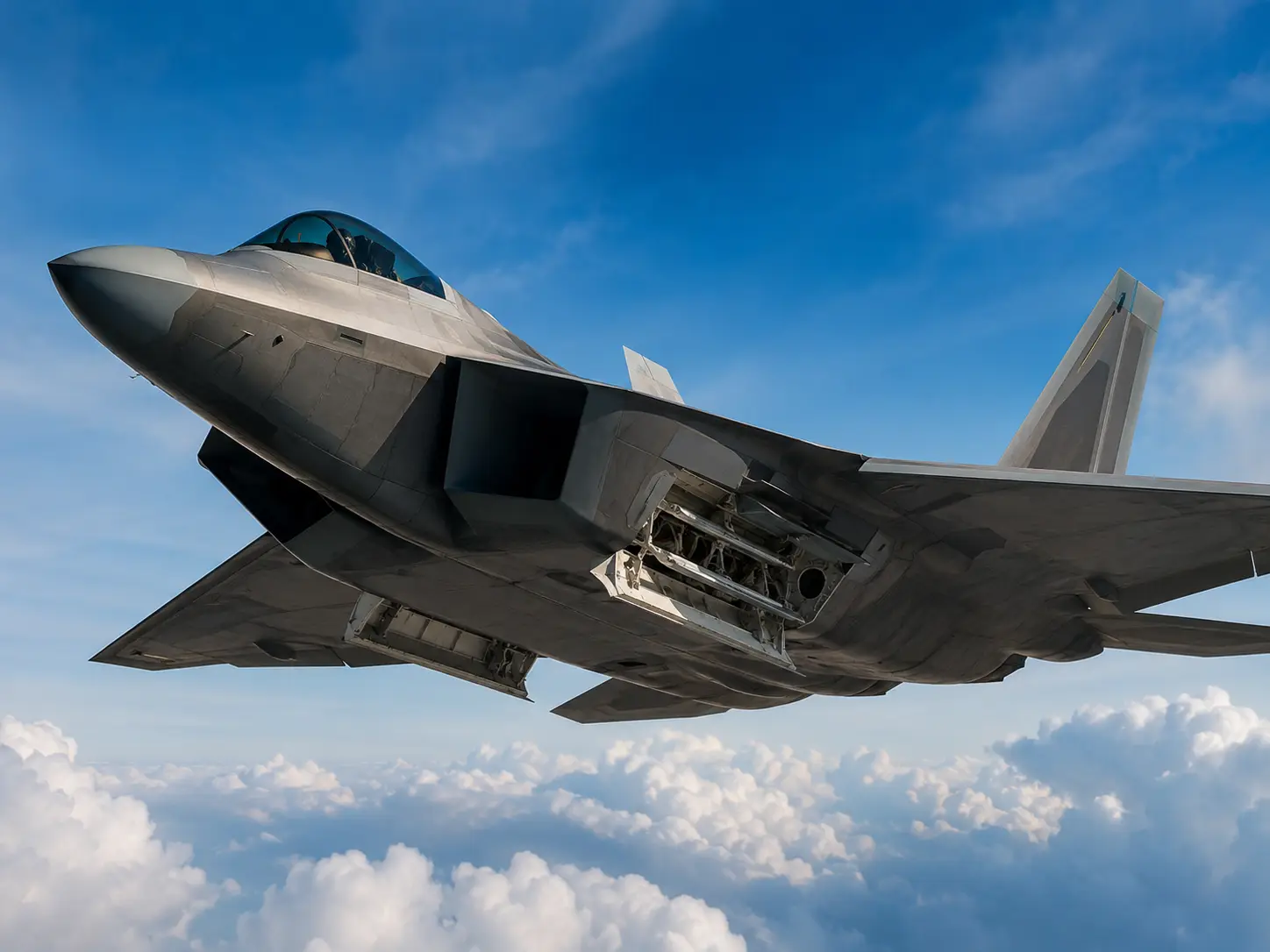
100 Per Cent Frequency Shifts
Conventional radar tracking often alerts enemy electronic sensors, but the Raptor bypasses this vulnerability with a low probability of intercept system. The onboard computer shifts the active radar frequencies more than 1,000 times every second. These rapid changes prevent enemy defense systems from locking onto the transmission source.
4 Jet Direct Data Links
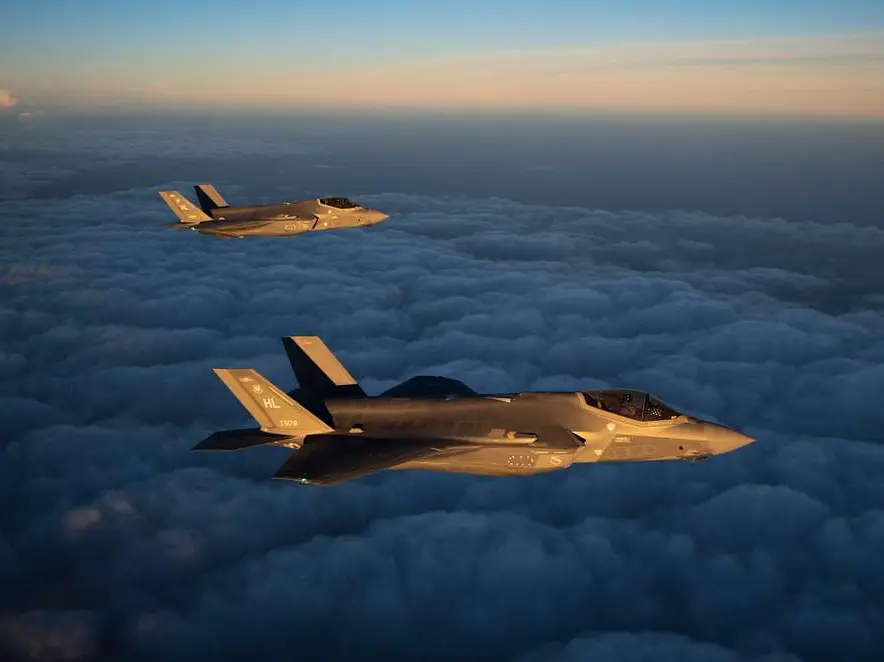
The intra-flight data link system enables groups of up to four Raptors to share their target tracking data completely automatically. One aircraft can fly silently with its radar off while receiving real-time threat positions from another active wingman nearby. This coordination allows the formation to execute surprise intercepts from multiple directions.
)
)
)
)
)