How the F-22 creates its own breathable oxygen out of thin air

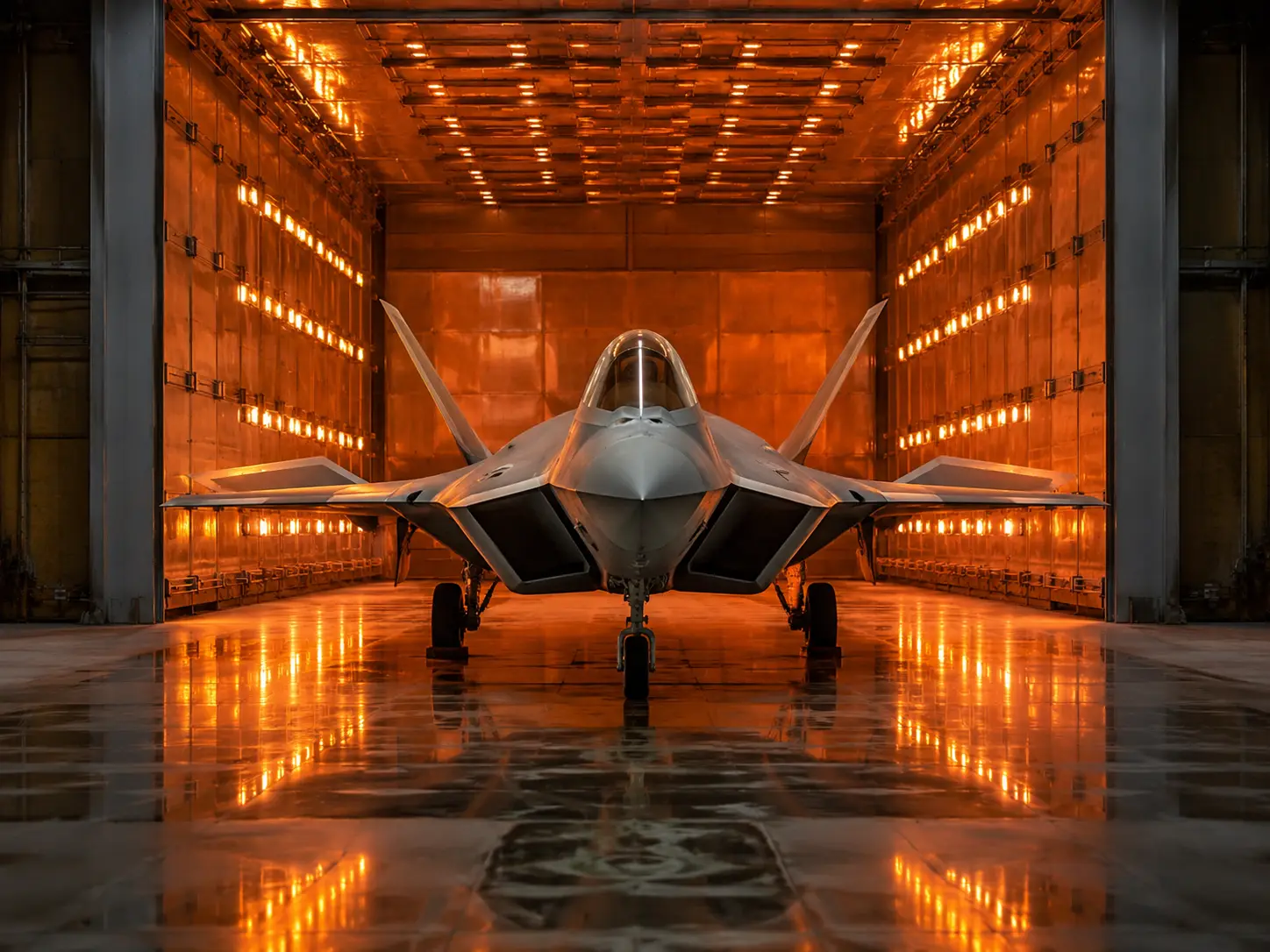
Lockheed Martin F-22 raptors eliminate heavy oxygen tanks using an on-board generator. The $143 million fighter siphons engine bleed air and filters out nitrogen to supply endless pilot oxygen.
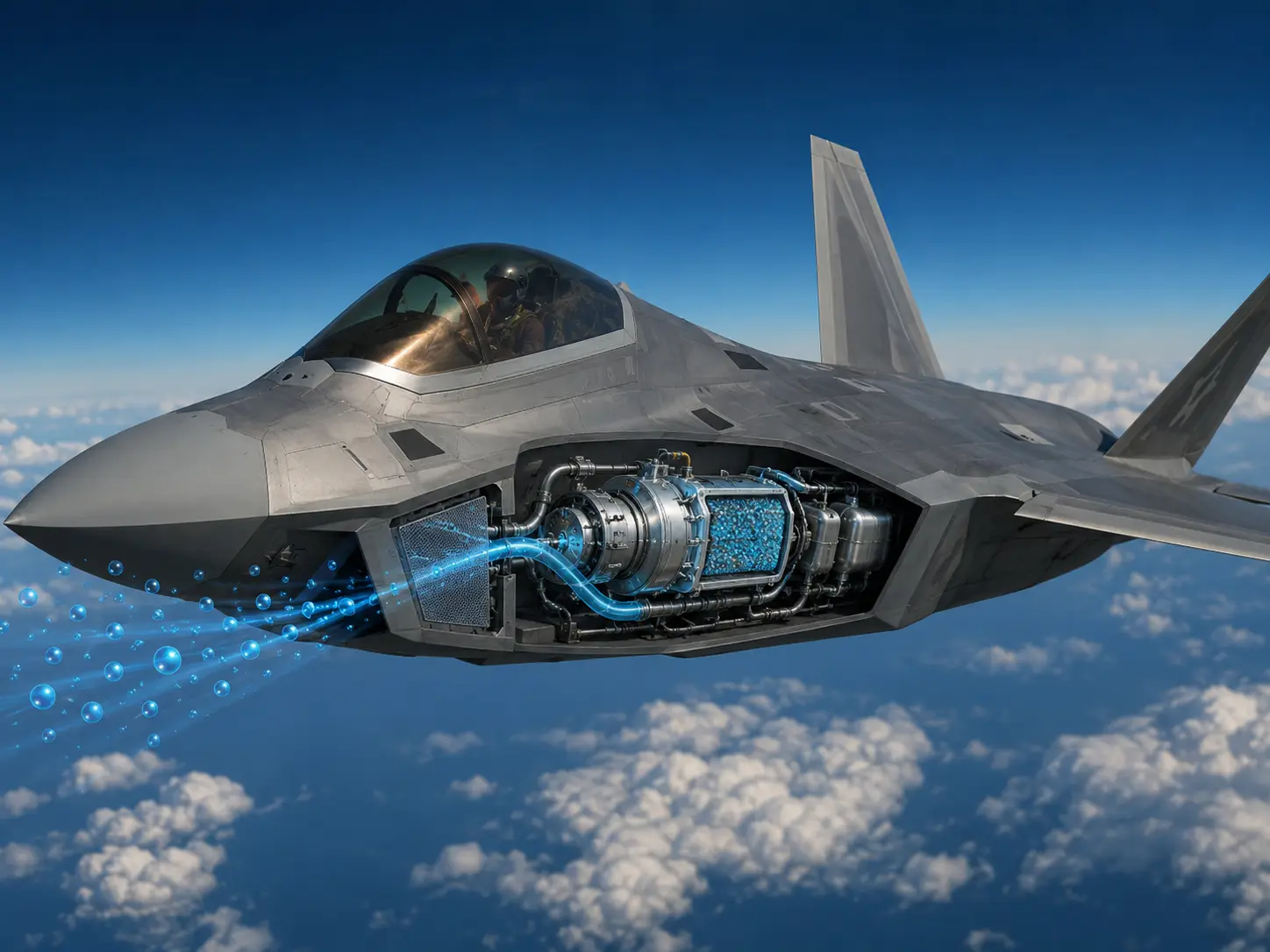
Tapping 2 jet engines
The $143 million F-22 raptor does not carry heavy liquid oxygen tanks, which add weight and restrict flight duration. Instead, its life support system continuously diverts hot, high-pressure bleed air from the compressor stages of its twin Pratt & Whitney F119 turbofan engines. This compressed engine air provides the foundational atmospheric pressure required to sustain the pilot inside the cockpit.
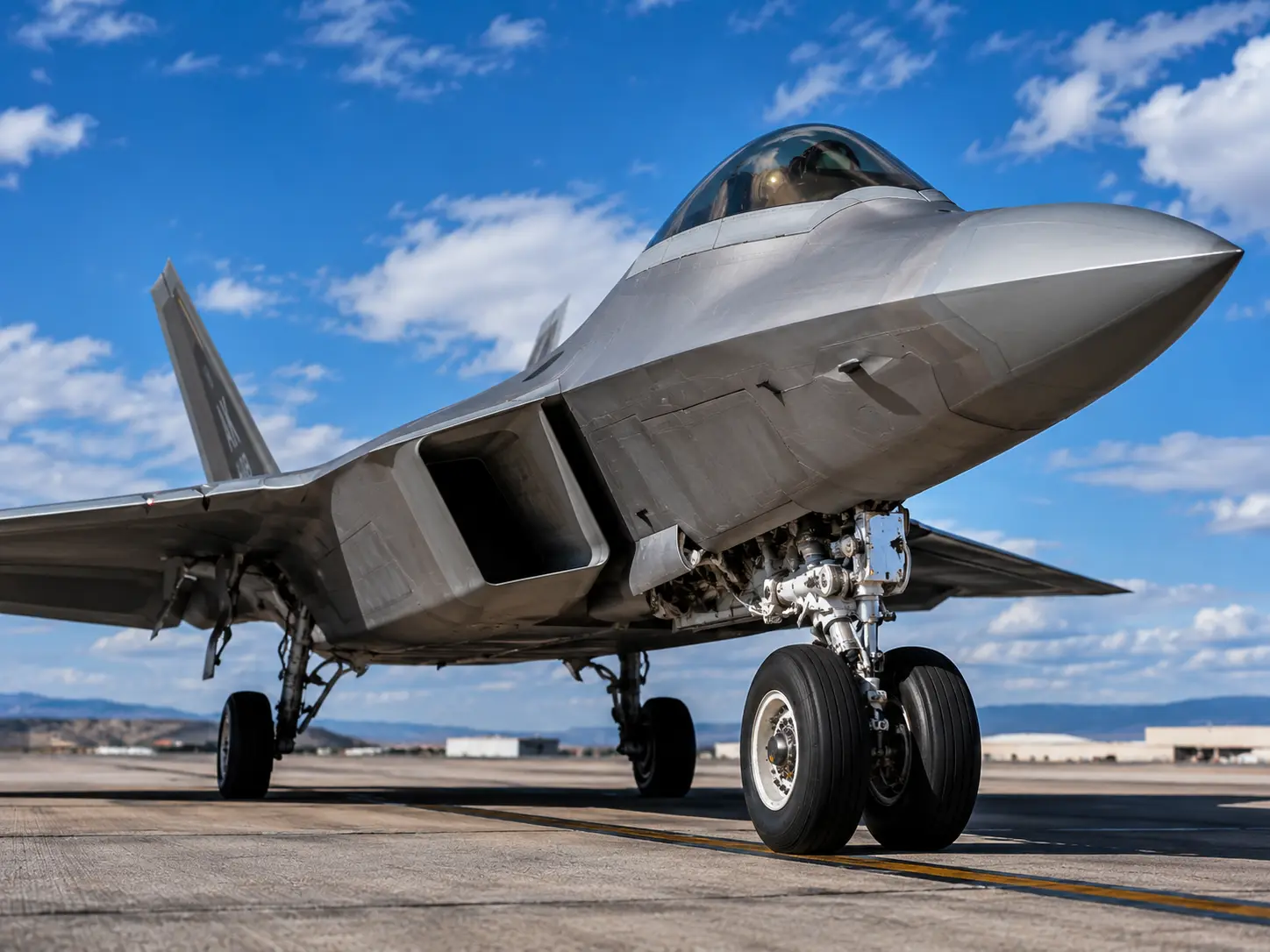
Cooling 400°C bleed air
Raw bleed air extracted from the jet engines is blistering hot, often exceeding 400°C, making it impossible to breathe directly. The fighter jet routes this superheated gas through complex primary and secondary heat exchangers to slash the temperature in milliseconds. Once cooled and regulated for safe pressure, the conditioned air flows into the aircraft's gas separation unit.
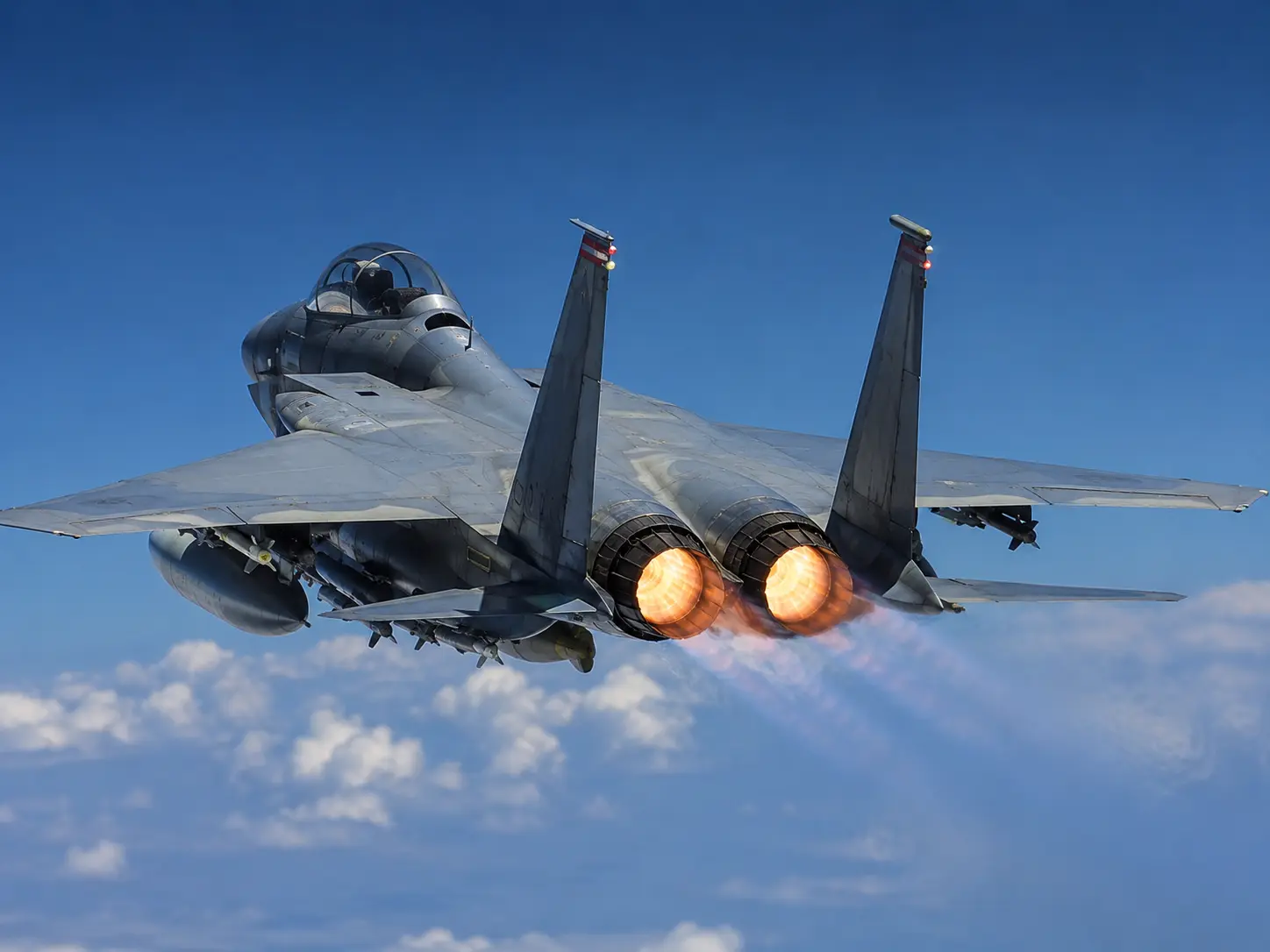
Trapping 78% nitrogen gas
The cooled air enters the On-Board Oxygen Generation System, which operates on a chemical process known as pressure swing adsorption. The gas is pushed through two canisters packed with porous synthetic zeolite molecular sieves. Under high pressure, these crystalline sieves selectively trap atmospheric nitrogen molecules, which make up 78 per cent of normal air, while allowing oxygen to pass.
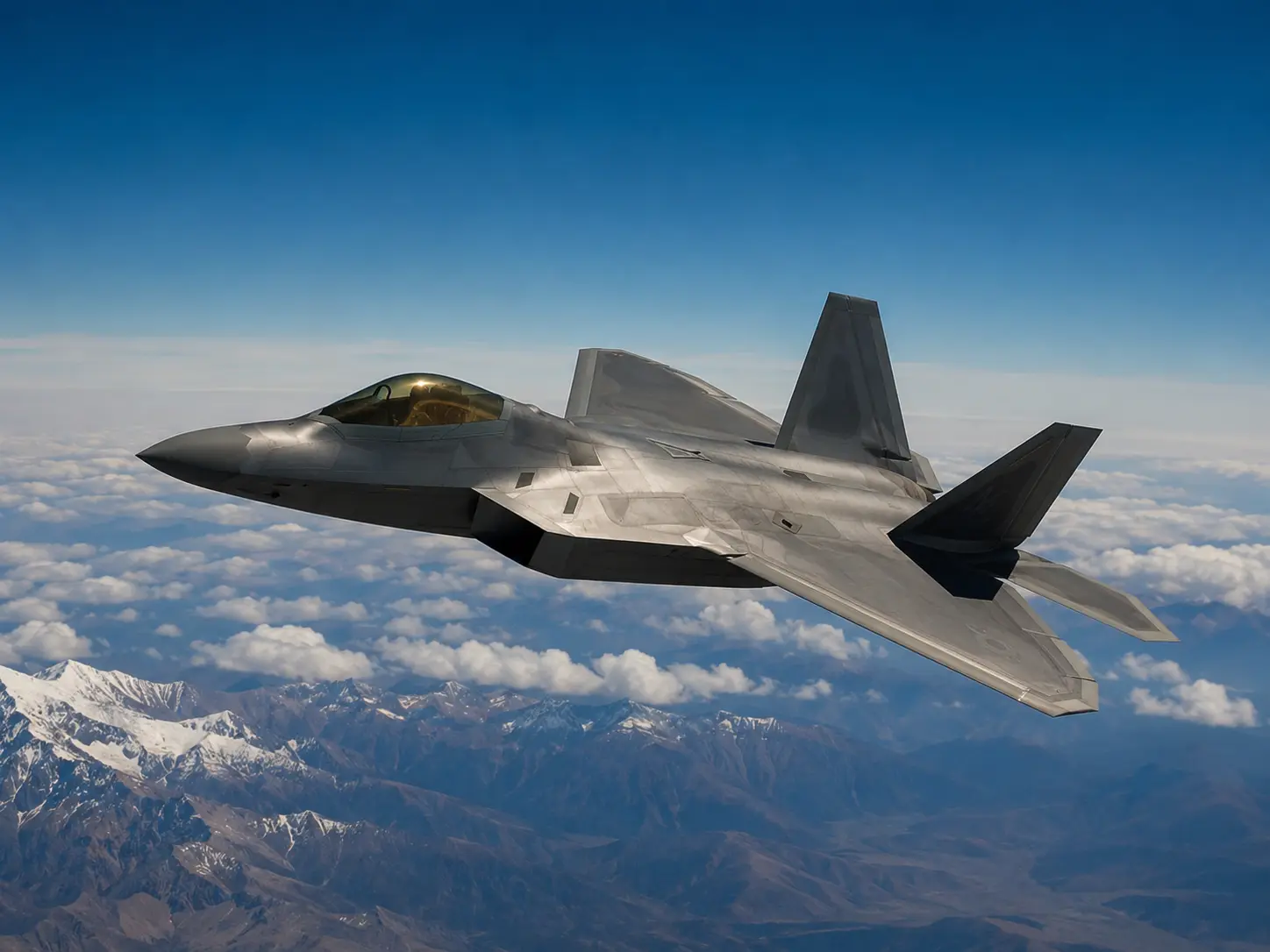
Pumping 94% pure oxygen
By continuously stripping away trapped nitrogen and venting it overboard during pressure cycles, the system concentrates the remaining gas into a breathable supply. The final output delivered to the pilot's breathing mask reaches 93 to 94 per cent pure oxygen, mixed with harmless argon. This automated cycle guarantees a limitless breathing supply as long as the engines operate.
Holding 10 minutes backup
Tactical fighter jets fly at extreme altitudes where a sudden life support malfunction could cause unconsciousness within seconds. To protect the pilot during rapid cabin decompression or primary generator failure, the aircraft features an emergency oxygen cylinder mounted on the ejection seat. This pressurised backup bottle supplies roughly 10 minutes of pure oxygen, allowing a safe descent.
)
)
)
)
)