How the F-22 climbs into the sky at 62,000 feet per minute

The F-22 Raptor ascends at 62,000 feet per minute using 70,000 pounds of afterburning turbofan thrust. A 1.25 thrust-to-weight ratio and 20-degree exhaust vectoring push the jet to 65,000 feet.
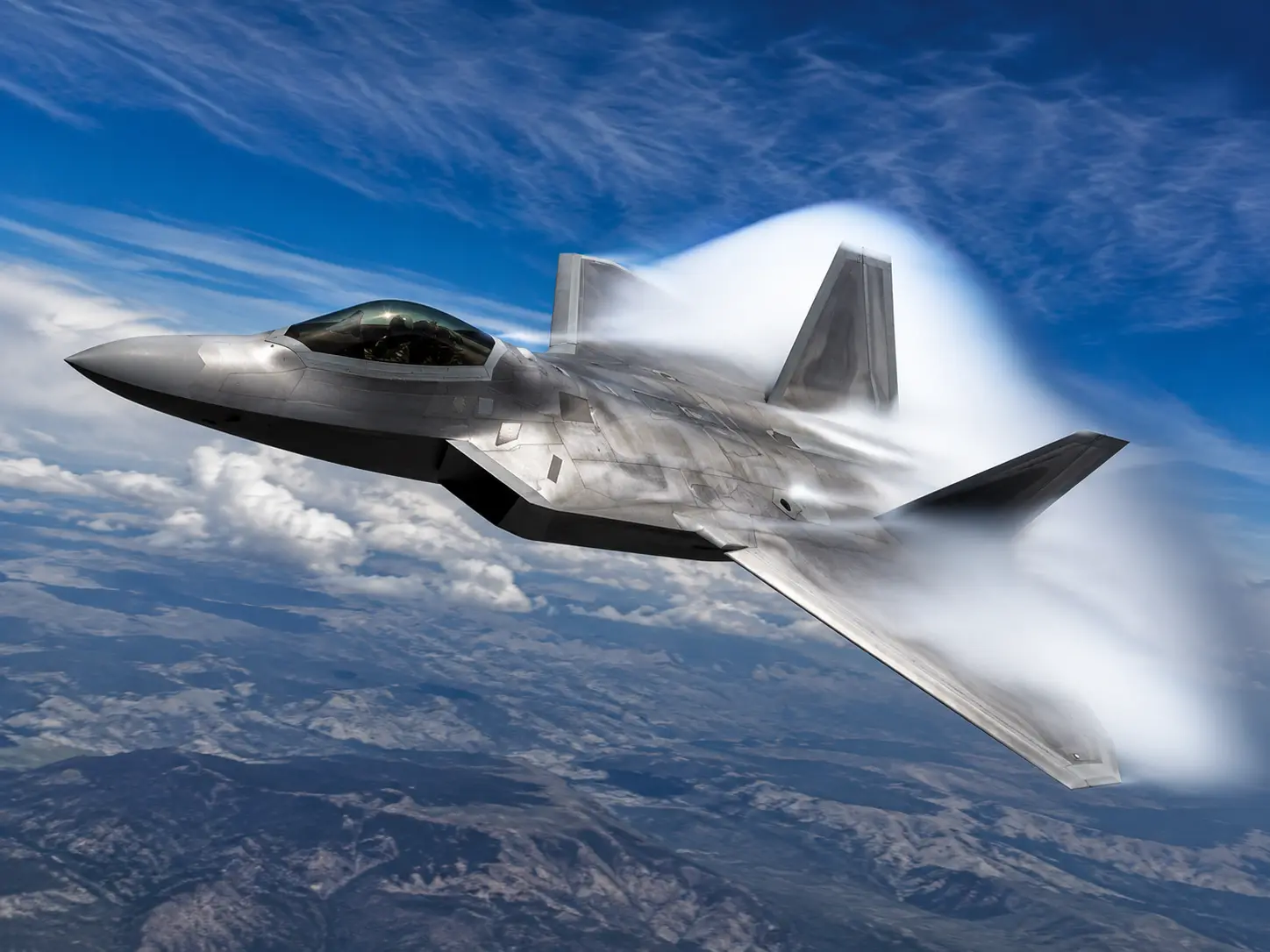
62,000 feet per minute
The F-22 Raptor achieves a maximum rate of climb exceeding 62,000 feet per minute when operating at optimal flight parameters. In aviation mechanics, this figure represents the sustained vertical ascent velocity achieved once the jet accelerates to its ideal climbing airspeed, allowing pilots to reach high-altitude combat zones rapidly.
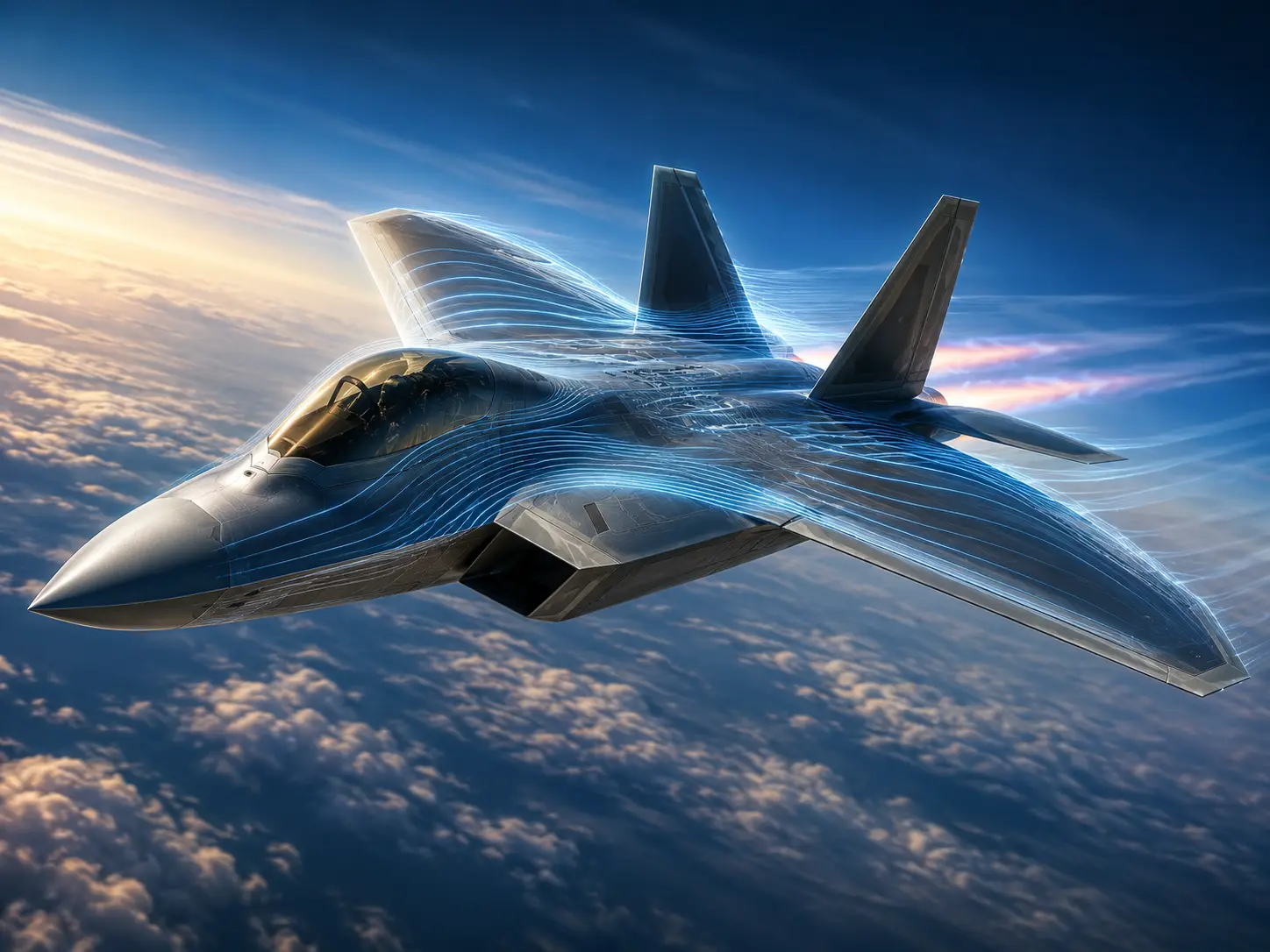
70,000 pounds of thrust
This extreme ascent rate is driven by two Pratt & Whitney F119-PW-100 turbofan jet engines. Each engine produces roughly 35,000 pounds of thrust with the afterburners engaged, generating a combined output of 70,000 pounds of force that easily overcomes aerodynamic drag and the downward pull of gravity during a steep climb.
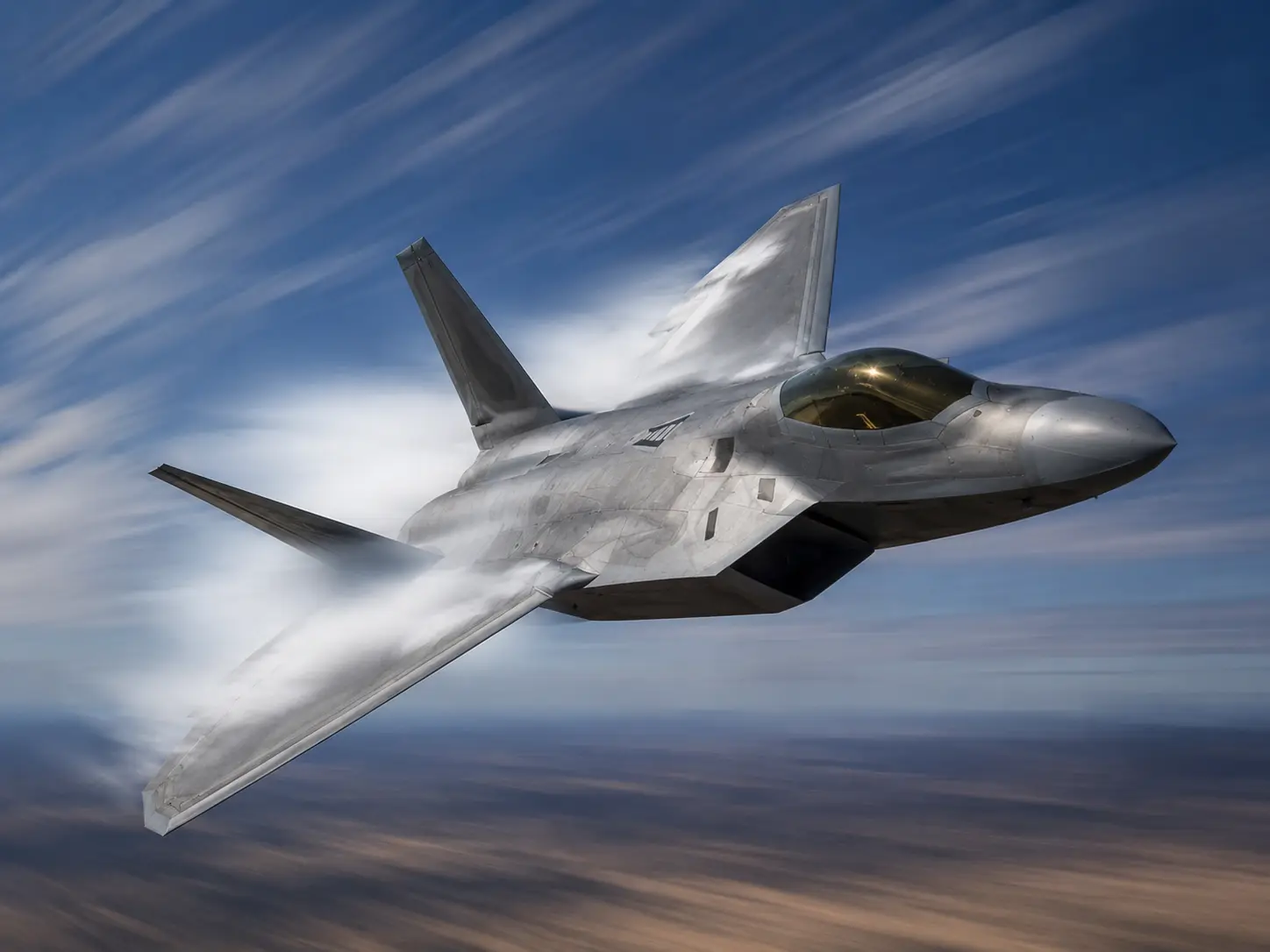
1.25 thrust-to-weight ratio
At standard air-to-air combat weights, the aircraft maintains a thrust-to-weight ratio exceeding 1.25 to 1. Because the total upward engine push is significantly greater than the actual weight of the jet, the Raptor can accelerate vertically without losing kinetic energy or airspeed, easily outclimbing older fixed-wing tactical fighters.
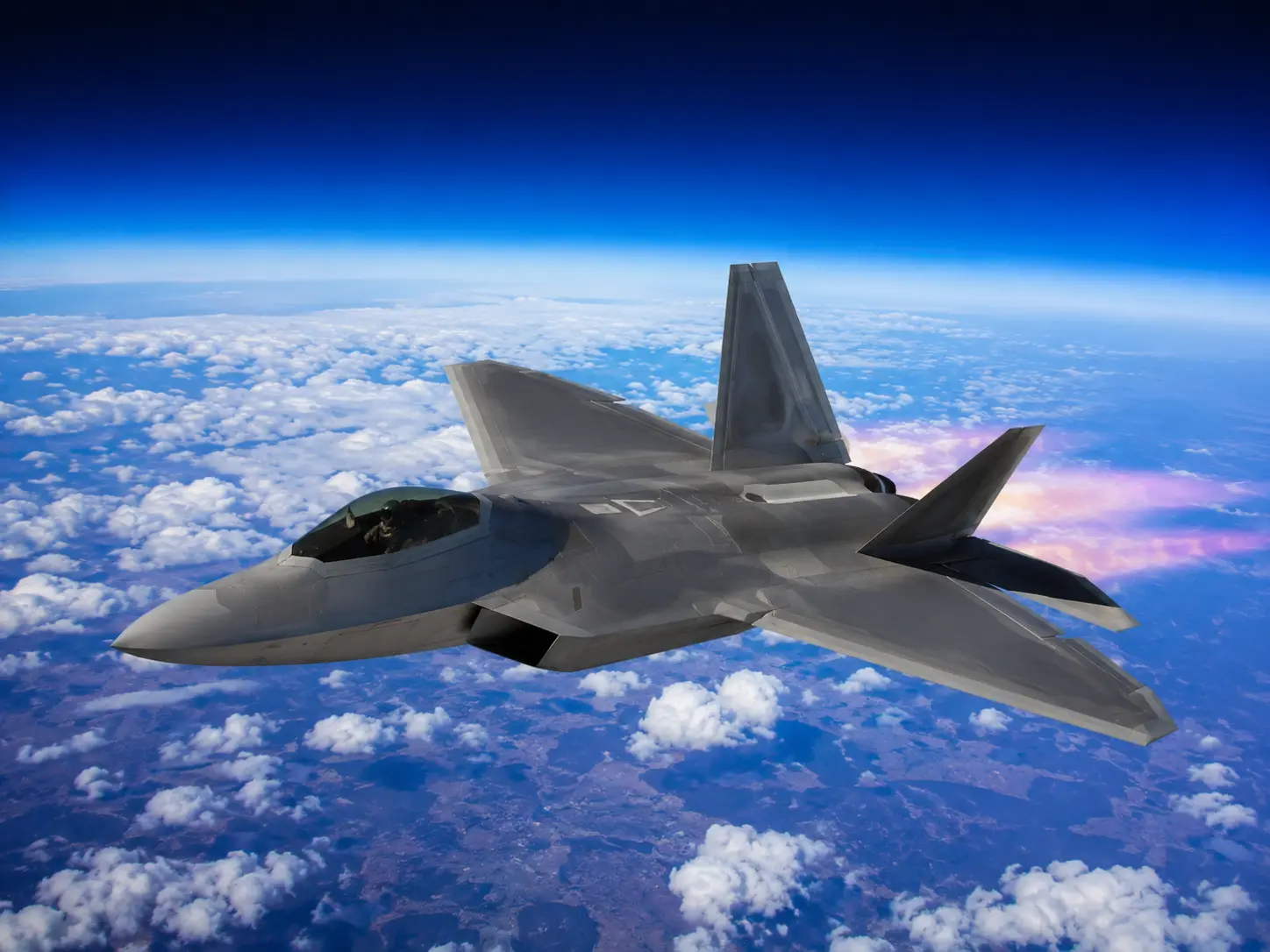
20 degrees thrust vectoring
To maintain absolute control during aggressive ascents, the jet utilises two-dimensional thrust vectoring nozzles. These rear exhaust vents can pivot up or down by 20 degrees, mechanically redirecting the high-pressure engine blast to control the aircraft's pitch and prevent aerodynamic stalling at high angles of attack.
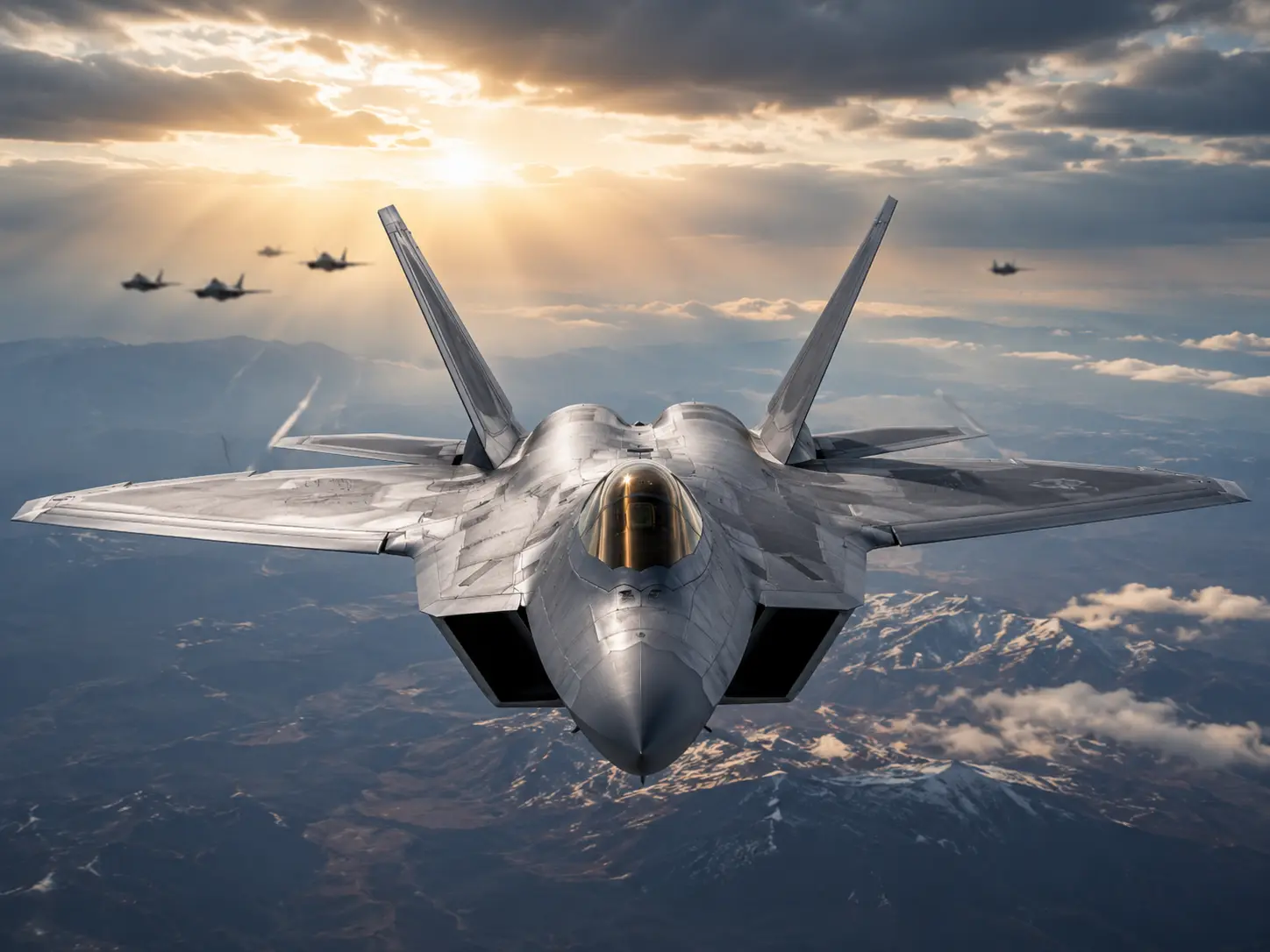
65,000-foot service ceiling
Ascending at this velocity allows the fighter to reach its maximum operational ceiling of roughly 65,000 feet efficiently. Securing high-altitude perches gives pilots a distinct kinetic advantage, as launching air-to-air missiles from the thin air of the upper stratosphere adds significant speed and range to the munitions.
)
)
)
)
)