How the F-22 balances extreme speed with long-range fuel storage

The F-22 Raptor relies on supercruise and internal fuel storage to sustain supersonic speeds above Mach 1.5. By avoiding afterburners, it saves up to 40 per cent fuel at high altitudes.
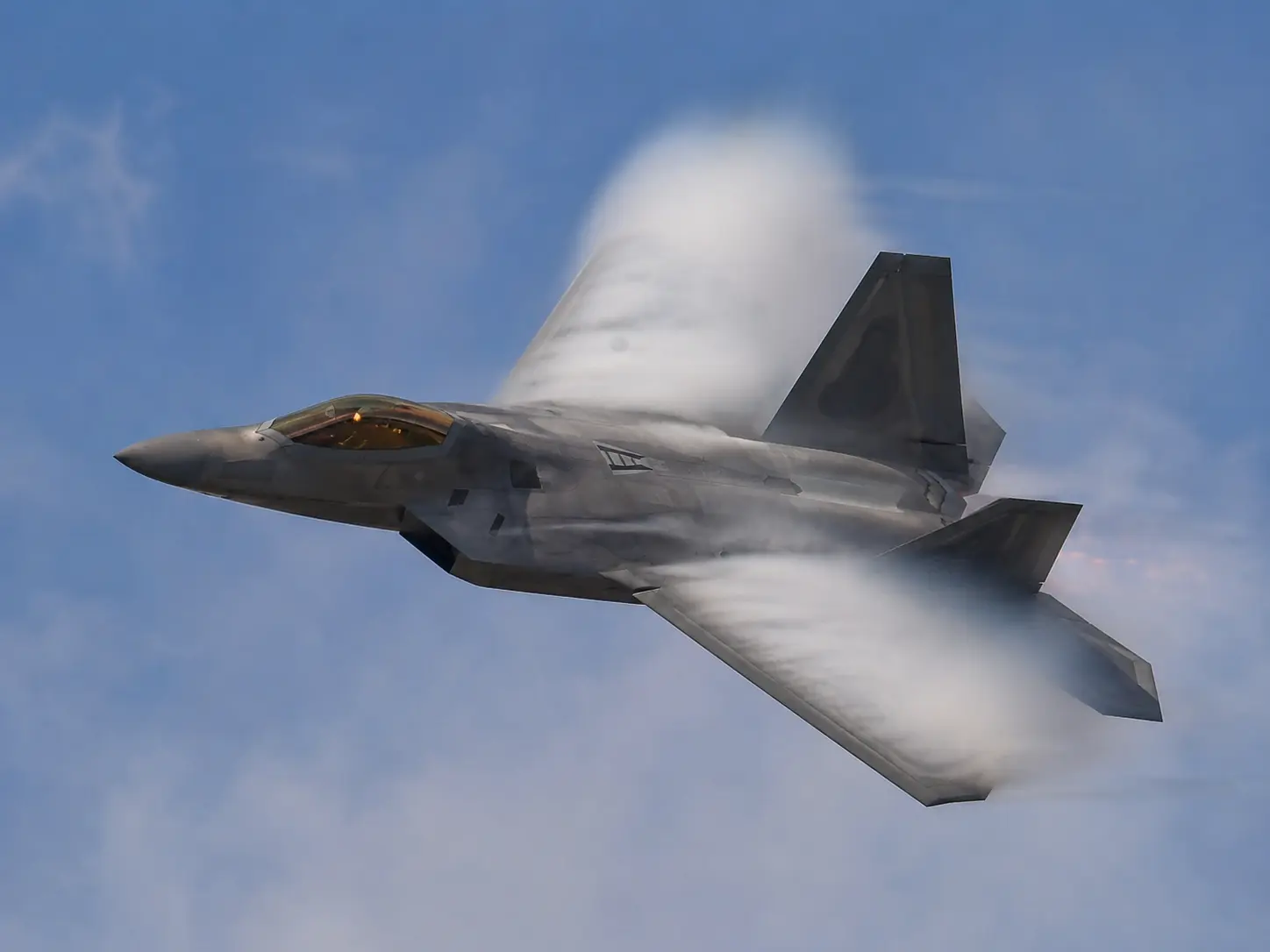
Over Mach 1.5 Speeds
The F-22 Raptor utilizes advanced supercruise technology to sustain supersonic flight exceeding Mach 1.5. It achieves this rapid pace cleanly without ever engaging its fuel-heavy afterburners. This allows the fighter to travel rapidly across long distances while maintaining strict fuel efficiency during complex missions.
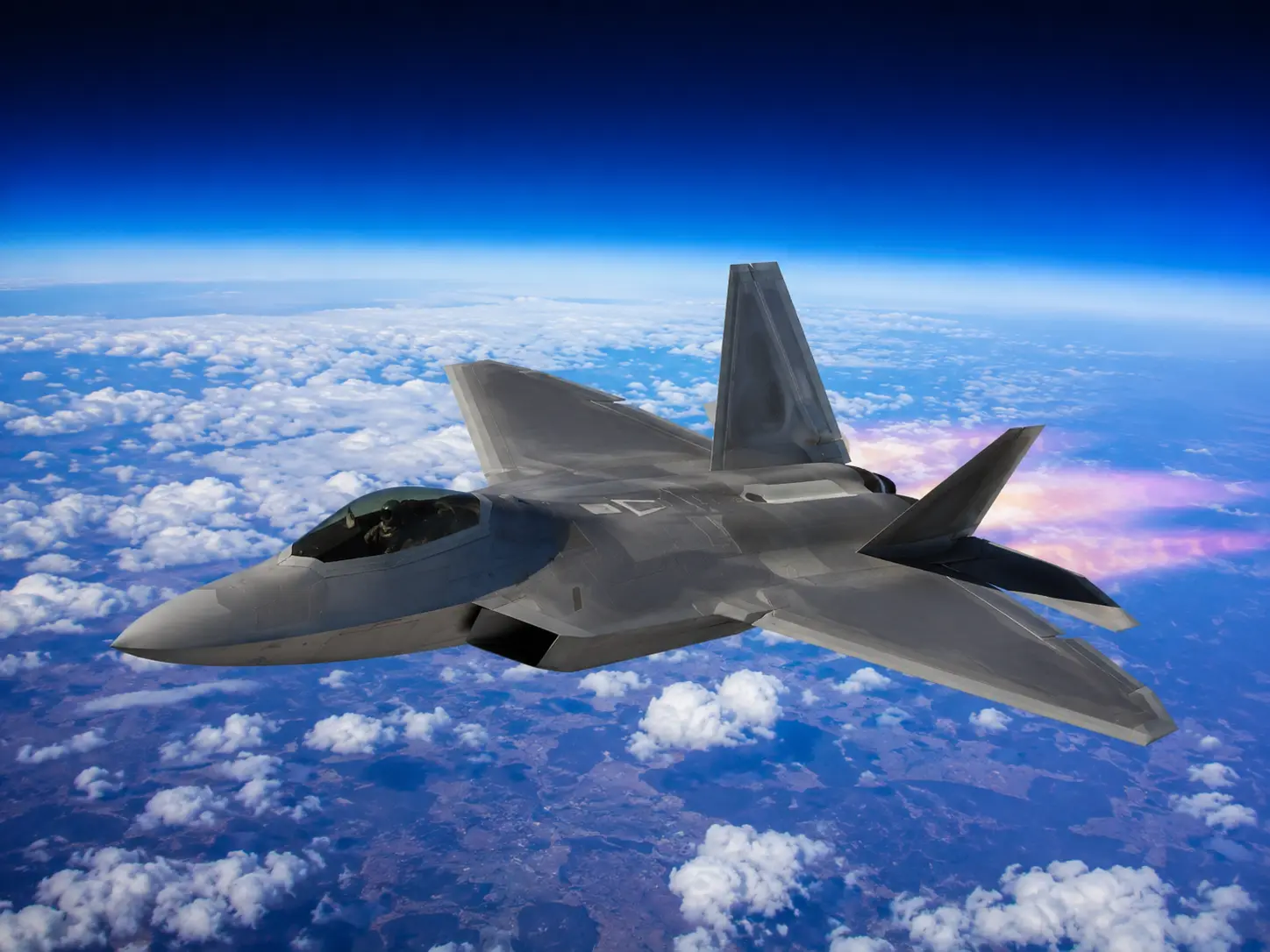
2 Powerful F119 Engines
The aircraft is powered by two Pratt & Whitney F119 turbofan engines delivering massive dry thrust. These units are engineered to maintain supersonic speeds while burning fuel at normal subsonic rates. This prevents the jet from draining its fuel tanks prematurely during high-speed runs.
Saves 40 Per Cent Fuel
Conventional fighter jets must activate their afterburners to stay supersonic, consuming fuel up to three times faster. By relying entirely on supercruise, the F-22 eliminates this extra fuel burn. This allows the stealth aircraft to stay inside hostile territory for significantly longer durations.
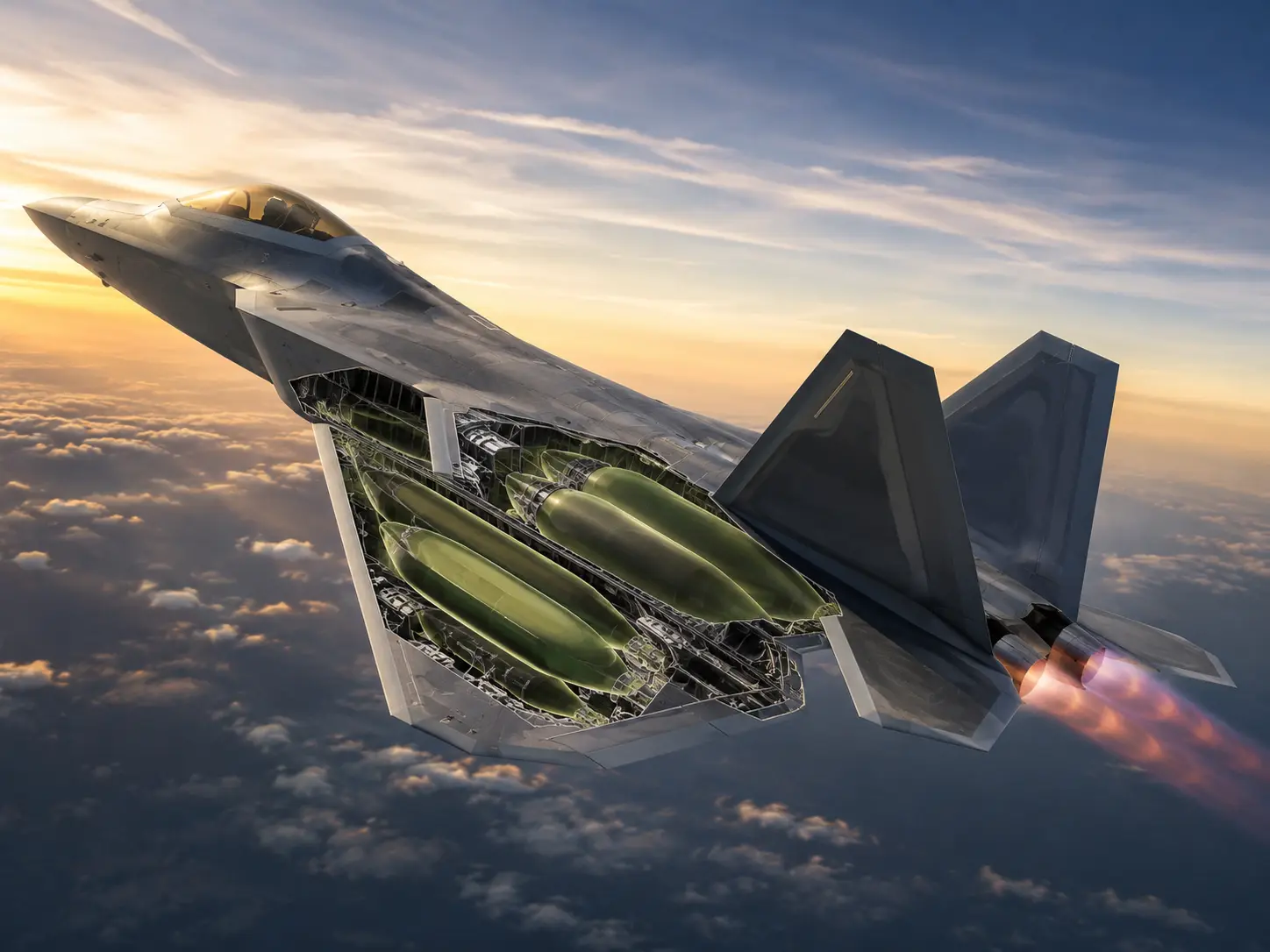
18,000 lbs Fuel Capacity
The stealth fighter carries an impressive 18,000 lbs of fuel entirely inside its fuselage walls. Storing all weapons and fuel internally removes the aerodynamic drag caused by external wing pylons. Lower air resistance ensures the engines do not overwork to keep the jet moving forward.
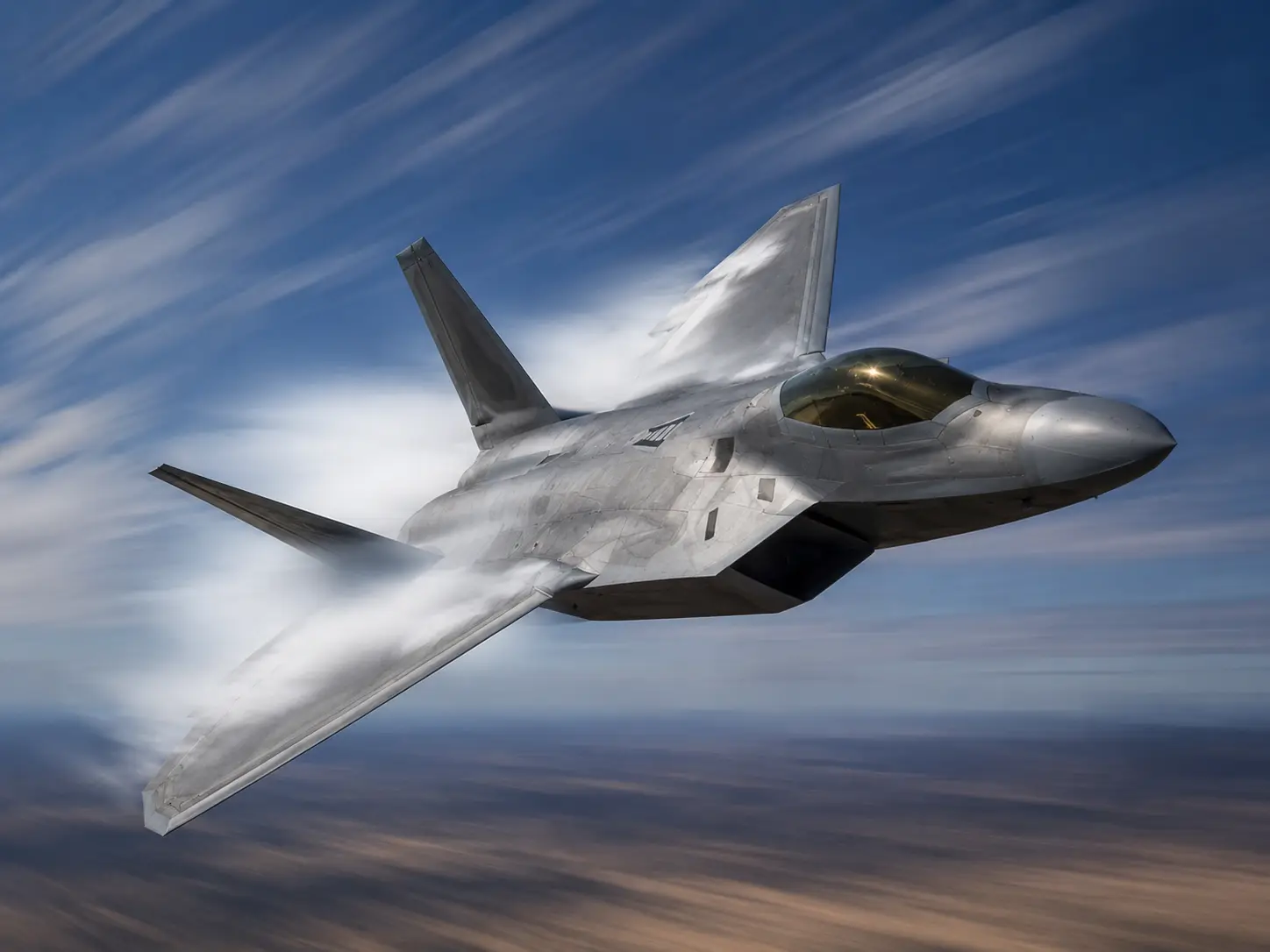
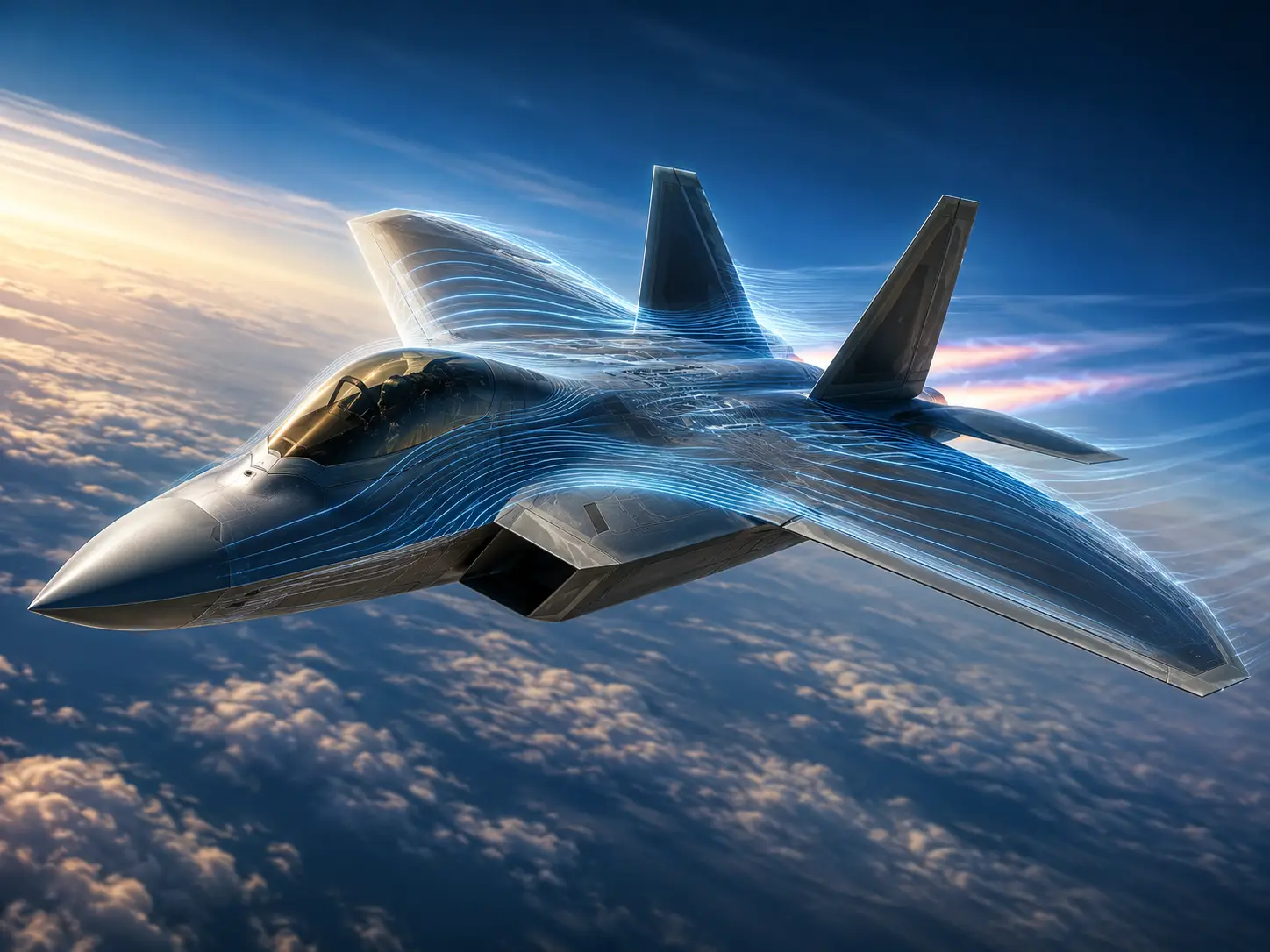
Above 50,000 Feet Operations
The Raptor performs its high-speed cruise missions at extreme altitudes well above 50,000 feet. At this height, the stratospheric air is significantly thinner, which drastically minimizes aerodynamic drag on the airframe. This allows the jet to maximize its speed using minimal engine power.
)
)
)
)
)