How the ‘Cartel of the Suns’ allegedly uses Cuba in drug trafficking routes

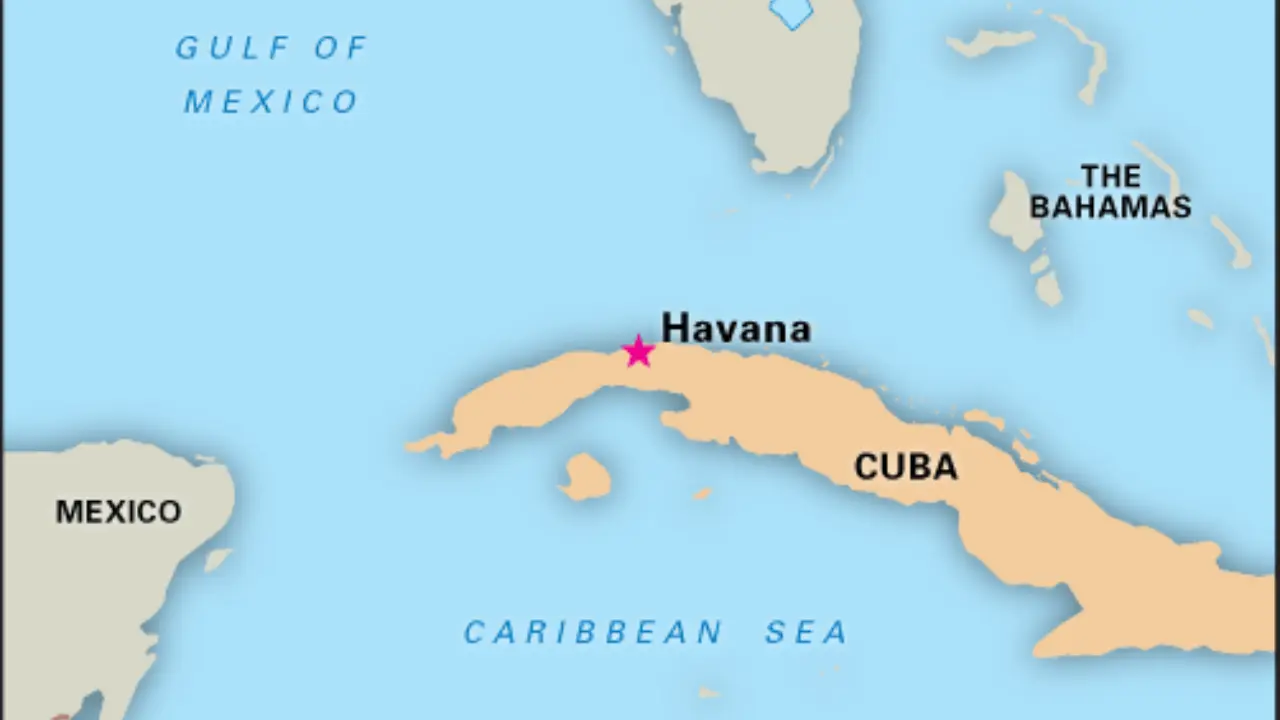
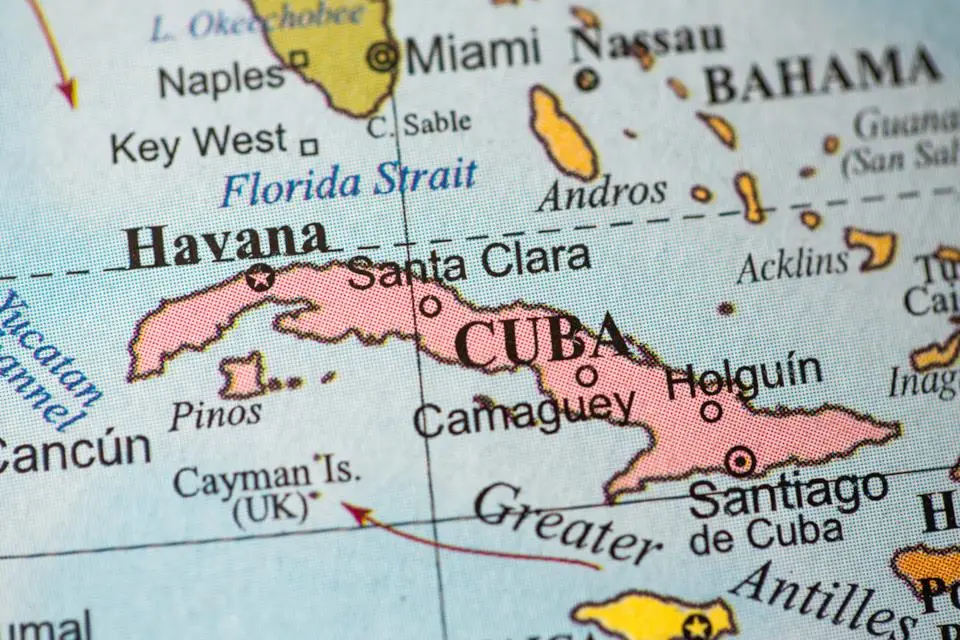
Cuba’s geography is highly strategic, lying at the heart of Caribbean drug routes. While the regime touts a “zero tolerance” policy and cooperates with the US Coast Guard, allegations of state complicity persist.
Seizing 2 to 3 tonnes annually
Havana officially maintains a strict 'zero tolerance' policy towards narcotics. Cuban authorities regularly report seizing large quantities of drugs often between 2 and 3 tonnes per year, that wash ashore or are intercepted from 'go-fast' boats attempting to skirt the island’s coastline.
The Venezuela Connection
Allegations of state complicity. Critics and think tanks like Cuba Siglo 21 allege that the relationship goes deeper than mere transit. They claim that elements of the Cuban regime actively assist the Venezuelan government in moving illicit cargo, providing safe harbour for vessels linked to the Venezuelan military's drug operations.
Ties to the 'Cartel of the Suns'
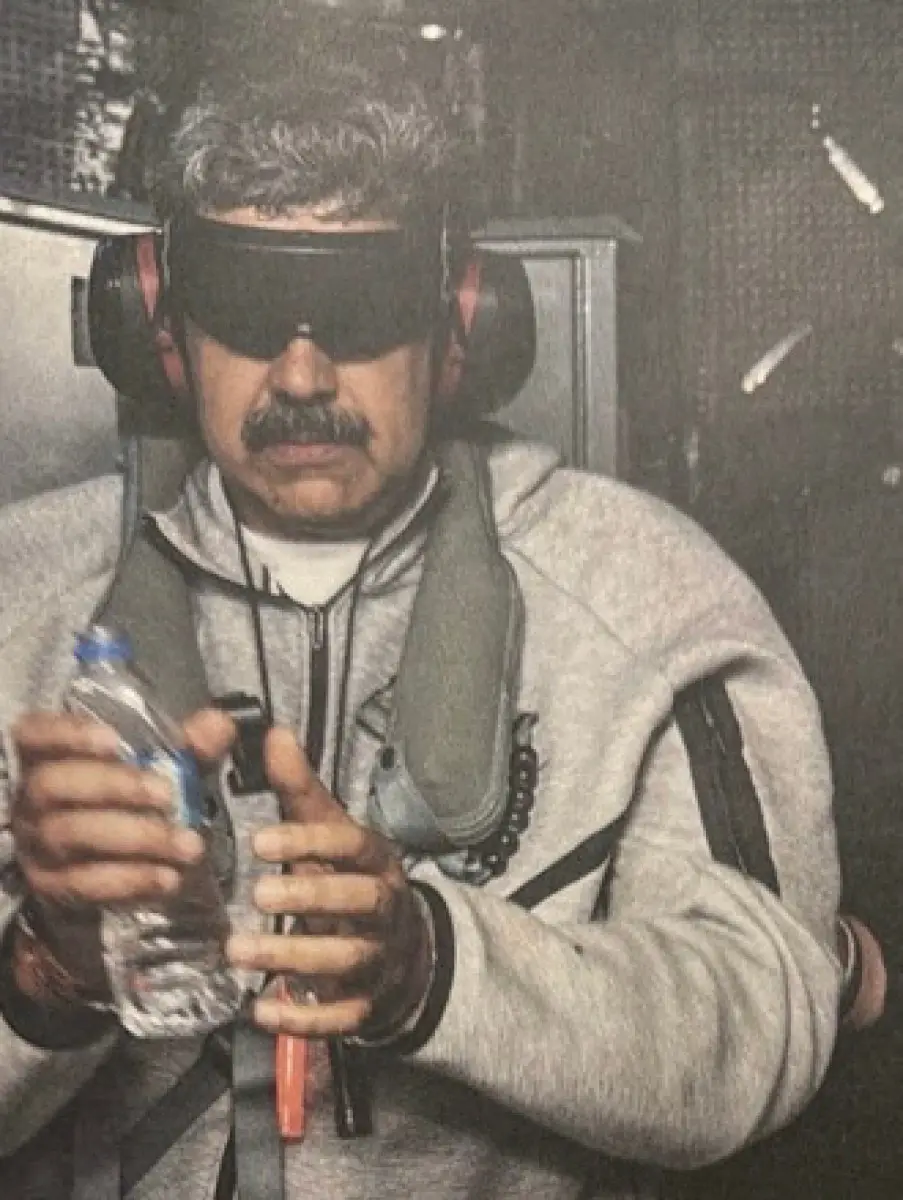
Intelligence sharing and logistics Reports from Insight Crime suggest that the deep integration of Cuban intelligence within Venezuela’s military creates opportunities for coordination. Allegations persist that high-ranking officials may facilitate the movement of cocaine from Venezuela to Europe and the US to bypass international sanctions.
US-Cuba Cooperation
Rare diplomatic communication. Despite political tensions, drug interdiction is one of the few areas where Washington and Havana cooperate. The US Coast Guard maintains a direct line of communication with the Cuban Border Guard to coordinate chases and share information on suspicious vessels entering territorial waters.
Traffickers dump cargo at sea
Debating the regime's role. While the US lists Cuba as a 'major drug transit country', it usually stops short of decertifying its compliance. However, opposition groups argue that the highly militarised nature of the island means little happens in its waters without the state's knowledge, suggesting tacit approval of high-level trafficking.
)
)
)
)
)