How BrahMos finds its target? Inside guidance system of Indo-Russian cruise missile

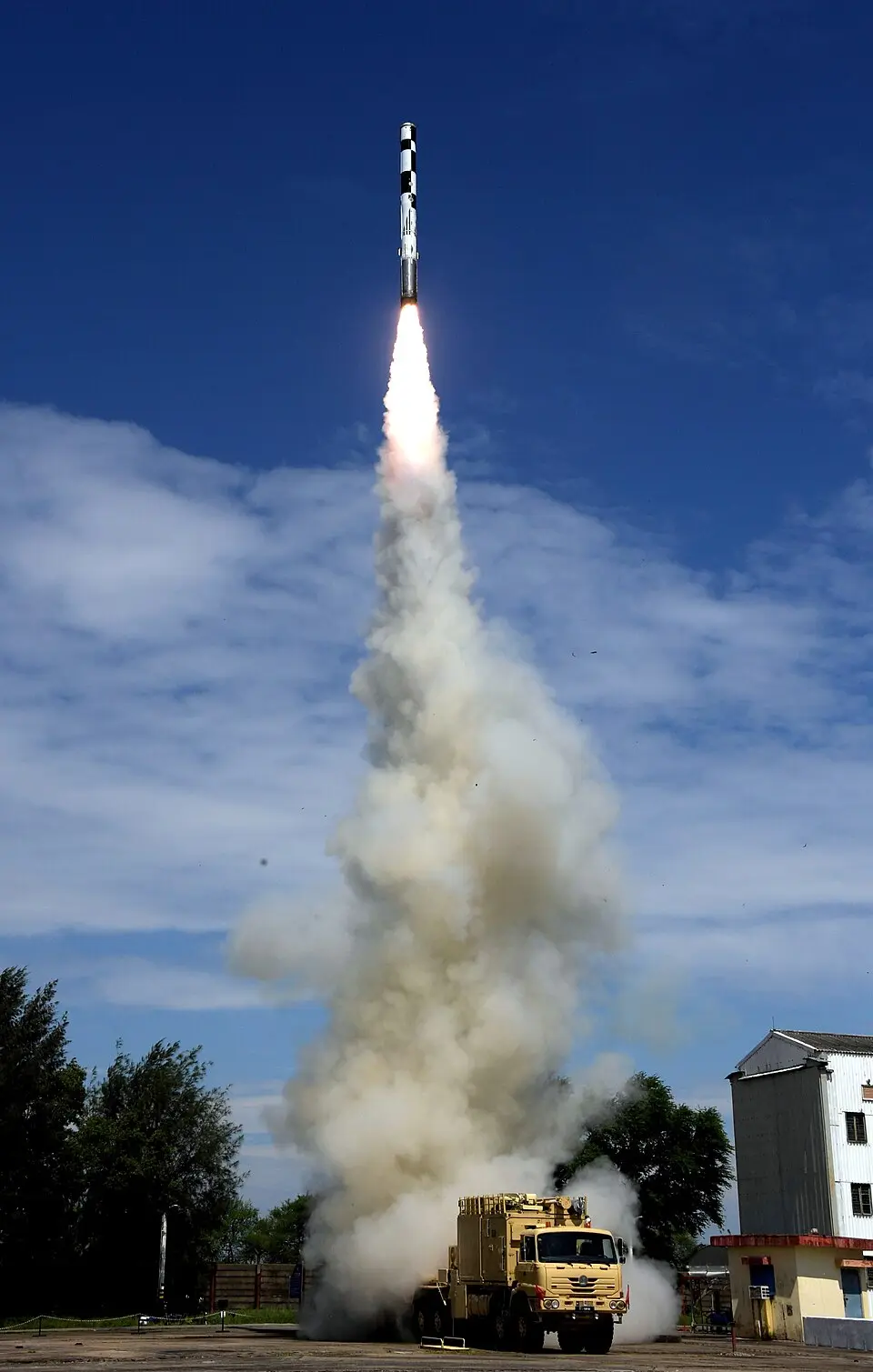
INS for the start, satellite updates for mid-course correction, and active radar seeker for terminal homing. This combination enables consistent performance against land and sea targets across a range of operational scenarios.
1. Inertial Navigation for Initial Flight Path
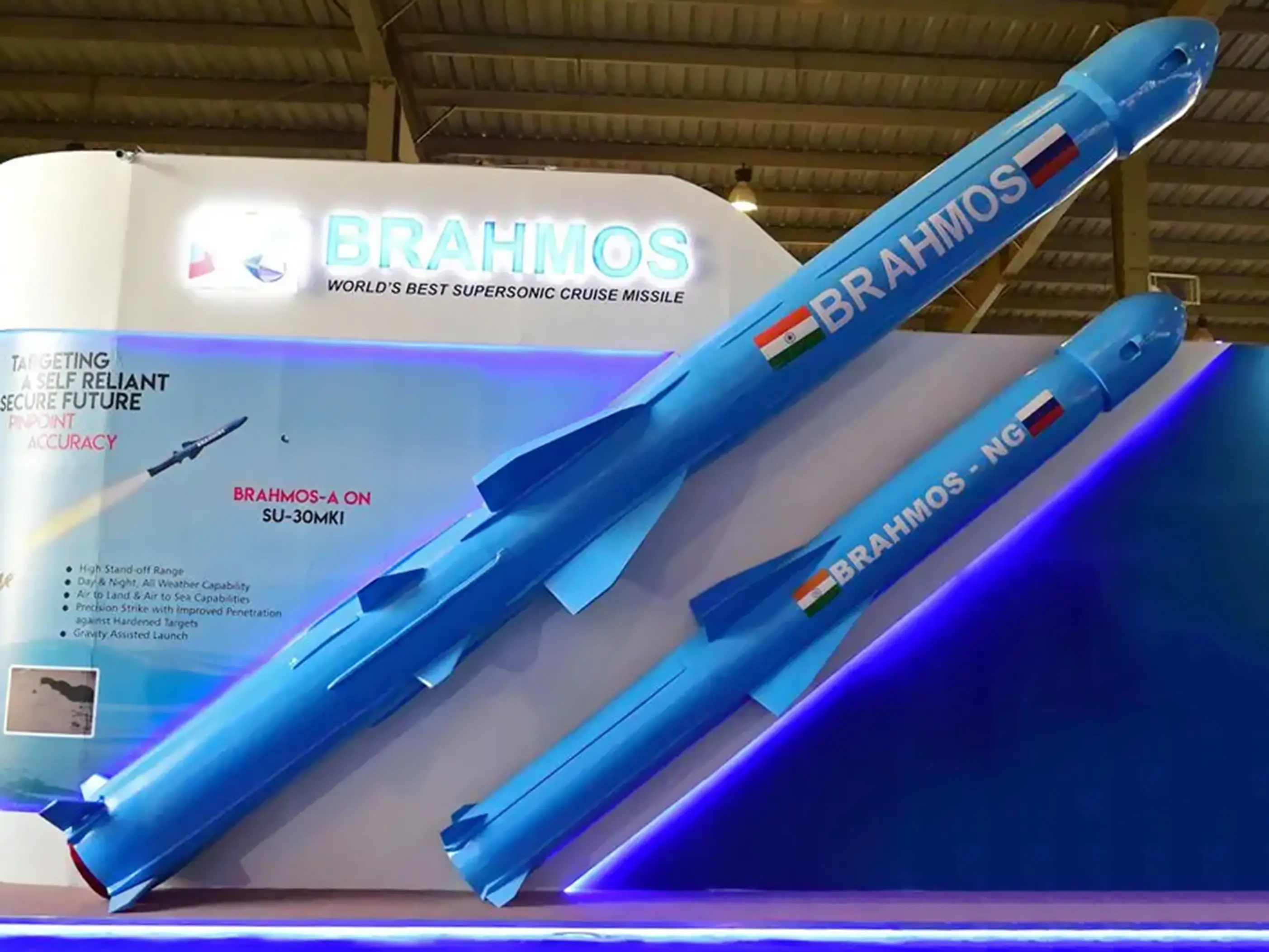
BrahMos begins its journey using an Inertial Navigation System (INS) that relies on internal sensors to determine acceleration, orientation and position. This ensures that the missile follows its pre-set trajectory immediately after launch, even without external signals.
2. Satellite-Aided Mid-Course Updates
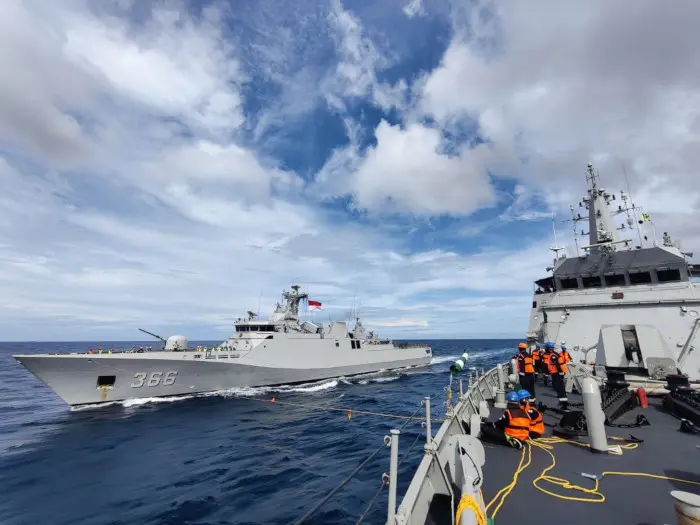
During mid-flight, BrahMos receives positional corrections through satellite navigation support. These corrections help refine its flight path, compensate for drift in INS readings and maintain accuracy over long distances. This stage keeps the missile aligned with the intended bearing towards the target zone.
3. Use of Terrain- and Sea-Skimming Profiles
BrahMos adjusts its altitude based on mission requirements, often flying very close to the sea surface or terrain. This low-level profile supports both navigation and survivability, making the missile harder to detect while maintaining a stable flight environment for guidance.

4. Onboard Computer for Continuous Course Correction
Throughout the mission, a digital flight-control computer processes sensor inputs and adjusts control surfaces to keep the missile on track. This system ensures smooth manoeuvring at supersonic speeds and is responsible for keeping the missile stable during high-speed cruise.

5. Activation of the Terminal Seeker Near the Target
Close to the target, BrahMos activates its active radar seeker. The seeker emits radio waves, detects reflections and uses the difference in return signals to identify and lock onto the target. This allows the missile to autonomously track and engage even moving or time-sensitive targets.
6. Terminal Manoeuvres for Impact Accuracy
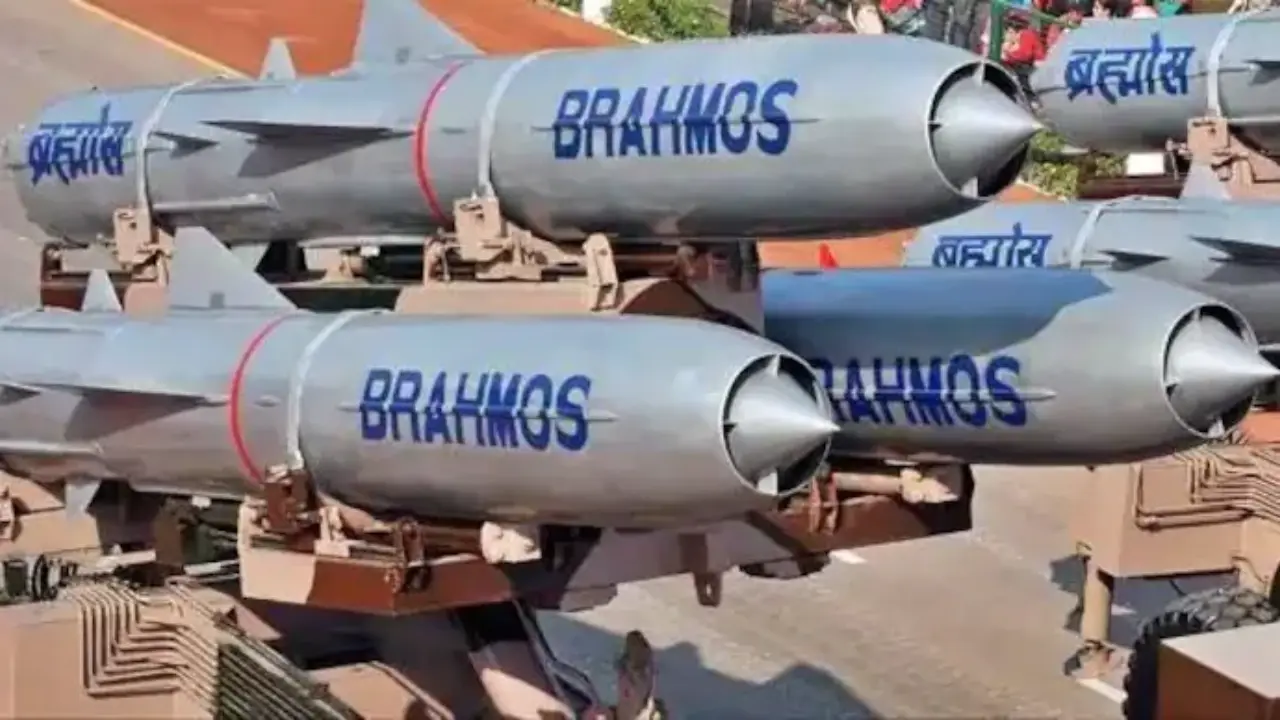
In the final phase, the missile performs high-speed manoeuvres to counter defensive measures and ensure precise impact. The guidance system continues to refine the trajectory during these manoeuvres, allowing BrahMos to adjust its path until the moment of strike.
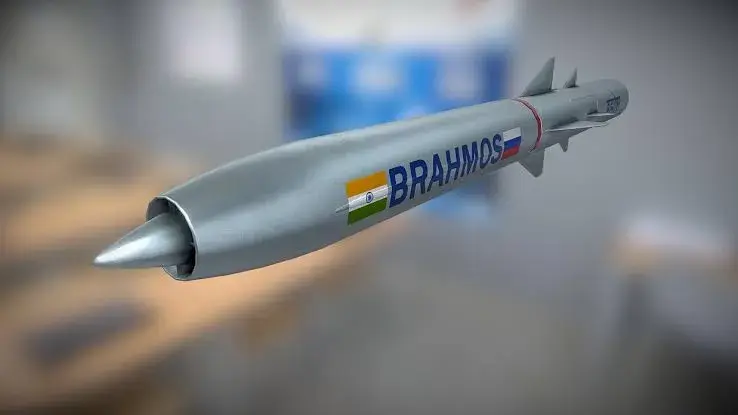
7. Combined Guidance Architecture for Precision Strike
The overall accuracy of BrahMos comes from a layered guidance structure: INS for the start, satellite updates for mid-course correction, and active radar seeker for terminal homing. This combination enables consistent performance against land and sea targets across a range of operational scenarios.
)
)
)
)
)