How the Agni-V missile handles extreme G-forces

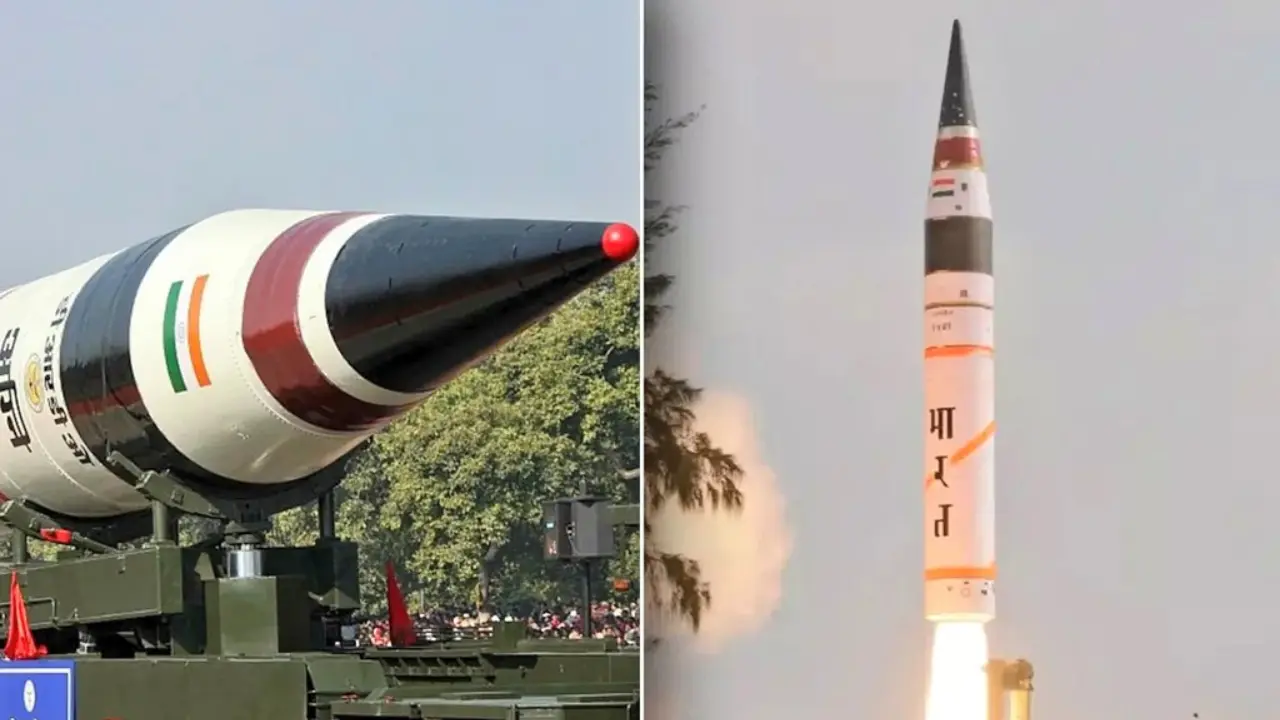
Agni-V missile handles 300-400 tonnes of launch thrust ejecting 50,000 kg from canister. Cold launch system uses pressurised gas reducing structural stress. Composite motor casings reduce weight 20 percent. Re-entry temperatures exceed 4,000°C whilst payload stays below 50°C.
The Launch Challenge
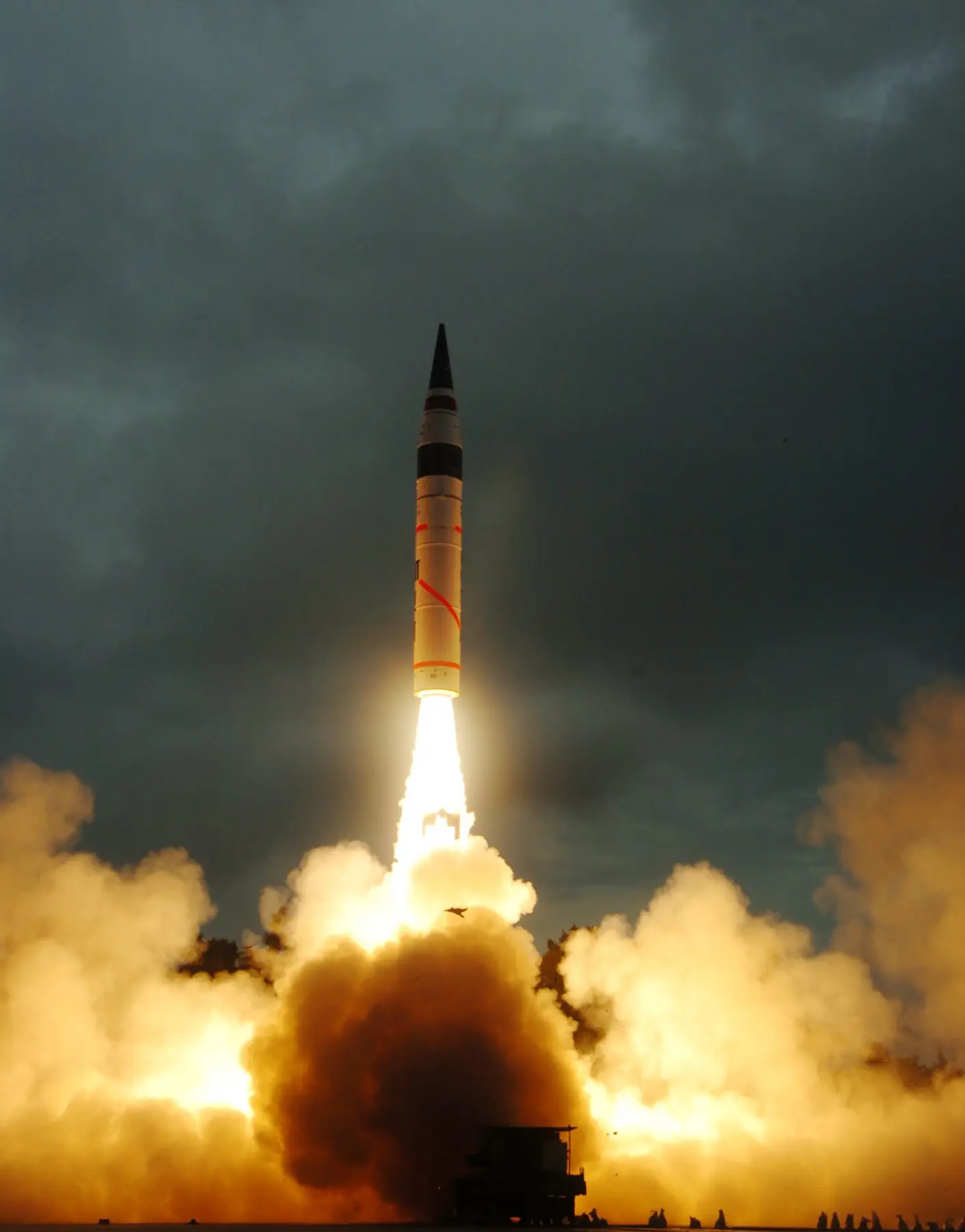
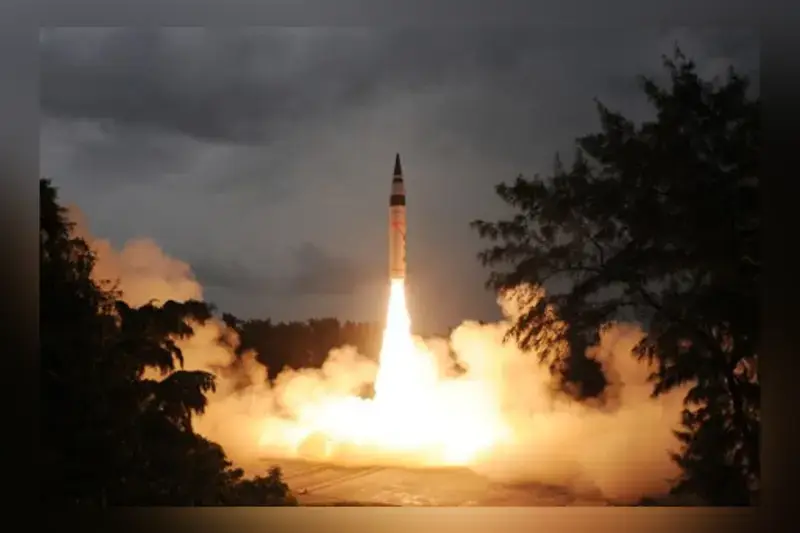
Agni-V weighs 50 tonnes. At launch, 300 to 400 tonnes of thrust force ejects the missile from its canister. This enormous force creates extreme acceleration stresses. Every component must handle being launched violently from the canister before the engine ignites. The structural design must support this shock loading.
Cold Launch Reduces Structural Stress
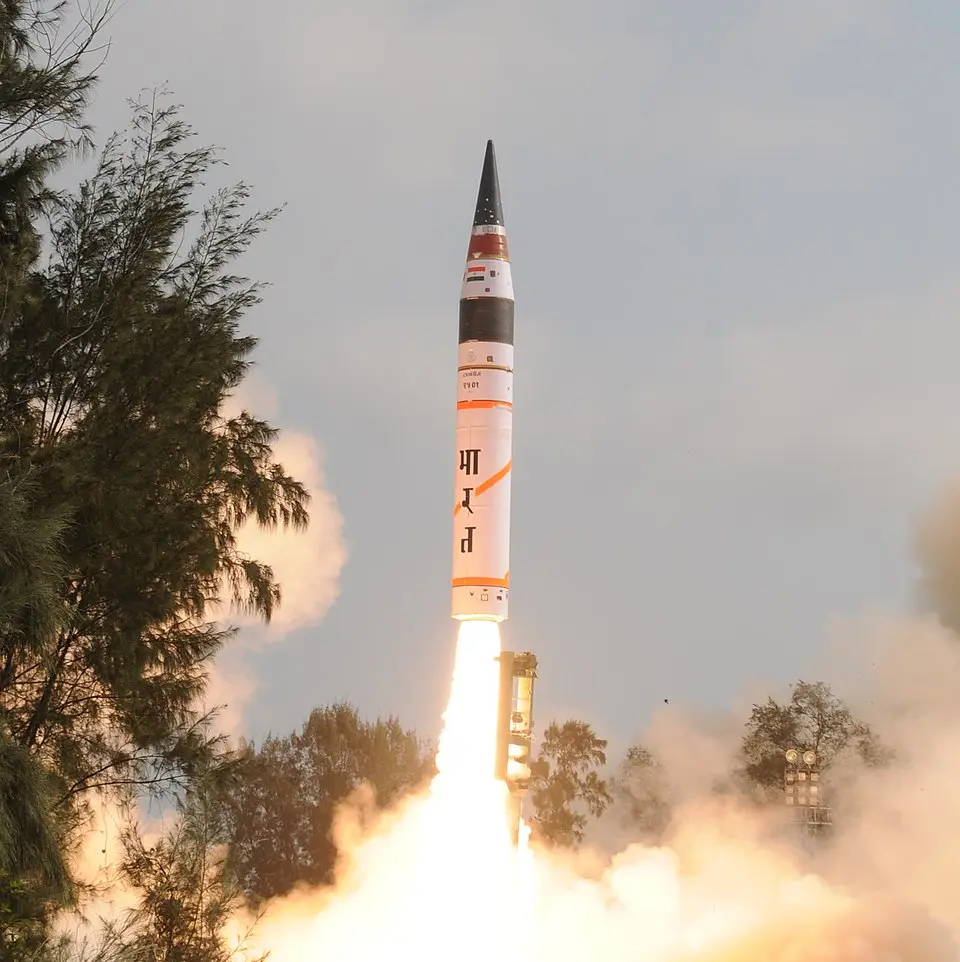
Traditional missiles ignite engines whilst still in the launcher. Agni-V uses cold launch with pressurised gas ejection. The missile leaves the canister before engine ignition. This separation reduces thermal stress on the structure. The launcher survives hotter without direct rocket exhaust exposure.
Composite Materials Reduce Weight
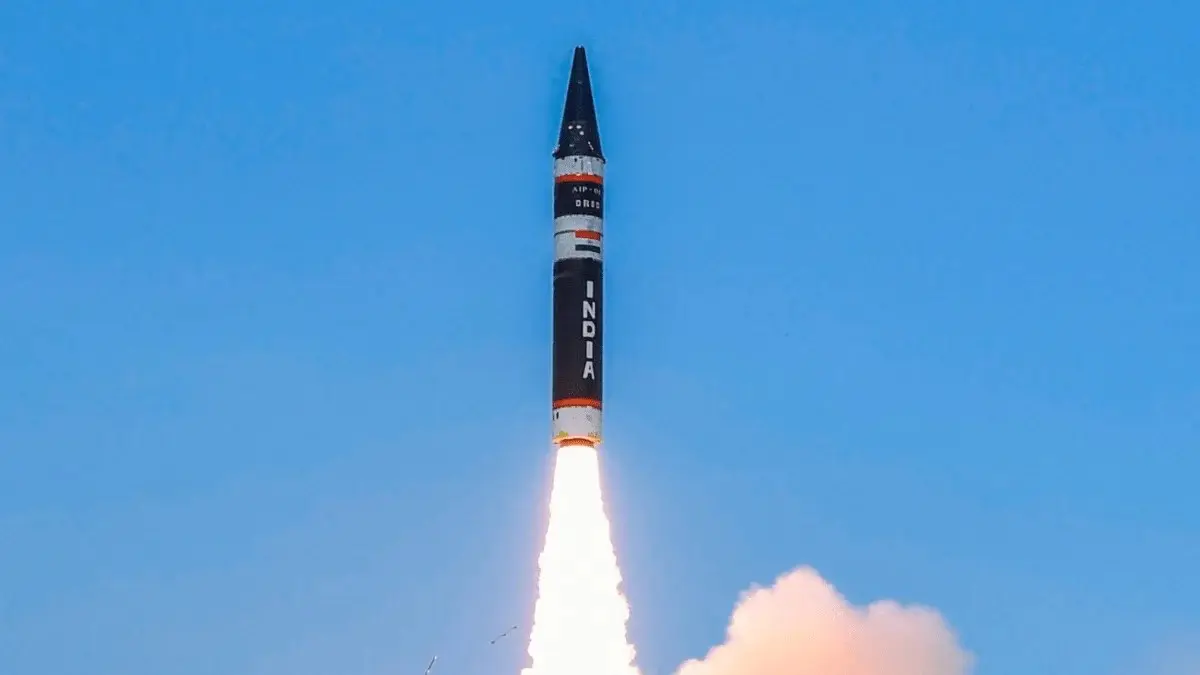
Stages 2 and 3 use composite material motor casings instead of metal. Composites reduce weight by 20 per cent compared to traditional materials. Lighter weight means the same thrust creates higher acceleration. Composite materials handle high-G stresses better than metal alone due to their flexibility and strength.
Guidance System Survives Acceleration
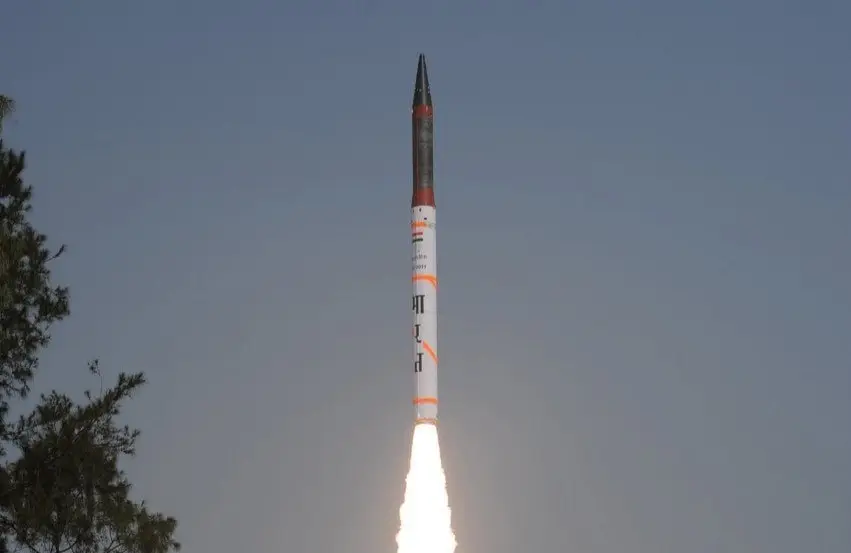
The guidance system experiences the same extreme G-forces as the missile body. Ring Laser Gyroscope-based Inertial Navigation maintains precision despite high acceleration. The system-on-chip computer weighs only 200 grams yet controls all guidance calculations. Advanced sensors compensate for acceleration effects.
Flexible Nozzles Control Trajectory
Each stage has flexible nozzles allowing thrust vectoring. These nozzles redirect engine exhaust for trajectory control during flight. High-G acceleration stresses try to tear apart these control mechanisms. Advanced materials and design allow them to survive and function reliably during extreme acceleration phases.
Re-entry Heat And Deceleration
During re-entry, the missile experiences extreme heating from atmospheric friction. External temperatures exceed 4,000 degrees Celsius. Payload inside stays below 50°C. Multiple thermal protection system layers absorb and dissipate extreme heat. Re-entry also creates deceleration G-forces as the missile slows from hypersonic speeds.
Canister Absorbs Ejection Stresses Before Engine Fires
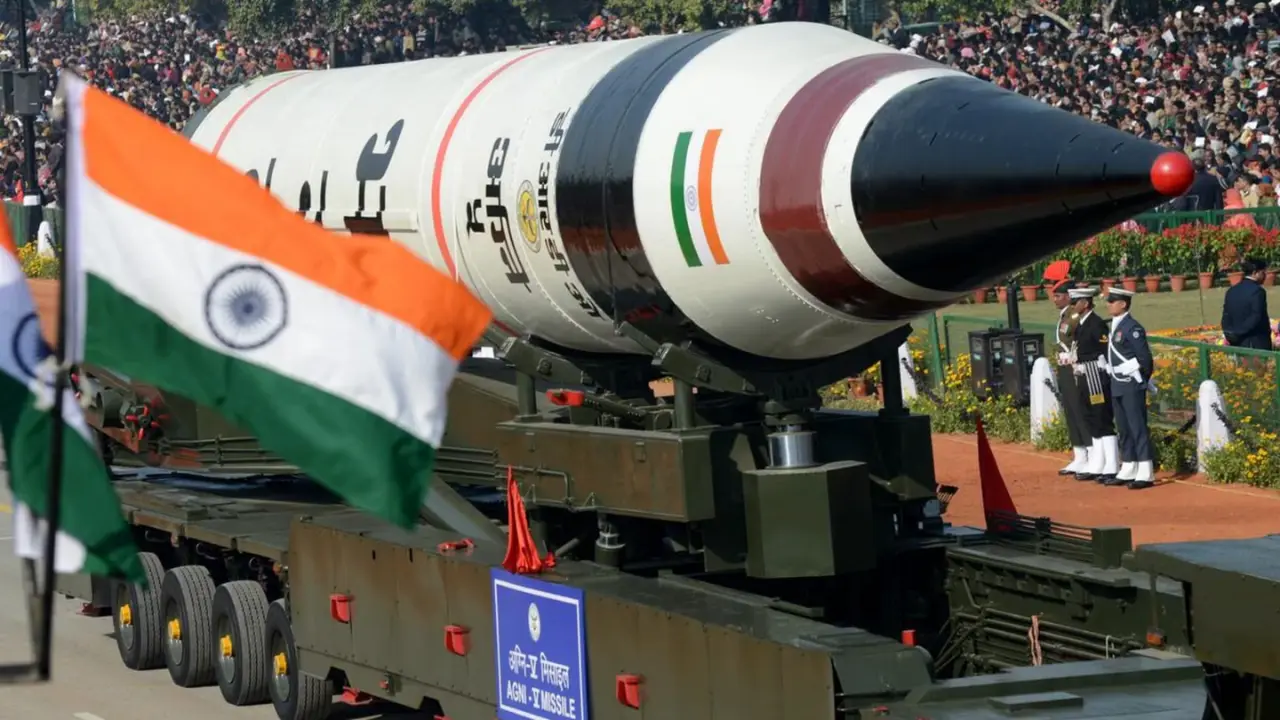
The canister made from maraging steel provides hermetic sealing and launches the missile. During ejection, the canister experiences enormous stresses from the pressurised gas expansion. The structural design must withstand these forces without failing. After successful ejection, the missile engine ignites and the canister falls away.
)
)
)
)
)