How tariffs are quietly fuelling inflation in developing economies

High tariffs on machinery, parts, and raw materials raise production costs.
When local manufacturers rely on imported inputs, tariffs inflate their input costs. This leads to higher prices for finished goods, particularly in sectors such as electronics, textiles, and processed foods.

Inflation due to tariffs
Inflation in developing economies is influenced by various domestic and global factors. Among these, import tariffs, often overlooked, play a significant role in pushing up prices. Tariffs are designed to protect local industries, but they can also increase the cost of goods and inputs across sectors. Here are seven key ways in which tariffs are contributing to inflationary pressures in developing countries in 2025.

Rising Prices of Imported Essentials
Import tariffs increase the landed cost of goods such as fuel, food, and raw materials. Many developing economies impose duties on petroleum products, edible oils, and fertilisers. These higher costs are passed on to consumers, leading to inflation in basic goods and services.

Cost Push for Domestic Manufacturing
High tariffs on machinery, parts, and raw materials raise production costs. When local manufacturers rely on imported inputs, tariffs inflate their input costs. This leads to higher prices for finished goods, particularly in sectors such as electronics, textiles, and processed foods.

Limited Competition in Domestic Markets
Tariffs reduce competition from foreign producers. In the absence of cheaper imports, local producers often face less pressure to keep prices competitive. This allows domestic prices to rise, especially in semi-monopolistic or less efficient markets.
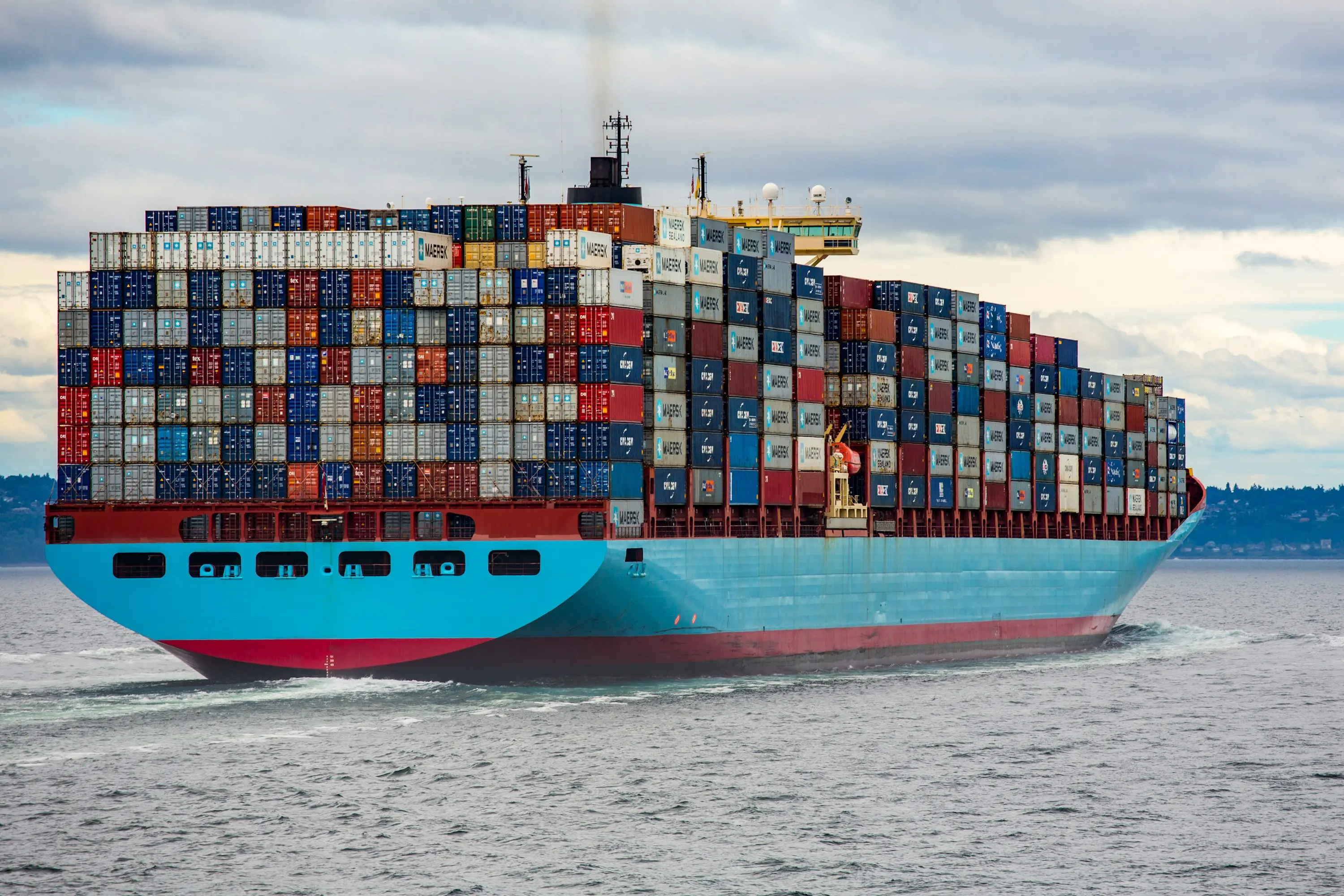
Tariffs on Food Imports and Agricultural Inflation
Developing countries often impose high duties on food items to support local farmers. While this may benefit agricultural producers, it also limits the supply of cheaper imports. In times of domestic shortages, food inflation can spike sharply due to the lack of affordable alternatives.
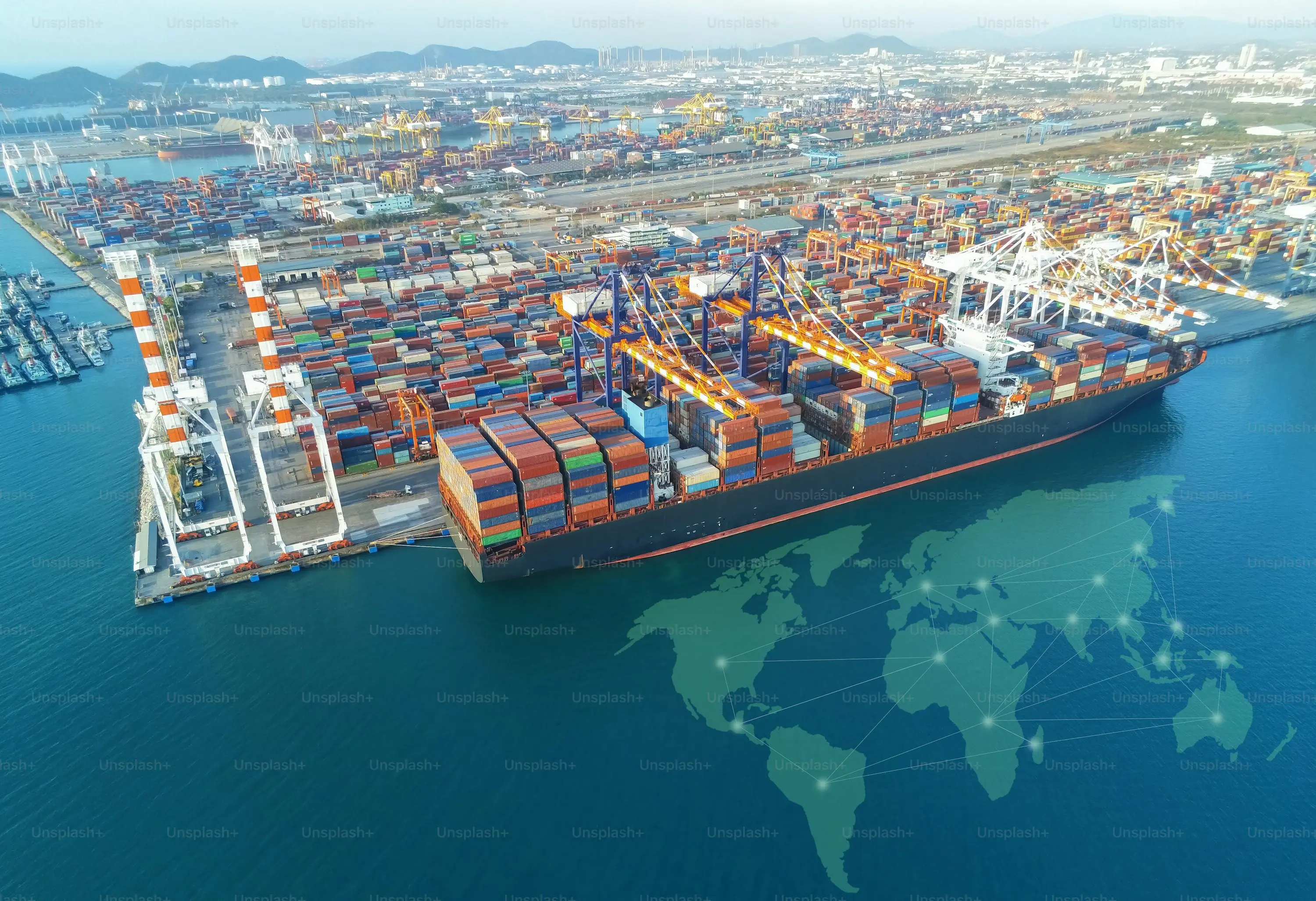
Exchange Rate Pressure and Tariff Revenue Goals
Tariffs are used to protect foreign exchange reserves and generate revenue. In economies with weakening currencies, import tariffs act as a disincentive to spend on foreign goods. However, the higher prices that follow often add to inflationary stress.

Impact on Logistics and Supply Chains
Tariffs affect the cost of imported transport and packaging materials. Containers, vehicle parts, and shipping equipment subject to tariffs increase the cost of logistics. This adds inflationary pressure to the broader supply chain and final product pricing.

Policy Trade-offs: Protection vs. Price Stability
Governments face a trade-off between protecting local industry and keeping prices stable. While tariffs are politically popular and economically strategic, they may conflict with central bank efforts to control inflation. The mismatch between fiscal protectionism and monetary tightening complicates inflation management.
)
)
)
)
)