How sweat inside F-22 cockpit threatens one of the world’s most advanced fighter jet

For an aircraft costing $150 million apiece, the discovery that moisture inside the cockpit could create serious problems has become one of the more bizarre challenges facing the United States Air Force.
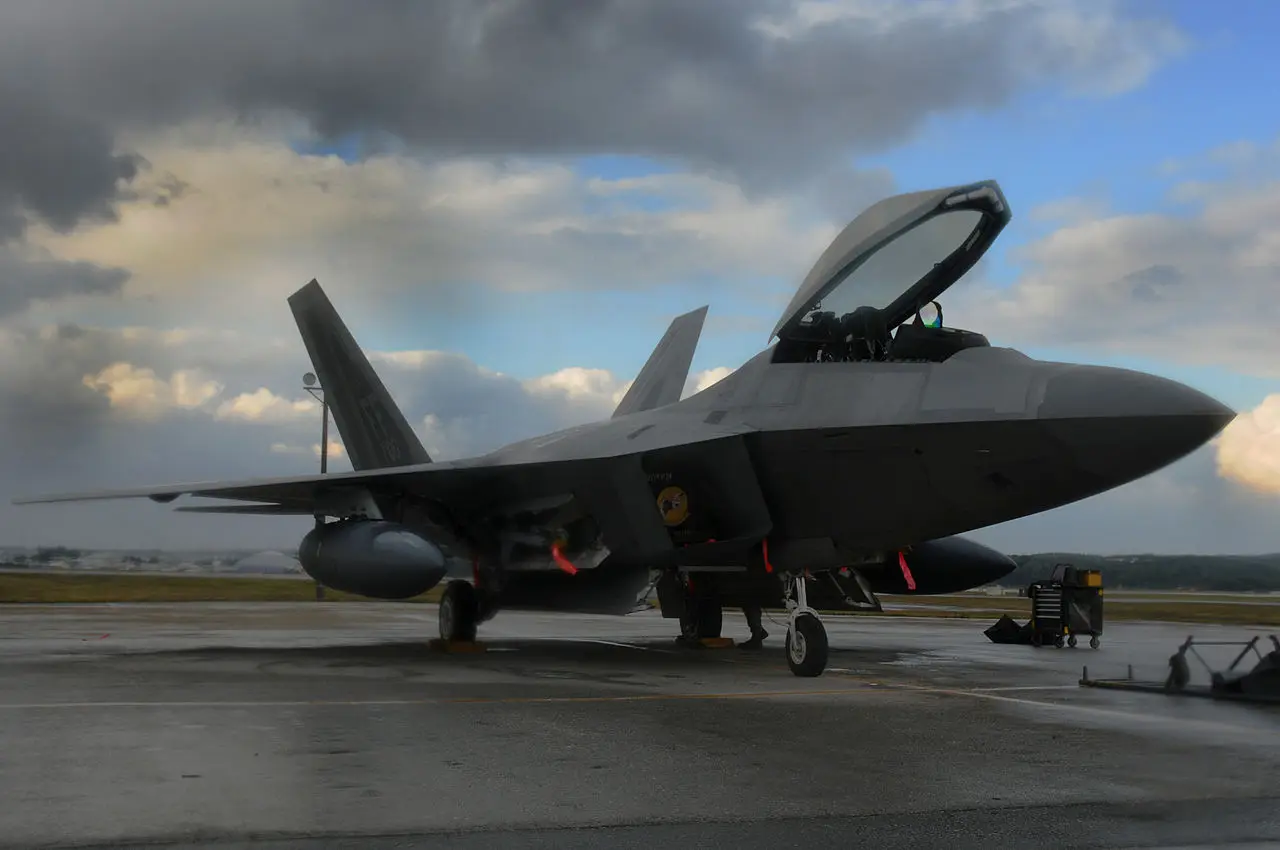
A billion-dollar jet with an unexpected weakness
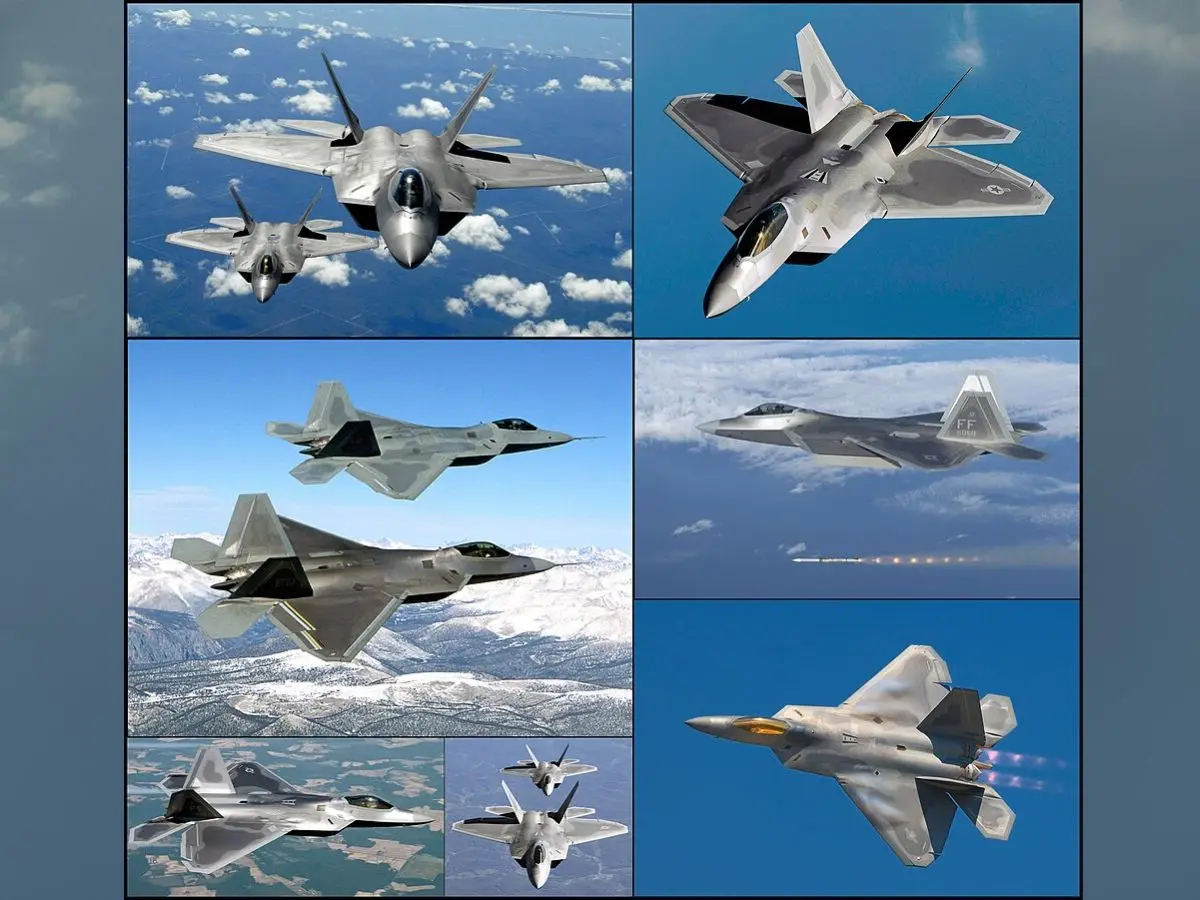
The F-22 Raptor is celebrated as one of the most advanced fighter aircraft ever built, a machine designed to dominate the skies with stealth, speed and manoeuvrability. Yet, behind its cutting-edge design lies a surprising vulnerability: sweat.
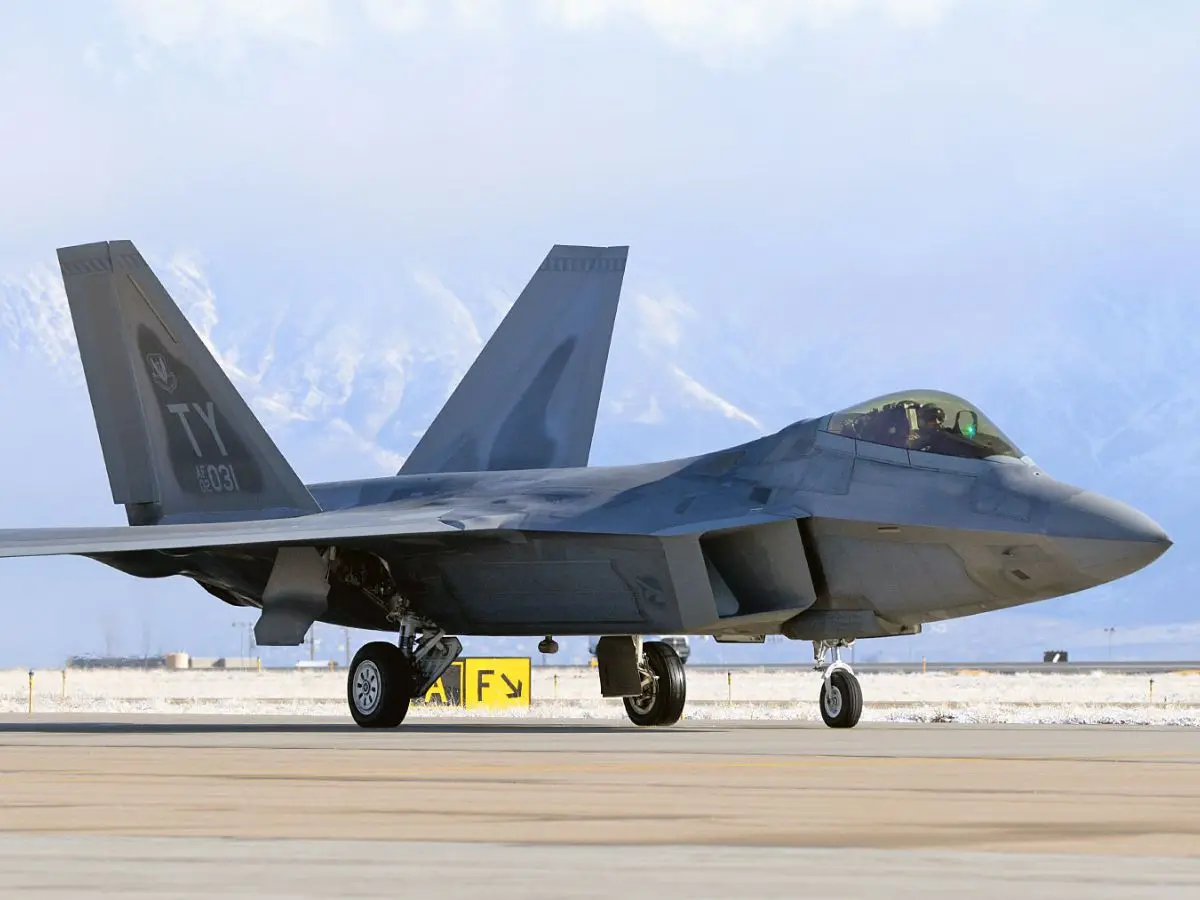
Sweat but how?
Something as ordinary as a pilot’s perspiration can quietly undermine the jet’s performance, threatening both its sophisticated electronics and its delicate radar-absorbing coatings. For an aircraft costing $150 million apiece, the discovery that moisture inside the cockpit could create serious problems has become one of the more bizarre challenges facing the United States Air Force.
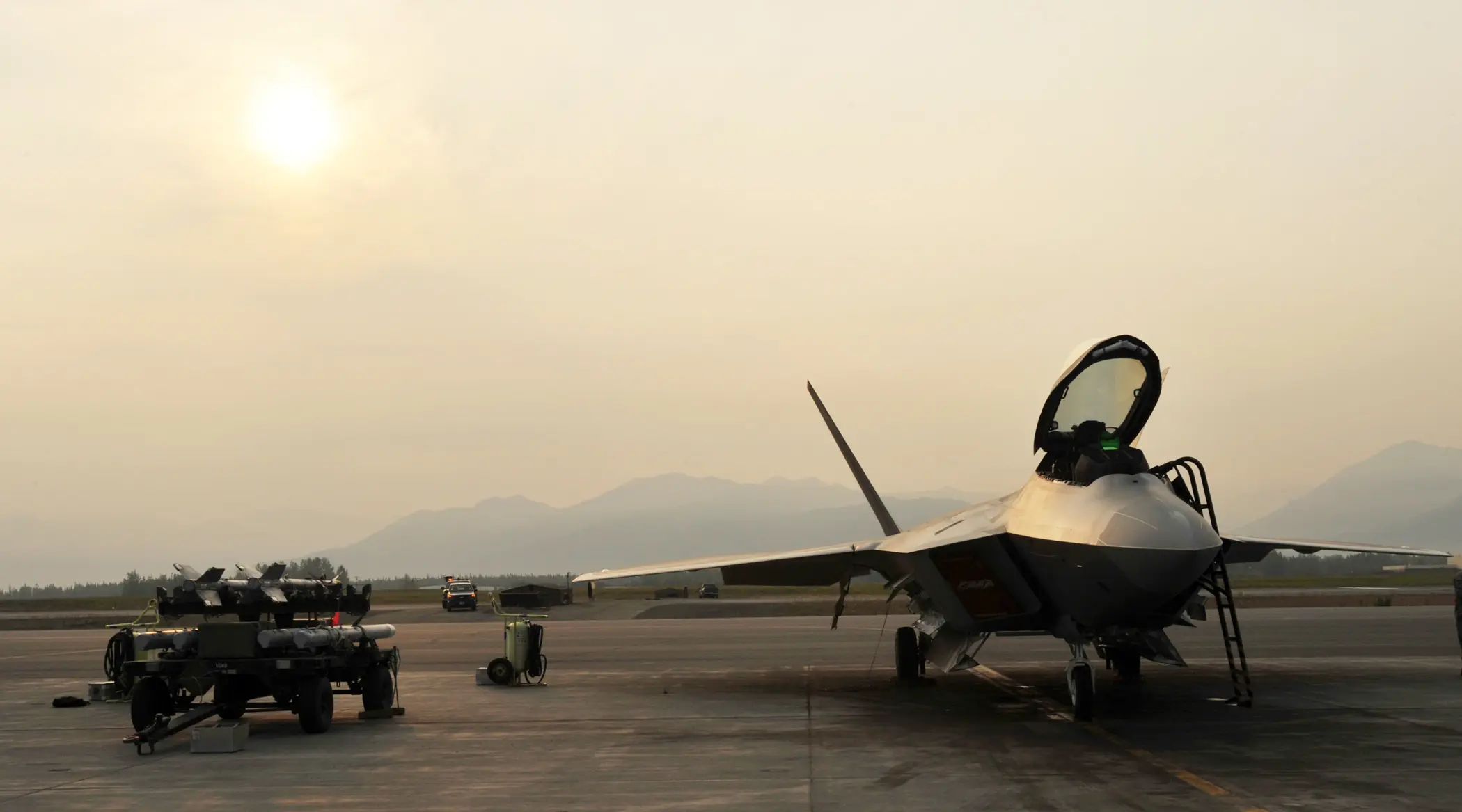
Why sweat becomes dangerous in the cockpit
The F-22’s cockpit is sealed and pressurised to protect pilots flying at extreme altitudes, but this design has an unintended side effect. Moisture generated inside the cabin, from breath, condensation and sweat, has nowhere to escape. During long missions, particularly in warmer climates, pilots can produce significant amounts of perspiration. This moisture can seep into sensitive wiring, switches or computers. In a jet where a minor electrical issue can compromise mission capability or stealth effectiveness, the consequences are far from trivial.
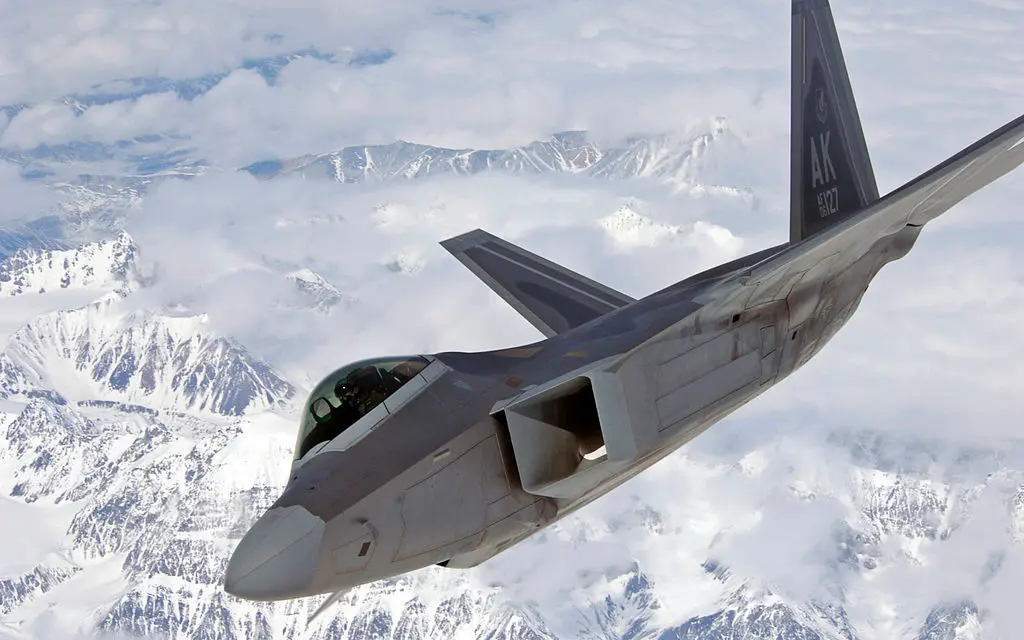
Stealth coatings at risk
One of the F-22’s defining features is its stealth. The jet’s radar-absorbing materials make it nearly invisible to enemy radar, but these coatings are notoriously fragile. Salt from human sweat is corrosive, and even minimal exposure can damage their surface. When combined with the heat generated by avionics and onboard systems, sweat contamination can accelerate wear and degrade the coatings. This not only reduces stealth performance but also triggers expensive and time-consuming repairs.
The burden of maintenance
Maintainers have long reported the extraordinary effort required to keep the Raptor combat-ready. Sweat-soaked flight suits rubbing against sensitive cockpit panels, or traces of moisture reaching electronic circuits, can create corrosion over time. Once identified, the damage forces technicians to undertake laborious procedures such as stripping, cleaning and reapplying stealth materials. The process adds to the already demanding upkeep of the F-22, which often requires tens of hours of maintenance for every single hour in the air.
The true cost of perfection
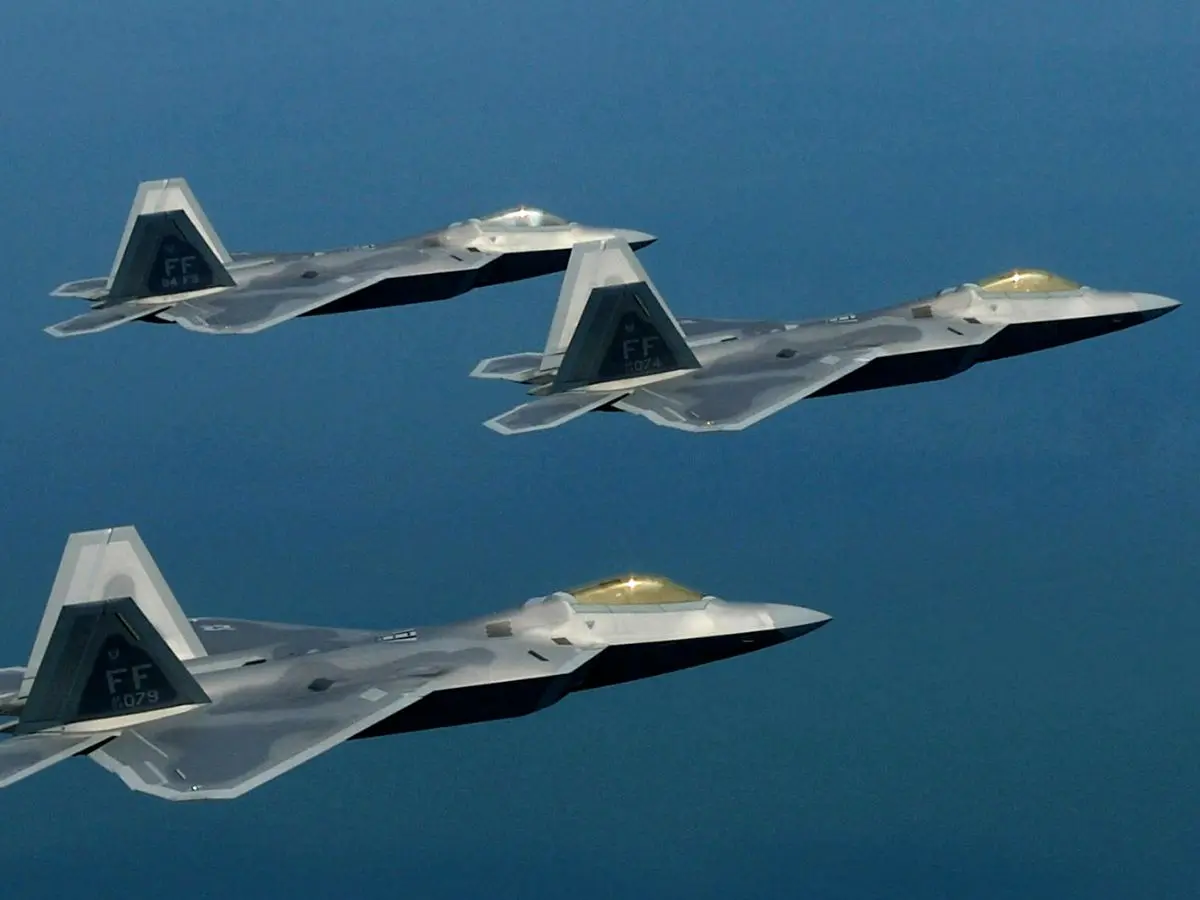
Operating the F-22 does not come cheaply. Each flight hour costs the Air Force roughly $68,000, with maintenance related to stealth preservation being a key contributor. Sweat-induced corrosion is one of many hidden costs, showing how even seemingly minor vulnerabilities add to the jet’s immense logistical burden. With fewer than 200 Raptors in service, each aircraft is critical to American air dominance, and protecting them from unexpected sources of wear is a constant challenge.
A human factor in advanced technology
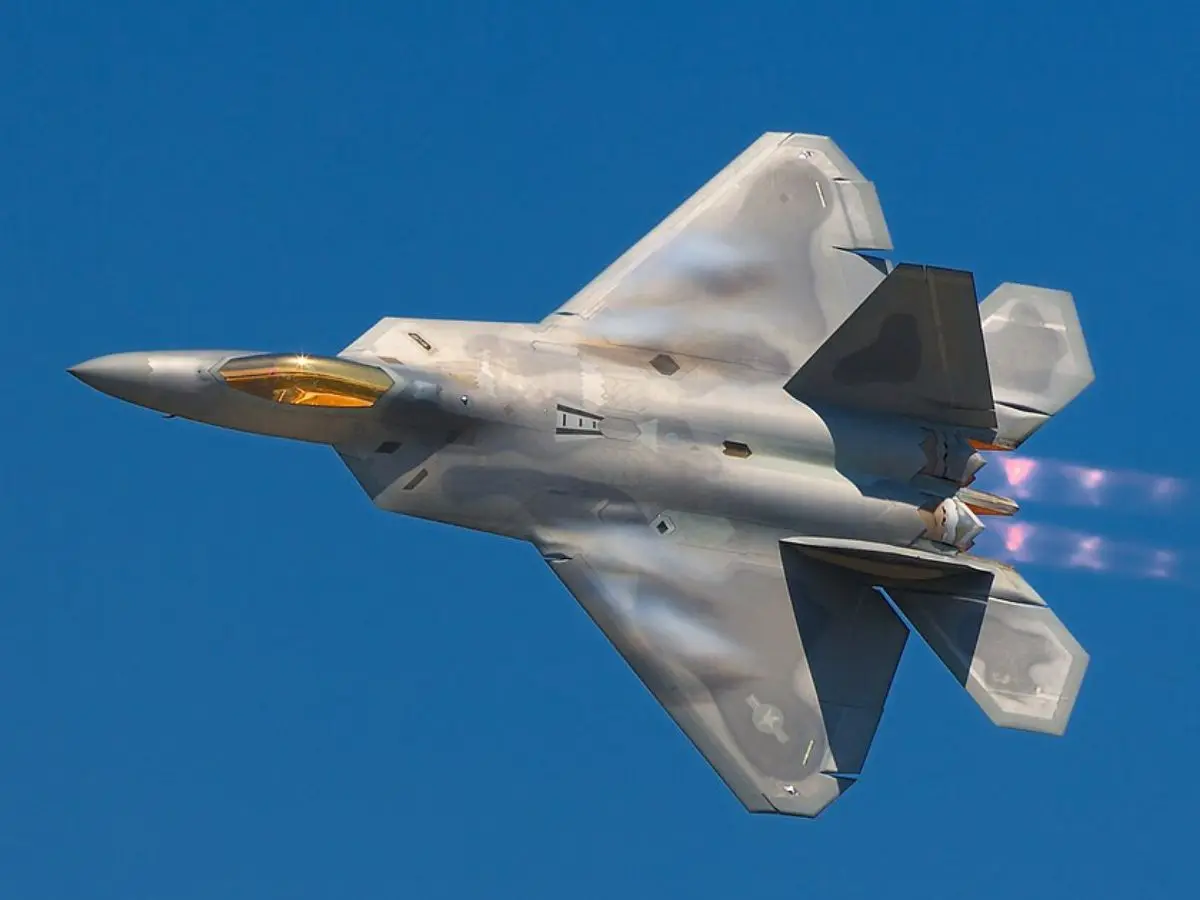
The issue of sweat corroding the F-22 highlights the unavoidable link between human physiology and advanced technology. Fighter jets may push the boundaries of engineering, but they remain subject to the limitations of the pilots who operate them. In the case of the F-22, the world’s most advanced stealth fighter can outfly and outfight nearly any adversary, yet it cannot escape something as ordinary, and as human, as sweat.
)
)
)
)
)