How submarines evolved from crude hand-cranked boats to high-tech war machines

The first practical submerged vessel is usually credited to Cornelis Drebbel, a Dutch inventor who demonstrated a leather-clad, oar-propelled 'diving boat' on the River Thames around 1620.
Introduction: From experiment to instrument of war
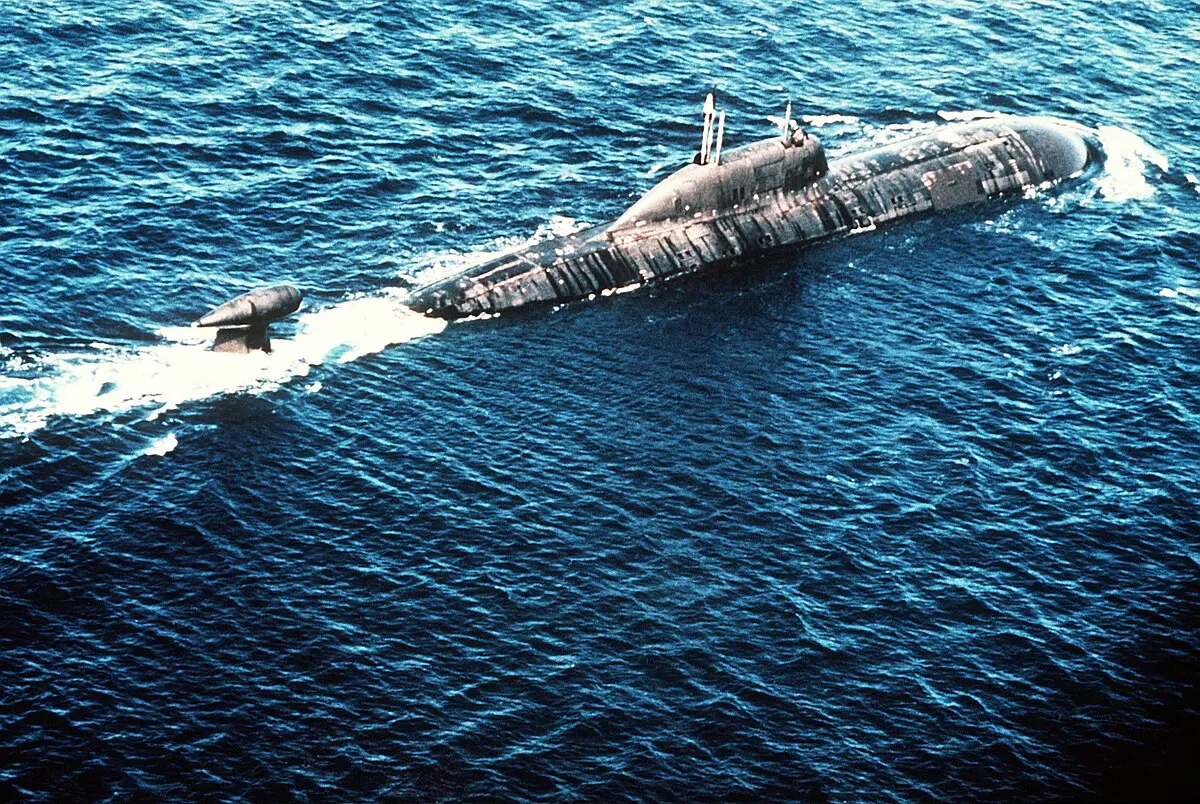
Submarines began as experimental curiosities and evolved into decisive instruments of national power. The earliest recorded navigable craft capable of travelling beneath the surface appeared in the early 17th century. Over four centuries, these vessels have been continually reshaped by inventors, industrial engineers, and wartime necessity until they became some of the most sophisticated and secretive weapons on Earth.
Early experiments and Drebbel’s diving boat
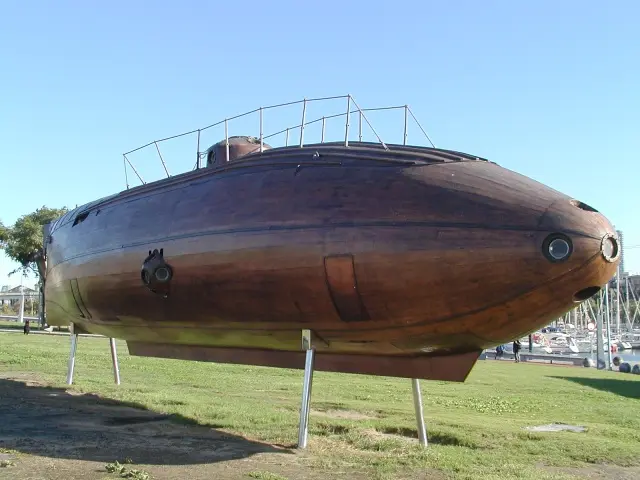
The first practical submerged vessel is usually credited to Cornelis Drebbel, a Dutch inventor who demonstrated a leather-clad, oar-propelled 'diving boat' on the River Thames around 1620. Drebbel’s craft proved the basic concept that a sealed hull could operate under the surface for extended periods, establishing the technological foundations of underwater navigation.
The Hunley and the first combat success
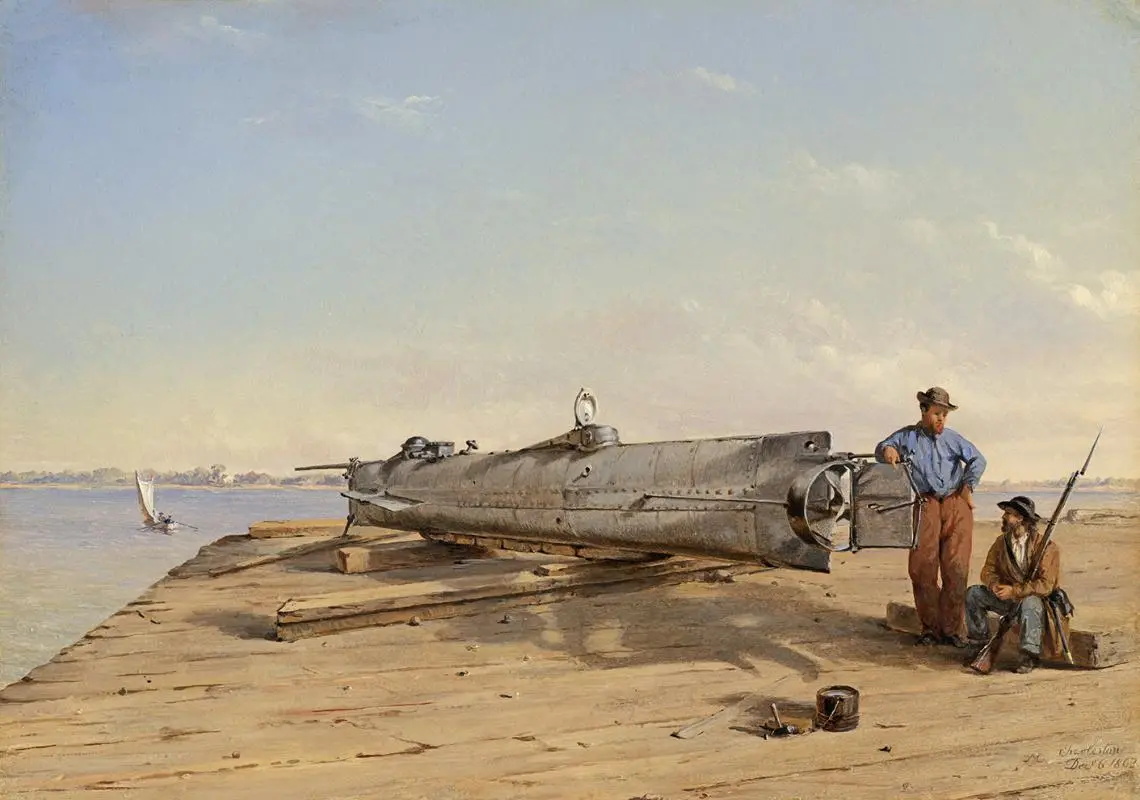
The American Civil War provided the first lethal demonstration of submarine warfare. The HL Hunley, a hand-cranked Confederate vessel, sank the Union sloop Housatonic in 1864 by detonating a spar torpedo against its hull. The Hunley herself was lost soon after, but the event proved that submarines could indeed destroy surface warships, even if at enormous risk to their own crews.
Industrialisation and the U-boat revolution
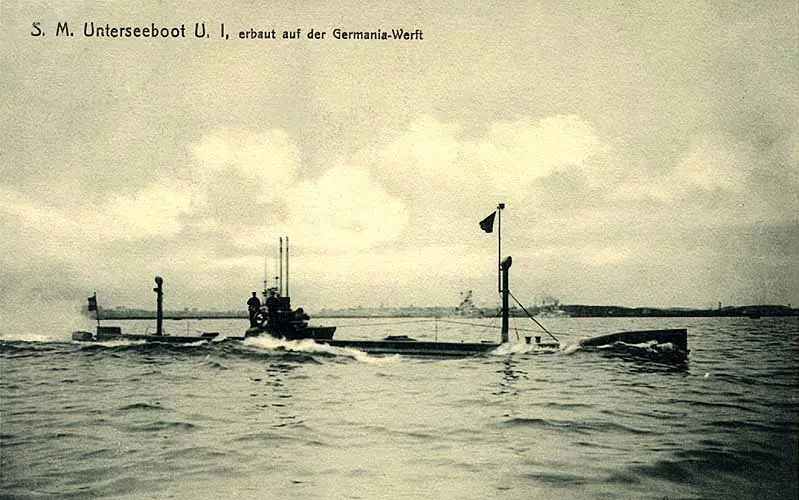
The First and Second World Wars transformed submarines from experimental novelties into formidable industrial weapons. German U-boats, using diesel engines for surface travel and electric motors underwater, conducted devastating campaigns against Allied shipping. Their effectiveness reshaped maritime strategy, prompting the development of convoy systems, sonar detection, and depth charges. Submarines became central to both naval warfare and economic disruption.
The nuclear era and USS Nautilus
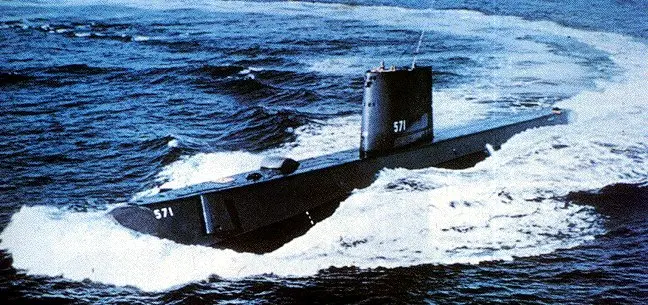
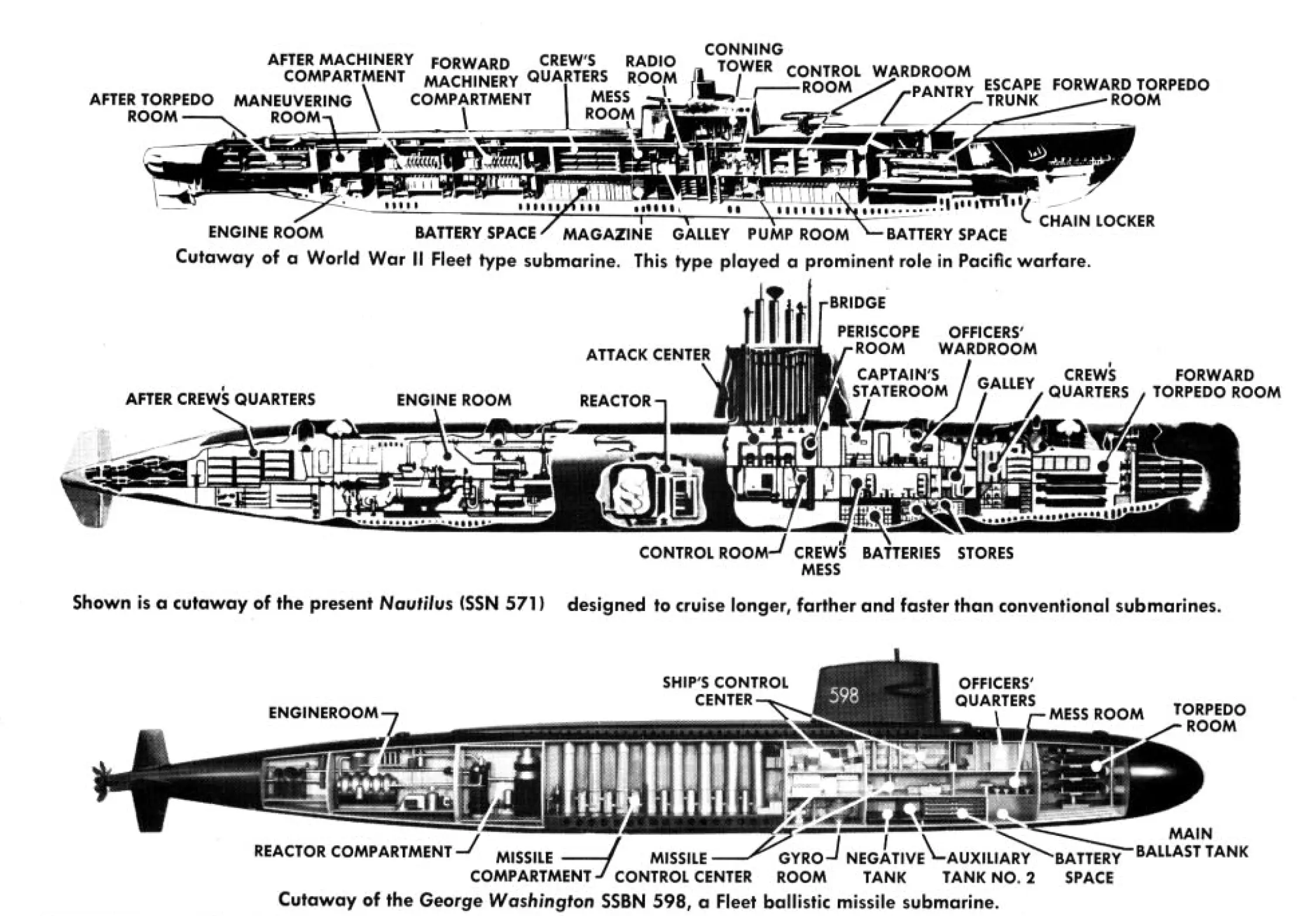
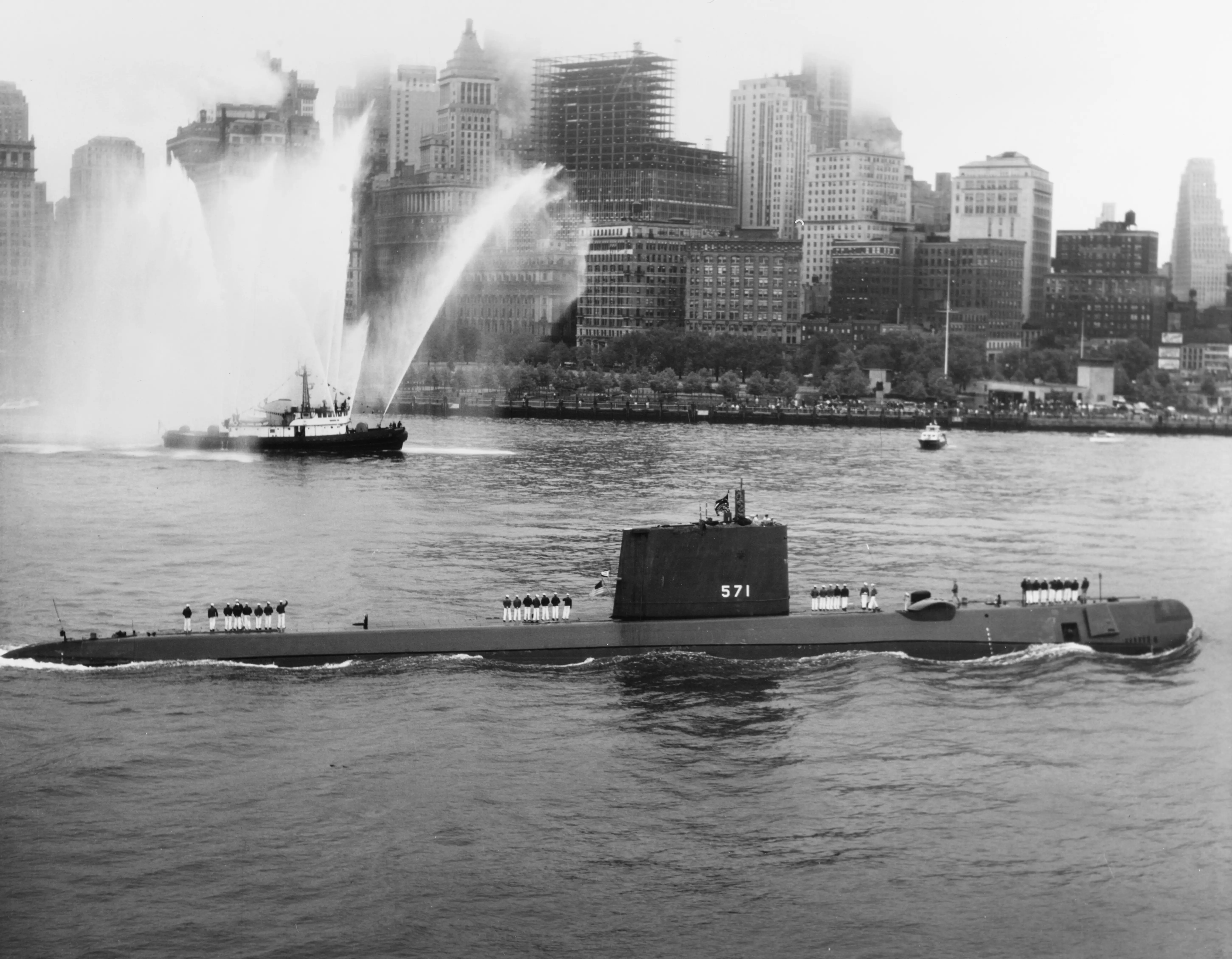
The defining leap came with the arrival of nuclear propulsion. The USS Nautilus (SSN-571), launched in 1954, became the first submarine capable of remaining submerged for months at a time. Powered by a nuclear reactor, it could travel thousands of miles without surfacing. This breakthrough allowed navies to deploy submarines for long-duration patrols and paved the way for the creation of nuclear-armed ballistic missile submarines, the ultimate strategic deterrent of the Cold War.
Modern advances: AIP, cruise missiles and unmanned systems
Post-Cold War advances further enhanced submarine capability. Air-independent propulsion (AIP) technology extended underwater endurance for non-nuclear vessels, while new generations of submarines gained cruise missile and land-attack capabilities through vertical launch systems. The rise of unmanned underwater vehicles and advanced sonar arrays has transformed submarines into hubs for both manned and autonomous operations beneath the ocean’s surface.
Conclusion: The enduring power beneath the waves
From Drebbel’s wooden prototype to today’s stealthy, reactor-powered leviathans, the submarine’s evolution mirrors the broader story of technological progress in warfare. Once dismissed as impractical, the submarine has become one of the most decisive and elusive assets in modern military strategy.
)
)
)
)
)