How Su-57 fighter jet uses infrared tricks to confuse enemy radars

The Su-57 uses lasers, jammers, flares, RAM coatings and AI-driven countermeasures to confuse incoming missiles and enemy radars. Its DIRCM turrets, DRFM tricks and passive tracking systems work together to keep it hidden and protected revealing a defence network far more advanced.
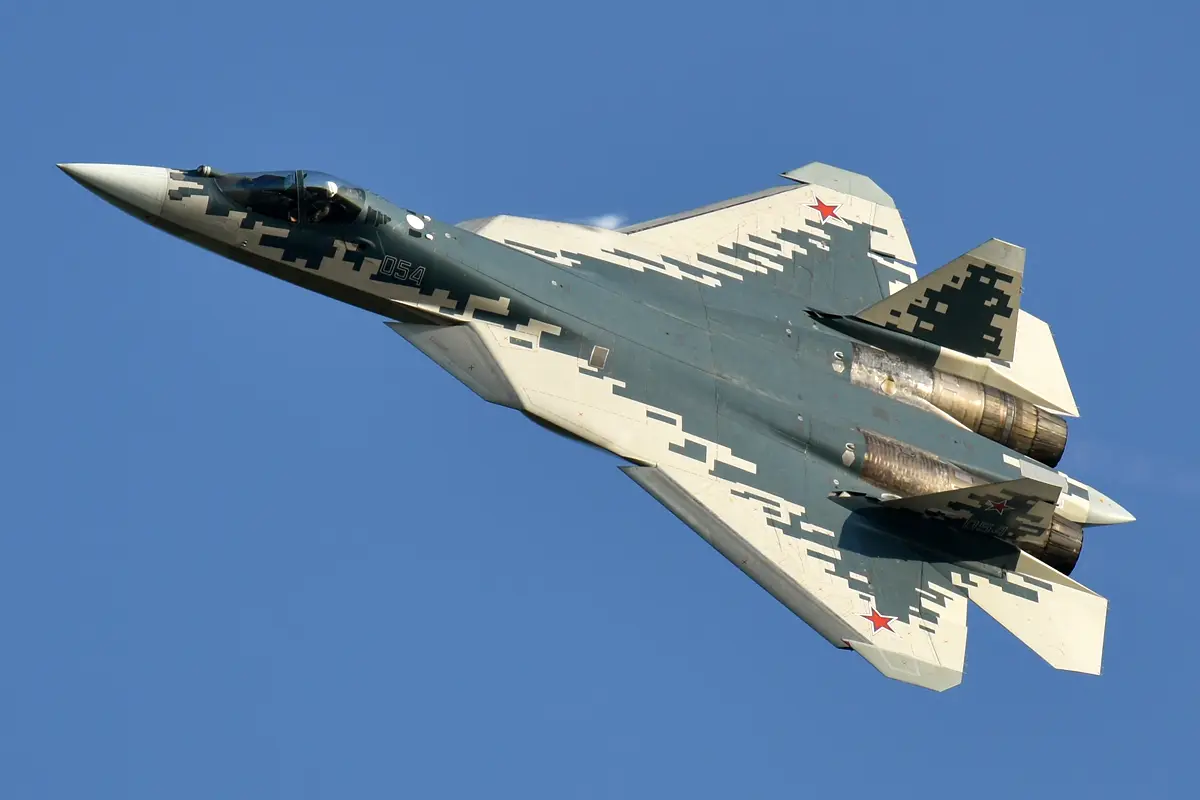
The DIRCM System
The Su-57 carries Directed Infrared Countermeasure turrets mounted behind the canopy and under the cockpit. These turrets detect incoming infrared missiles automatically. Upon detection, the DIRCM 101KS-O system activates. The turrets emit high-intensity laser light saturating the missile's seeker head. This blinding effect confuses the missile guidance system. The missile loses track of the aircraft and misses. The Su-57 is the first fighter mounting dual DIRCM turrets providing continuous protection.
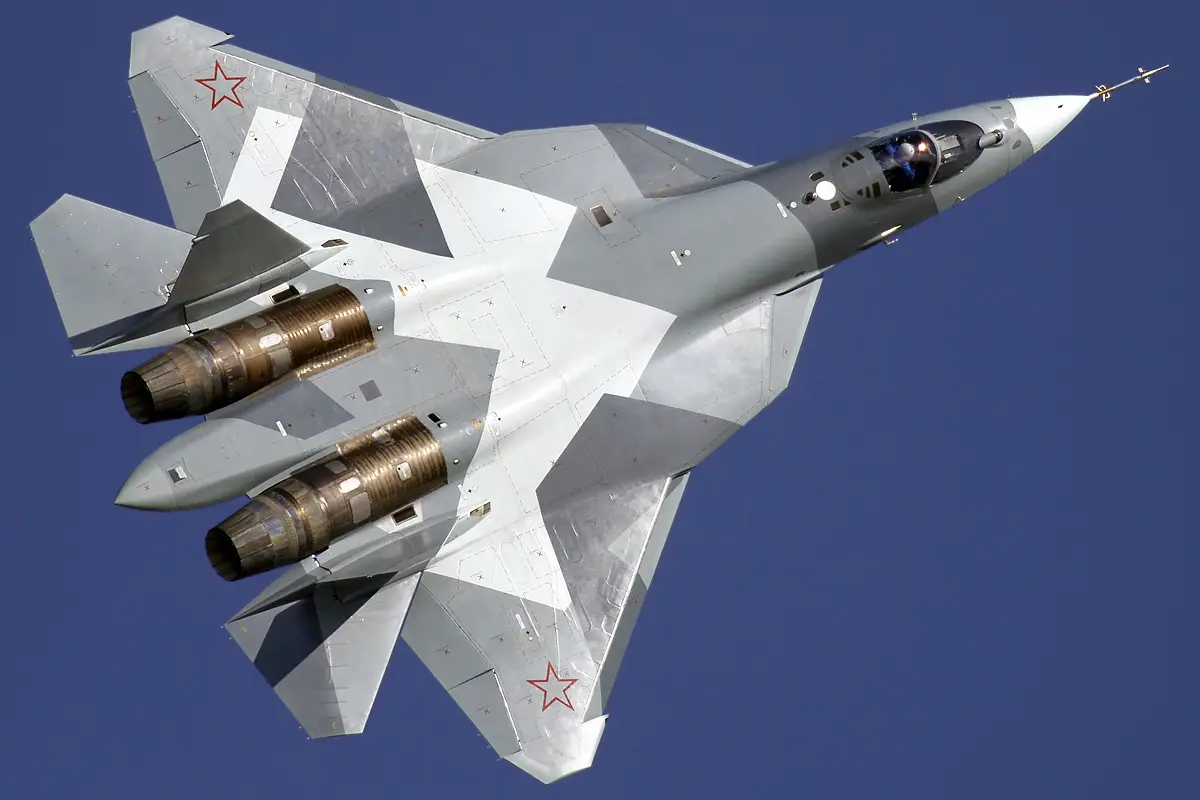
Active Jamming Floods Enemy Radars With Noise And False Signals
The L402 Himalayas electronic countermeasures system provides active jamming capabilities. This system detects enemy radar signals transmitted at the aircraft. Upon detection, Himalayas transmits powerful noise jamming signals. These signals flood the enemy radar receiver with noise. The radar cannot distinguish real targets from noise. The enemy pilot sees only confusion on the display. Active jamming works at the speed of light making detection and evasion instantaneous.
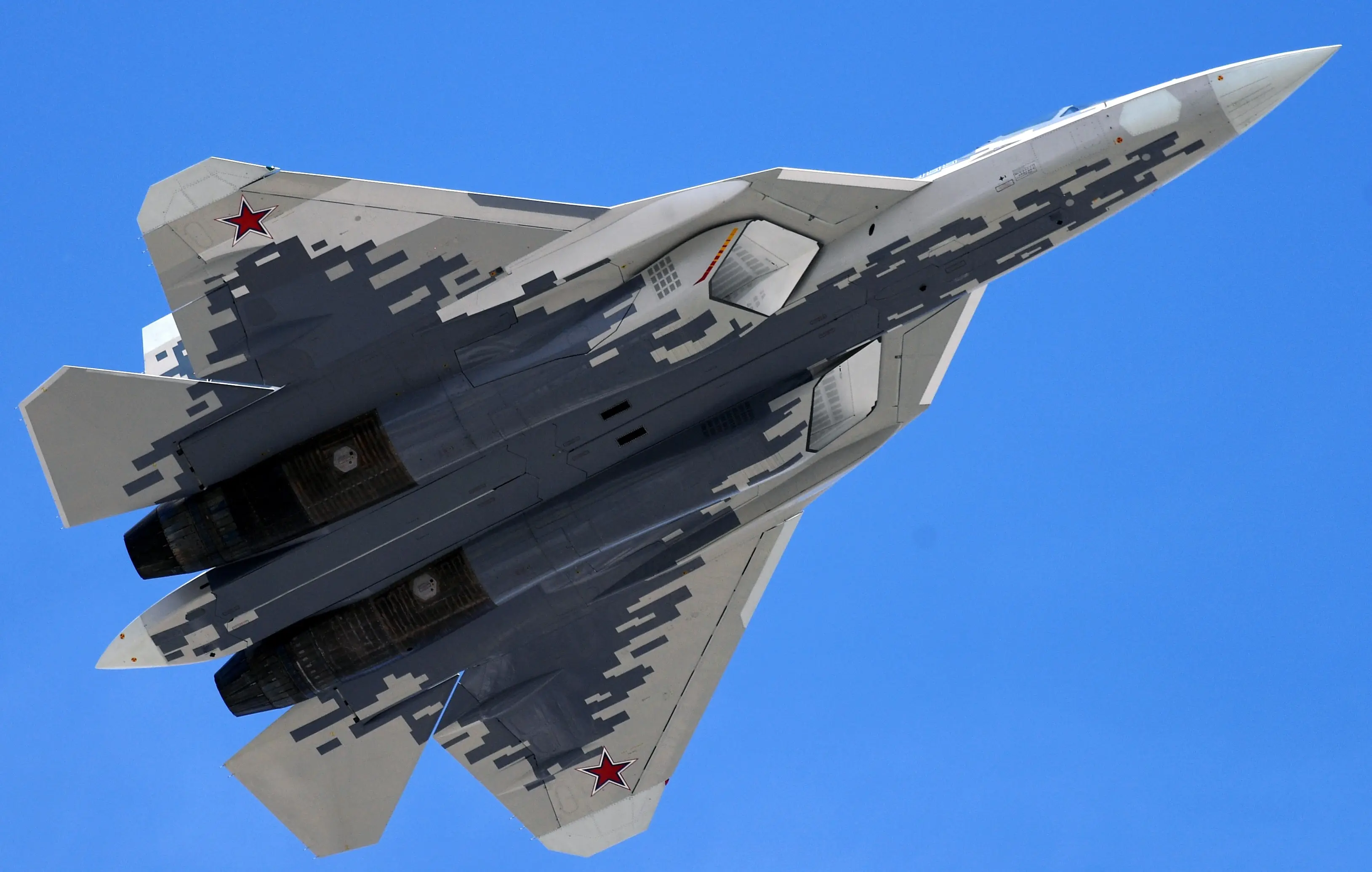
Digital Radio Frequency Memory Technology
Digital Radio Frequency Memory technology is the Himalayas system's core capability. The system records enemy radar pulses received by the aircraft. It then retransmits these pulses with modifications. The retransmitted pulses appear as false targets on enemy radar displays. Multiple false targets confuse the enemy into targeting decoys instead of the real aircraft. DRFM operates automatically without pilot input. The enemy radar cannot distinguish true aircraft position from the thousands of false echoes.
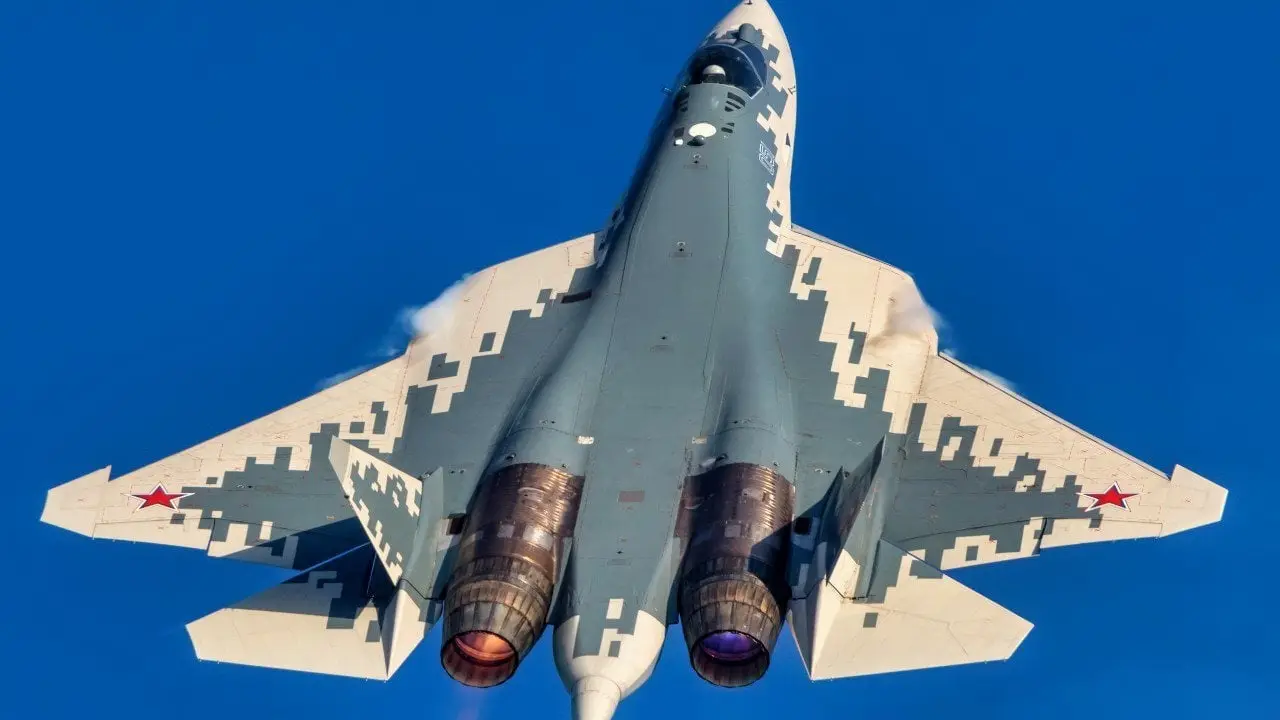
Programmed Flare Sequences
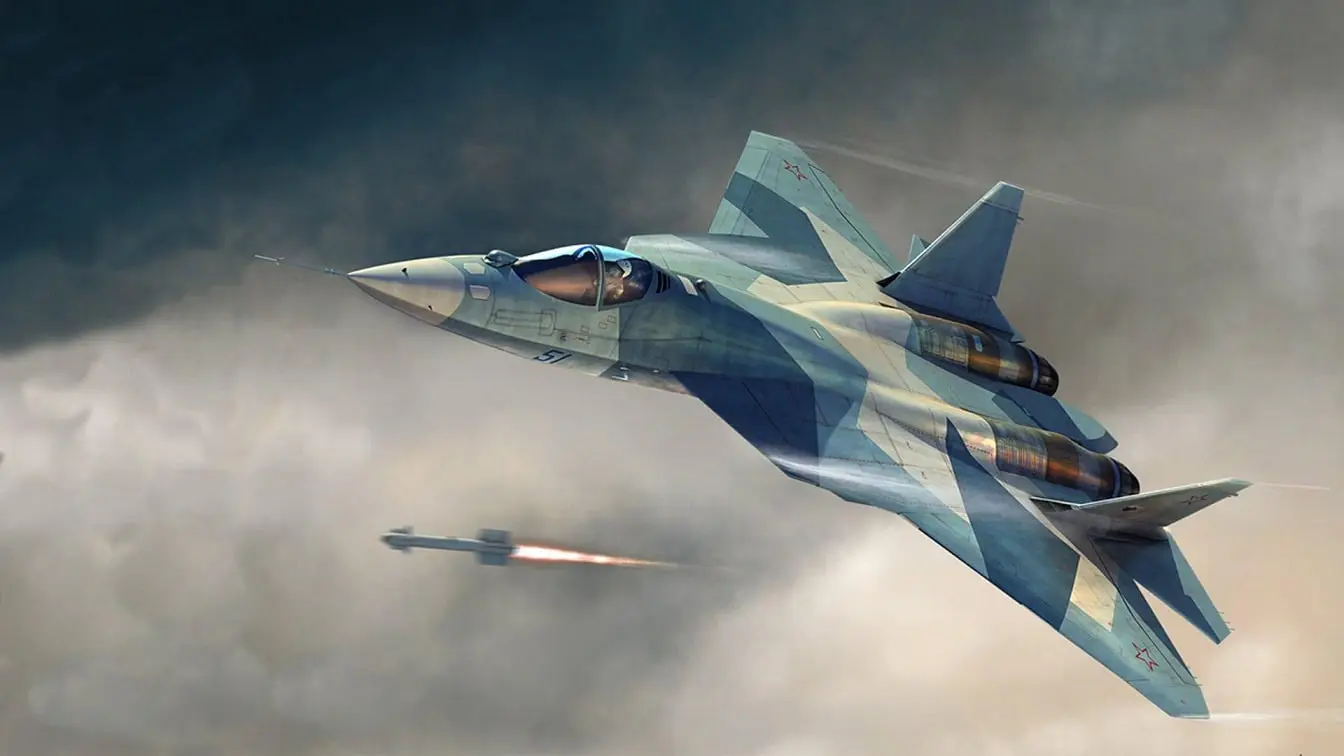
The Su-57 carries internal chaff and flare pods dispensing countermeasures automatically. Programmed sequences release 2 to 4 flares at intervals of 0.3 to 0.5 seconds. These intervals are calculated to confuse missile guidance systems. The flares create multiple heat signatures brighter than the aircraft's engine heat. Missiles attempting to track these flares fly past the real aircraft. Simultaneously, the pilot performs evasive manoeuvres and reduces engine power. This combined approach overwhelms missile seekers.
IRST Passive Detection
The Su-57 carries an Infrared Search and Track system detecting heat signatures passively. IRST does not emit any signals revealing aircraft position. The system tracks enemy aircraft engine heat without active detection. Pilots maintain awareness of enemy positions silently. Only when attacking does the Su-57 briefly activate its Sh-121 AESA radar for firing. This passive-to-active approach maximises surprise and survival time. Enemy air defence systems cannot locate the Su-57 until it actively transmits.
Radar-Absorbing Materials
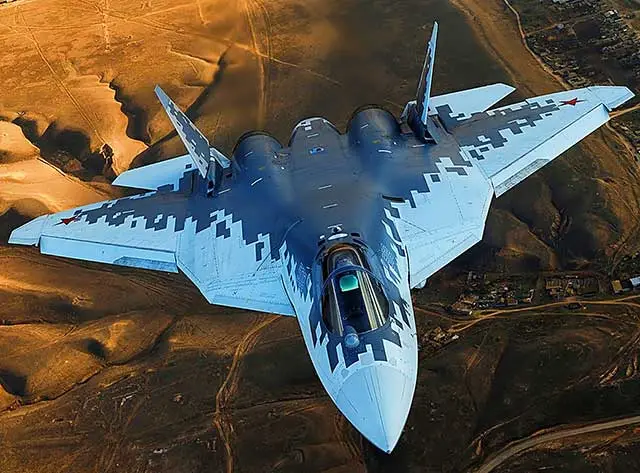
Radar-absorbing material coating reduces the Su-57's radar cross-section significantly. The RAM absorbs approximately 8 decibels at 8.15 GHz frequencies. At 3.15 GHz frequencies, RAM absorbs 4 decibels. These numbers seem small but represent major reductions in detection range. An 8 decibel reduction cuts detection range by approximately 40 per cent. Combined with angular airframe design, RAM makes the Su-57 extremely difficult to detect. Military radars require multiple confirmations before launching missiles.
Data Fusion And Automatic Response
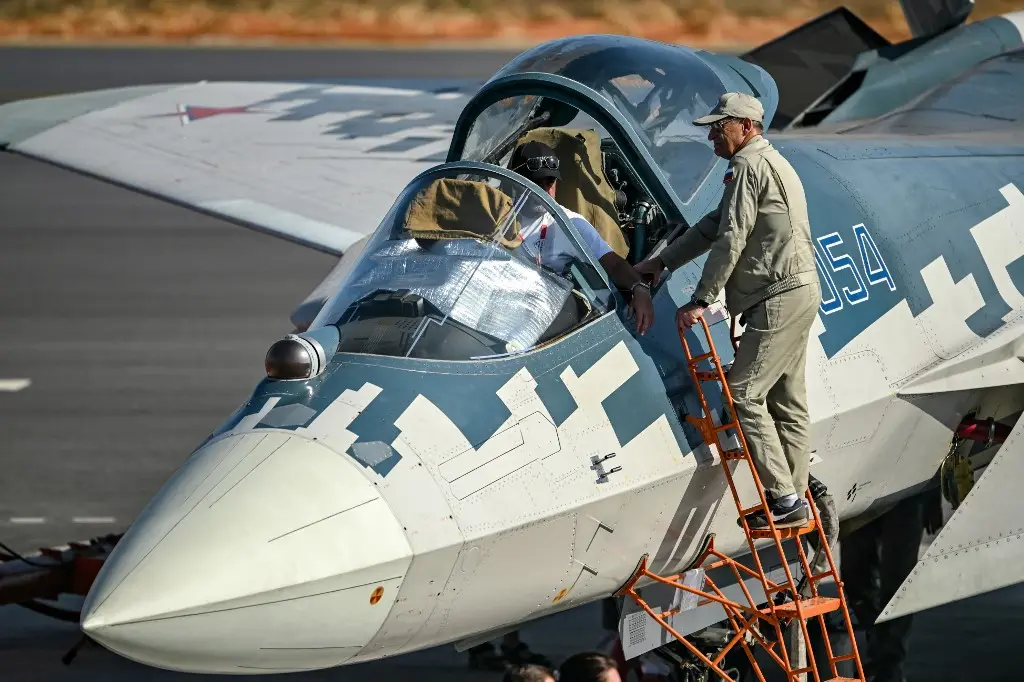
The Su-57 avionics system fuses data from multiple sensors automatically. Radar, IRST, and electronic warfare signals integrate through data fusion. The system automatically selects appropriate countermeasures. When infrared missiles detected, DIRCM and flares activate. When radar missiles detected, chaff and DRFM jamming activate. The computer sequences responses faster than any pilot could manually. Pilots focus on flying the aircraft whilst the electronics handle defence. This automation dramatically increases survival probability.
)
)
)
)
)