How strong is Pakistan’s military compared to Afghanistan’s Taliban fighters?

Pakistan fields one of the most powerful militaries in the Islamic world, while the Taliban rule Afghanistan with rugged fighters and battlefield grit. But if the two sides clash, how do conventional power and insurgent warfare really compare?
1. Army vs. Militias: Unequal in Structure, Not in Resolve
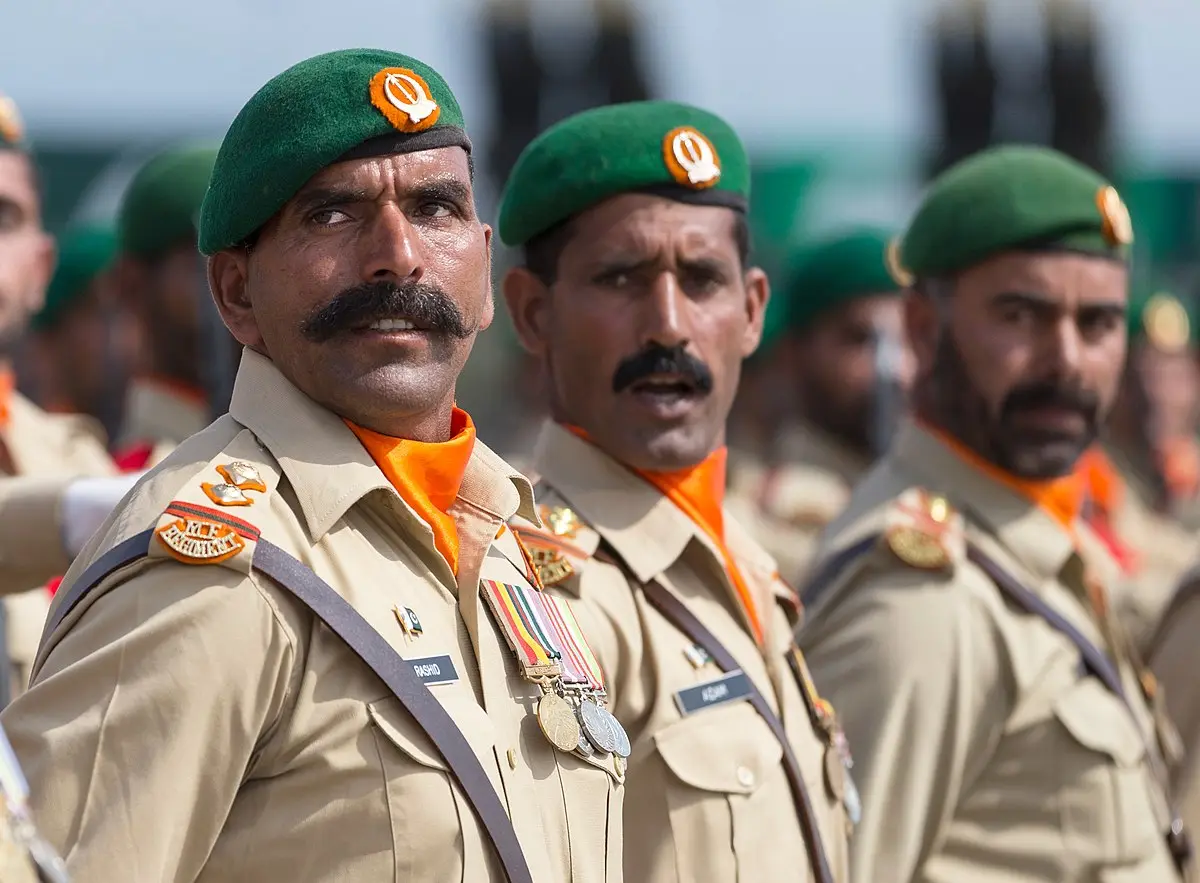
Pakistan’s military is a professional, state-run force, ranked among the world’s top 10 armies by manpower and capability. The Taliban, on the other hand, are an irregular fighting force with no formal hierarchy, relying on local commanders and religious loyalty.

2. Pakistan’s Numbers and Firepower
Pakistan has over 640,000 active troops, 1,000+ tanks, F-16 fighter jets, armed drones, and one of the largest nuclear arsenals in Asia. Its military budget exceeds $10 billion annually, giving it a clear technological edge.
3. Taliban’s Strength Lies in Terrain and Tactics
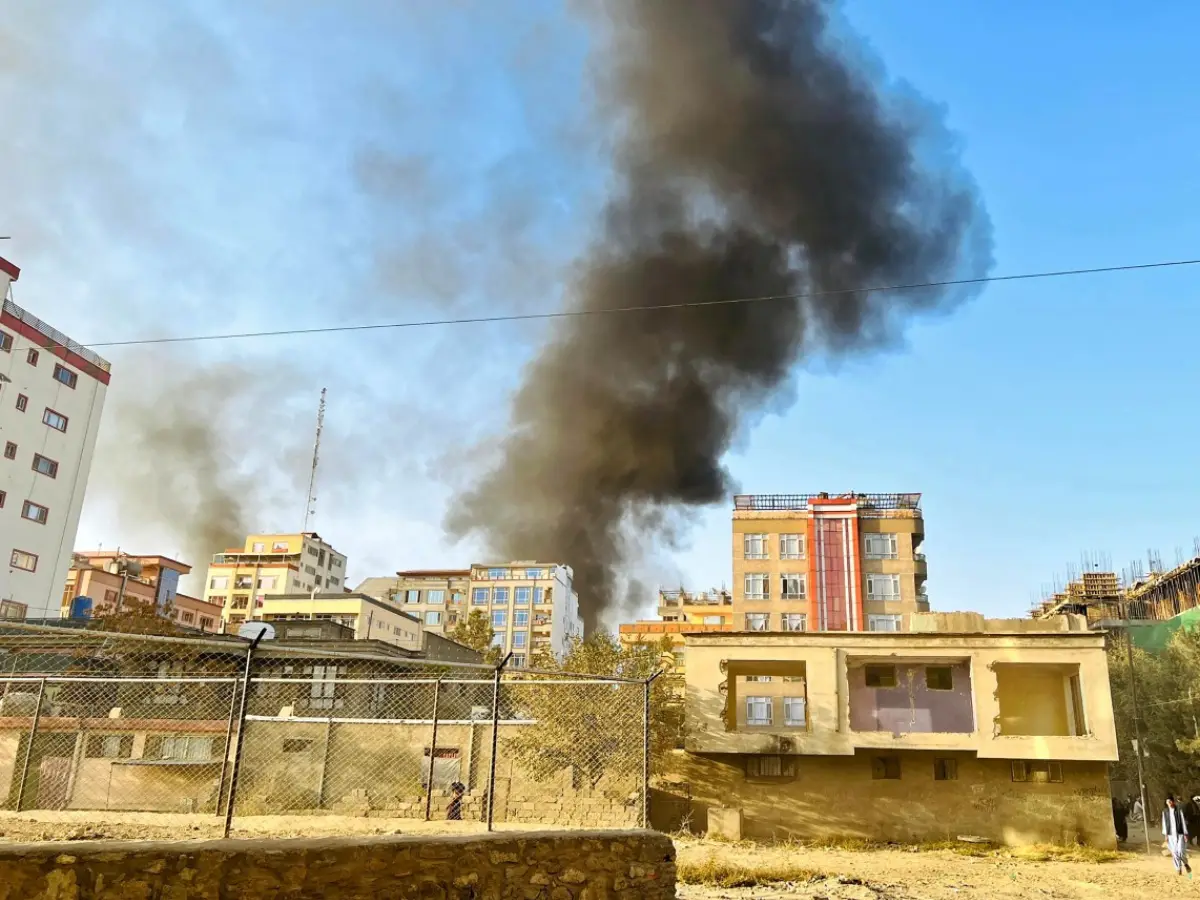
The Taliban control Afghanistan’s rugged mountains and desert routes, the same terrain that defeated both the Soviet Union and the US Their guerrilla warfare skills, local support, and familiarity with every valley make them unpredictable and dangerous.
4. Air Superiority: Pakistan’s Winning Card
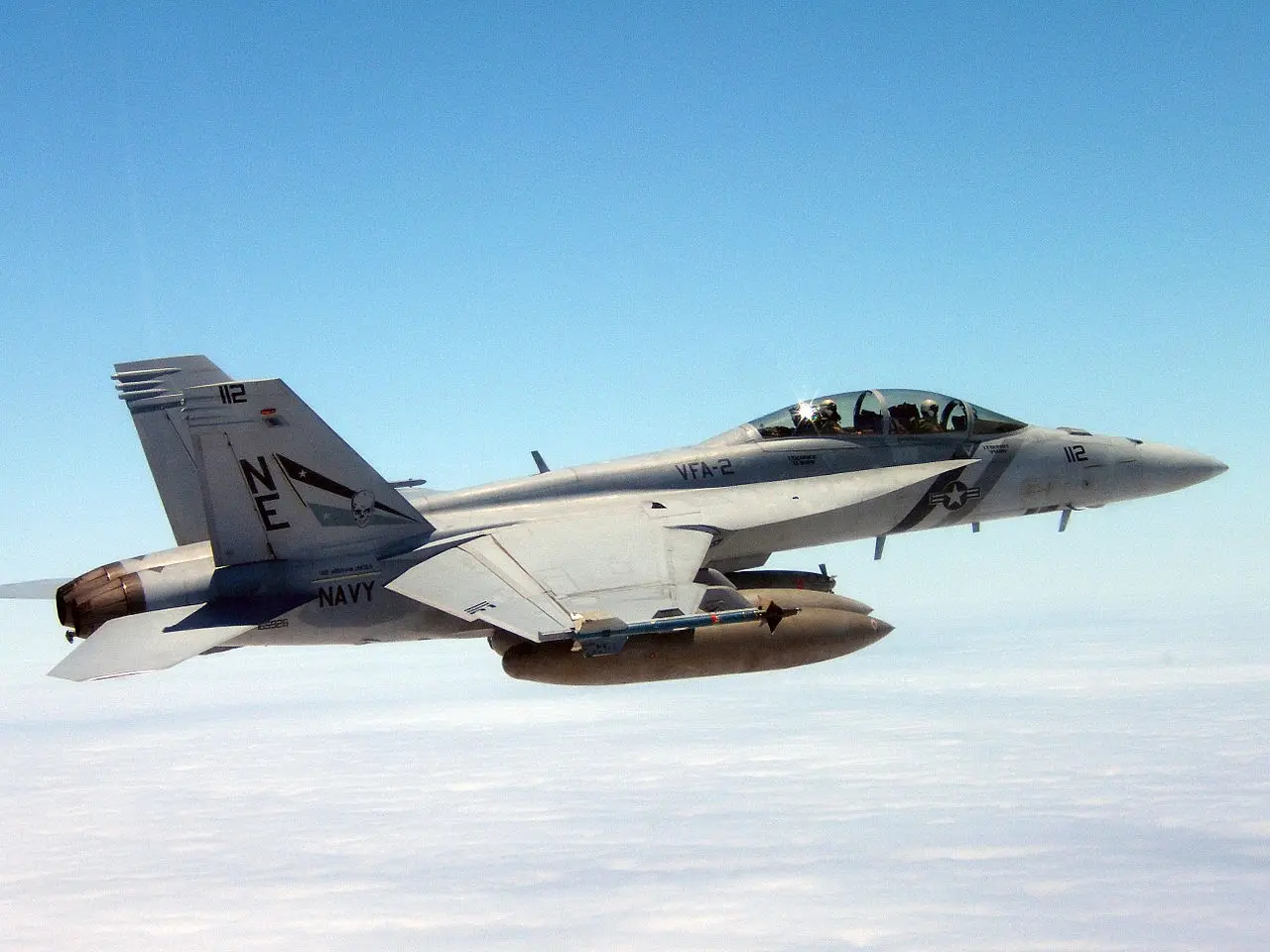
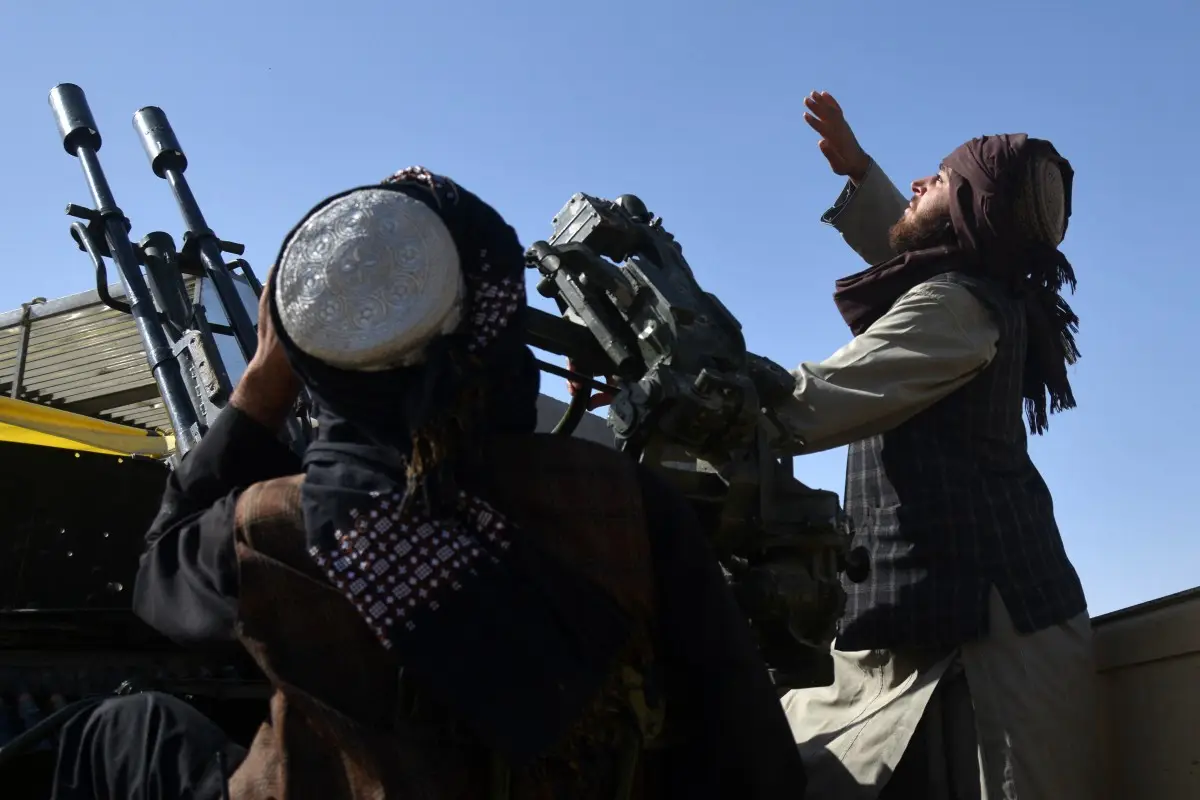
The Pakistan Air Force (PAF) could dominate Afghan skies within hours. The Taliban have no air force, no radar network, and no missile defence system. However, they compensate with mobility, hit-and-run ambushes, and underground networks.
5. Intelligence War: ISI vs. Local Warlords
Pakistan’s ISI is considered one of the world’s most experienced intelligence agencies but it’s also accused of having long supported Taliban factions. In a direct conflict, these historical ties could complicate Islamabad’s own counterinsurgency efforts.
6. Manpower and Morale
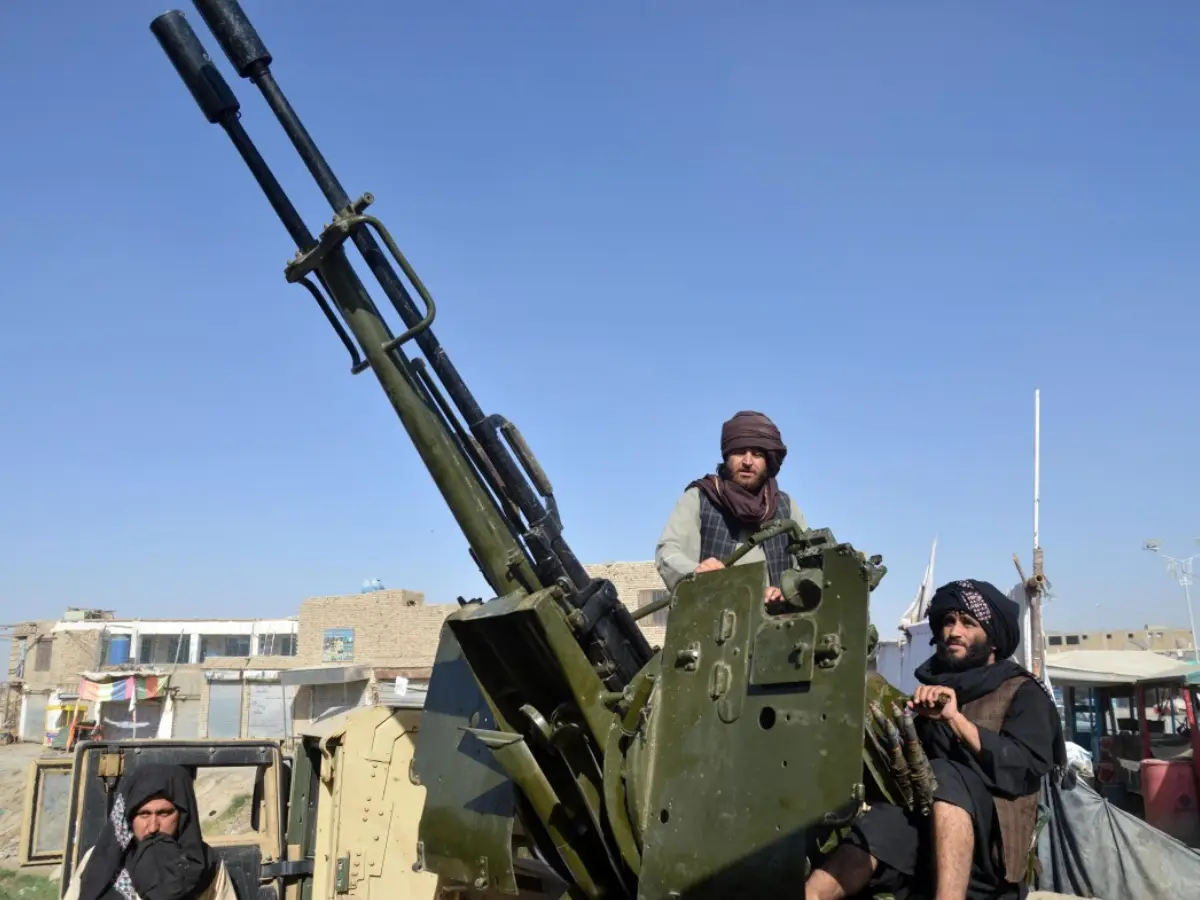
While Pakistan’s soldiers are well-trained and disciplined, Taliban fighters are ideologically driven and used to fighting against overwhelming odds. Their morale and religious zeal often offset their lack of technology or formal command.
7. Economic Sustainability
Pakistan’s army runs on state funds, imports, and logistics. A prolonged war would drain its fragile economy. The Taliban, however, sustain themselves through local taxation, smuggling, and opium trade, making them less dependent on global systems.
)
)
)
)
)