How strong is India’s nuclear firepower? Top 6 most powerful nuclear-capable missiles

Rather than relying on a single delivery system, India maintains a spread of land-based, sea-based and cruise-capable nuclear missiles that form a complete strategic triad.
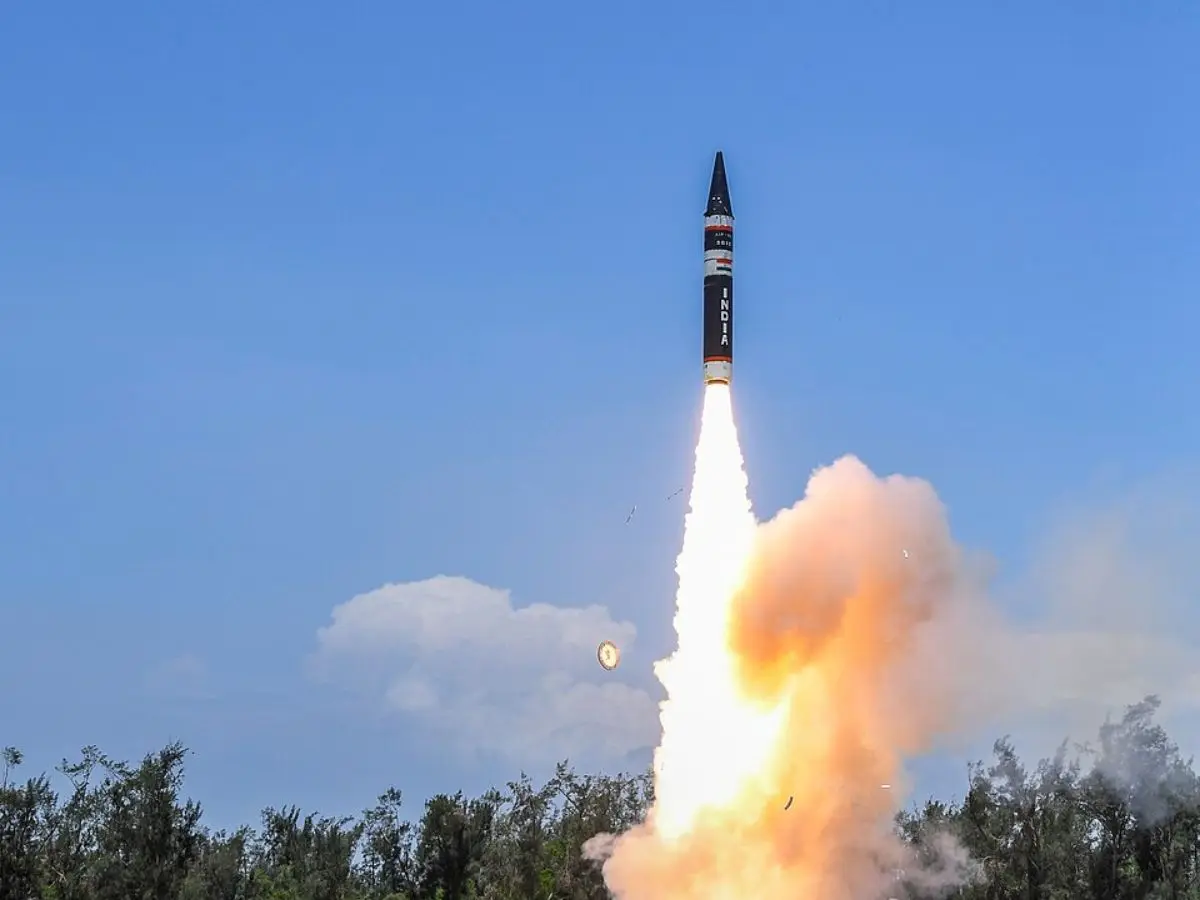
Introduction — outlining the nuclear strike capability
India’s nuclear missile inventory represents one of the most structured deterrence frameworks in Asia. Rather than relying on a single delivery system, India maintains a spread of land-based, sea-based and cruise-capable nuclear missiles that form a complete strategic triad. Each missile has been designed to ensure that a retaliatory strike remains possible under any circumstance, which is the foundation of India’s nuclear deterrence policy. Here is a list of the top 6 nuclear capable missiles in India's defence arsenal.
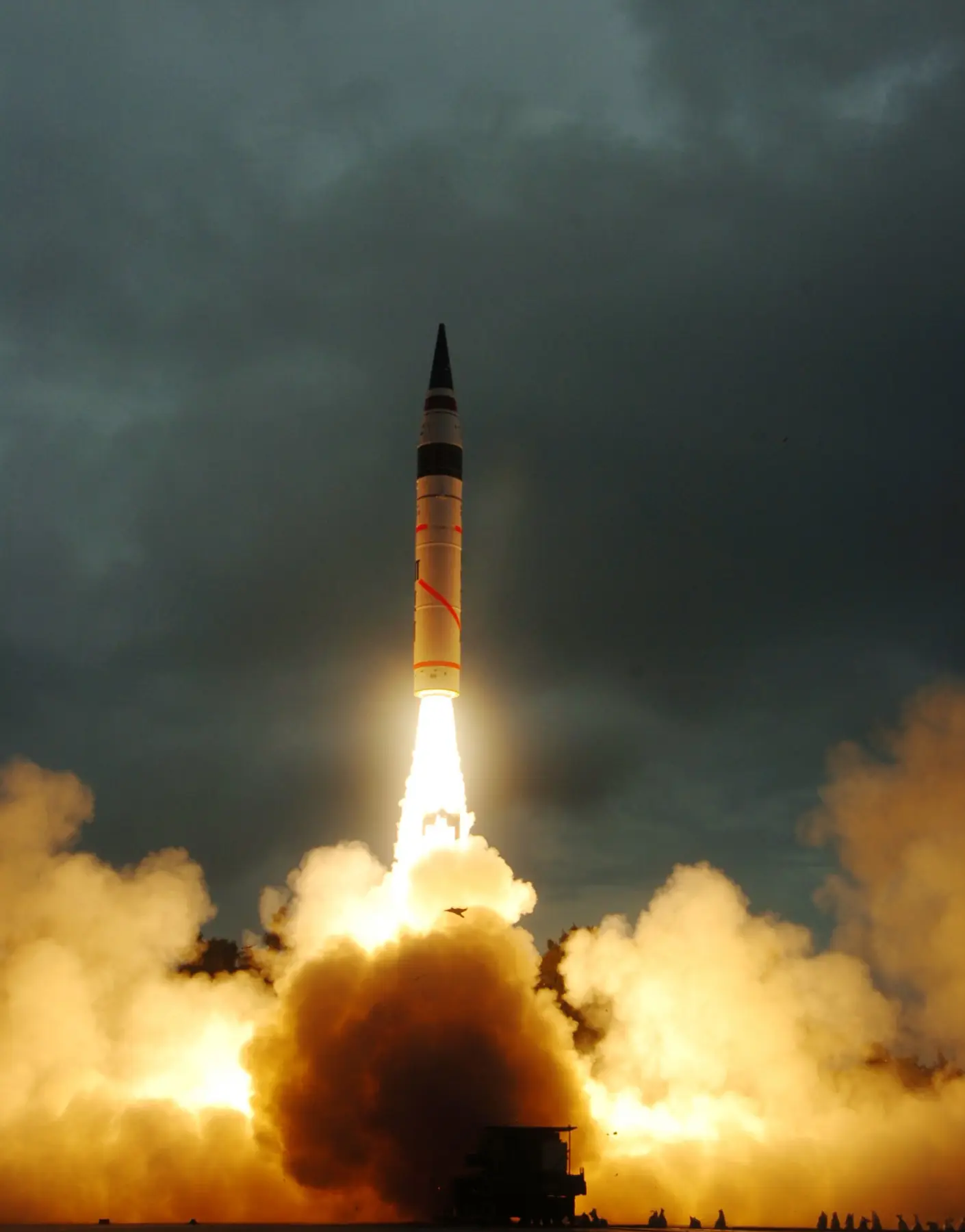
1. Agni-V missile
Agni-V is India’s best-known long-range ballistic missile, intended to strike targets at distances of around 5,000 km or more. It is canister-launched, improving mobility and reducing preparation time. With its reach deep into continental space, Agni-V is often regarded as the cornerstone of India’s long-range strategic capability.
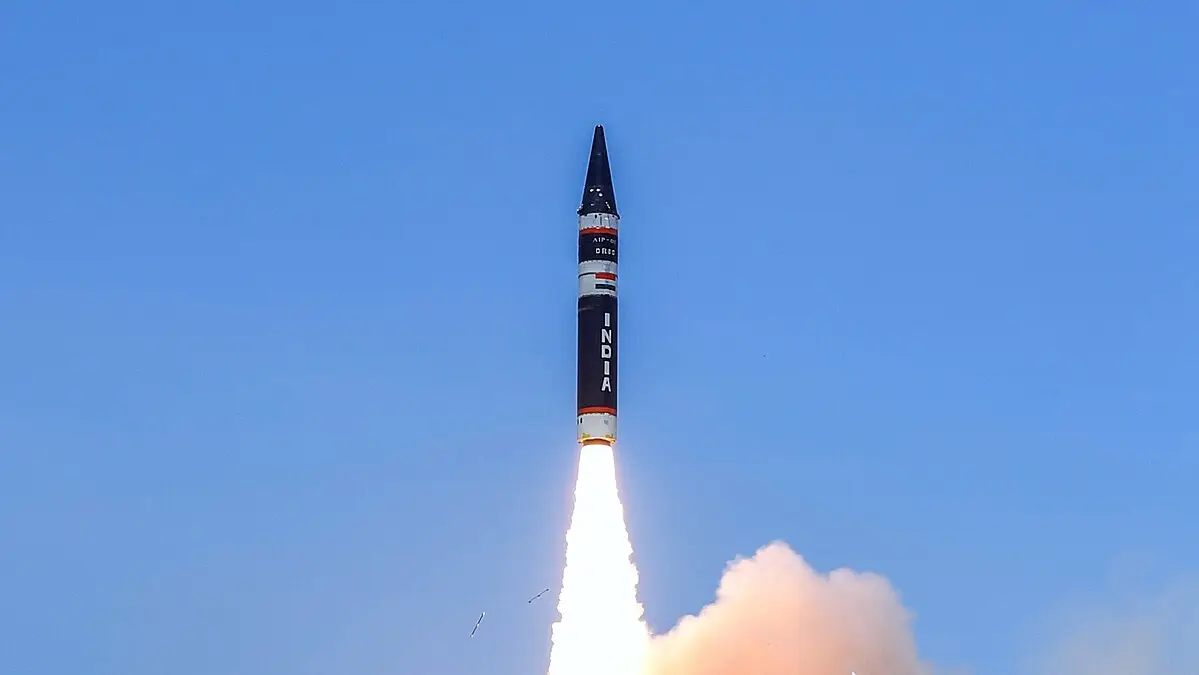
2. Agni-Prime missile
Agni-Prime, also called Agni-P, is a new-generation ballistic missile with an estimated range between 1,000 and 2,000 km. It is lighter than previous Agni missiles and can be launched on short notice from a canisterized system. It integrates composite propulsion, digital guidance and reduced weight compared to earlier Agni variants. Once fully inducted, it is expected to replace older medium-range systems, giving India more precise and survivable nuclear delivery options.
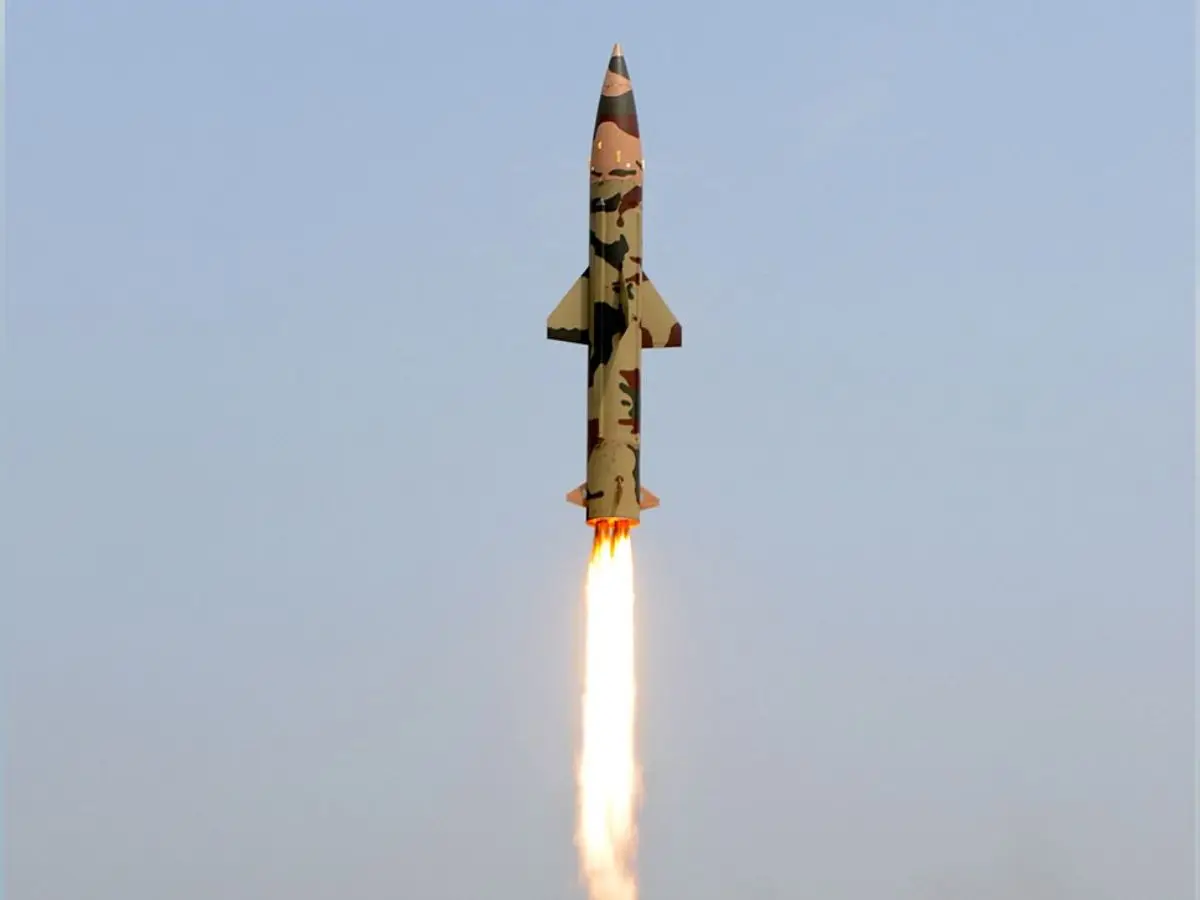
3. Prithvi-II missile
Prithvi-II is one of the earliest nuclear-capable short-range surface-to-surface ballistic missiles in the arsenal, with a range of roughly 350 km and a payload of up to 500 kg. While tactical in reach, it plays a strategic deterrent role by enabling nuclear retaliation even in short-range conflict scenarios. It is launched from road-mobile platforms, supporting rapid relocation and concealment.
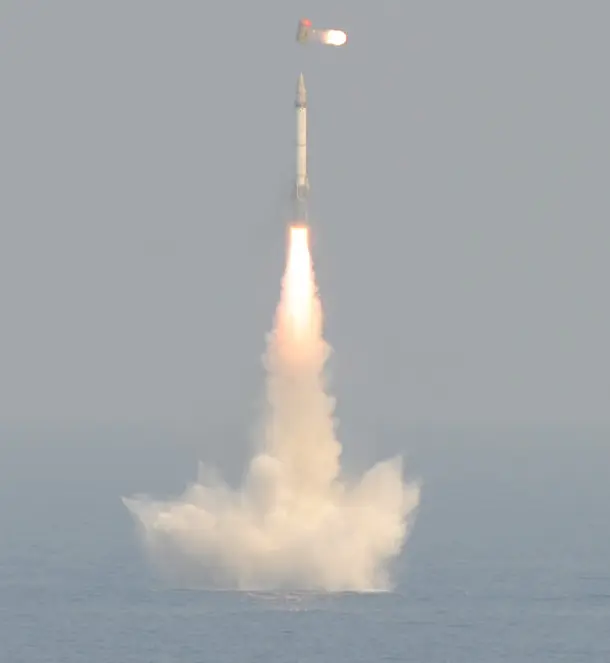
4. K-15 Sagarika missile
K-15 Sagarika marked the beginning of India’s underwater nuclear delivery capability. With an approximate range of around 750-1500 km, it is launched from ballistic missile submarines. It is a two-stage solid propellant missile and its importance lies not in distance but survivability; submarines carrying K-15 ensure that a nuclear response remains possible even if land assets are targeted first.
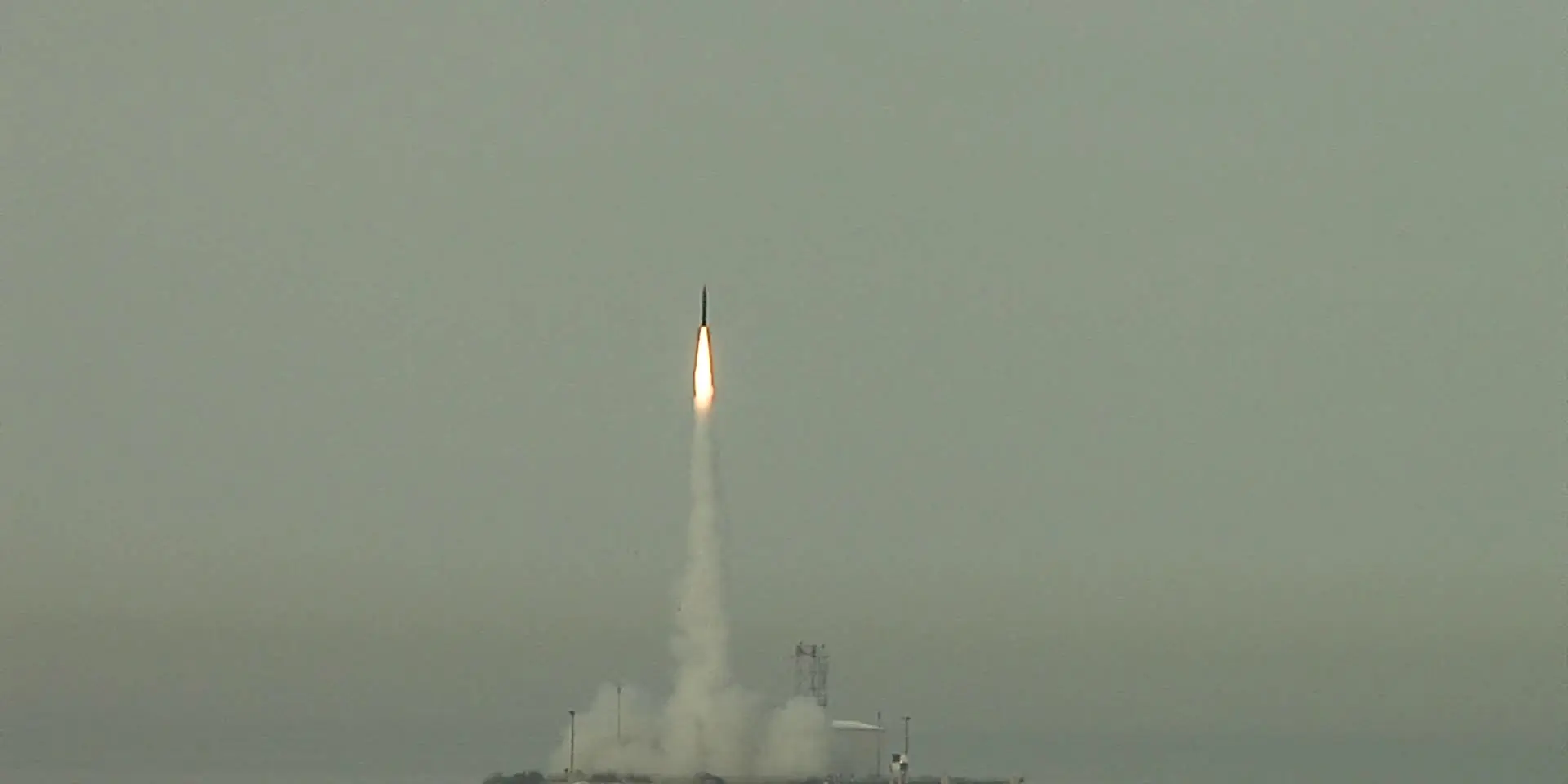
5. K-4 missile
K-4, the next step in India’s sea-based deterrent, extends the submarine launch range to around 3,500 km. Its purpose is to keep Indian submarines farther from hostile coastlines while retaining credible strike reach. It is designed to carry both nuclear and conventional warheads. The combination of K-15 and K-4 gives India layered sea-based deterrence, a crucial feature of modern nuclear strategy.
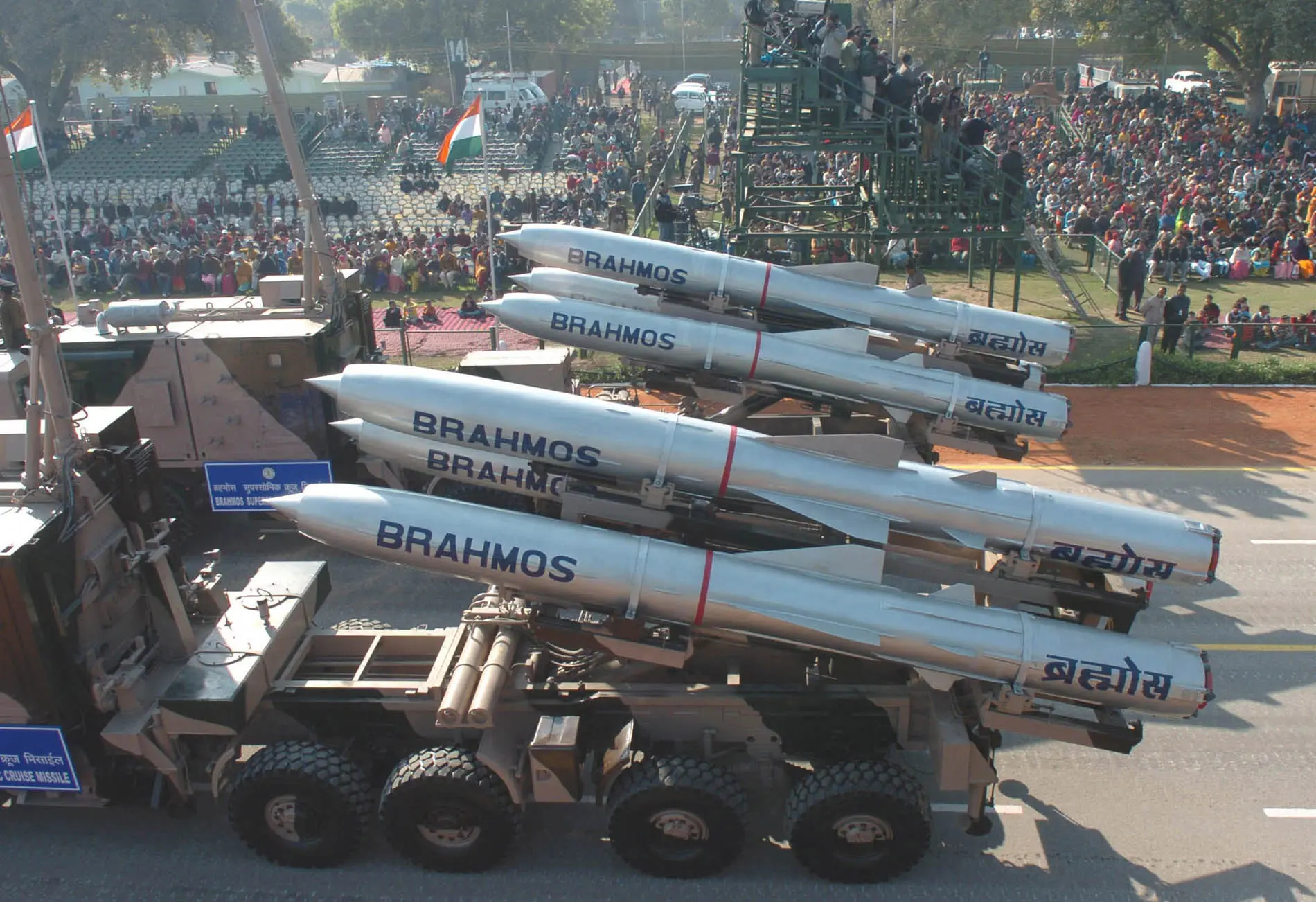
6. BrahMos missile
The BrahMos is a nuclear-capable supersonic cruise missile system developed by India and Russia. It can be launched from various platforms, including land, sea, and air. Some variants of the BrahMos cruise missile are configured to deliver a nuclear payload. With a typical reach of up to 450 km, depending on version, the missile offers high accuracy and low-altitude penetration, complementing ballistic systems with a precision-strike option. Its ability to launch from land, sea and air increases operational flexibility.
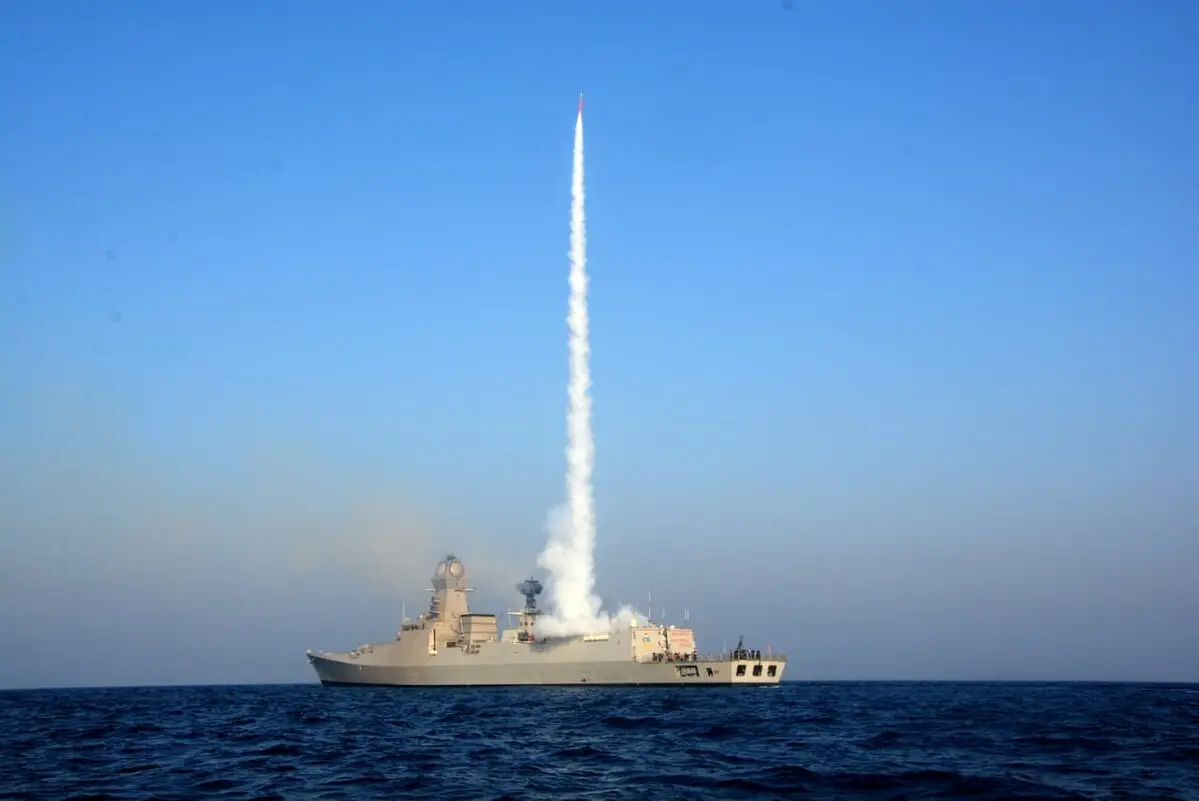
A triad built for assured retaliation
Combined, these missiles form a nuclear structure focused on credible minimum deterrence rather than volume. Agni systems provide long-range land strikes, K-series missiles secure second-strike capability from submarines and BrahMos adds accuracy and multi-platform delivery.
)
)
)
)
)