How space and AI could help solve climate and energy challenges

AI is set to revolutionise space orbits in the next 10 years. From smarter satellites to autonomous space stations, AI could change how we explore and understand space. Know what the future holds.
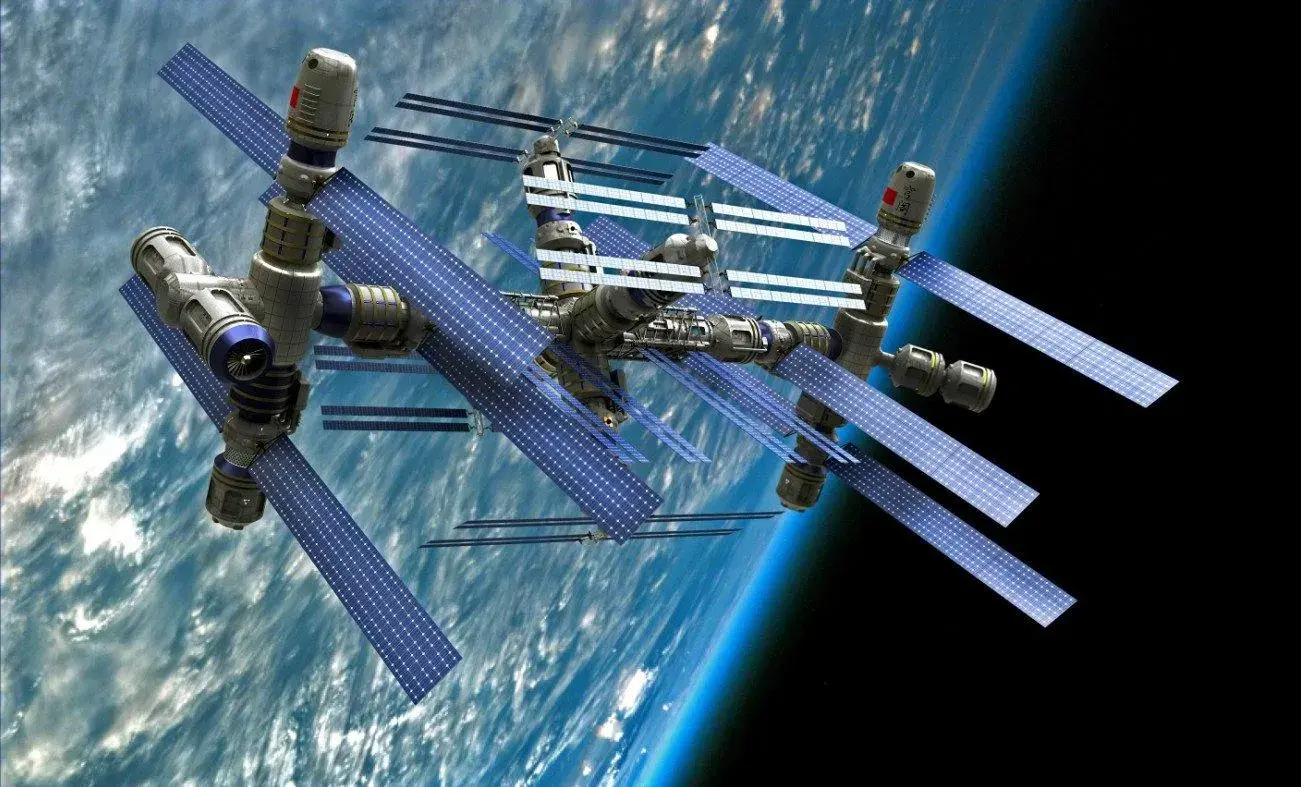
Why is AI in space important?
AI helps manage space missions better. It can control satellites, analyse data, and avoid collisions all without human help. This makes space missions safer and more efficient, with fewer errors.
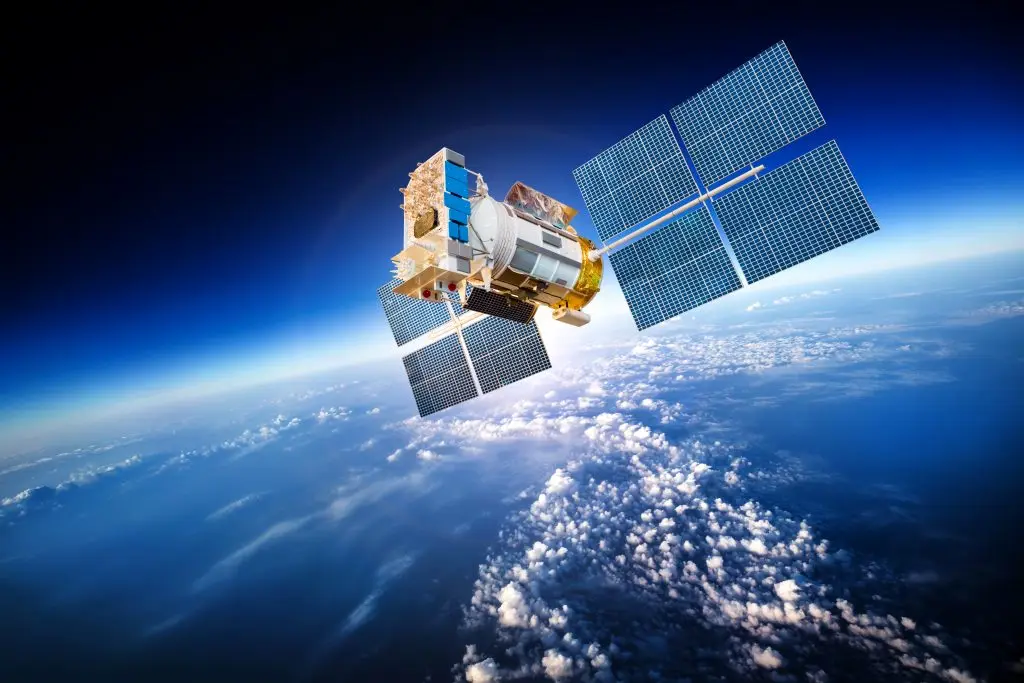
Smarter satellites with AI
AI allows satellites to think for themselves. They can adjust their paths, detect problems early, and even decide which images or data to send back to Earth, saving time and energy.
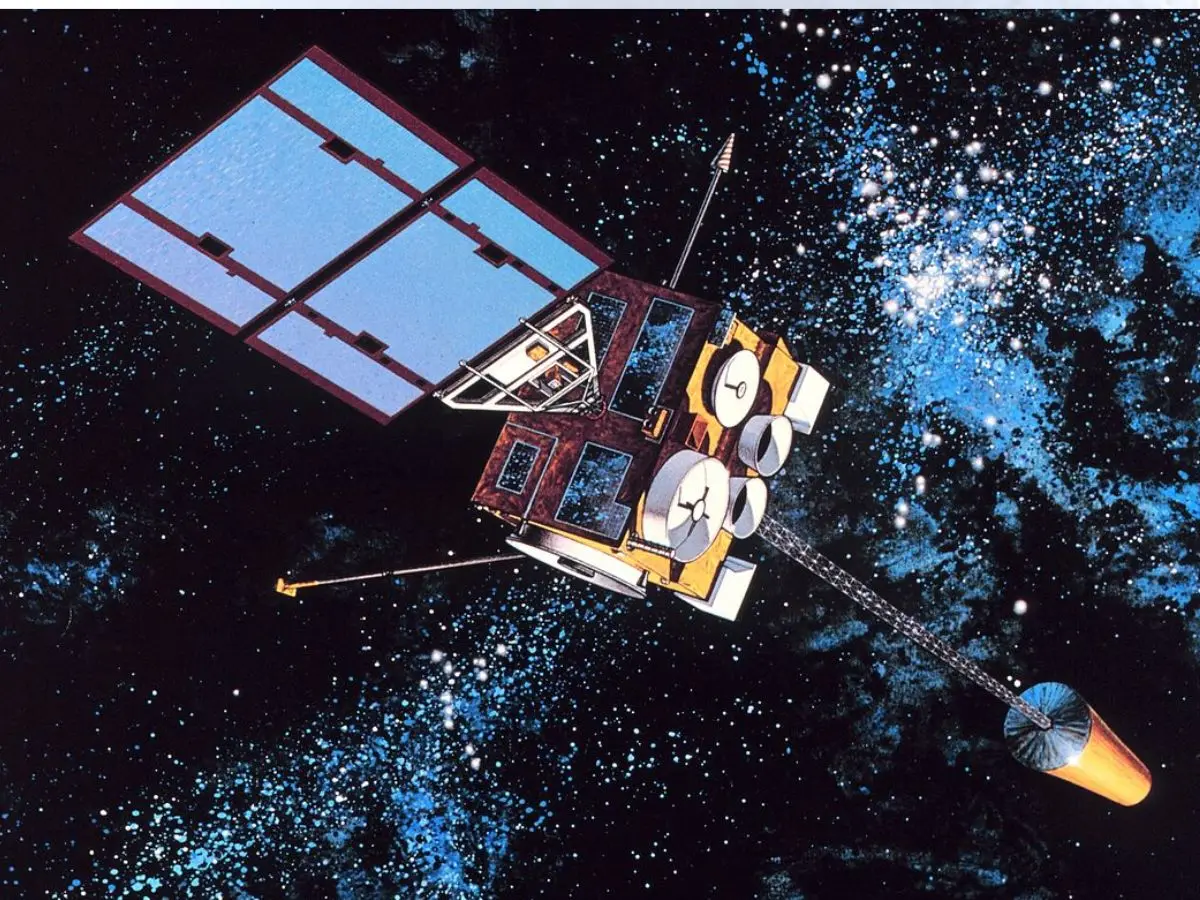
Monitoring Earth from space
AI in orbit can help track climate change, natural disasters, and pollution. Satellites driven by AI can give much faster updates why this is vital for timely action.
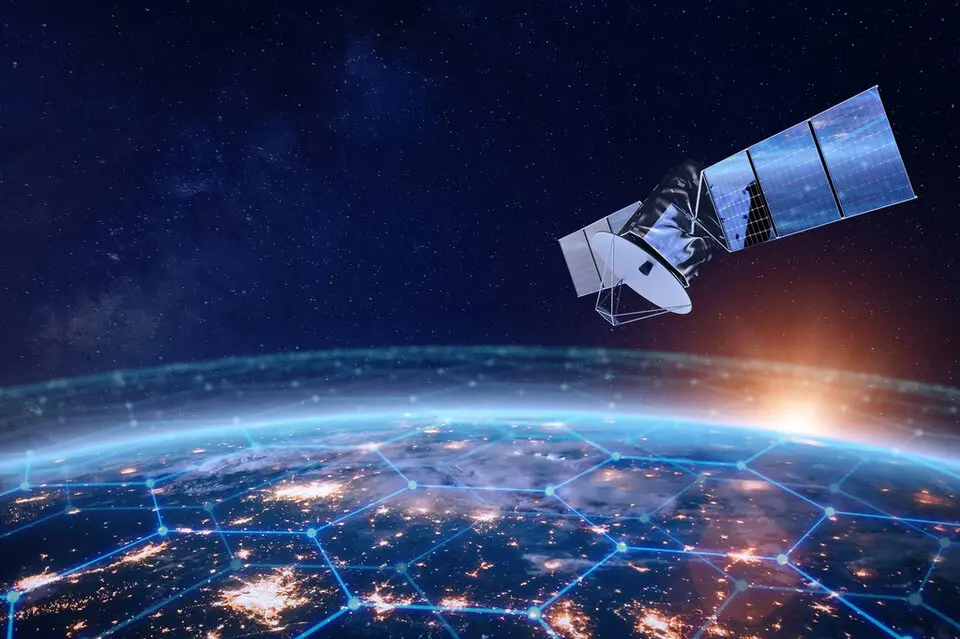
Building space stations
AI could help build and run space stations automatically. Robots guided by AI can assemble habitats, repair systems, and manage energy all while humans relax or focus on research.
Self-repair and maintenance
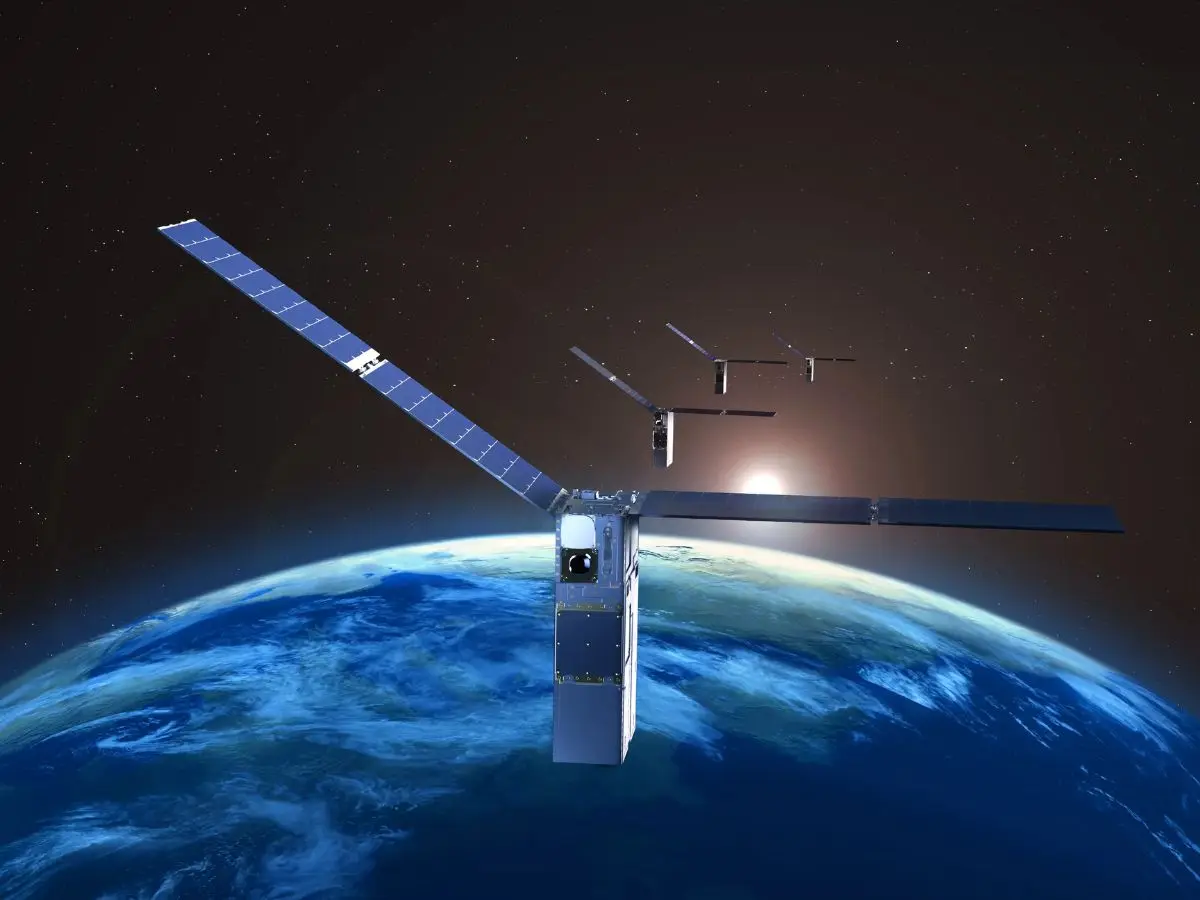
AI-powered robots can fix broken parts of satellites or space stations. They will repair themselves and help prevent accidents, extending the life of space equipment.
Autonomous navigation
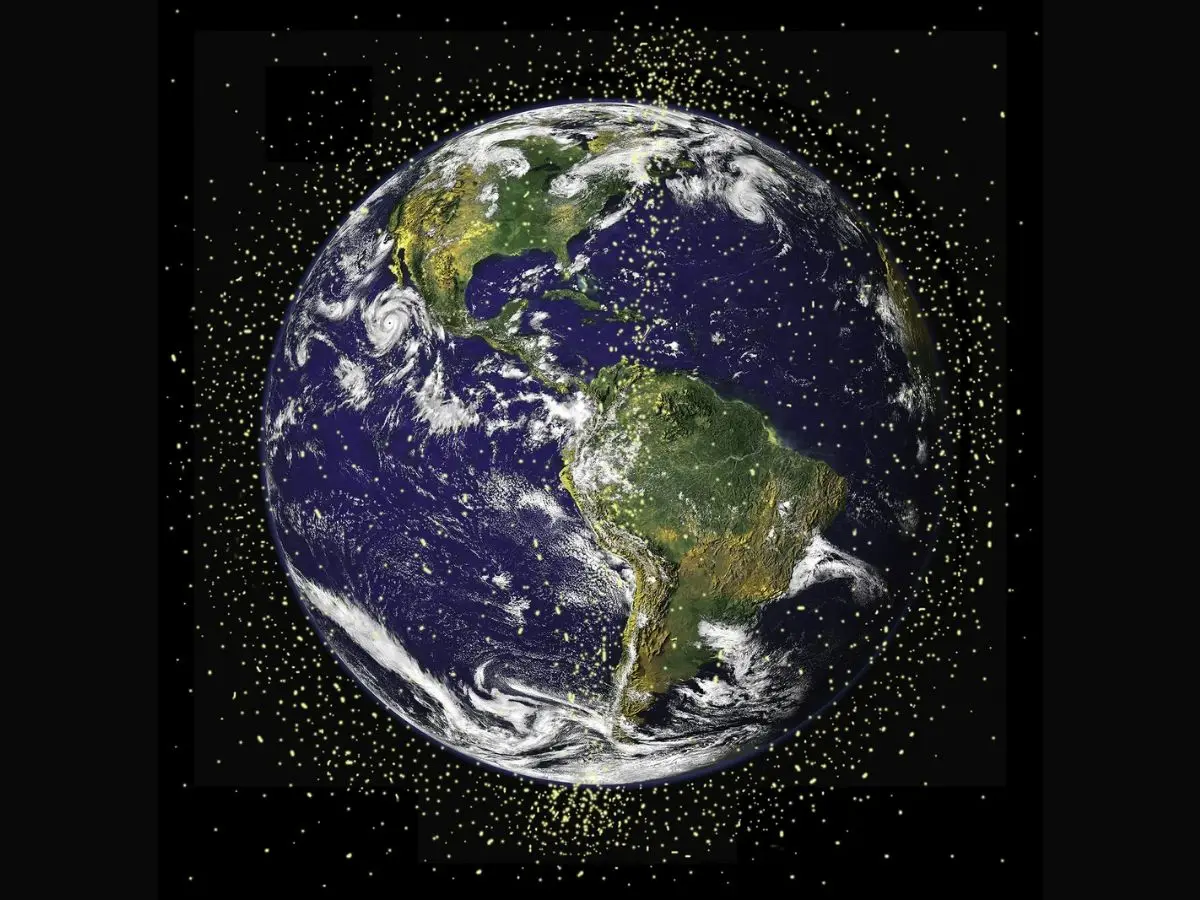
AI can help spacecraft navigate through space safely. It can avoid debris, navigate around planets, and find the best routes all in real time.
What is the future?
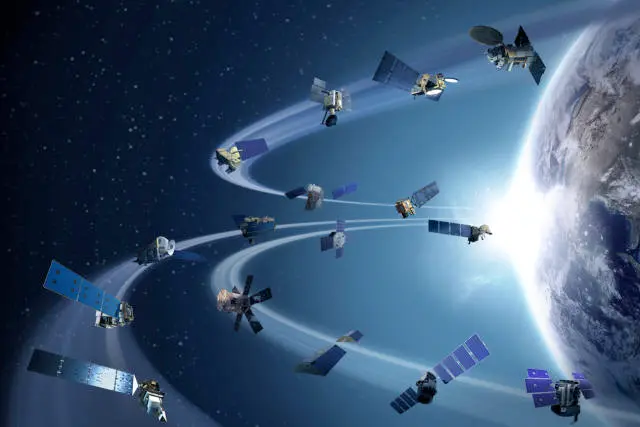
Probably in 10 years, many believe AI will run large parts of space operations. From satellite management to space exploration, AI could be the key to unlocking humanity’s potential in space, making journeys safer and longer.
)
)
)
)
)