How social media poisoned Tyler Robinson’s brain to murder Charlie Kirk?

Tyler Robinson, just 22, wasn’t part of a militia or terrorist group, he was part of Discord chats, meme pages, and online echo chambers that blurred irony and ideology.
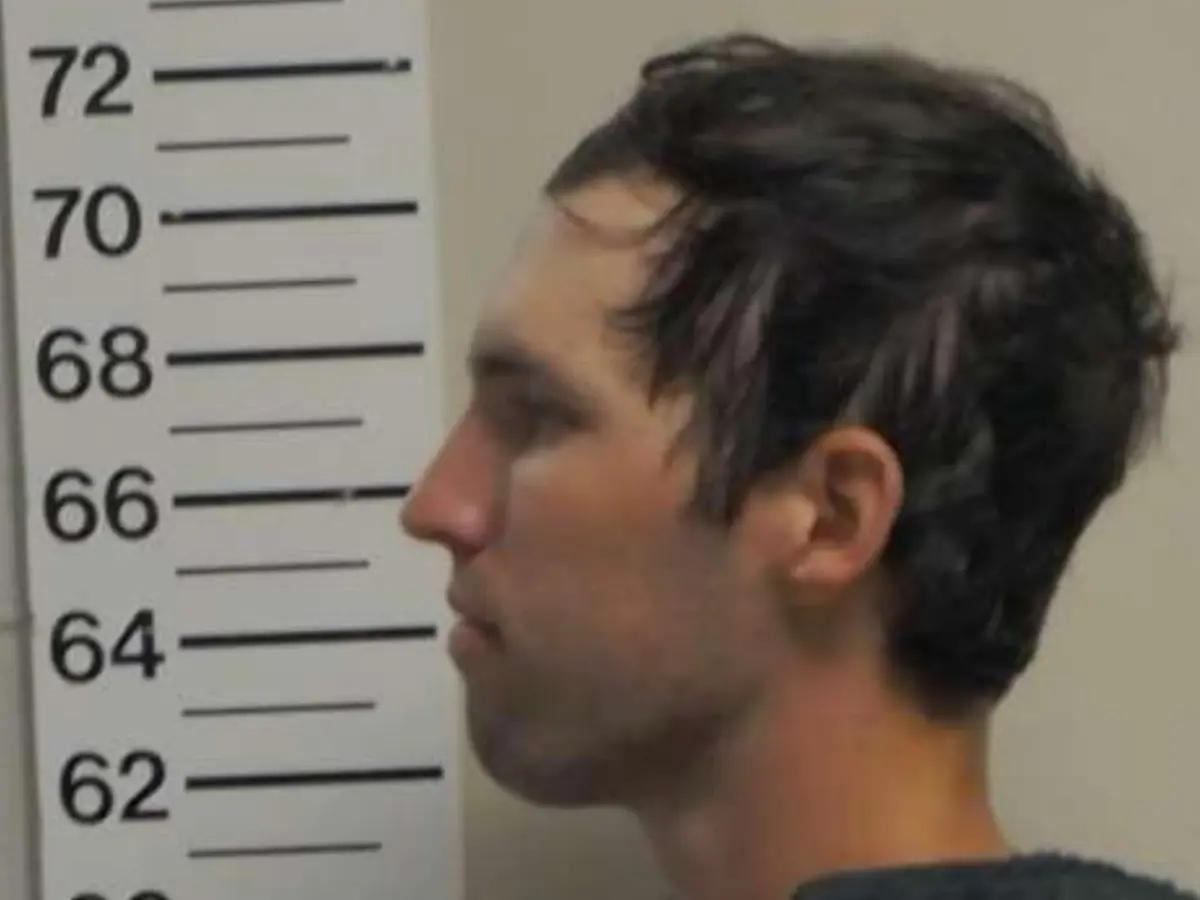
The Bullet Casings That Spoke in Memes
When Utah Governor Spencer Cox read aloud the cryptic phrases engraved on Robinson’s bullets from “Bella Ciao” to “If you read this you are gay lmao” it became clear: Robinson was marinating in online meme culture where irony replaces morality.
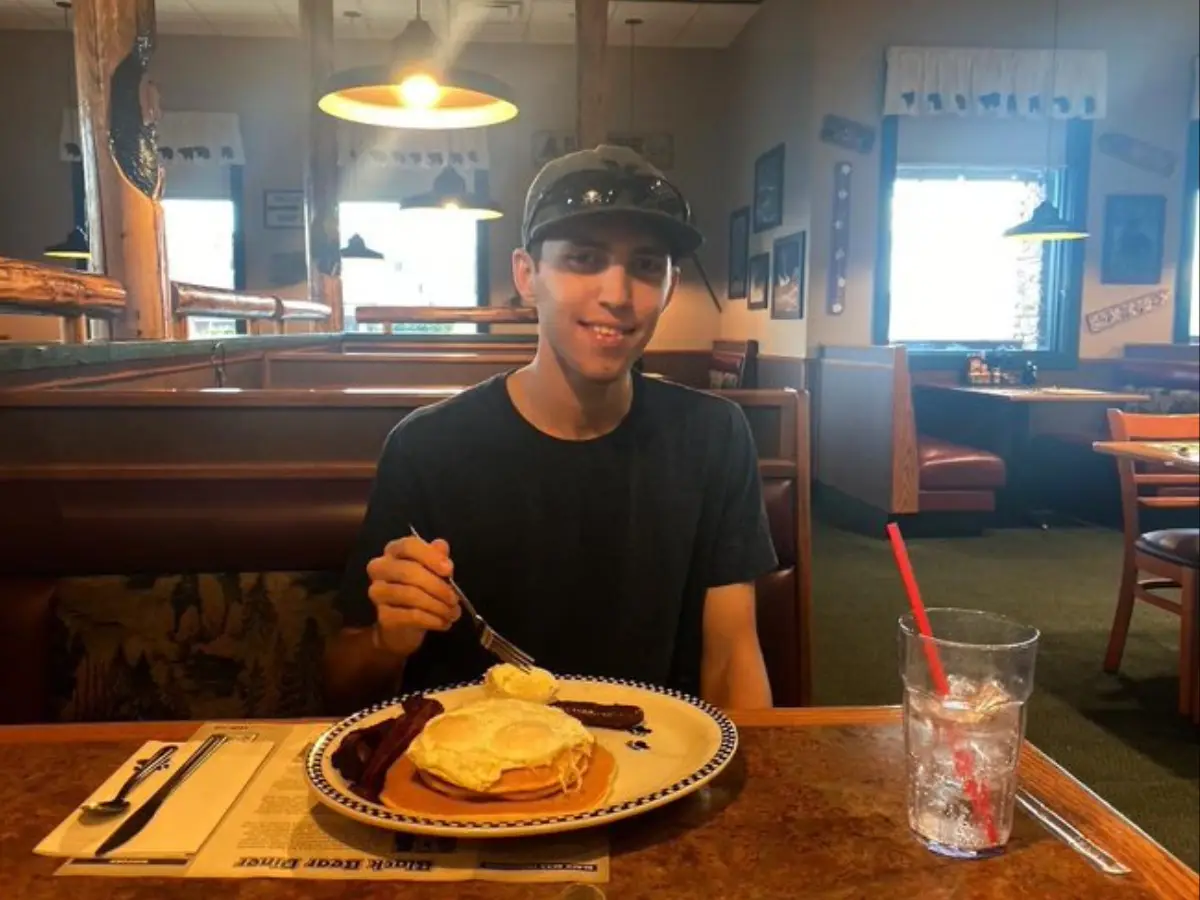
Discord: The New Radical Classroom
Robinson reportedly bragged about the shooting to his Discord group. Platforms meant for gaming and friendships have turned into unmonitored hubs where young people joke, radicalize, and sometimes plot acts that spill into real life.

A “Chronically Online” Identity
Described by relatives as “full of hate,” Robinson was emblematic of the chronically online American male, politically fragmented, socially isolated, and endlessly scrolling. For him, memes weren’t jokes; they were identity and ideology.
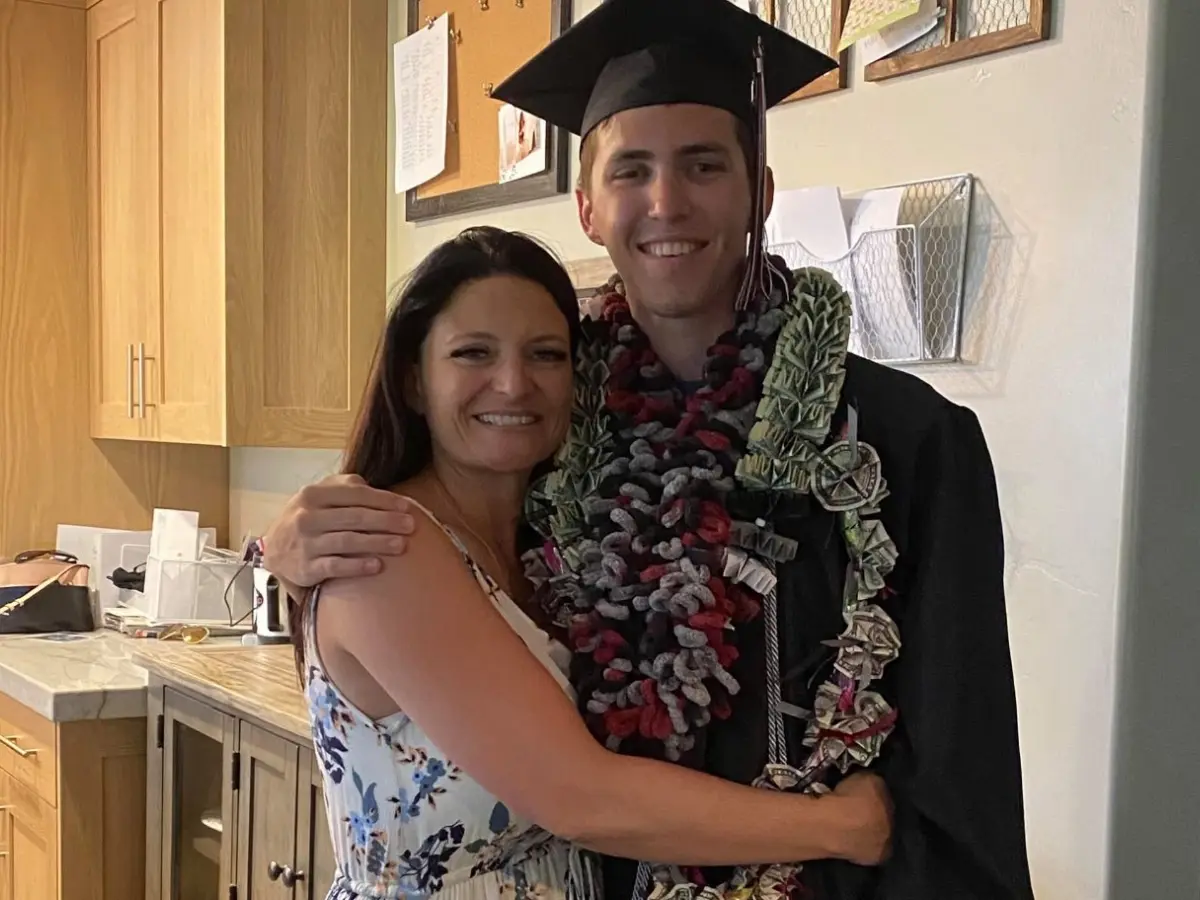
Meme Politics and Brain Poison
Experts call it “meme politics” the transformation of violent, conspiratorial, or extremist ideas into viral jokes. Robinson’s actions blur the line between trolling and terrorism, showing how memes can poison perception until violence feels like performance.
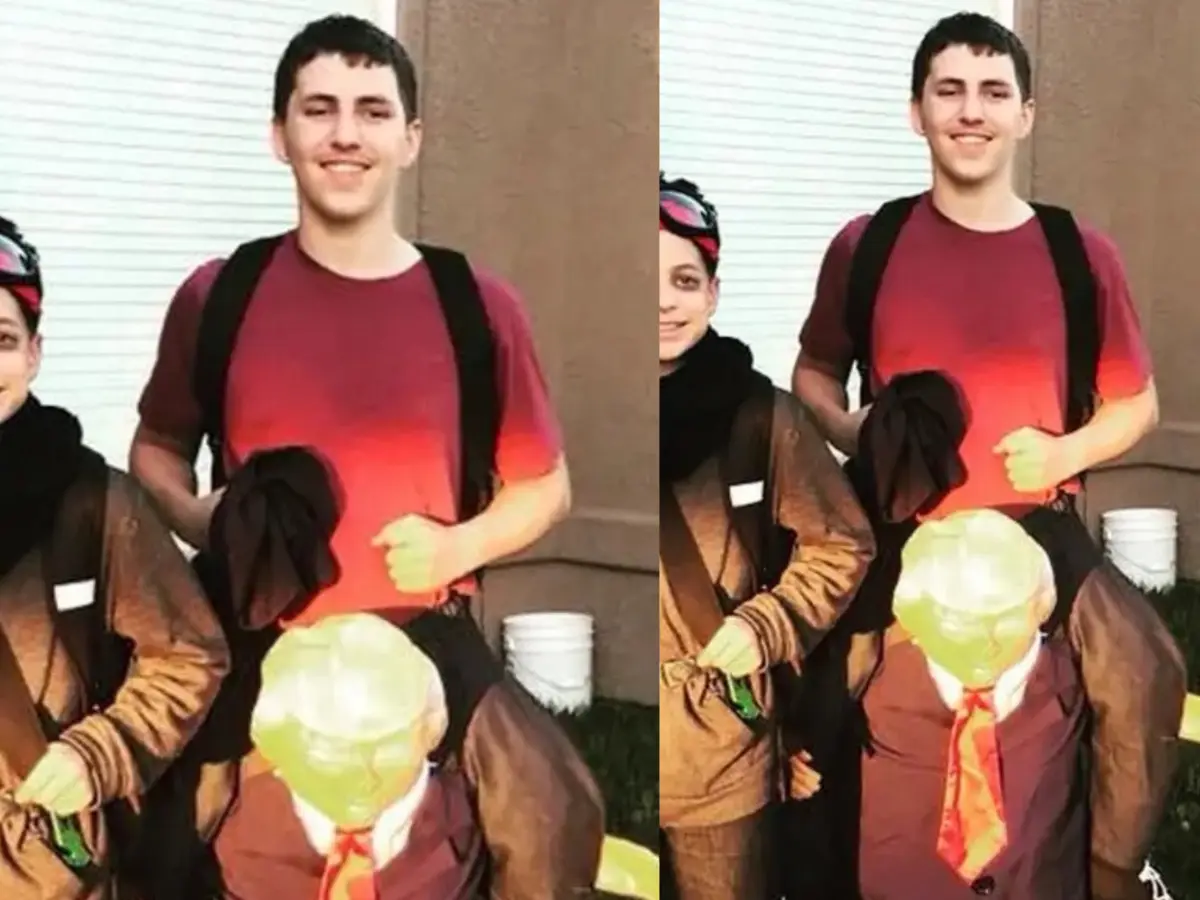
The Algorithmic Conveyor Belt of Hate
Social platforms feed users like Robinson a nonstop diet of rage-bait, paranoia, and irony. For someone already restless and angry, each scroll deepened the spiral, creating a digital ecosystem where killing Kirk seemed less like murder and more like “content.”

The Collapse of Empathy Online
Charlie Kirk himself thrived on trolling debates and combative rhetoric. But Robinson, raised in the same online culture, absorbed only the rage. When empathy disappears from discourse, violence becomes the final language.
Governor’s Warning: “Touch Grass”
At the press conference, Governor Cox called social media “a cancer on our society.” His advice to “touch grass” felt simplistic, but it reflected a deeper fear: if the internet keeps breeding Robinsons, the next tragedy may just be a viral moment away.
)
)
)
)
)