How small is Earth? Exploring the vast scale of galaxies, clusters and beyond

Exploring this cosmic scale reveals not only the fragility of our planet but also the staggering immensity of everything beyond, offering a perspective that challenges our understanding of space, time, and our place in the universe.
Introduction
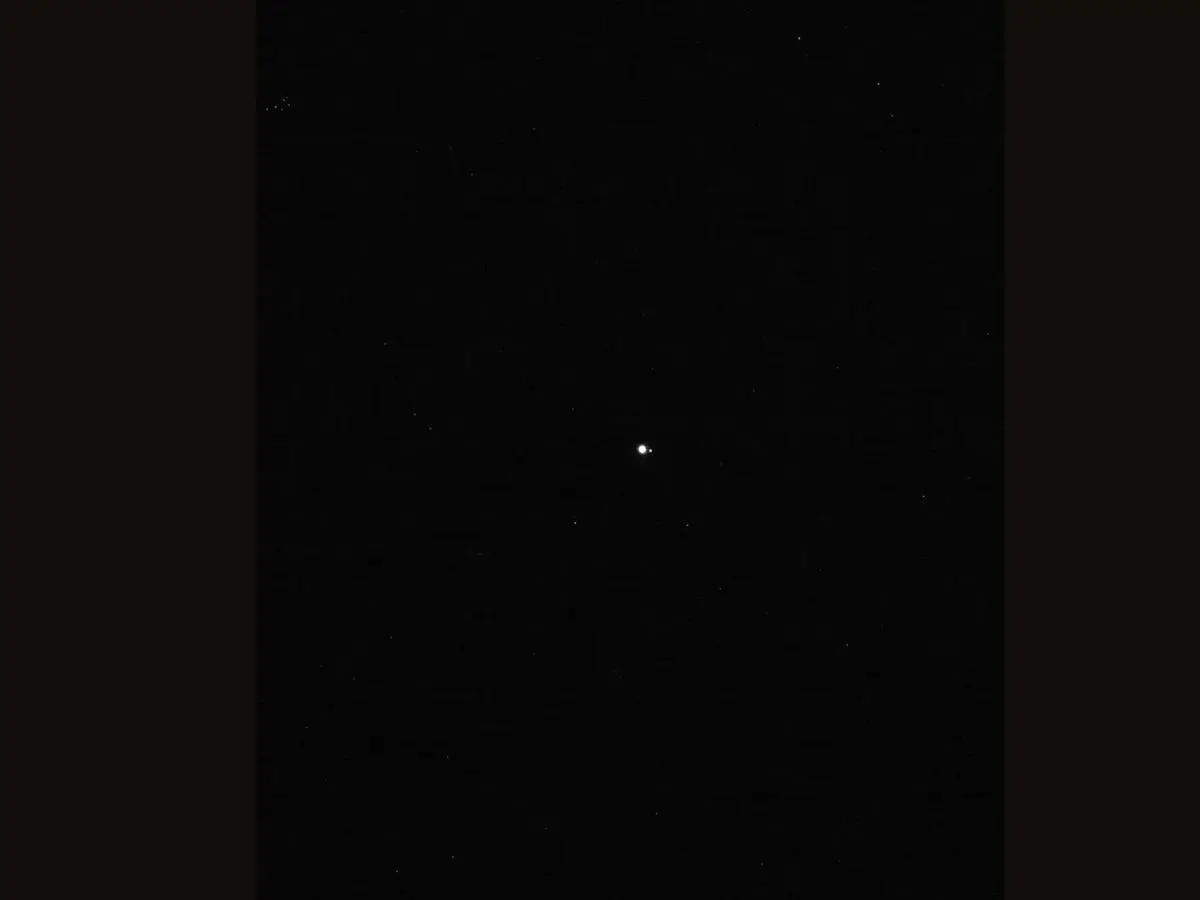
From the ground beneath our feet to the farthest reaches of intergalactic space, the universe stretches far beyond imagination. Earth, our home, is just a tiny dot in a cosmos filled with stars, planets, galaxies, and colossal clusters. Distances that defy comprehension separate us from the nearest stars, while the observable universe spans billions of light-years. Exploring this cosmic scale reveals not only the fragility of our planet but also the staggering immensity of everything beyond, offering a perspective that challenges our understanding of space, time, and our place in the universe.
Earth: A Tiny Speck in Space
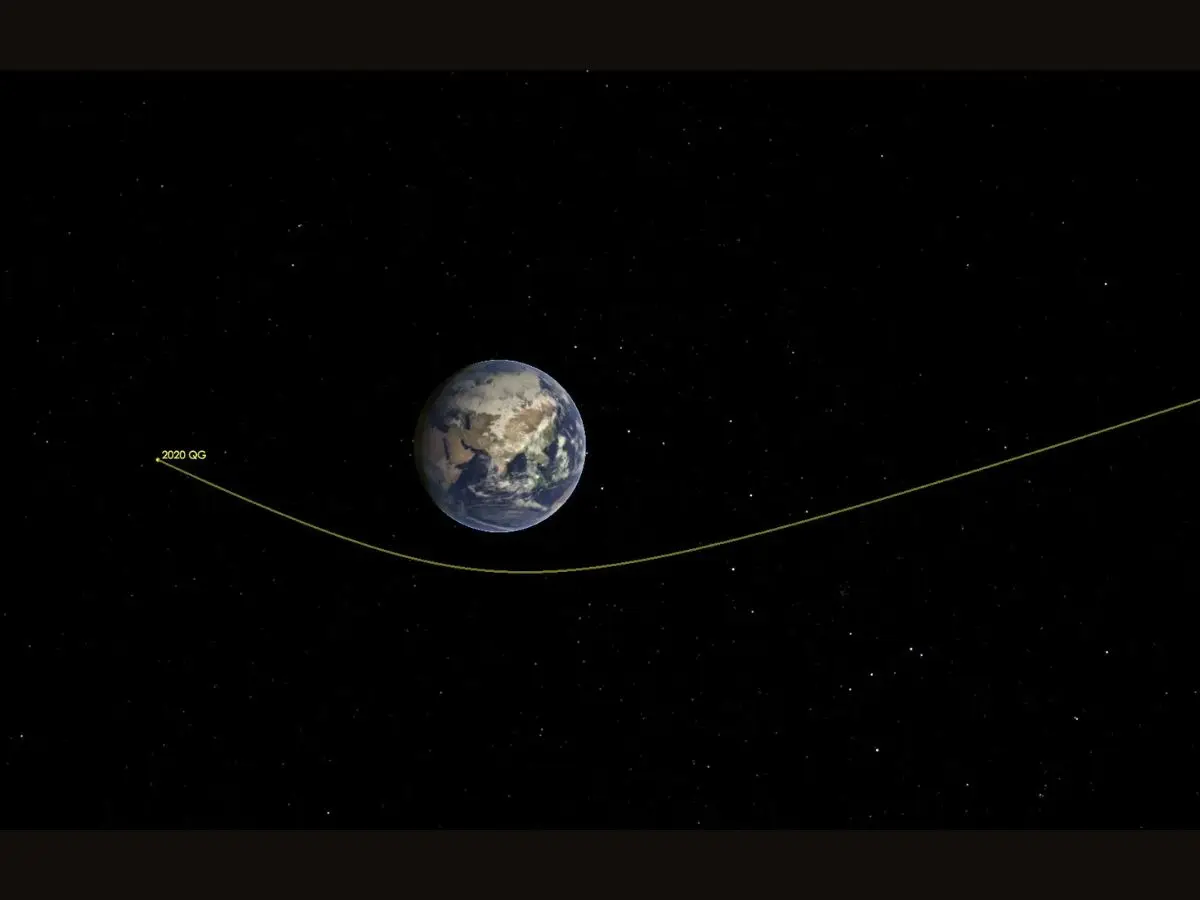
Earth has a diameter of roughly 12,742 kilometres. While it appears enormous from a human perspective, in cosmic terms it is a tiny dot. Orbiting the Sun, Earth is a small, fragile oasis amidst the vast emptiness of space, barely registering against the backdrop of the Milky Way and the universe beyond.
The Moon and Near-Earth Space
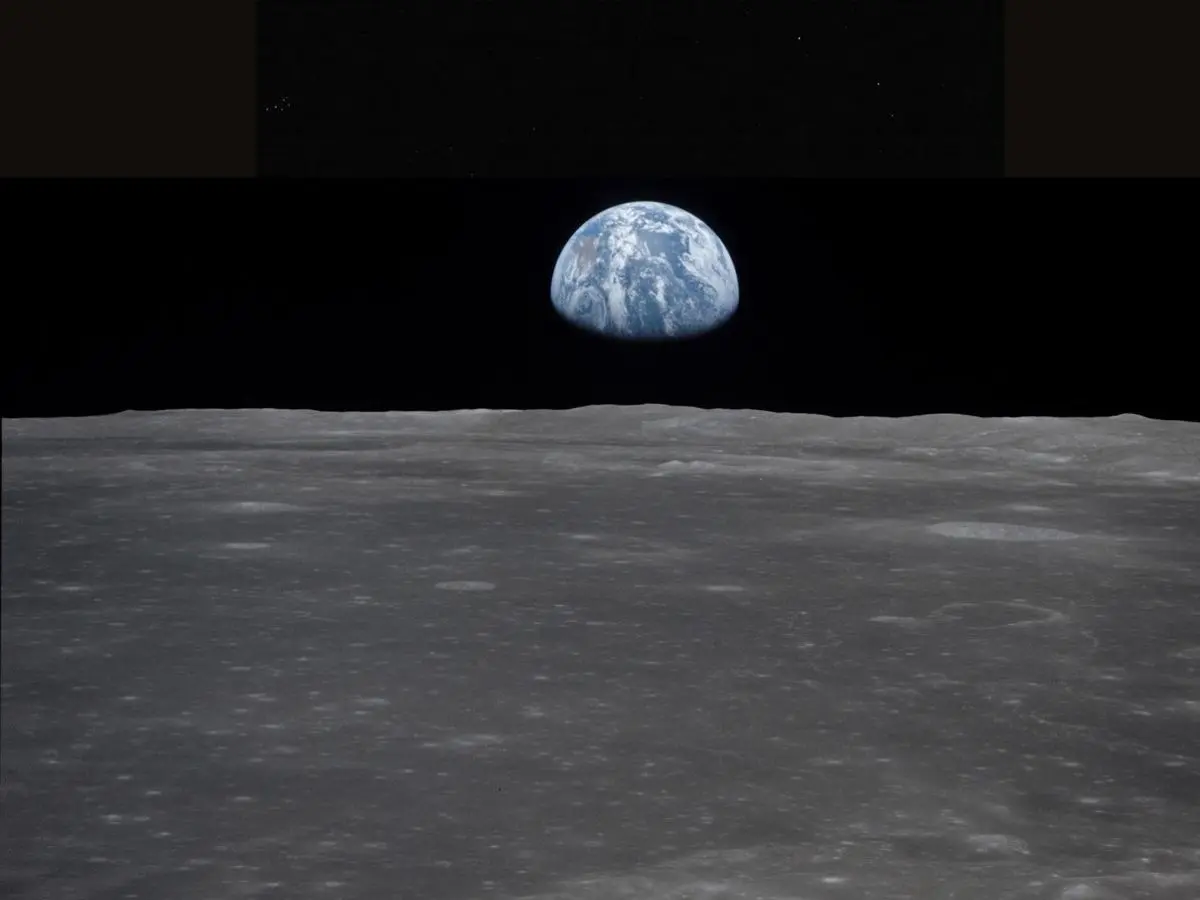
The Moon lies 384,400 kilometres away from Earth, roughly 30 times Earth’s diameter. This distance, while significant in everyday terms, is tiny on an interplanetary scale. Satellites and space stations orbit Earth at distances of a few hundred kilometres, already venturing far beyond the surface but still well within the relative confines of near-Earth space.
Jupiter and the Outer Planets
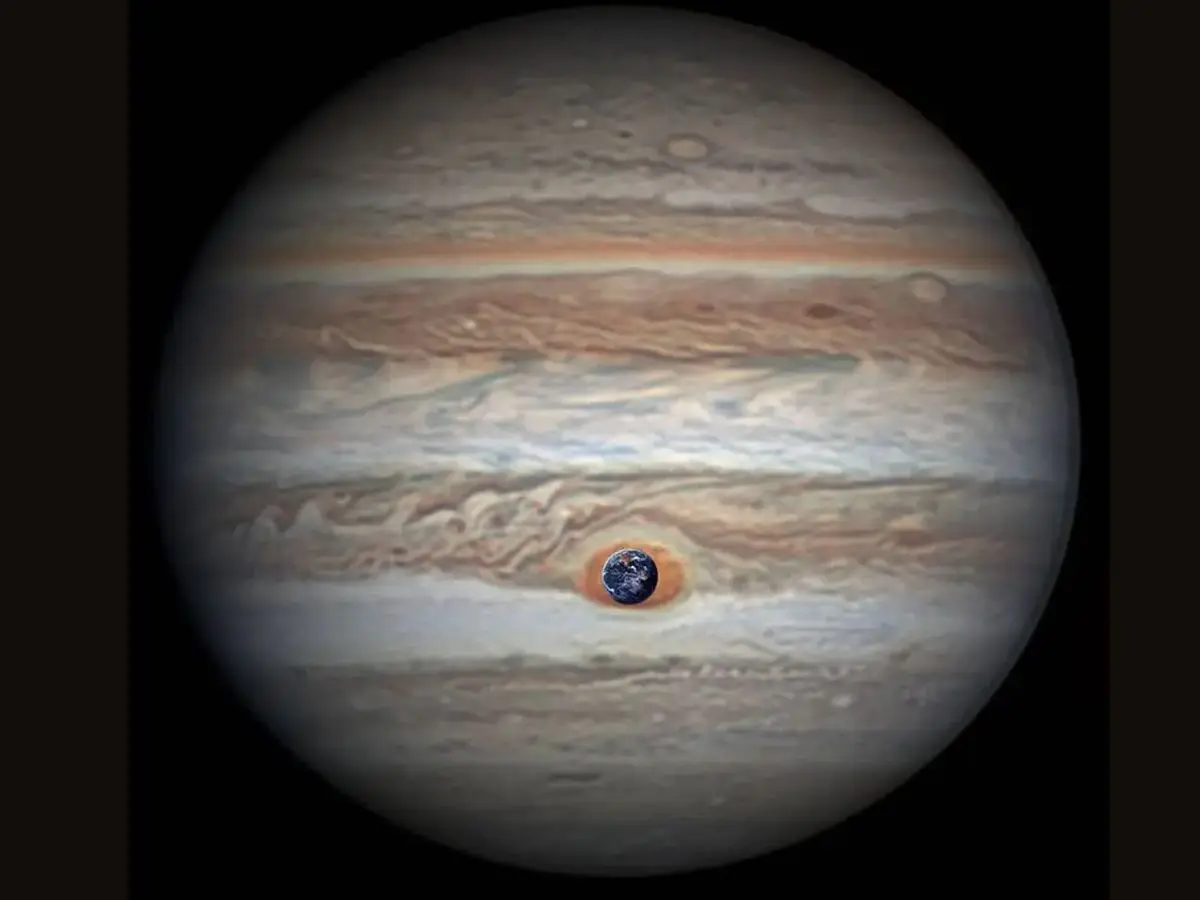
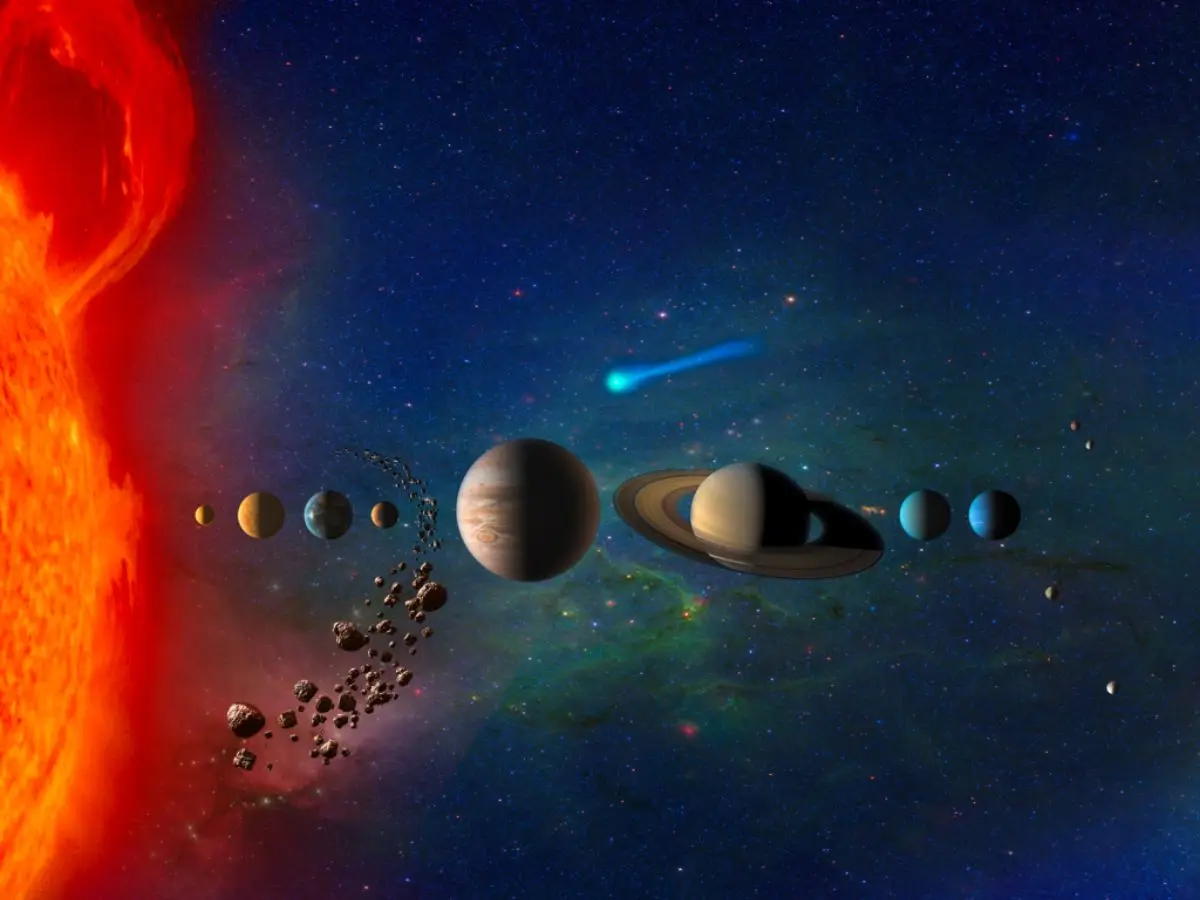
Jupiter, the largest planet in our Solar System, has a diameter of 142,984 kilometres, around 11 times that of Earth. Beyond Jupiter, Saturn, Uranus, and Neptune extend the Solar System to billions of kilometres, each planet dwarfed only by the Sun itself. The scale of these planets highlights how small our home planet truly is.
The Solar System
The Solar System stretches roughly 100 astronomical units (AU) to the edge of the heliosphere, around 15 billion kilometres from the Sun. Even Neptune, the farthest planet, lies only 30 AU away. Beyond this are the Kuiper Belt and the distant Oort Cloud, which may extend up to 100,000 AU, illustrating the Sun’s vast gravitational reach.
The Sun Compared to Earth
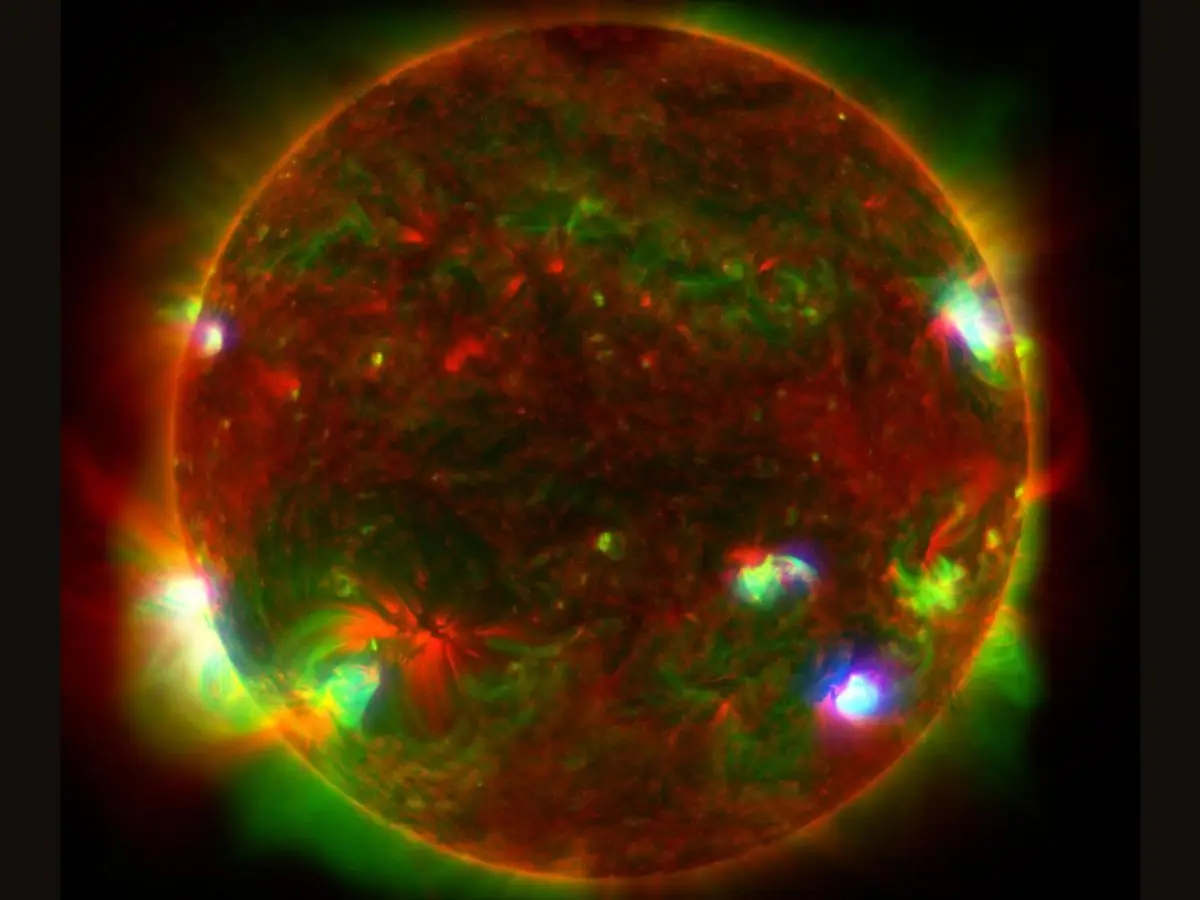
The Sun is approximately 109 times wider than Earth and contains 99.8 per cent of the Solar System’s mass. Its gravitational influence dominates all planetary motion. Compared to this immense star, Earth is infinitesimal, highlighting the small scale of our planet even within our own solar system.
The Milky Way Galaxy
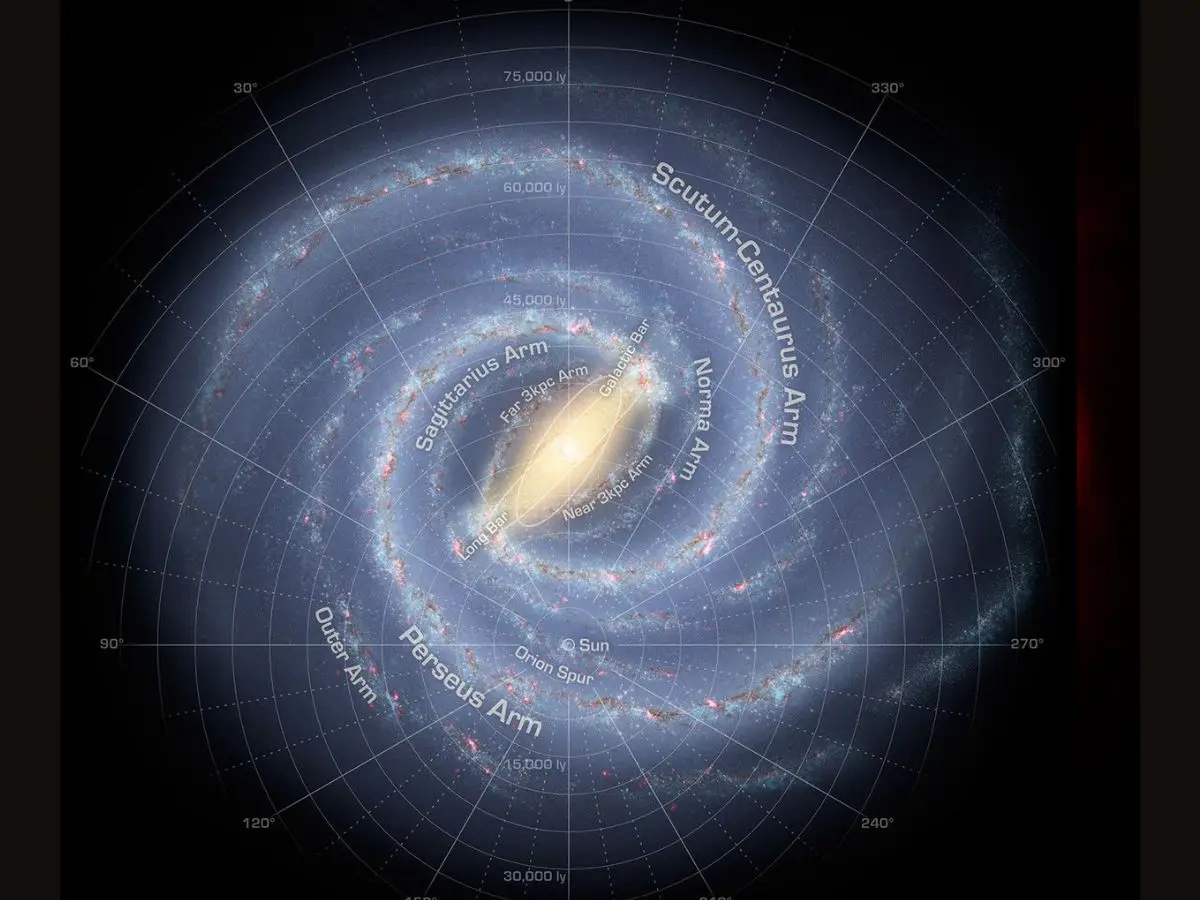
The Milky Way spans roughly 100,000 light-years across and contains over 100 billion stars. Earth orbits one of these stars, the Sun, in a spiral arm. Viewed against the vast population of stars, Earth becomes a tiny, almost insignificant point in a galaxy filled with complexity and activity.
Neighbouring Galaxies
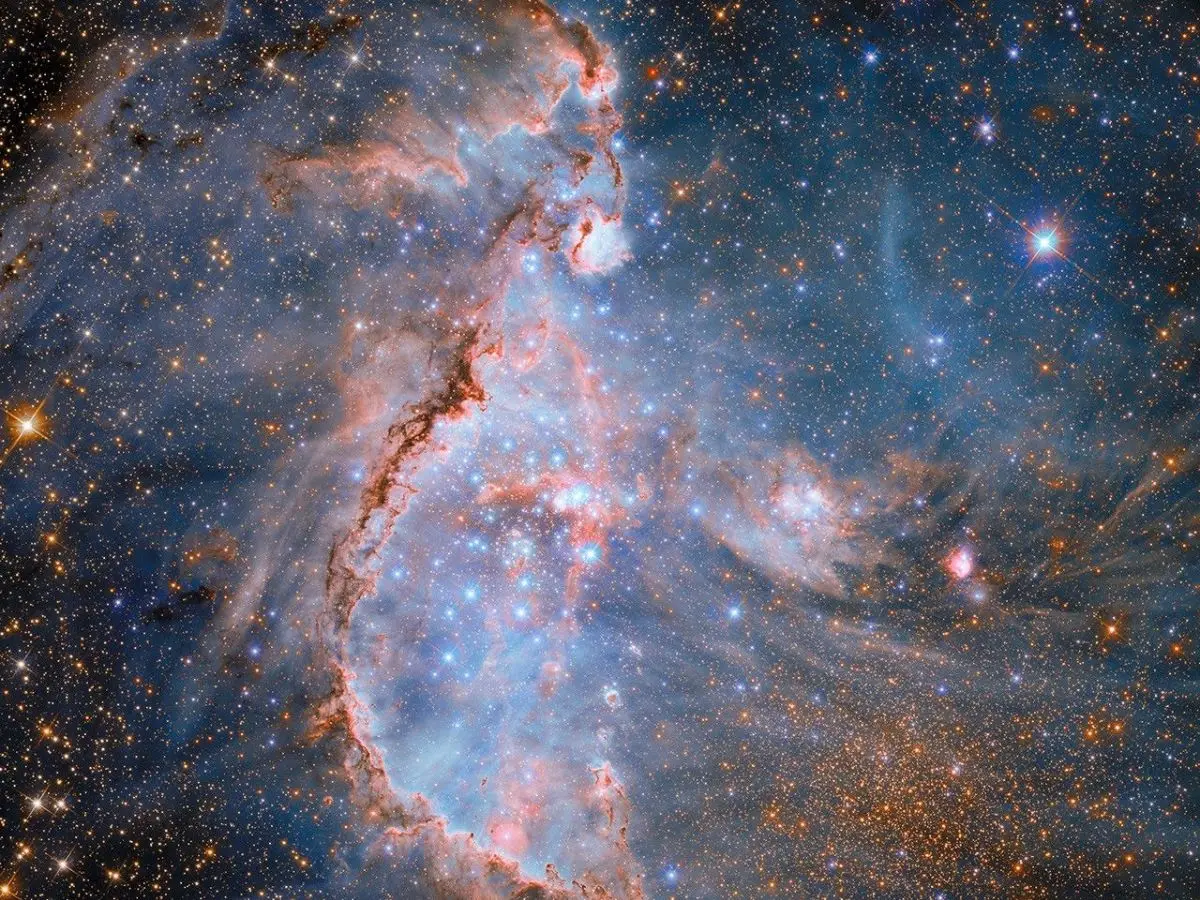
The nearest large galaxy, Andromeda, lies 2.5 million light-years away. Even this enormous galaxy is just one of billions in the universe. Light from Andromeda takes millions of years to reach Earth, highlighting the immense distances that separate galaxies and the scale of intergalactic space.
Galaxy Clusters and Superclusters
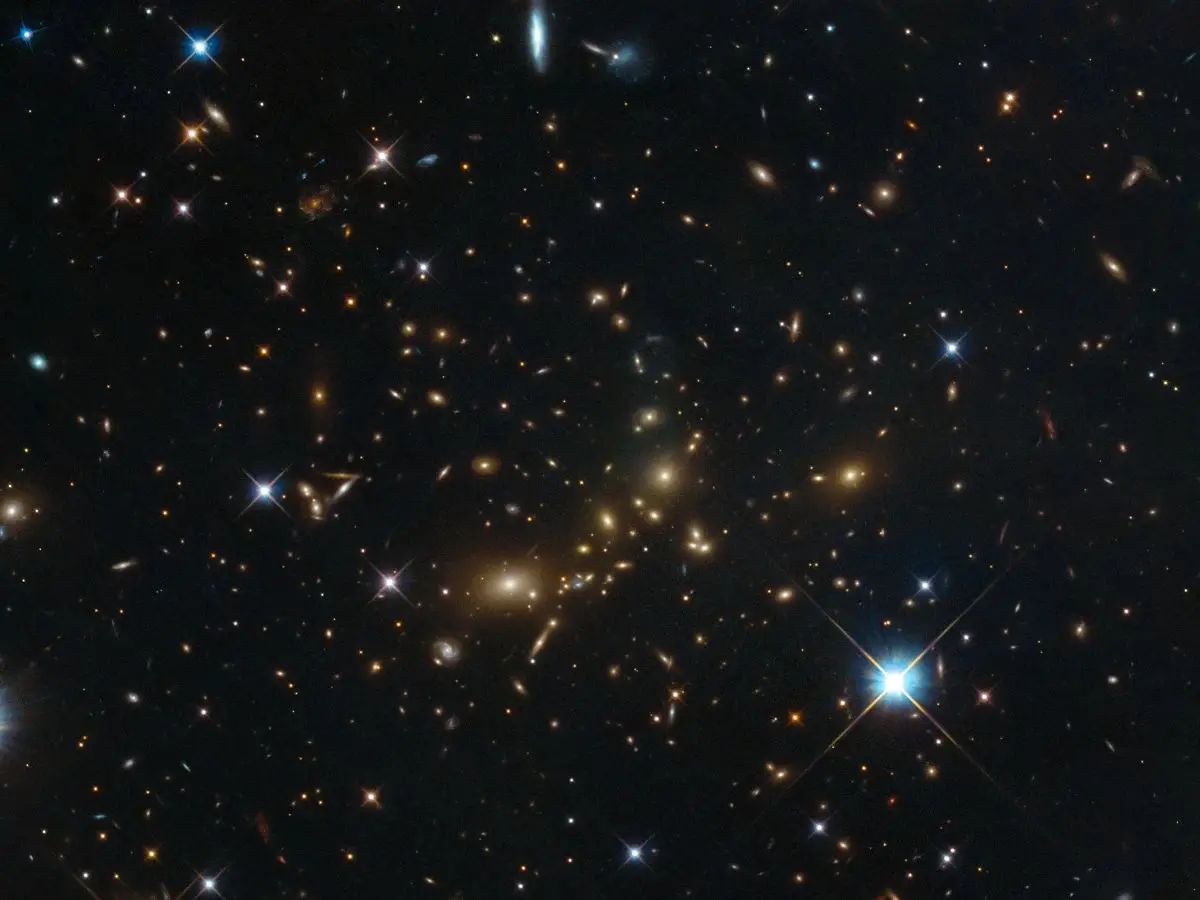
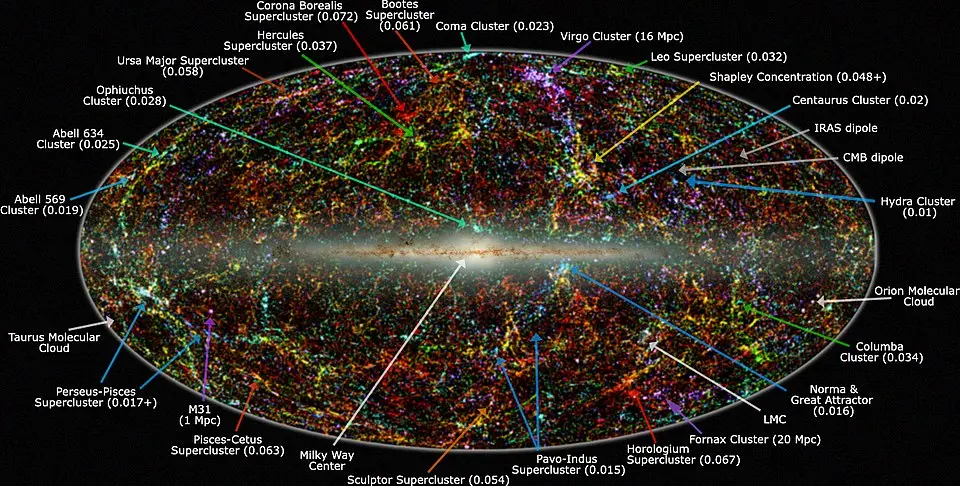
Galaxies cluster together, forming groups, clusters, and superclusters that can span tens of millions of light-years. The Virgo Supercluster, which contains the Milky Way, measures about 110 million light-years across. These structures show that galaxies themselves are just building blocks of the larger cosmic web.
The Observable Universe
The observable universe is estimated to be about 93 billion light-years in diameter, containing roughly two trillion galaxies. Even travelling at the speed of light, it would take billions of years to cross it. This scale dwarfs everything within the Solar System and even the Milky Way, demonstrating the truly unimaginable size of the cosmos.
Beyond the Observable Universe
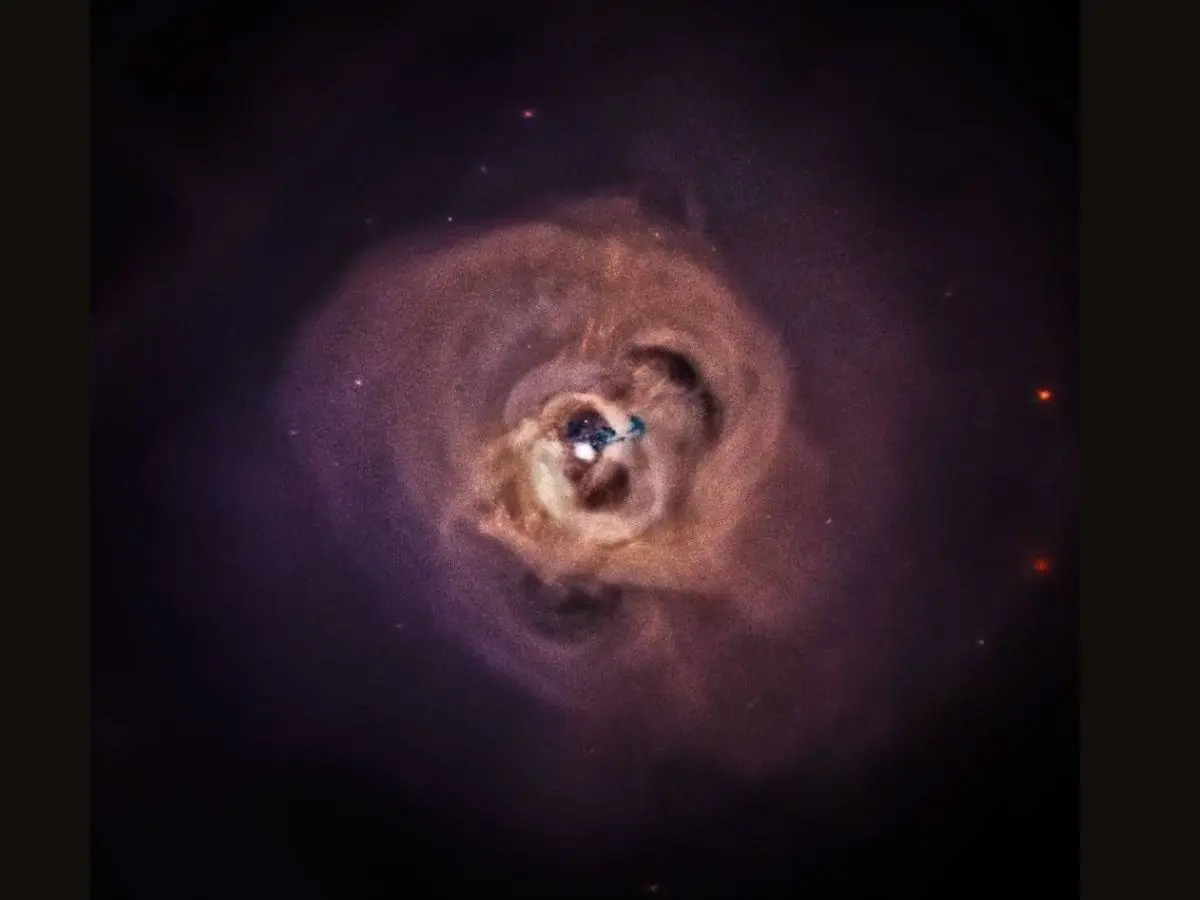
The universe beyond what we can see may be infinitely larger. Space continues to expand faster than light can travel in some regions, making much of it forever inaccessible. Earth, our Solar System, and even the Milky Way are mere specks within this vast, ever-expanding cosmos, emphasising our planet’s true minuteness.
The Cosmic Perspective
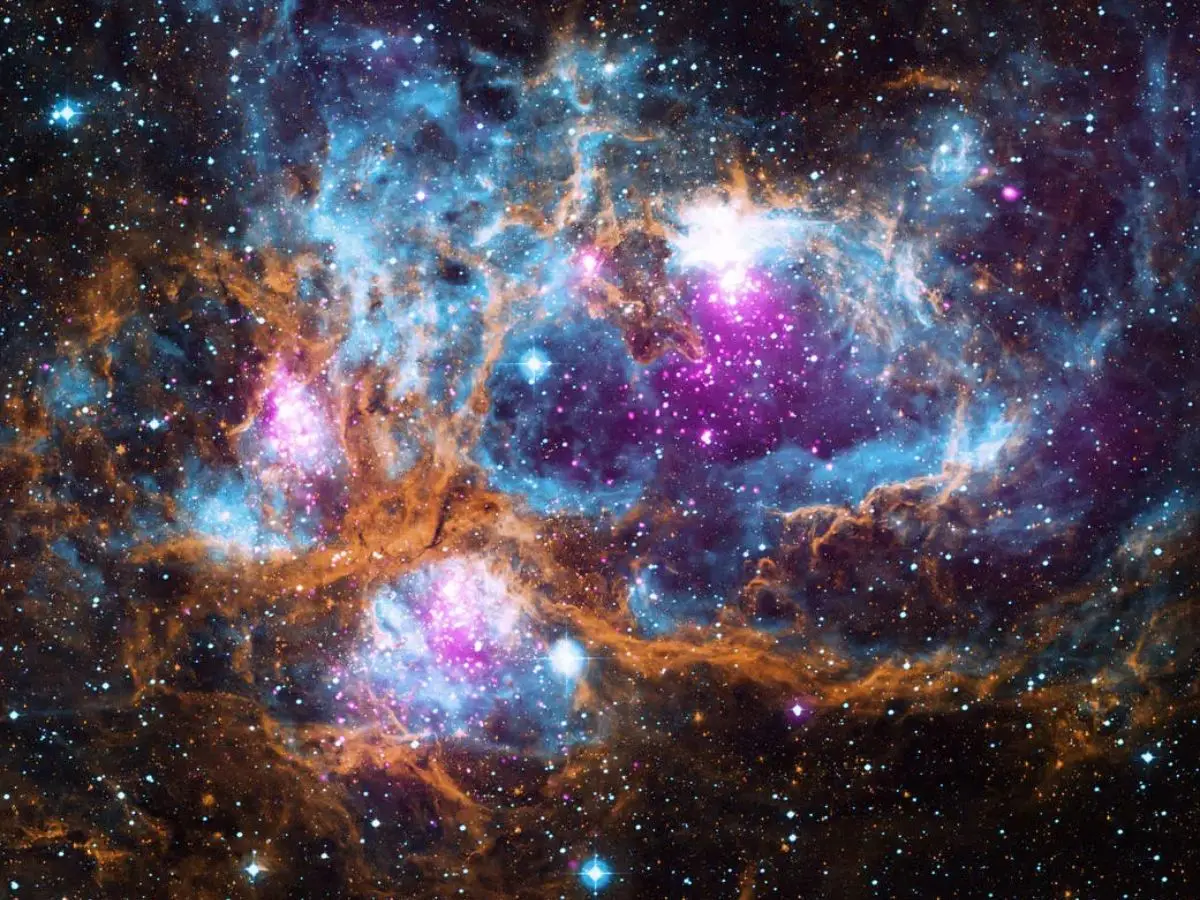
Understanding the scale of the universe reshapes our perspective on existence. From Earth to Jupiter, to galaxies and clusters, and ultimately the vast observable universe, our home is but a tiny part of a boundless cosmic ocean. Every discovery, from nearby planets to distant galaxies, is a reminder of the immensity of space and the limits of human comprehension.
)
)
)
)
)