How sensors help missiles stay locked on fast-moving targets

Missile sensors use Doppler radar to measure target velocity and acceleration in real-time. Proportional navigation guidance commands intercept trajectories. Track-while-scan systems enable multi-target engagement whilst maintaining accurate locks on fast-moving aircraft.
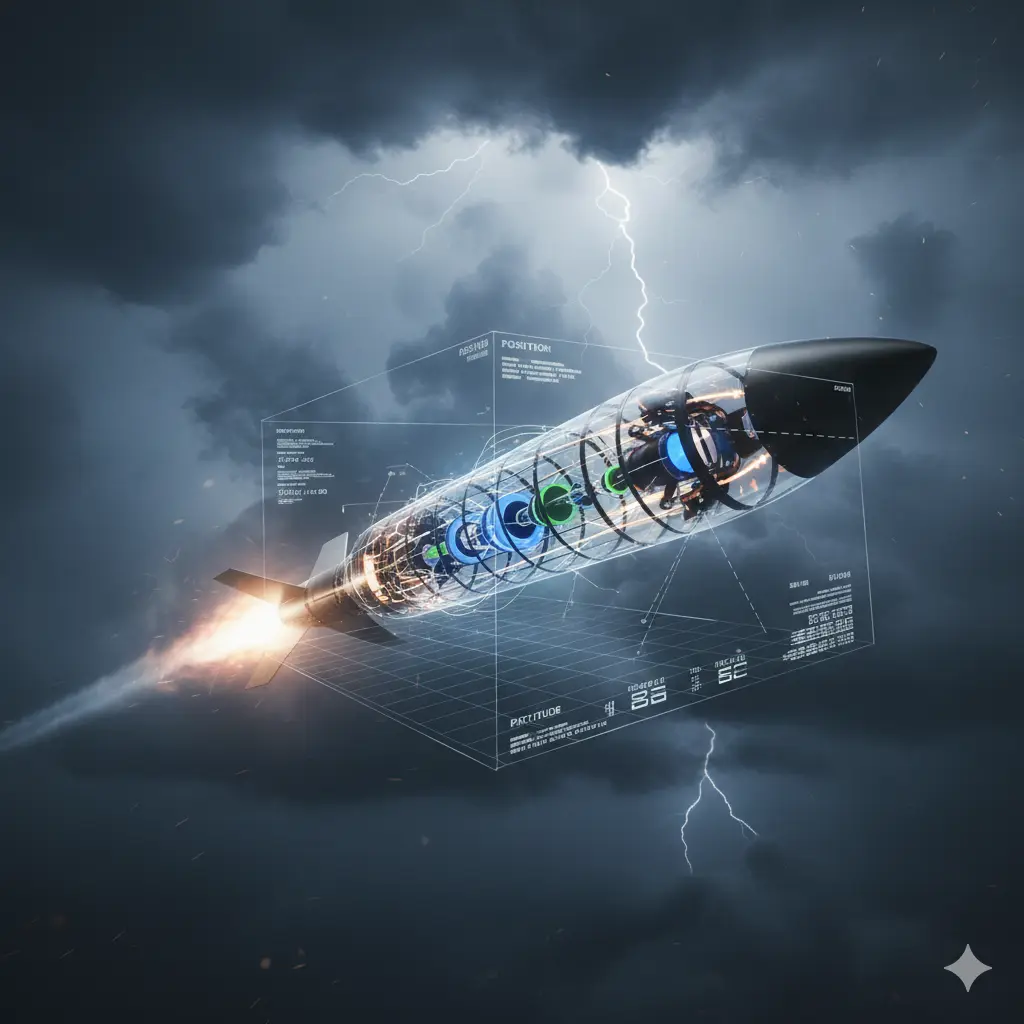
Doppler Radar Frequency Shift
Doppler radar measures target velocity by detecting frequency shifts in returned radar signals. When targets approach, frequency increases; when receding, it decreases. This velocity measurement enables missile seekers to distinguish fast-moving aircraft from stationary clutter and calculate precise closing rates with targets moving at supersonic speeds.
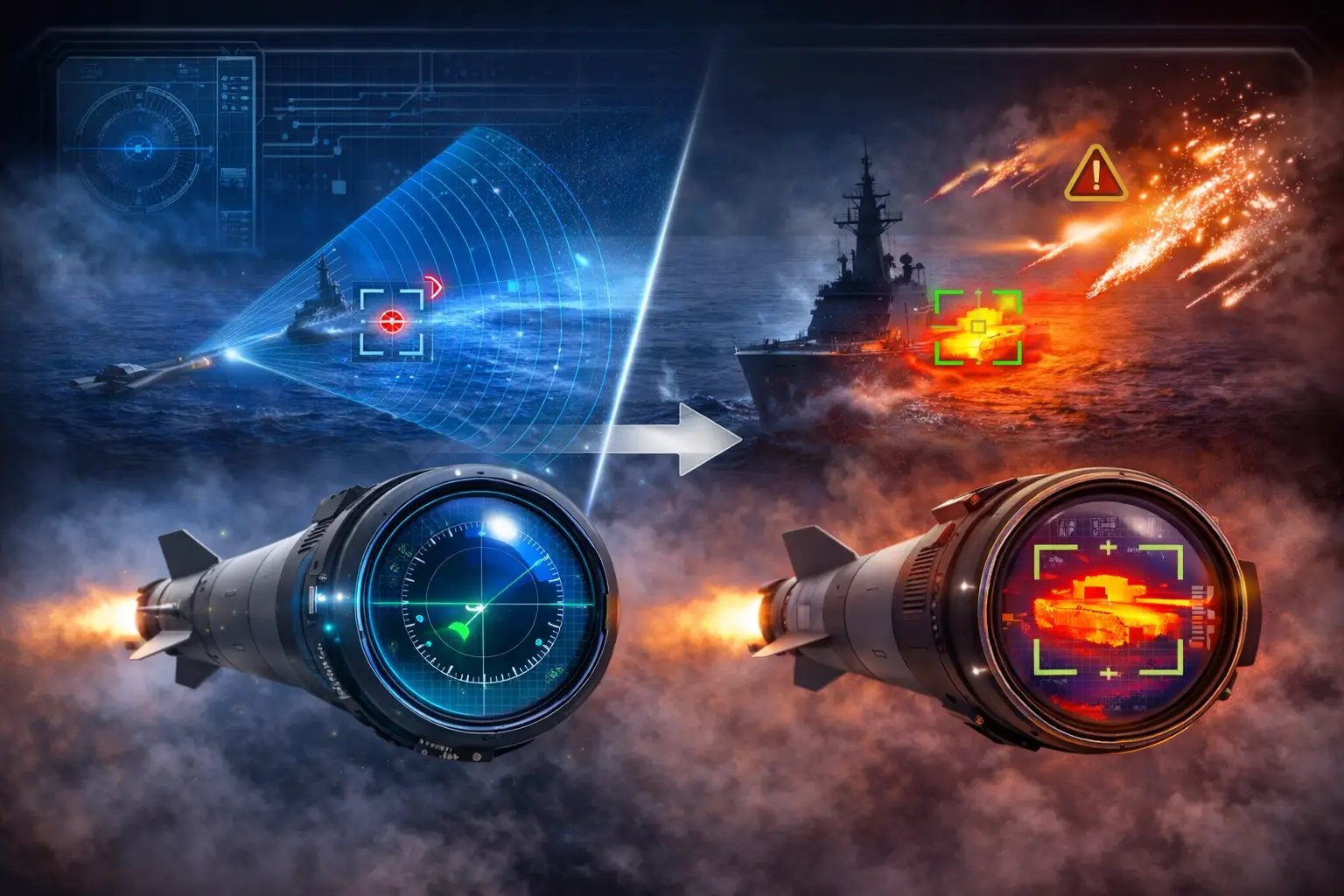
Pulse-Doppler Radar Seeker Technology
Pulse-Doppler missile seekers transmit radar pulses and analyse returned signals for Doppler frequency changes. The seeker processes multiple pulses, extracting target velocity and filtering out background clutter automatically. This technology enables all-weather missile guidance independent of target manoeuvres or electronic countermeasures deployed by defending aircraft.
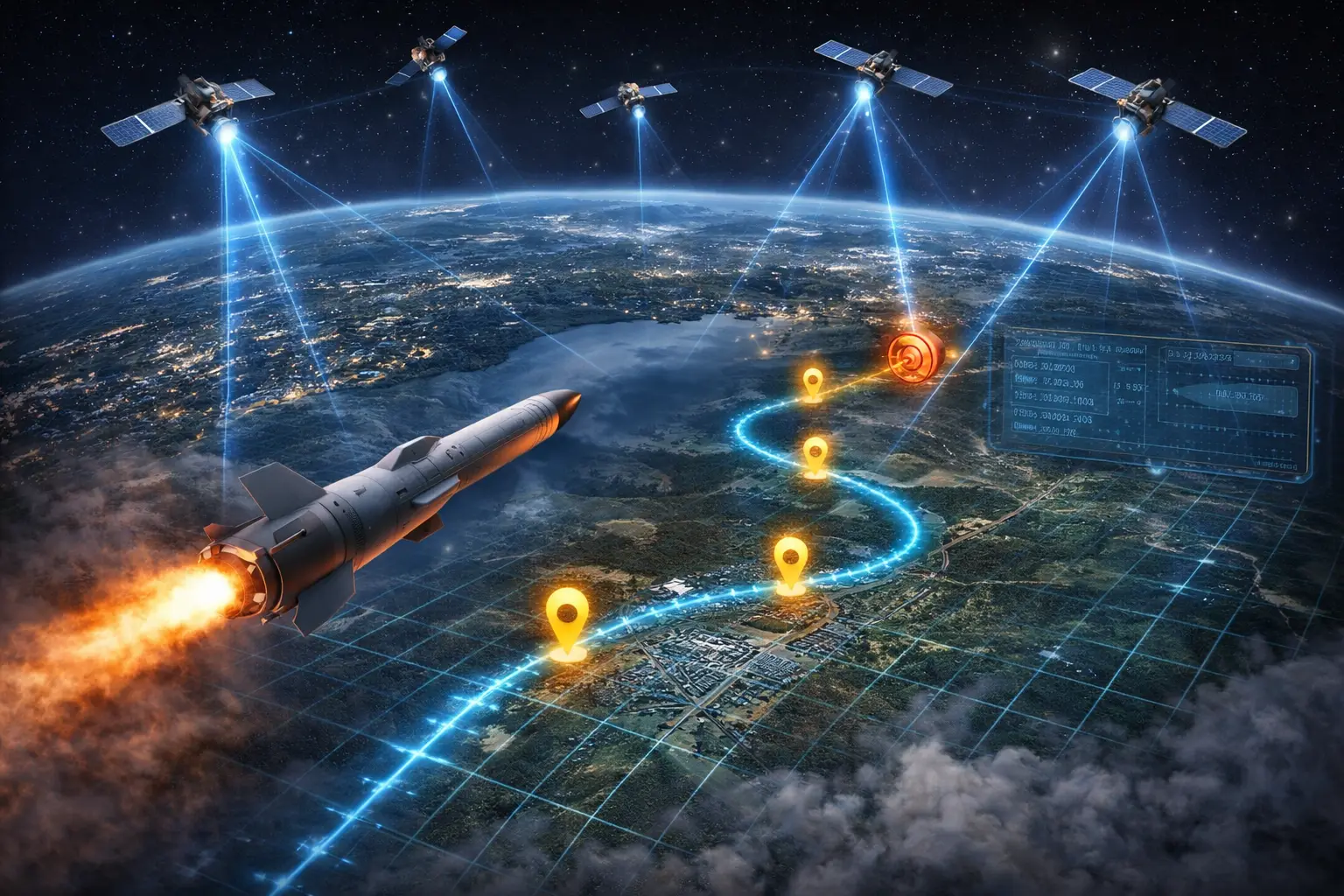
Range-Doppler Mapping
Modern missile seekers create range-Doppler maps displaying targets simultaneously in range and velocity cells. This dual-parameter detection enables precise target localisation even when multiple aircraft occupy the same airspace. The seeker continuously updates these maps, tracking target position and velocity throughout flight with centimetre-level accuracy.
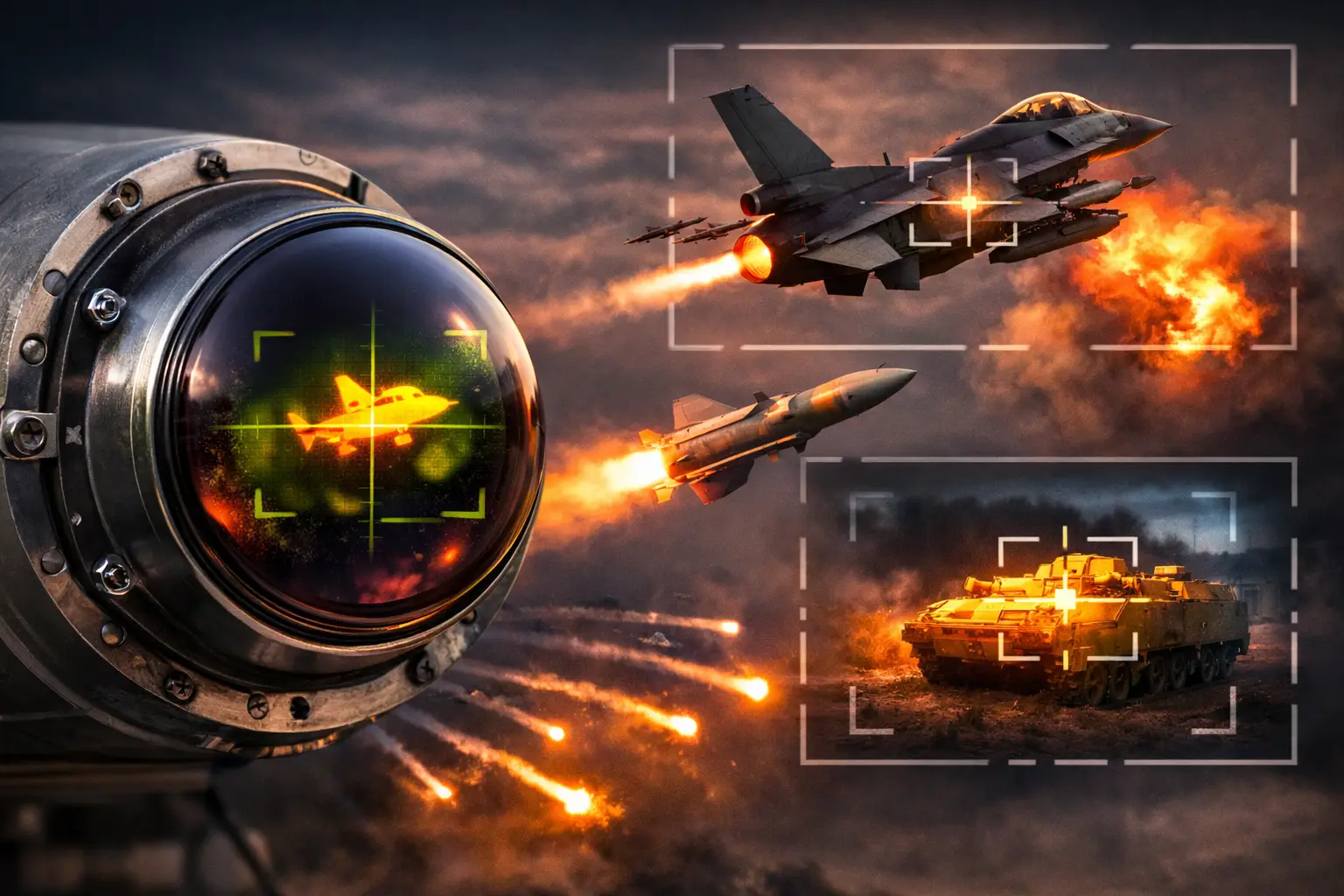
Proportional Navigation Guidance Law
Proportional navigation commands missile lateral acceleration proportional to line-of-sight angular rate between missile and target. Instead of following targets directly, missiles aim at future intercept points, reducing required acceleration and enabling engagement of agile, manoeuvring aircraft. This guidance law remains the standard across modern air-to-air and anti-ship missiles.
Moving Target Indicator (MTI) Processing
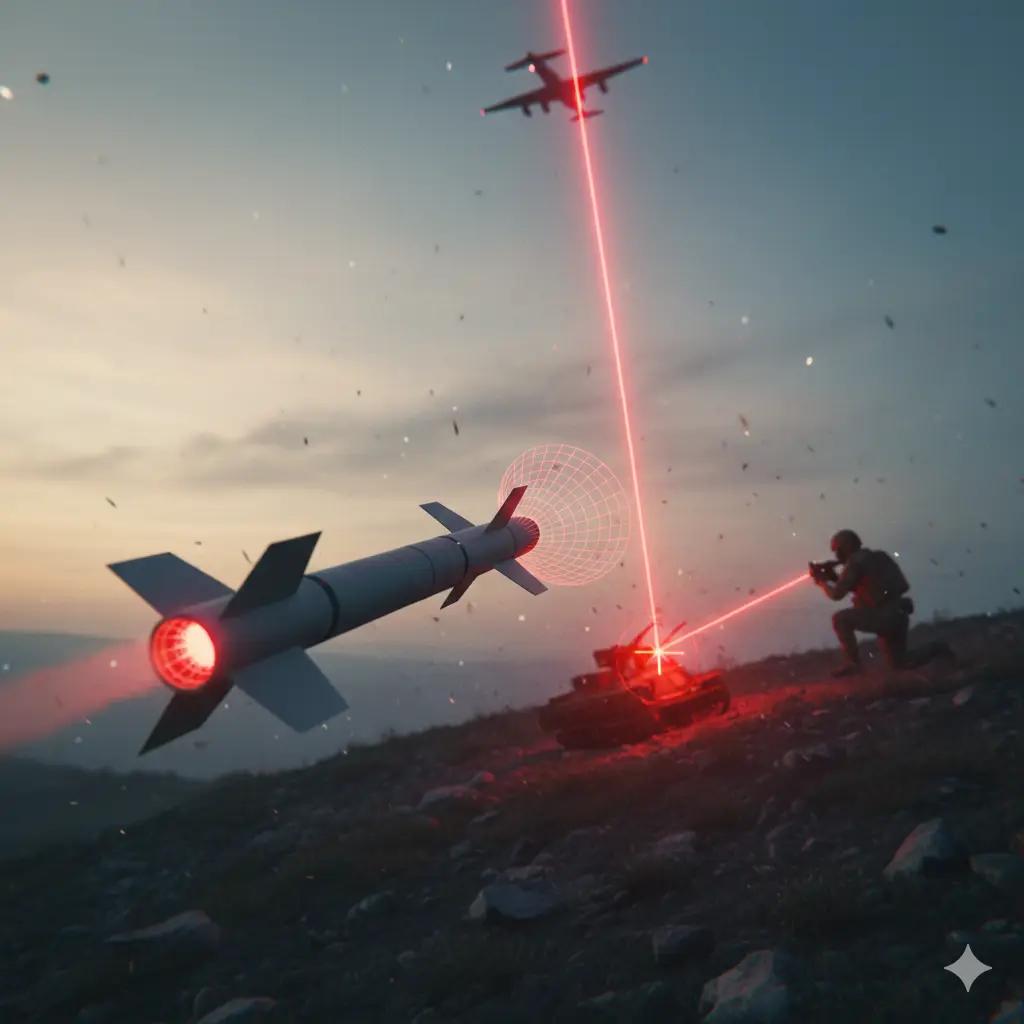
MTI radar processors discriminate moving targets from stationary clutter by exploiting Doppler frequency differences. The system measures sequential radar returns, identifying targets with consistent velocity signatures whilst rejecting fixed objects. This filtering enables missiles to maintain locks on low-flying targets in dense ground clutter environments.
Track-While-Scan (TWS) Radar Mode
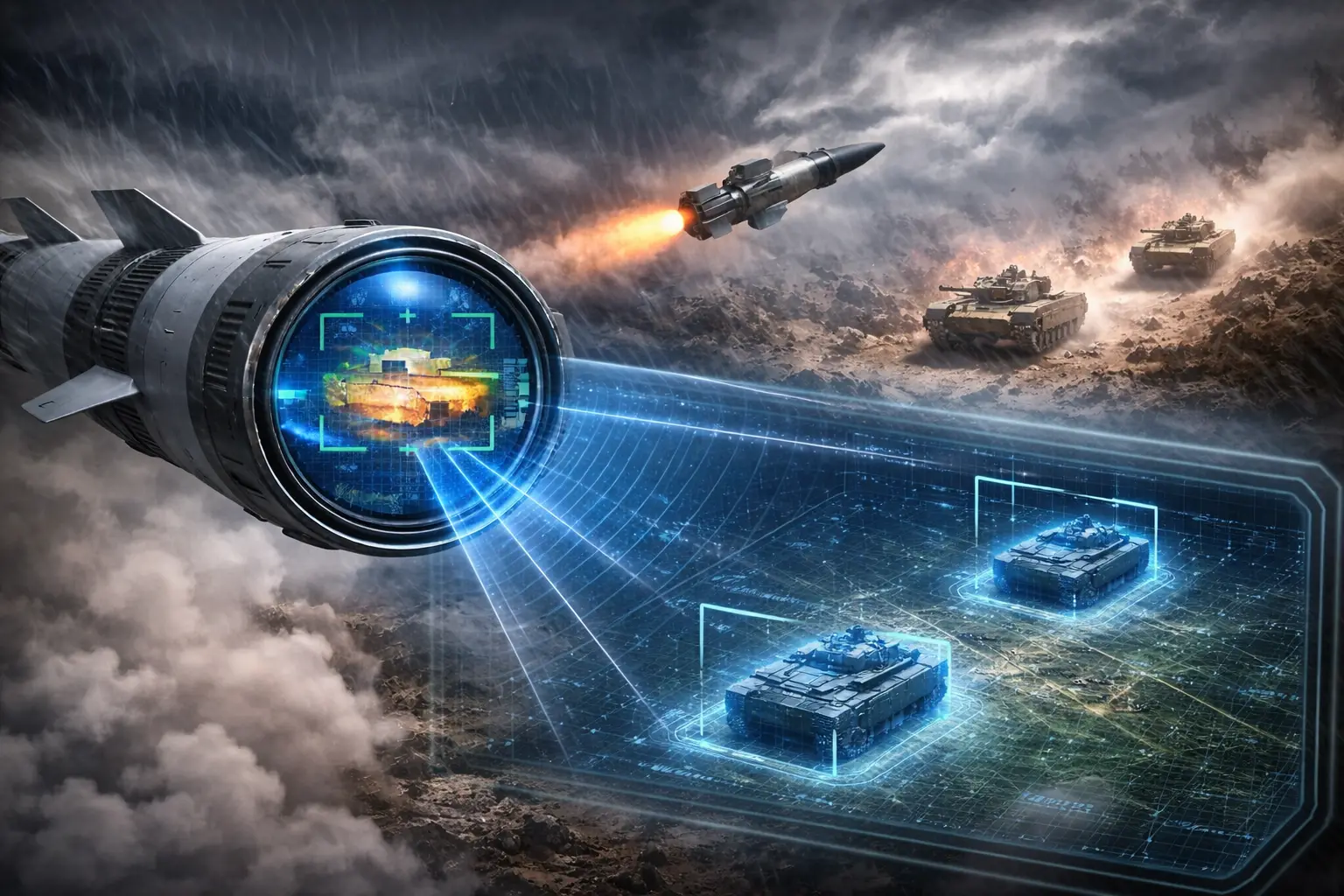
TWS radars simultaneously track up to 40 targets whilst continuing search operations. The radar allocates scanning beam energy between tracking designated targets and surveying surrounding airspace. This dual-function capability enables fighter aircraft to engage multiple targets sequentially or support simultaneous multi-missile launches against separate threats.
Monopulse Seeker Tracking
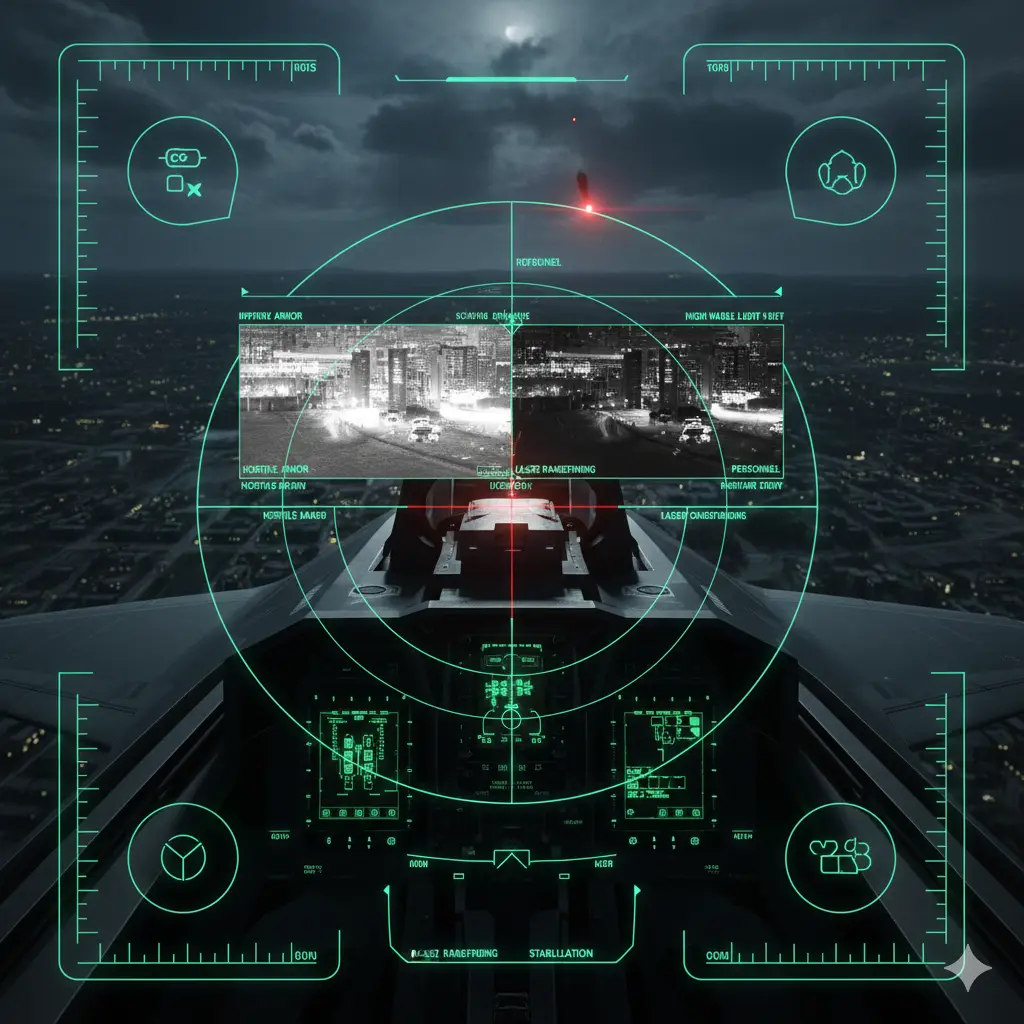
Monopulse missile seekers extract angle information from single radar pulses by comparing returns across antenna sub-apertures. This technology provides accurate target angle measurements, enabling precise seeker pointing and rapid lock-on against fast-moving aircraft. Monopulse seekers resist jamming through inherent angle measurement redundancy.
Synthetic Aperture Radar (SAR)
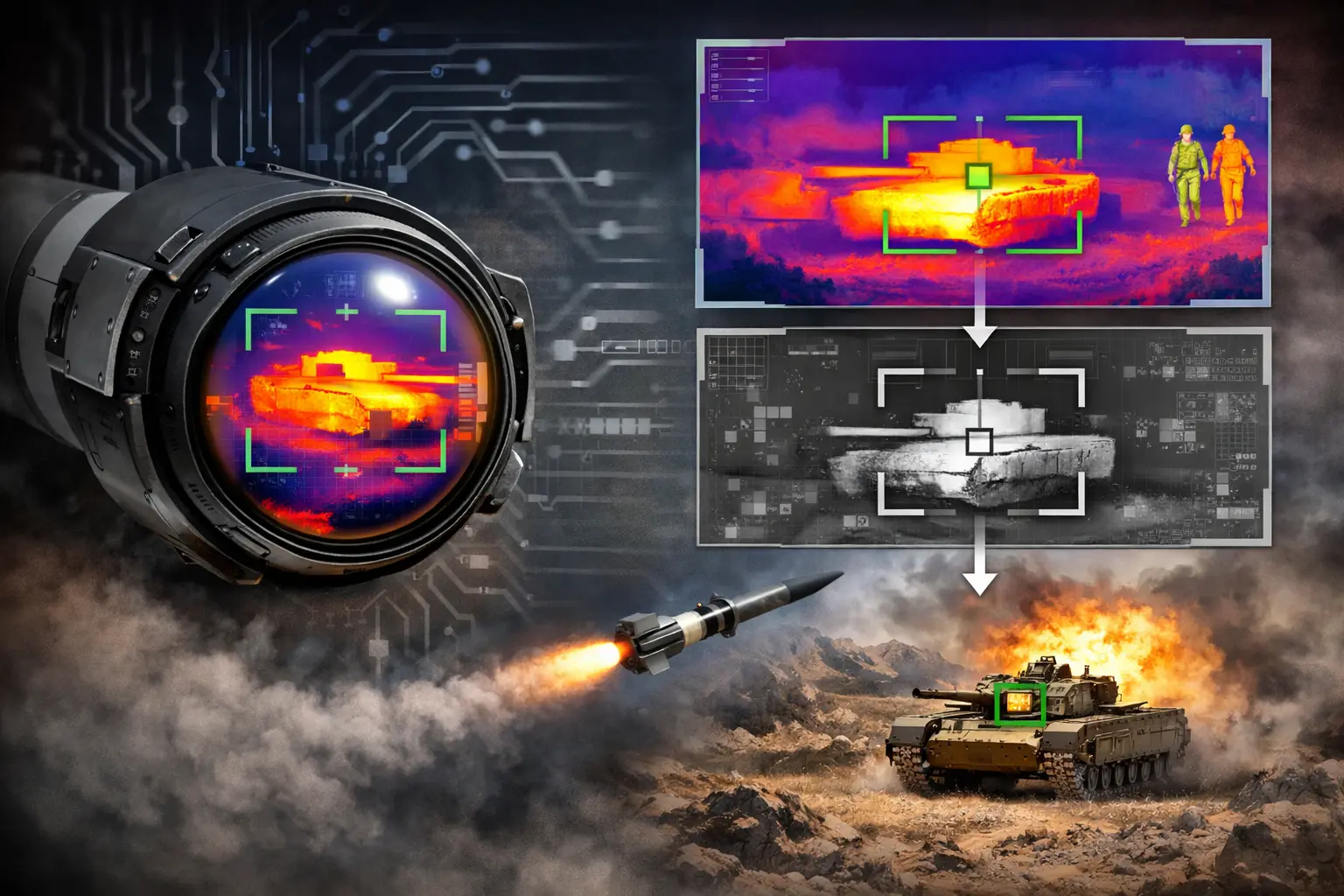
Synthetic aperture processing combines radar returns across missile trajectory to create high-resolution target images. The technique achieves fine range resolution combined with high Doppler resolution, enabling identification of target type and exact position. SAR enables missile guidance precision comparable to visible-light imaging in all-weather conditions.
Target Acceleration EstimationTarget Acceleration Estimation
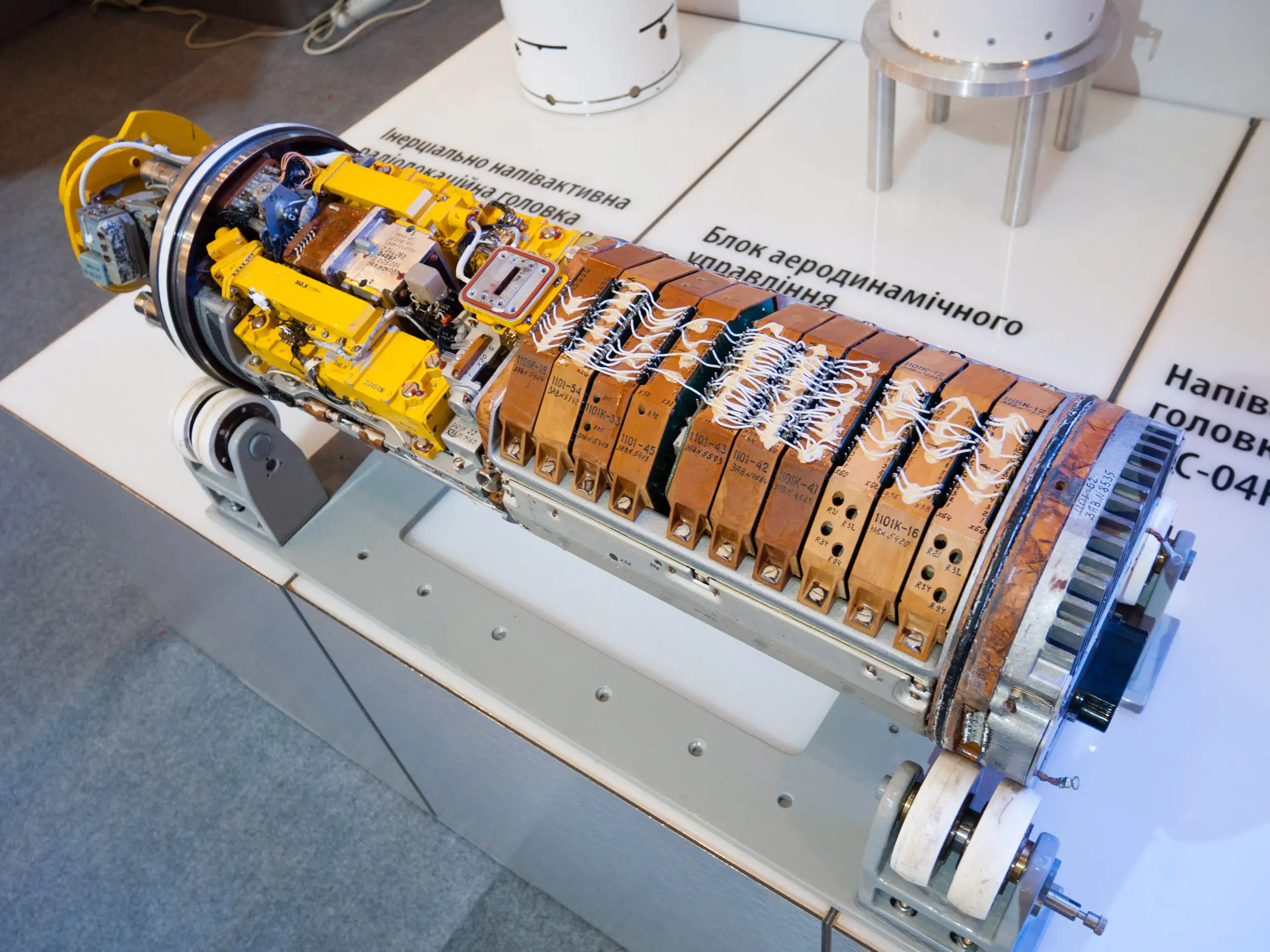
Missile seekers estimate target acceleration by tracking changes in velocity measurements across successive radar pulses. Understanding target acceleration enables guidance systems to predict intercept points accounting for defensive manoeuvres. Modern seekers incorporate acceleration data into Kalman filtering algorithms for optimal position and velocity estimation.
Closed-Loop Seeker Feedback
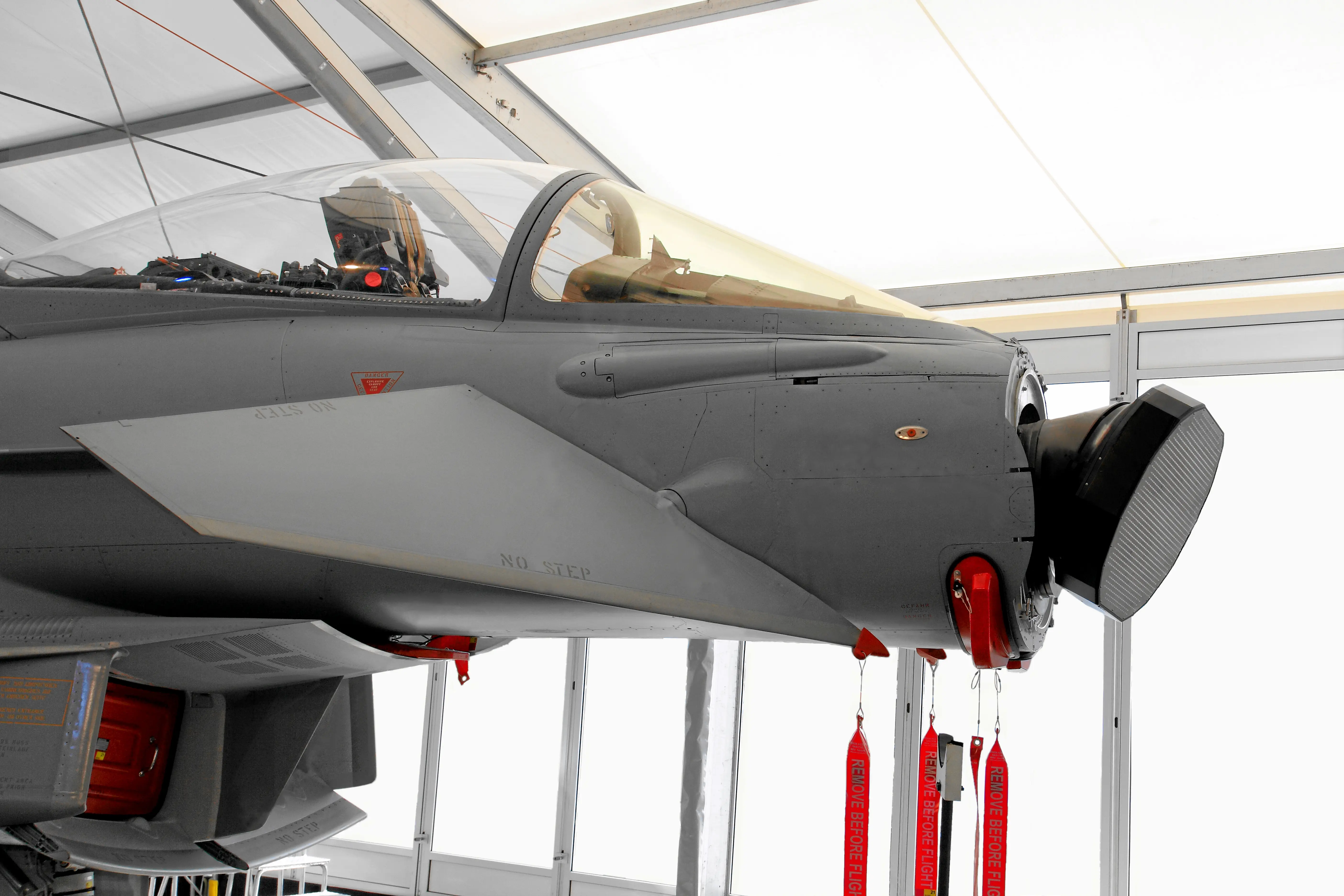
Missile guidance computers continuously update seeker pointing based on target tracking measurements and calculated intercept geometry. This closed-loop feedback corrects for target manoeuvres, maintaining accurate locks throughout flight phases. Real-time updates at frequencies exceeding 100 hertz enable missiles to track targets executing multiple evasive manoeuvres simultaneously.
)
)
)
)
)