How sensor fusion helps the F-35 fighter jet guide weapons more accurately

F-35 sensor fusion unified display radar infrared electro-optical data. AESA radar detects 23 targets 100 miles 9 seconds. DAS infrared 360-degree coverage missile launch detection. EOTS forward-looking targeting extended-range detection precision.
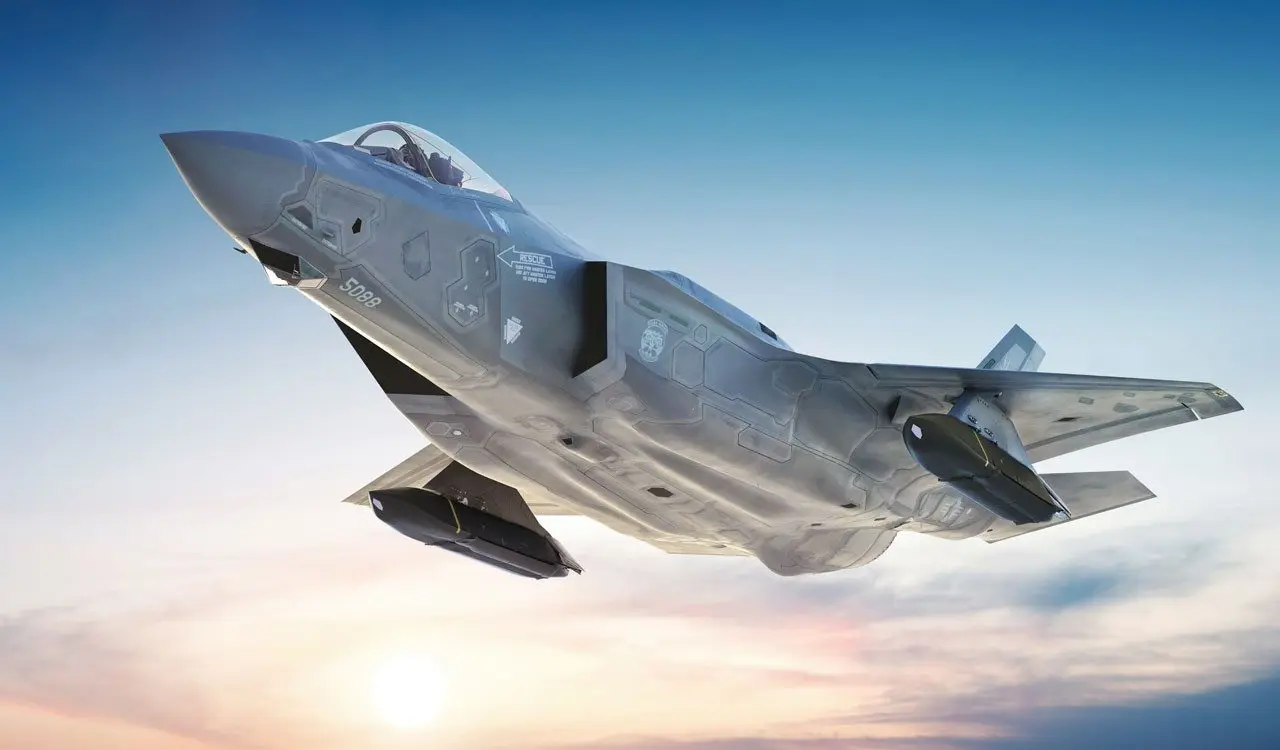
F-35 sensor fusion
F-35 sensor fusion assembles data from radar, infrared, electro-optical, and electronic warfare sensors creating single unified picture displayed to pilot. Fusion engine processes multiple data streams simultaneously integrating airborne and network-provided intelligence. Pilots receive consolidated tactical view enabling quicker more accurate target decisions compared to legacy fighters displaying separate sensor data.

AN/APG-81 AESA Radar
F-35 AN/APG-81 AESA phased-array radar detects tracks and identifies multiple targets simultaneously with 23 targets detected within 100 miles in under 9 seconds. Radar provides precise target location enabling accurate missile guidance initiation. Automatic target queuing rapidly locates threats reducing pilot workload during high-tempo engagements.
360-Degree Infrared Awareness
Six mid-wave infrared sensors mounted around F-35 airframe provide 360-degree coverage detecting aircraft missile launches and tactical threats passively. DAS detects ballistic missiles exceeding 800-mile ranges enabling early engagement decision-making. Passive detection prevents electronic warfare jamming compromising targeting accuracy.
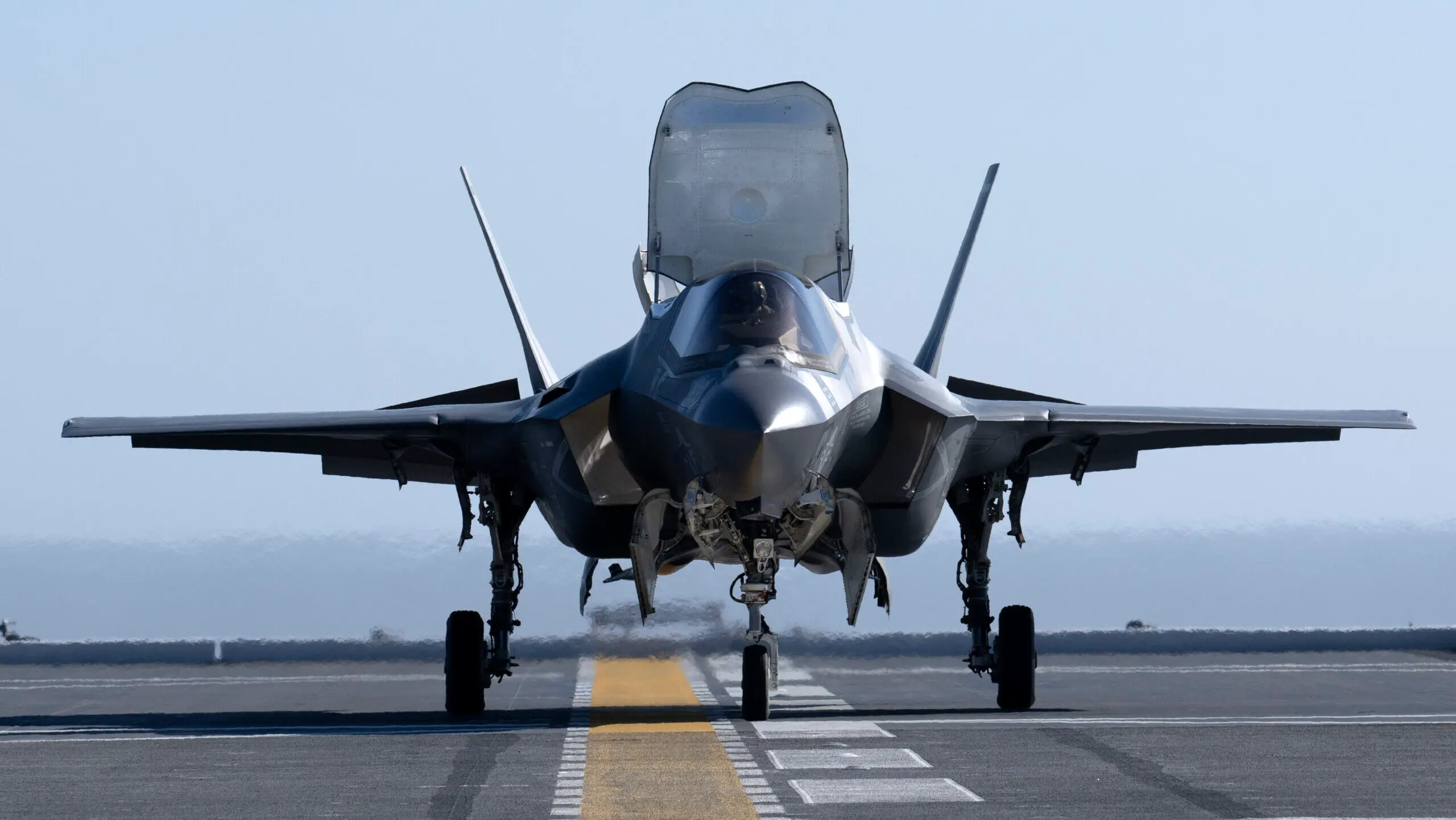
Electro-Optical Targeting System
EOTS integrated into F-35 fuselage provides forward-looking infrared and infrared search-and-track capability enabling precision air-to-air and air-to-surface targeting. System links to aircraft central computer through high-speed fibre-optic interface enabling real-time target updates. Advanced EOTS Block 4 variant adds short-wave infrared and high-definition television improving recognition ranges.
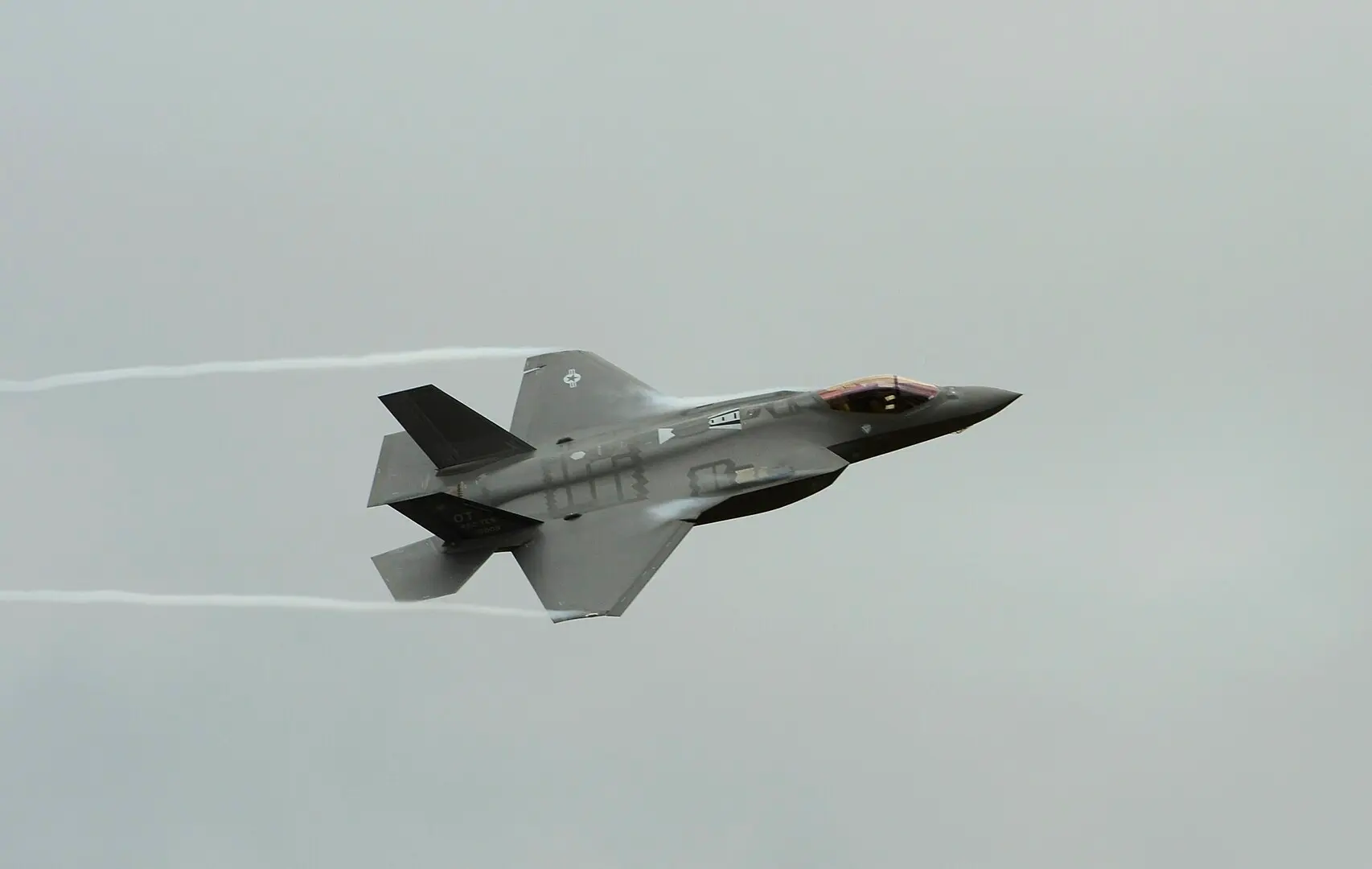
Helmet-Mounted Display
Pilot helmet-mounted display enables radar cueing along line-of-sight generating immediate fire control solutions for missiles and gun employment. Prior-generation displays limited to forward-looking head-up display now replaced with 360-degree helmet integration. Pilot simply looks at target and radar automatically generates engagement parameters.
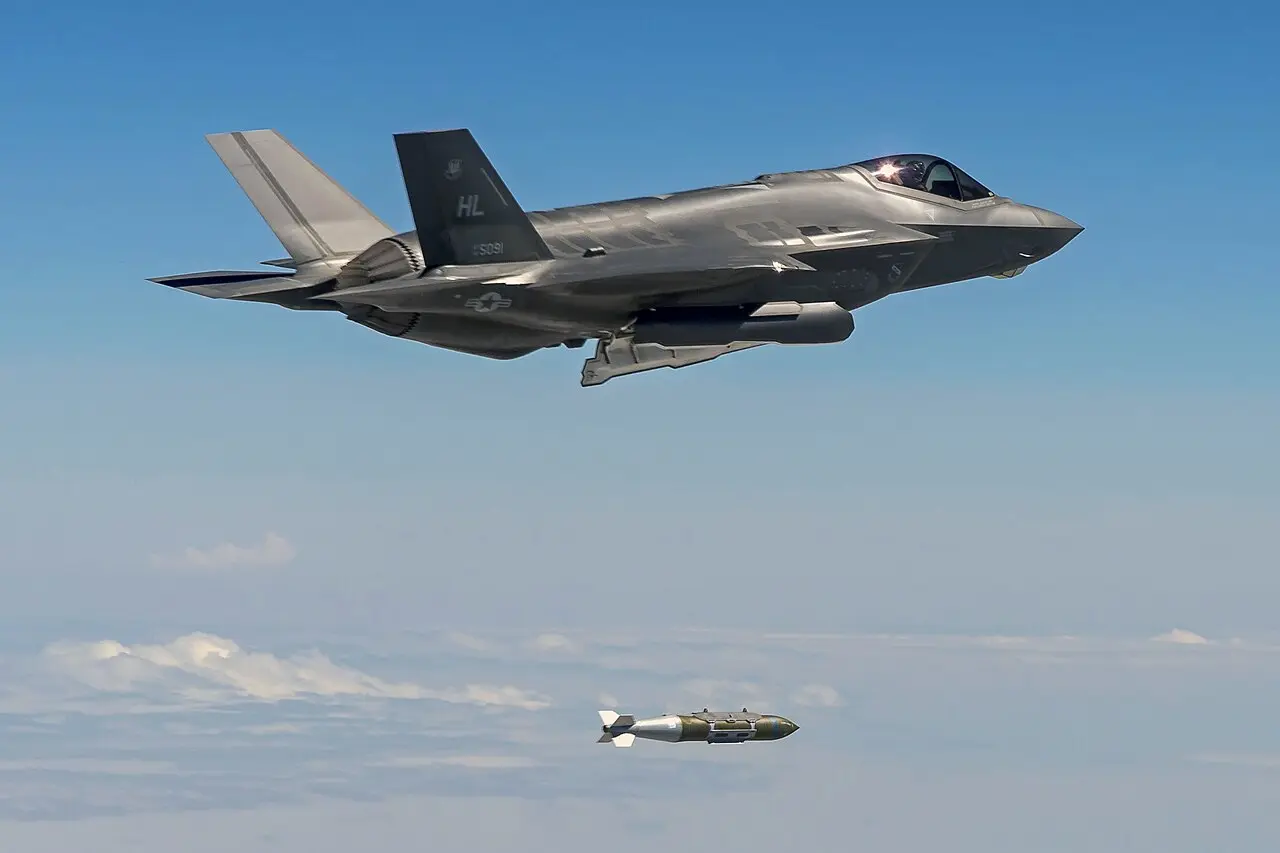
Missile Guidance Integration
Sensor fusion provides continuous mid-course guidance corrections to AIM-120 AMRAAM missiles updating target position throughout flight. DAS and AESA radar track target movement providing accuracy improvements exceeding 95 percent hit probability. Continuous updates ensure missile intercepts moving targets despite evasive manoeuvres.

Real-Time Target Identification
Artificial intelligence processes sensor data comparing detected targets against threat library database automatically identifying hostile platforms. Machine learning algorithms improve identification accuracy over time adapting to new threat signatures. Real-time processing transforms static threat libraries into dynamic knowledge systems.
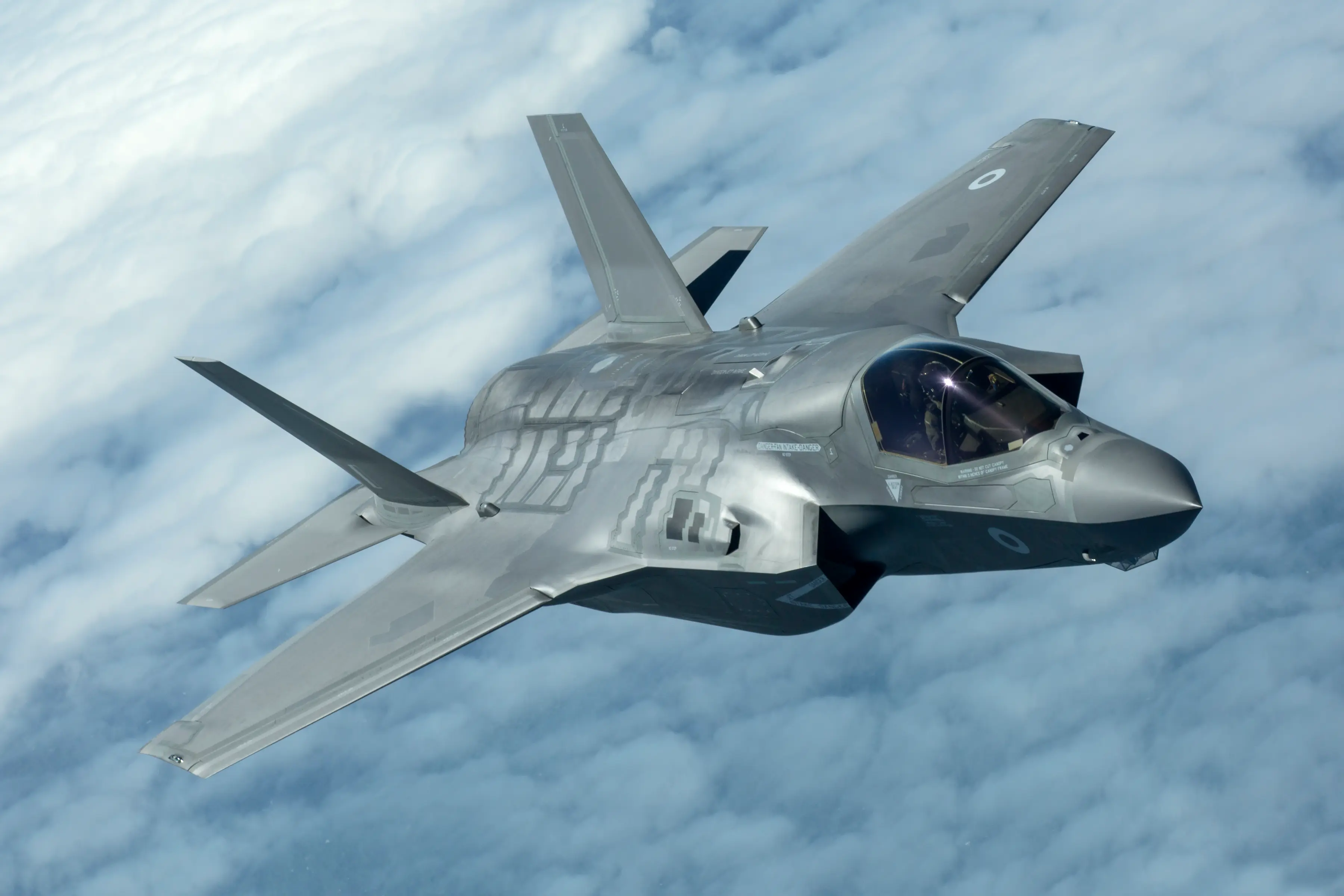
Network-Centric Targeting
F-35 pilots see identical tactical picture across all networked aircraft enabling coordinated targeting and weapons employment. Off-board sensors from allied platforms and airborne assets integrate into fusion display providing enhanced battlespace awareness. Shared intelligence improves targeting accuracy and reduces friendly-fire incidents.
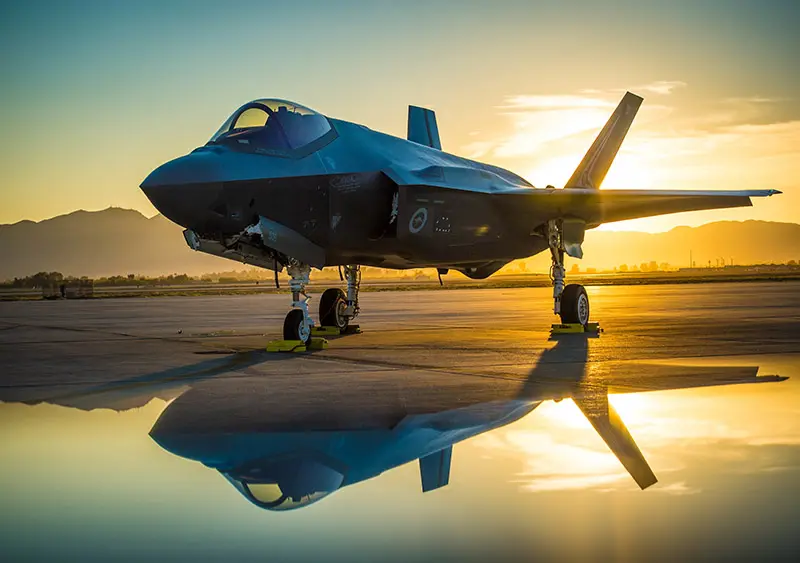
Air-to-Surface Precision
Sensor fusion provides precise target coordinates enabling laser-guided and GPS-guided weapon employment with accuracy within 10-15 feet. Target location accuracy combines radar position with infrared confirmation generating targeting solutions. Advanced targeting enables strike missions against mobile targets with reduced collateral damage.
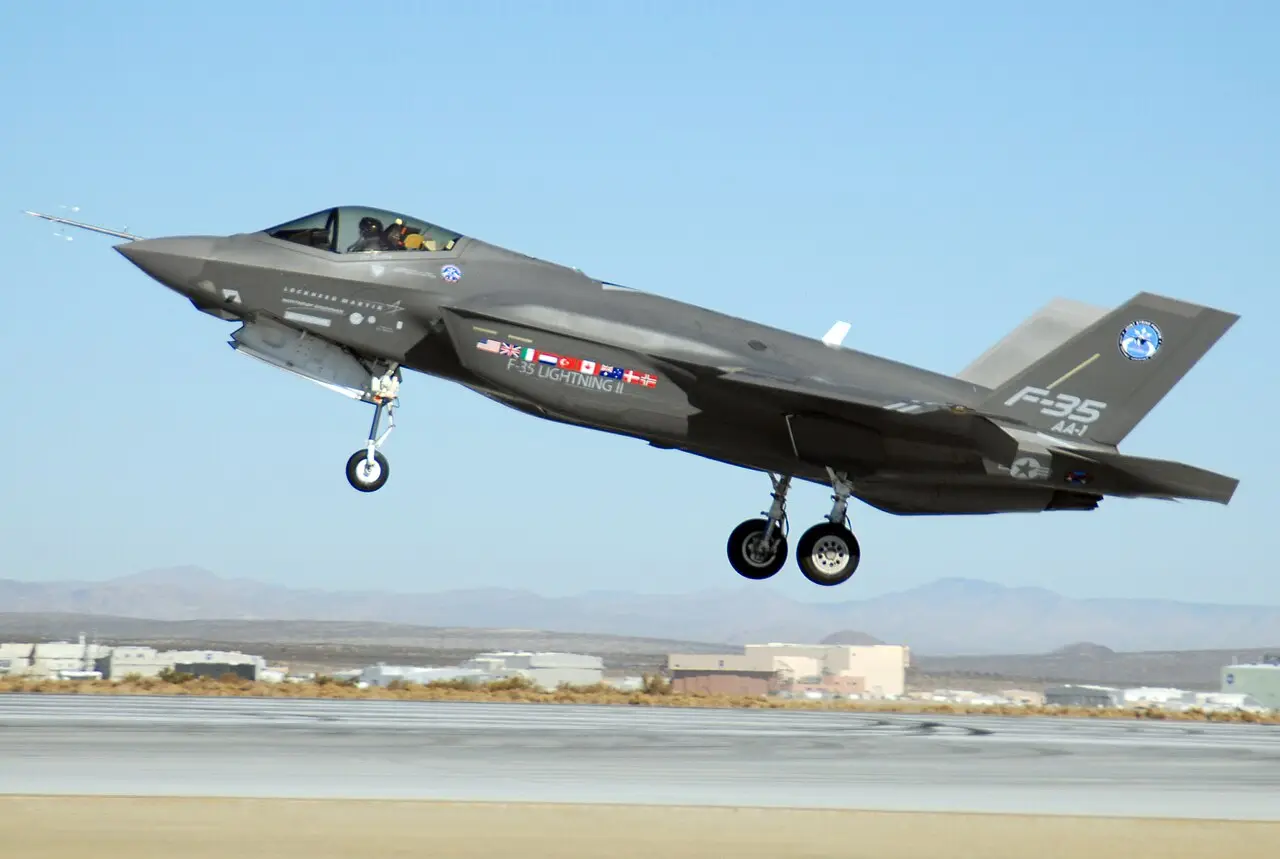
Engagement Before Detection
F-35 sensor fusion enables detecting and engaging targets before adversary radar detection occurring providing decisive combat advantage. Extended detection ranges allow weapon employment whilst remaining undetected enabling unopposed strikes. Targeting accuracy combined with stealth creates revolutionary combat capability.
)
)
)
)
)