How Saudi Arabia could benefit from US strikes if they lead to the fall of the Iranian regime

A potential fall of the Iranian regime following US strikes could significantly benefit Saudi Arabia. Analysts point to increased security, the collapse of hostile proxy networks, and a boost for Vision 2030. Such a shift would likely cement Riyadh’s dominance in the region.
End of Houthi Threat
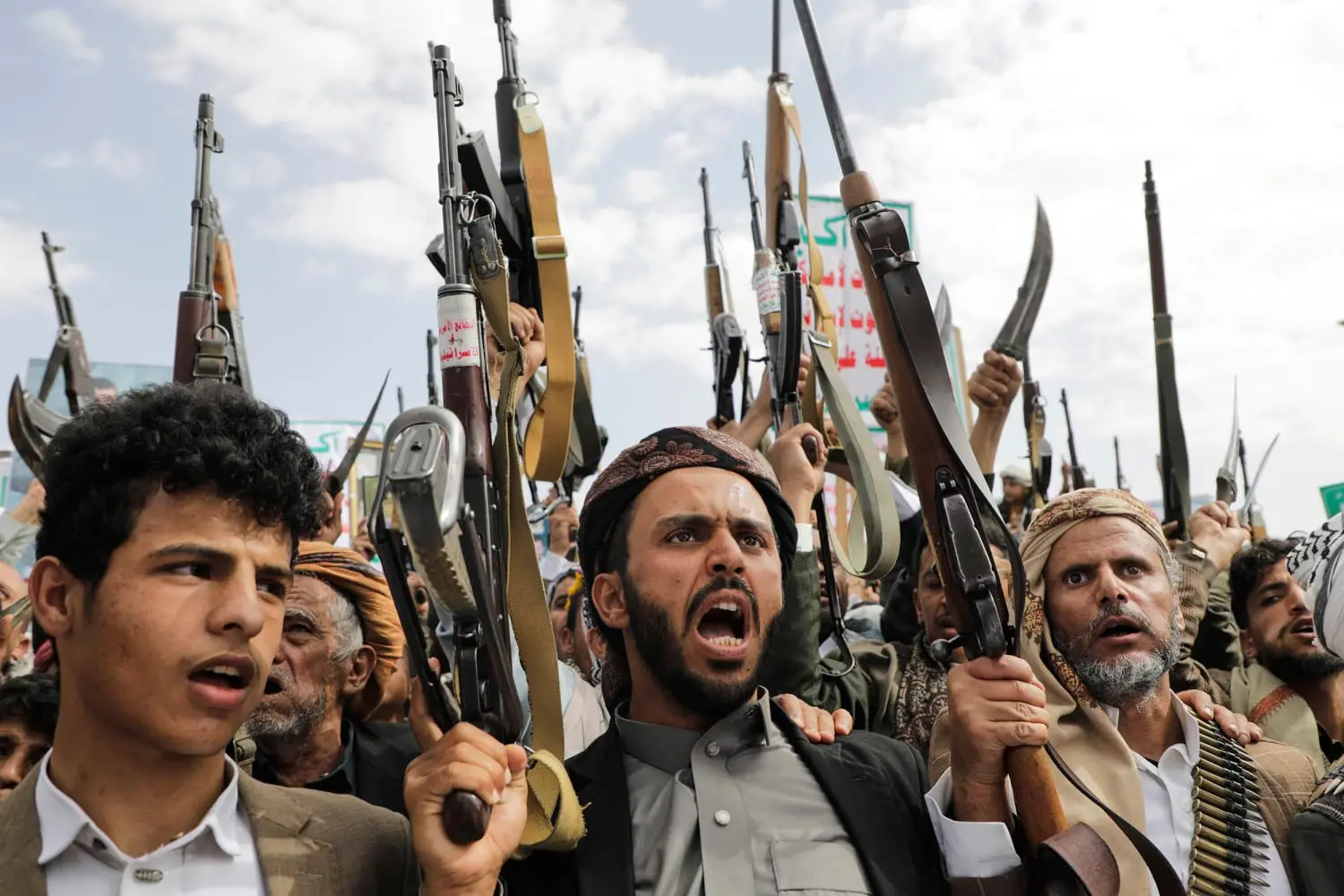
The most immediate benefit for Riyadh would be the weakening of Houthi rebels in Yemen. Iran has long supplied these militias with missiles and drones used to target Saudi cities. Without Tehran’s financial and military backing, the Houthis would lose their primary lifeline. This could force them into serious peace negotiations, finally securing Saudi Arabia’s southern border.
Security for Vision 2030
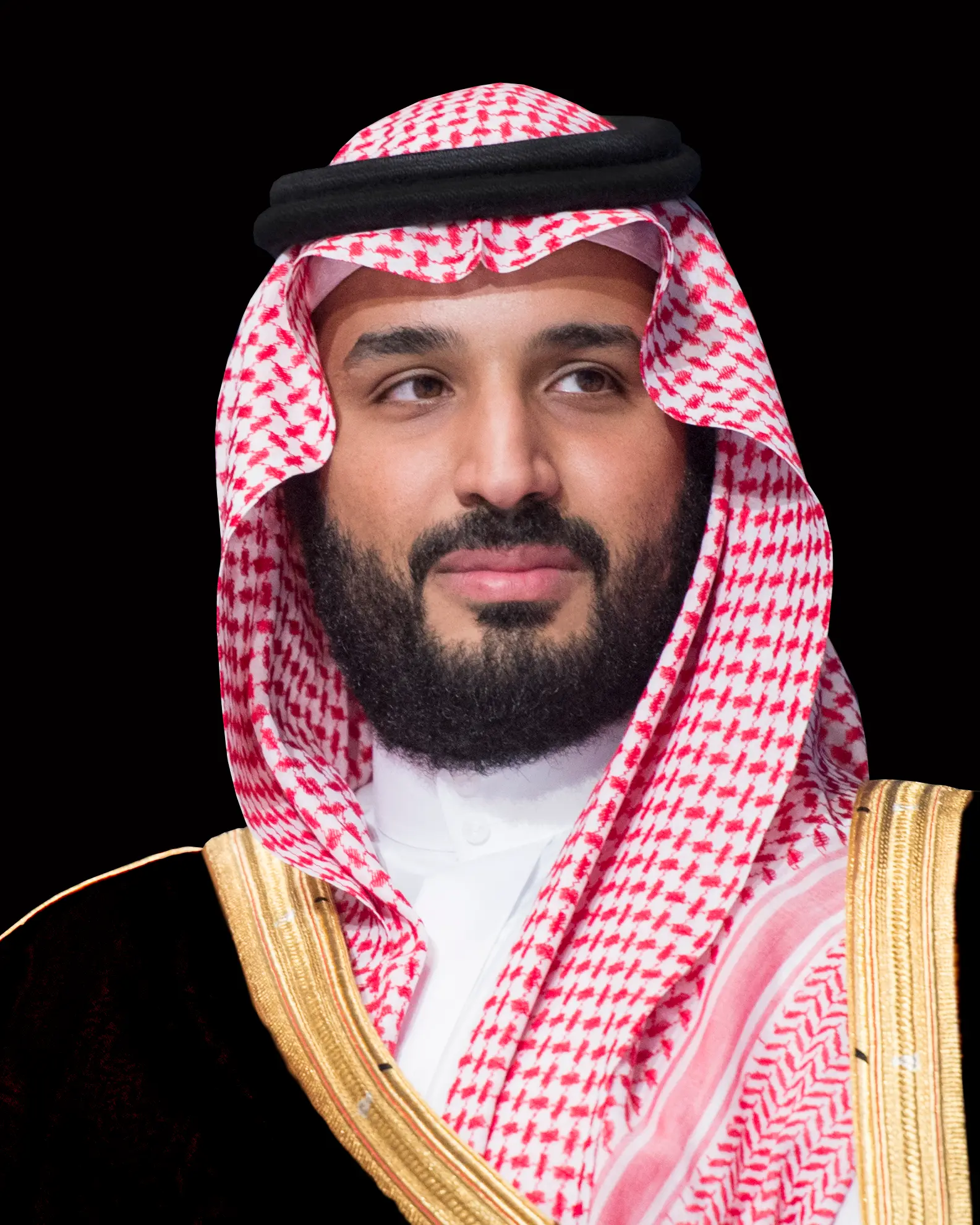
Crown Prince Mohammed bin Salman’s Vision 2030 relies heavily on foreign investment and tourism. Regional instability often scares away global investors needed for mega-projects like Neom. The collapse of a hostile regime would remove the constant threat of conflict hanging over the Gulf. A stable region is essential for transforming the Kingdom into a global business hub.

Oil Market Dominance
Iran has previously threatened to close the Strait of Hormuz, a vital choke point for global oil shipments. A regime change could end these disruptions and stabilize energy markets. Saudi Arabia, as the world’s top oil exporter, would face fewer risks to its infrastructure. This security allows Aramco to operate without the fear of attacks like the 2019 Abqaiq strikes.

Nuclear Threat Elimination
Riyadh has long expressed concern over Iran’s nuclear programme and its potential for weaponisation. The fall of the current regime would likely halt or reset these nuclear ambitions. This removes the pressure on Saudi Arabia to develop its own nuclear deterrent in response. It also eliminates a major existential threat from the Kingdom’s primary regional rival.
Dismantling Proxy Networks
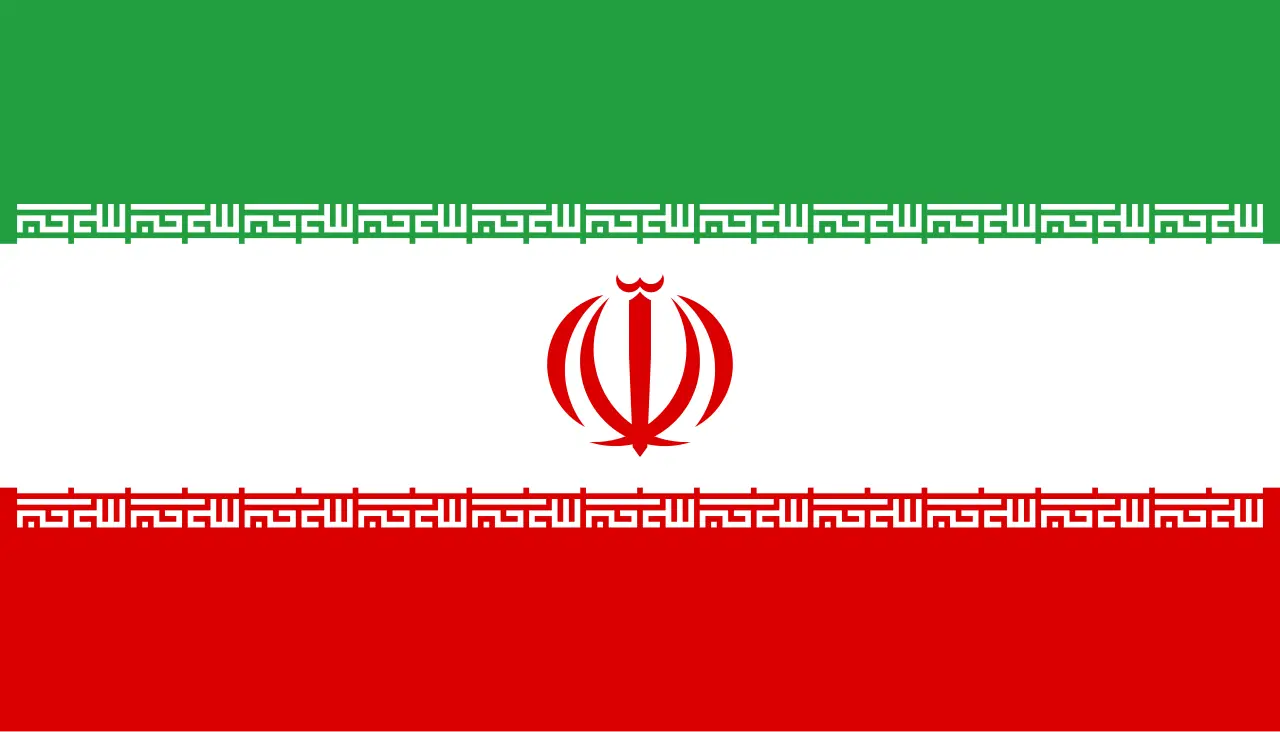
Iran supports various militias across Lebanon, Syria, and Iraq that challenge Gulf interests. A regime collapse would cut off funding and training for groups like Hezbollah. This would reduce sectarian influence in Arab nations and restore the balance of power. Saudi Arabia could then strengthen diplomatic ties with these countries without Iranian interference.
Religious Leadership
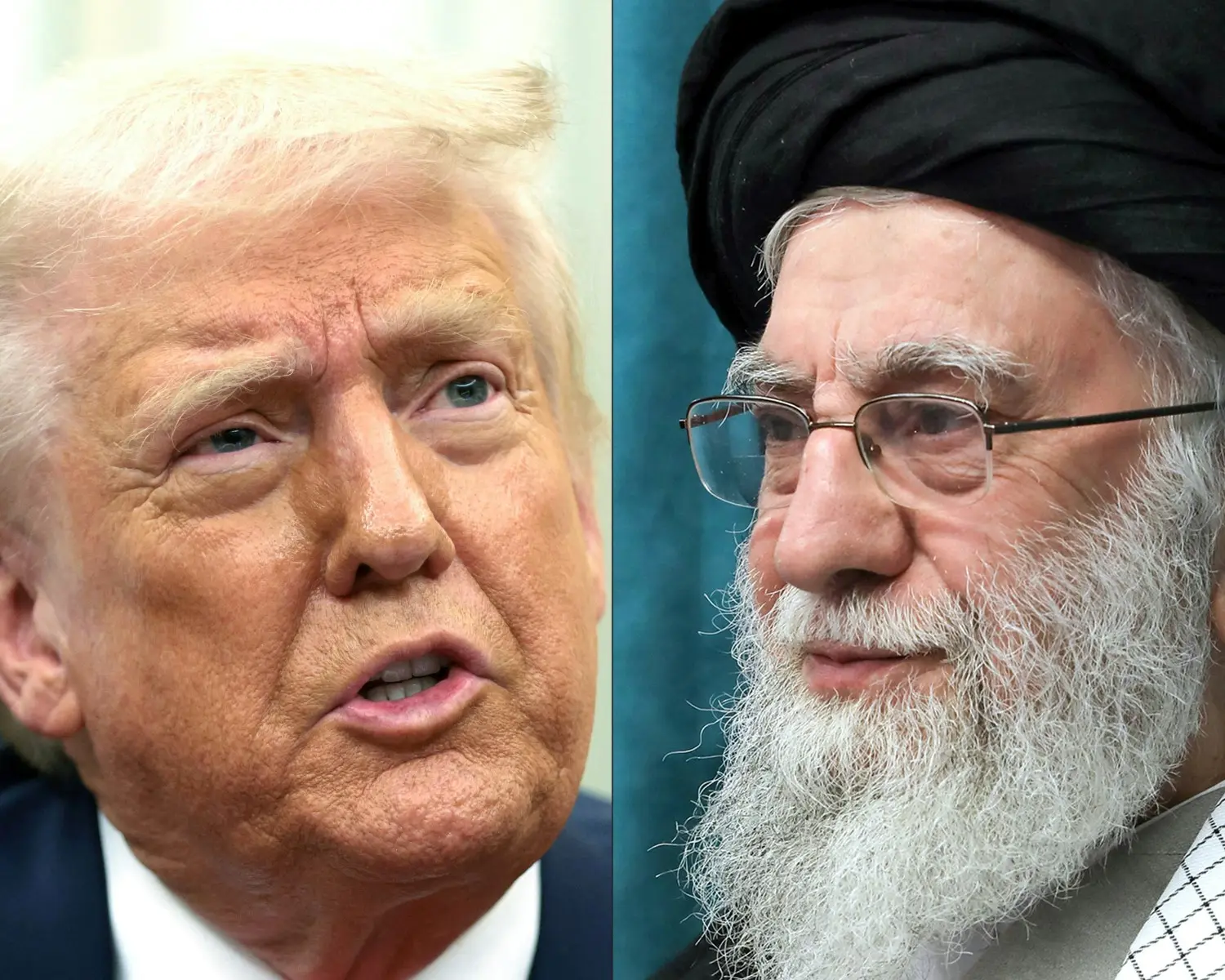
The rivalry between Saudi Arabia and Iran often plays out as a contest for leadership of the Islamic world. The fall of the theocratic Shia regime in Tehran would leave Riyadh’s Sunni leadership largely unchallenged. This shifts the ideological centre of gravity firmly back to the Gulf. It would reduce sectarian tensions that have fuelled conflicts across the Middle East.
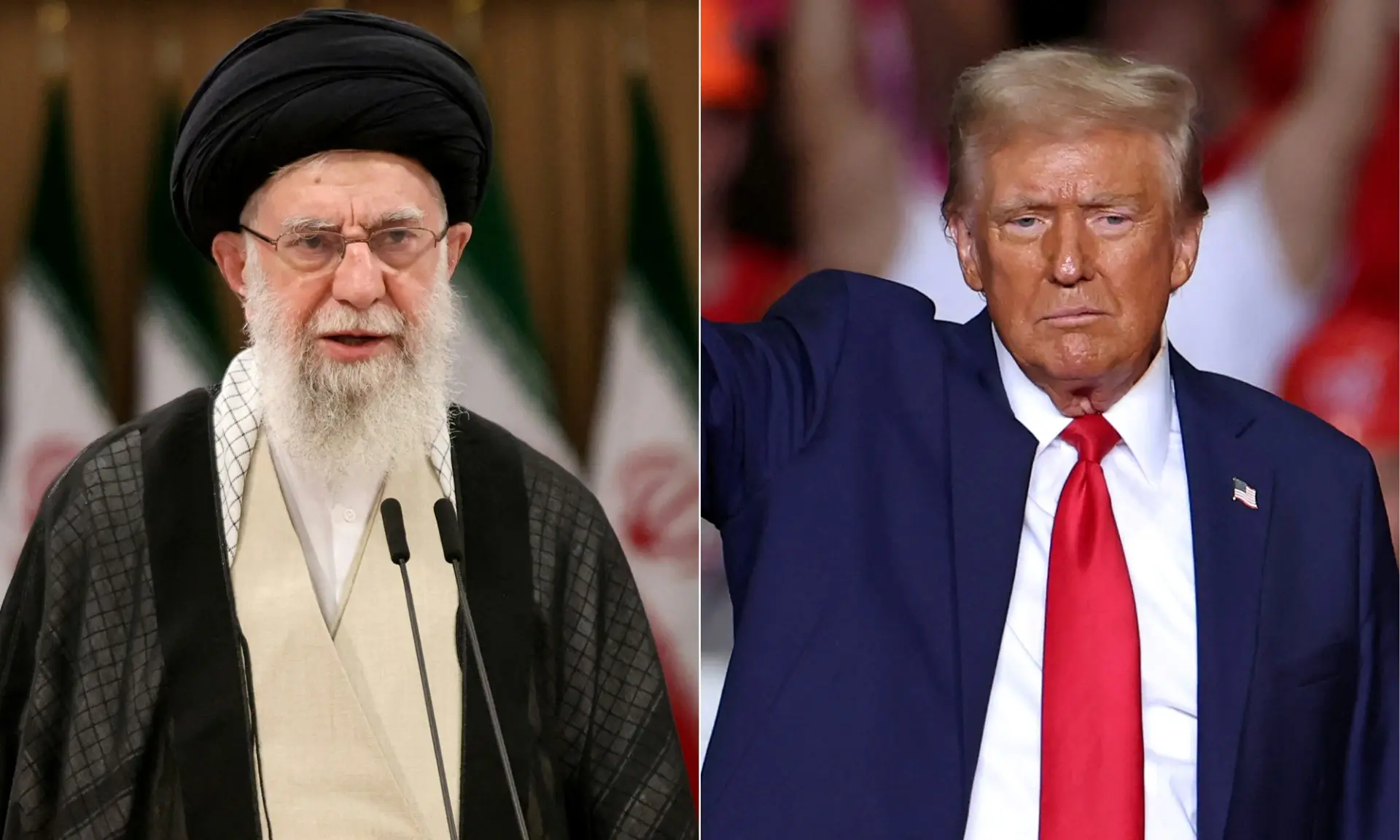
US-Saudi Defence Pact
A successful US campaign leading to regime change could strengthen the security alliance between Washington and Riyadh. It would demonstrate American commitment to Gulf security, a key Saudi demand. This could accelerate a formal defence treaty, providing the Kingdom with long-term guarantees. Such a pact would solidify Saudi Arabia’s status as the region’s primary military power.
)
)
)
)
)