How Russia’s Su-57 fighter jet regulates heat during afterburner use

The Su-57 fighter jet uses advanced technology to control heat when using the afterburner. Engine temperatures reach 2,200 degrees Celsius during afterburner operation. Advanced cooling systems control and regulate temperature automatically.
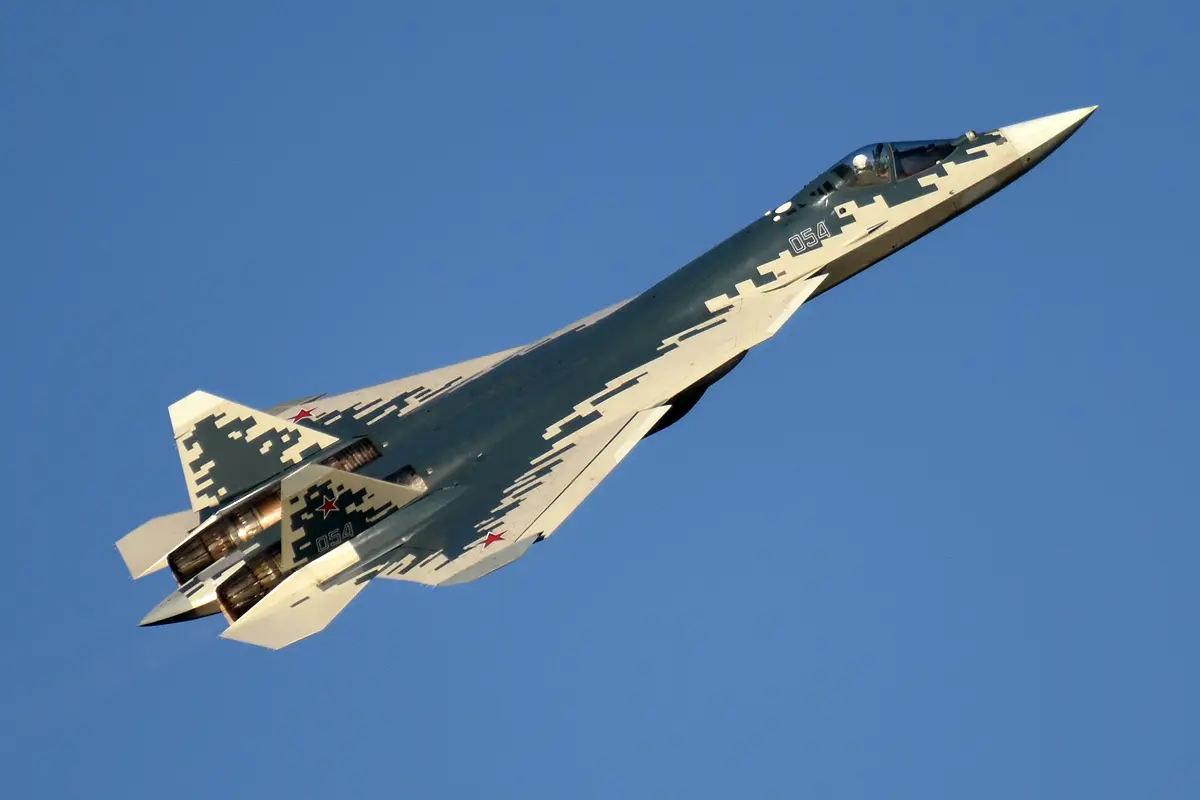
Afterburner Temperatures Reach 2,200 Degrees Celsius - Three Times Normal Engine Heat
In normal flight, the Su-57 engine produces exhaust temperatures around 950 degrees Celsius. When the pilot engages afterburner, temperatures jump to between 1,800 and 2,200 degrees Celsius. This extreme heat creates intense infrared signature that missiles can detect. Russian engineers designed special systems to manage this thermal stress during high-speed operations.
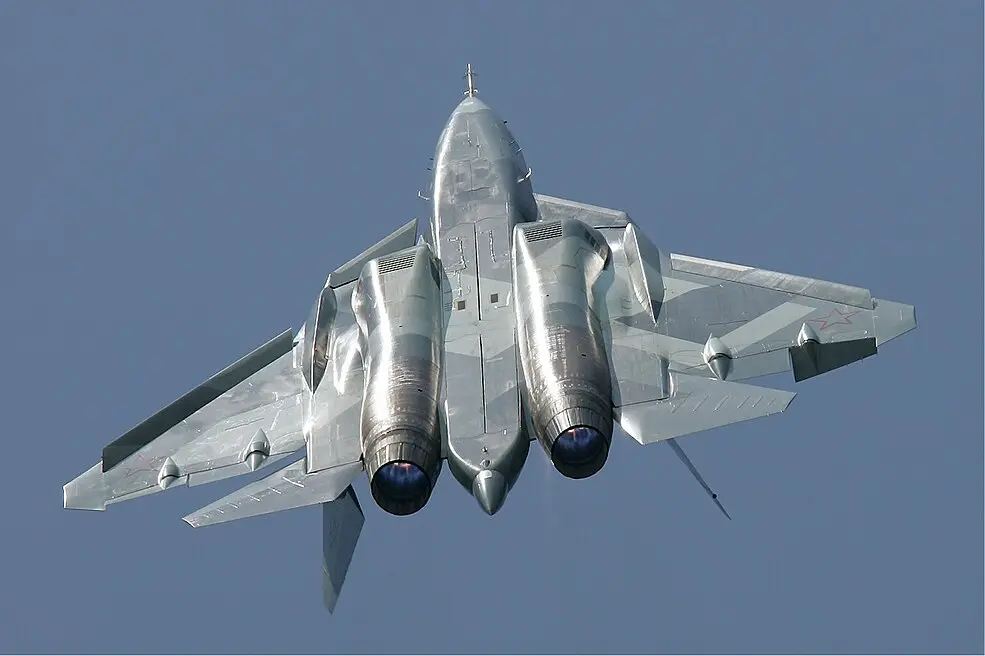
Two Saturn AL-41F1S Engines Generate 142,000 Kilonewtons With Controlled Afterburner Heat
The Su-57 uses two Saturn AL-41F1S turbofan engines as its powerplant. These engines produce 142 to 147 kilonewtons of thrust including afterburner power. According to Russian defence sources, these engines incorporate advanced cooling systems built into the core design. The engine's architecture prioritises thermal regulation during afterburner operations. Digital controls manage fuel flow precisely to control exhaust temperature.
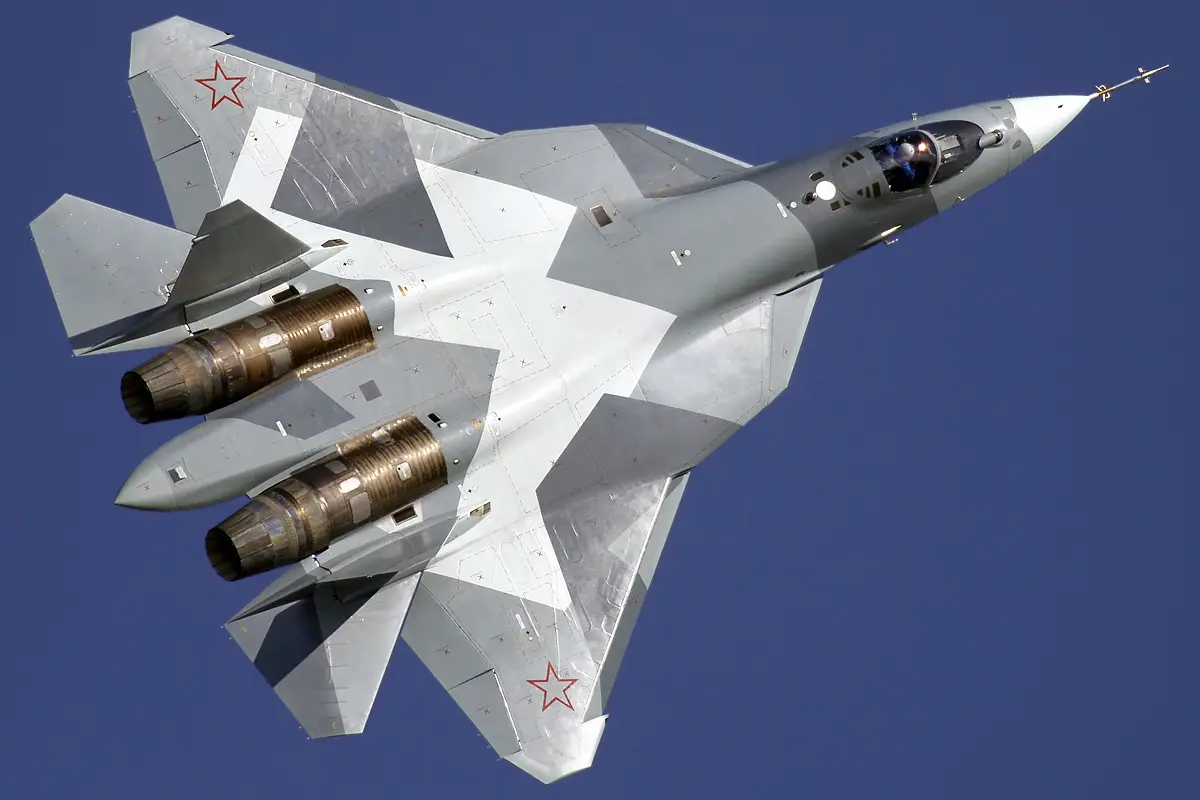
Flat 2D Nozzles Spread Exhaust Heat Across Wider Areas Reducing Detection Range
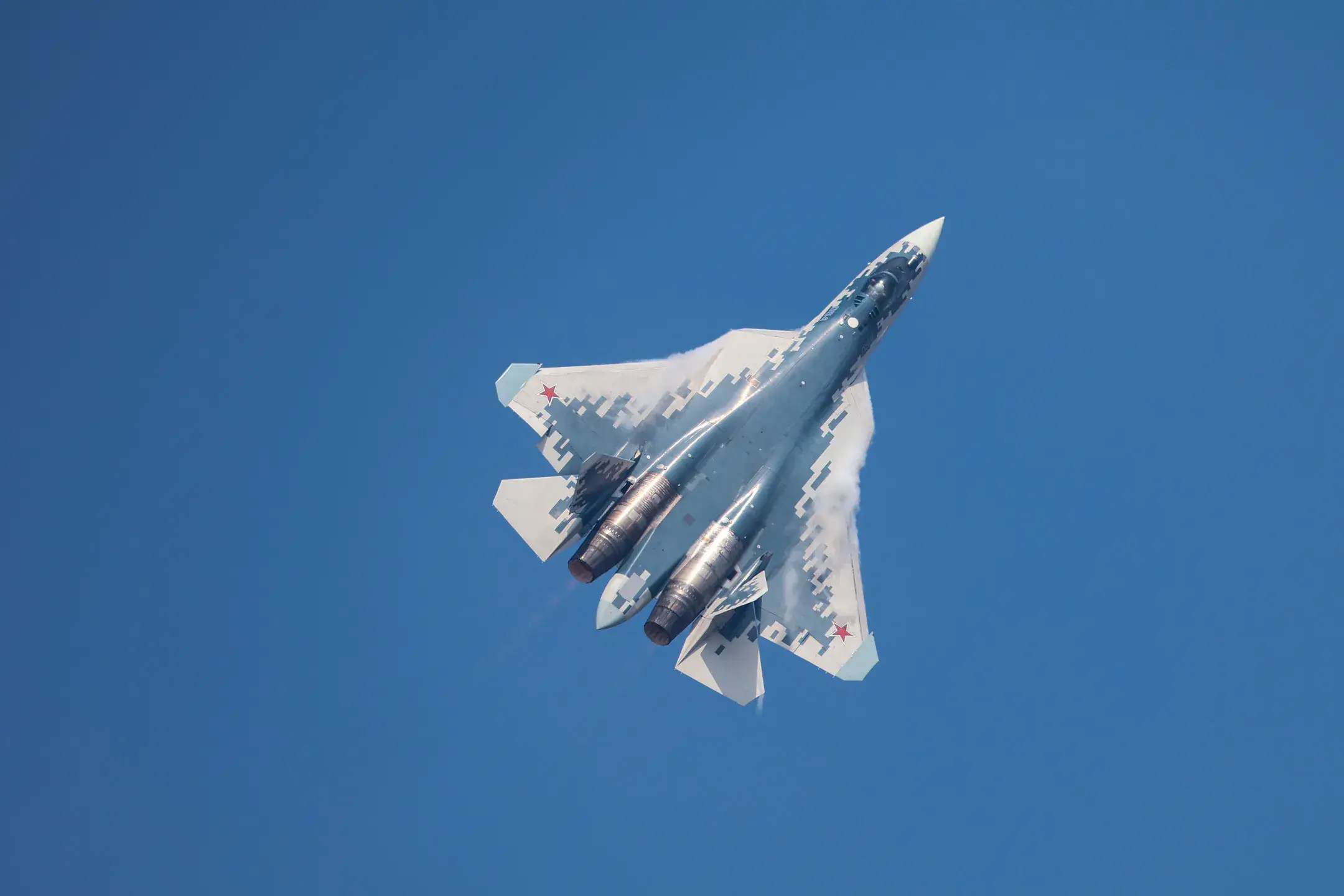
The new Su-57E features flat, two-dimensional engine nozzles instead of traditional round designs. These rectangular nozzles spread hot exhaust into a flat pattern rather than a concentrated jet. According to Russian defence engineers, spreading heat across wider areas reduces thermal concentration. This geometry change significantly reduces infrared visibility to enemy thermal sensors during afterburner use. The flat nozzle design was displayed at Dubai Airshow 2025.
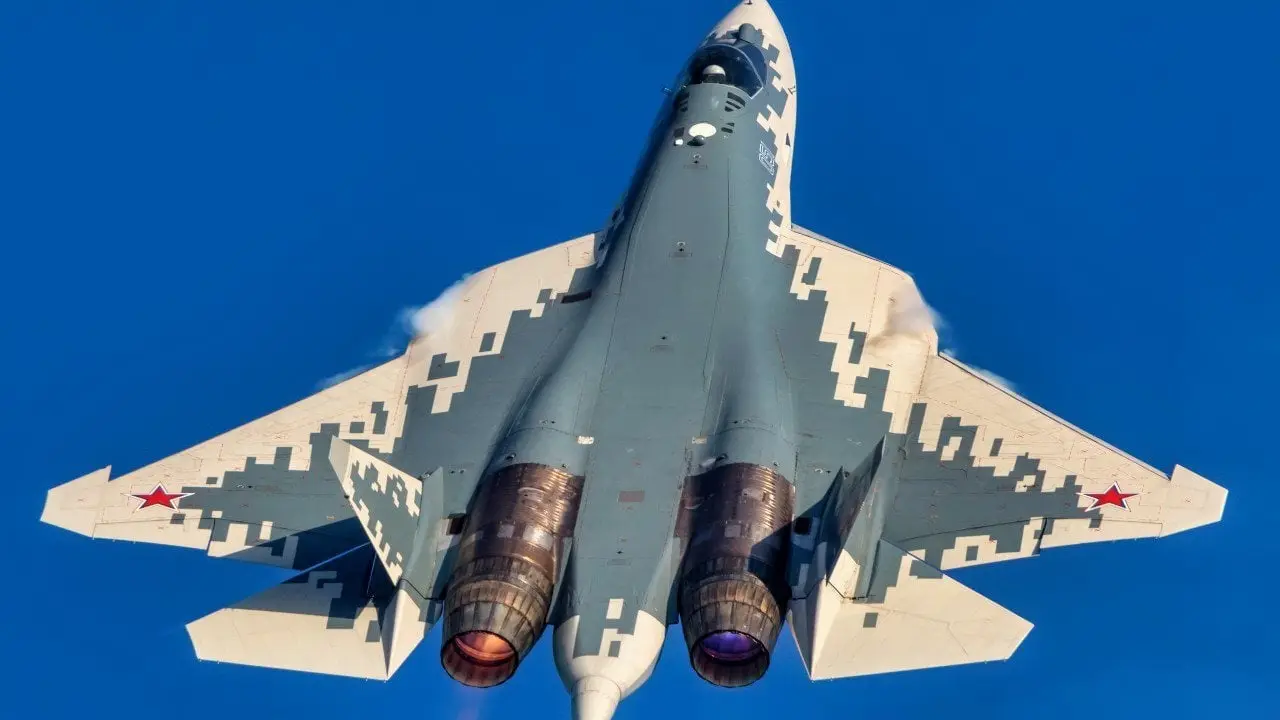
Engineered Vents Force Cool Air Through Nozzle Reducing Exhaust Temperature
The flat nozzles incorporate cooling vents that force cool air through the nozzle structure. This venting system mixes cooler air with hot exhaust before it leaves the engine. According to technical analysis, this cooling process reduces overall exhaust temperature by several hundred degrees Celsius. The vents are angled at approximately 45 degrees for optimal cooling efficiency. This passive cooling system requires no additional power during afterburner operation.
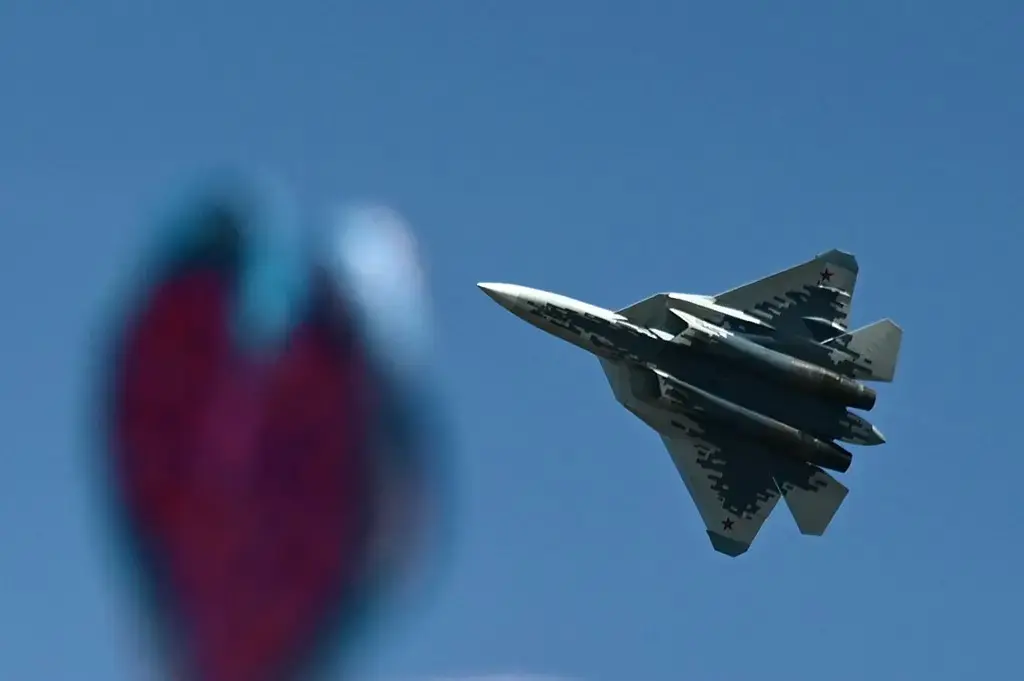
Engine Fan Bypass Air Mixes With Hot Exhaust Cooling Temperatures During Afterburner
The Su-57 engine uses bypass air mixing where the fan draws cool air into the exhaust stream. This cool air from the bypass path mixes directly with the hot core exhaust. According to defence reports, this mixing reduces average exhaust temperature significantly during afterburner use. The pilot controls the mixing ratio through the digital engine control system. More bypass air mixing means cooler exhaust and reduced thermal signature.
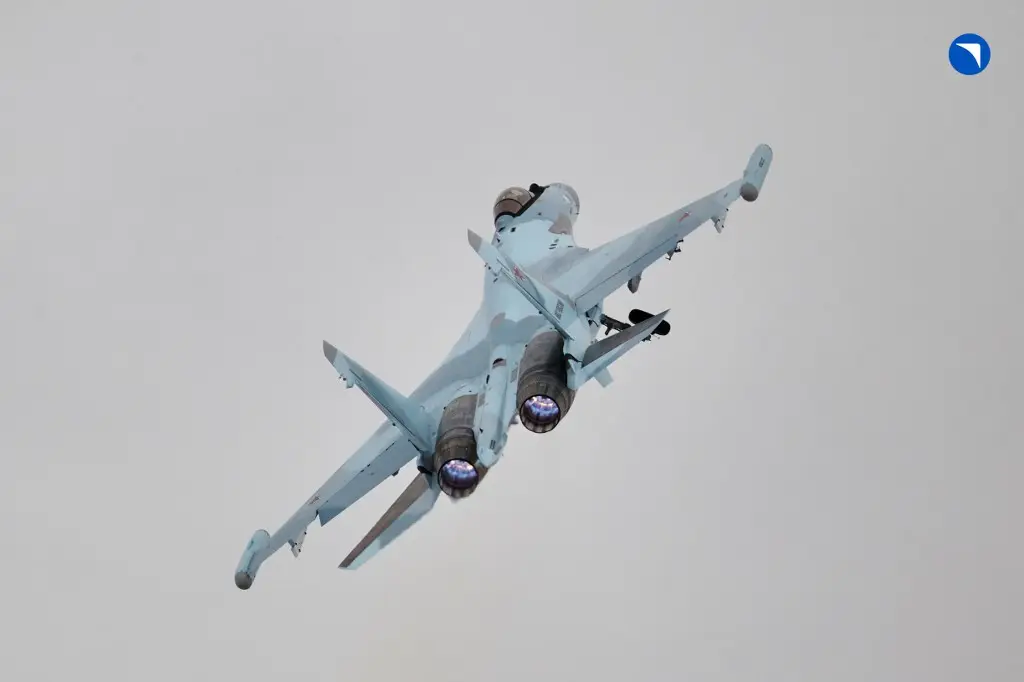
FADEC System Monitors Temperature 500 Times Per Second Adjusting Fuel Automatically
The Su-57 uses a full authority digital engine control system called FADEC. This system continuously monitors engine temperature, fuel flow, and air intake parameters. According to Russian sources, the FADEC adjusts fuel injection rates up to 500 times per second. This rapid control prevents temperature spikes during afterburner engagement. The system optimises afterburner operation automatically while managing thermal stress. Pilots maintain normal throttle control while computers handle temperature regulation.
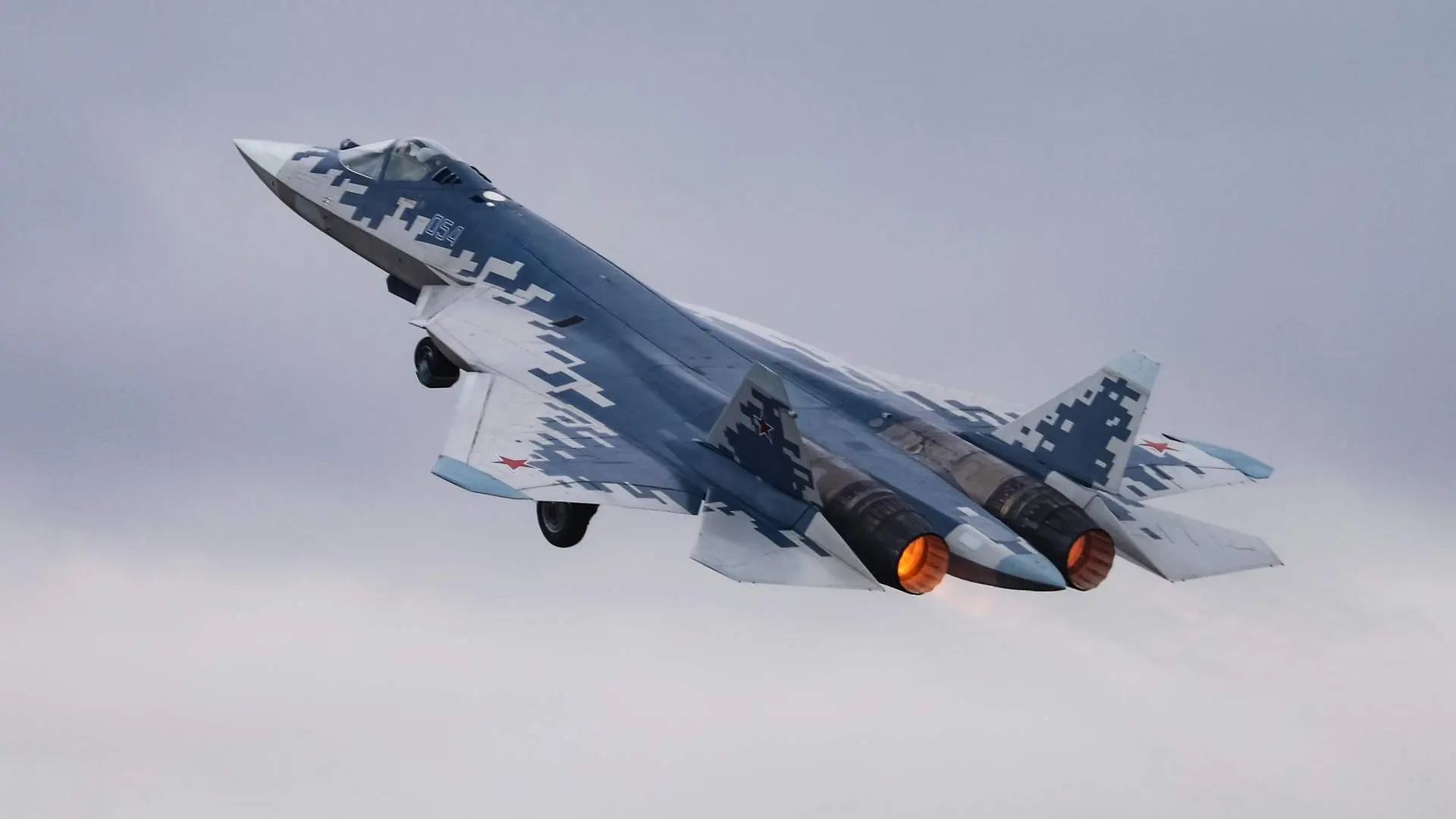
Hydraulic Flaps Open 15-35 Per cent More When Afterburner Engages Controlling Pressure
The Su-57 engine nozzle features four independently controlled titanium flaps operated by hydraulic actuators. When afterburner engages, these flaps open between 15 and 35 per cent depending on flight regime. According to engine specialists, this controlled opening vents excess pressure preventing engine damage. The nozzle opening is precisely calibrated by thermal sensors. If opening is incorrect, excess pressure could destroy the engine internally.
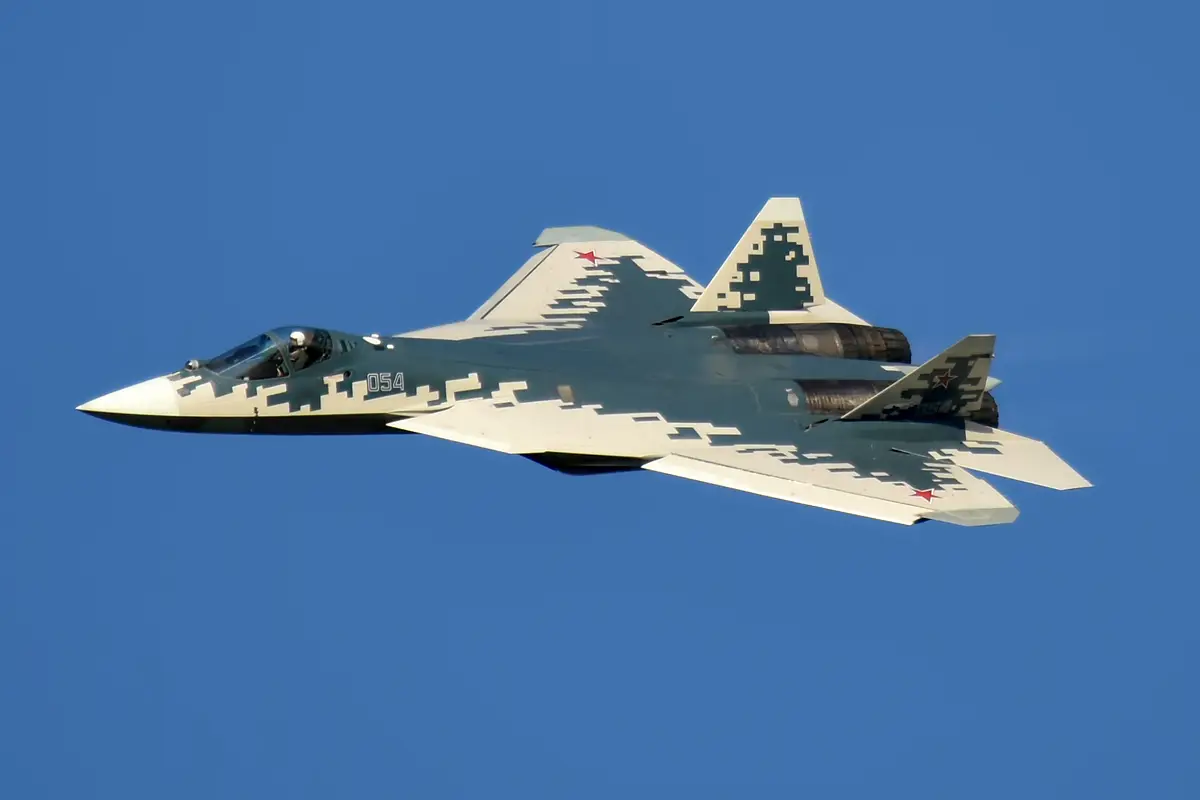
Ceramic Matrix Composites in Engine Hot Section Withstand 2,200 Degree Temperatures
The Su-57 engine uses advanced ceramic materials in the hot section where temperatures peak. These materials can withstand temperatures exceeding 2,000 degrees Celsius continuously. According to Russian defence sources, ceramic matrix composites replace traditional metal alloys in critical areas. These materials resist thermal fatigue and cracking under extreme stress. Heat-resistant coatings protect titanium components that cannot be replaced with ceramics.
Su-57 Can Cruise at Supersonic Speeds Without Afterburner Reducing Thermal Signature
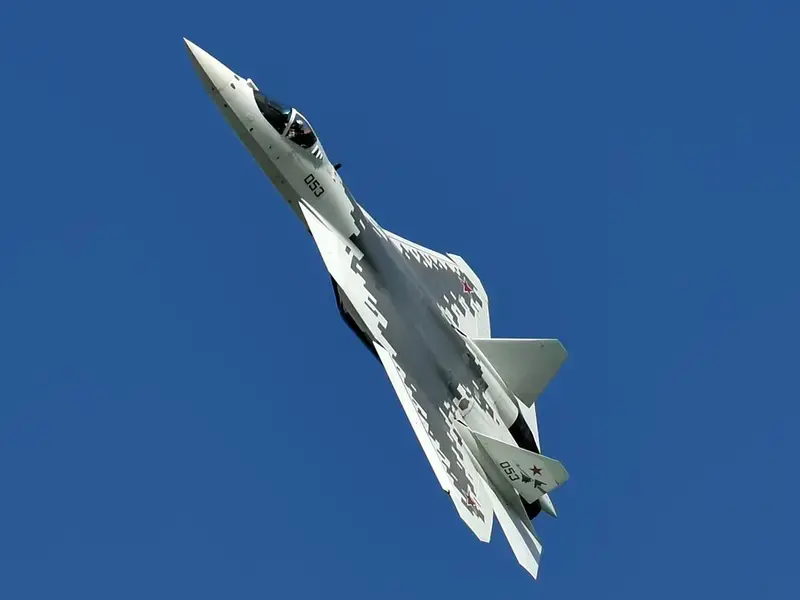
The Su-57 can achieve supersonic speeds without using afterburner, a capability called supercruise. According to Russian defence officials, this supercruise feature reduces fuel consumption and thermal signature significantly. Pilots can maintain supersonic speed using cruise power settings producing much less heat. This capability gives the Su-57 a strategic advantage in prolonged operations. Afterburner engagement is reserved for combat manoeuvres and takeoff operations when thermal stealth is less critical.
Nine Thermal Systems Coordinate Managing 2,200 Degree Temperatures During Afterburner Operations
The Su-57 combines nine thermal management systems for afterburner operations. Flat nozzles spread heat, cooling vents dilute temperature, bypass air mixes cold sections, and FADEC controls fuel injection. Variable nozzle flaps regulate pressure, heat-resistant materials withstand extreme conditions, and supercruise reduces afterburner use. Thermal sensors monitor temperature continuously. According to defence analysts, this integrated approach allows sustained afterburner operations while maintaining thermal stealth advantages.
)
)
)
)
)