How Russia’s S-500 can protect India from China’s hypersonic missiles

Unlike ballistic missiles, hypersonic weapons shift direction rapidly. The S-500’s new-generation radars use fast-processing AESA-class architecture, enabling real-time tracking of high-speed, high-manoeuvre threats that older radars struggle to follow.
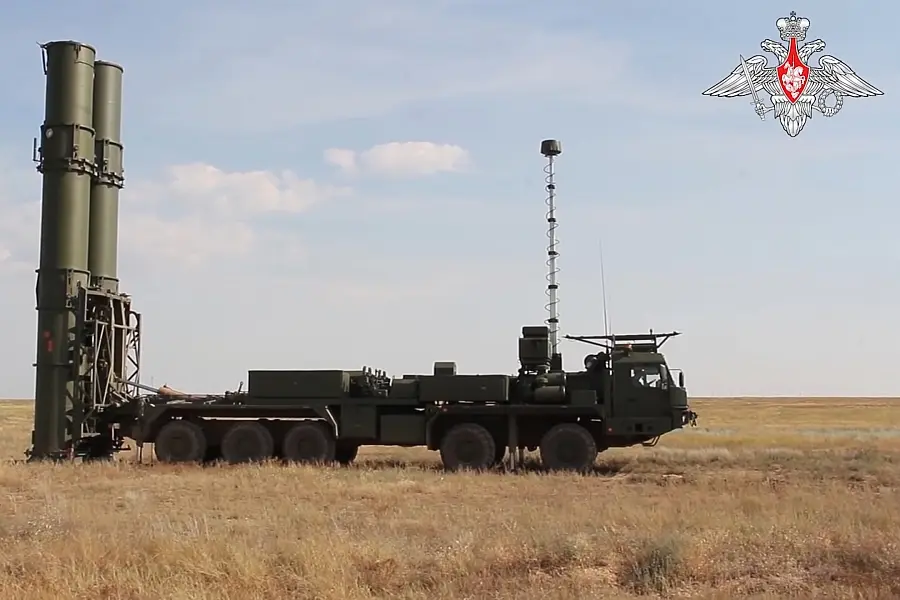
1. The S-500 is built specifically to intercept hypersonic weapons
China already deploys hypersonic systems like the DF-17, which travel at Mach-5+ and make sharp manoeuvres. The S-500 Prometey is designed from the ground up to detect, track, and intercept such ultra-fast threats, something older systems were never built to handle.
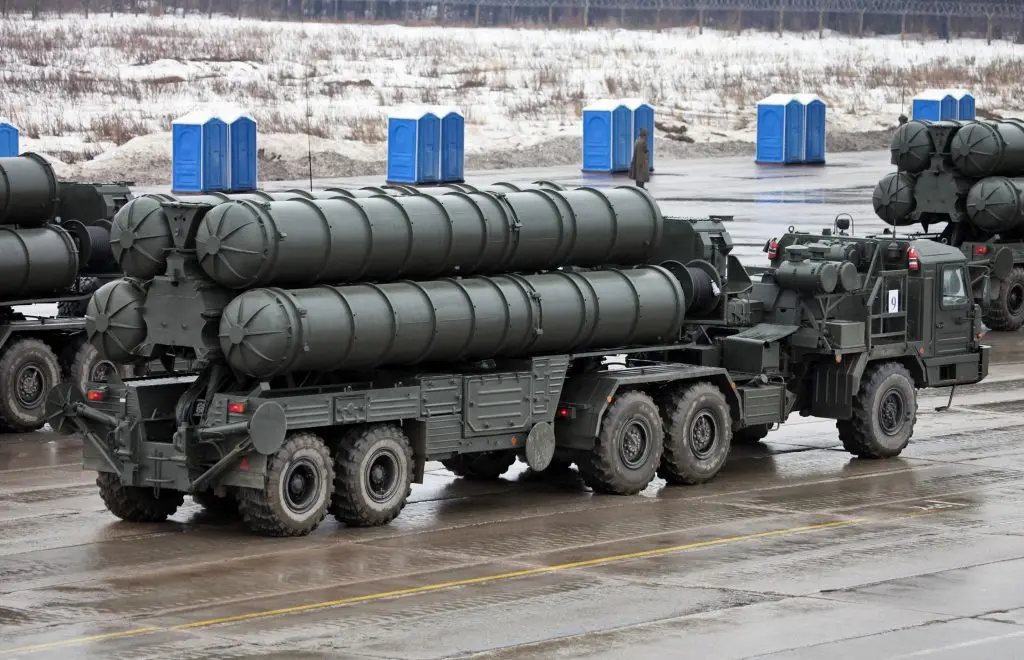
2. It operates at extreme altitudes where hypersonic glide vehicles travel
Hypersonic glide vehicles spend much of their flight path in the upper atmosphere and near-space corridor. The S-500 can engage targets at altitudes up to 200 km, allowing interceptions during the glide phase — long before the weapon drops into denser air.
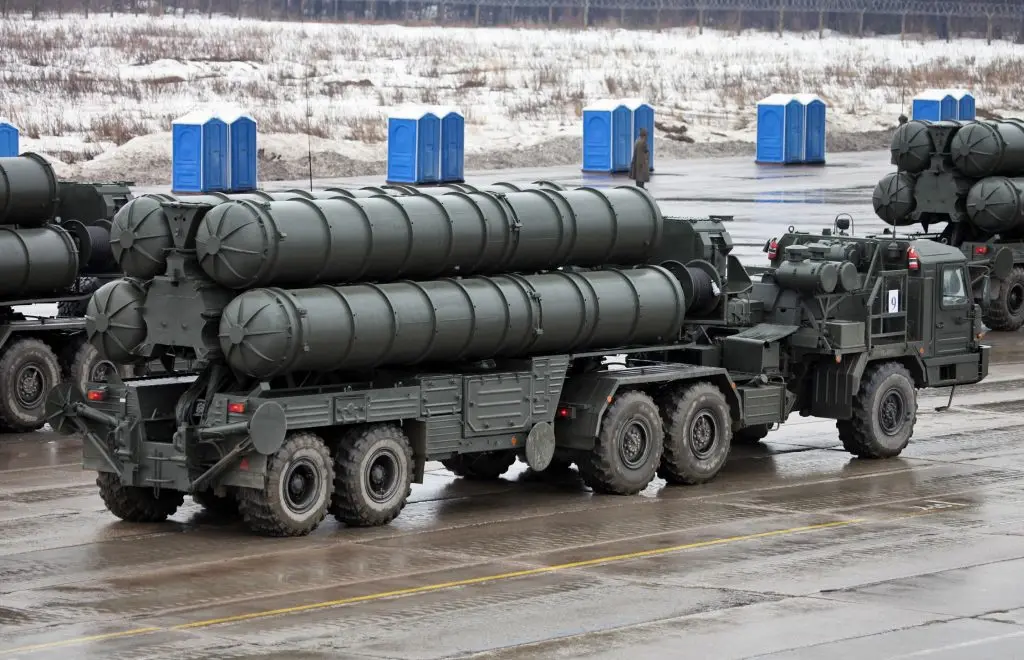
3. Advanced radar can track unpredictable hypersonic manoeuvres
Unlike ballistic missiles, hypersonic weapons shift direction rapidly. The S-500’s new-generation radars use fast-processing AESA-class architecture, enabling real-time tracking of high-speed, high-manoeuvre threats that older radars struggle to follow.
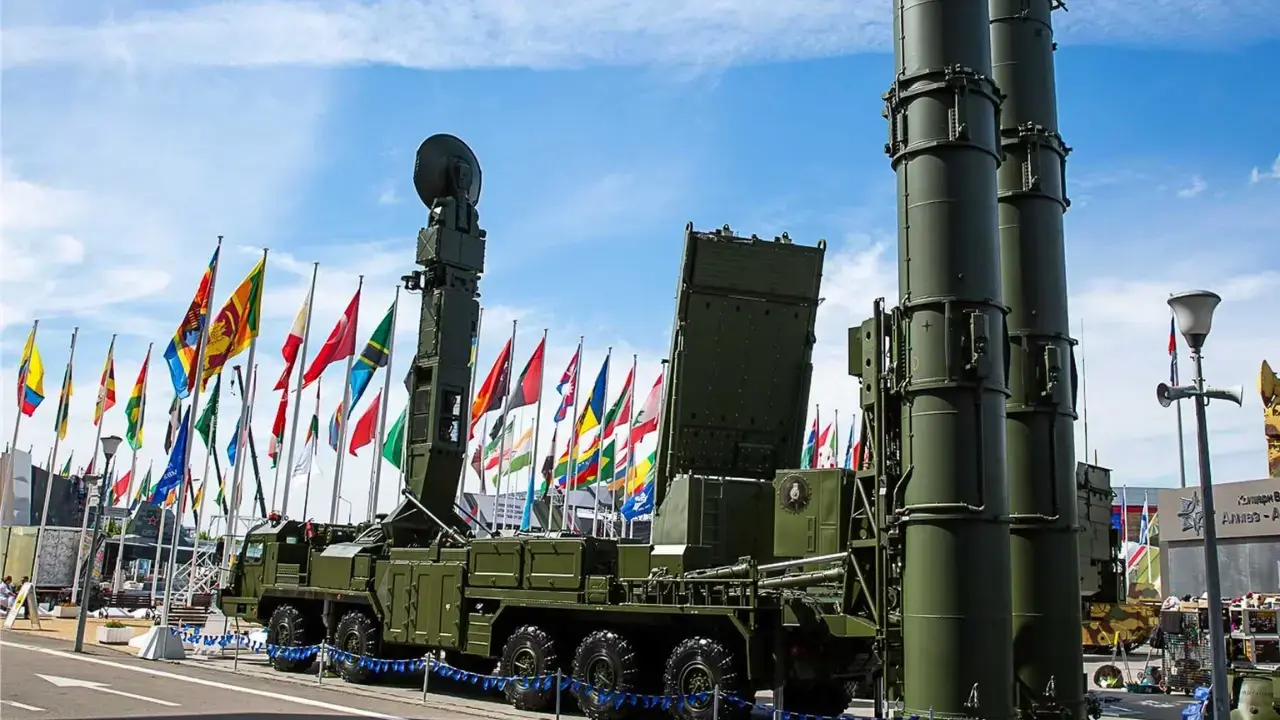
4. Adds a “top-tier” protective layer to India’s missile shield
India’s existing defence includes the S-400, indigenous BMD systems and long-range surveillance radars. The S-500 would form the uppermost layer, covering threats in near-space, completing a three-tier missile defence shield against aircraft, cruise missiles, ballistic missiles and now hypersonic weapons.
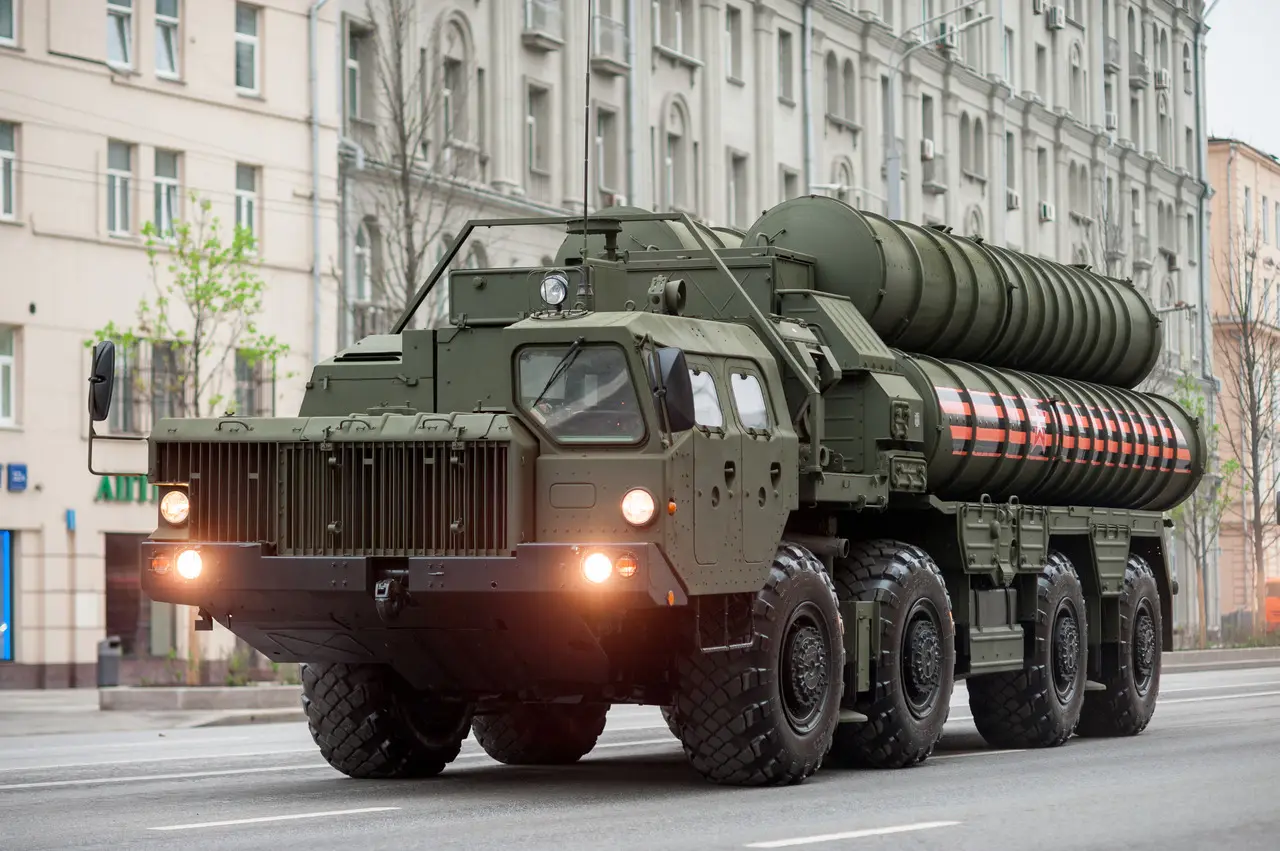
5. Can intercept ballistic missiles during mid-course phase
China fields several ballistic missiles, including DF-21, DF-26 and DF-31 variants. The S-500 can intercept such missiles during the mid-course, when they travel outside the lower atmosphere. This provides India with more engagement windows and higher success probability.
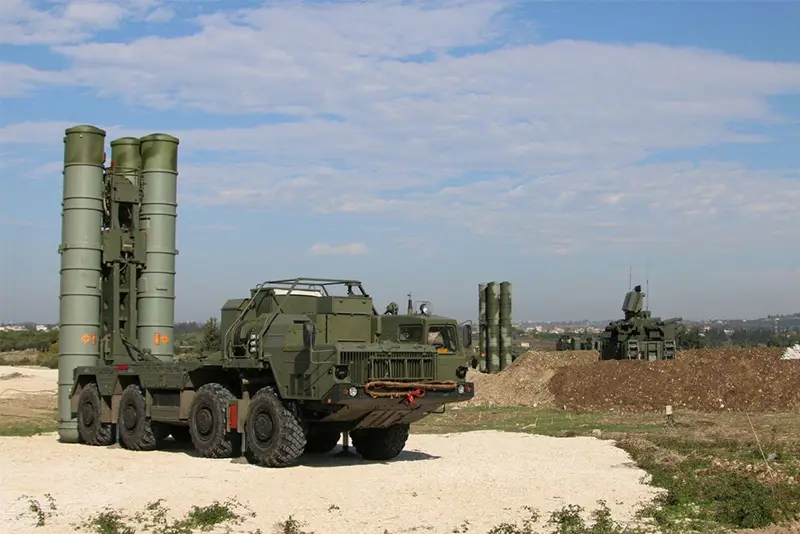
6. Shields India’s critical and strategic assets
Hypersonic or long-range missiles would likely target India’s command centres, nuclear infrastructure, airbases, naval hubs and major metros. With its long range and high altitude coverage, the S-500 can defend large geographical areas and high-value assets simultaneously.
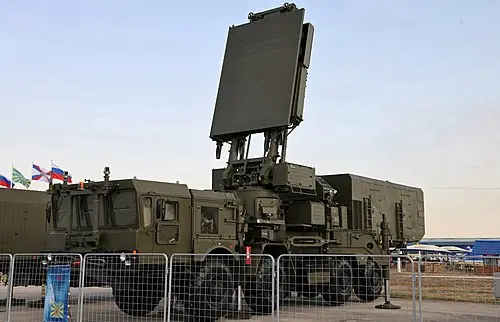
7. Helps India prepare for next-generation warfare
China is investing heavily in hypersonic weapons, fractional orbital bombardment systems (FOBS) and next-gen missile tech. The S-500 offers India a way to future-proof its strategic defence by countering the fastest and most complex weapons currently in development.
)
)
)
)
)