How Russia and the US use different methods to test fighter pilots

US and Russian pilot tests differ vastly. America focuses on independent choices, 9G endurance, and extensive flight hours. Russia relies on strict academic exams and zero-deviation ground control.
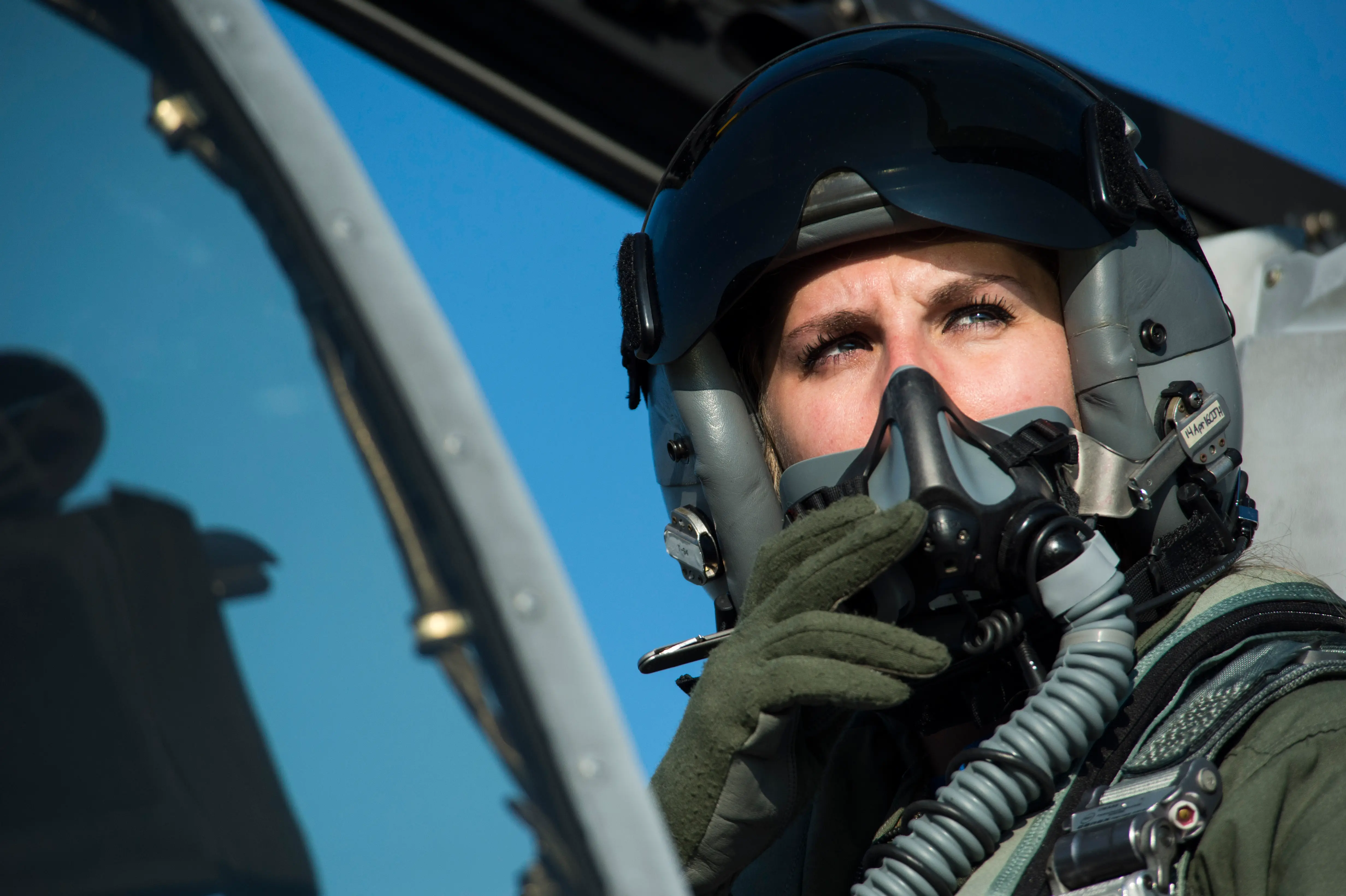
Enduring 9G Centrifuge Tests
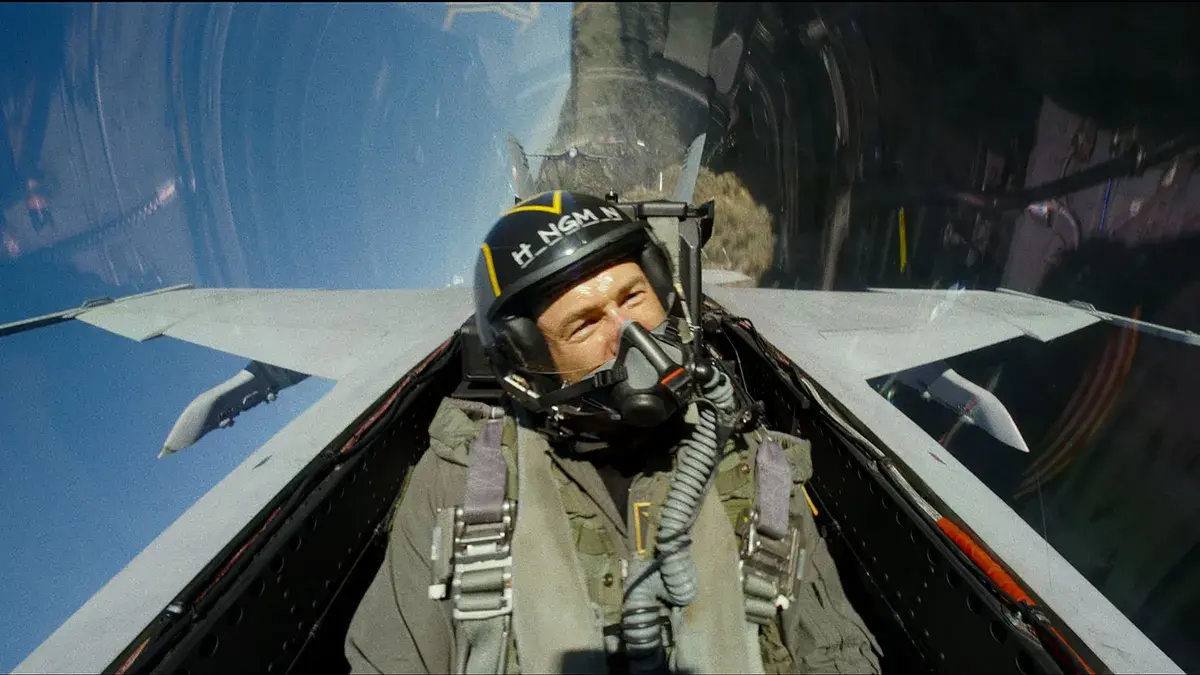
Both nations test acceleration tolerance using massive human centrifuges. American pilots learn specific breathing techniques to endure up to 9G forces without losing consciousness. The strict tests ensure blood flow safely reaches the brain during extreme combat manoeuvres.
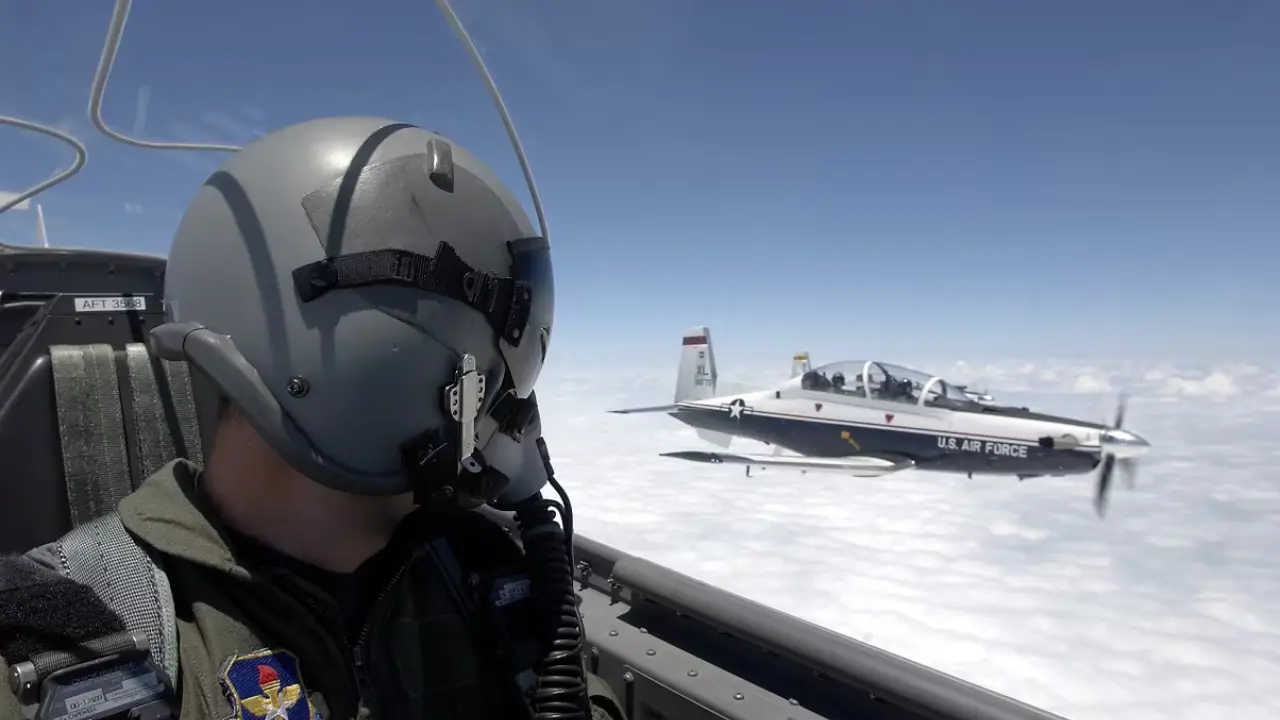
Zero Cockpit Independence Allowed
Russian tests evaluate a pilot's ability to strictly obey Ground Control Intercept commands. Trainees must follow bunker instructions precisely rather than making independent battlefield choices. The US system completely differs by testing for high autonomous decision-making in the air.
4-Year Hard Academic Exams
Russian candidates face intense, competitive physics and mathematics tests at four-year aviation schools. Most applicants fail these academic and medical tests long before touching an aircraft. The US testing evaluates broader cognitive aptitude through standard officer commissioning tests.
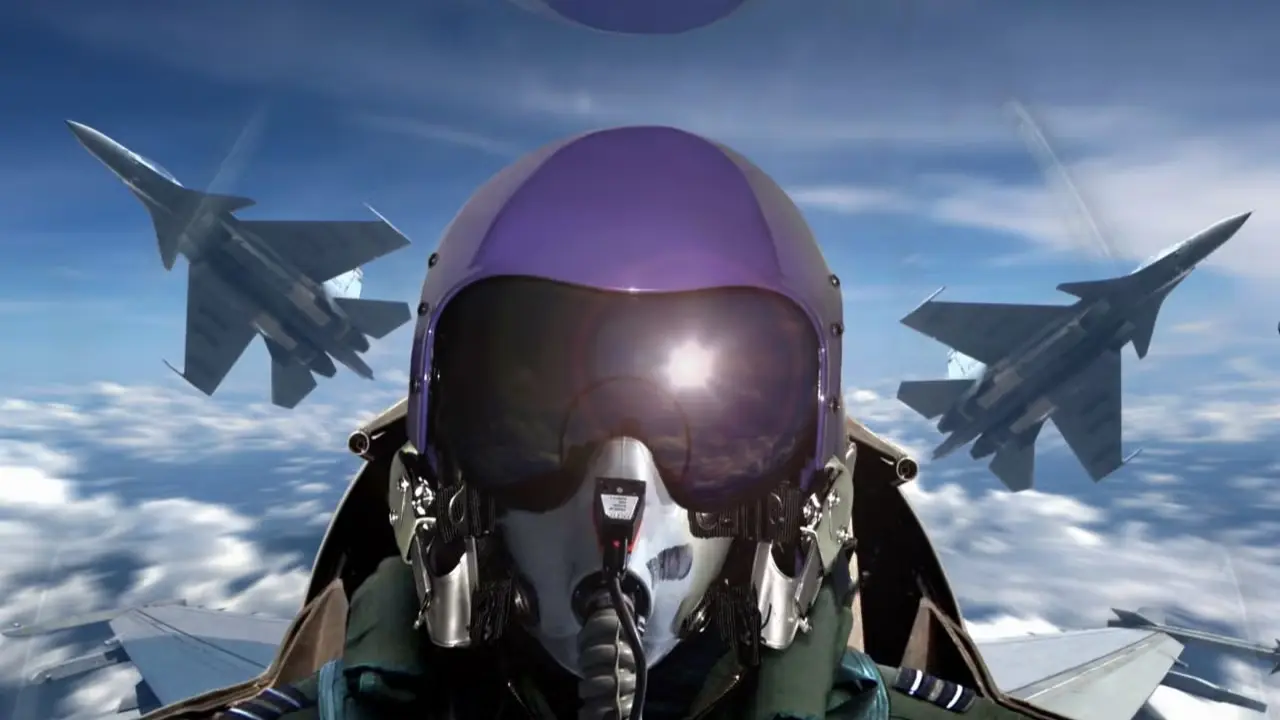
Over 200 Flight Hours
American pilots are heavily evaluated over hundreds of practical cockpit training hours. This guarantees they possess deep, real-world experience in dynamic aerial combat scenarios. In stark contrast, Russian pilot testing historically features far less actual flying time.
1 Mobile Cardiac Index
Recent US testing uses a mobile Cardiac Force Index to predict G-force tolerance. Wearable devices accurately track heart rate data on the ground to assess flight readiness. Russian medical tests rely on stringent, traditional physicals to eliminate weaker candidates early.
)
)
)
)
)