How Russia and the US design their military helicopters so differently

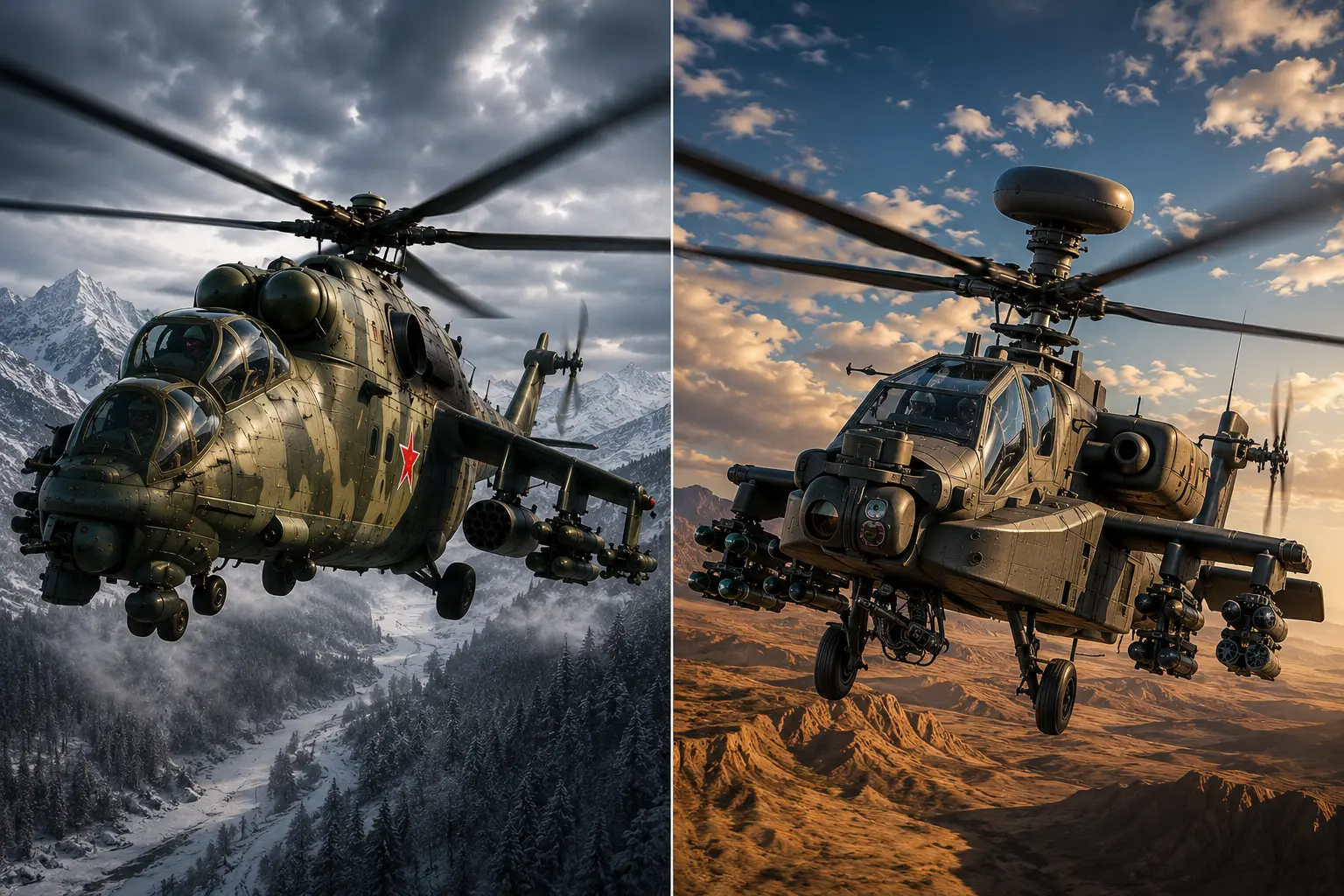
US and Russian military helicopters feature vastly different designs. America relies on digital sensors and hovering tactics, while Russia builds fast, heavily armoured flying artillery.
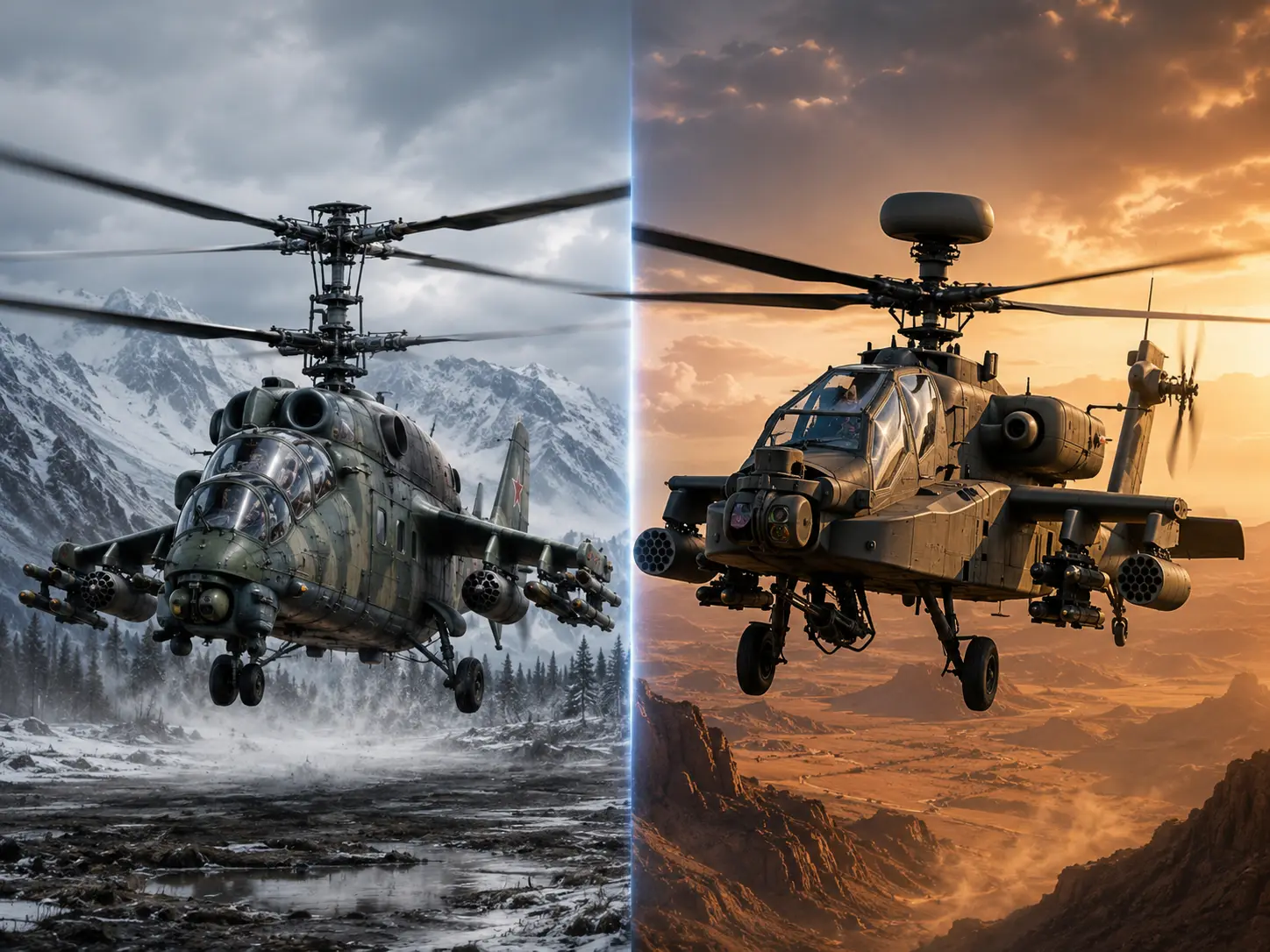
Over 300 km/h Speed
Russian helicopters like the Mi-24 Hind are built for high-speed assault, flying at over 300 kilometres per hour. They rely on speed and raw firepower, acting as heavy flying artillery that rushes through enemy lines. The engineering focuses on fast, aggressive thrust rather than hovering.
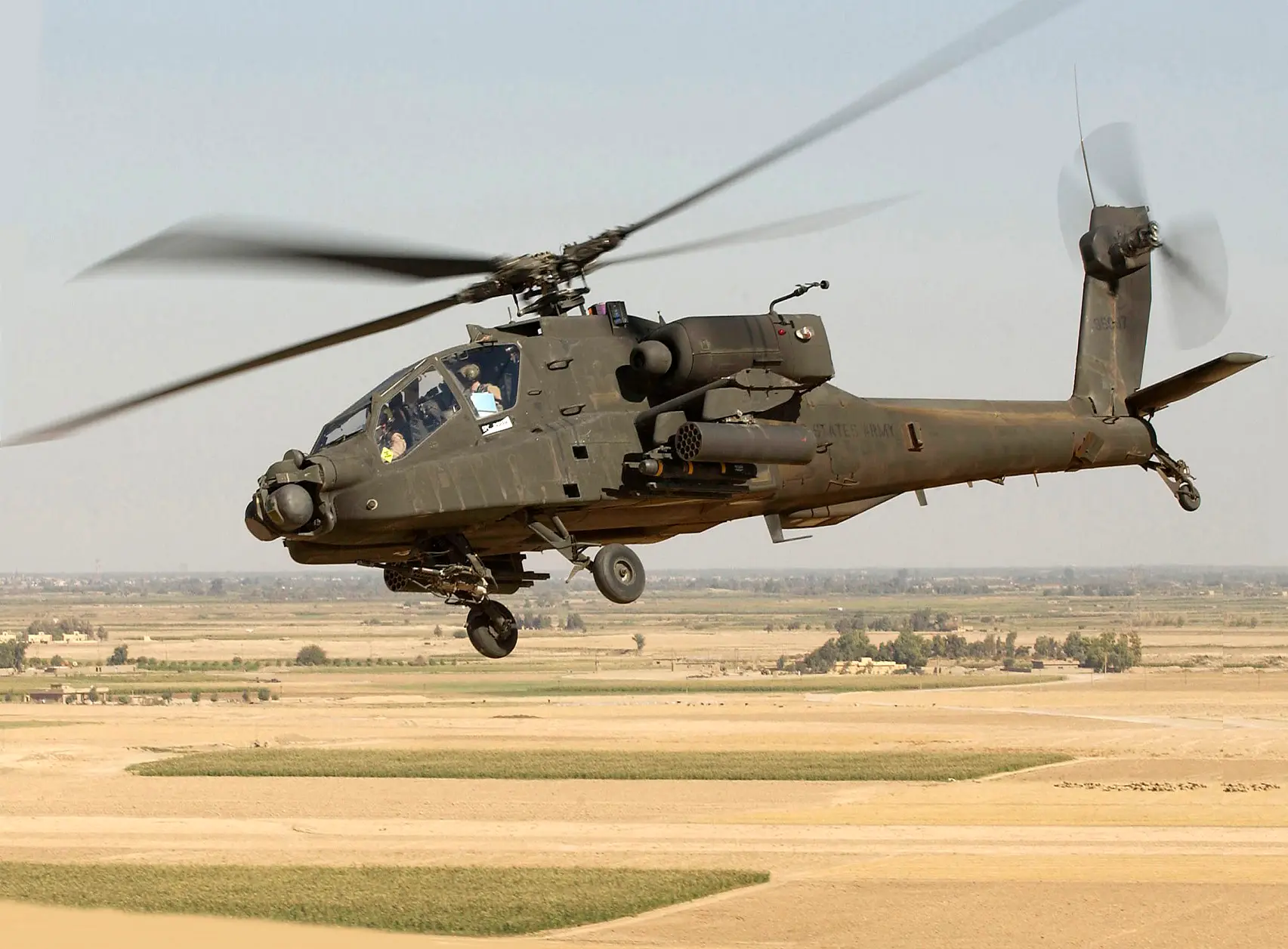
100 Per Cent Digital
American helicopters like the AH-64 Apache are designed as highly sophisticated flying computers. They prioritise advanced digital sensors, allowing them to hover behind cover and snipe targets from a safe distance. The focus is entirely on precision, situational awareness, and guided missiles.
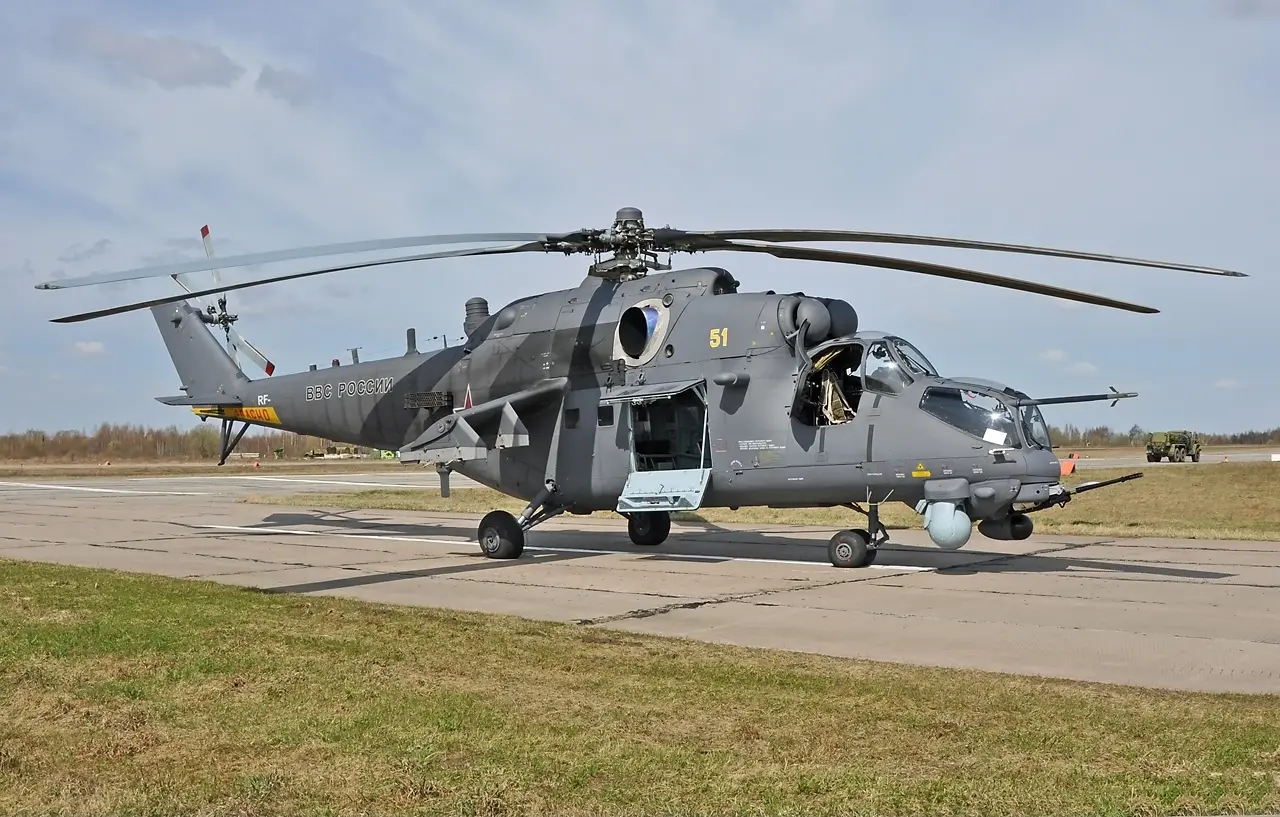
Defends 12.7 mm Fire
Russian engineers construct their attack helicopters with heavy titanium armour, making them incredibly rugged. The Mi-35 features a titanium tub that protects pilots from 12.7 mm gunfire and explosive rounds. This makes them highly durable in chaotic, close-combat battlefield conditions.
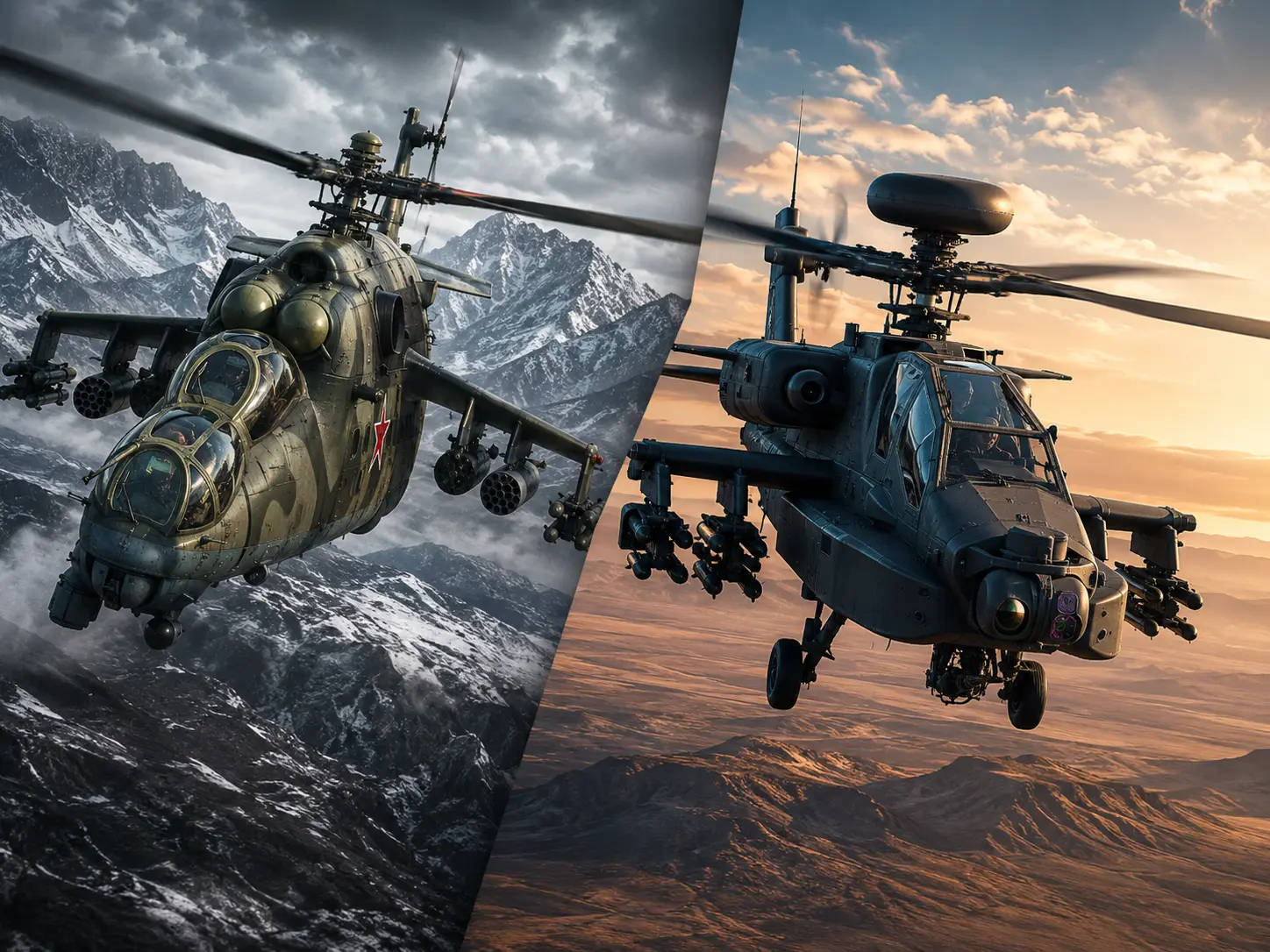
8 Troop Capacity Limits
Unlike pure attack platforms, many Russian helicopters are uniquely designed to double as infantry transports. A standard Mi-24 can carry up to eight fully armed soldiers while providing heavy fire support. The US strictly separates these roles, keeping attack and transport duties 100 per cent distinct.
300 Mile Combat Range
The US Apache features a combat range of around 300 miles and can fly for two and a half hours. It uses a single, highly advanced 30mm chain gun linked directly to the pilot's helmet display. This fine-tuned engineering ensures every single shot is digitally tracked and pinpoint accurate.
)
)
)
)
)