How reusable rockets can change space exploration?

Reusable rockets like SpaceX’s Falcon 9 are cutting launch costs by up to 80 per cent, which is making space exploration cheaper and more accessible. With NASA, ISRO, and others joining in, this tech is shaping the future of science, satellites, and even space tourism.
What are reusable rockets?
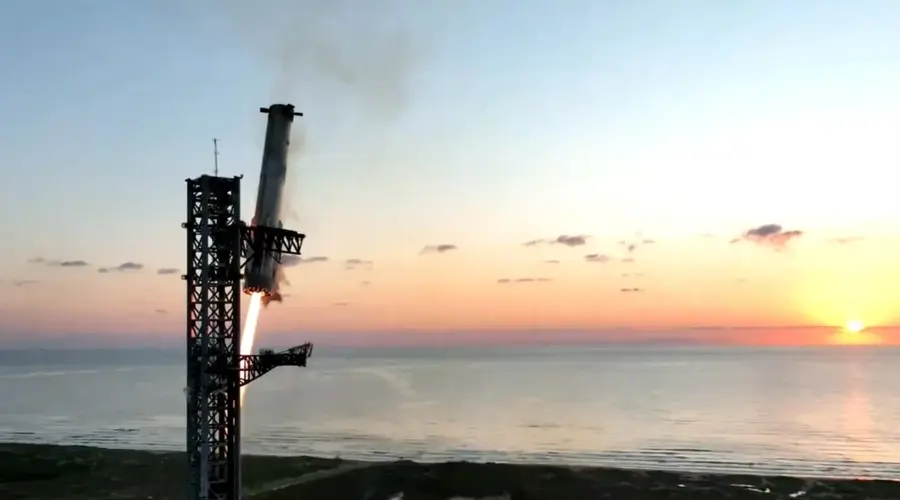
Reusable rockets are launch vehicles that return to Earth after missions. Instead of being thrown away, major parts like boosters are refurbished and flown again. This breakthrough saves time and materials compared to single-use rockets.
How much money do they save?
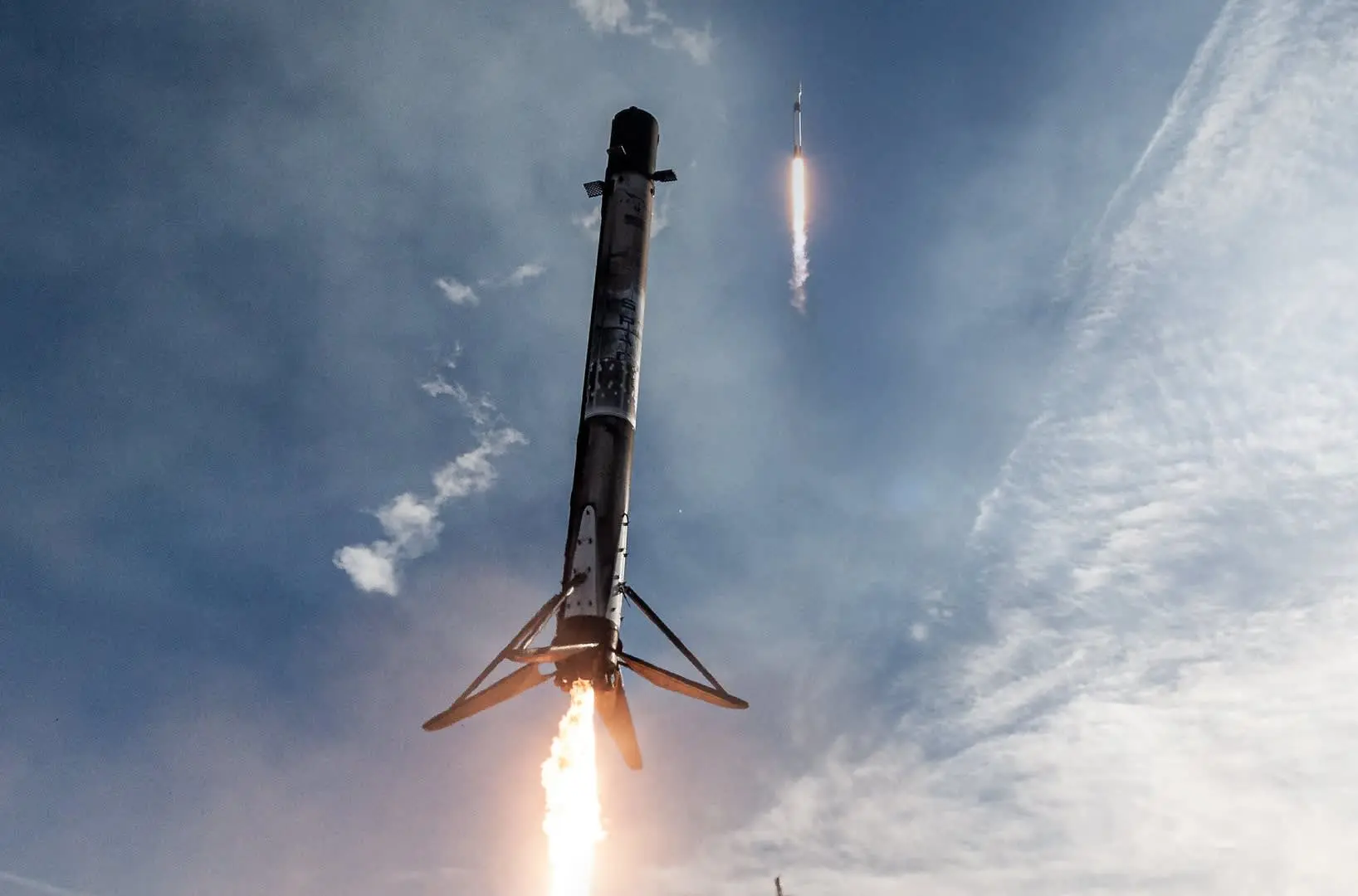
SpaceX’s reused Falcon 9 boosters cut launch costs by up to 70–80%. Each reused booster can save around $450 million. Some launches now cost under $30 million, making new satellite and science projects possible for many more groups.
The tech behind landing
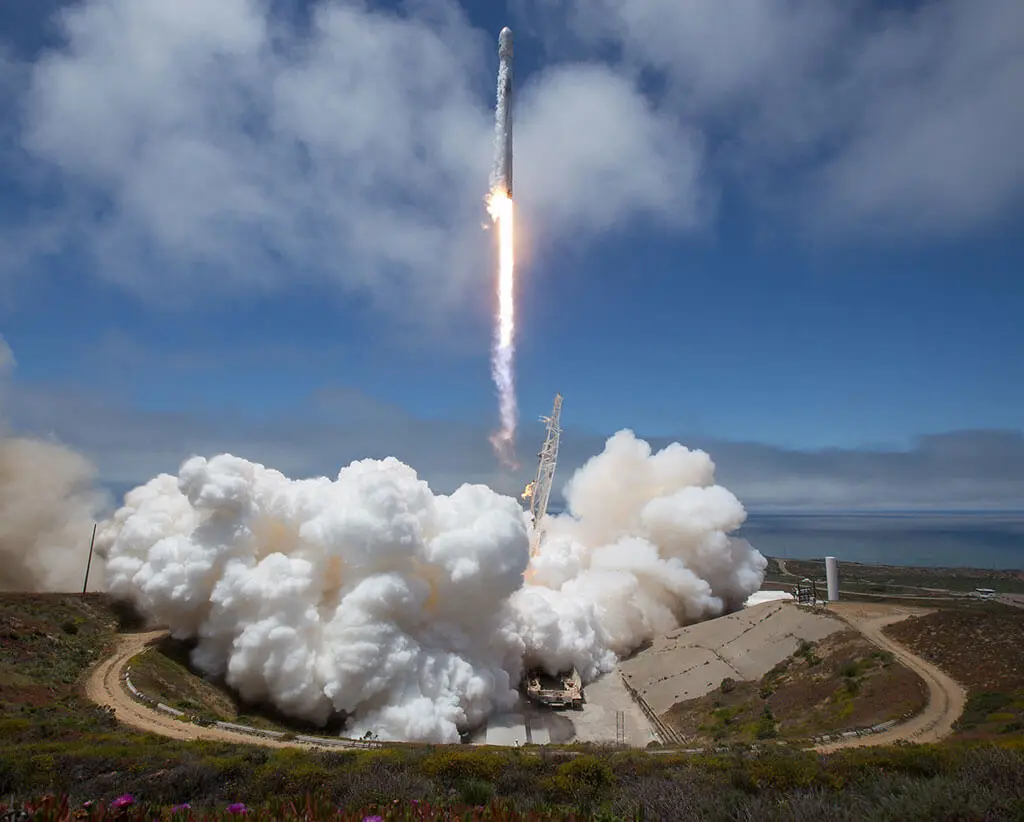
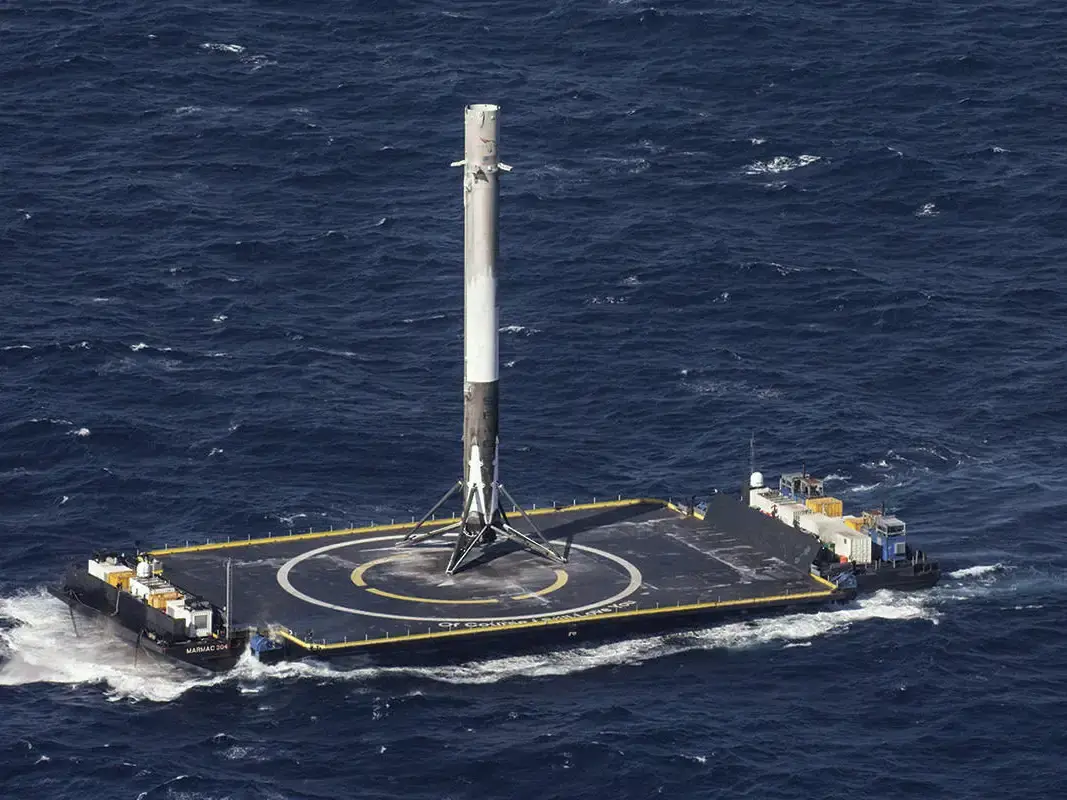
Reusability relies on smart guidance, grid fins, and landing legs. Rockets like Falcon 9 land upright on ships or pads. NASA, Blue Origin, and ISRO are following with their own reusable rockets too. These systems enable fast turnaround for more launches.
Who benefits from this change?
Start-ups, universities, and even students can now launch satellites thanks to these lower prices. Telecom, weather, agriculture, and emergency services all gain as more satellites bring faster data and better mapping at much less cost.
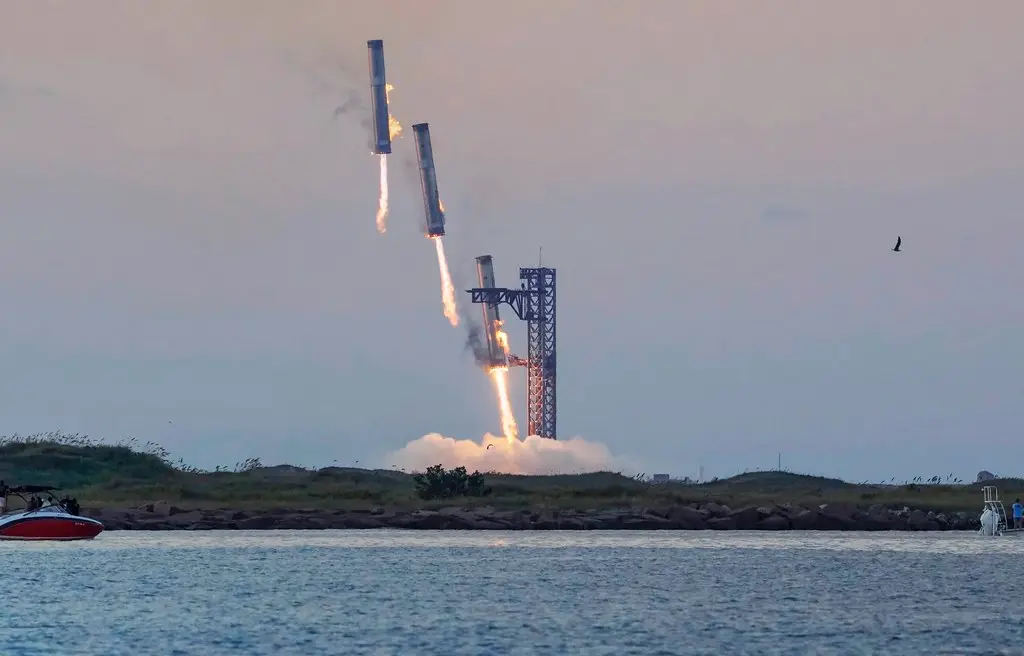
Space access
Reusable rockets reduce the number of new vehicles built and scrapped, cutting resource use and manufacturing pollution. Their lower fuel use per mission also means less impact on the environment compared to old rockets.
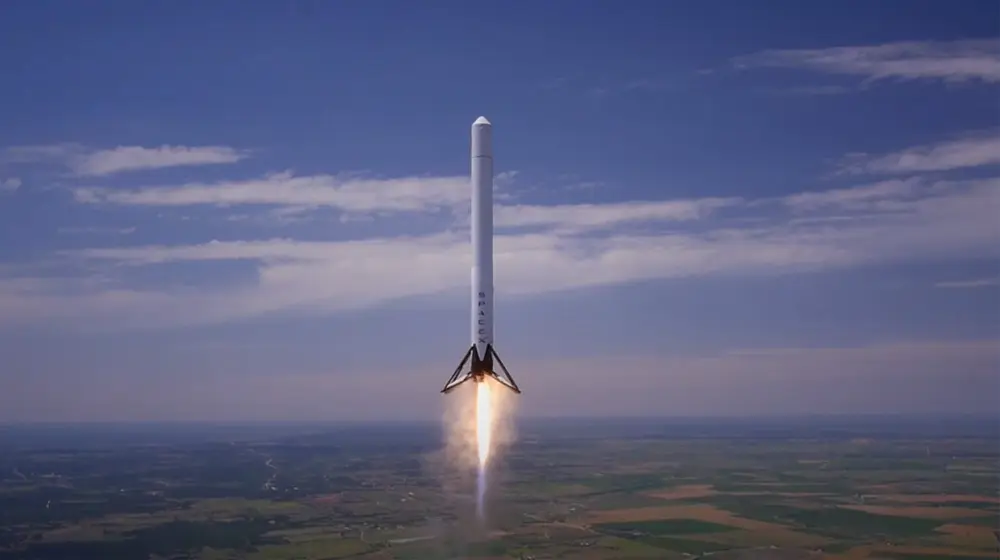
Boosting science and tourism
Frequent, reliable, low-cost launches make ambitious science like space telescopes, Moon missions, and even Mars cargo drops affordable. The dream of space tourism gets more real as commercial launches become cheaper and repeatable.
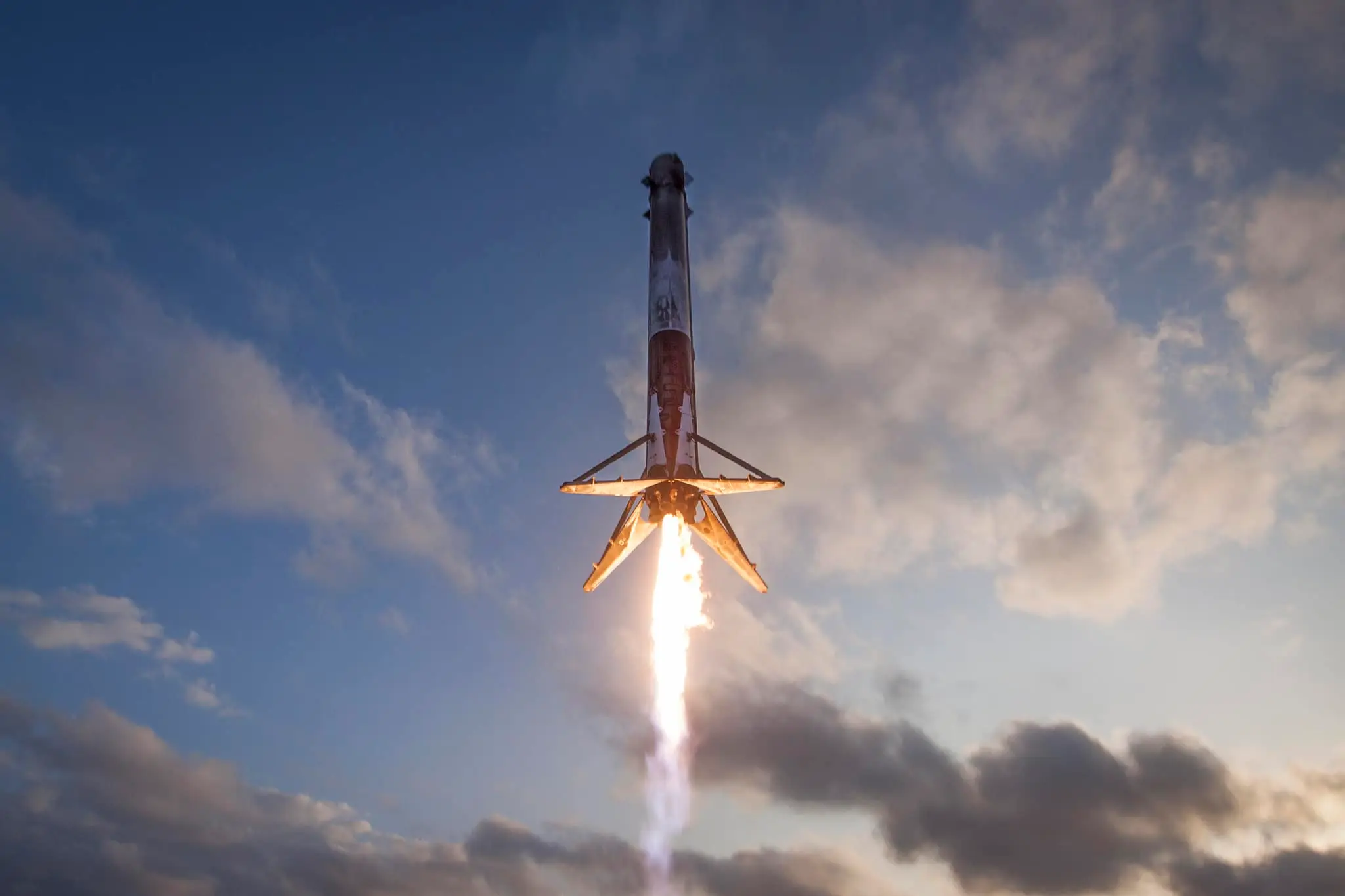
What’s next?
With every new launch, rockets like Starship, New Shepard, and others are pushing the limits. Global competition means even more innovation, more frequent launches, and in time space access for businesses, nations, and private travellers everywhere.
)
)
)
)
)