How radiation may have transformed 3I/ATLAS over billions of years?

This creates a processed crust on the outside, where ices are chemically altered, while the interior remains closer to its original composition from its parent star system.
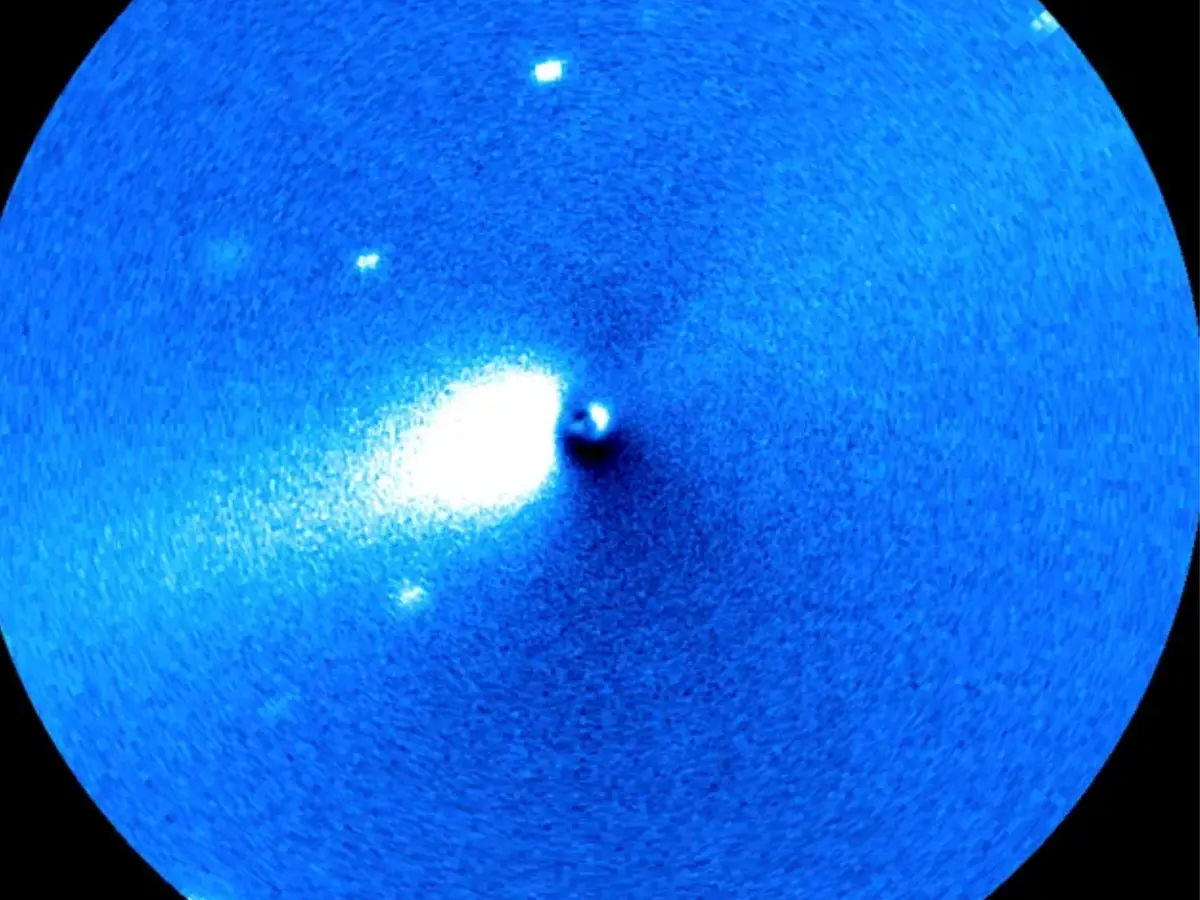
1. Interstellar Radiation Bombarded Its Surface for Millions to Billions of Years
Objects drifting between star systems are exposed to constant, unshielded cosmic radiation, high-energy particles that slowly modify surface ices. Over extremely long timescales, these particles break molecular bonds, rearrange atoms, and create new compounds. 3I/ATLAS likely spent hundreds of millions to billions of years in this environment, giving radiation plenty of time to alter its outer layers before it ever reached the Solar System.
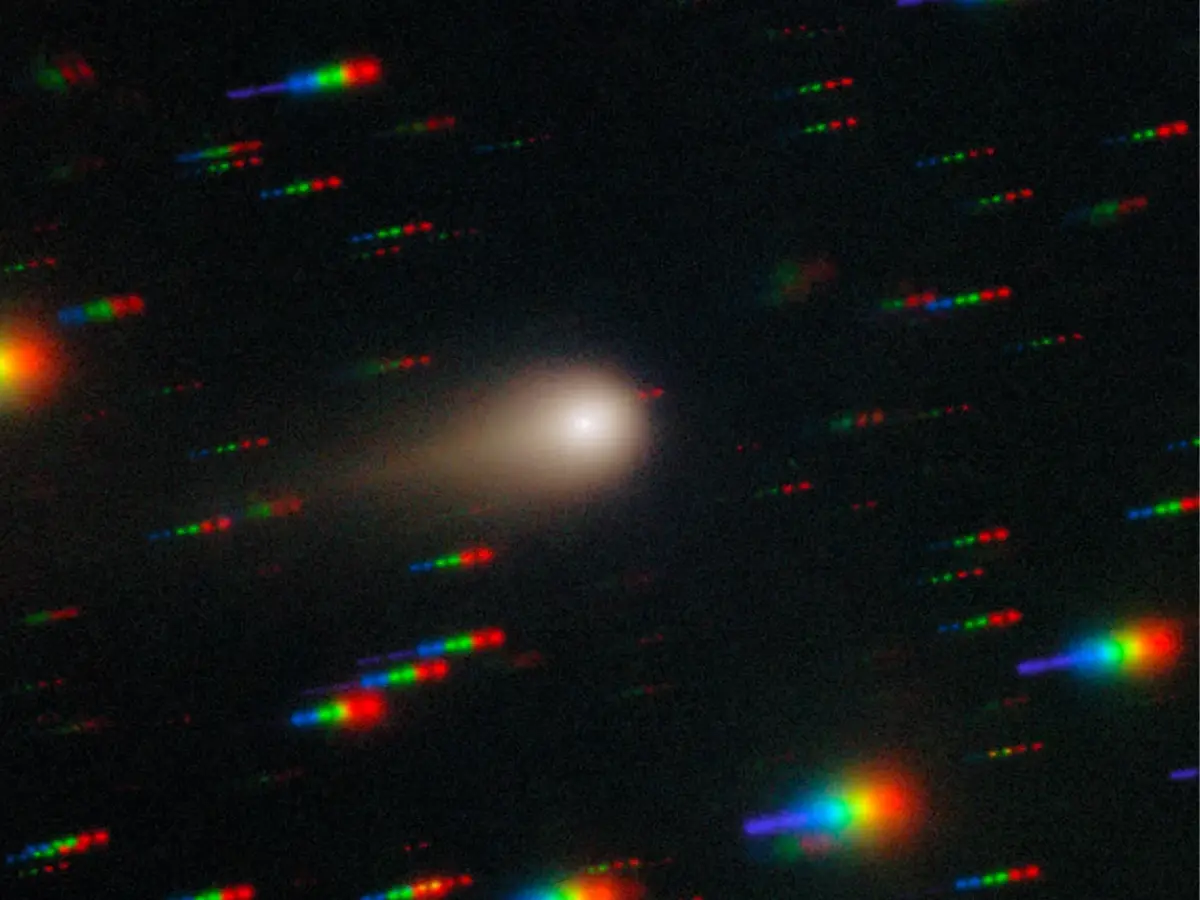
2. Cosmic Rays Can Turn Simple Ices Into Complex Molecules
Laboratory simulations show that cosmic-ray exposure can convert water, carbon monoxide, and other ices into more complex molecules like organics or carbon dioxide. JWST observations of 3I/ATLAS detected unusually high CO₂, suggesting its surface ices may have been chemically re-processed through prolonged radiation exposure, a known effect in interstellar chemistry.
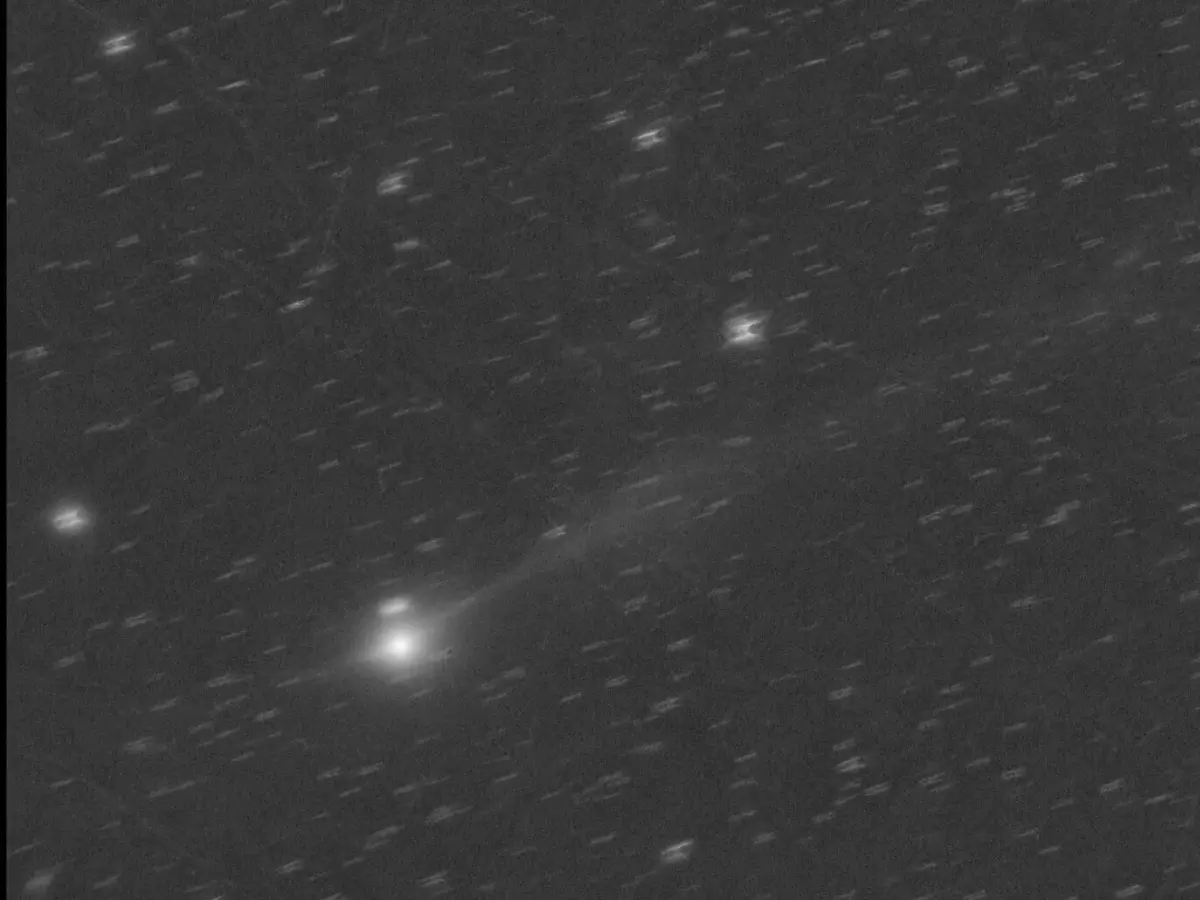
3. The Outer Crust Likely Became a “Radiation-Processed Shell”
Over billions of years, cosmic rays penetrate only a few meters into a comet’s surface, leaving the deeper layers pristine. This creates a processed crust on the outside, where ices are chemically altered, while the interior remains closer to its original composition from its parent star system. This could explain why 3I/ATLAS showed both fresh volatiles (H₂O, CO) and a chemically unusual CO₂-rich outer layer when it started outgassing.
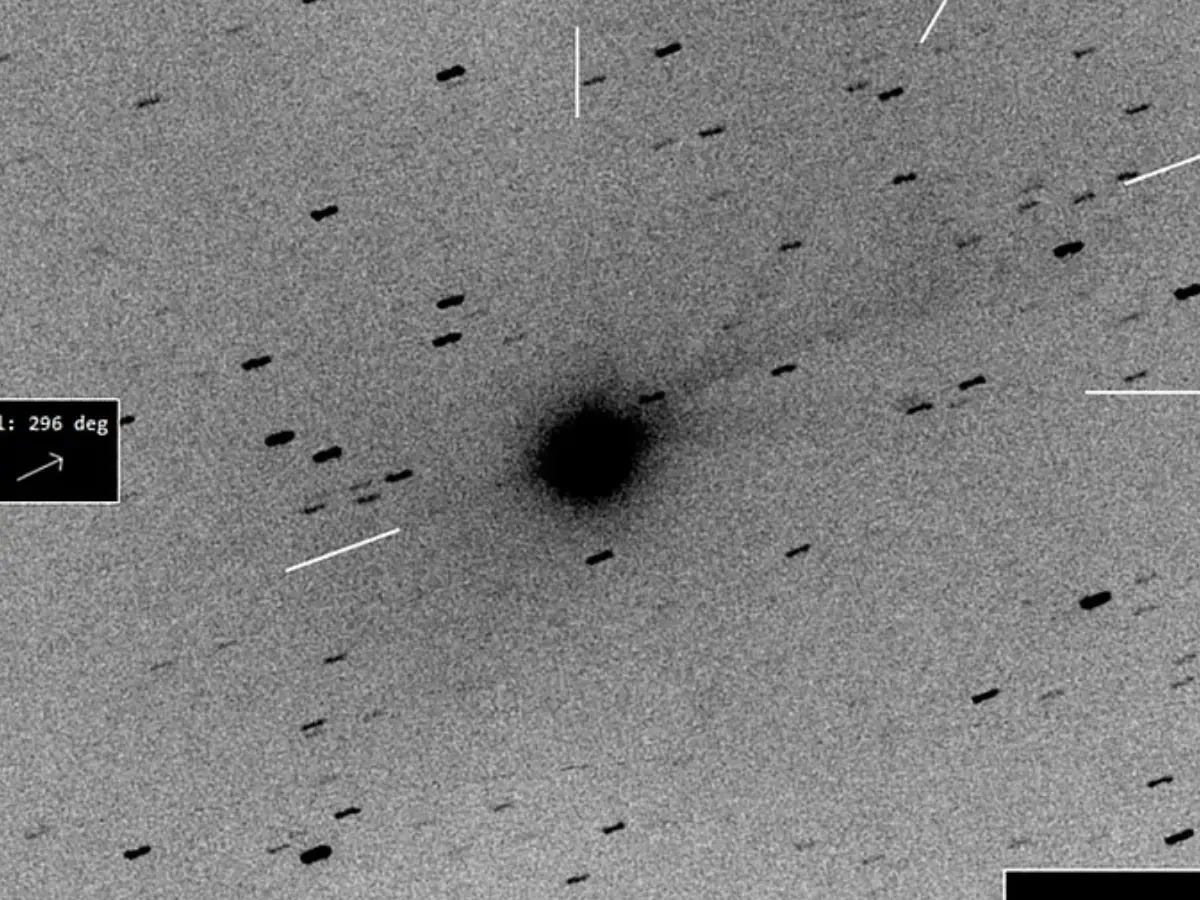
4. Radiation Can Darken the Surface and Reduce Reflectivity
Interstellar radiation tends to darken and redden the surfaces of icy bodies by producing carbon-rich residues. Many distant Solar System objects show the same effect. The early images of 3I/ATLAS revealing a relatively dark nucleus-like appearance align with this expectation, suggesting the comet’s surface may have been coated with radiation-generated organic material known as “tholins.”
5. Long-Term Irradiation Can Trap Volatiles Beneath the Surface
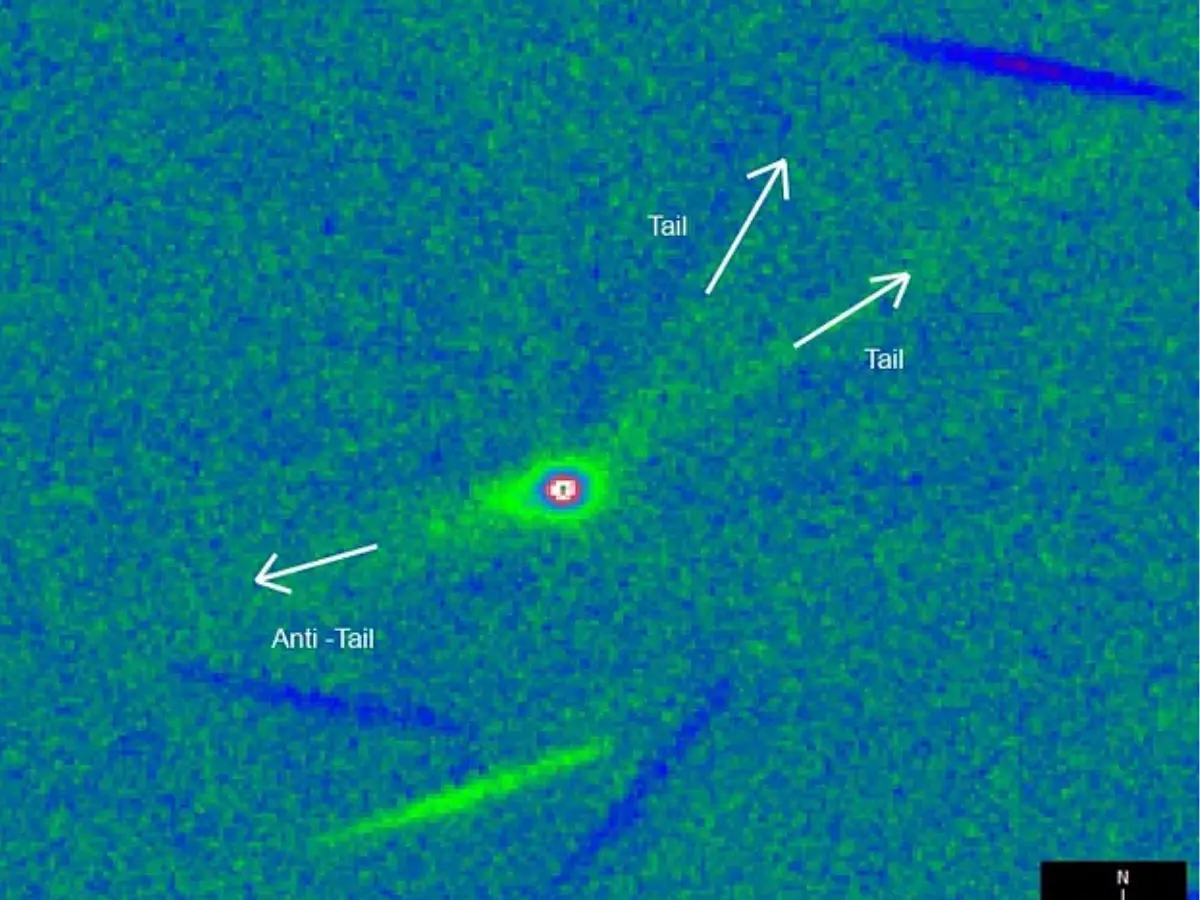
Radiation can seal the outer layers of a comet by creating denser, processed crusts. This crust traps more volatile ices just beneath the surface. When 3I/ATLAS entered the Solar System and warmed up, JWST detected strong CO₂ and water release, consistent with the idea that radiation-transformed layers were storing volatile compounds that rapidly sublimated once heated.
6. Radiation May Explain Its Unusual Gas Ratios Detected by JWST
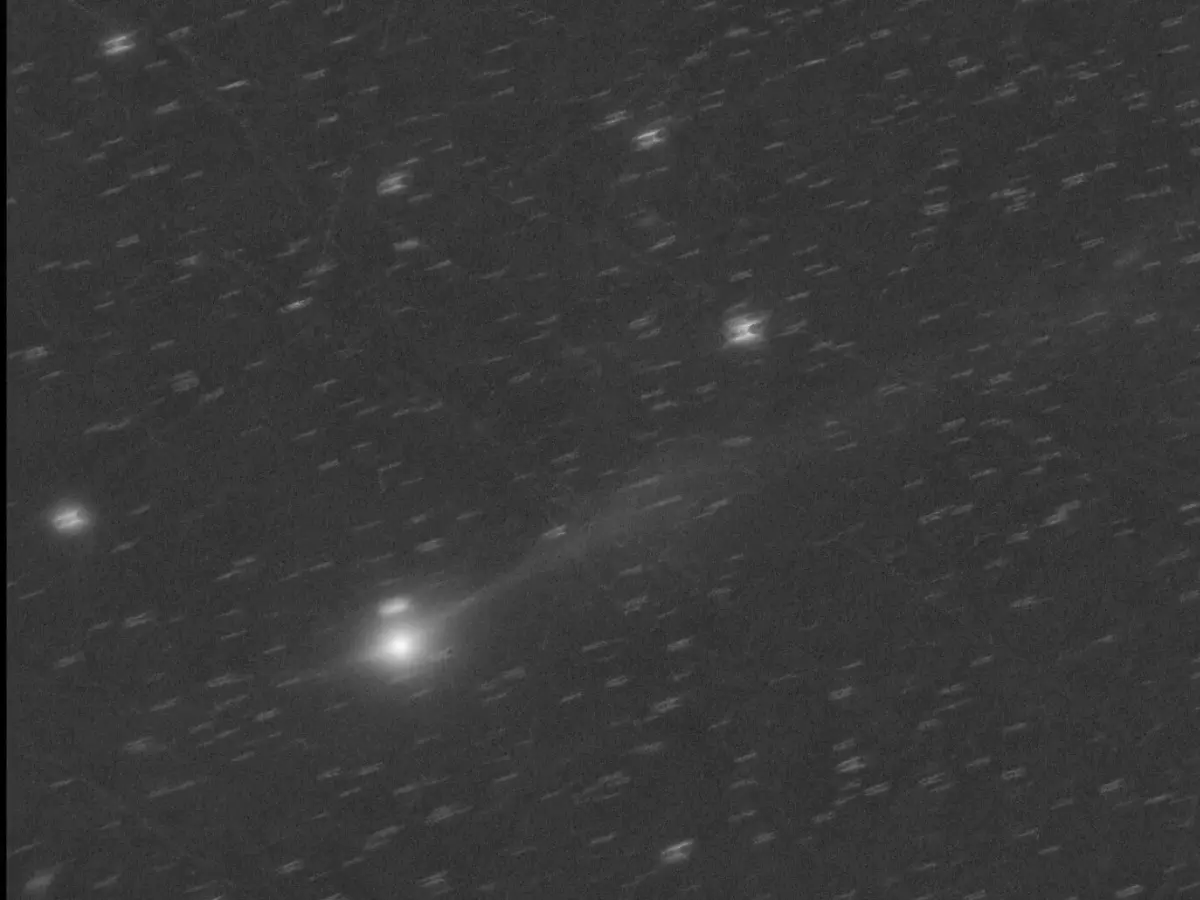
JWST measurements showed 3I/ATLAS producing dominant CO₂, along with water, CO, and OCS. This CO₂-rich profile is not typical for most Solar System comets, which usually release water first. Radiation-induced chemistry is a strong candidate to explain this imbalance, cosmic rays can convert CO and other ices into CO₂ over long periods, altering the comet’s volatile inventory before it arrives.
7. The Process Preserves Clues About Its Original Star System
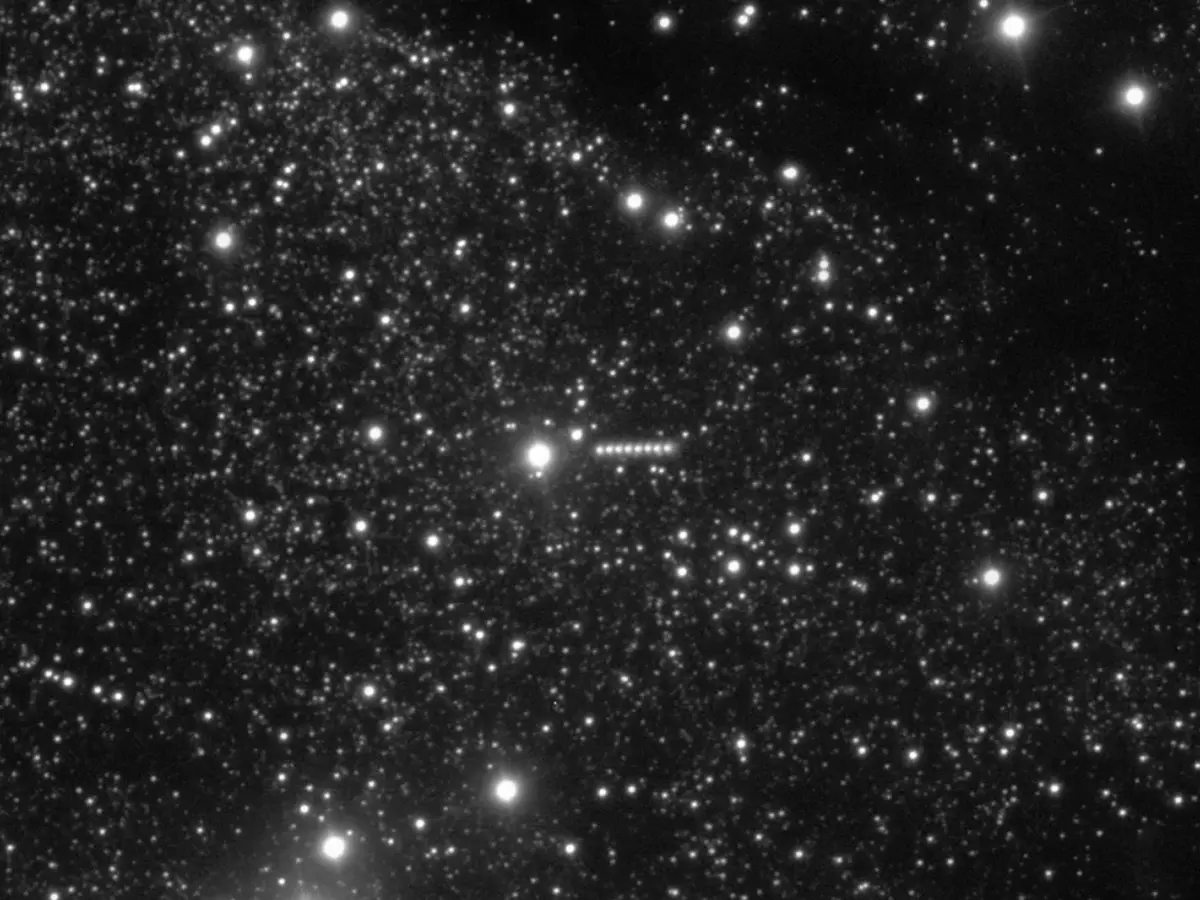
Even though radiation changes the outer layers, the deeper interior remains relatively untouched. That means 3I/ATLAS carries two types of information:
- A radiation-processed shell, telling the story of its long journey through interstellar space
- and a preserved core, offering clues about the chemical environment in the system where it formed
Studying both layers makes 3I/ATLAS a rare scientific archive, a body shaped by two different histories: its birth around another star and its long, lonely voyage through the galaxy.
)
)
)
)
)