How quantum sensors could make submarines almost impossible to hide

Quantum sensors could end submarine stealth by detecting the faintest magnetic or gravitational ripples deep underwater. As nations race to deploy them on drones and ships, the future of naval warfare may depend on who masters this new undersea detection power first.
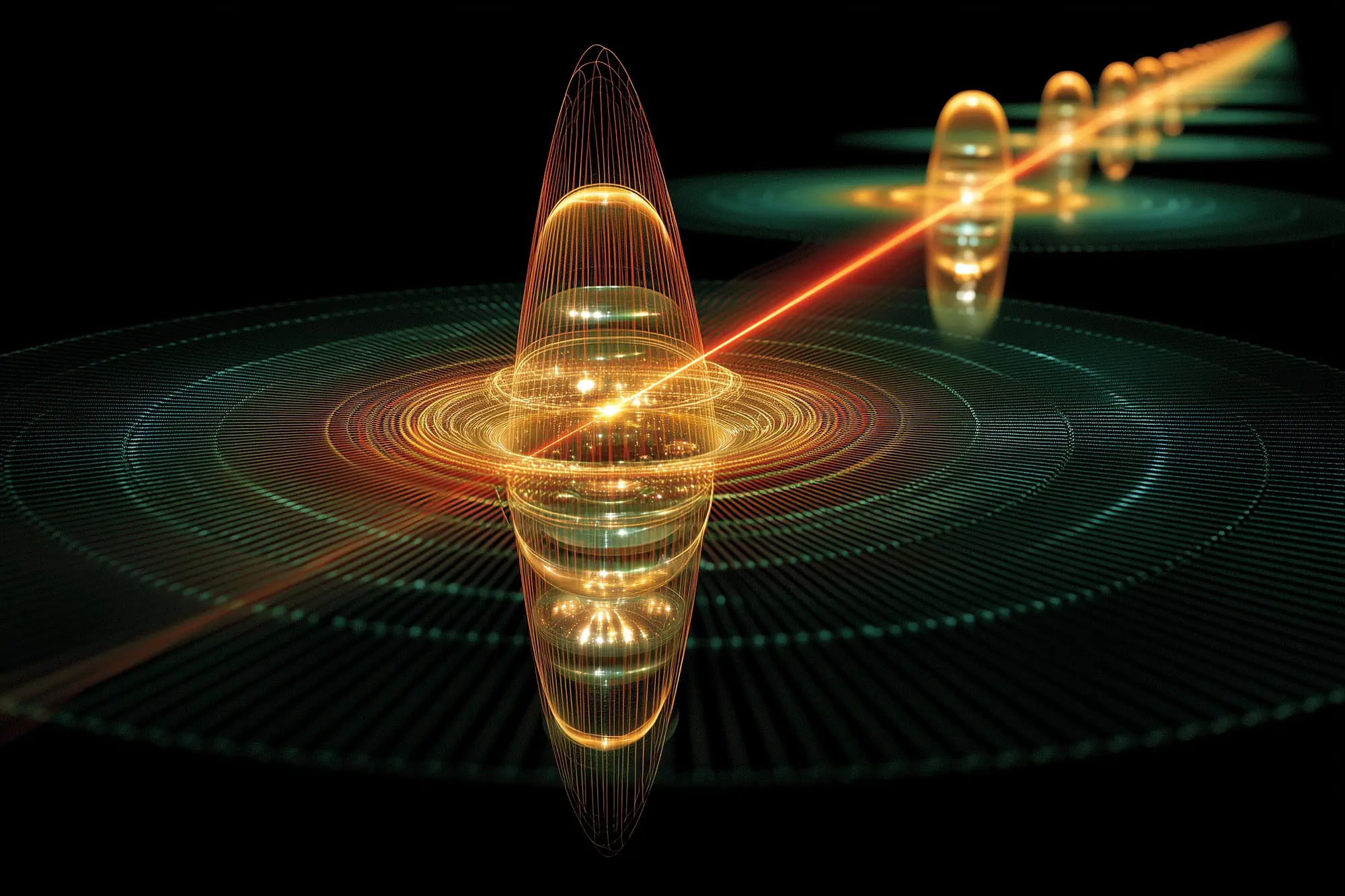
What Are Quantum Sensors?
Quantum sensors are devices that pick up the tiniest changes in magnetic fields or gravity by harnessing the strange laws of quantum physics. Unlike sonar which uses sound waves these sensors can detect the slight magnetic or gravitational ripples made by a moving metal submarine, even when it is silent and far away. China and the US are now racing to field such sensors on drones and ships.
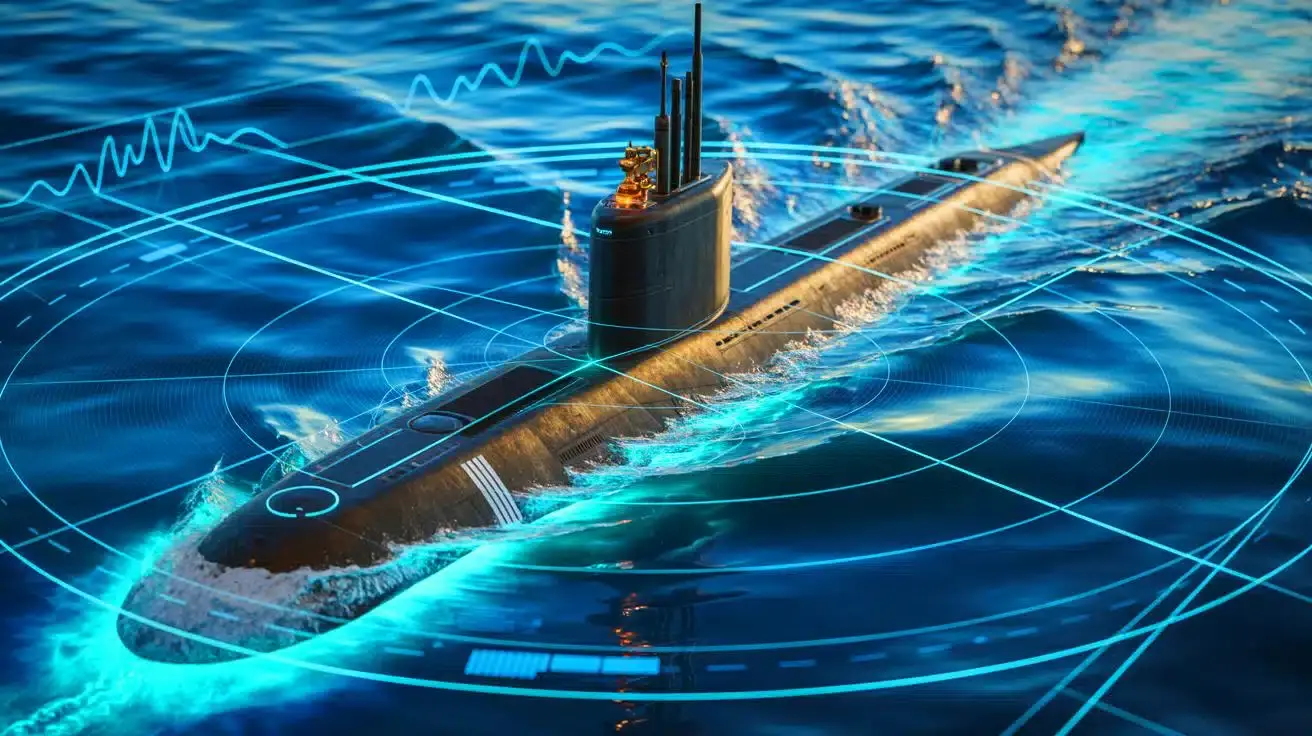
Why Traditional Stealth No Longer Works
Classic submarine stealth relies on thick oceans, quiet electric engines, and coatings that absorb sonar. But quantum sensors can spot changes in the earth’s field many times smaller than those caught by the best conventional gear. A drone with a quantum magnetometer, for example, can track a submarine’s effect on the earth’s magnetic field within a few hundred metres even if it is fully submerged and quiet.
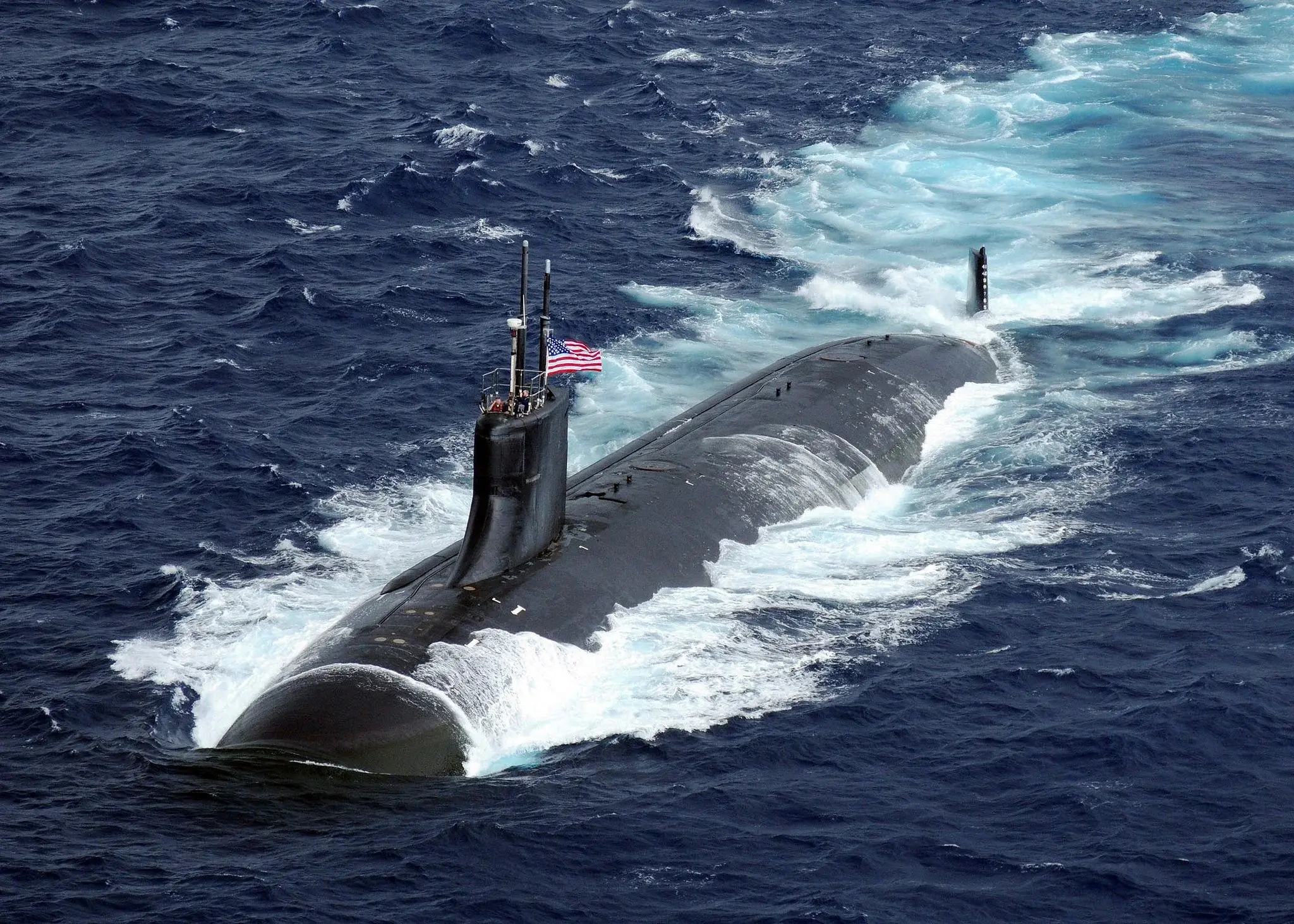
How Quantum Sensors Detect Submarines
Quantum gravimeters and magnetometers work by sensing how a sub’s hull or engine slightly changes gravity or magnetism nearby. They can find small “ripples” in the ocean caused by metal objects. Coherent Population Trapping (CPT) atomic magnetometers and Superconducting Quantum Interference Devices (SQUIDs) are now delivering detection ranges up to 3.7 miles, far outclassing sonar’s half-a-mile.
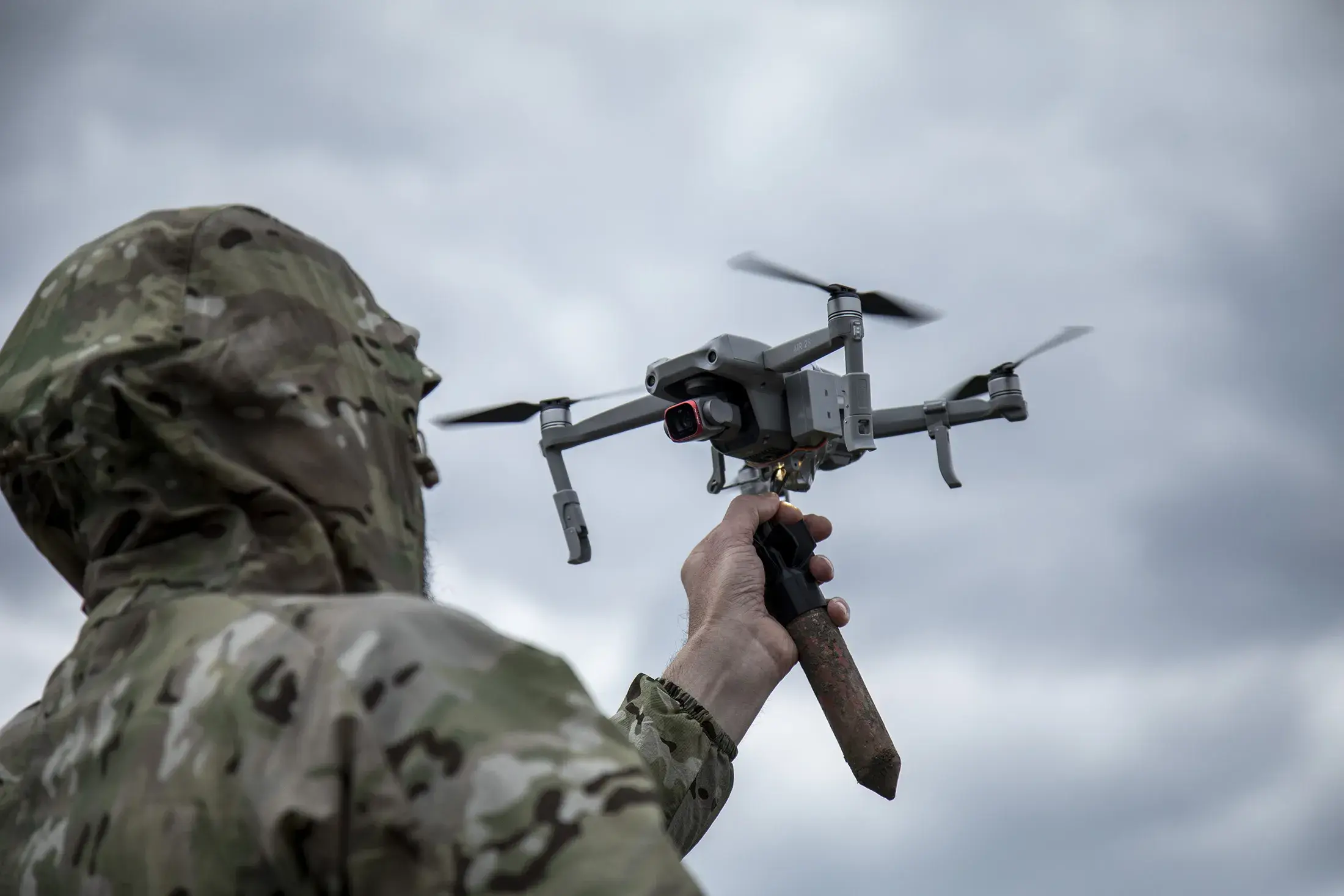
Drones, Satellites, and Networked Detection
The next step is mounting these sensors on drones, patrol aircraft, or even satellites. These machines can circle vast ocean areas 24/7, reporting possible sub sightings to navies worldwide. With networked quantum sensors sharing data, hunting submarines could become far easier and much cheaper than today’s expensive patrol missions.
Changing Military Strategy at Sea
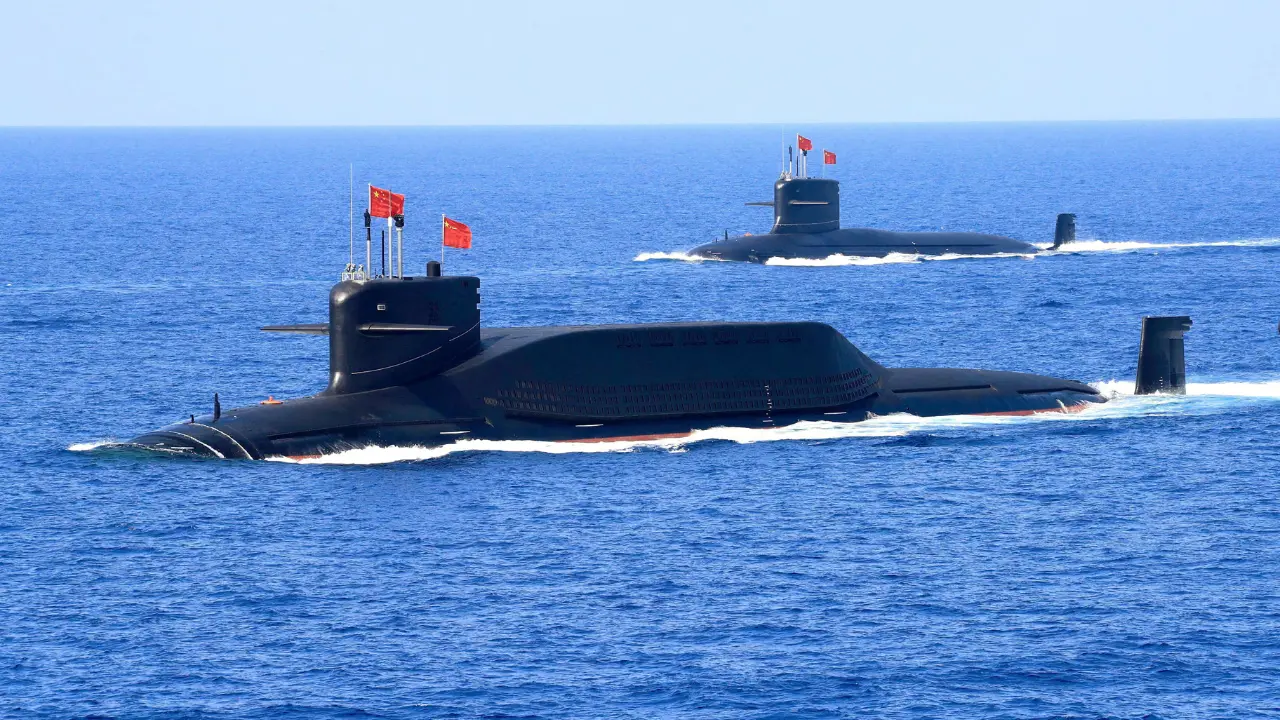
Nations that lead in quantum sensor technology could force navies to rethink how submarines are used. Strategies based on hiding nuclear deterrents or staging underwater ambushes may no longer be safe. Navies may shift towards smarter decoys, rapid movement, or deeper dives to buy time before being tracked not just hiding in the dark.
The Race to Adapt: Who Is Winning?
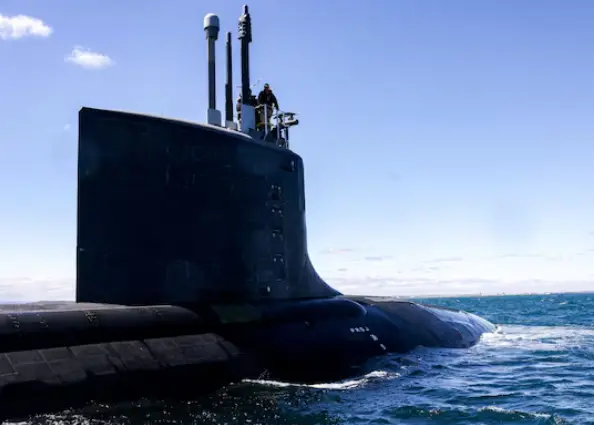
China led the first drone-mounted field trials in 2025, while the US, Australia, and France all invest heavily in quantum navigation and detection for ships and submarines. India has announced its own projects to detect subs at 100+ metre depths. The country that leads in field-deployable quantum sensors may control the next phase of the undersea arms race.
Will Submarine Warfare Survive the Quantum Age?
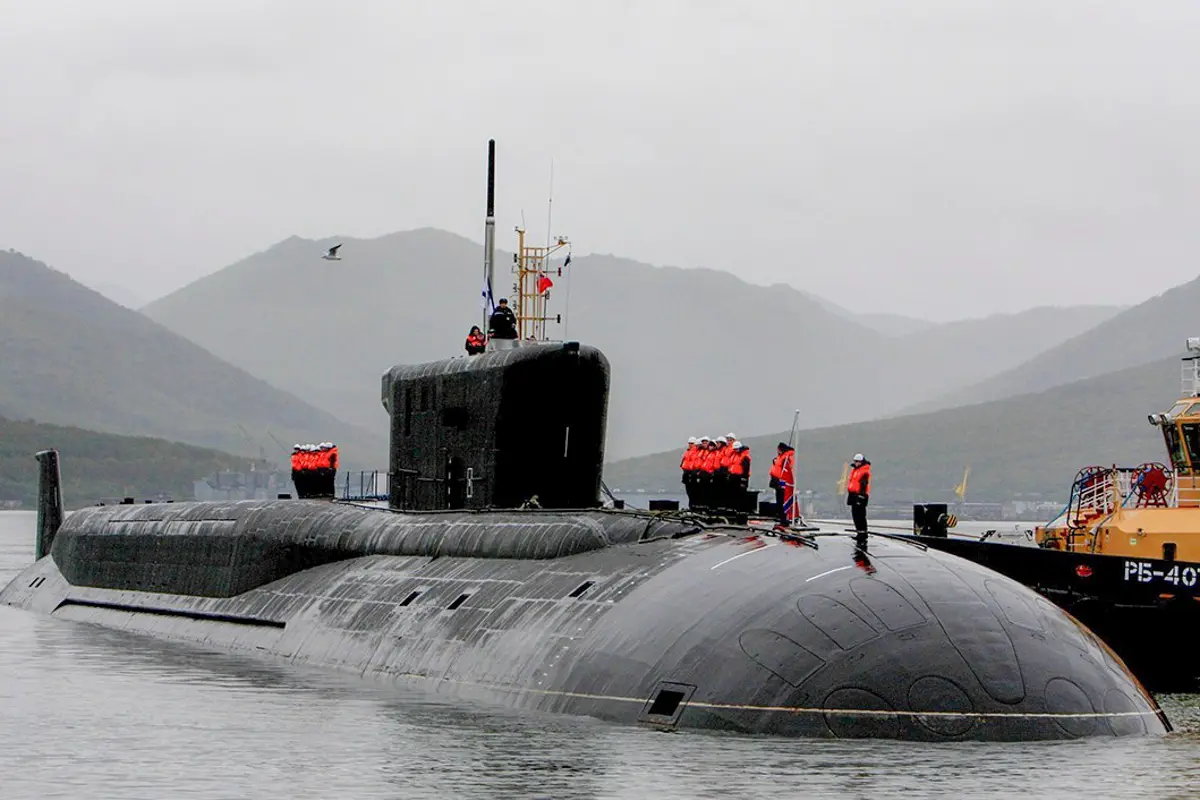
Submarines may never become fully obsolete, but navies worldwide will adapt. There will always be a contest between stealth and detection, with new tactics, technologies, and strategies in play. Future subs may become smaller, use active jammers, or rely on swarms of drones for “undersea camouflage.”
)
)
)
)
)