How powerful is the USS Gerald R. Ford? 7 facts about the world’s largest aircraft carrier

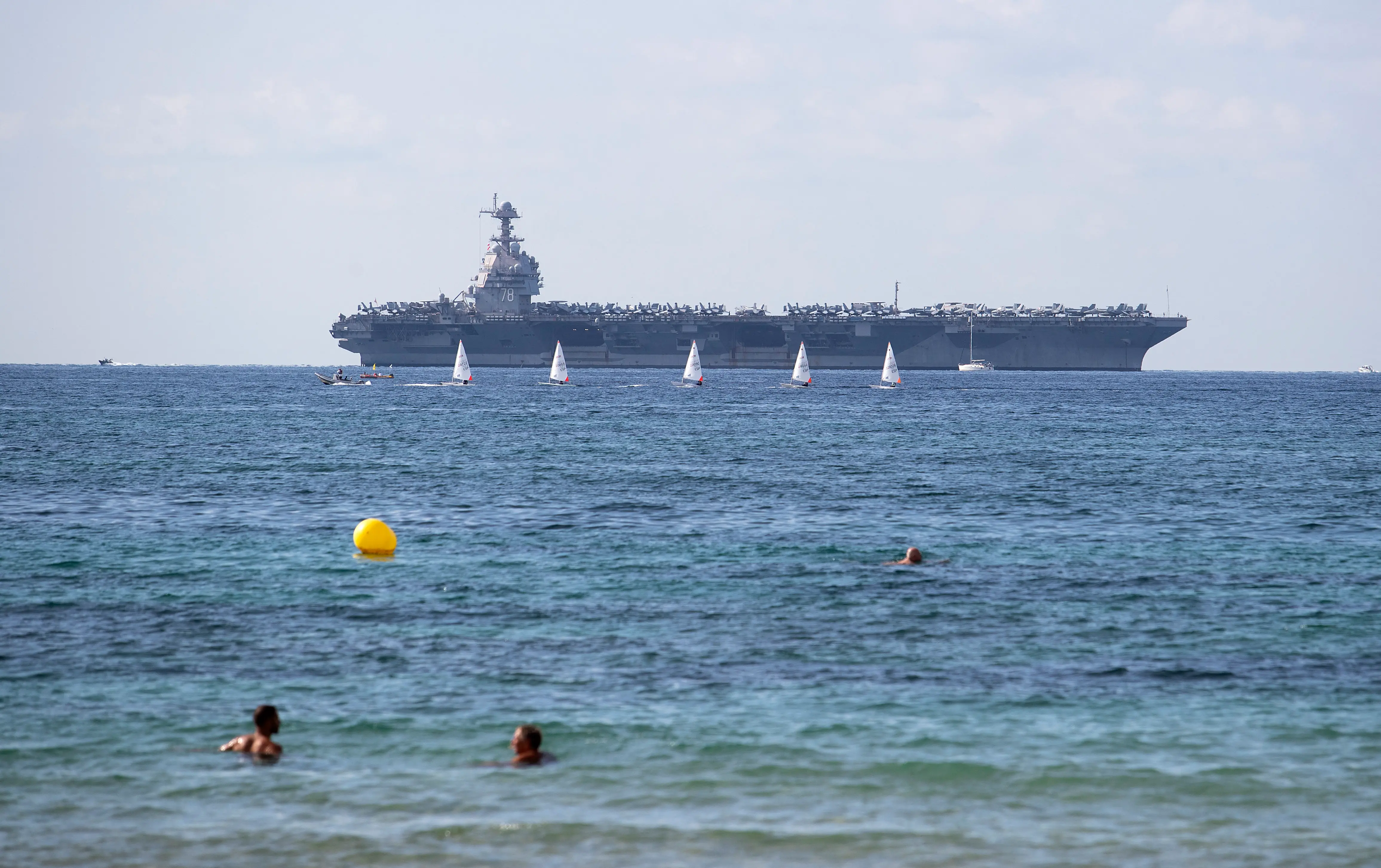
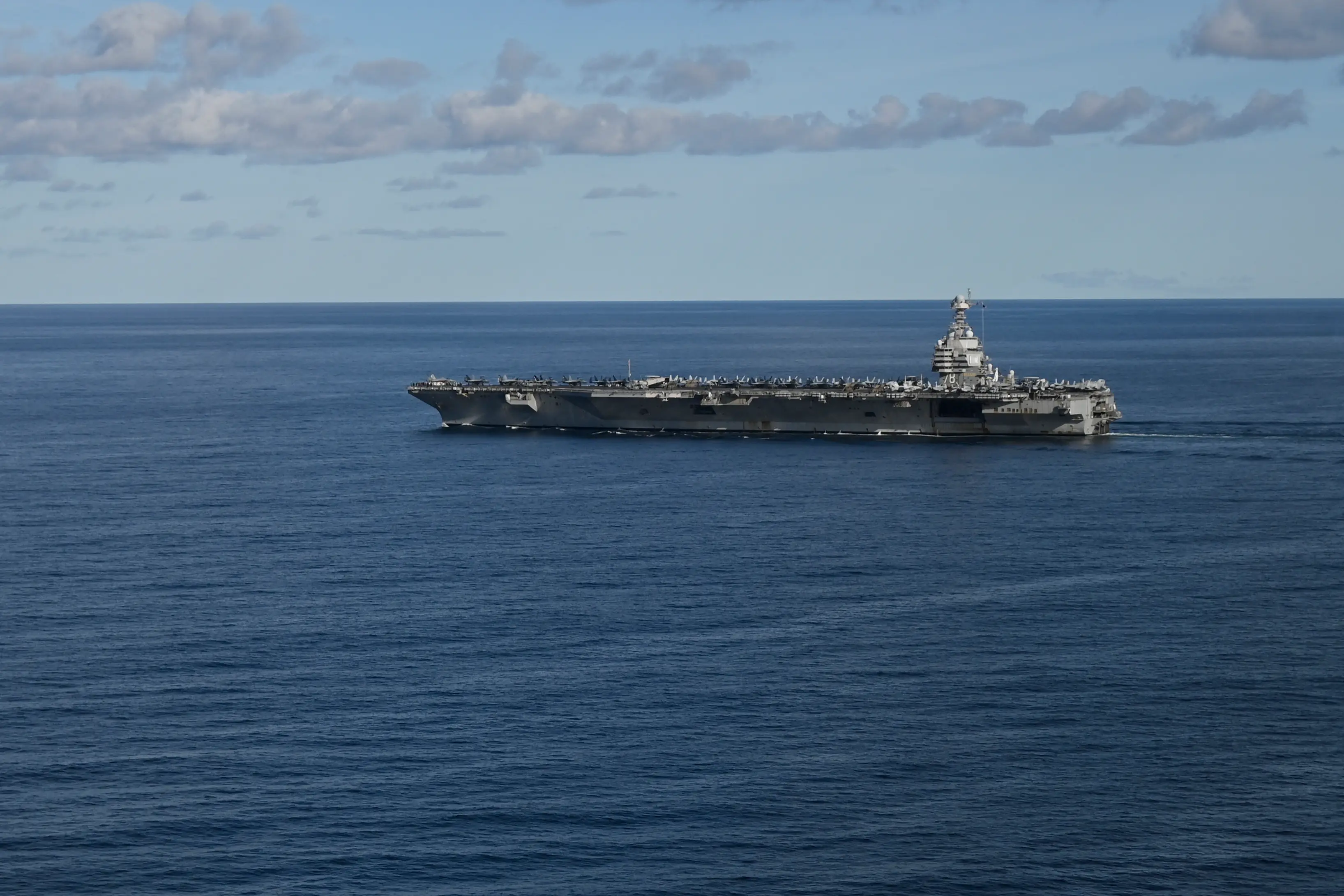
Displacing around 1,00,000 tonnes at full load and stretching 1,100 feet in length, the Gerald R. Ford is the largest aircraft carrier and the largest warship ever constructed.
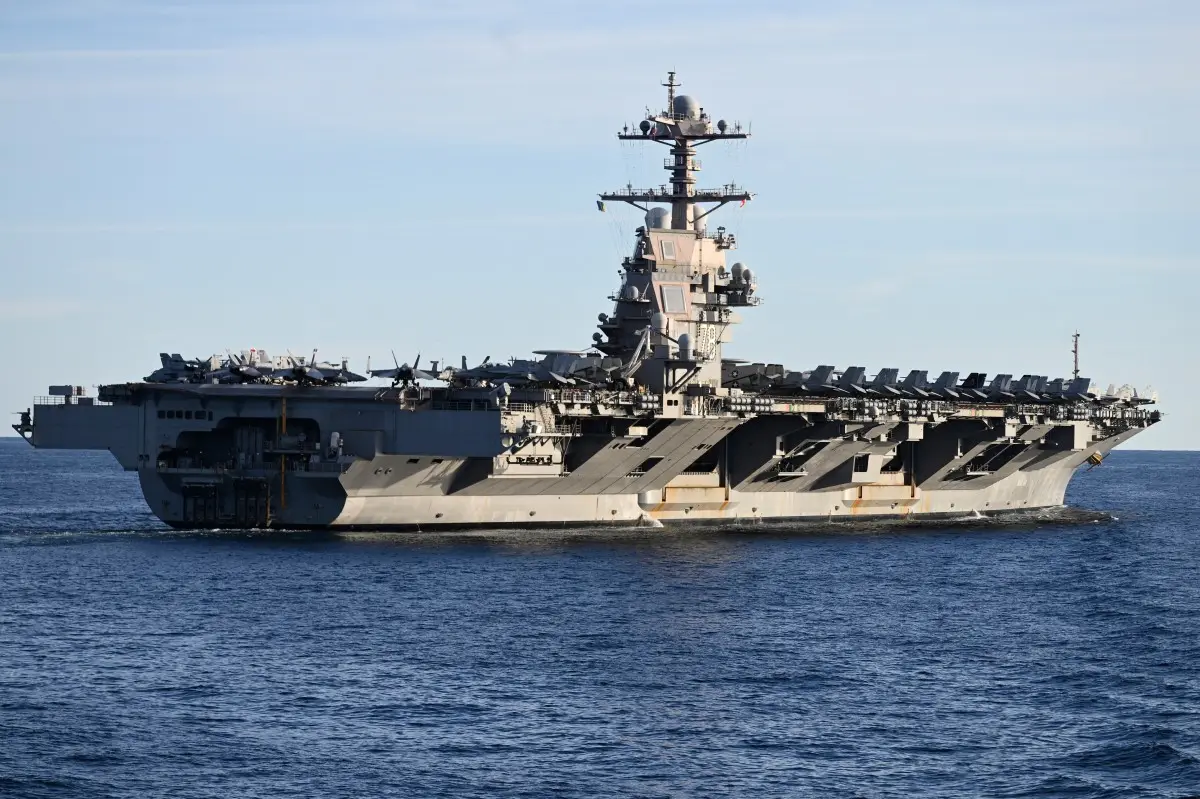
A New Era of American Naval Power
Commissioned in 2017, the USS Gerald R. Ford (CVN-78) represents the most extensive redesign of a US aircraft carrier in over forty years. It is often referred to a ‘the most capable, adaptable, and lethal combat platform in the world’. Named after the 38th President of the United States, it is the lead ship of the Ford-class carriers, intended to supplement and eventually replace the Nimitz-class fleet while anchoring American naval dominance well into the mid-21st century. Here are seven most interesting facts about the carrier:
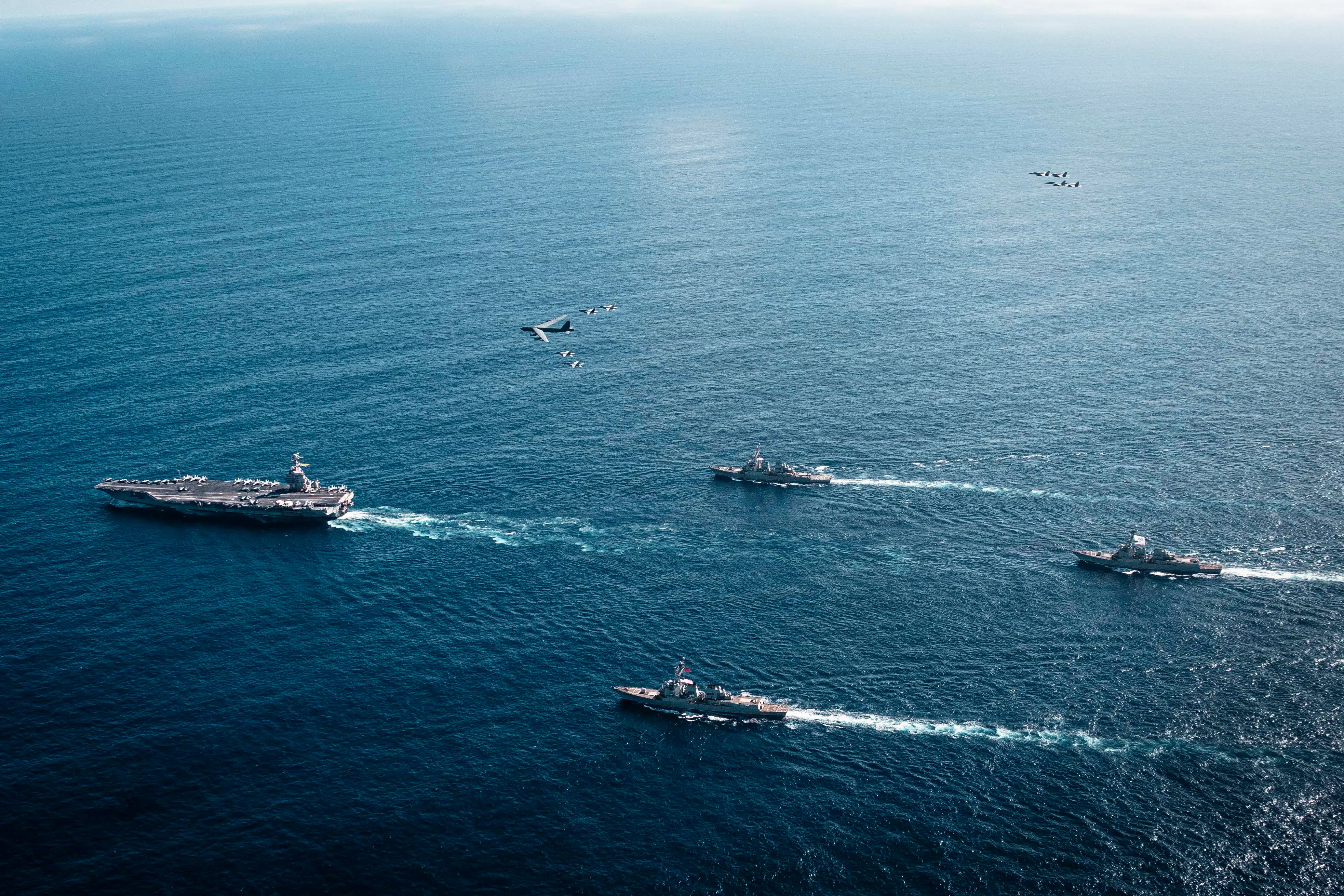
1. The Largest Warship Ever Built
Displacing around 1,00,000 tonnes at full load and stretching 1,100 feet in length, the Gerald R. Ford is the largest aircraft carrier and the largest warship ever constructed. Its size allows it to carry more aircraft, fuel, and ordnance than any previous carrier, with a length of 1,092 feet and a beam of 252 feet.
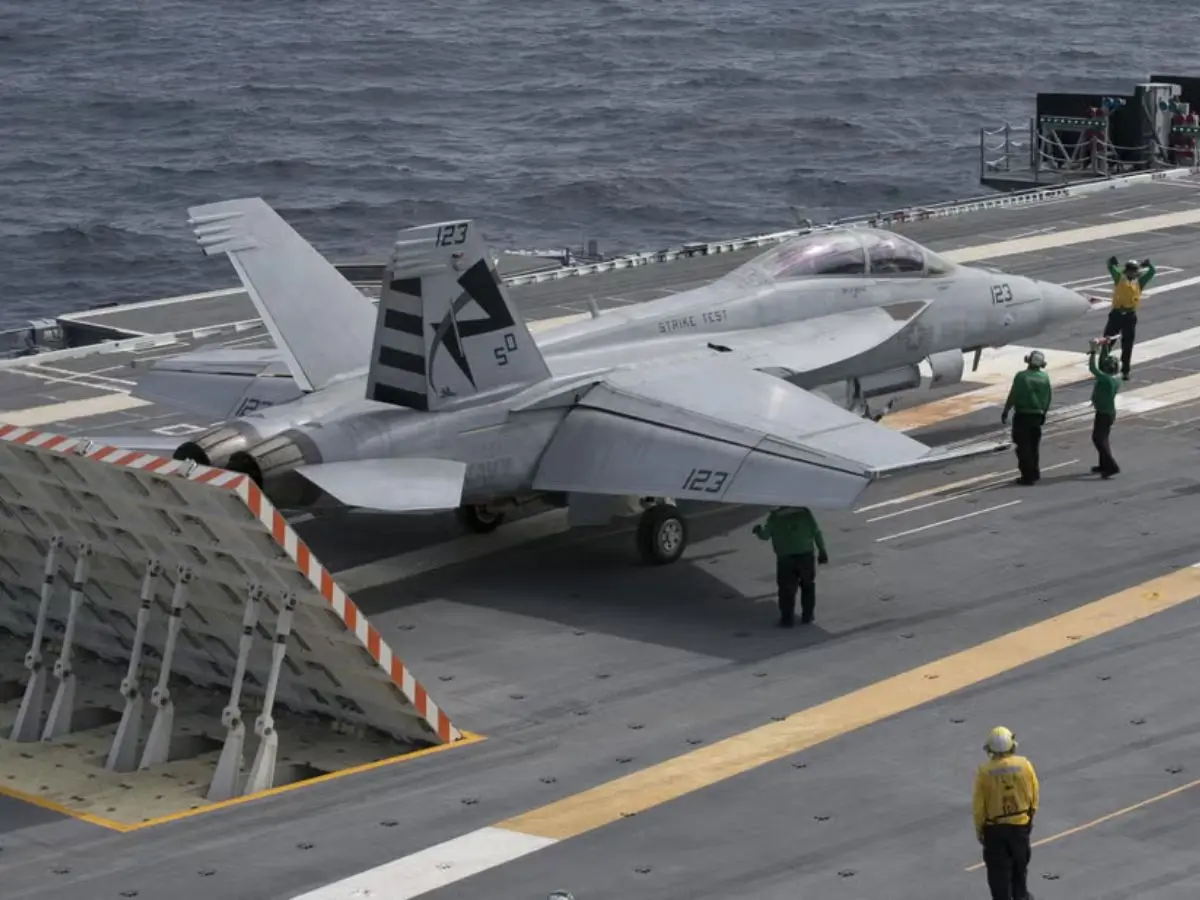
2. Revolutionary Launch Technology
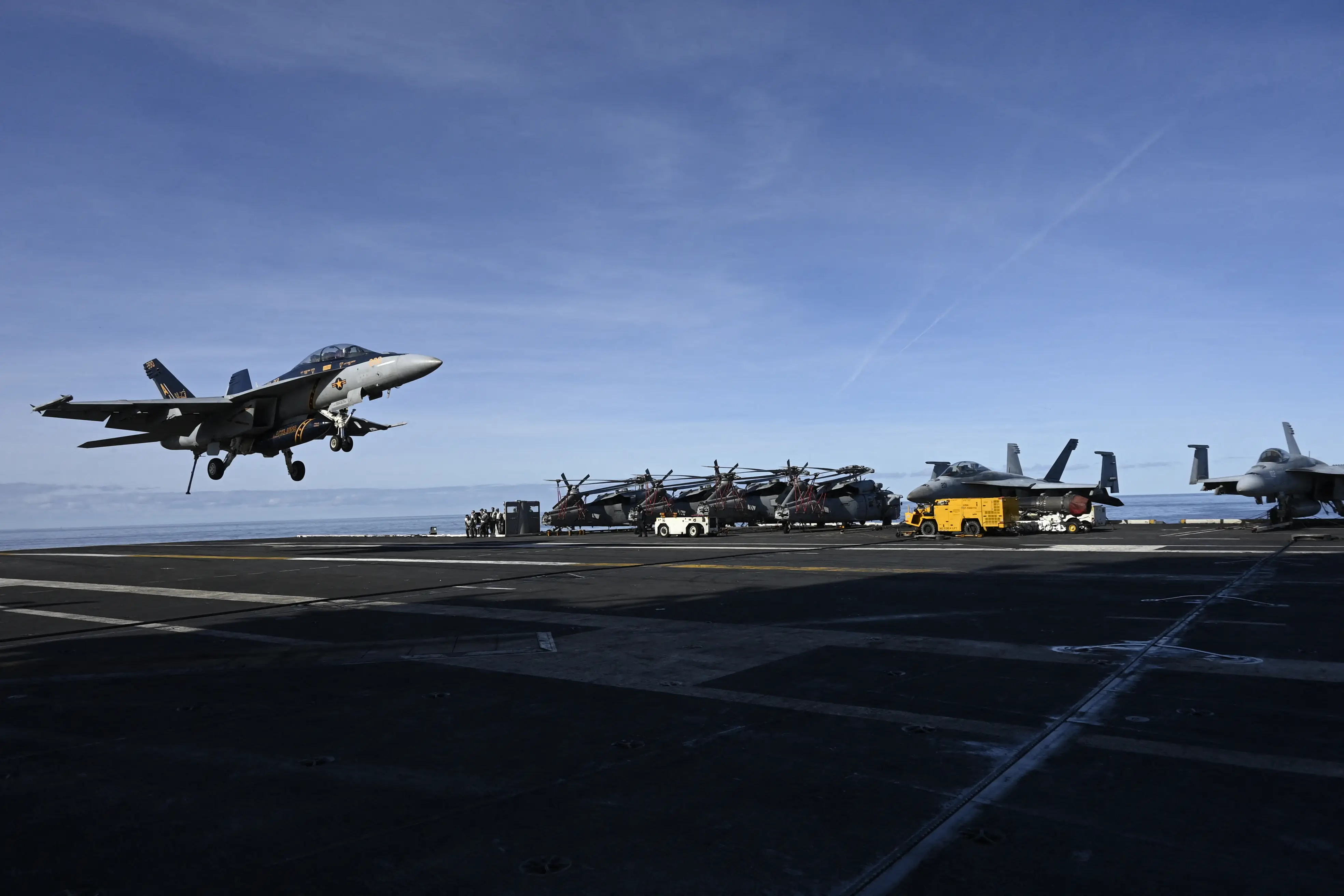
The Ford is the first carrier to feature the Electromagnetic Aircraft Launch System (EMALS) in place of traditional steam catapults. EMALS uses magnets instead of steam to power the ship’s catapults gives the Ford the ability to launch aircraft faster and with heavier weapons and more fuel, increasing the range and lethality of its fighter jets.
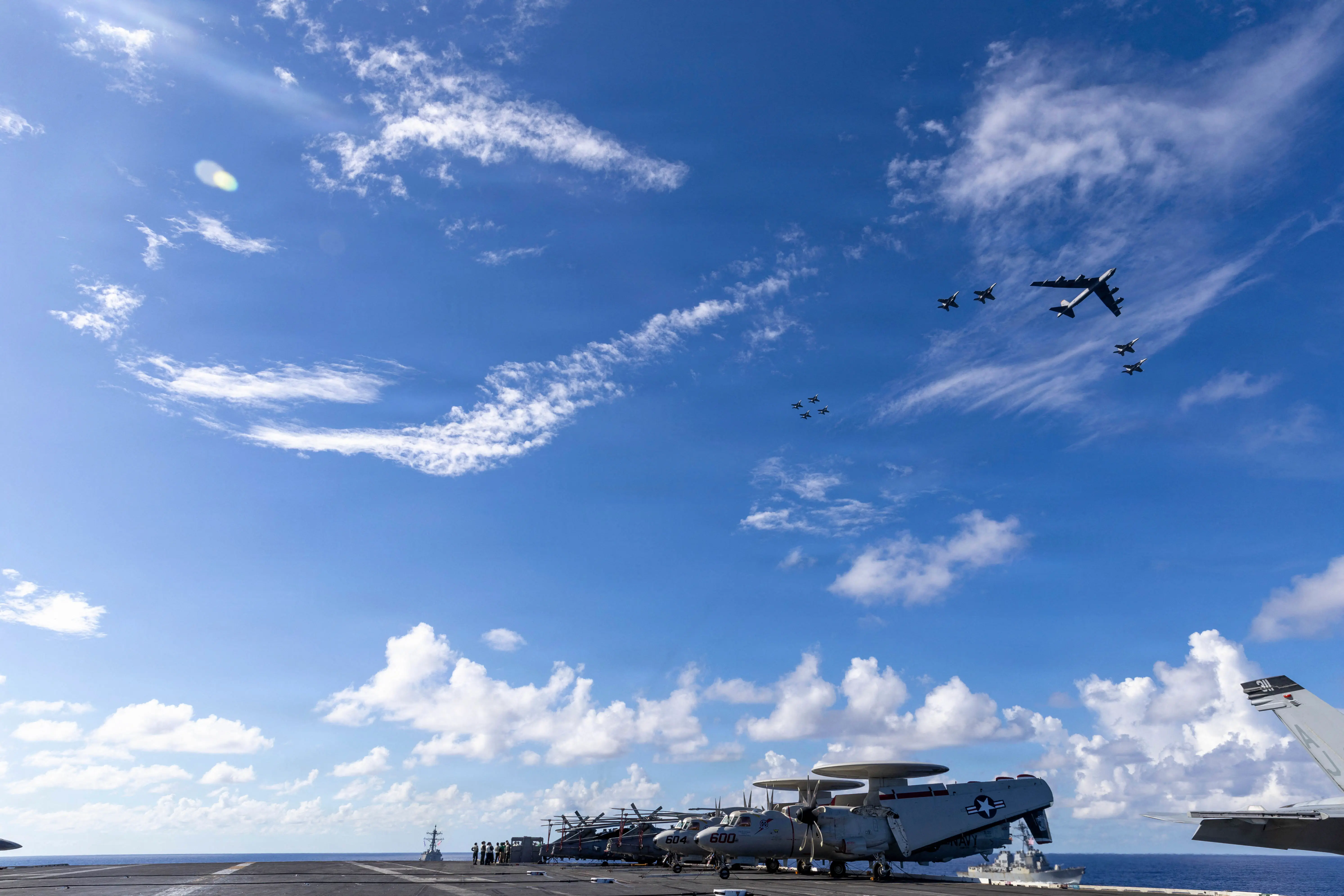
3. Advanced Arresting Gear
Complementing EMALS is the Advanced Arresting Gear (AAG) system, which recovers aircraft more efficiently and safely. It is reportedly also equipped with the AN/SPY-3 multifunction radar, these innovations allow the carrier to detect low-flying anti-ship missiles and increase sortie generation rates compared with older designs.
4. Redesigned Flight Deck
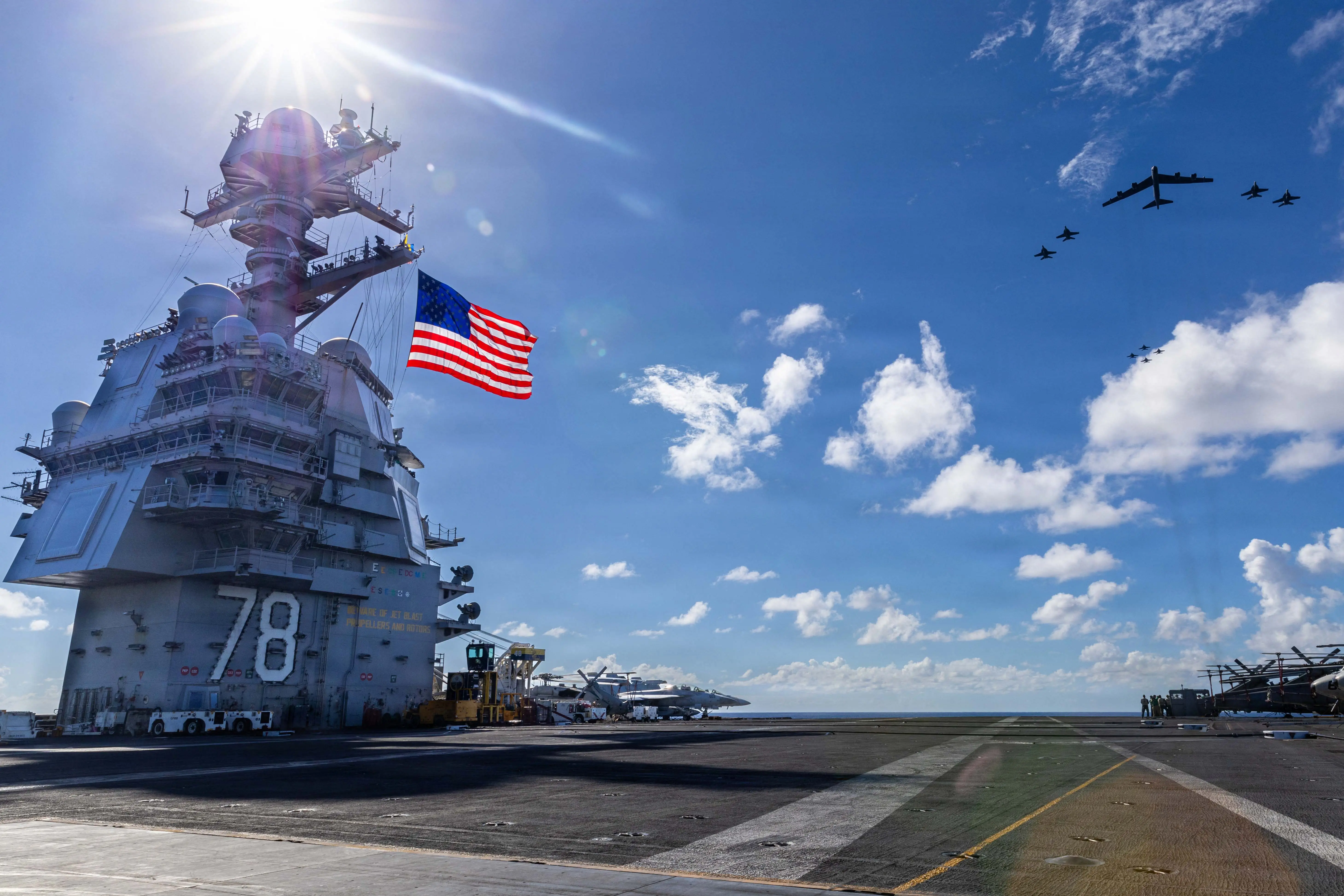
The flight deck has been reorganised to reduce congestion and improve operational flow. Weapons elevators are positioned closer to the deck, cutting the time needed to arm aircraft. F/A-18 fighter jets form the sharp teeth of the Ford. It also carries electronic warfare planes, airborne early warning aircraft, cargo planes, and helicopters. Its first combat deployment was in 2023, including an eight-month mission in the eastern Mediterranean following the Hamas-led attack on Israel on October 7.
5. A Powerful Nuclear Core
Powered by two next-generation Bechtel A1B nuclear reactors, the Ford produces significantly more electricity than earlier carriers, supporting advanced systems while allowing an operational lifespan of over 50 years without refuelling. The vessel is reportedly expected to remain in service for more than 90 years, far exceeding the original Nimitz-class design.
6. Reduced Crew and Operational Cost
Automation and digital systems have reduced crew requirements by several hundred sailors. The carrier operates with nearly 4,600 personnel, including its air wing, approximately 20 per cent fewer than a Nimitz-class ship, thus significantly reducing lifetime costs and increasing efficiency.
7. Built for Future Warfare
The Ford-class is designed to accommodate future weapons, sensors, and directed-energy systems. Its enhanced electrical capacity and digital backbone ensure it remains relevant as naval aviation evolves.

)
)

)