How our modern life depends on Earth’s magnetic field: What would happen if it disappeared?

Earth’s magnetic field protects life, powers navigation, and shields us from solar radiation. If it weakens or vanishes, we could face GPS failures, crop loss, disrupted migration, and increased cancer risk. Here’s how this hidden force affects daily life and what could go wrong.
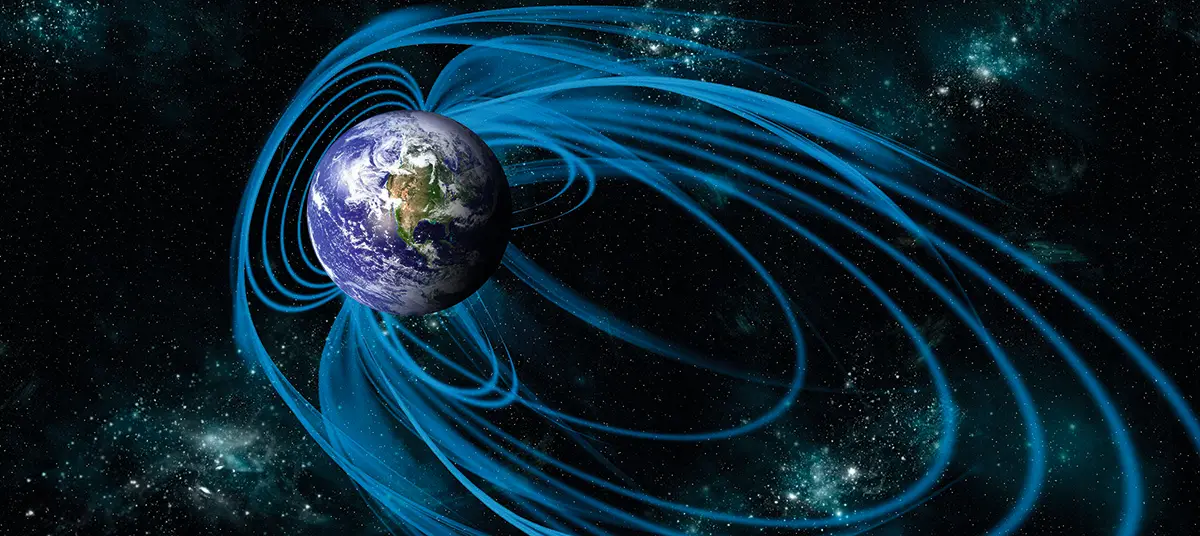
Earth’s magnetic field
Earth’s magnetic field is more than a natural wonder. It supports many parts of our everyday life from navigation and agriculture to protecting us from radiation. What would happen if it weakened or vanished?
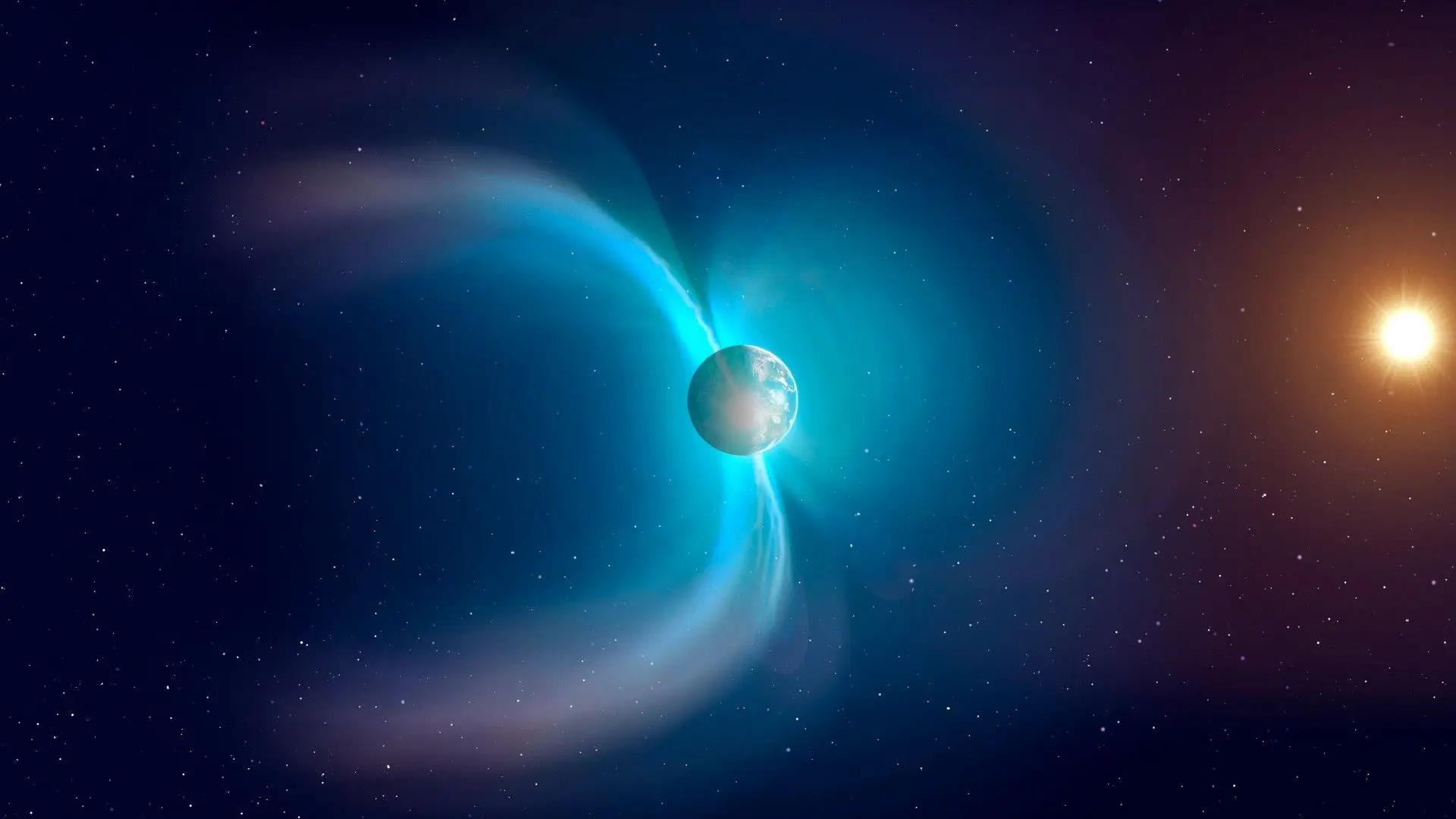
What the magnetic field does
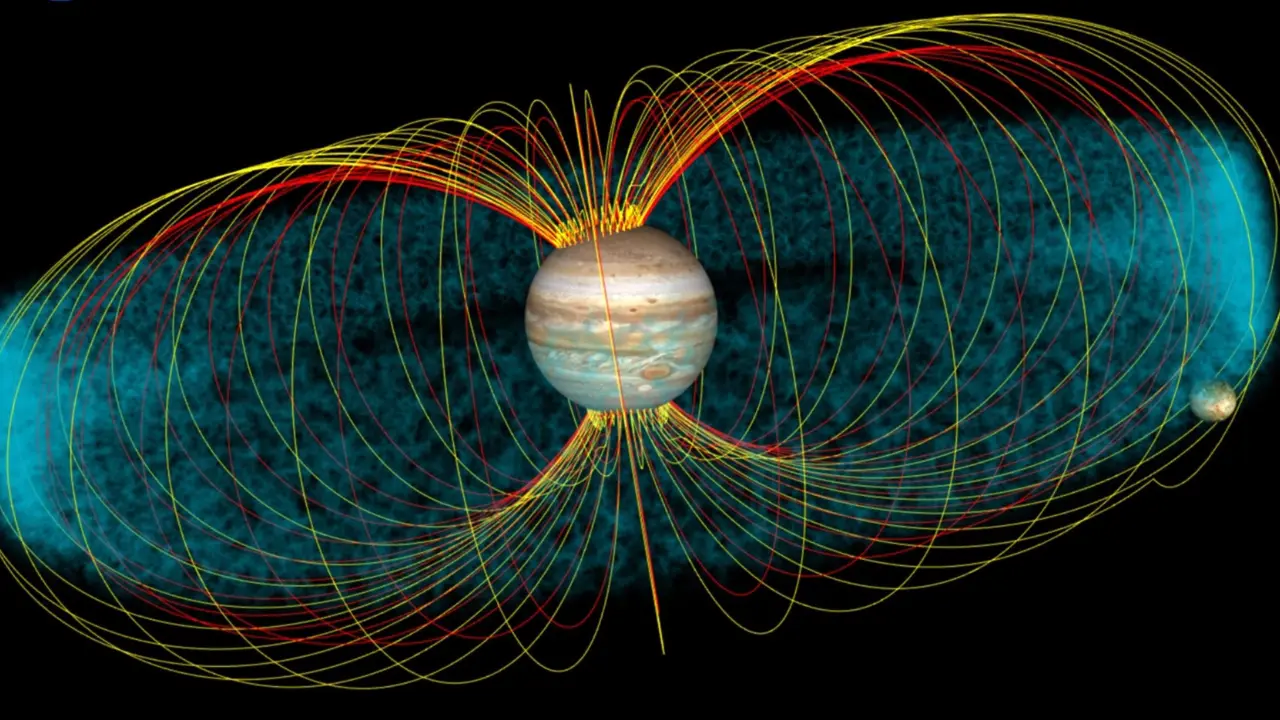
Inside Earth, molten iron in the outer core moves. That motion creates a magnetic field. This field stretches out into space. It forms the magnetosphere. This protects life by messing with charged particles from the Sun. It also makes compasses work.
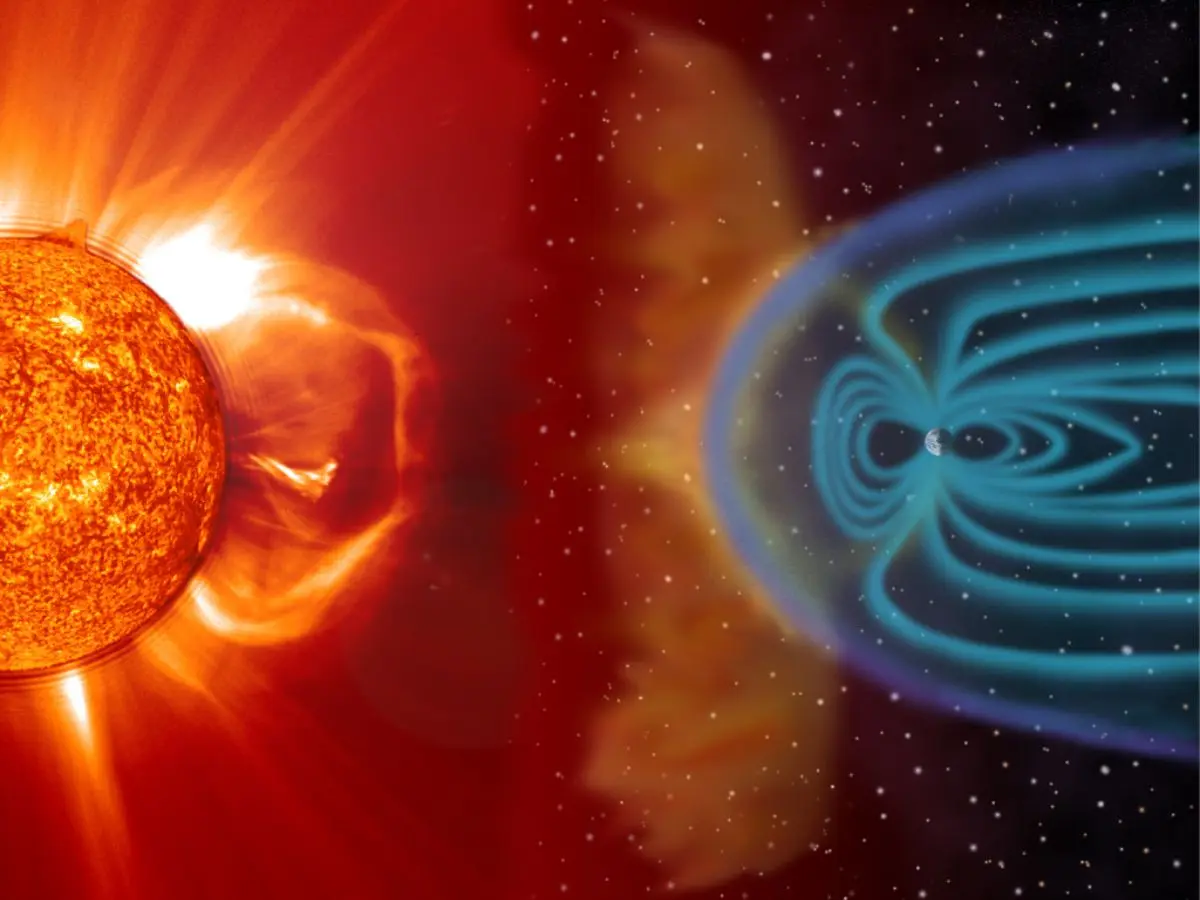
Navigation & telecommunications
People use navigation tools (compasses, GPS) everywhere on land, sea, in the air. The magnetic field helps devices know direction. If the field changes fast, compass‑based navigation could be off. Telecommunications and satellites depend on stability. Solar storms, without strong magnetic protection, can damage satellites or disrupt radio, GPS, and internet services.
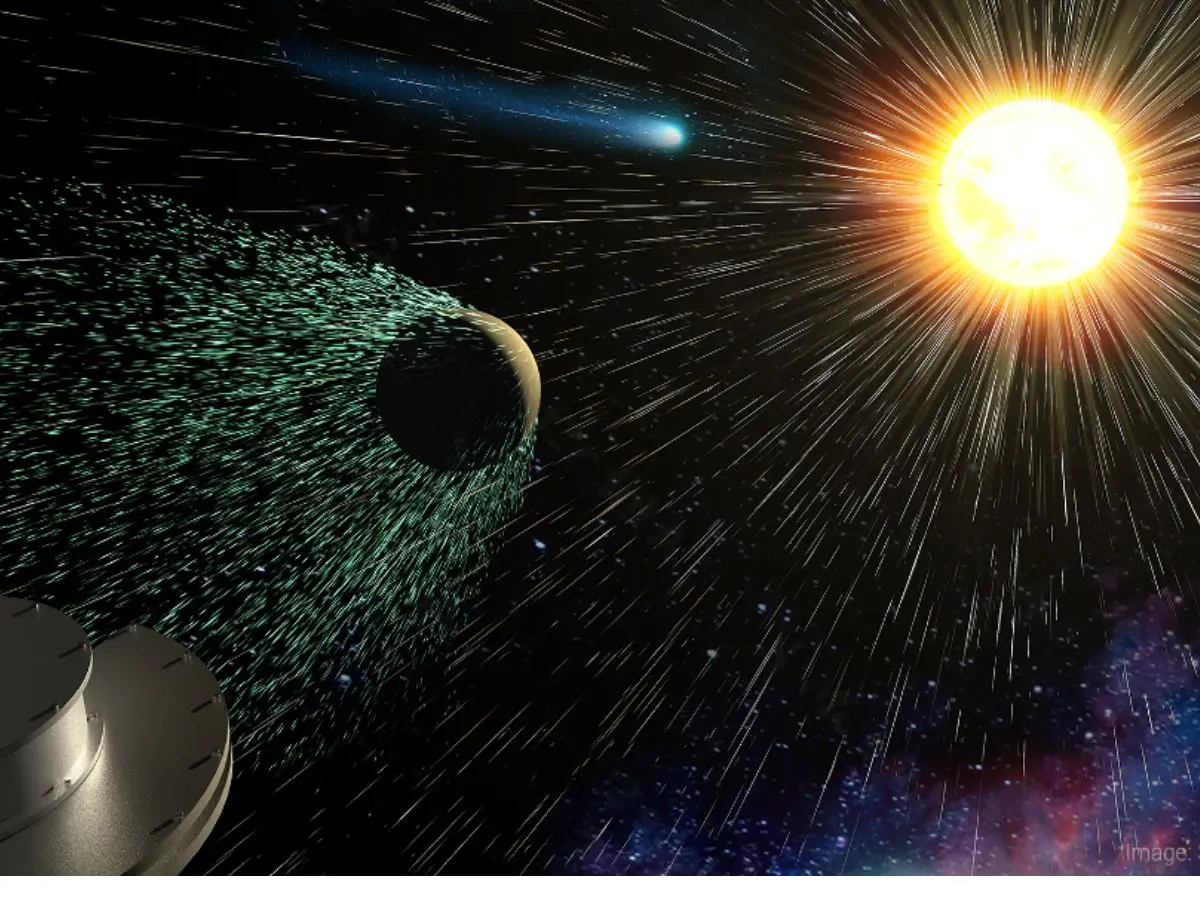
Animals & migration
Many animal species use the magnetic field to find their way. Sea turtles, migratory birds, salmon are examples. They sense magnetic directions and “map” their routes. If the field shifts or weakens too much, animals might get confused. Migration may fail or change. Habitats and food sources may be harder to find.
Agriculture & food chains
Pollinators like bees and insects help with pollination, which agriculture needs. Some studies hint that disturbances in magnetic cues could affect insect behaviour. If insects decline, crops could suffer. Also, farming increasingly uses electronic equipment (for irrigation, sensors, monitoring). Disruptions to power or signals would cause losses.
Protection from radiation & atmosphere
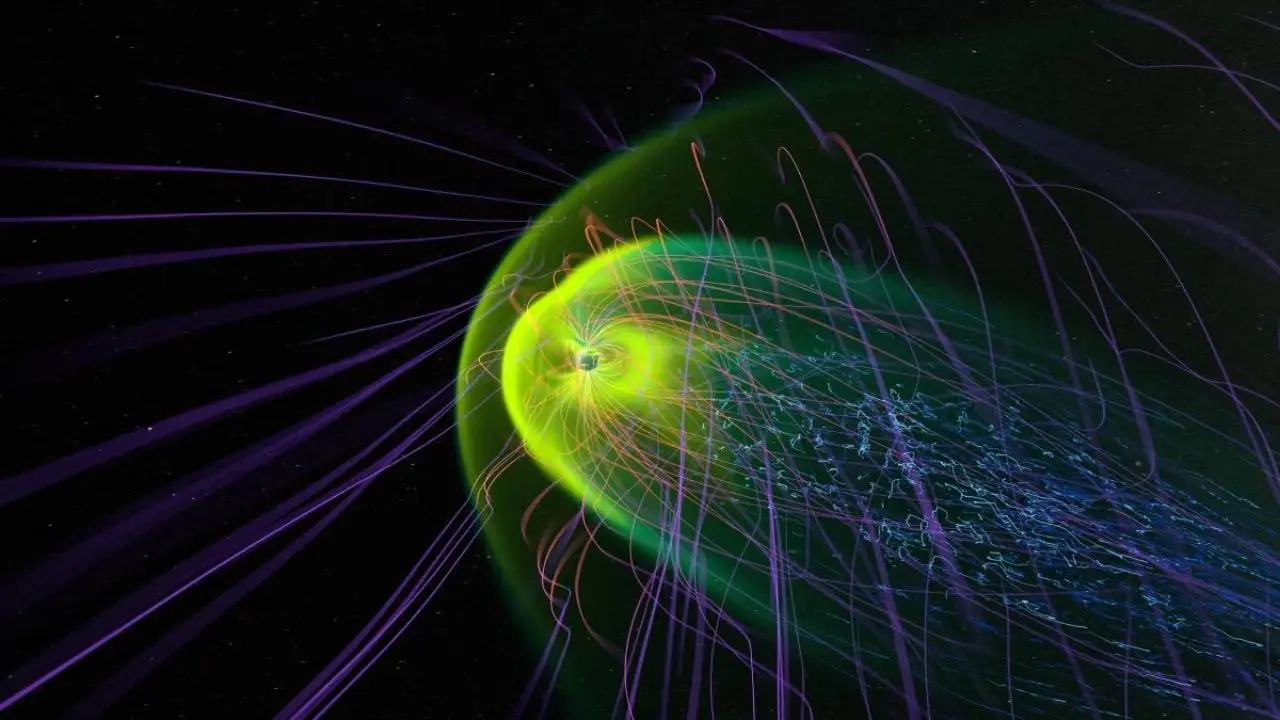
The magnetic field shields Earth from much of the solar wind and cosmic rays. Without it, more charged particles would reach the atmosphere. That could damage DNA in living beings and raise cancer risk. It also helps protect the ozone layer by deflecting particles that might deplete it.
What we take for granted & what we should do
We assume compasses and GPS always work. We expect birds to find migration routes, bees to pollinate crops, and satellites to send signals. These rely on a stable magnetic field.
What to do: support science that monitors Earth’s field. Invest in infrastructure that can withstand solar storms. Develop backup systems for navigation and communication. Be aware that changes may come slowly but even gradual weakening has risks.
)
)
)
)
)