How one small island could decide the direction of Iran war

Kharg Island, Iran’s main oil export terminal in the Persian Gulf, has become a crucial strategic point in the war. Disrupting the island could severely damage Iran’s oil revenue and war financing while also risking major shocks to global energy markets.
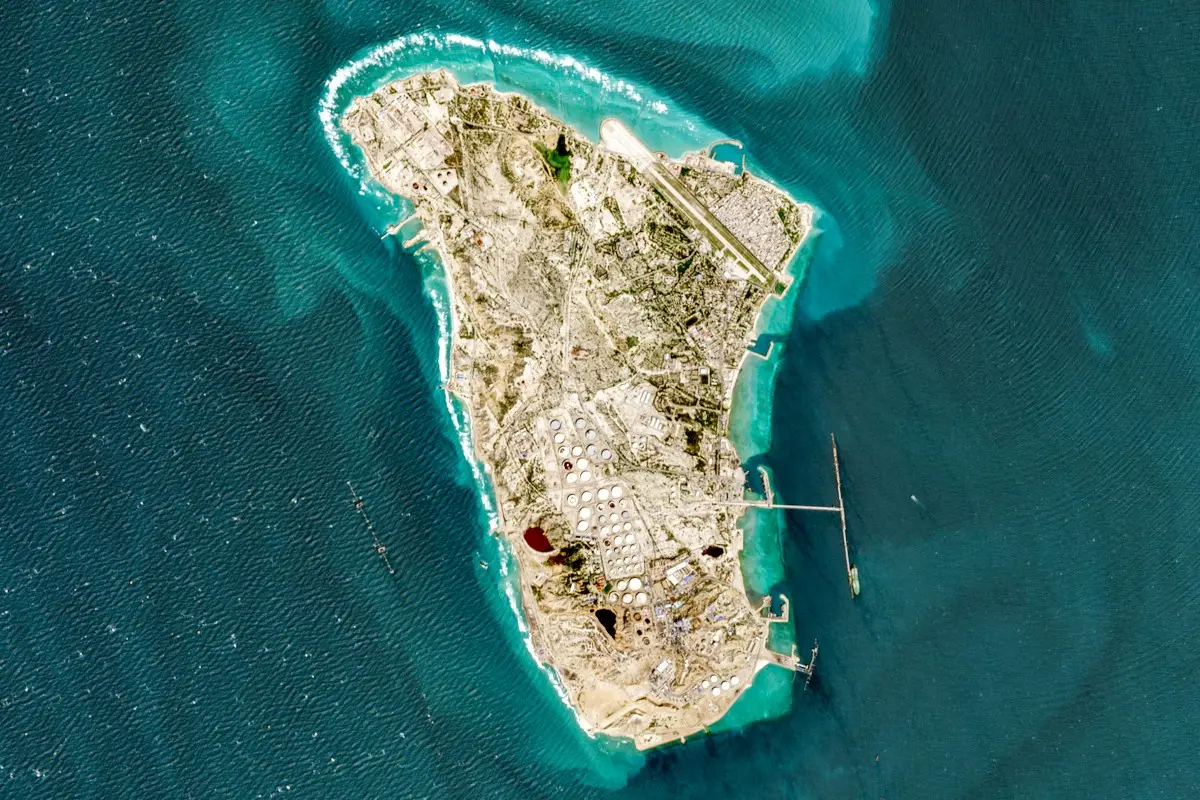
A Tiny Island With Huge Stakes
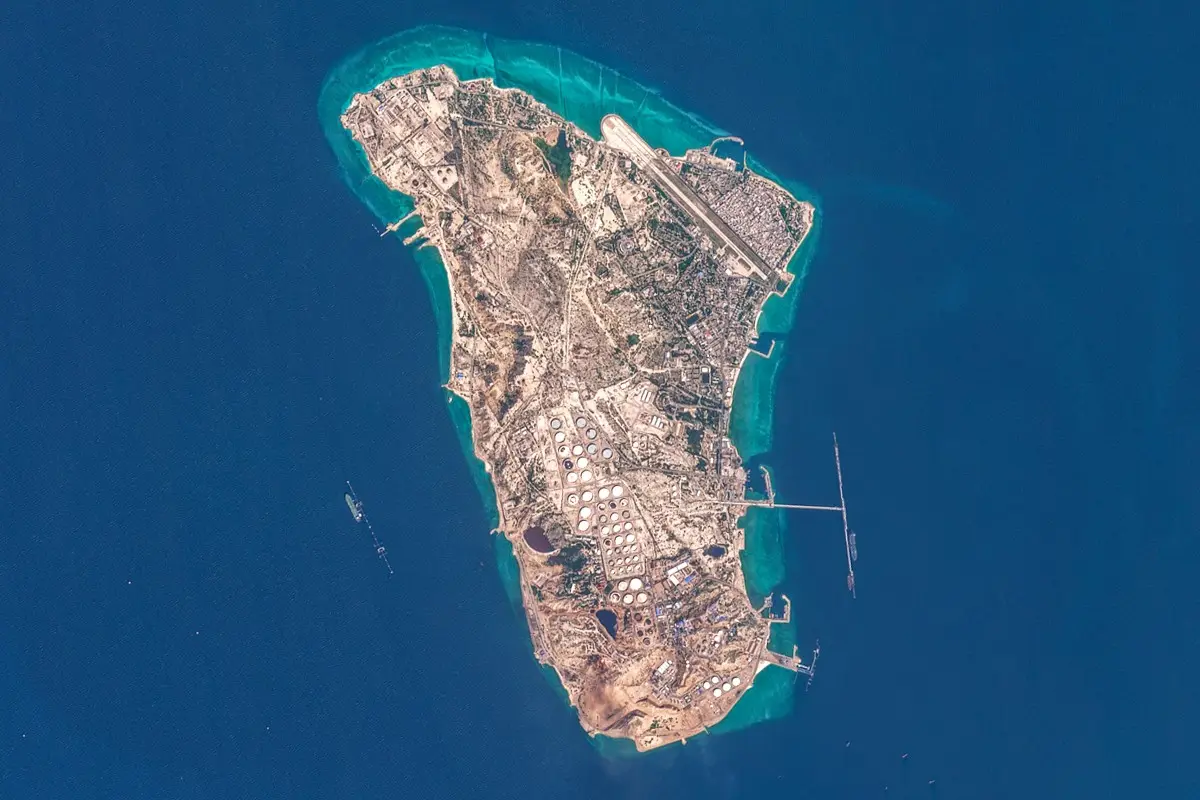
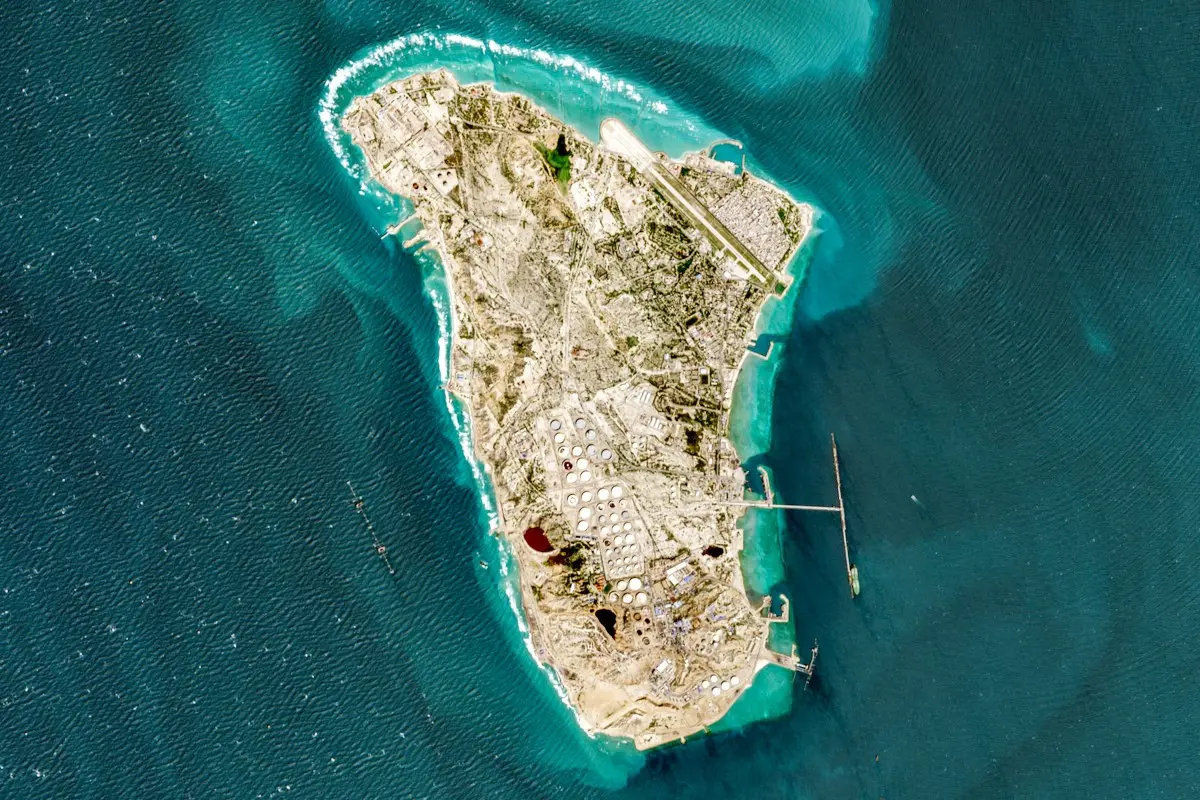
In the middle of the Persian Gulf sits Kharg Island, a small piece of land that plays an outsized role in Iran’s economy and war strategy. Though only about 8 km long, the island handles the majority of Iran’s oil exports, making it one of the most strategically important locations in the conflict.
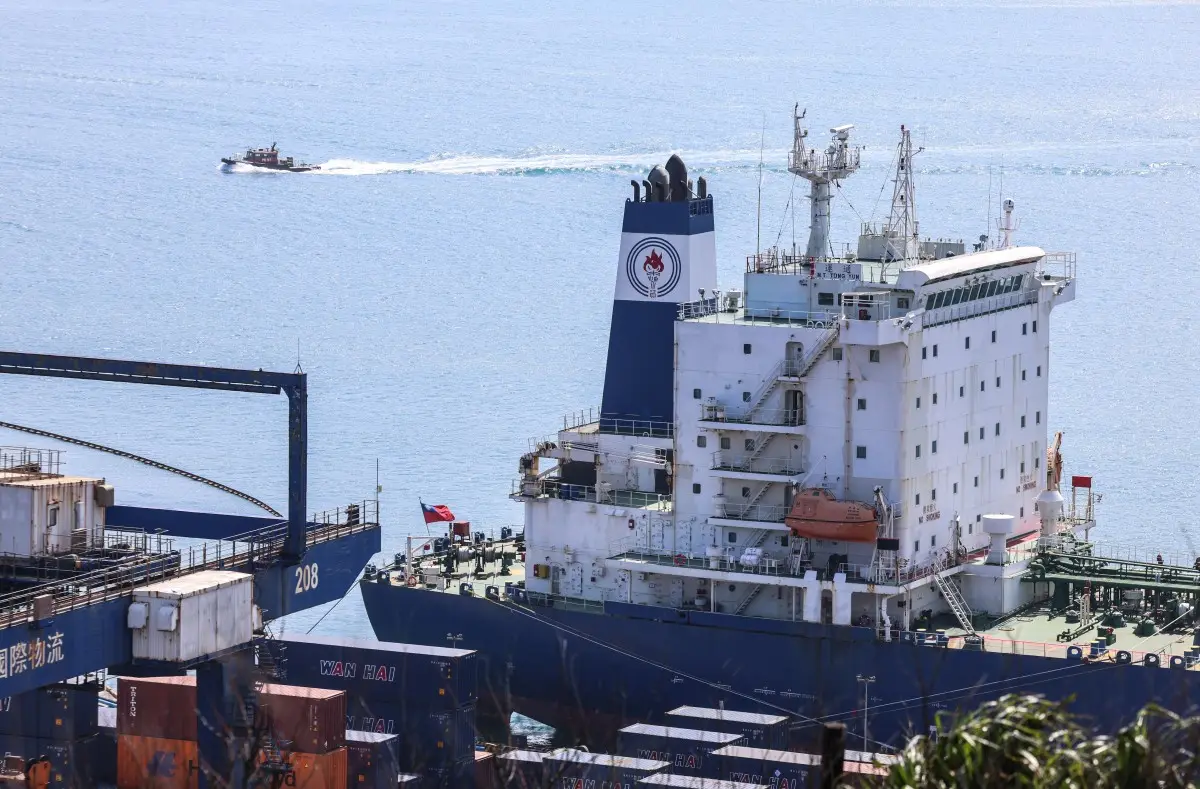
Iran’s Oil Lifeline
Most of Iran’s crude exports pass through terminals on Kharg Island. Tankers dock at giant loading jetties before carrying oil to markets in Asia. Because the country depends heavily on oil revenue, any disruption here could dramatically reduce the government’s income and its ability to finance the war effort.
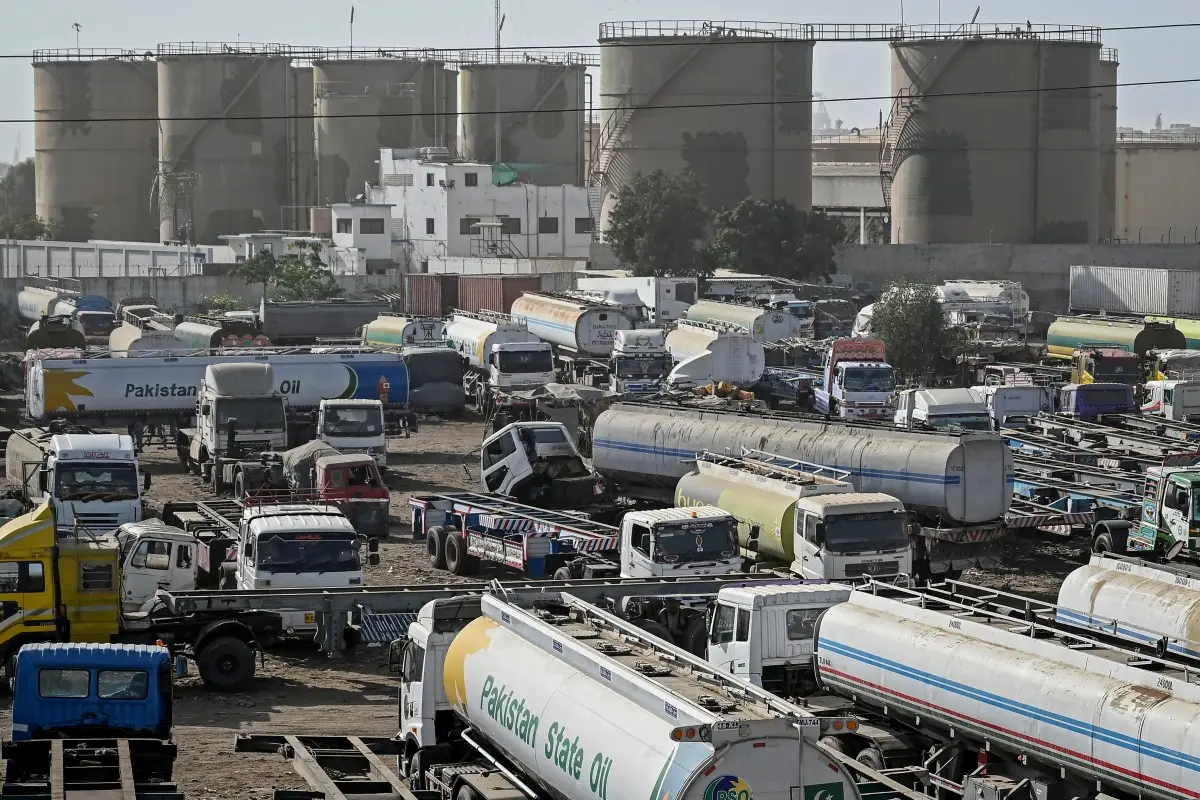
The Energy Infrastructure Hub
Massive storage tanks, pipelines from inland oil fields, and offshore loading facilities make Kharg Island a sophisticated energy hub. Crude oil flows here through pipelines from major Iranian fields before being pumped into supertankers, allowing millions of barrels to be exported each day from a single location.
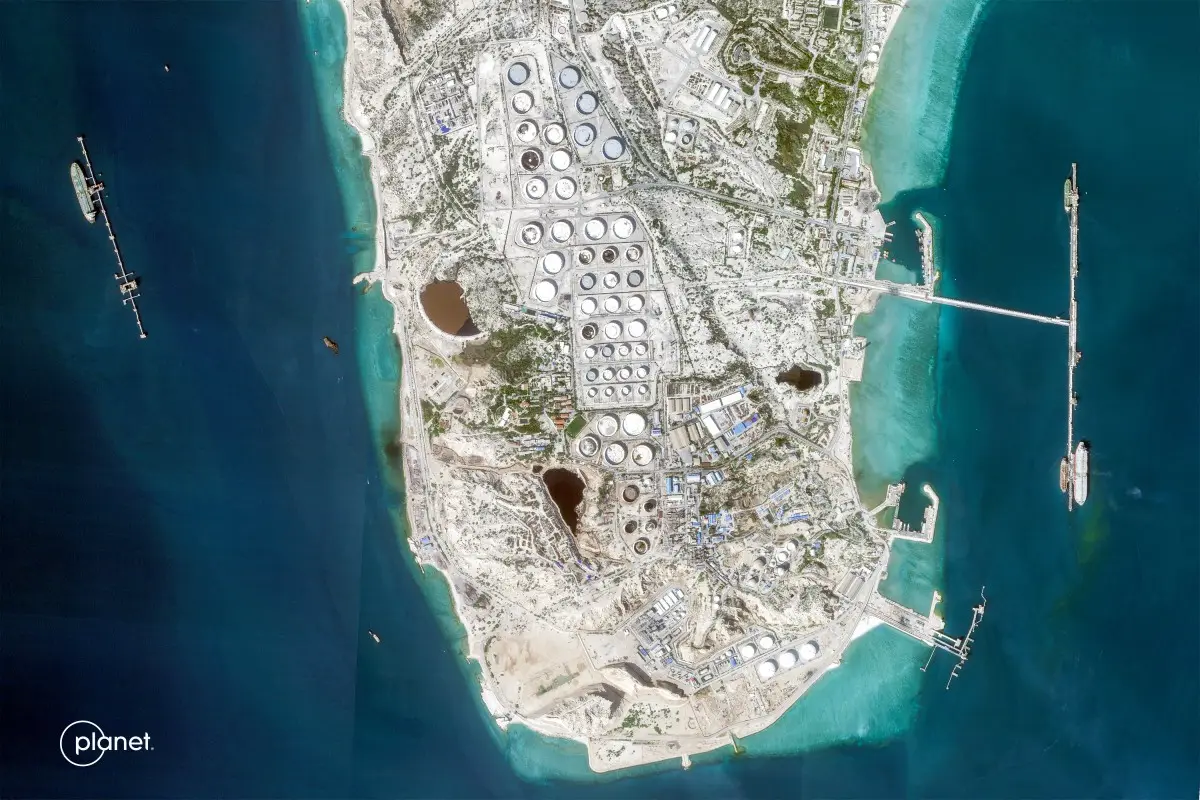
A Strategic Target in Wartime
Because of its importance, Kharg Island has long been considered a high-value military target. Strikes on its infrastructure could cripple Iran’s export capacity. However, attacking the island also risks triggering global oil price spikes, making it a sensitive target in the broader conflict.
Lessons From the Past
During the Iran–Iraq War, Kharg Island was repeatedly bombed because it was Iran’s main oil terminal. Despite heavy damage, Iran managed to keep exports running. The history shows both how vulnerable and how resilient this strategic energy hub can be during wartime.
Global Oil Markets on Edge
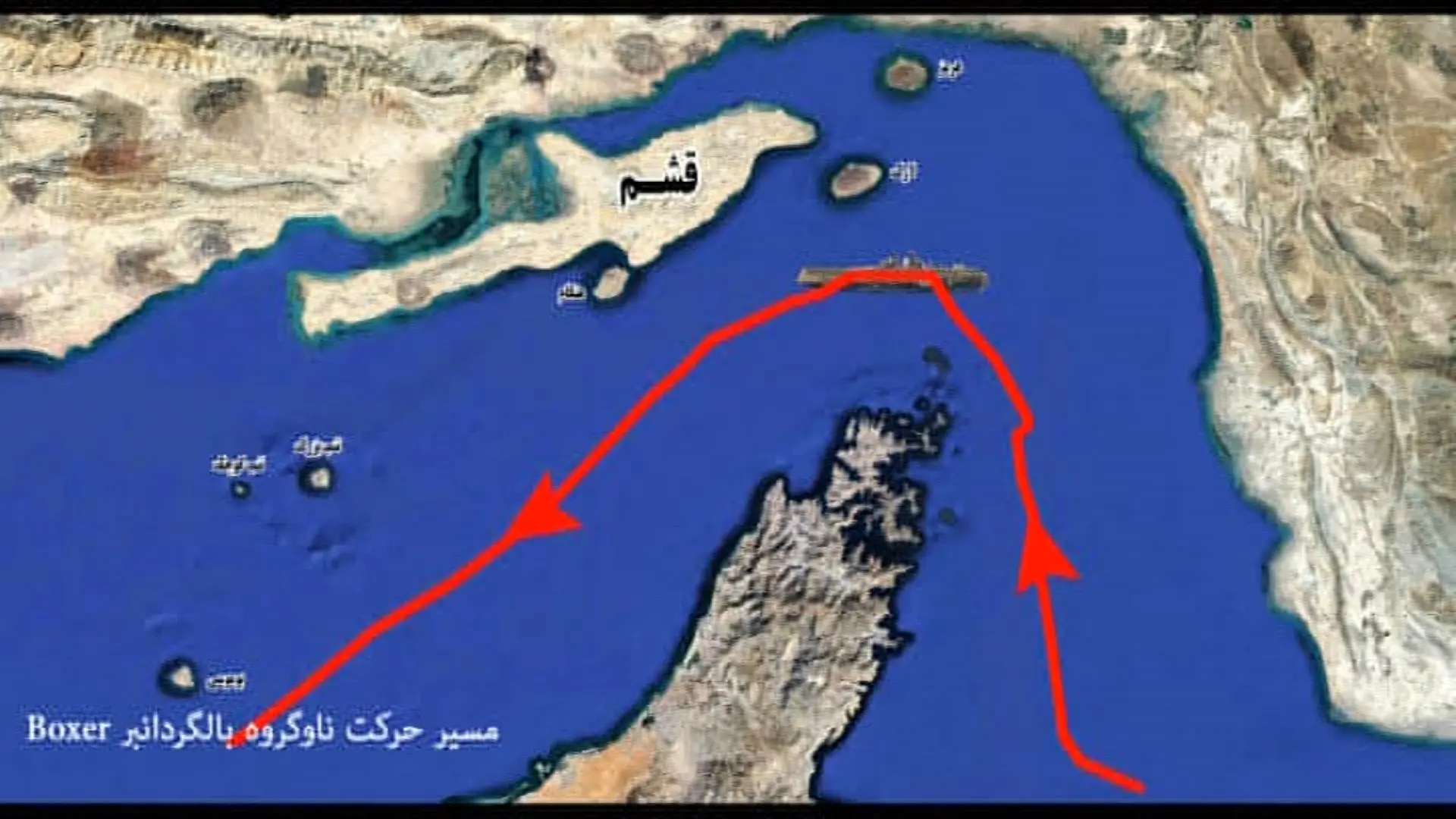
The island lies near the Strait of Hormuz, the world’s most critical oil chokepoint. Any disruption around Kharg could ripple across global energy markets, raising fuel prices and affecting economies far beyond the Middle East.
Why This Island Could Decide the War
If Kharg Island keeps operating, Iran can continue selling oil and funding its economy and military. If it is disabled or blockaded, the country’s main revenue stream could collapse quickly. That is why military planners see this tiny island as a decisive pressure point in the war.
)
)
)
)
)